
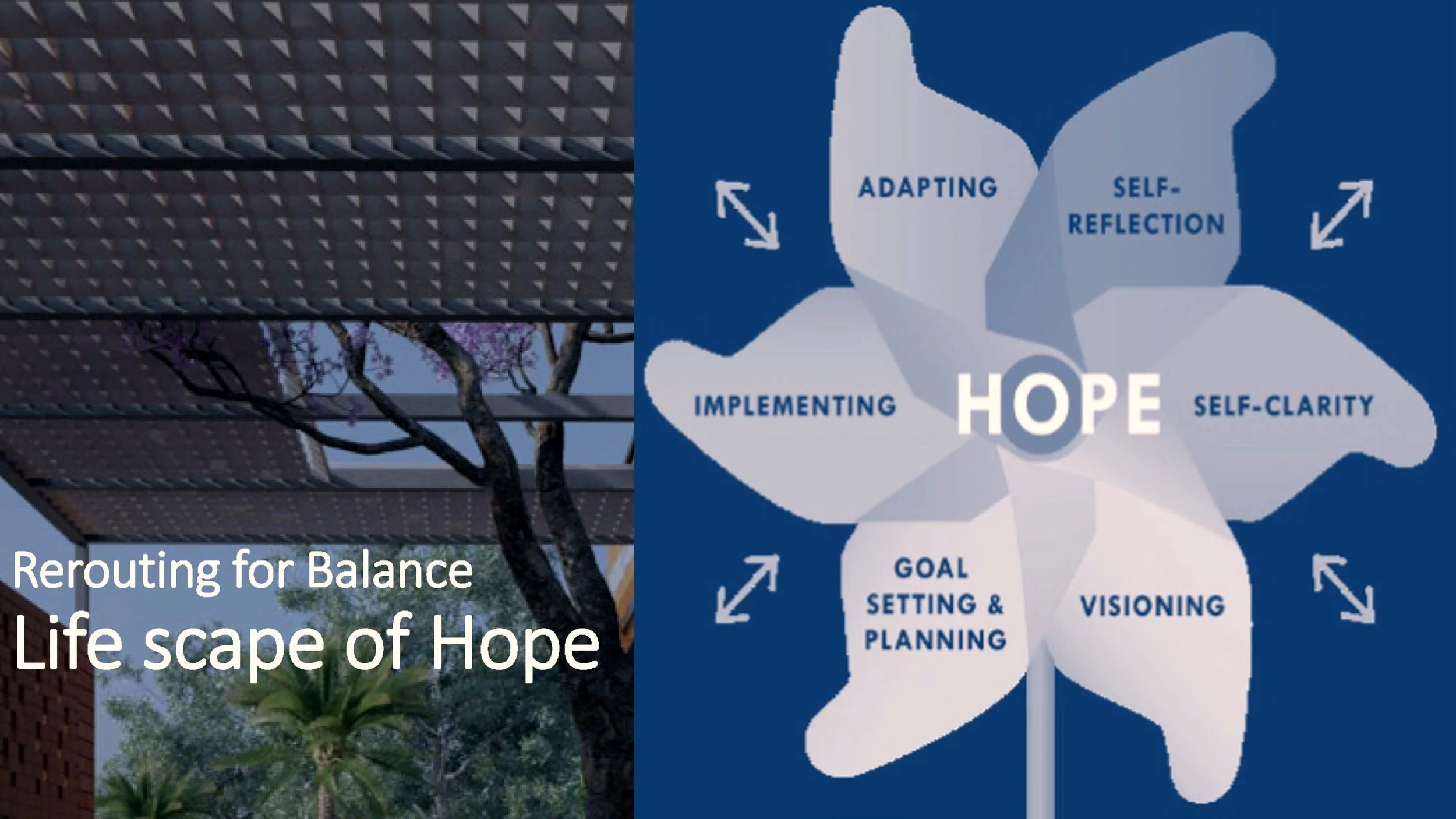
Event Description
A photograph freezes a moment, preserving an essence that may or may not be replicated. Architecture is the same: it captures the spirit of its time, enabling it to thrive in its creation and to offer a history for future generations.
As both a reflection of the past and a response to the present, architecture carries forward cultural memory while shaping collective aspirations. The built and unbuilt environments act as custodians of ideas, traditions, and shared experiences.
In the context of accelerating environmental and social challenges, hope must move beyond abstraction and become actionable. This lecture positions hope as the convergence of inherited cultural wisdom and contemporary technological progress—manifested through architecture as a visual narrative of history, an emotional and thought-provoking agent, and a time capsule of societal values.
Framed within the theme Rerouting for Balance, the talk explores how architectural practice can acknowledge uncertainty, anticipate change, and support community resilience. It is structured around four interrelated principles: flexibility and future adaptability, risk assessment, resilience, and passive survivability. Together, these principles argue that responding to evolving physical and social environments is a shared responsibility between designers, users, and society at large.
The discussion is grounded in two award-winning projects that exemplify this approach. The Gold LEED–certified OEC/Hive Tower in Islamabad reinterprets traditional Asian architectural elements—such as projections and fins on southwest façades—to create a dynamic play of light and shade, while integrating smart technologies and vertical gardens to reduce its carbon footprint.
The FFCEL Management Centre in Jhimpir, Sindh, employs wind-barrier walls to form protected microclimates, offering psychological relief and environmental comfort for staff working within the demanding setting of a wind power plant.
Together, these projects demonstrate how materiality, form, and context can align to produce architecture that is culturally rooted, environmentally responsive, and forward-looking—reflecting who we are, what we value, and how we envision a resilient future.
CES: 1 LU/HSW for AIA Members
Speakers
Shazia Qureshi, Principal Architect and Managing Partner at Sohail A. Khan Associates
Moderator
Haadiya Abbas, Founder, RBL Architecture & Rebel Architect
Speaker Bio
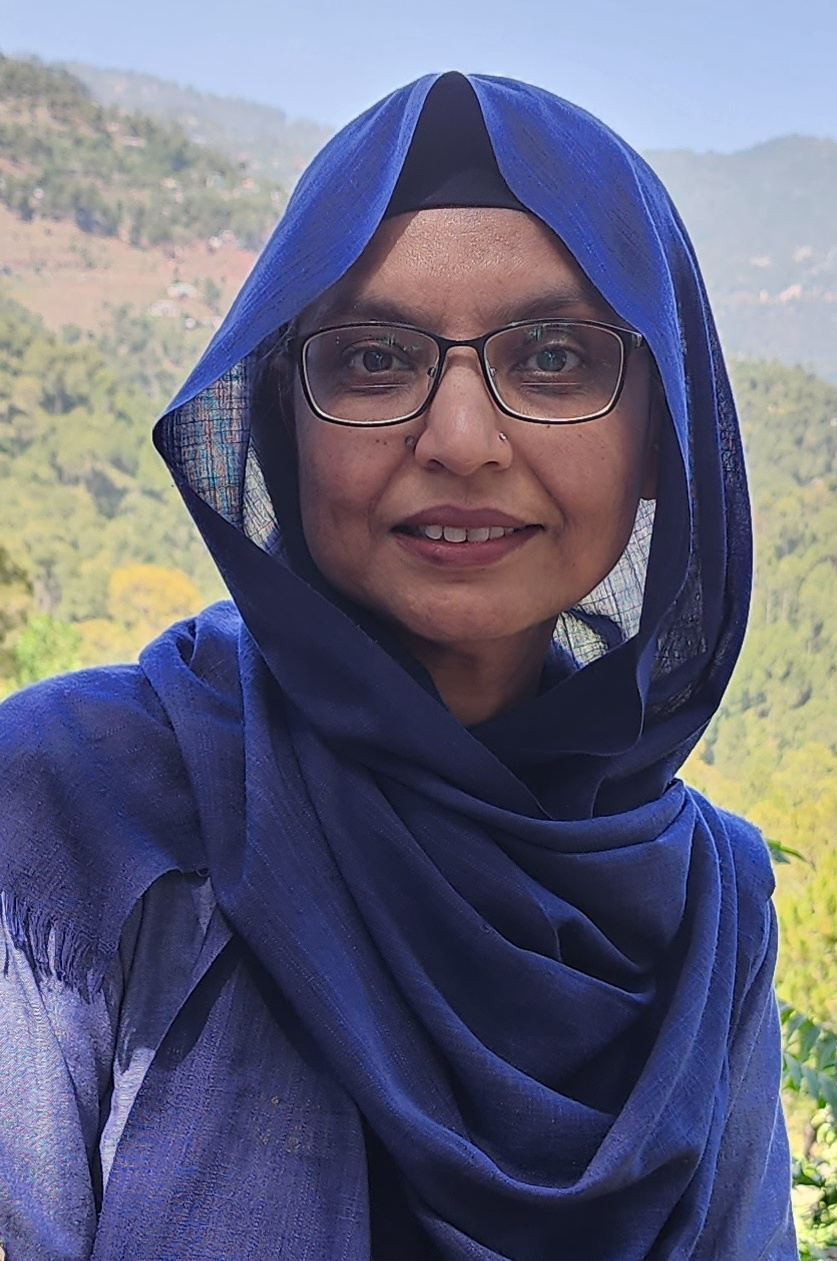
Shazia Qureshi graduated from the University of Engineering and Technology Lahore in 1994 and currently serves the professional as Principal Architect and Managing Partner at Sohail A. Khan Associates.
With over three decades of professional practice, she has been at the forefront of promoting Socially Responsive, Sustainable, and Responsible Architecture, firmly believing that architecture is not only for its immediate users, but also a source of inspiration and well-being for the wider community.
Her work spans a wide range of national and international projects, earning multiple awards and recognition. She is the creative force behind Pakistan’s tallest vertical garden at the Gold LEED–certified Hive/OEC Tower, a landmark project that reflects her commitment to sustainable design.
Her belief is that architecture is not only for the immediate user. Architects, through their designs, shape human behavior and the built environment. She practices with the principle that every responsible and thoughtful act initiates a sustainable cycle.
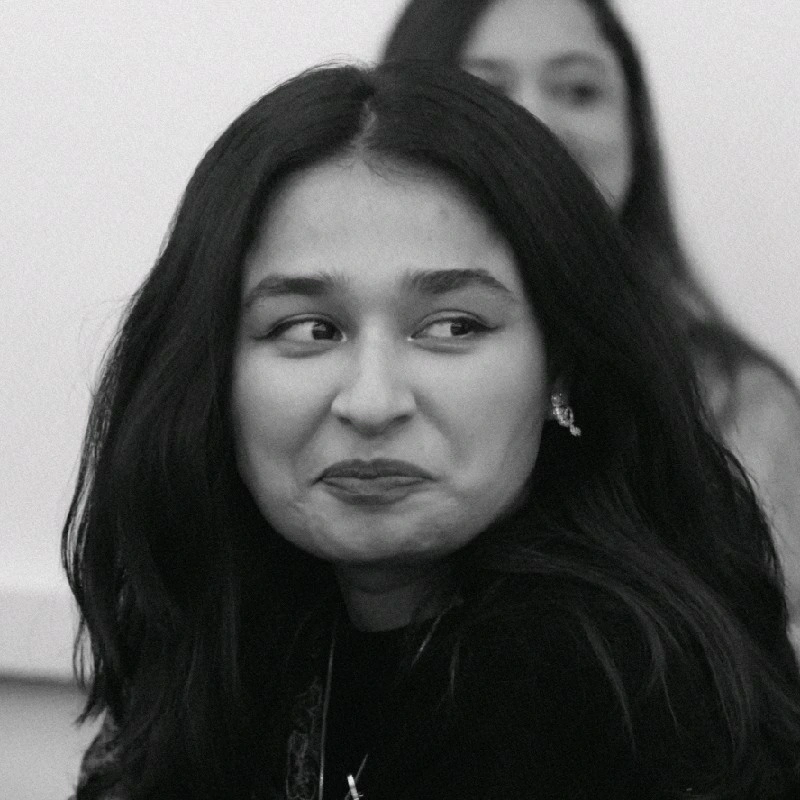
Ar. Haadiya Abbas leads the Institute of Architects Pakistan – Green Initiative, where her work engages with urban planning, city-wide regulations, and sustainable SDGs incorporation in city design.
She is also an active contributor to the UNEP Global Building Alliance Sufficiency Group, conducting research on low-resource systems that enable high-impact urban strategies for rapidly urbanizing contexts in Pakistan Asia-based regional contexts.