
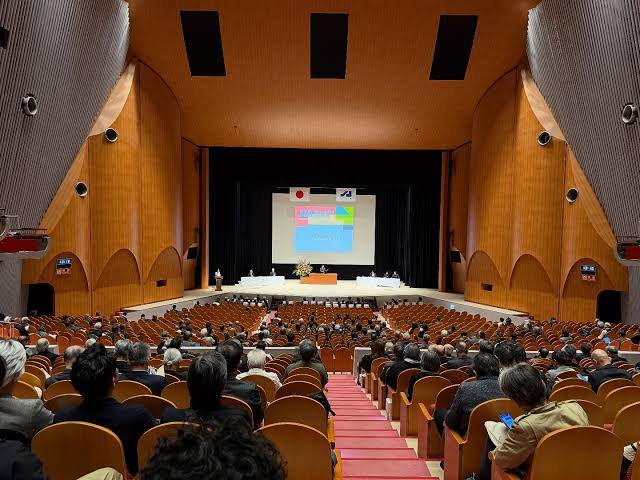
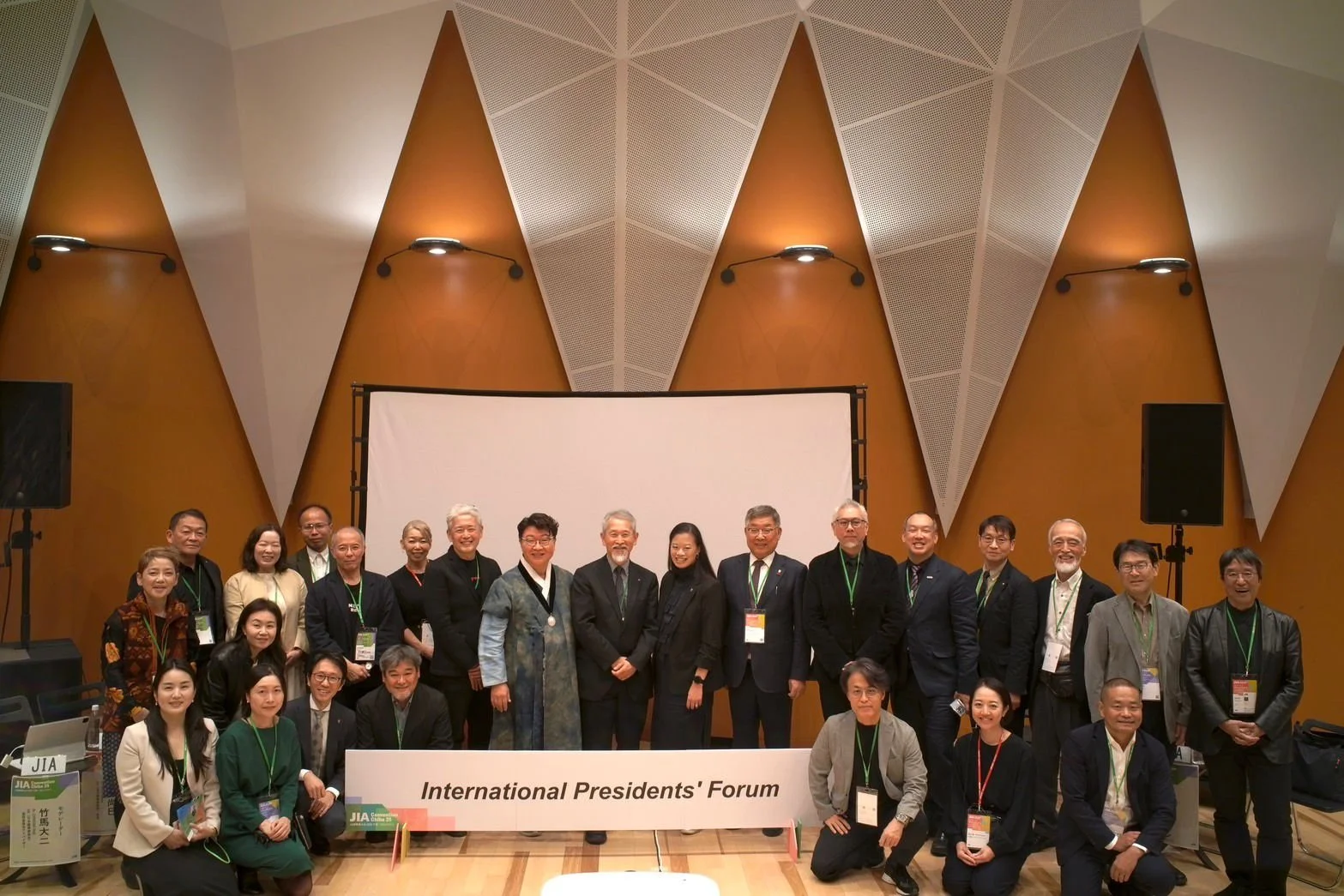
Segene Park, AIA International First Vice President and President-elect, attended the Japan Institute of Architects (JIA) Annual Conference, held this year at the Chiba Prefecture Cultural Hall in Chiba. The event marked a significant milestone, as it was the first time the conference was fully open to the general public at no cost. The impact of this decision was immediately apparent: engagement from the local community was outstanding. Even Segene’s taxi driver, upon hearing about the event, expressed a desire to attend after a brief explanation. This enthusiasm highlighted how deeply the conference resonated with people beyond the architectural profession and underscored the potential of architecture to engage and inspire the broader public.
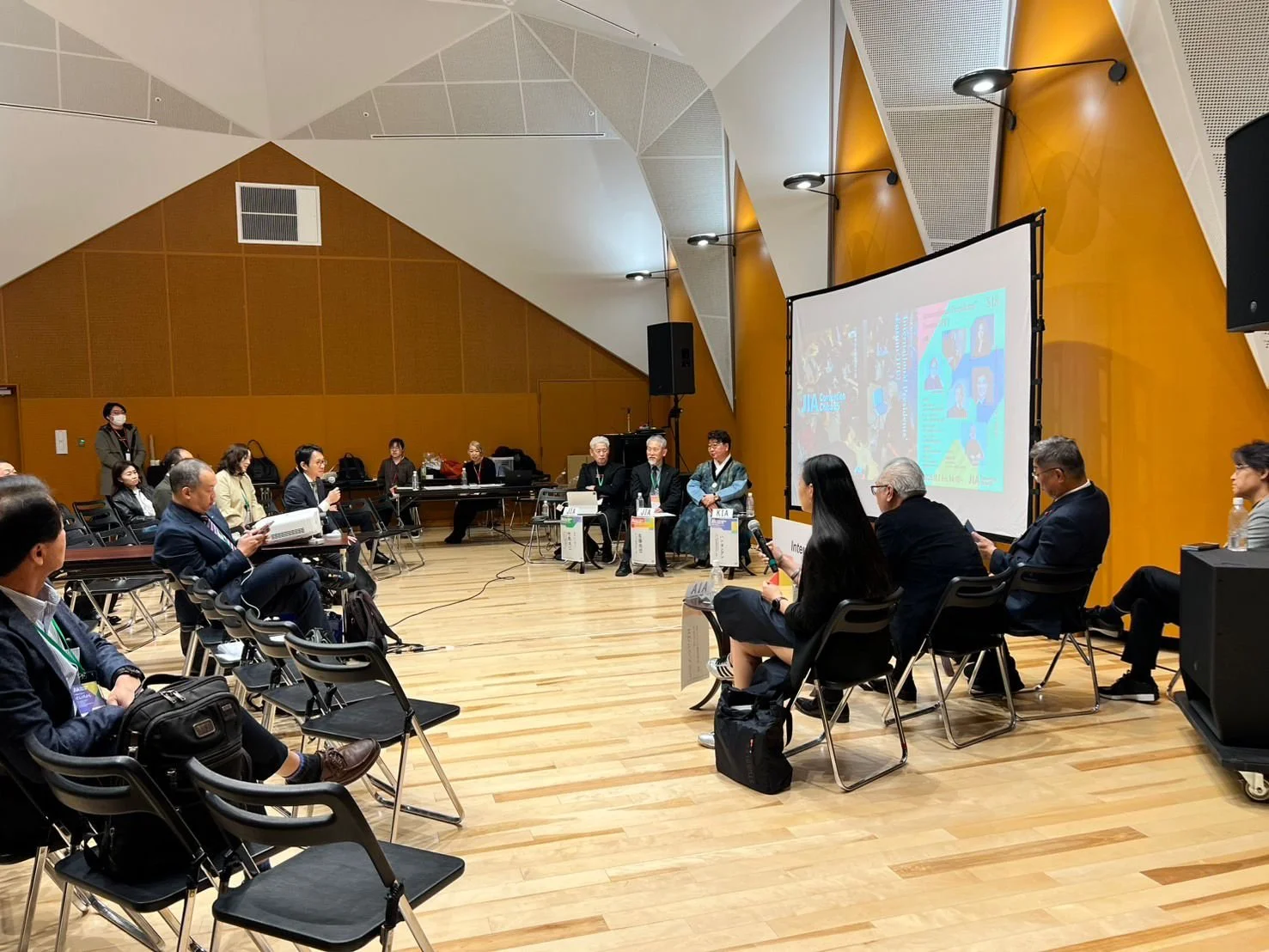
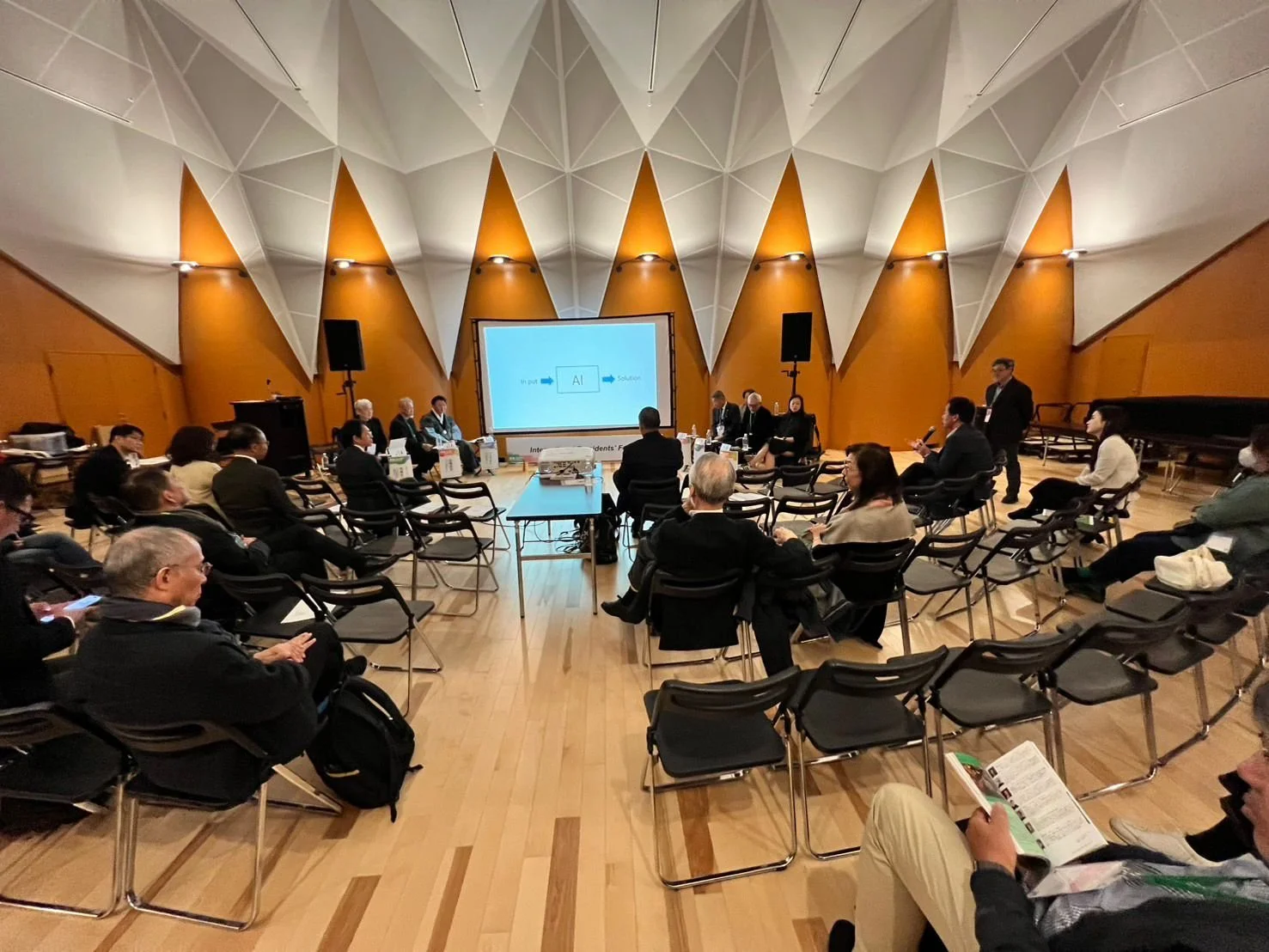
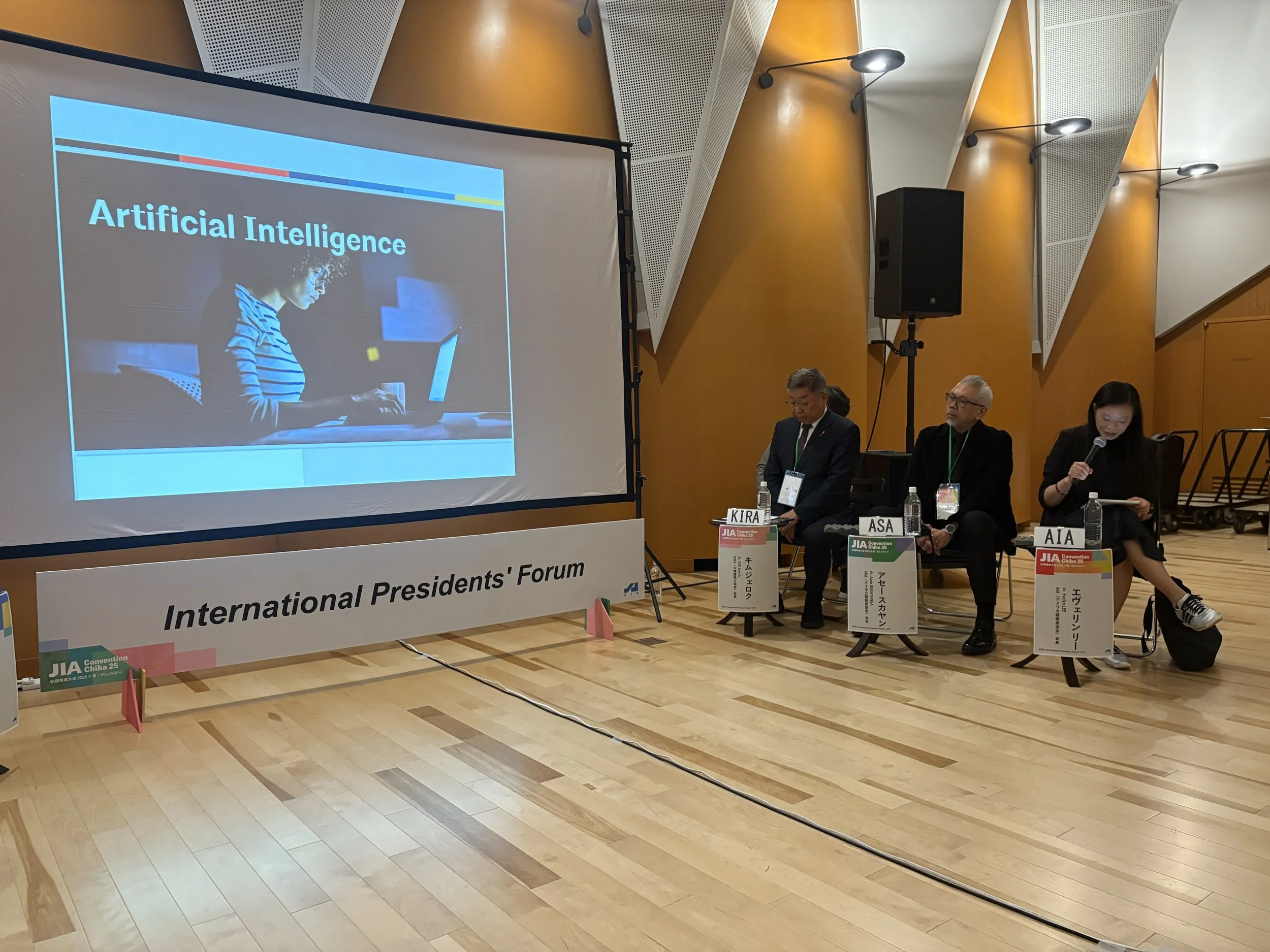
Segene joined the President’s Forum, organized by the JIA International Relations Committee and hosted by Committee Chair Daiji Chikuba. The forum brought together leadership from international architectural organizations, fostering dialogue on pressing global issues. Notable attendees included:
Ar. Naomi Sato, representing the Japan Institute of Architects (JIA)
Ar. Evelyn Lee, the 2025 President of the American Institute of Architects (AIA), representing AIA National as a panelist and sharing insights on how the organization is integrating artificial intelligence across its operations.
Ar. Segene Park, representing AIA International as a guest participant.
Ar. Han Young-keun, representing the Korean Institute of Architects (KIA)
Ar. kimJae Rok, representing the Korea institute of Registered Architects (KIRA)
Ar. Asae Sukhyanga, representing The Association of Siamese Architects under Royal Patronage (ASA)
Leadership from the Architects Regional Council Asia (ARCASIA) Ltd.
The discussions were wide-ranging and highly relevant, covering topics such as the evolution of AI in architecture, the profession’s adaptation to emerging technologies, architects’ social responsibilities, and other critical issues shaping the industry.
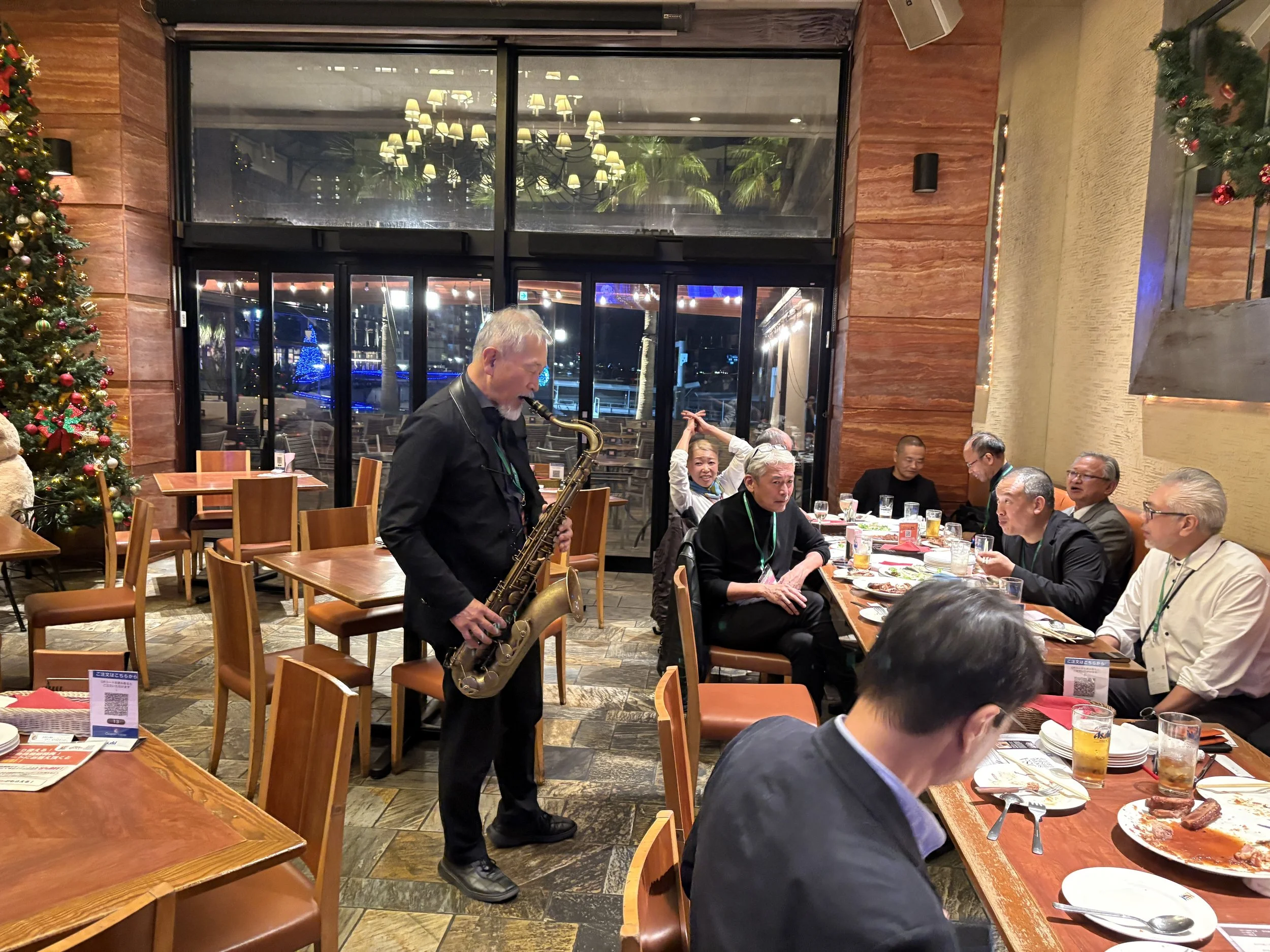
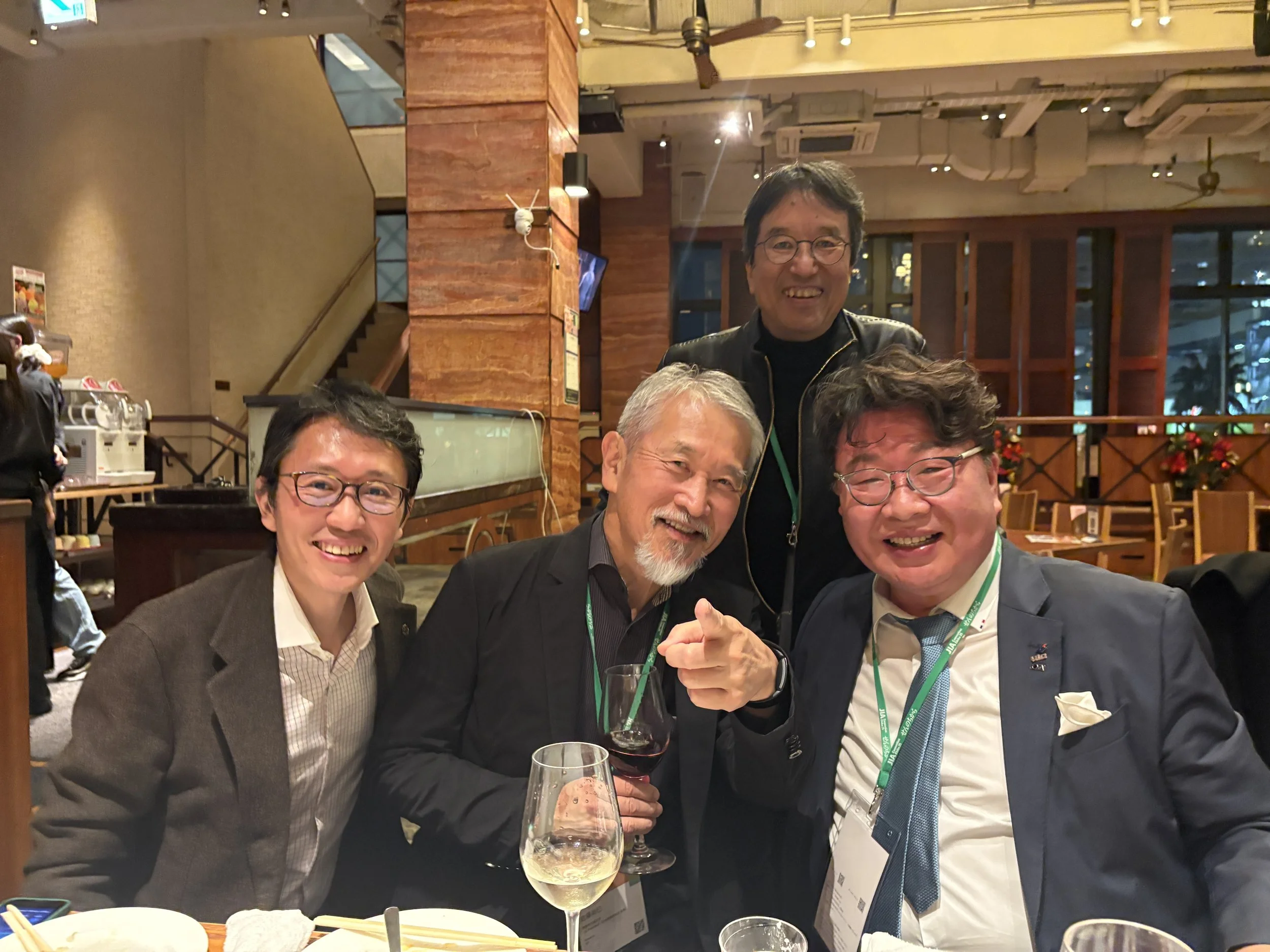
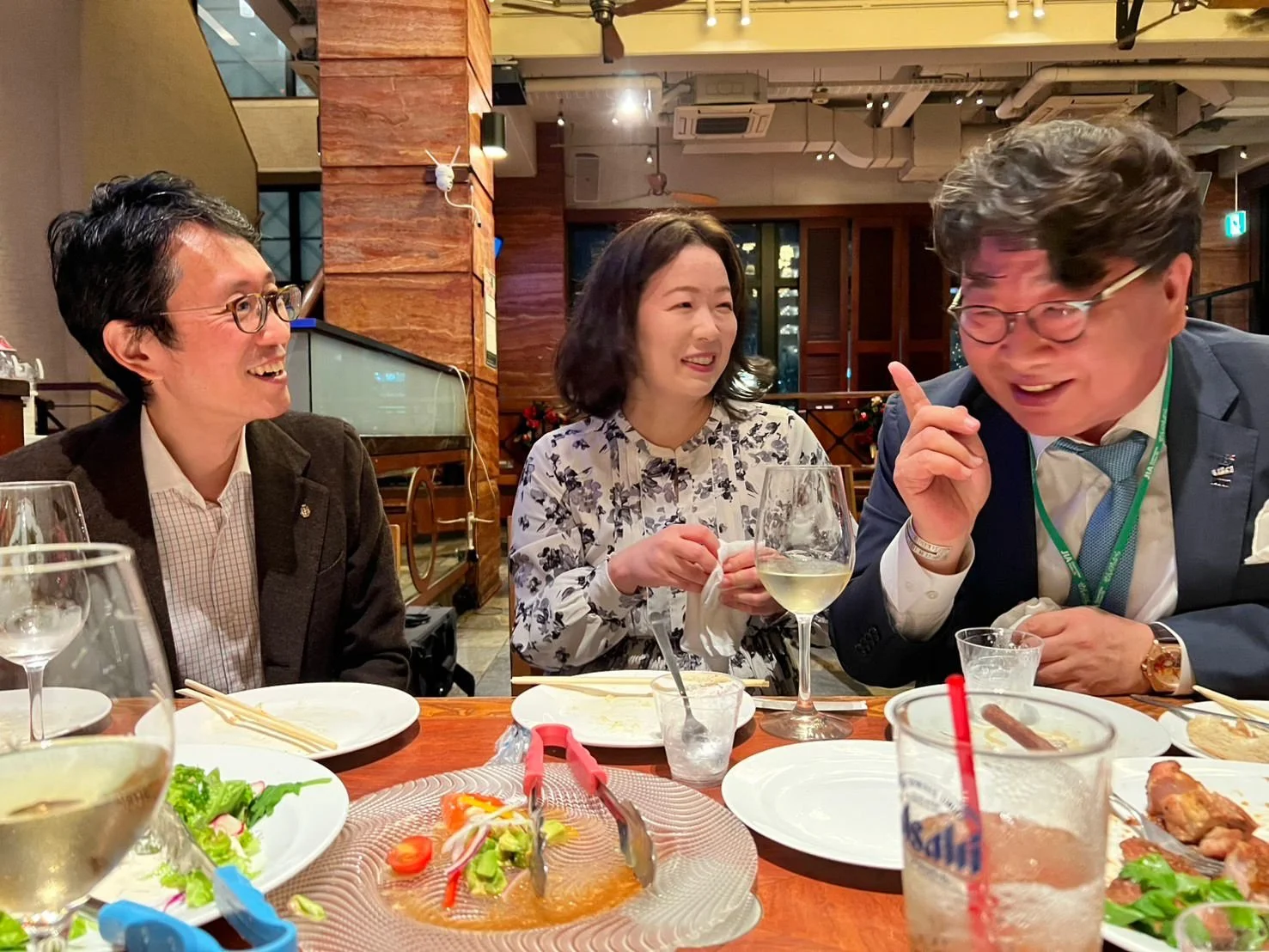
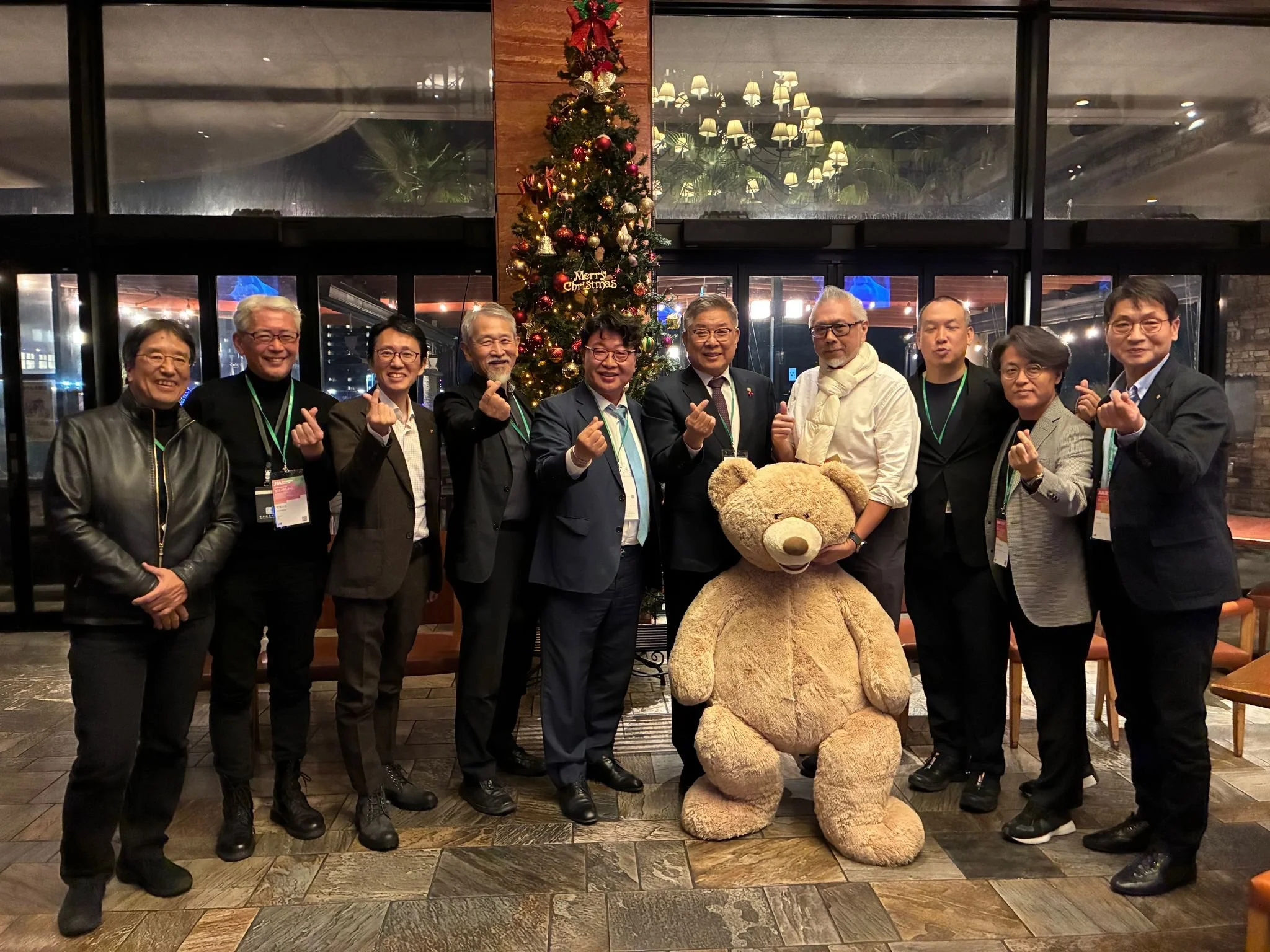
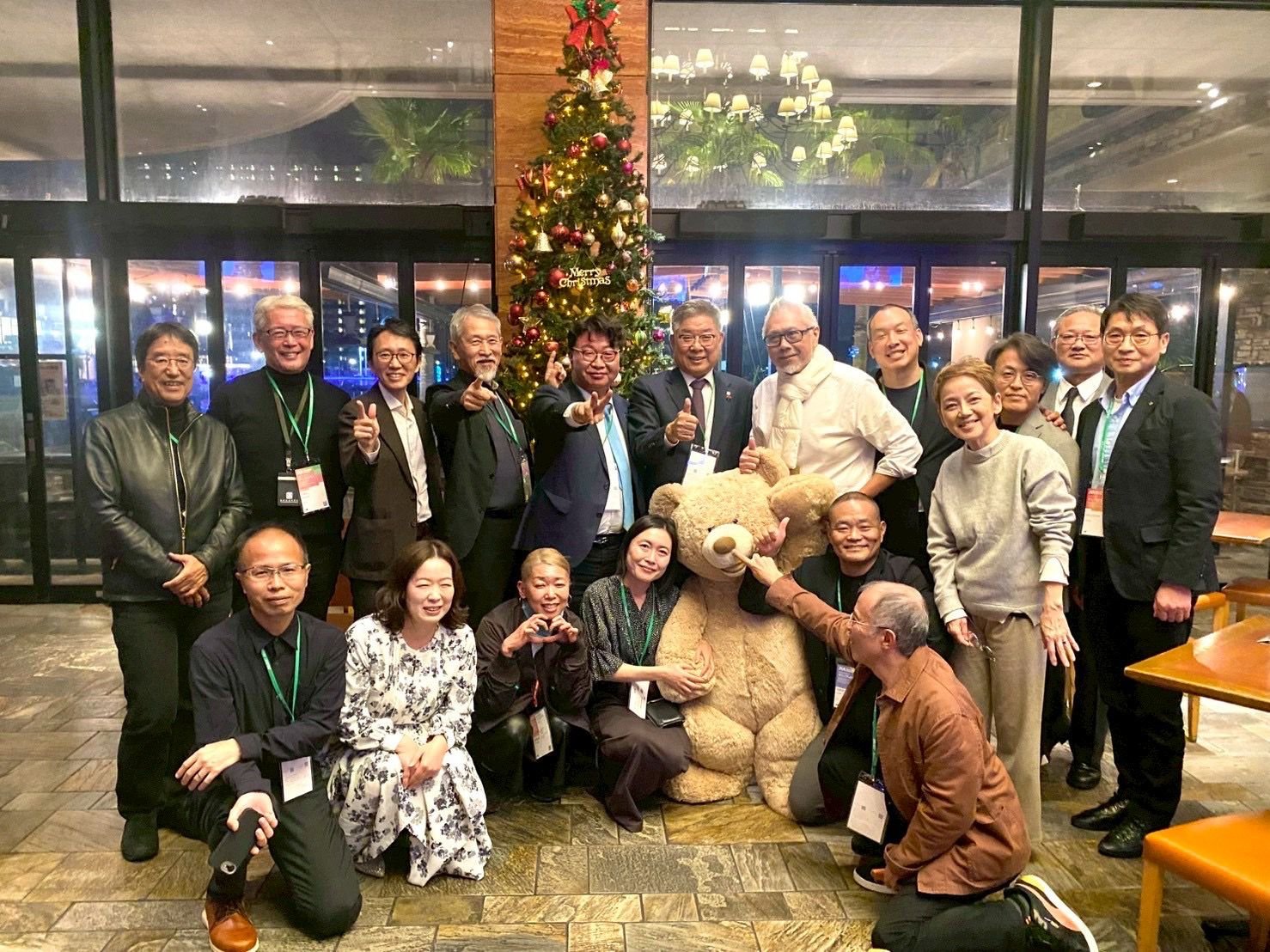
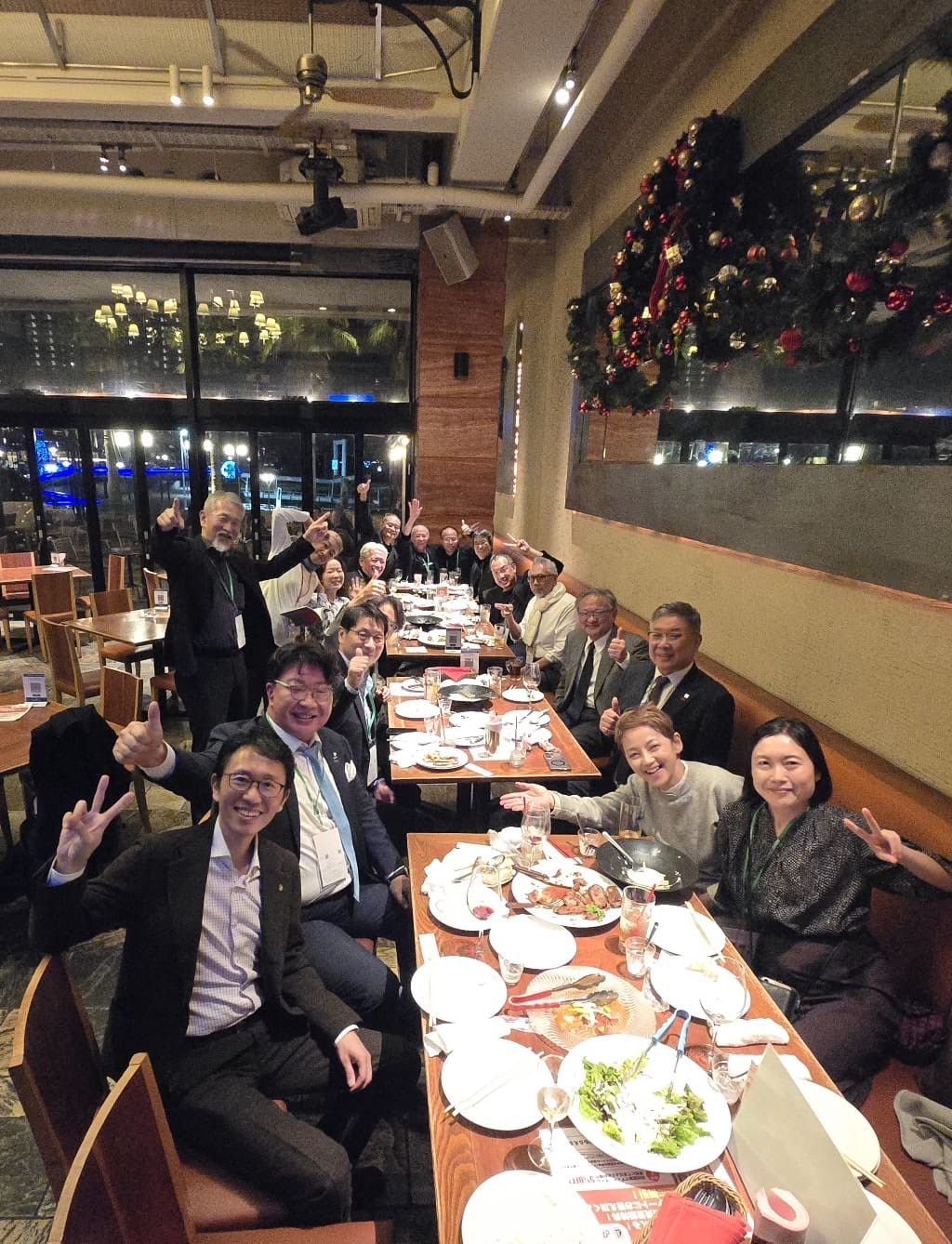
JIA’s invitation to Segene reflects a longstanding relationship. His previous participation was in Okinawa, and he considers it an honor to return annually. The day before the conference, international guests and members of the JIA International Relations Committee gathered in Chiba for an informal evening, where JIA President 佐藤尚巳 (Sato) performed on the saxophone. His musical performance created a warm, festive atmosphere and offered a glimpse of the holiday season’s spirit, fostering connections among attendees in a relaxed setting.
During the welcome dinner, Segene also discussed opportunities for deeper collaboration with regional architectural organizations, drawing on conversations held at the Japan Institute of Architects Annual Conference in Chiba. He shared insights from dialogues with leaders from KIA, KIRA, ASA, and Architects Regional Council Asia (ARCASIA), where common challenges such as technological transformation, the evolving role of architects, and cross-border professional collaboration were openly examined. Segene emphasized the importance of strengthening informal and formal networks among Asian institutes to foster knowledge exchange, joint programs, and mutual support.
In discussions with leaderships from Asia, this regional perspective reinforced the idea that many challenges faced locally are shared across Asia. Segene highlighted AIA International’s role as a connector, bridging organizations, amplifying regional voices, and supporting collaborative initiatives that extend beyond national boundaries. The conversation underscored opportunities for AIA International to further engage with Asian counterparts through leadership forums, thematic dialogues, and strategic partnerships, positioning the AIA International as an active participant in a growing Asia-Pacific architectural ecosystem.
One of the most memorable moments of the conference was a full-scale earthquake simulation. The demonstration showcased the stark difference between a house without damping systems and one equipped with advanced seismic protection. Having lived in Japan for more than a decade and experienced numerous real earthquakes, Segene noted that the intensity and clarity of this controlled simulation were unparalleled. The experience served as a powerful reminder of the critical role resilient design plays in safeguarding communities and highlighted Japan’s leadership in seismic innovation.
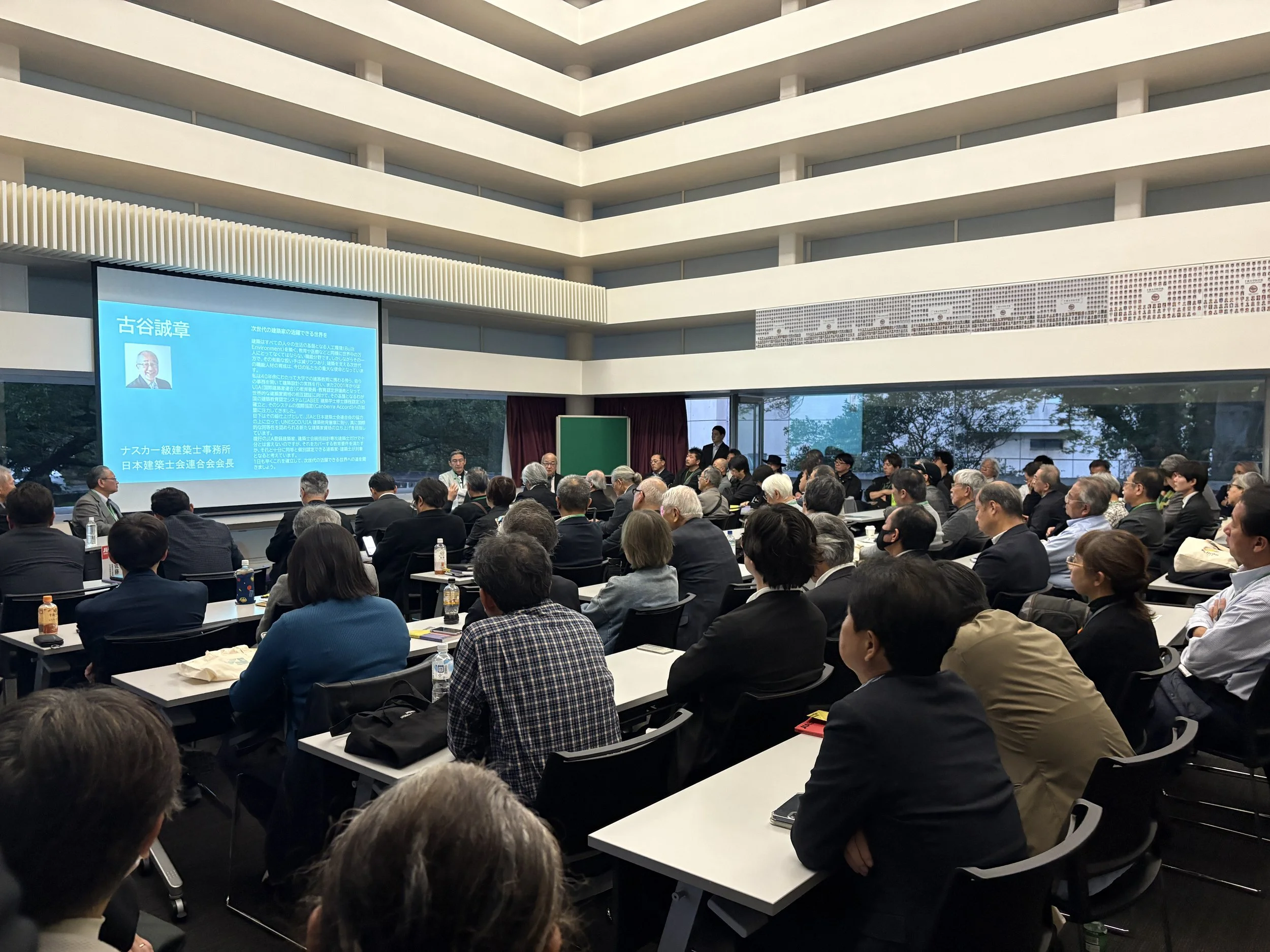
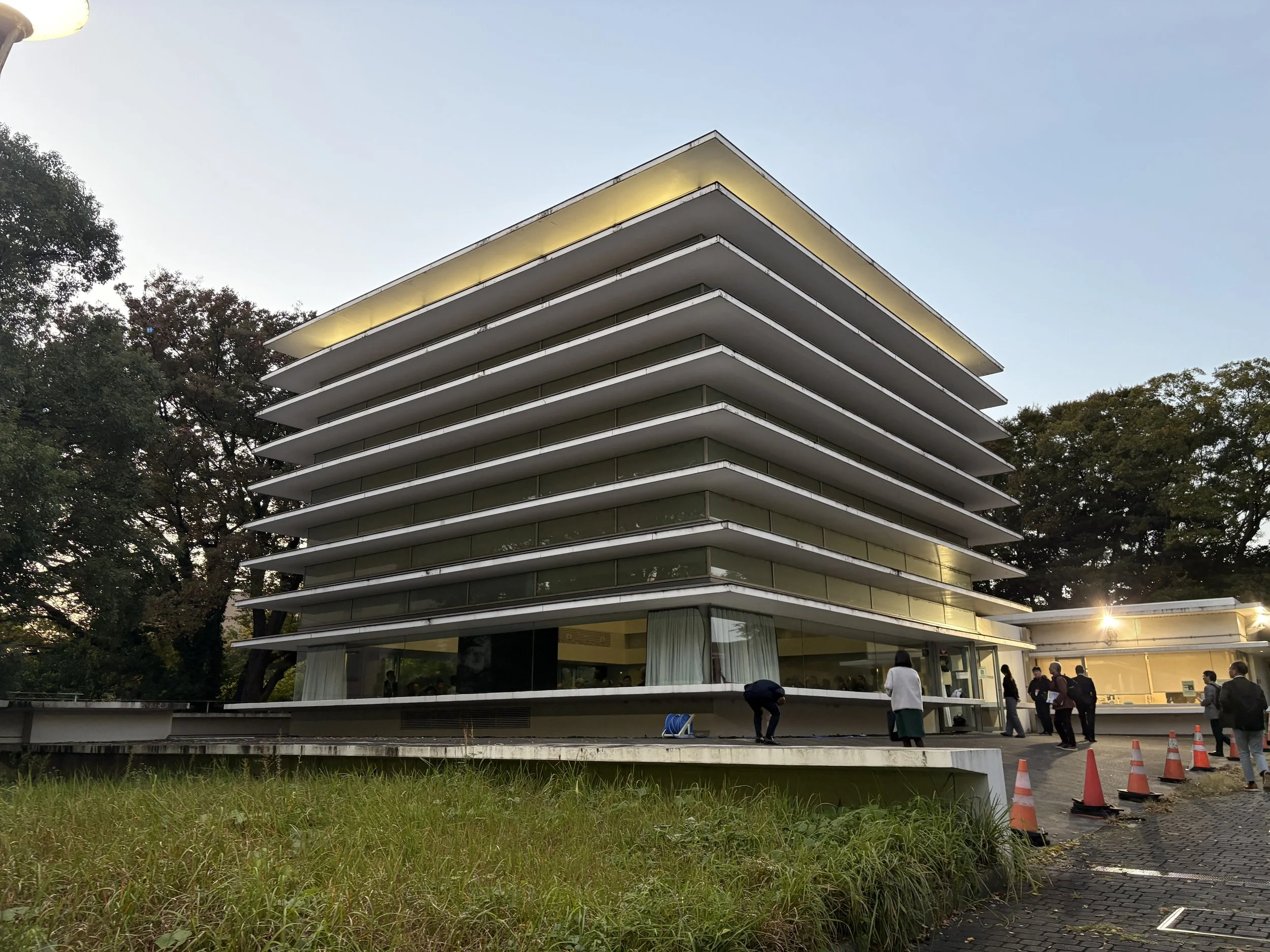
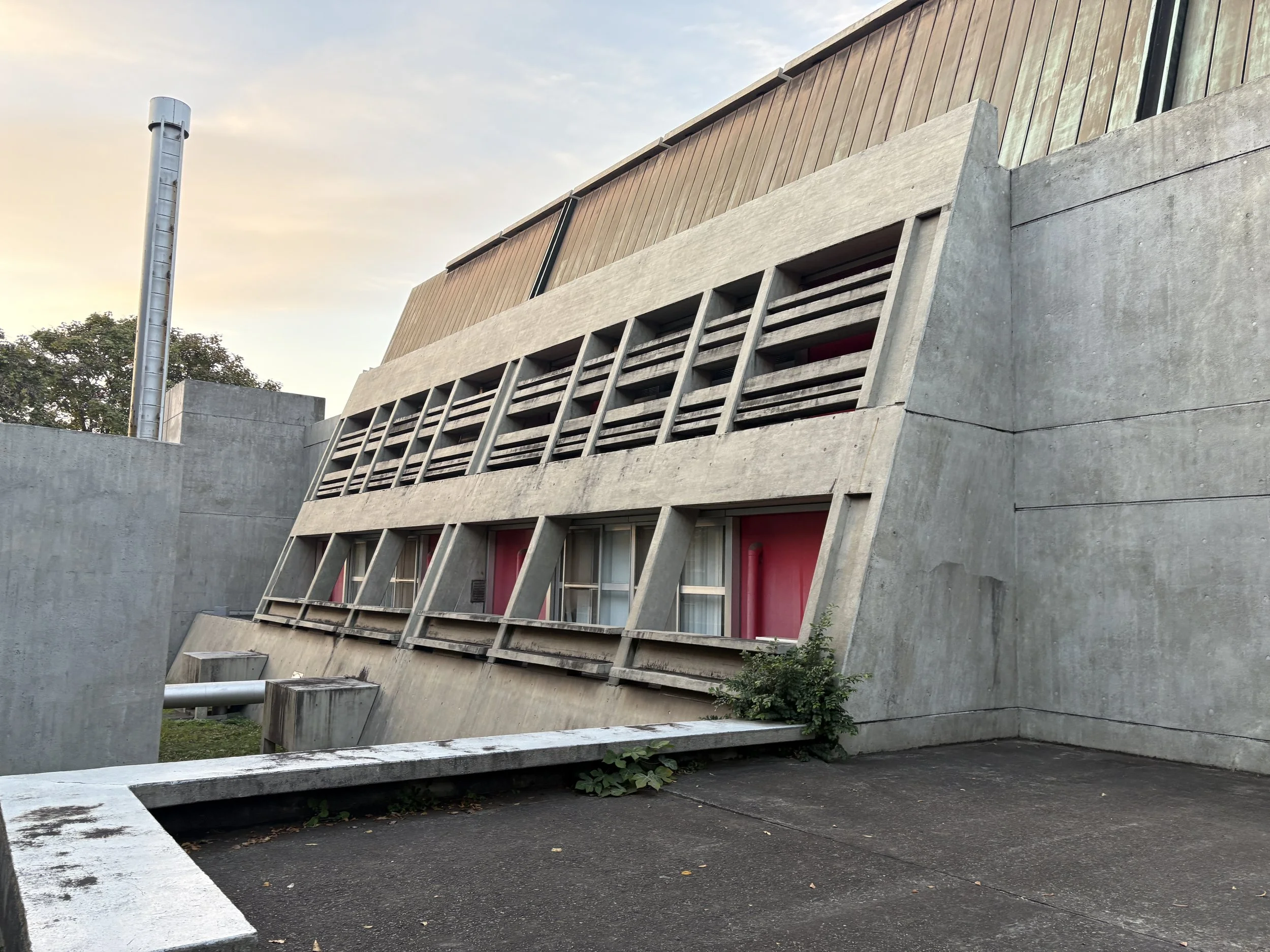
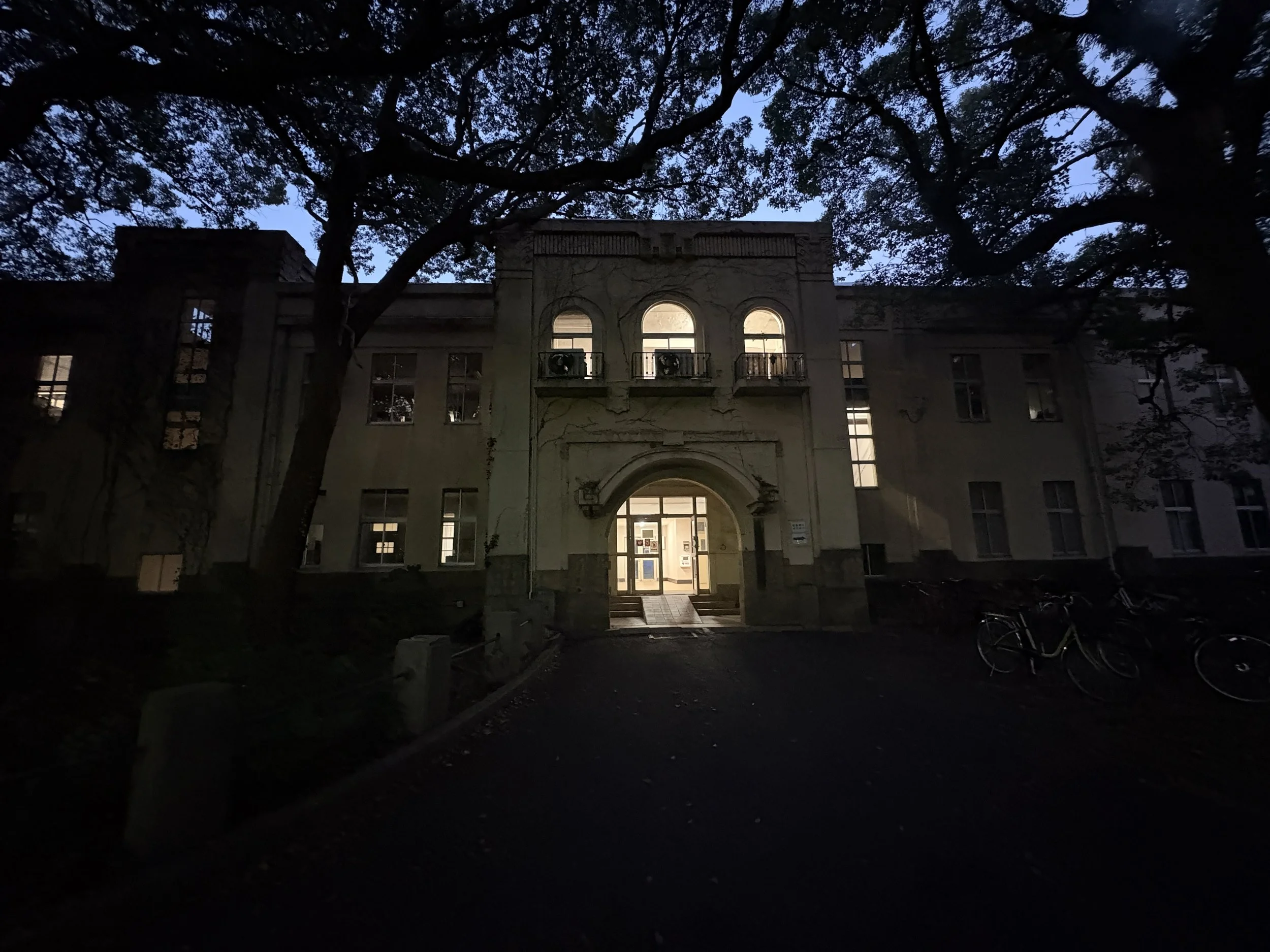
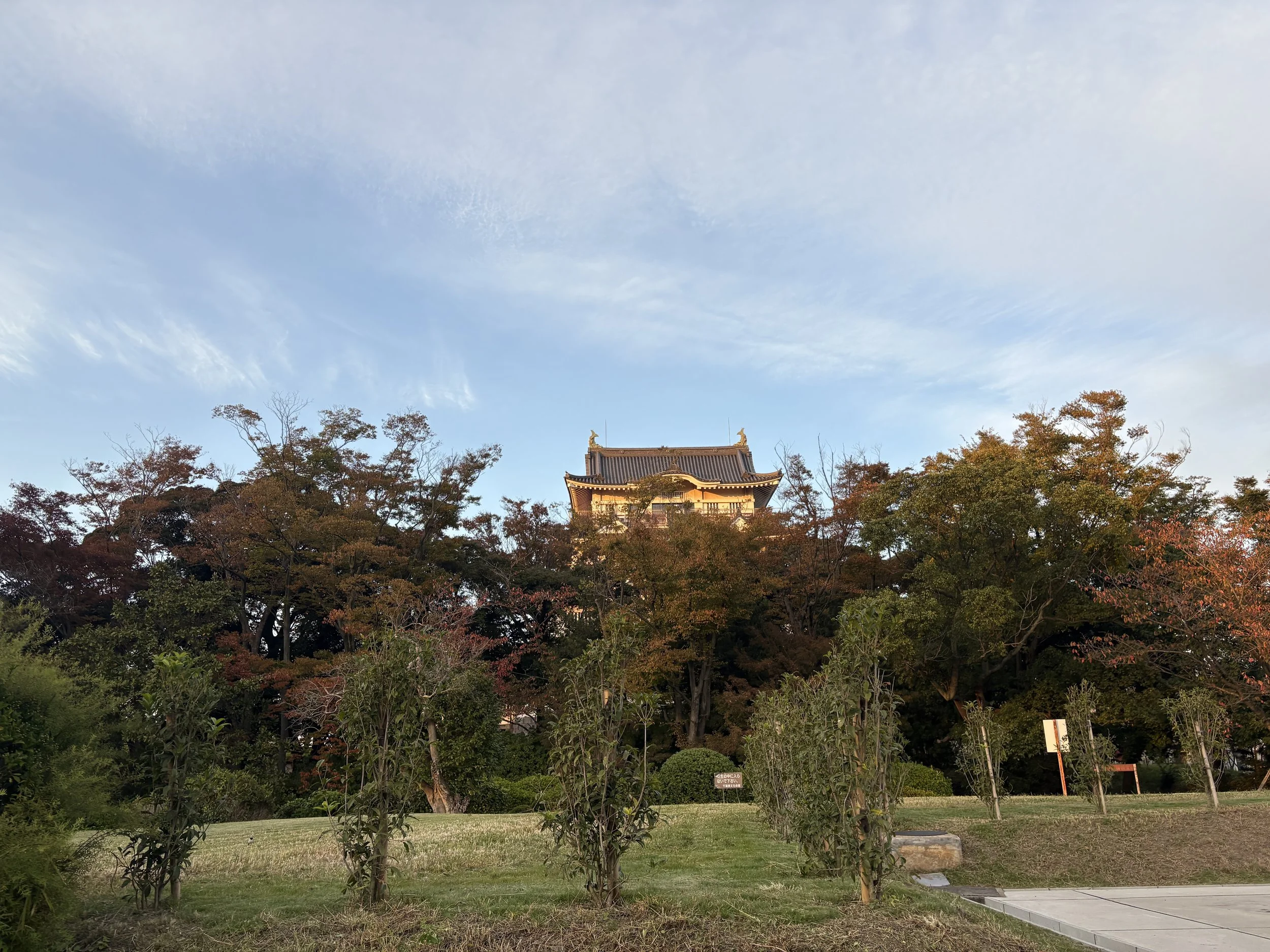
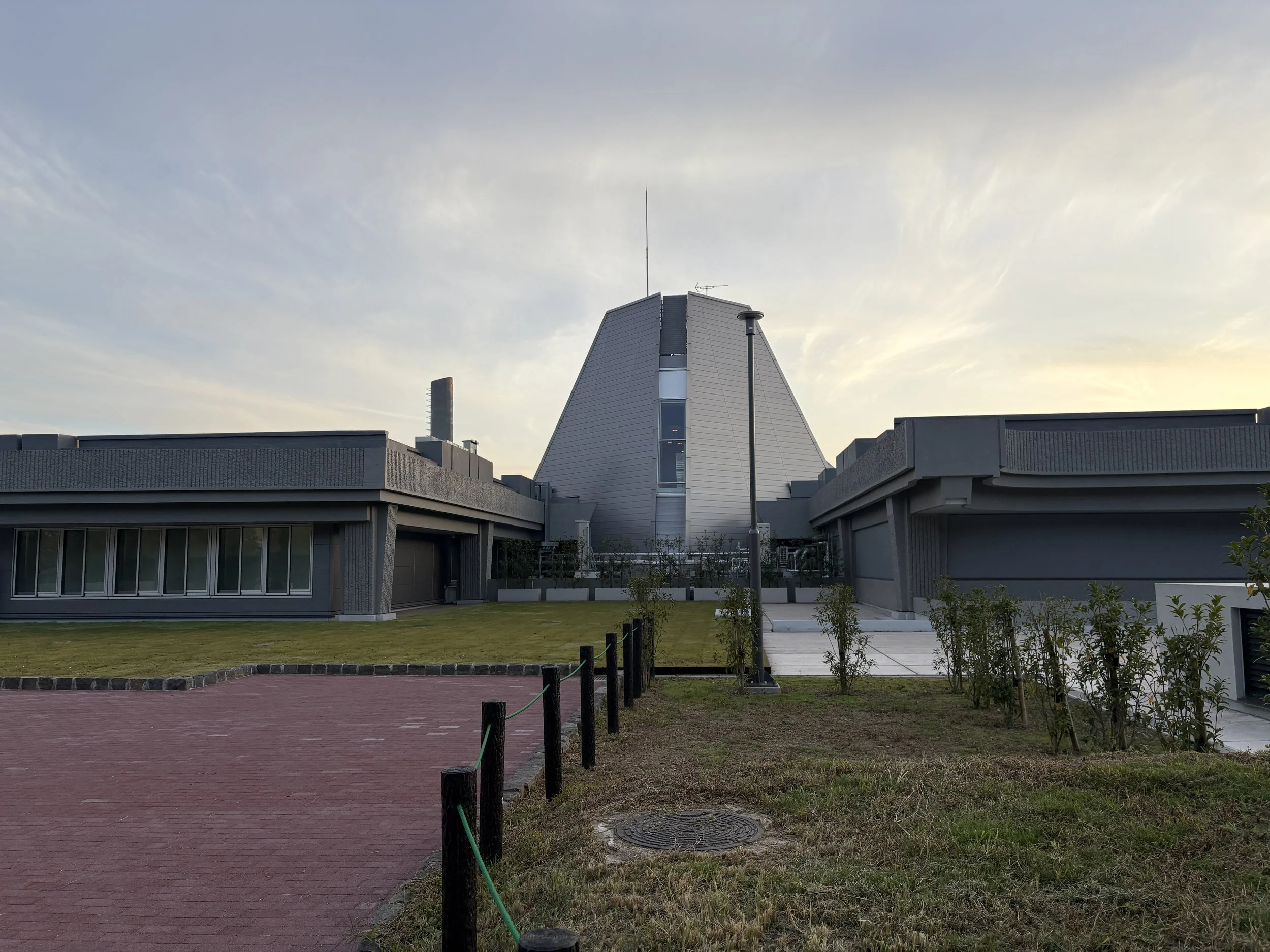
Following the panel discussions, participants visited Chiba University, where several cultural heritage buildings remain actively used on the medical campus. One of these historic structures hosted an additional panel discussion, offering meaningful architectural context and bridging the dialogue between contemporary practice and historical preservation.
This year’s conference was exceptional not only for professionals but also for students and the general public. Their presence and active engagement were remarkable, reflecting JIA’s commitment to opening architectural discourse to society, fostering international collaboration, and inspiring the next generation of designers.
Segene Park expressed sincere gratitude to JIA for their generous hospitality and for creating such impactful and inclusive platforms, emphasizing the importance of continued global dialogue in advancing architecture as both a profession and a societal force.