
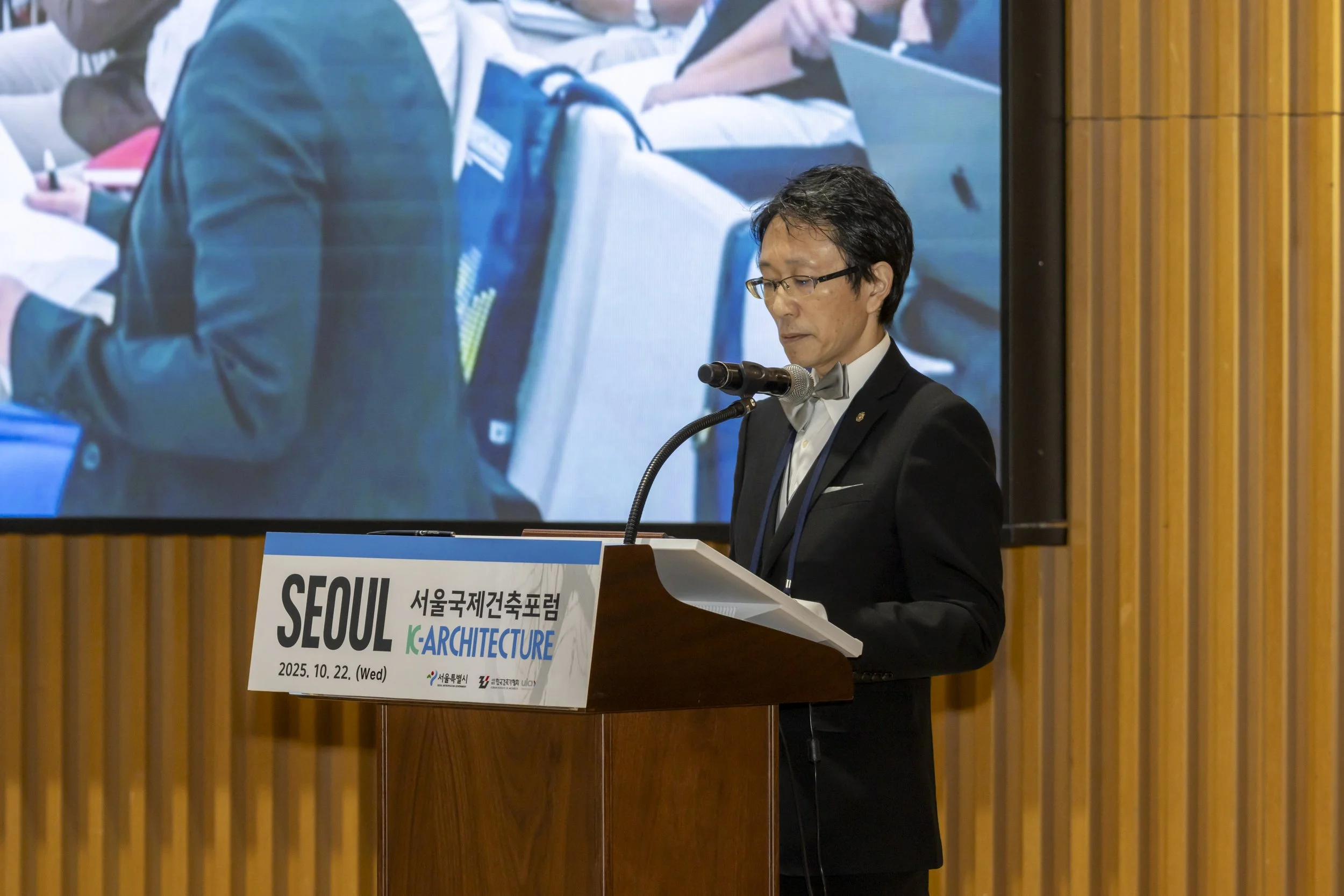
Speech by Segene Park, AIA International First Vice President / President-elect at 01:15 – 01:25
In late 2025, Seoul became the center of a remarkable confluence of architecture, culture, and international dialogue. Over a three-day period, the city hosted a series of globally significant events, including the Korean Institute of Architects (KIA) Annual Conference, Seoul Biennale, Seoul Architecture Festival, UIA Council Meeting, Korea Cultural Festival, and APAC 2025. These events brought together architects, policymakers, cultural leaders, and international guests to explore how architecture shapes cities, communities, and cultural identity.
Segene Park, AIA International First Vice President and President-elect, was invited to participate in this extraordinary lineup. The events were organized under the leadership of KIA, with President Han Young-Keun and the institute’s dedicated volunteers playing an instrumental role in coordinating the complex schedule. The program exemplified Seoul’s ambition to position itself as a hub for international architectural collaboration and cultural exchange.
Day 1: High-Level Engagement and Cultural Diplomacy
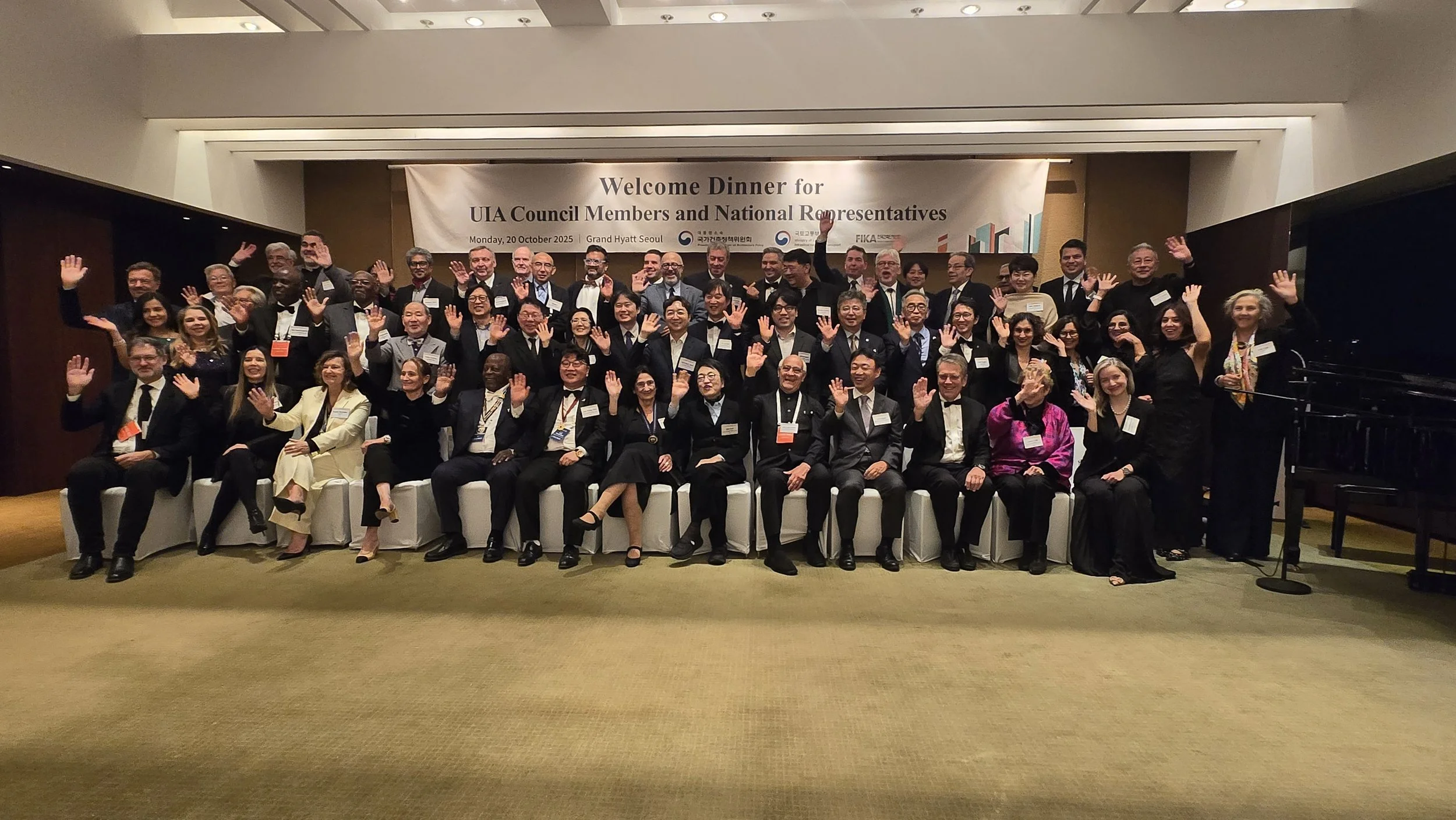
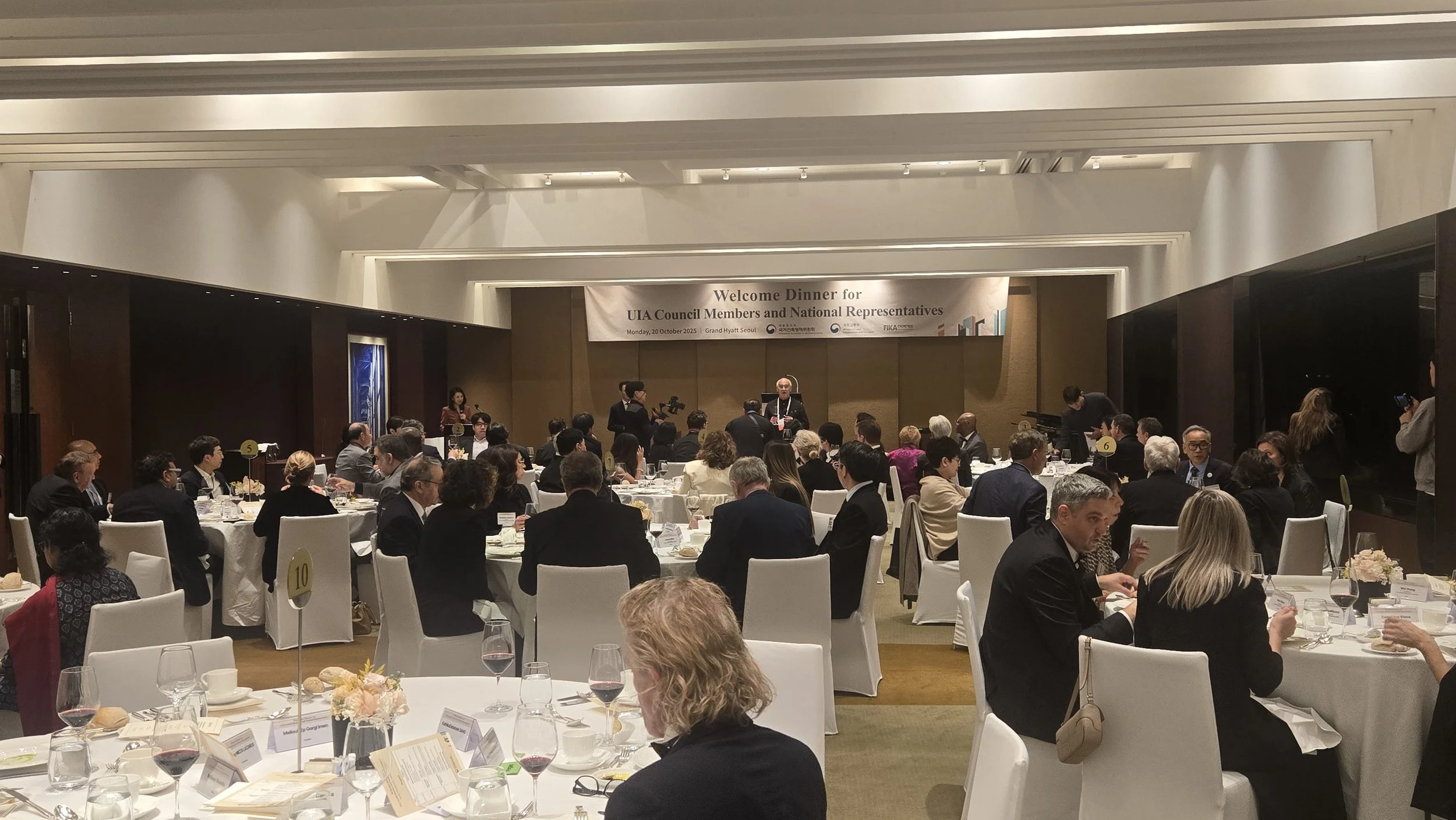
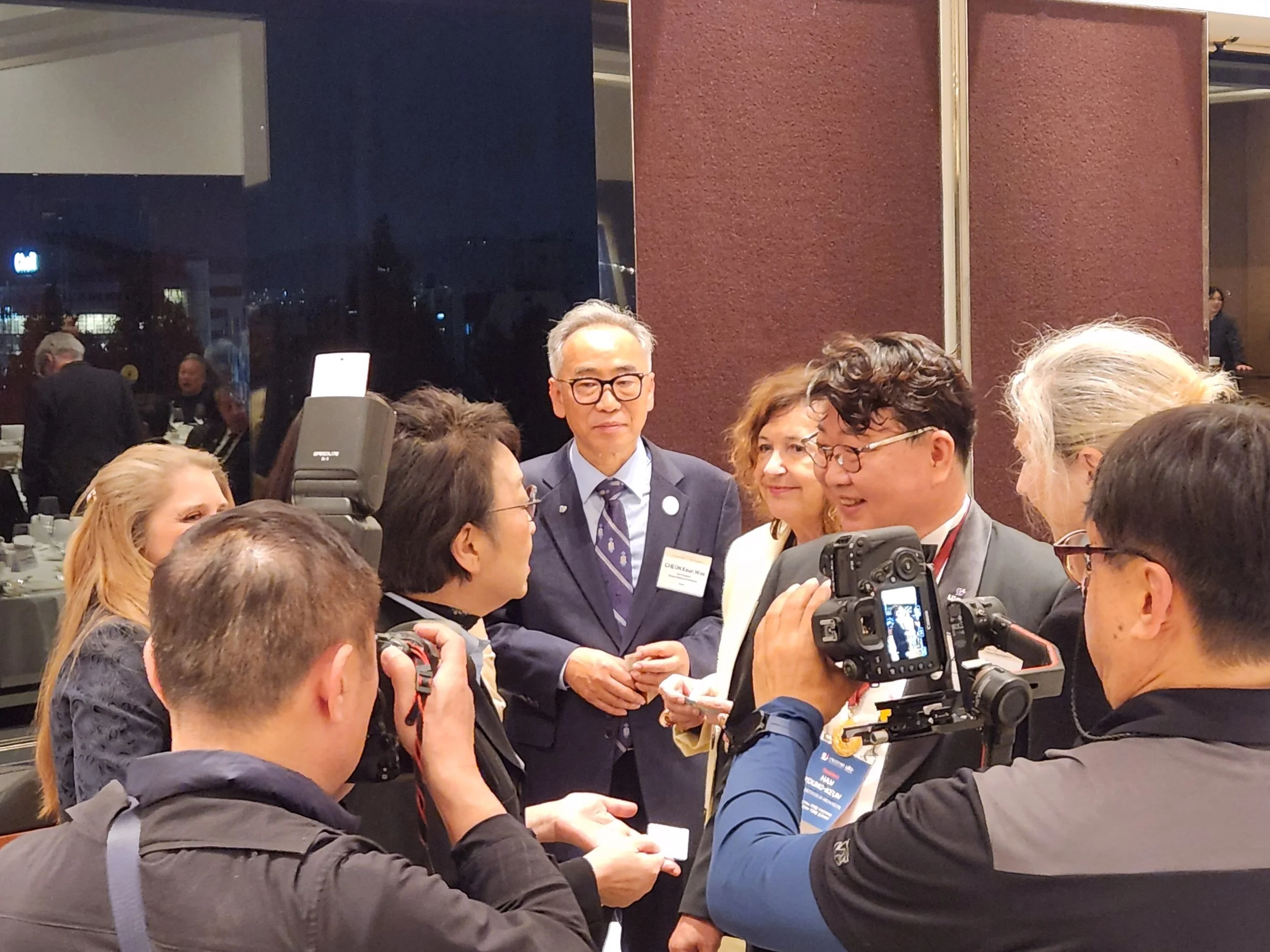
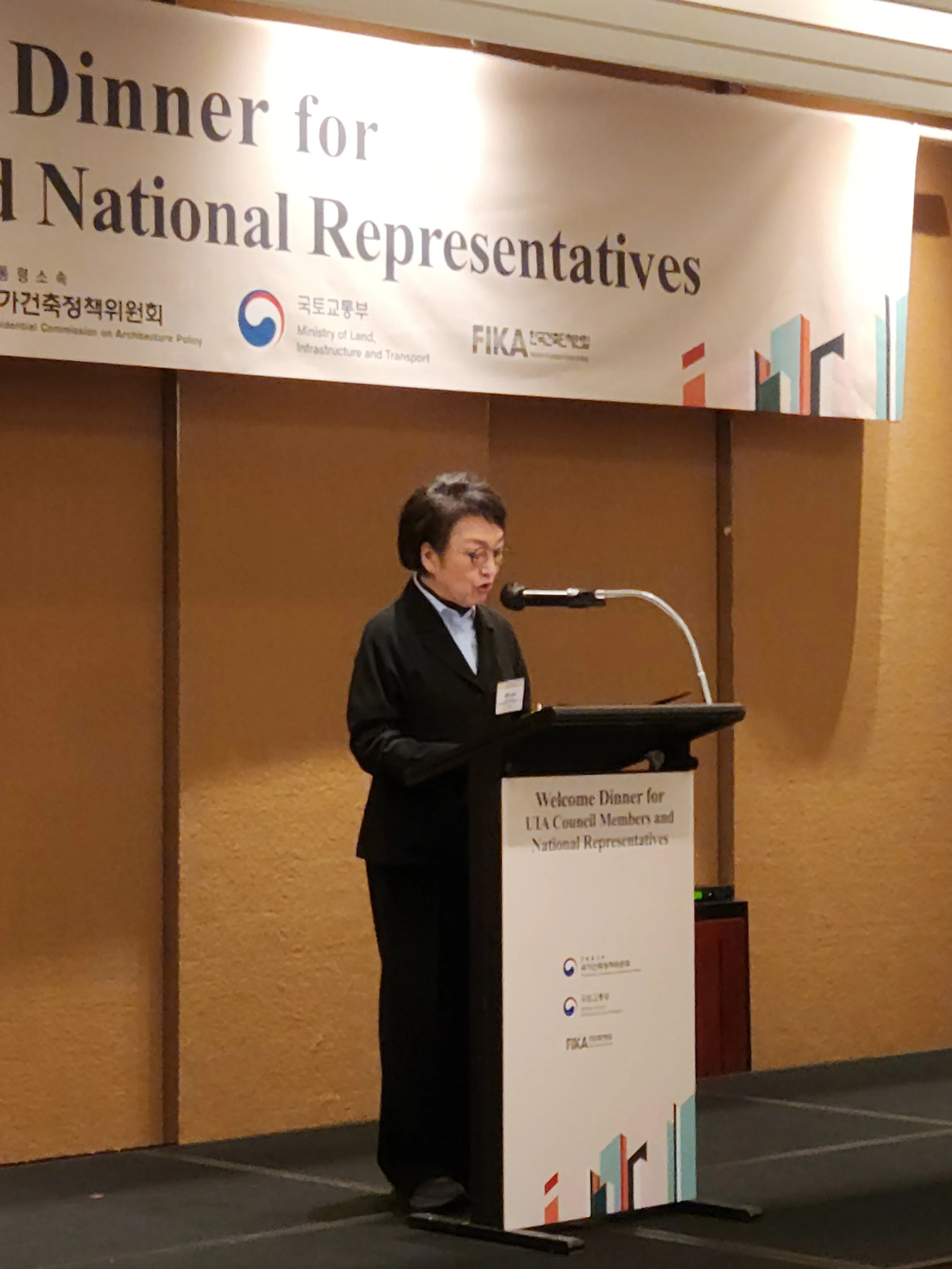
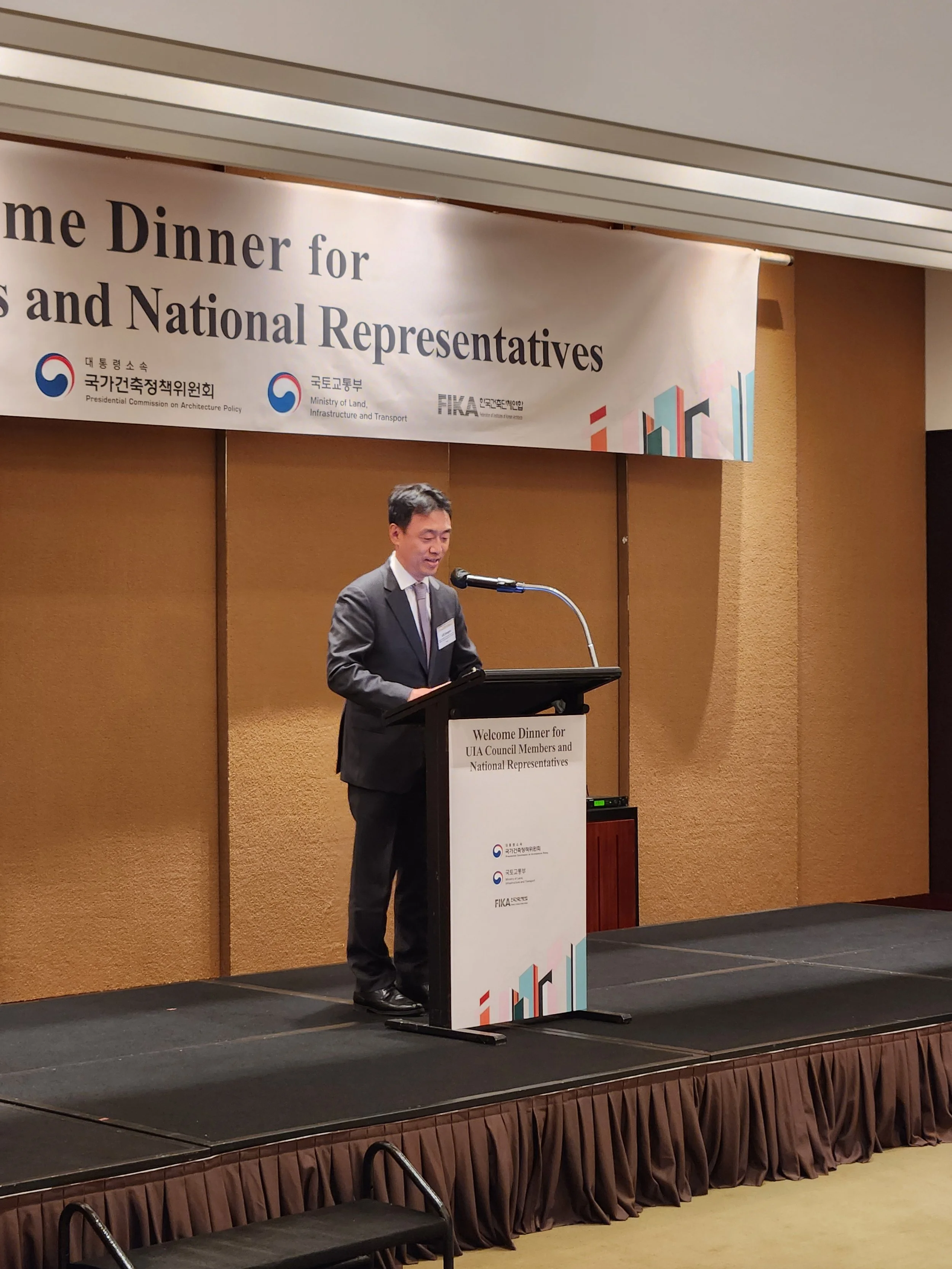
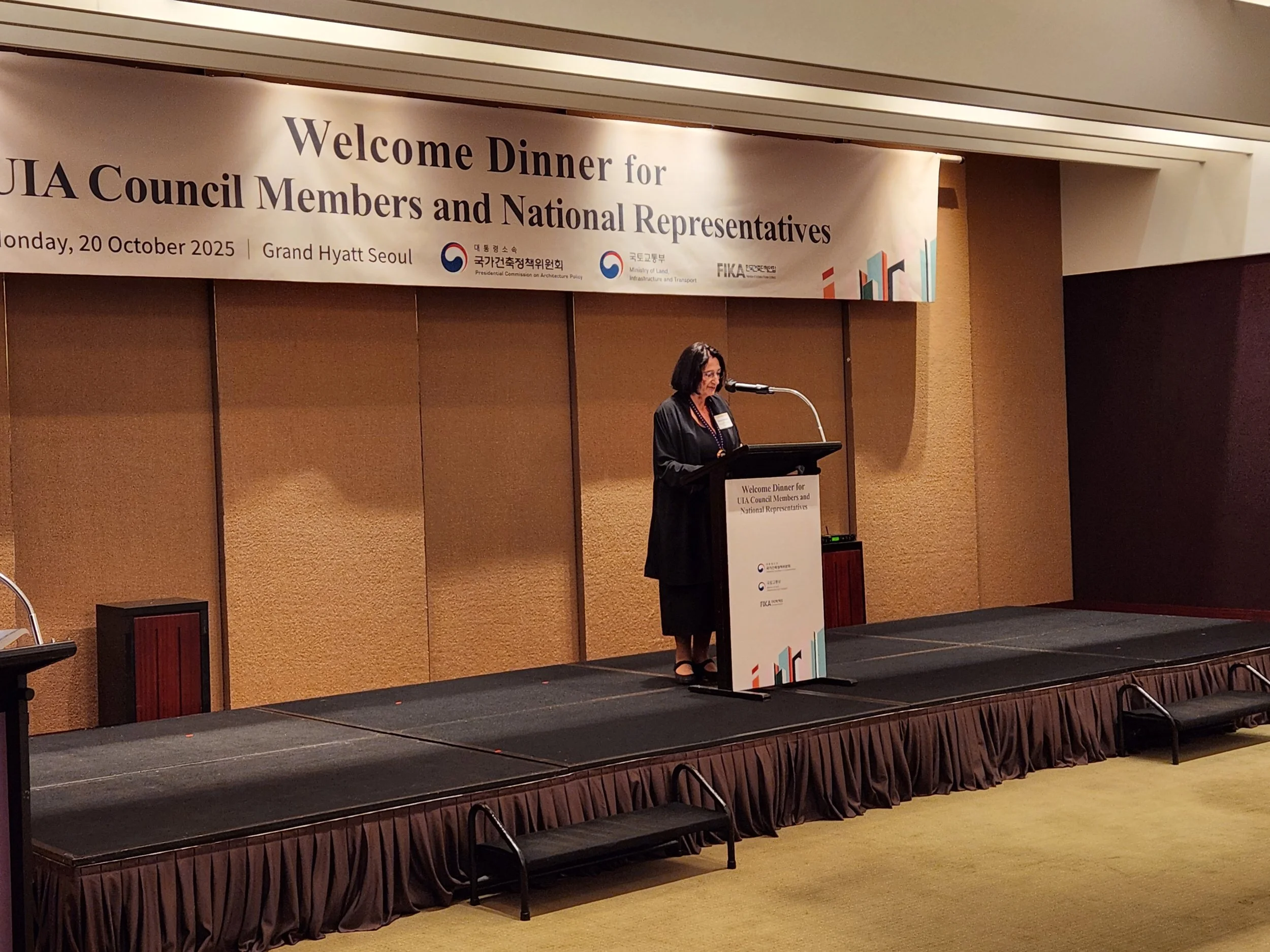
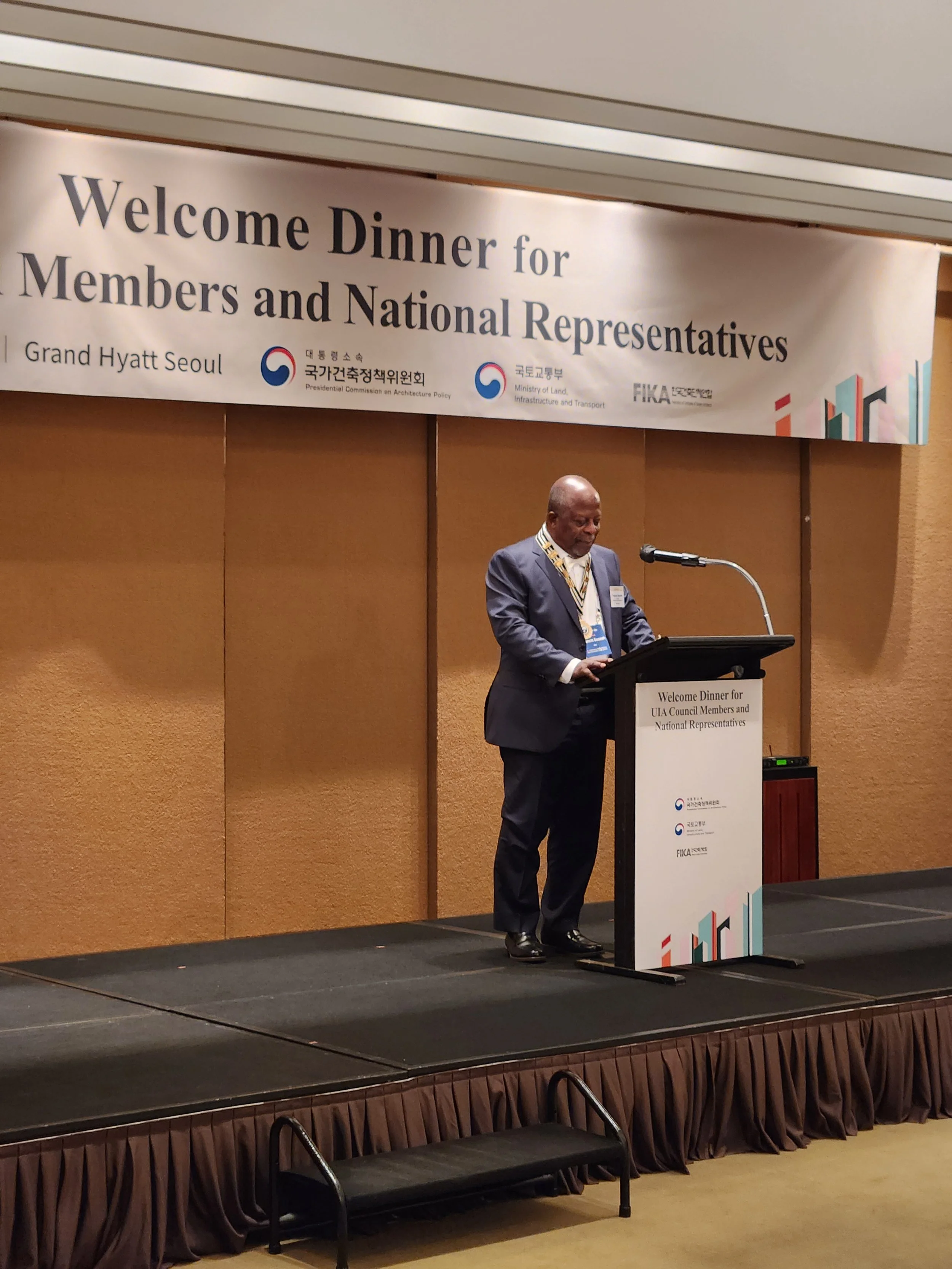
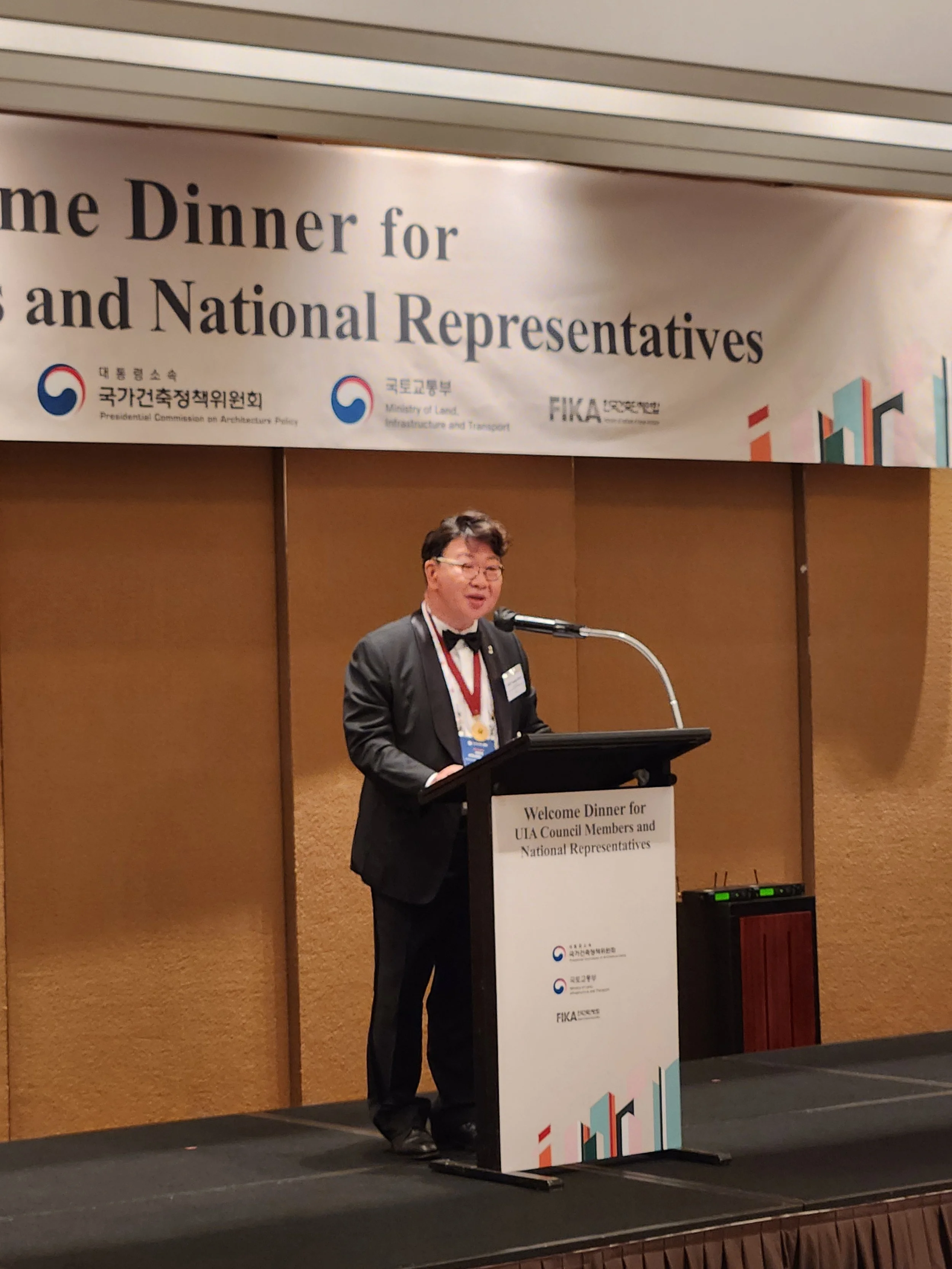
The first day commenced with a gala dinner at the Grand Hyatt Seoul, attended by leaders from the Presidential Commission on Architecture Policy (PCAP), the Ministry of Land, Infrastructure and Transport (MOLIT), and UIA Council members, including current and former presidents, regional vice presidents, and directors. The evening was enriched with a performance of traditional Korean music, setting a culturally immersive tone for the gathering. Opening speeches were delivered by the KIA President, PCAP Chair, Jin Ai Kim, and the UIA President, Regina Gonthier, emphasizing Korea’s commitment to advancing architectural excellence and fostering international collaboration.
The Presidential Commission on Architecture Policy is Korea’s national advisory body under the direct jurisdiction of the President. Comprising government officials and expert architects, PCAP provides guidance on key policy decisions, promotes high-quality public architecture, and nurtures architectural culture that enhances everyday life. Beyond regulating design standards, the commission plays a central role in regional development, sustainable urban planning, and public infrastructure, ensuring that architecture serves social, cultural, and environmental purposes. Its work reflects Korea’s ambition to integrate design excellence with national development and cultural identity.
In parallel, the Ministry of Land, Infrastructure and Transport (MOLIT) oversees national policies related to land management, urban planning, transportation, and housing. By coordinating construction standards, mobility planning, and land use regulations, MOLIT ensures the development of sustainable, well-designed urban environments. Together, PCAP and MOLIT illustrate the interconnectedness of architectural policy, public infrastructure, and national development, providing a strong framework for Seoul’s ongoing urban transformation.
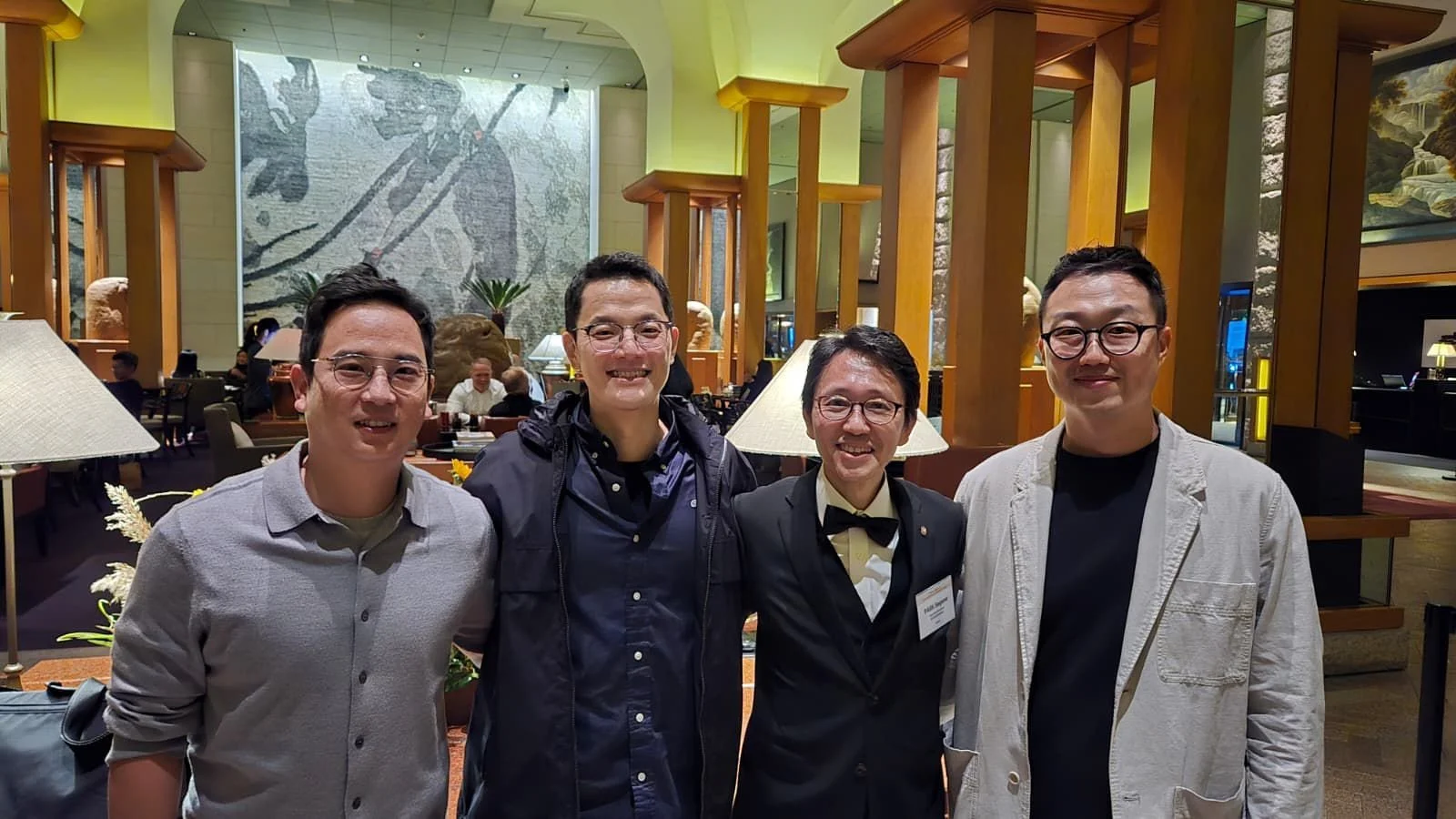
Segene Park also held a dedicated meeting with the leadership of AIA South Korea at the Grand Hyatt Seoul. The meeting provided a valuable opportunity for open and candid dialogue in a collegial setting. Discussions covered the chapter’s current activities, recent accomplishments, and ongoing efforts to engage members through design awards, professional programs, and regional collaboration.
The conversation naturally expanded to future strategic directions, including long-term organizational sustainability, leadership development, and strengthening connections within the broader AIA International network. Section leaders also shared the practical hardships and concerns they face, such as member engagement across borders, evolving professional expectations, workload pressures on volunteer leaders, and the challenges of maintaining momentum in a demanding global and local context.
Segene emphasized that AIA International recognizes these challenges and remains committed to supporting its sections and chapters, sections, and regions through advocacy, knowledge-sharing, leadership coordination, and increased visibility at the international level. The meeting reinforced the importance of mutual communication, trust, and alignment between AIA International and its regional leadership. It also highlighted AIA South Korea’s critical role as a bridge between local professional practice and global architectural discourse, underscoring the shared responsibility to support architects navigating rapid social, economic, and cultural change.
Overall, the exchange was marked by thoughtful reflection, forward-looking strategy, and a shared sense of commitment to strengthening the profession. The meeting reaffirmed the value of personal engagement and dialogue in building resilient international networks and ensuring that AIA’s global mission remains grounded in the realities faced by its members on the ground.
Day 2: Cultural Immersion and Architectural Celebration
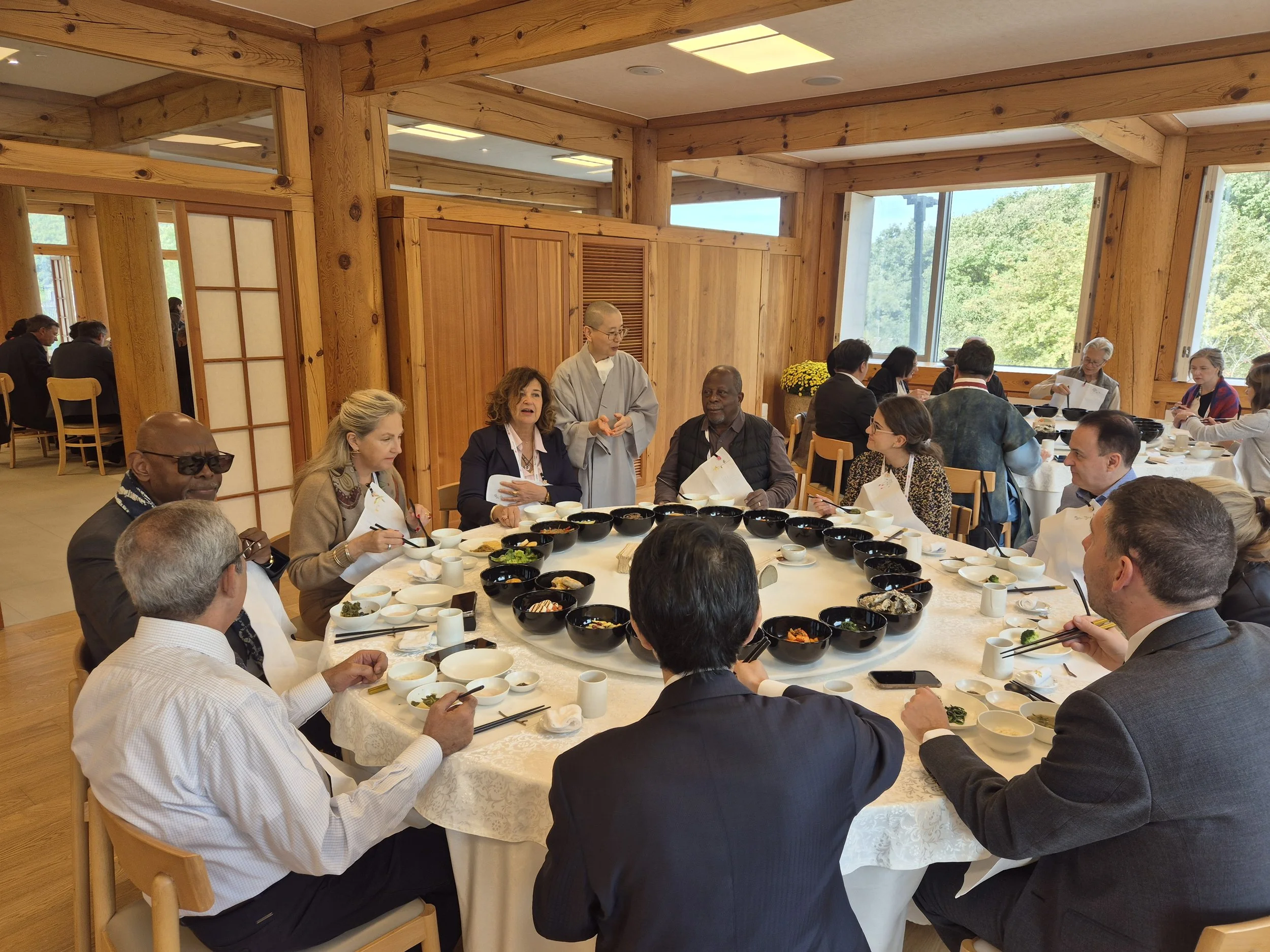
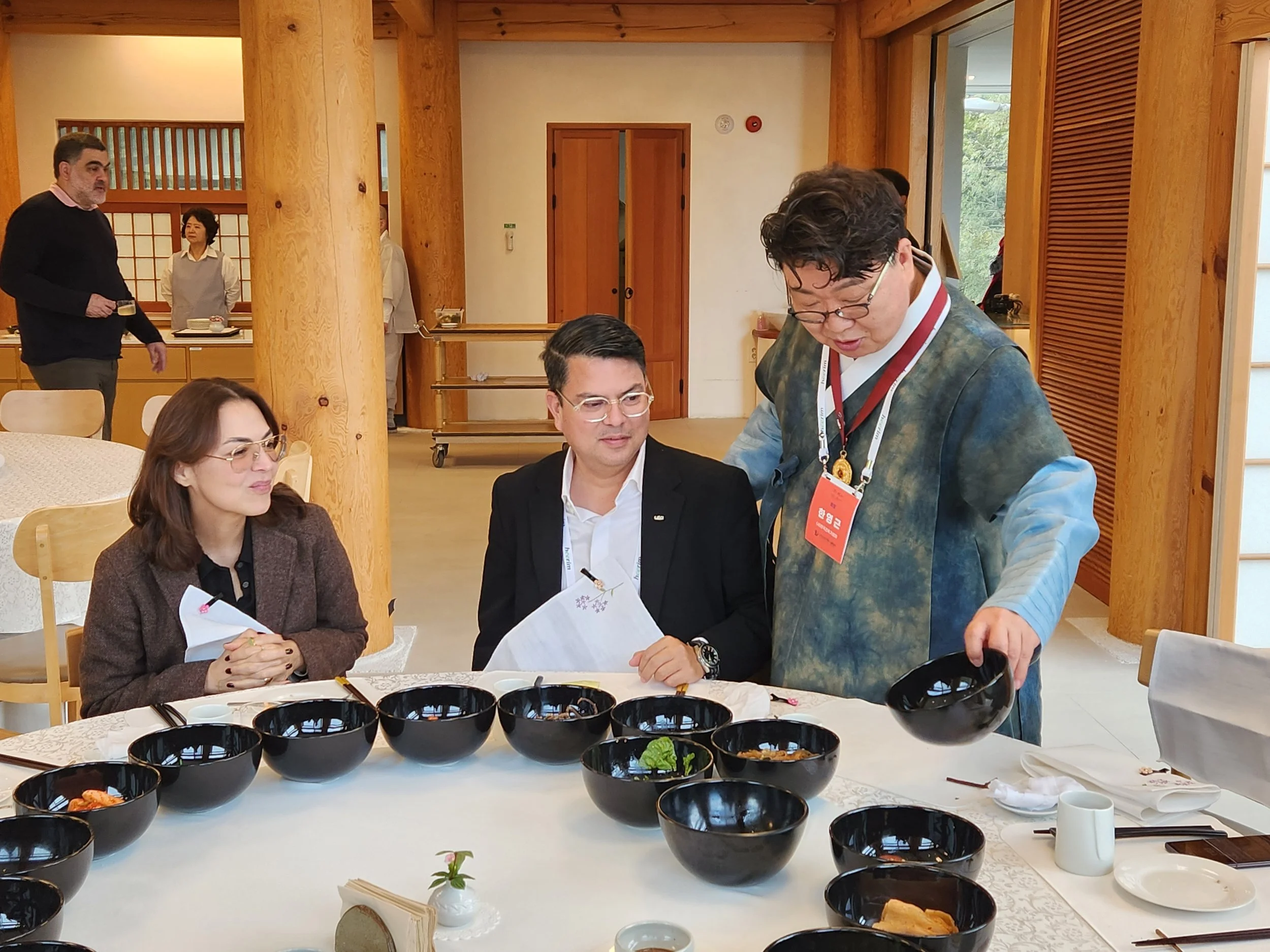
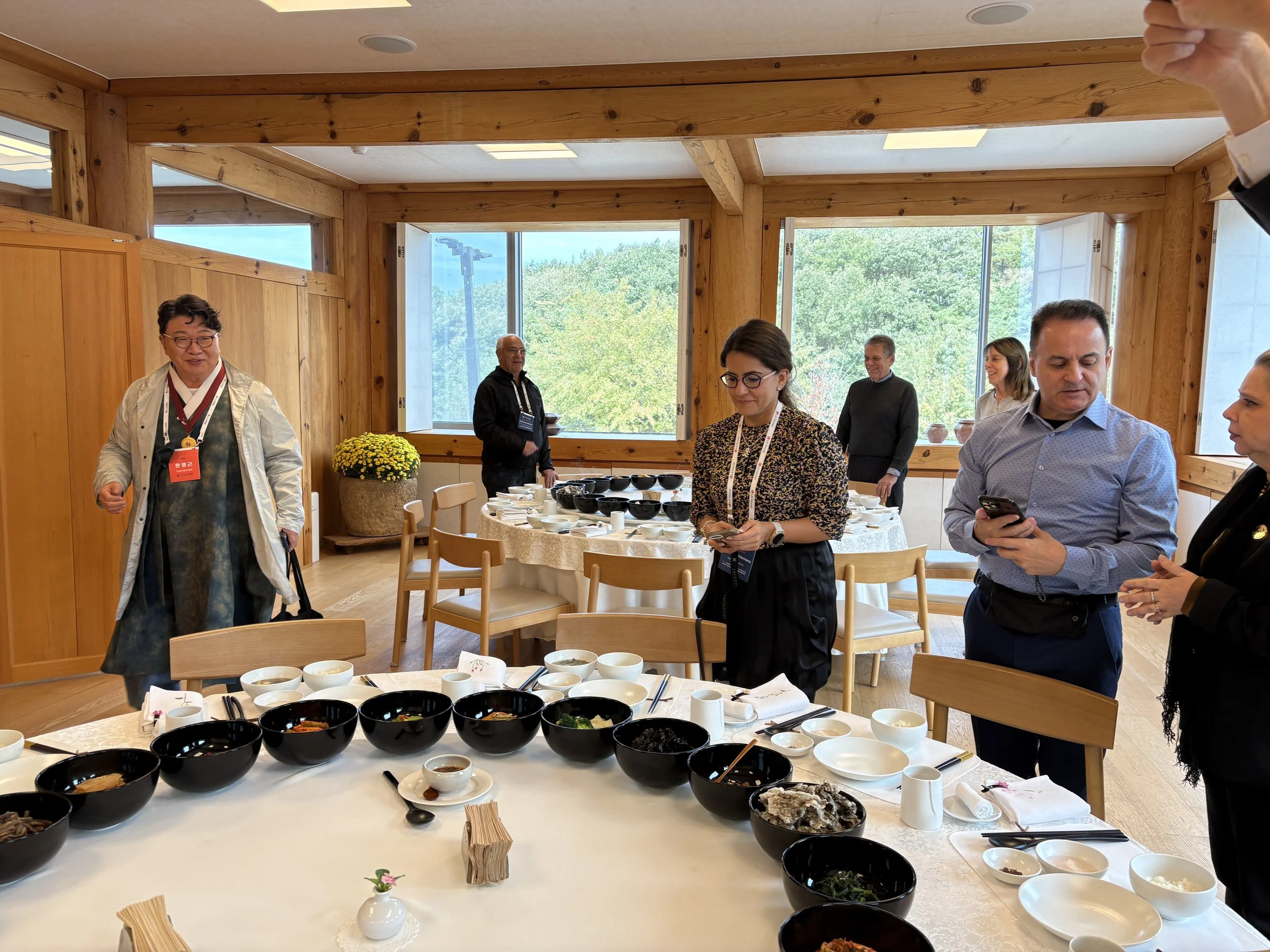
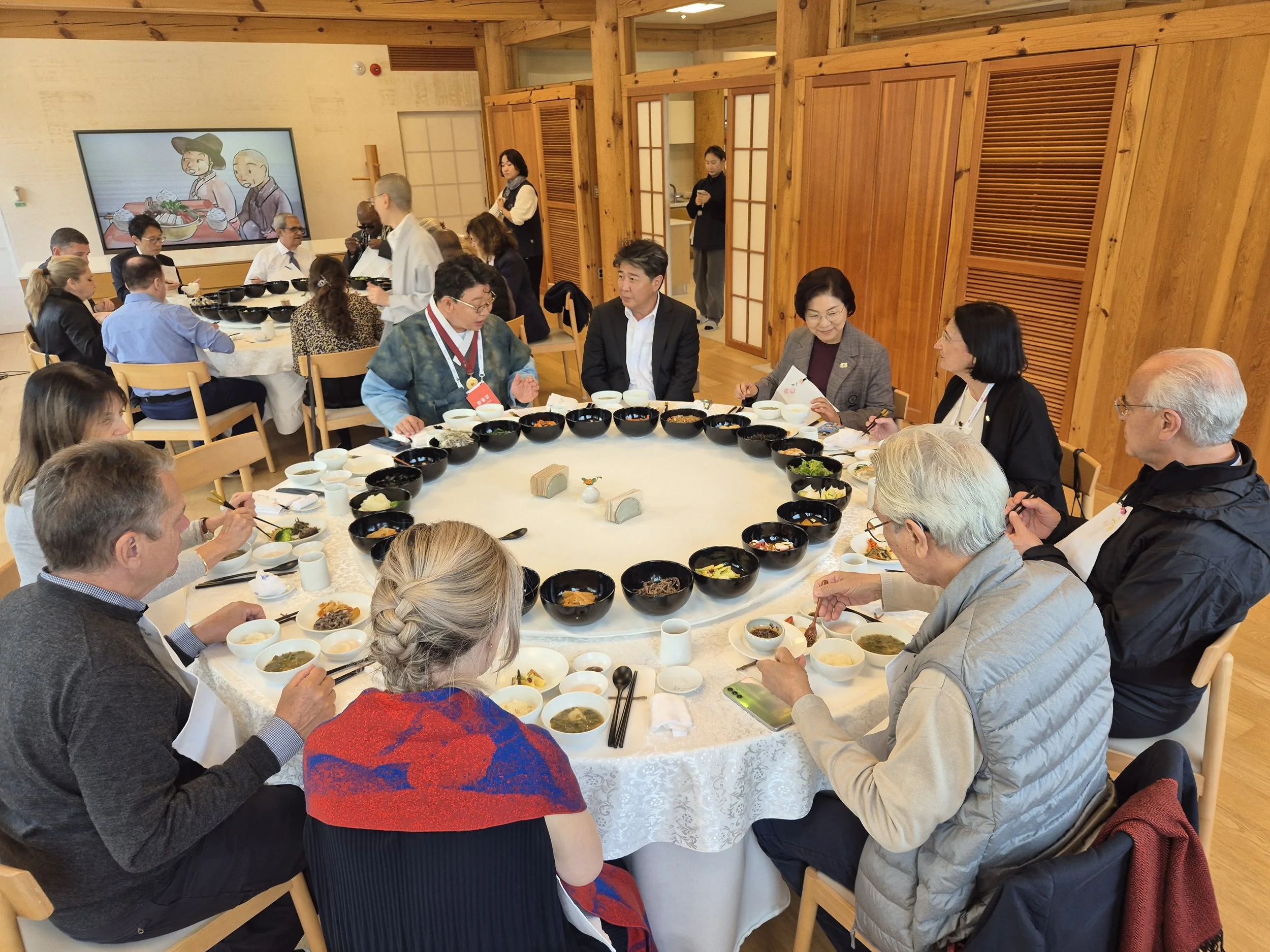
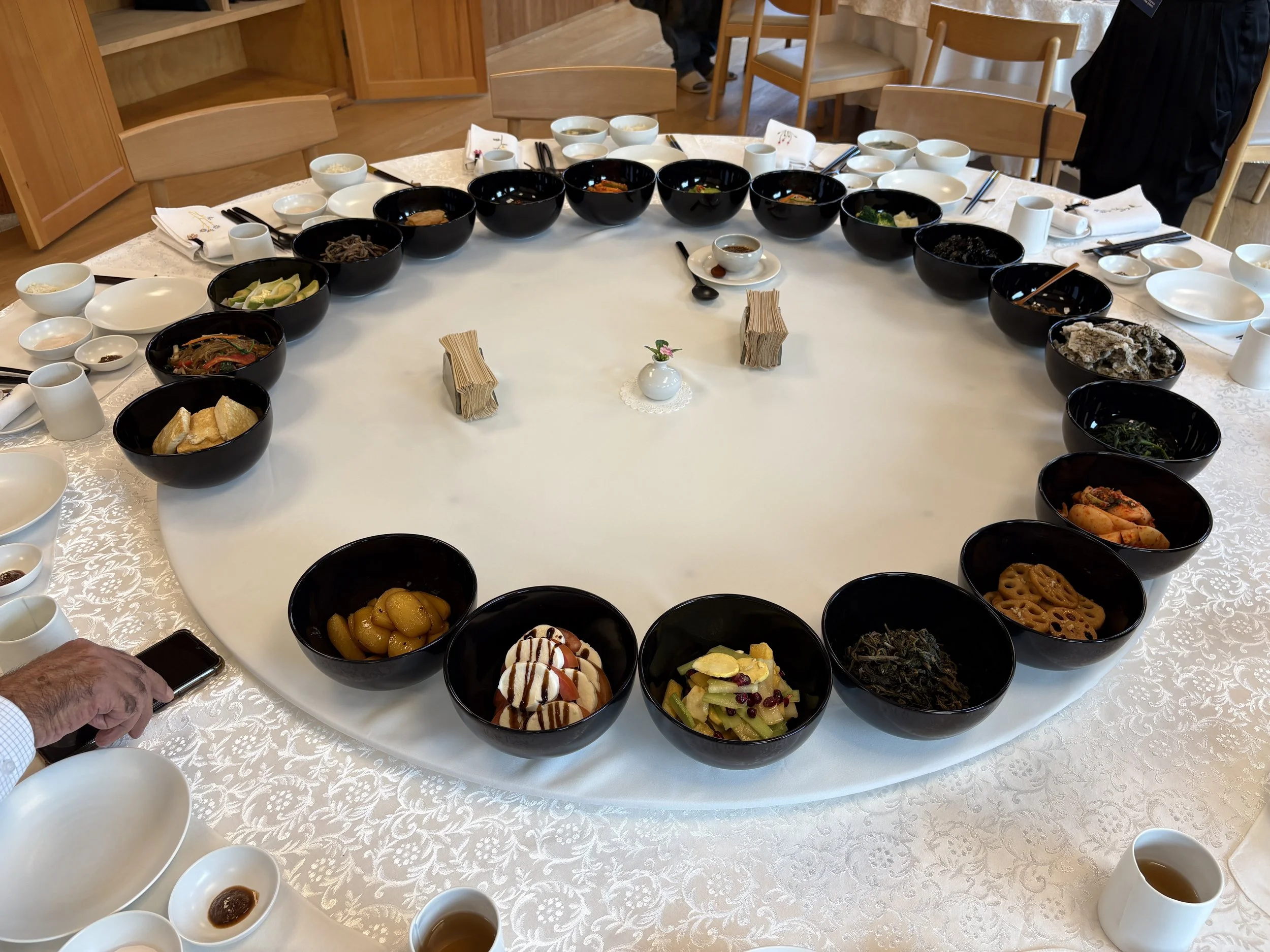
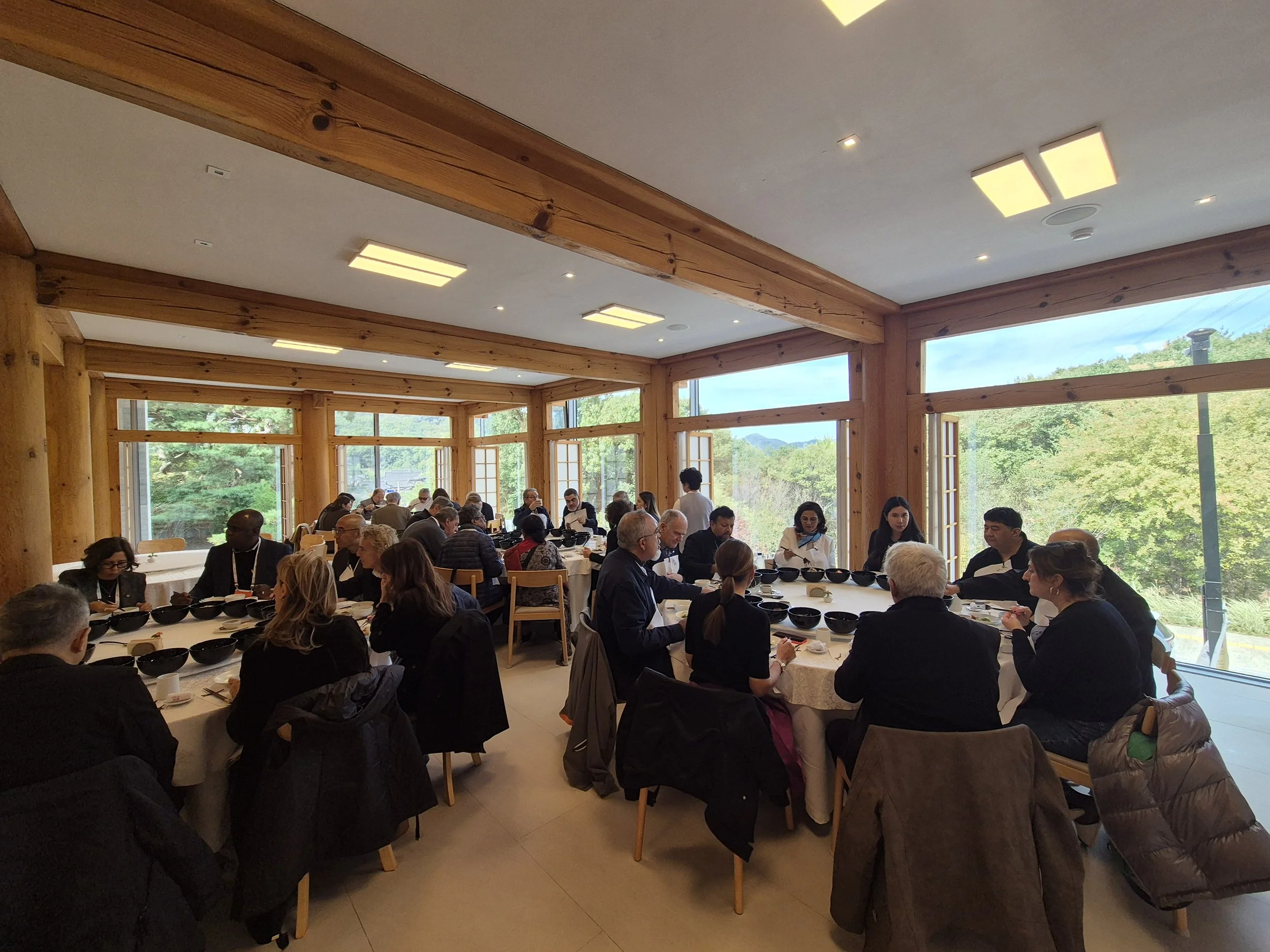
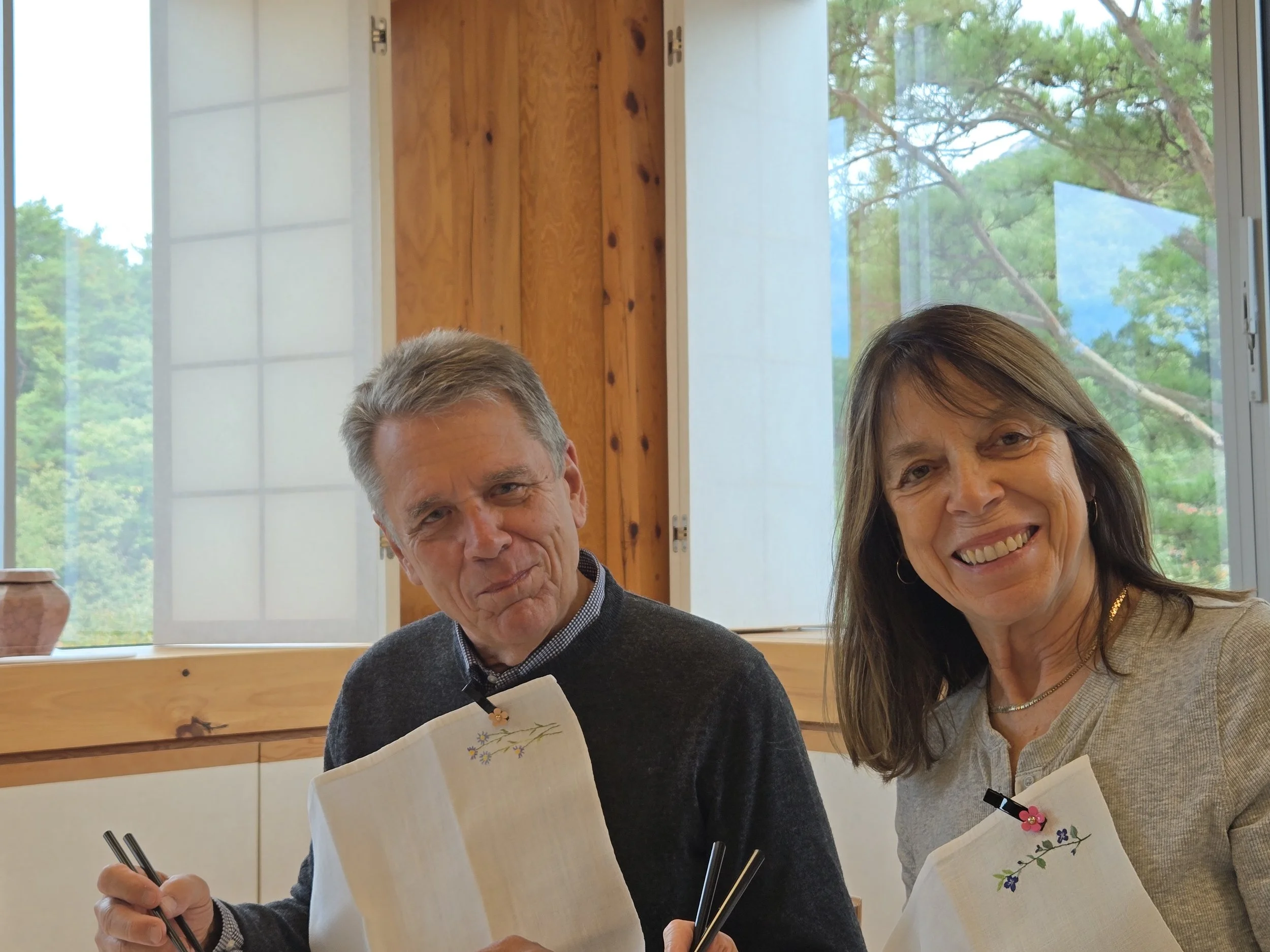
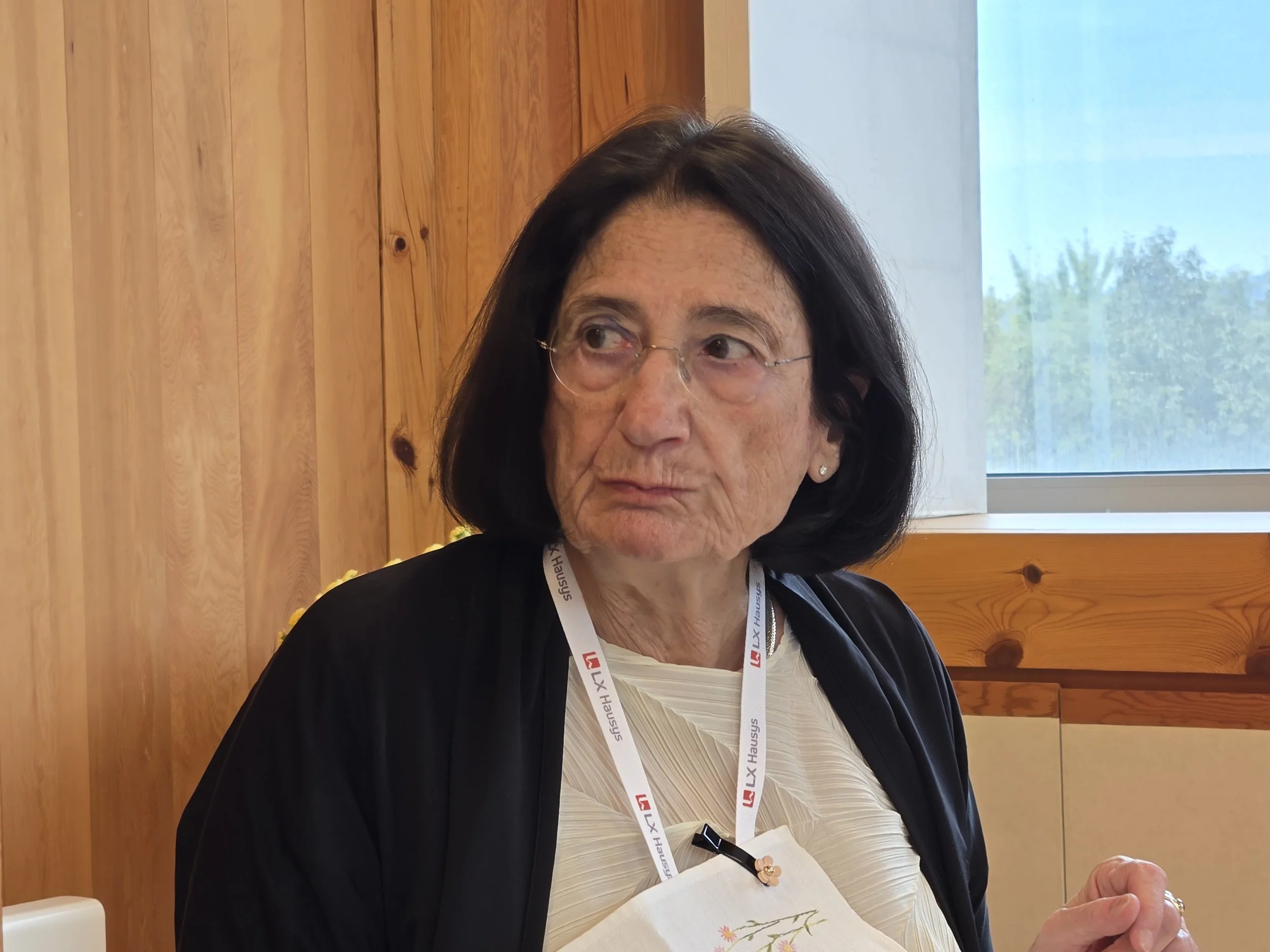
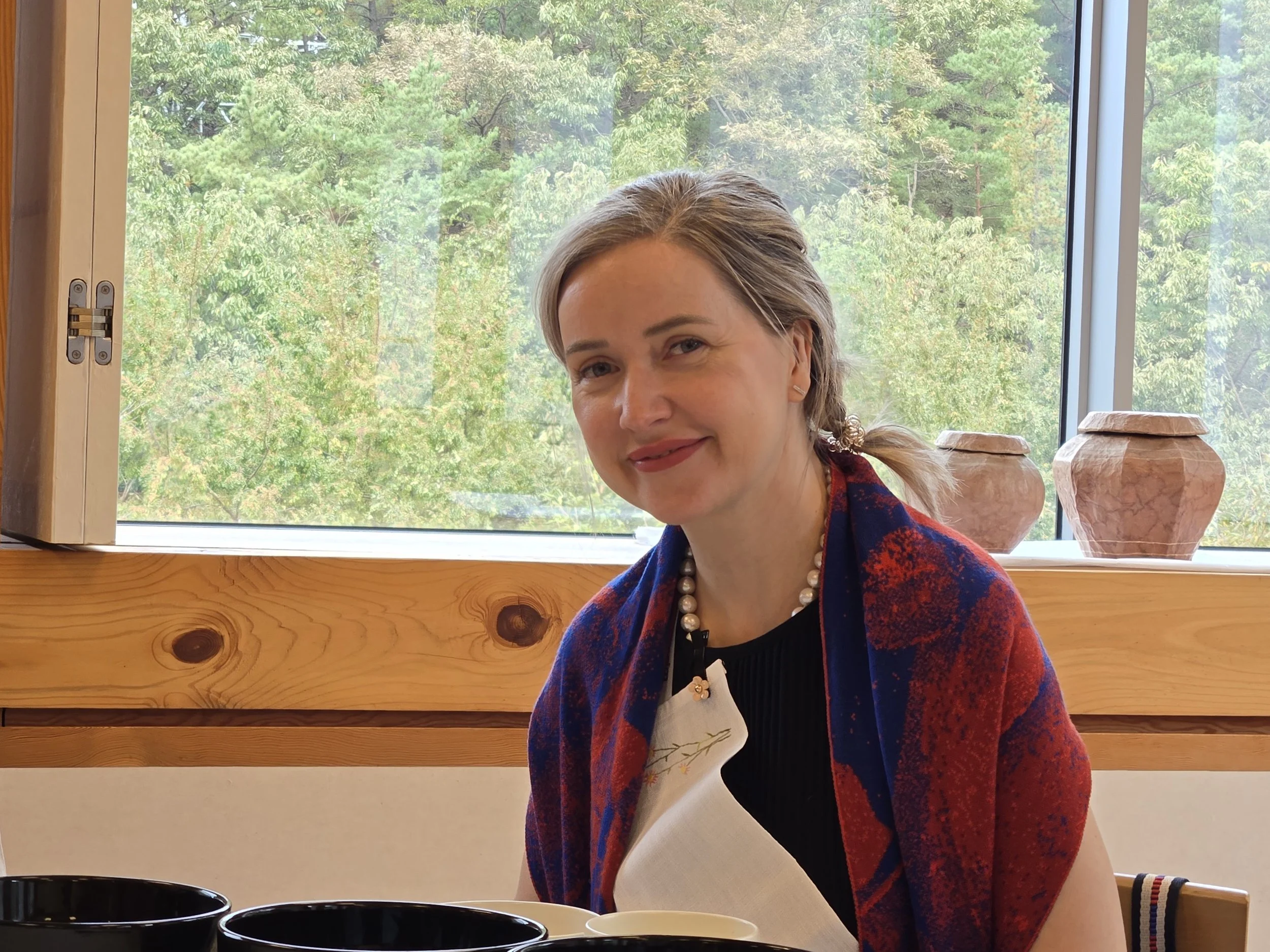
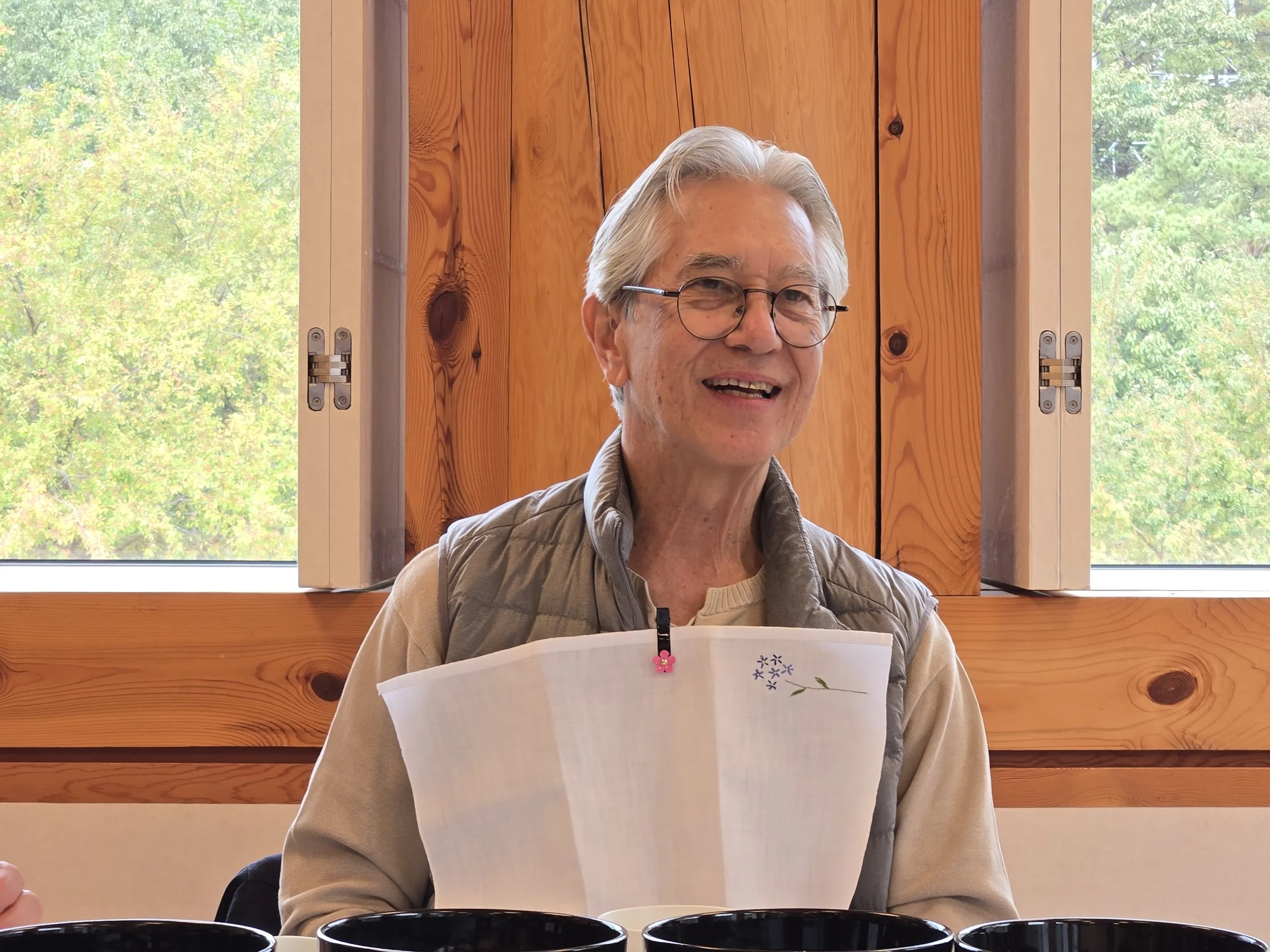
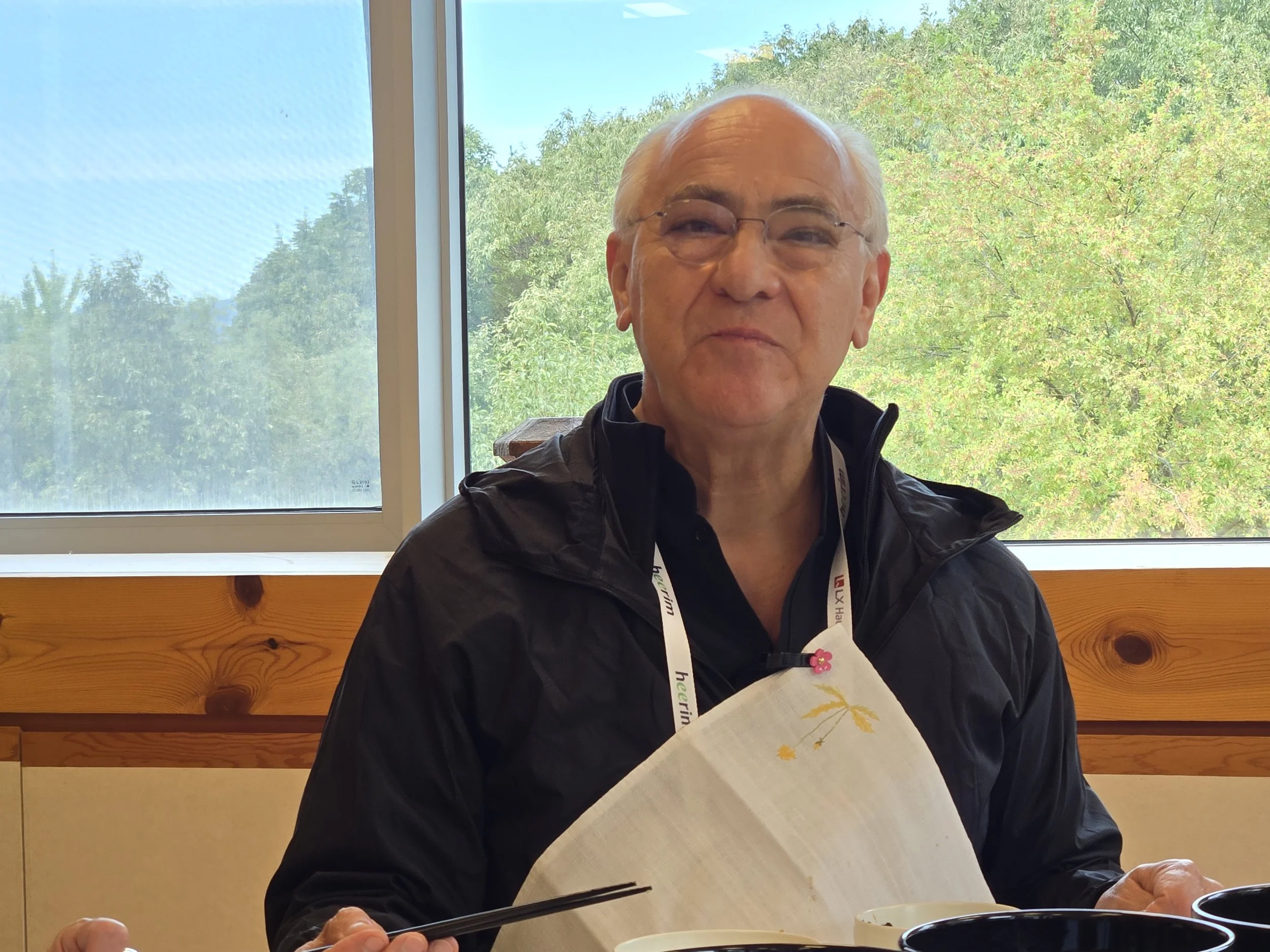
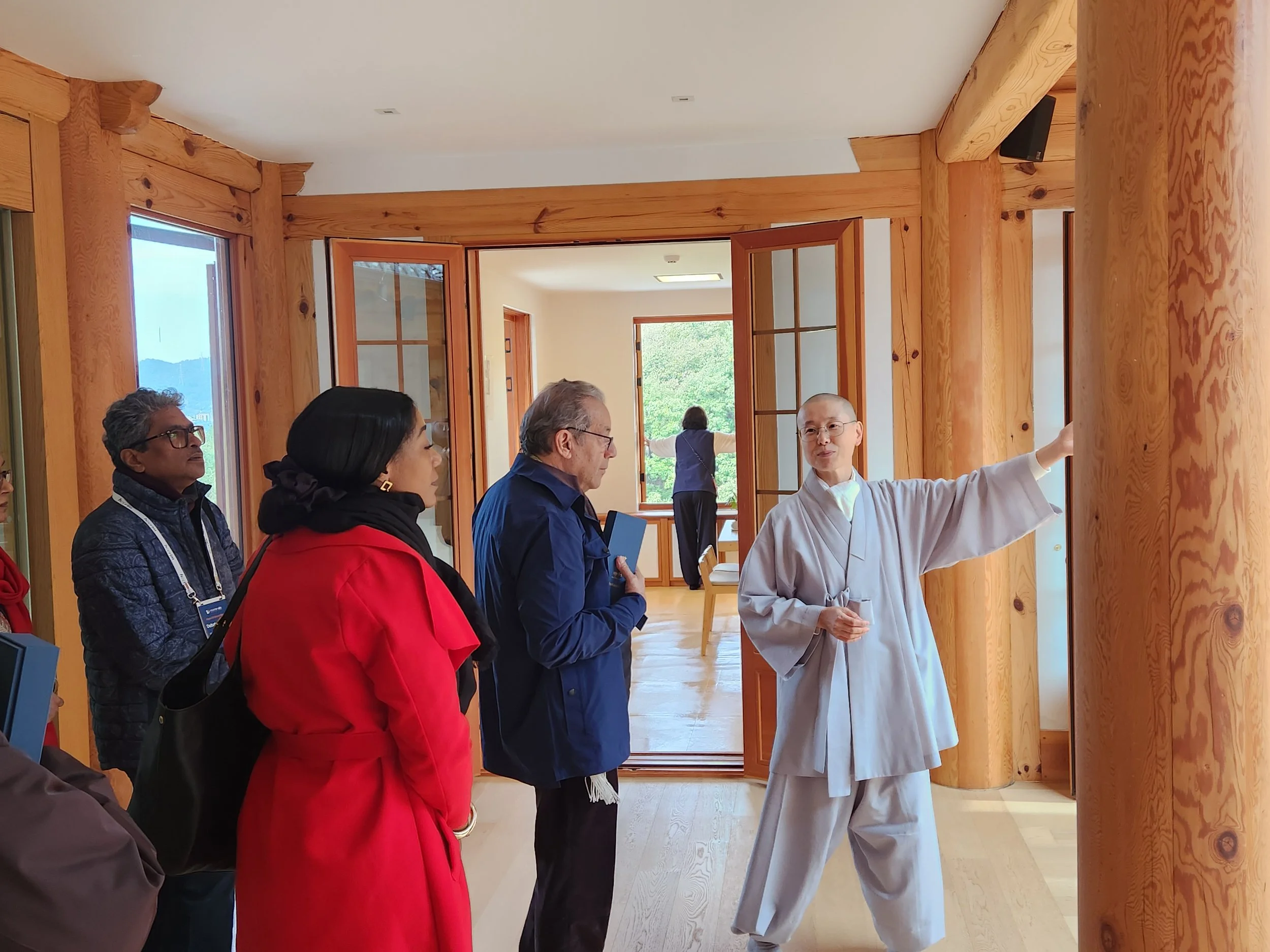
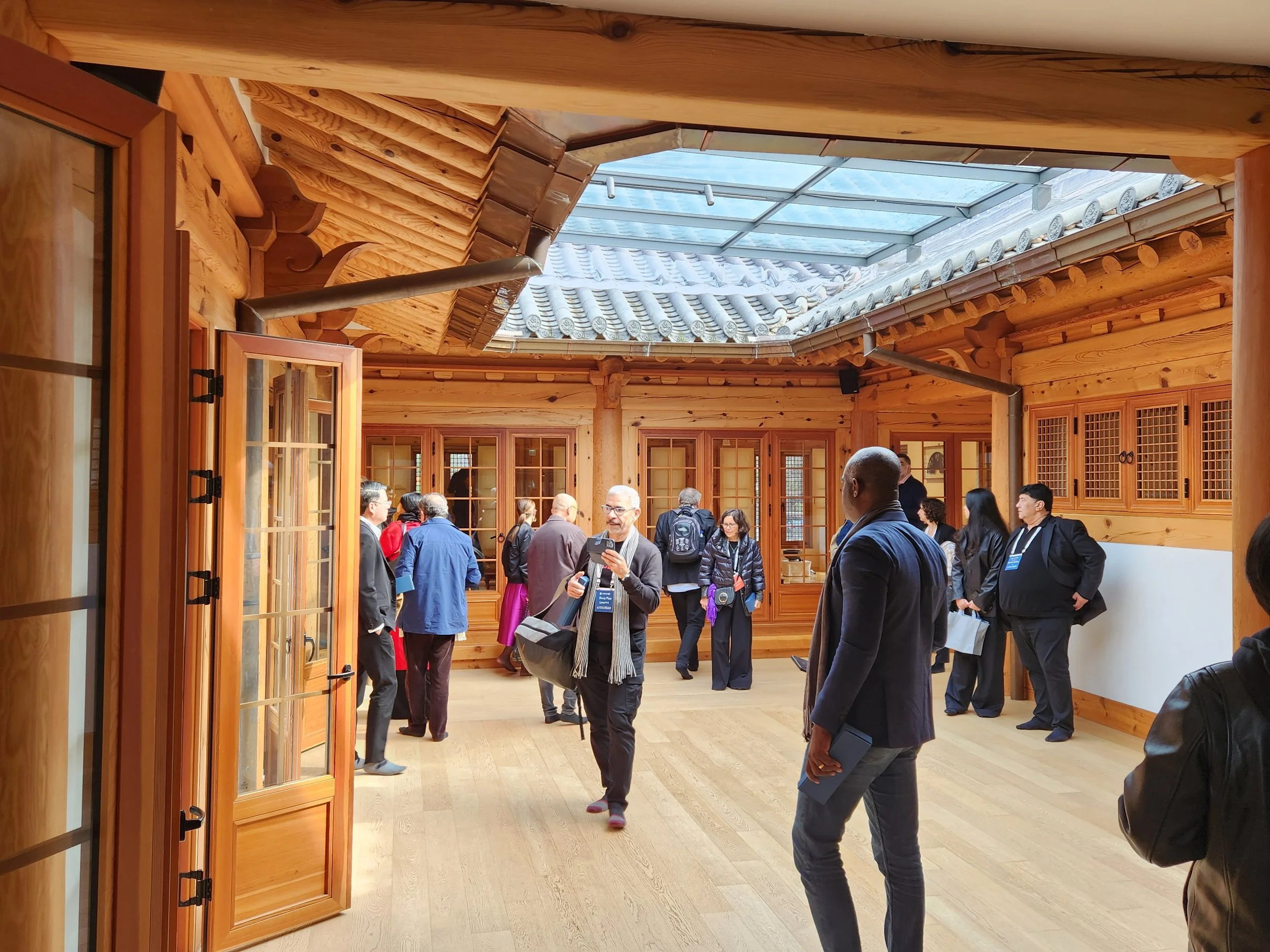
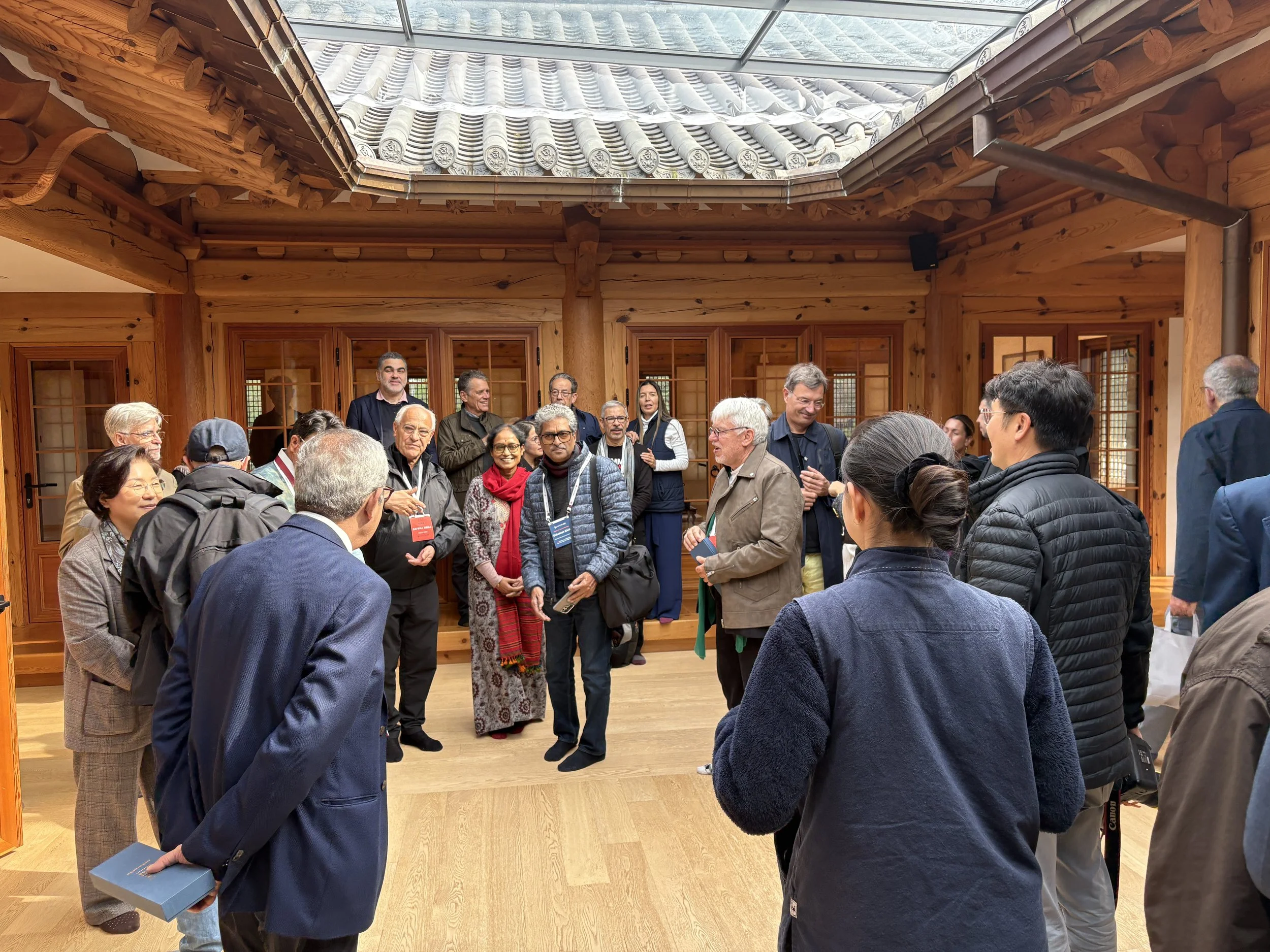
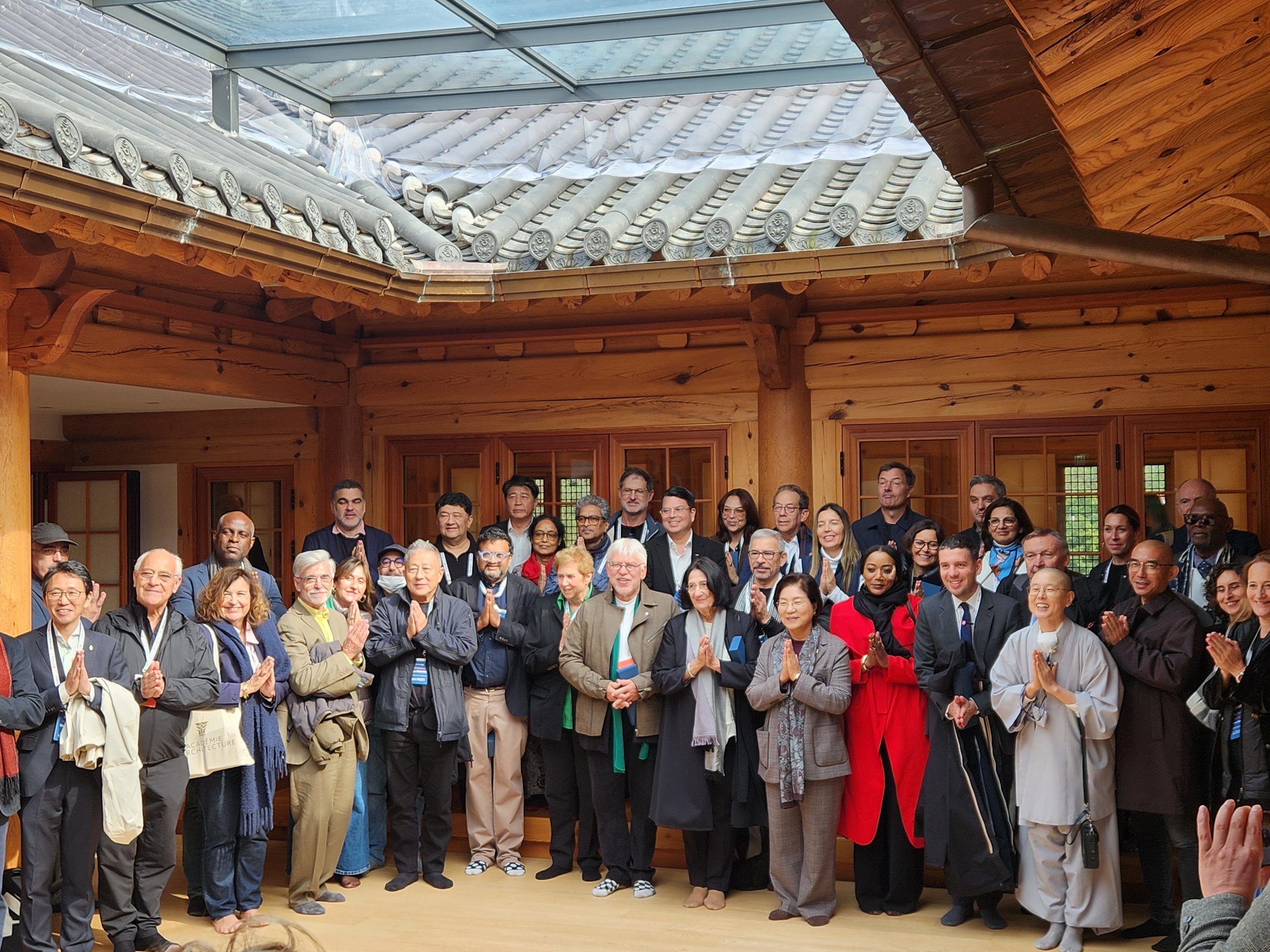
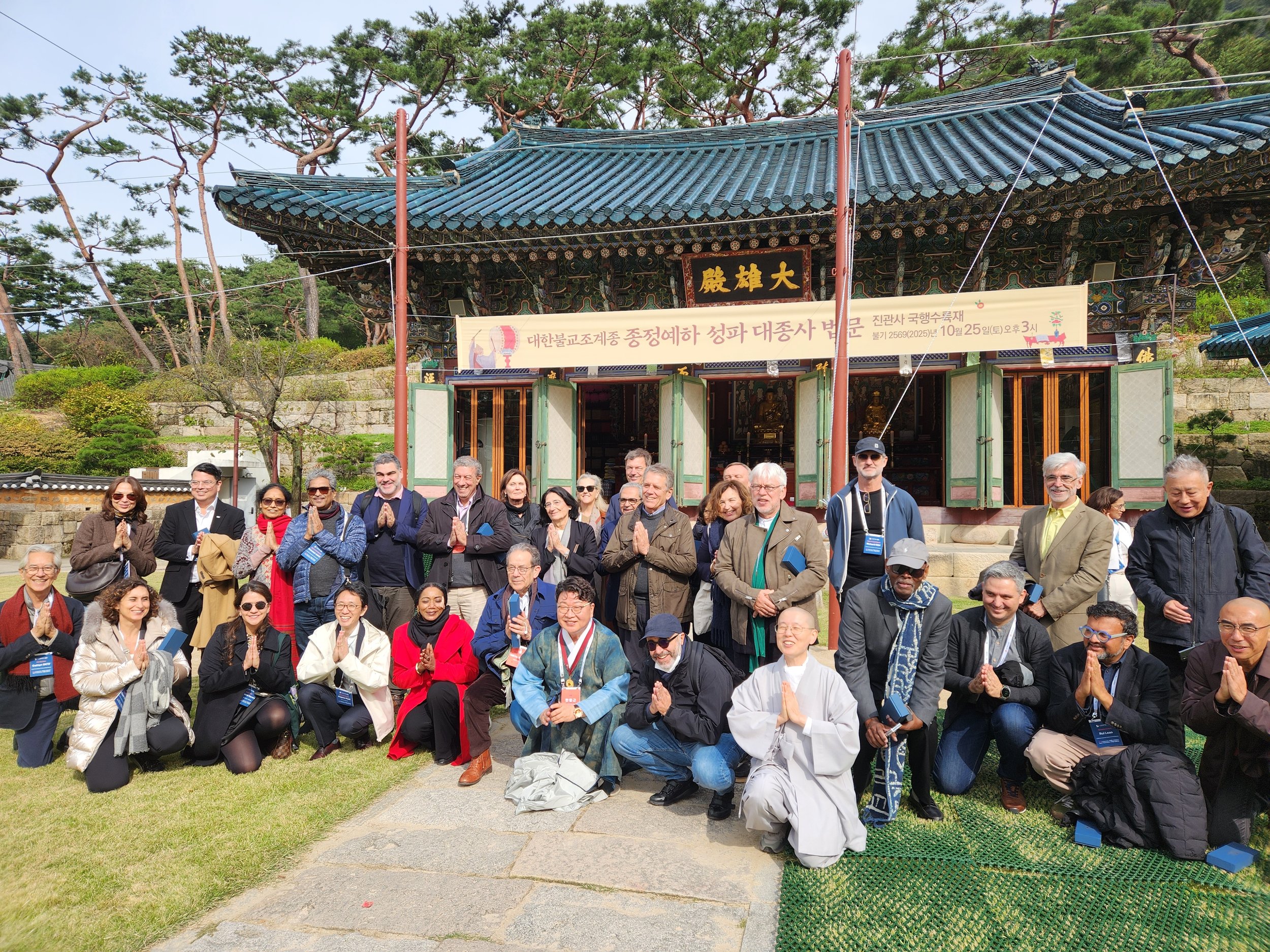
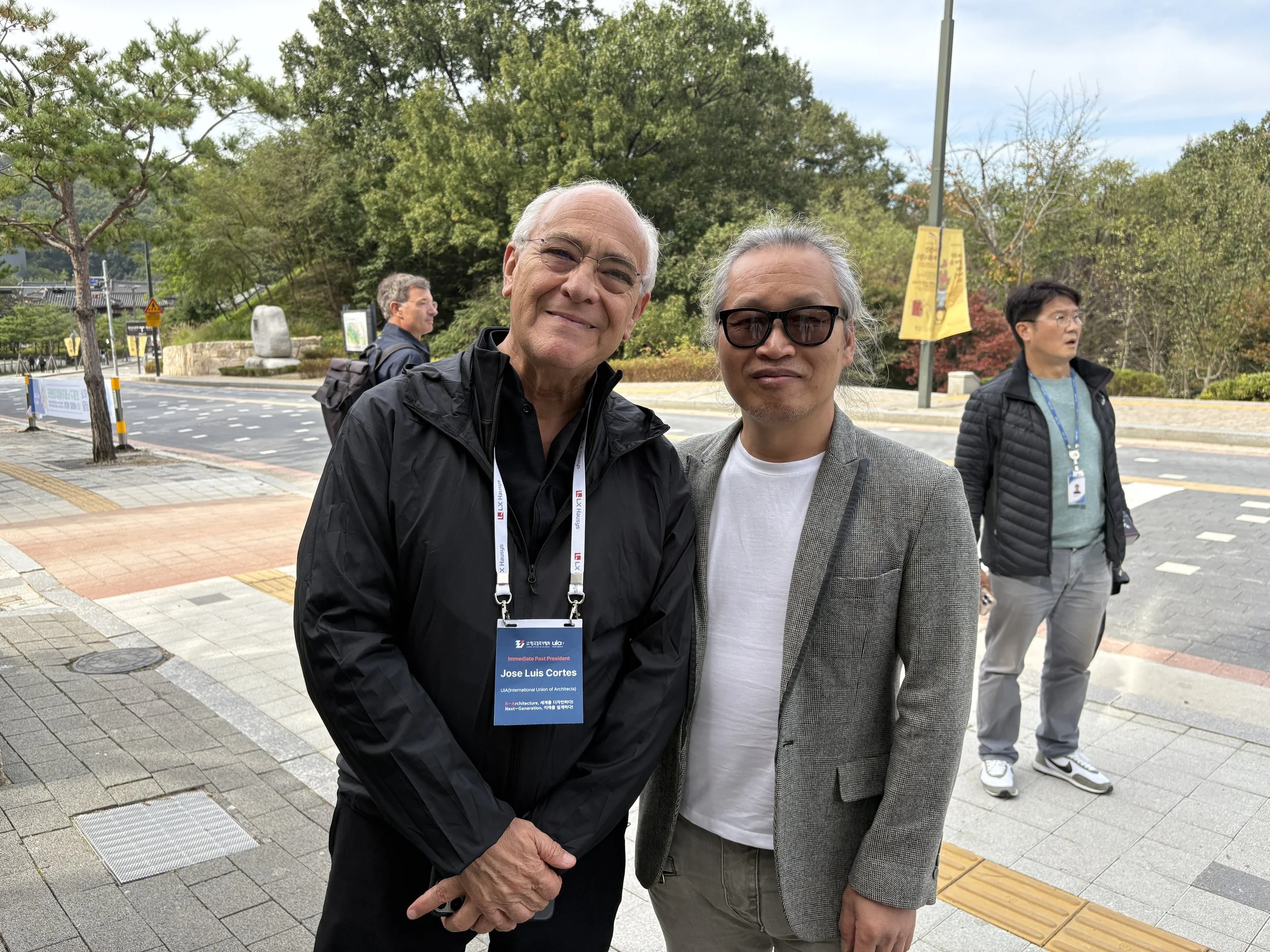
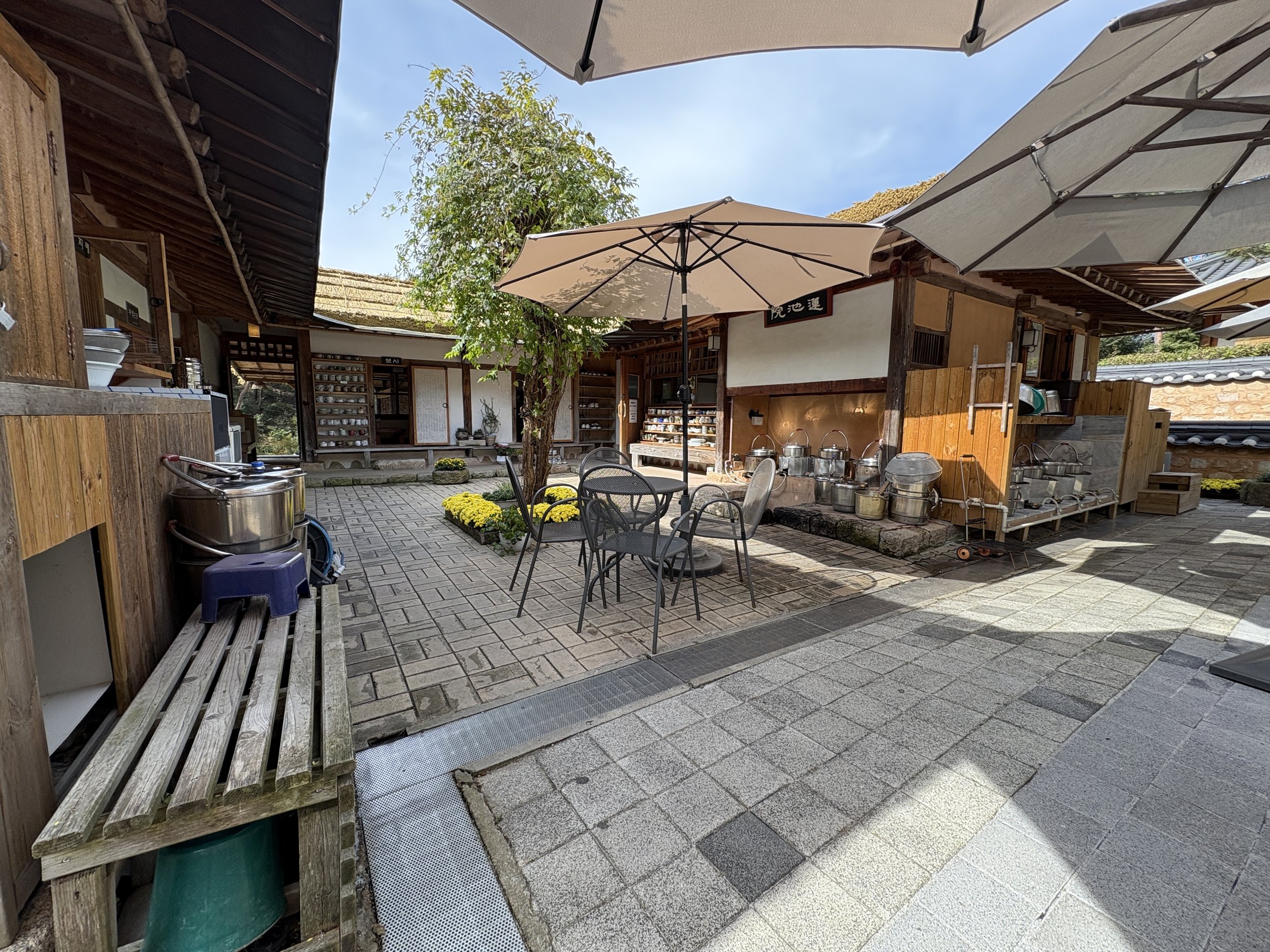
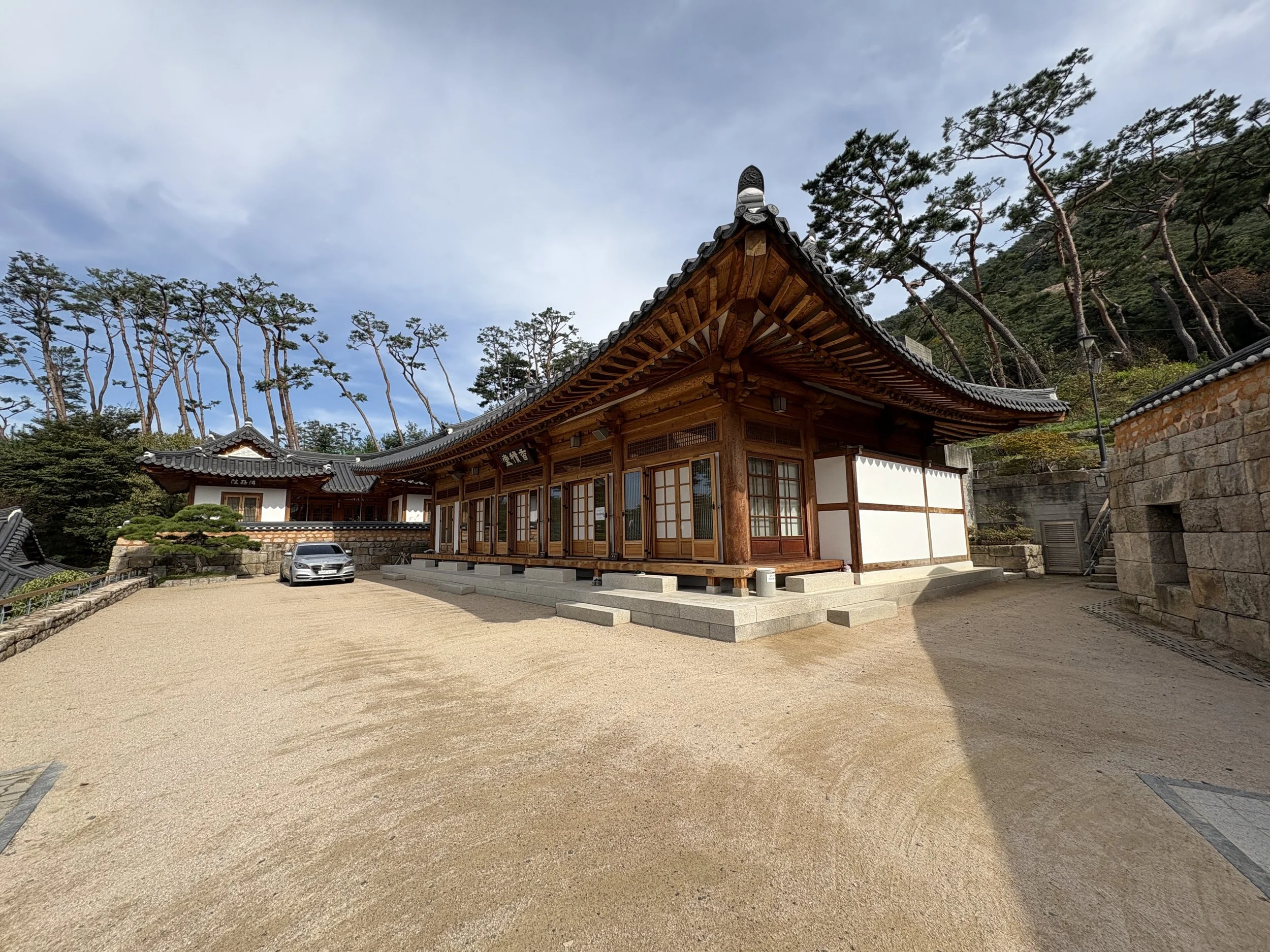
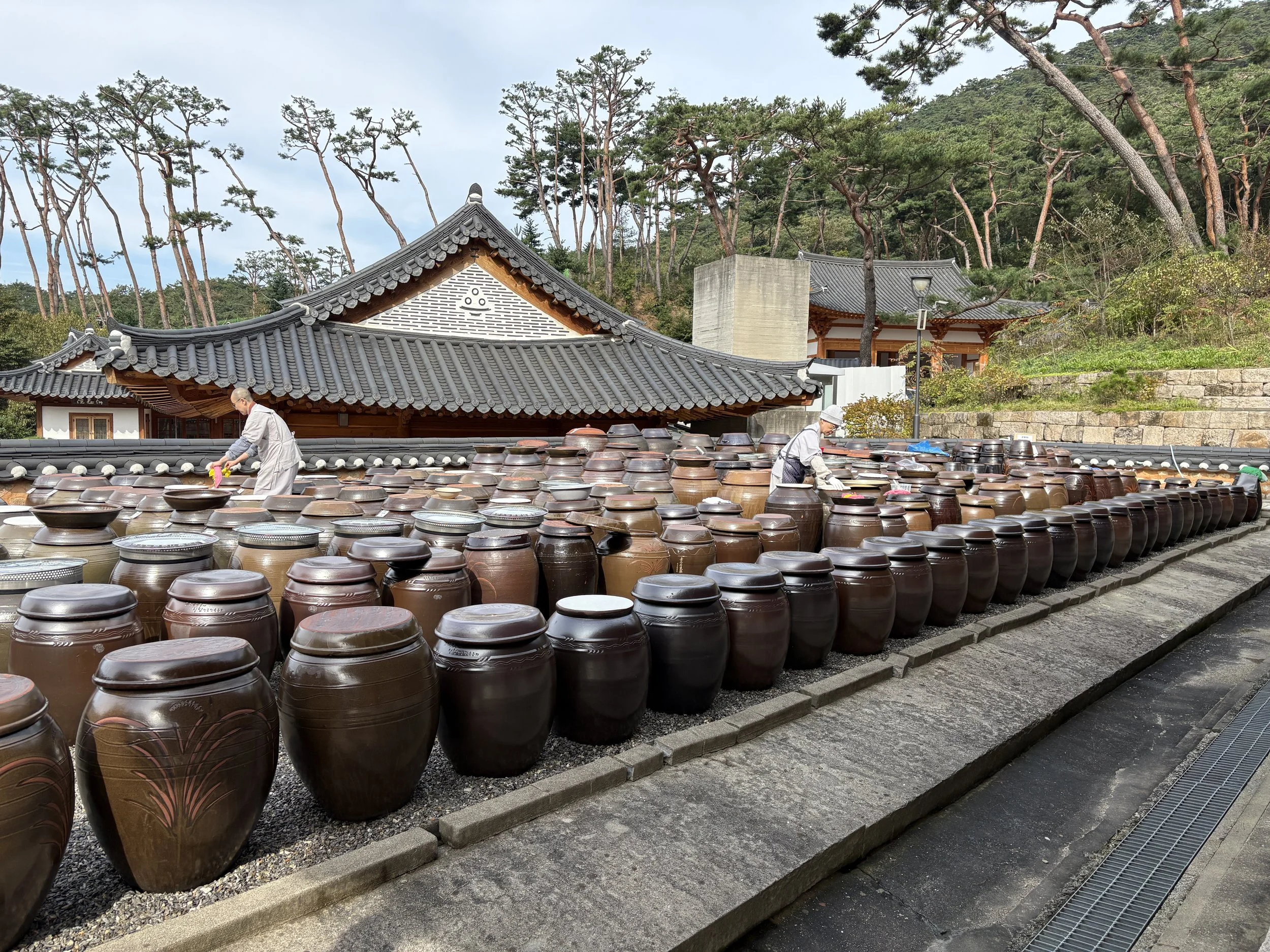
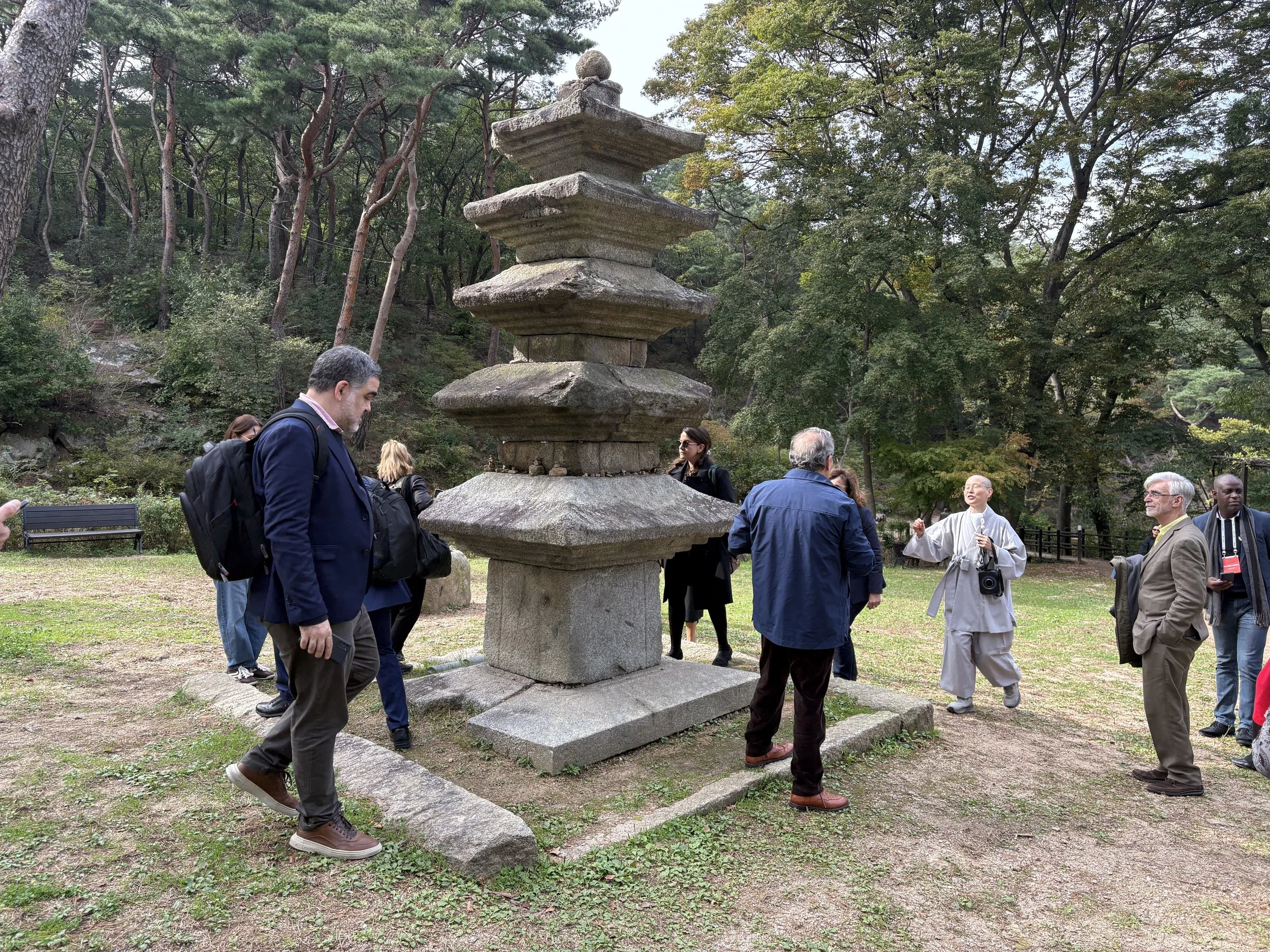
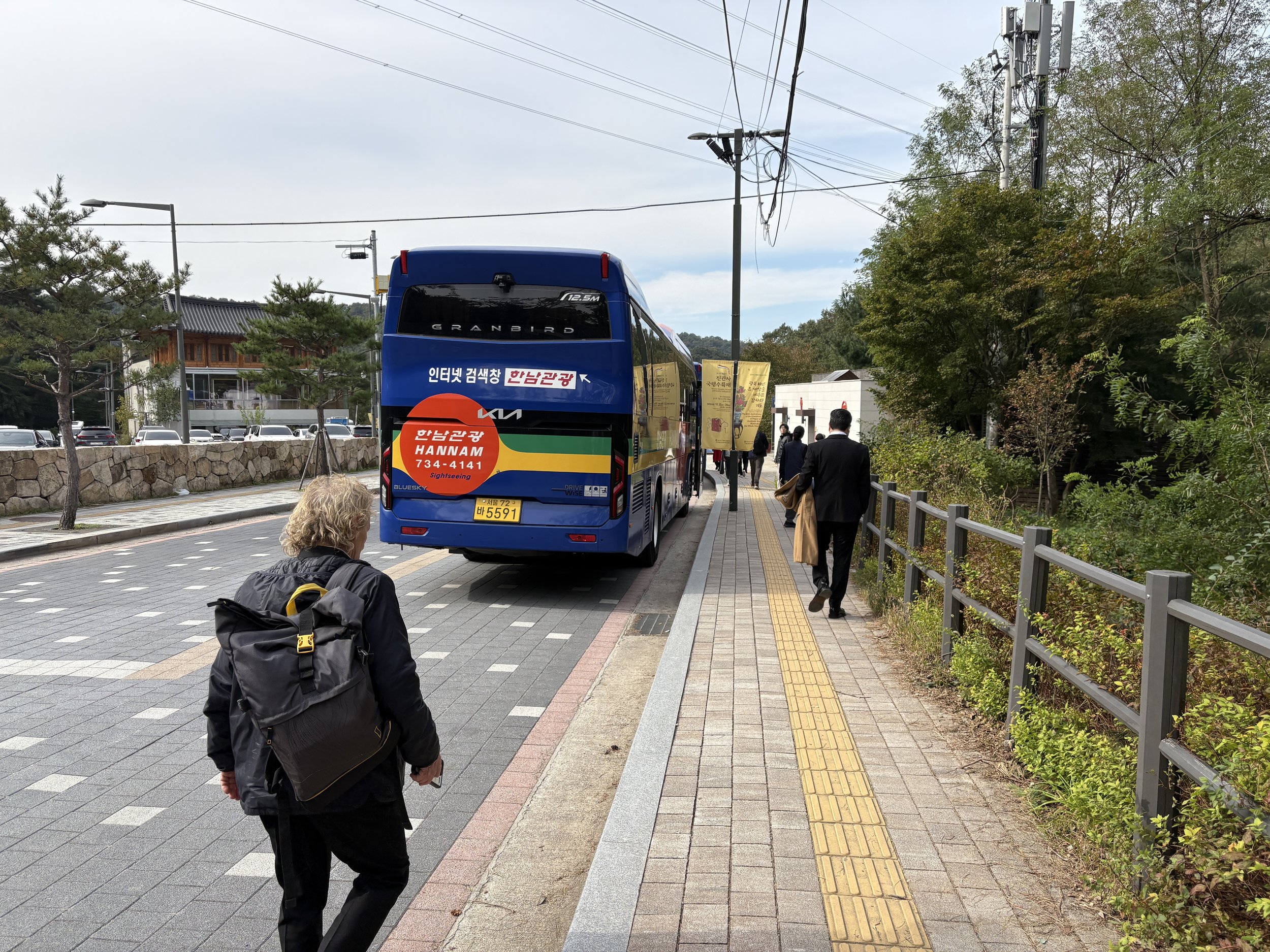
The second day offered participants a blend of cultural experiences and architectural exploration. The morning began with a tour of Cheonggyecheon, the restored urban stream that has become an iconic example of sustainable urban regeneration. The group then visited Jingwansa Temple, a historic Buddhist temple nestled in the mountains of northern Seoul. Guests were treated to a fusion-style temple lunch, specially prepared for the occasion. Temple priests provided explanations of the dishes, highlighting the philosophy of balance, simplicity, and mindfulness that underpins traditional Korean temple cuisine.
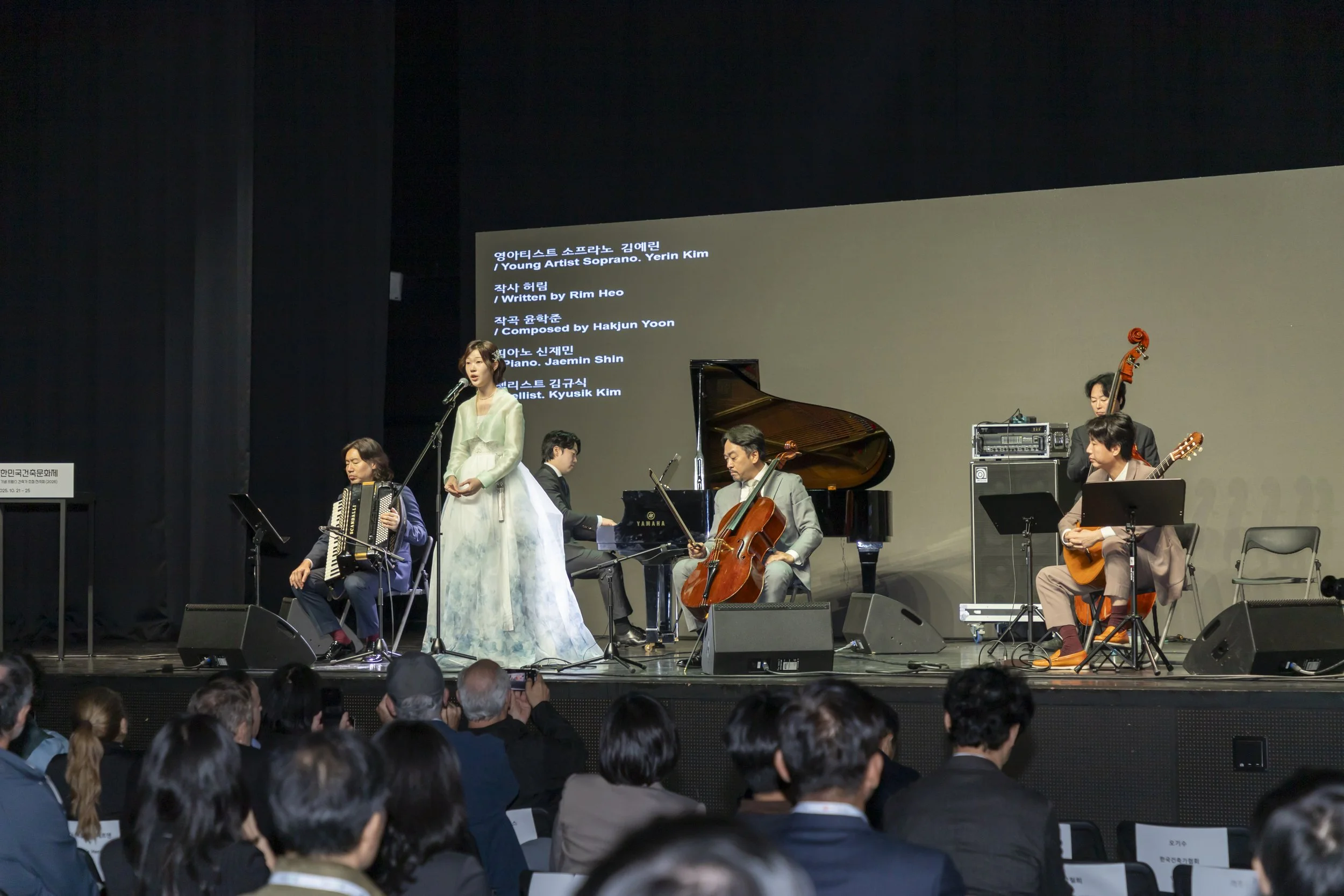
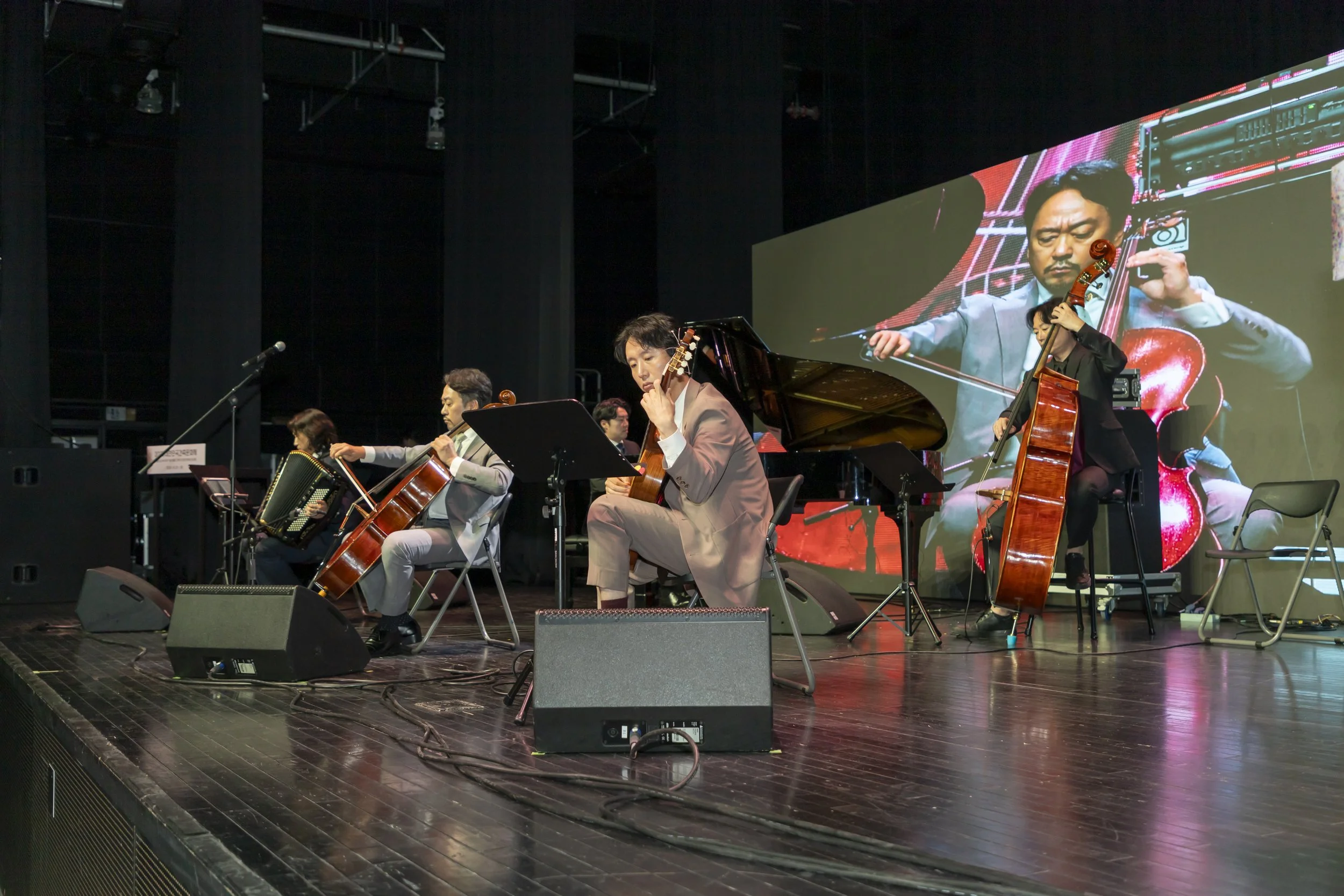
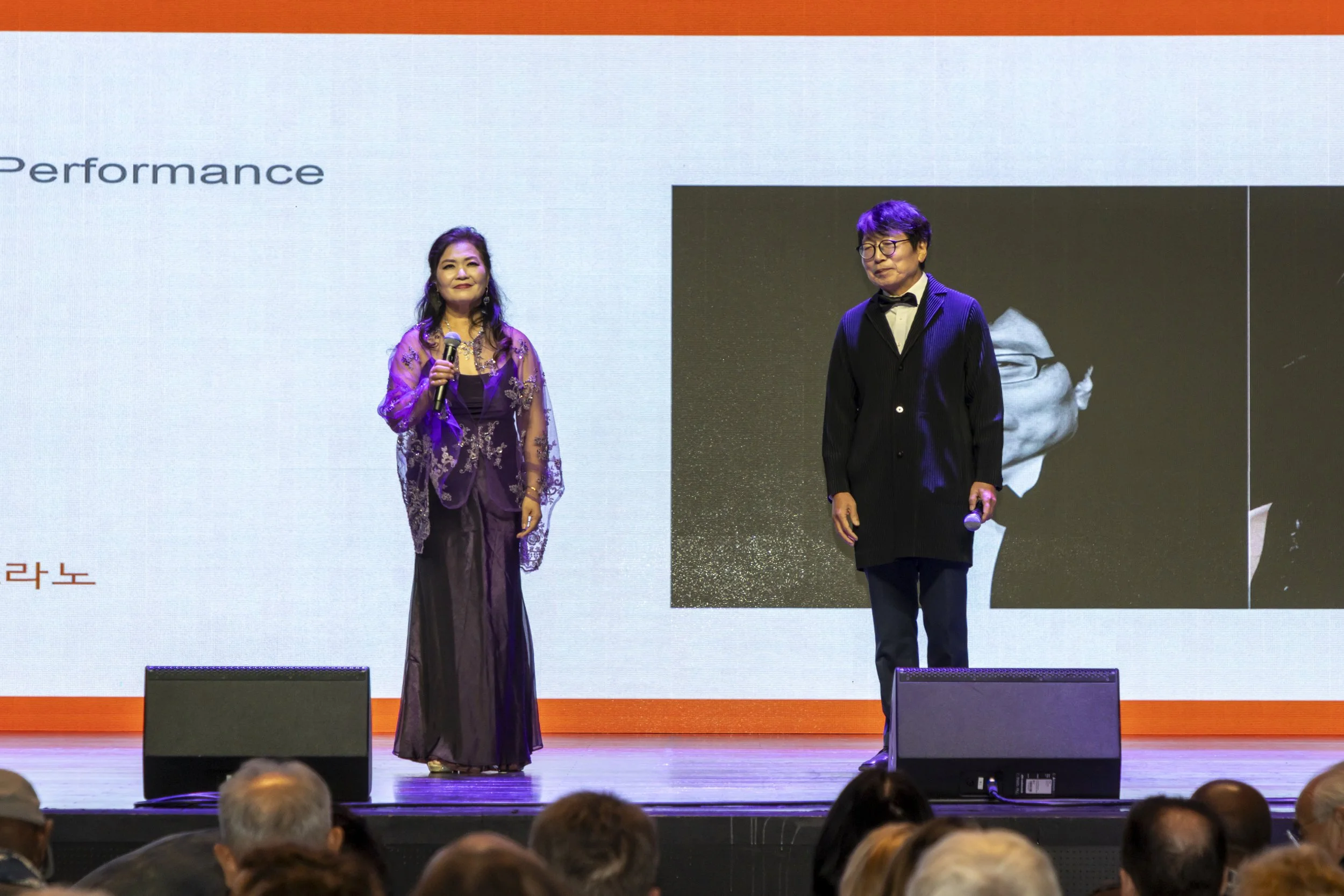
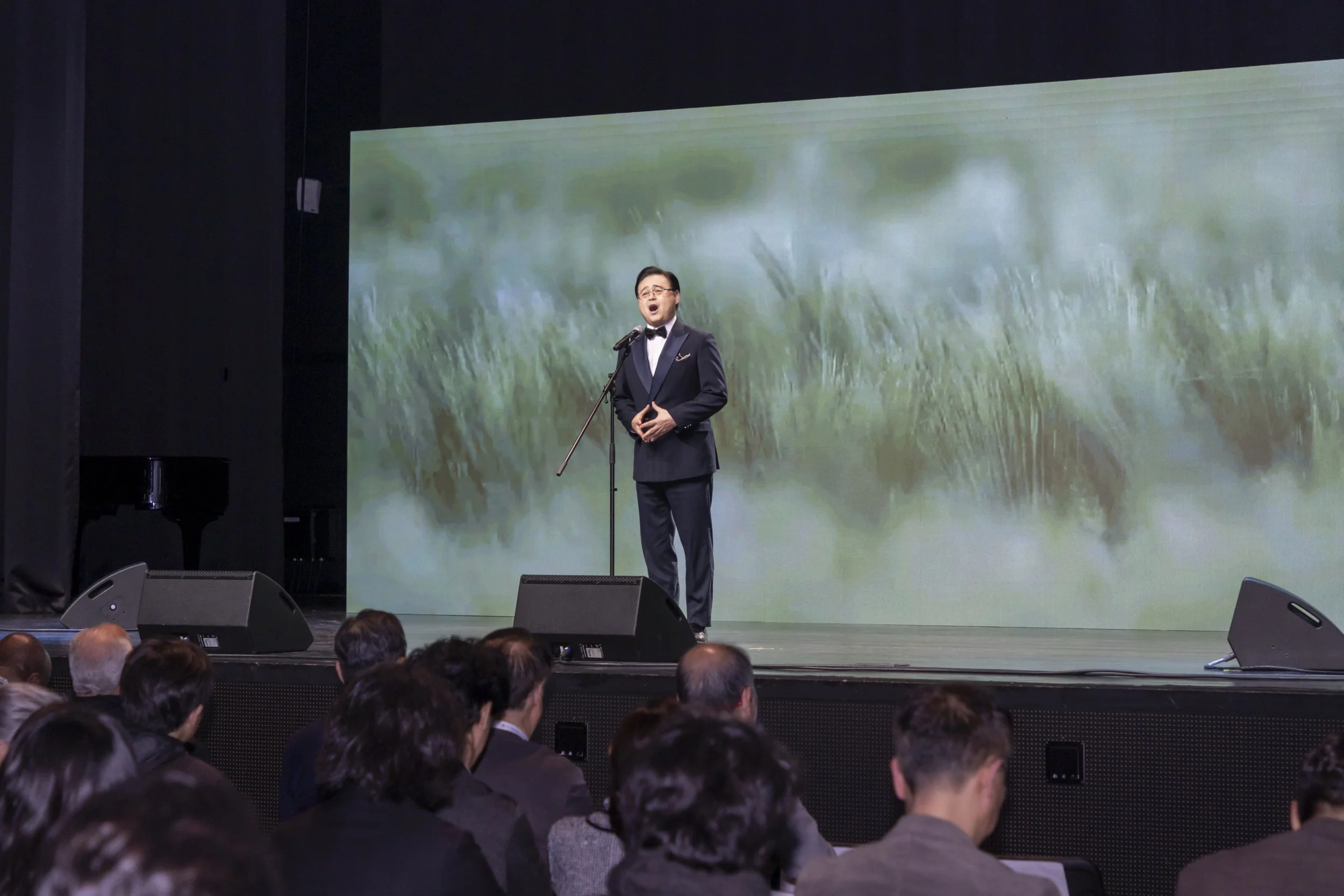
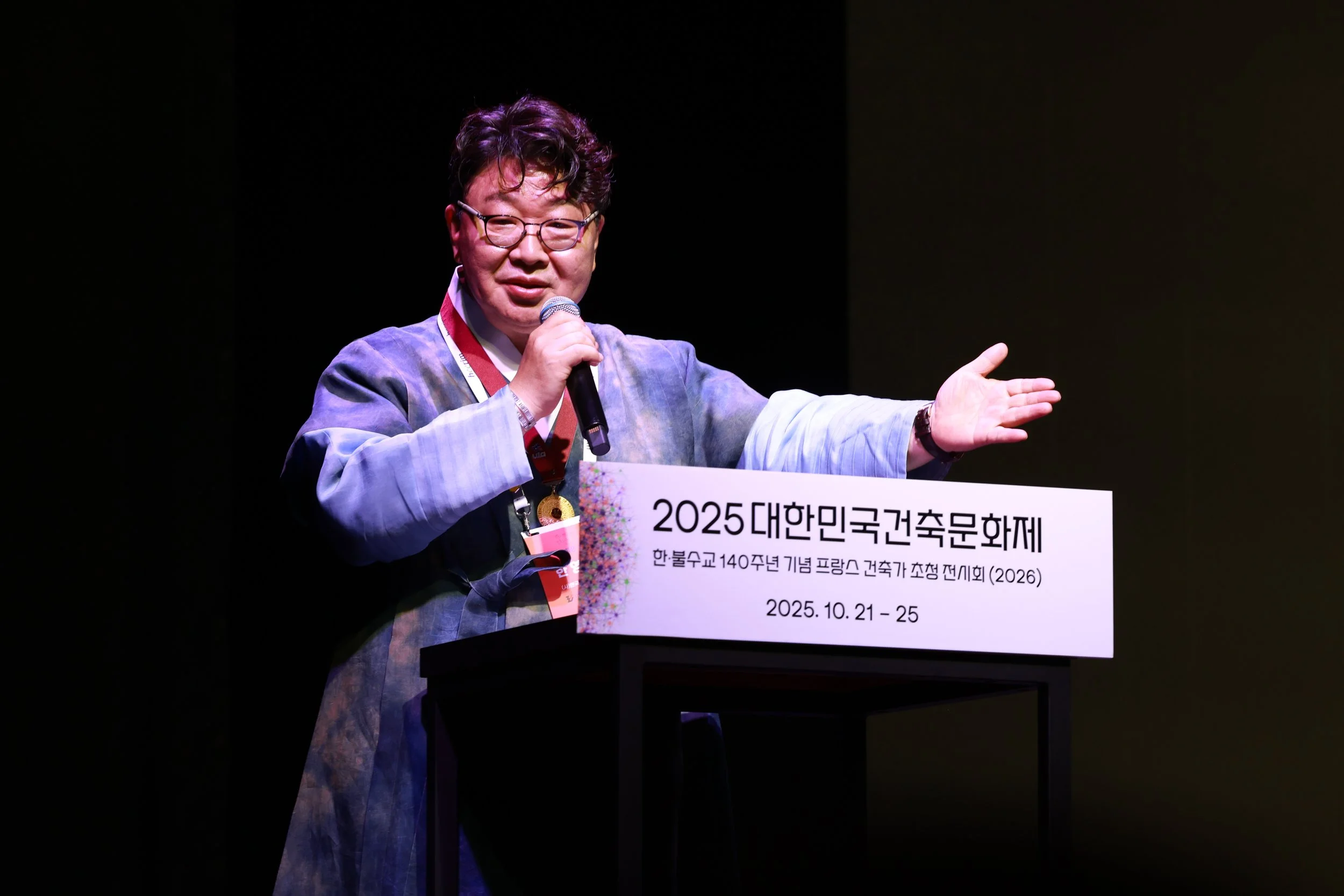
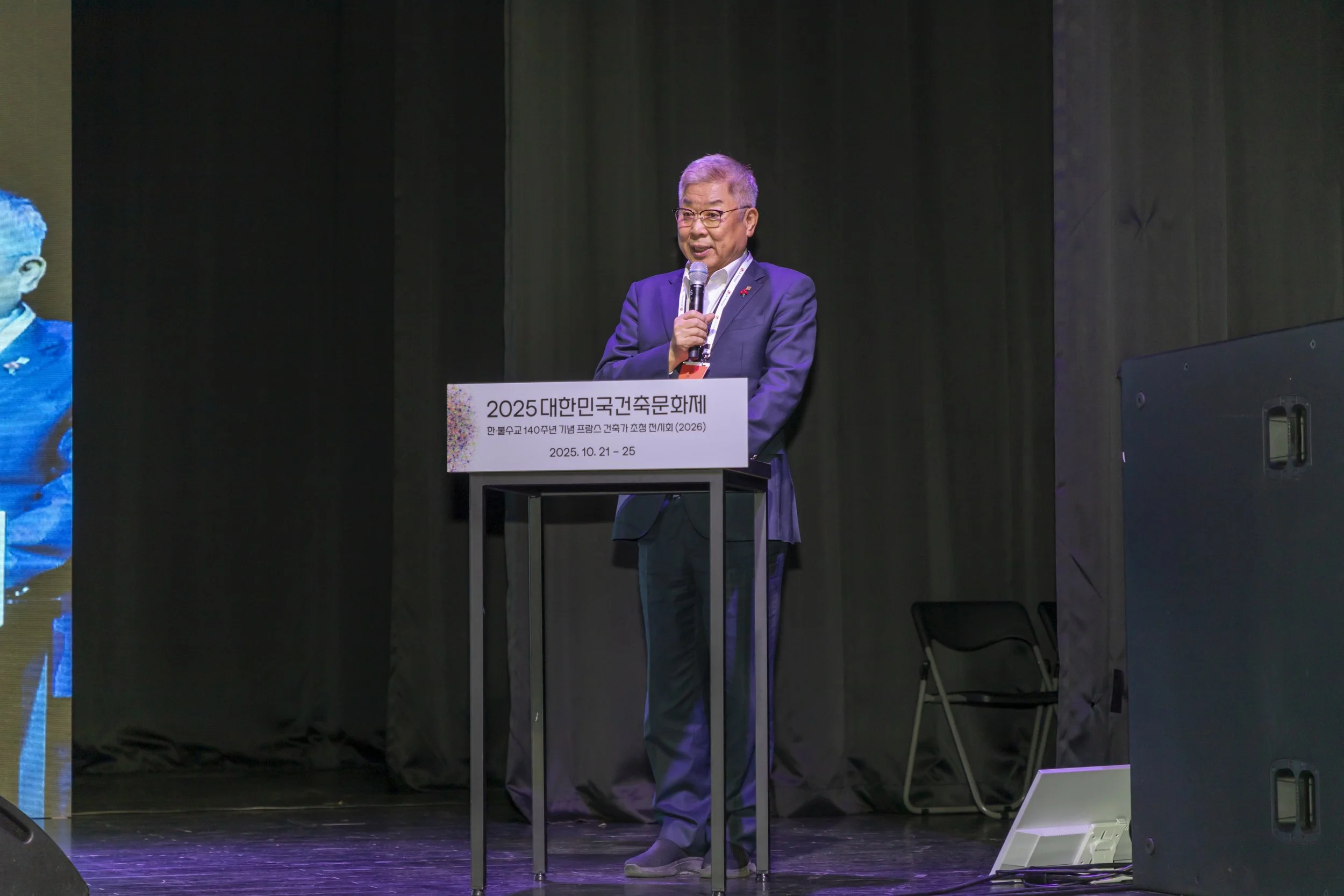
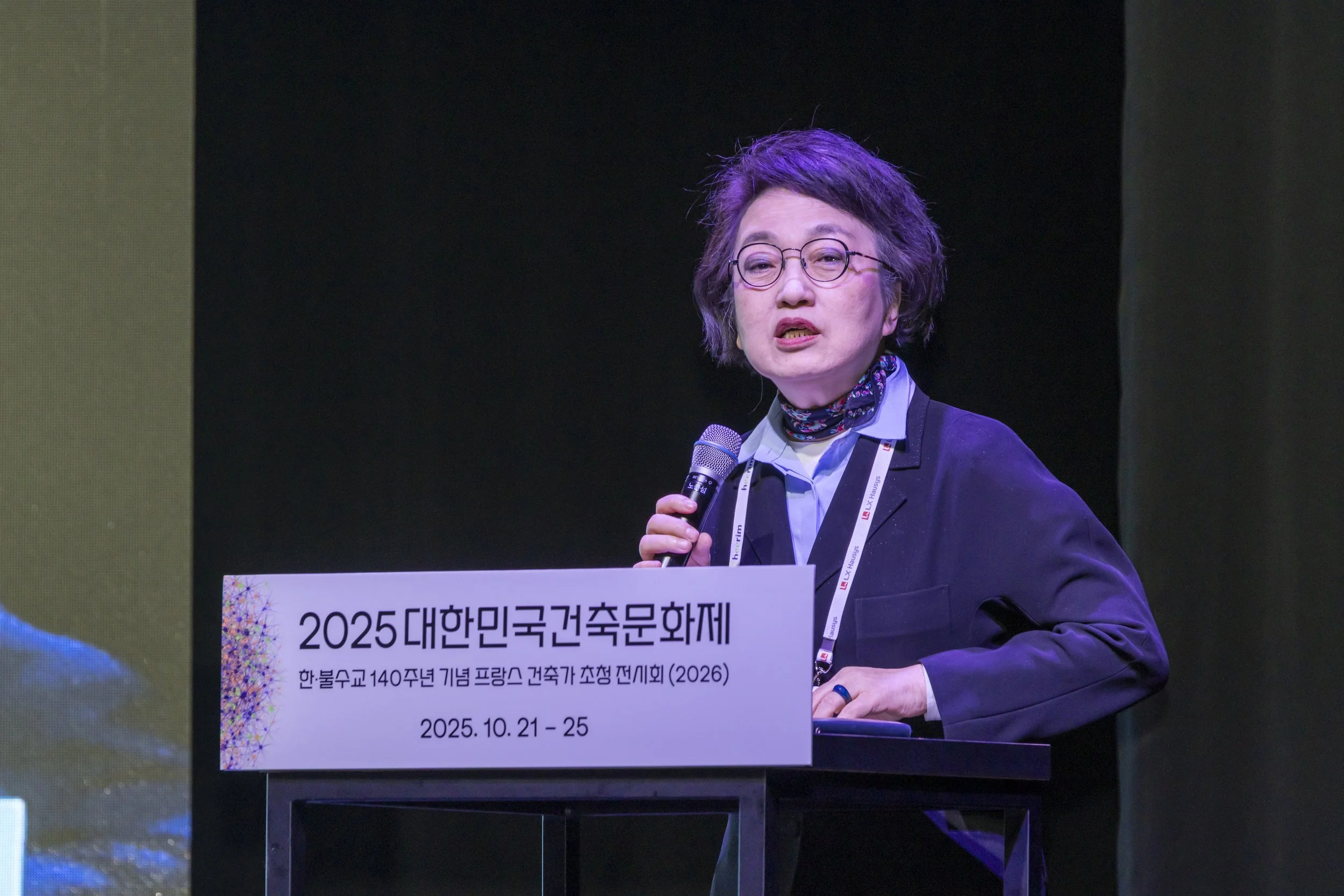
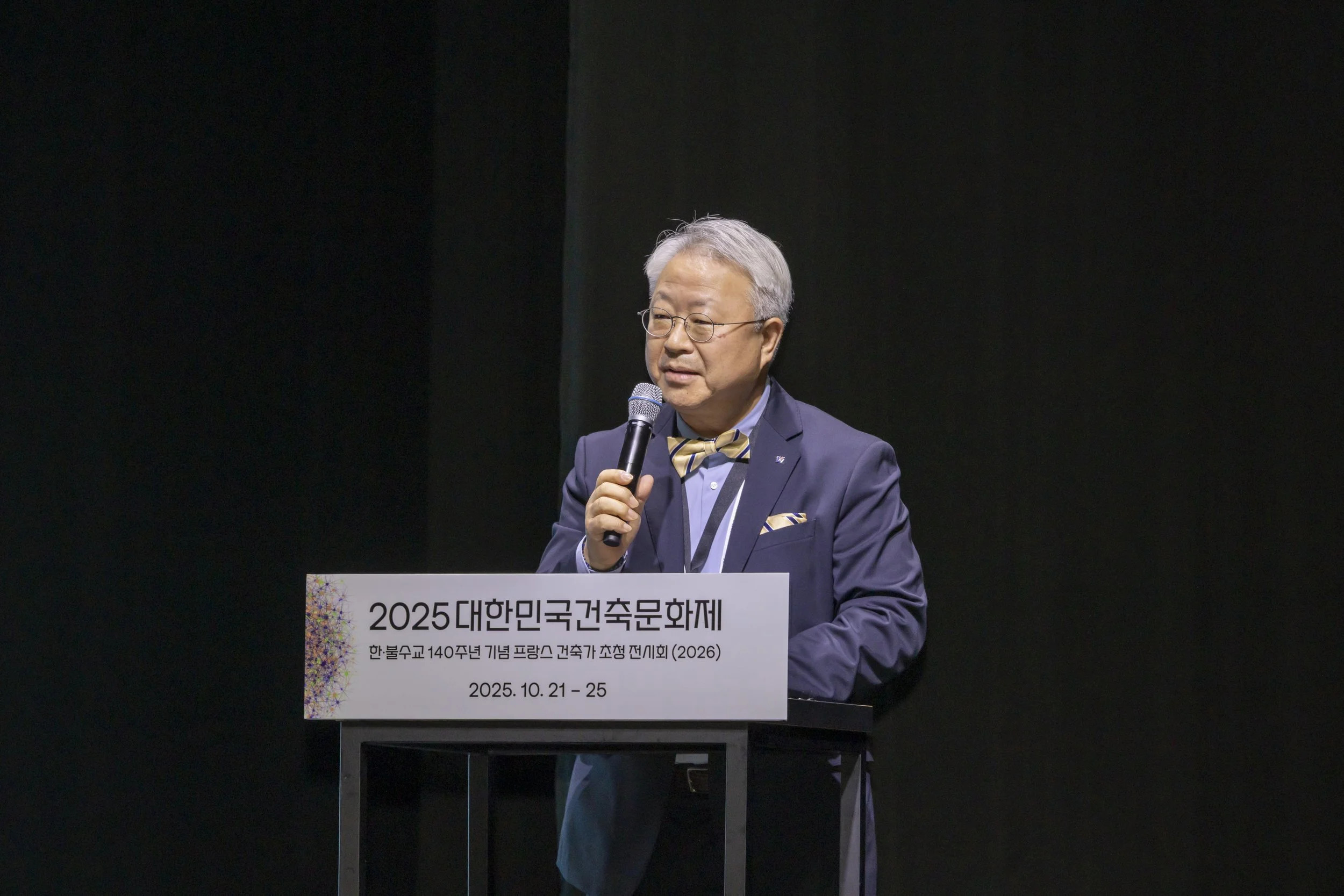
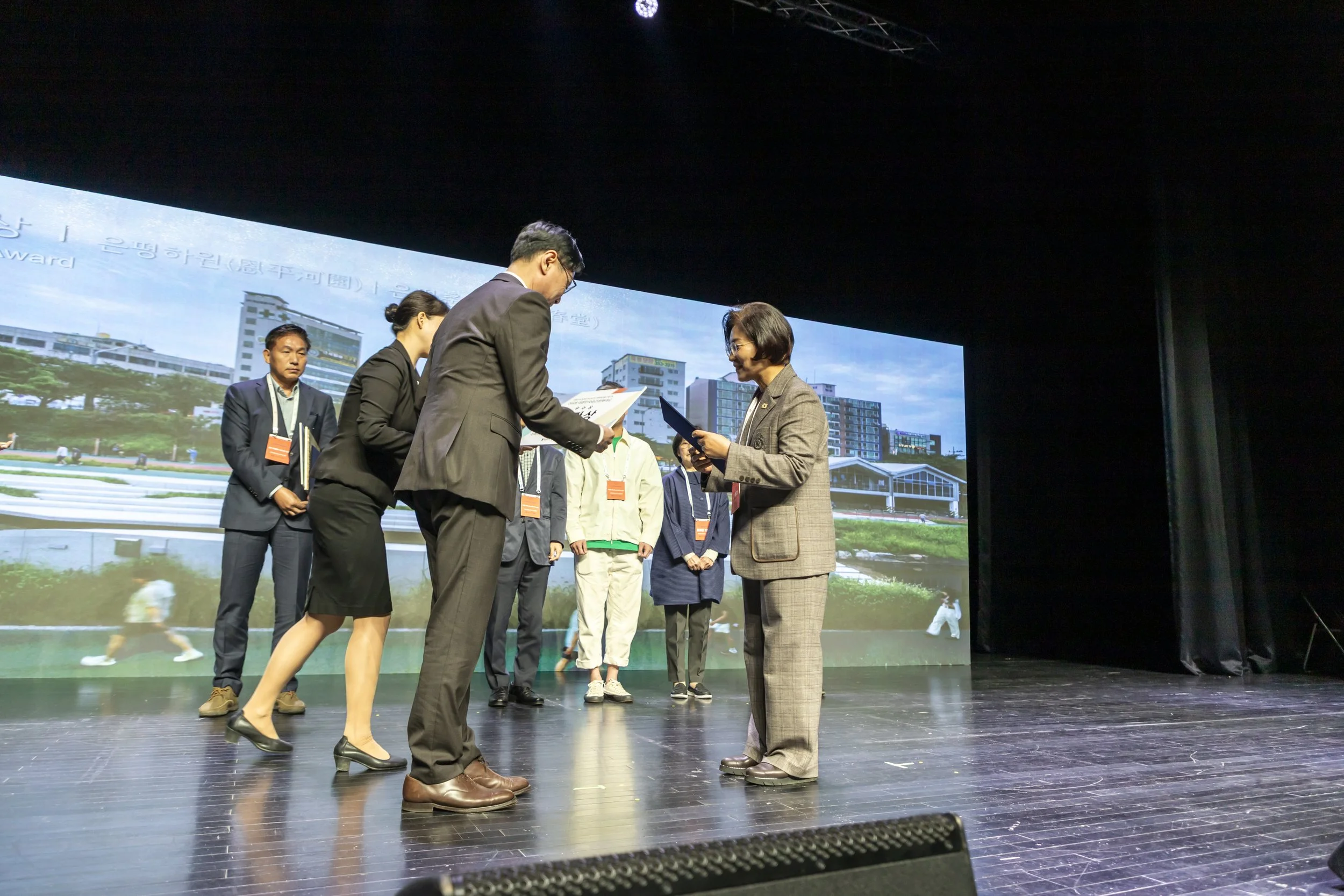
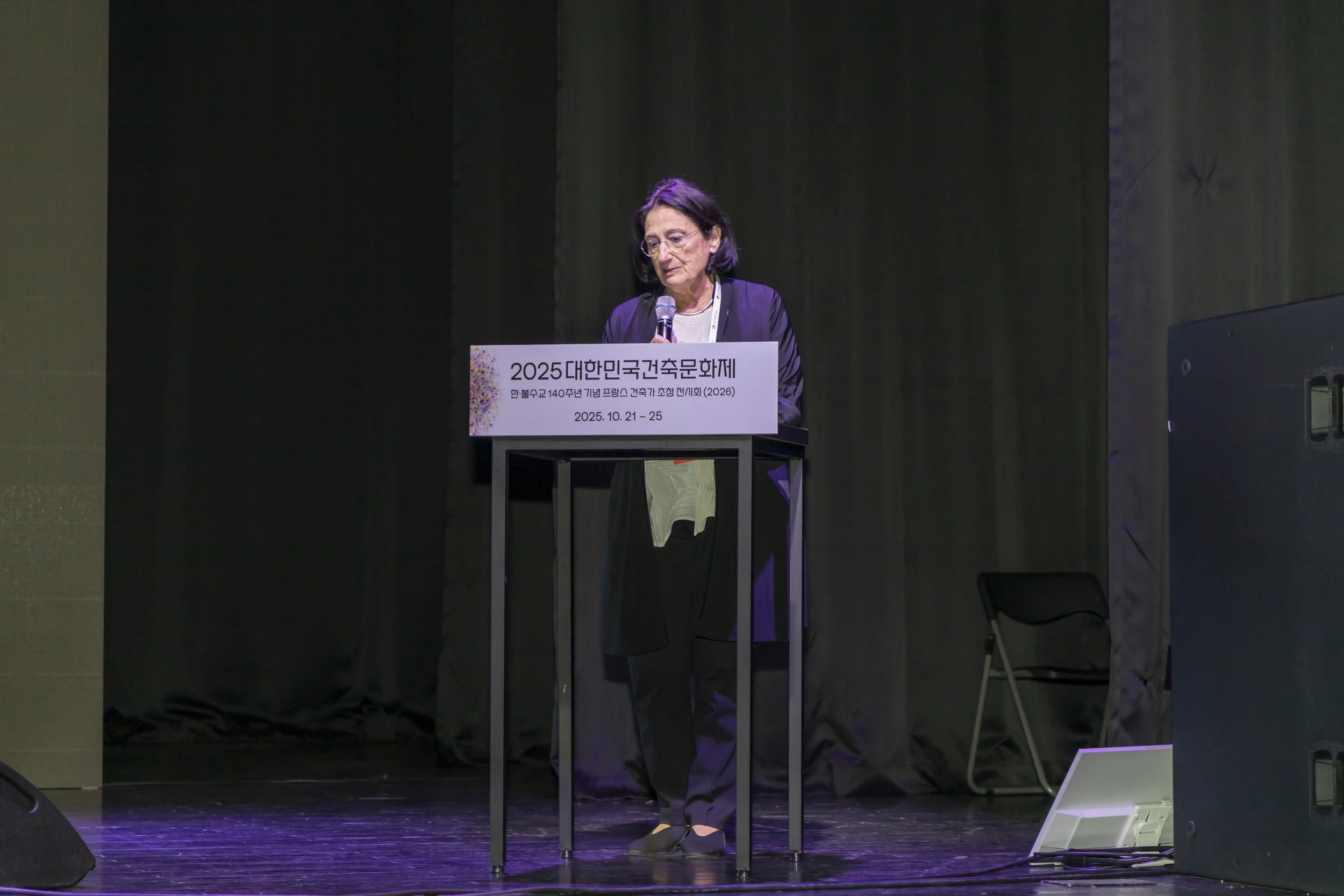
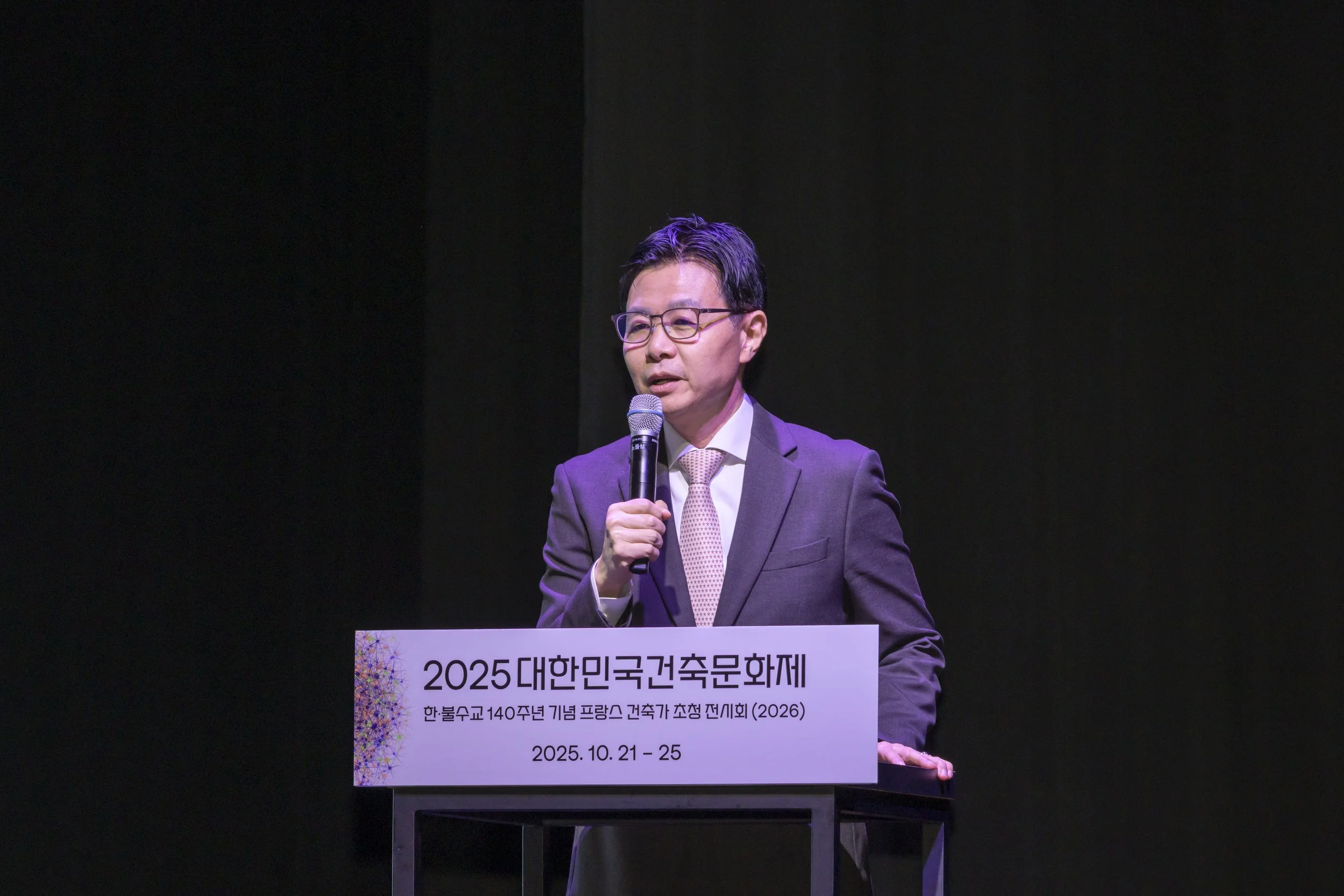
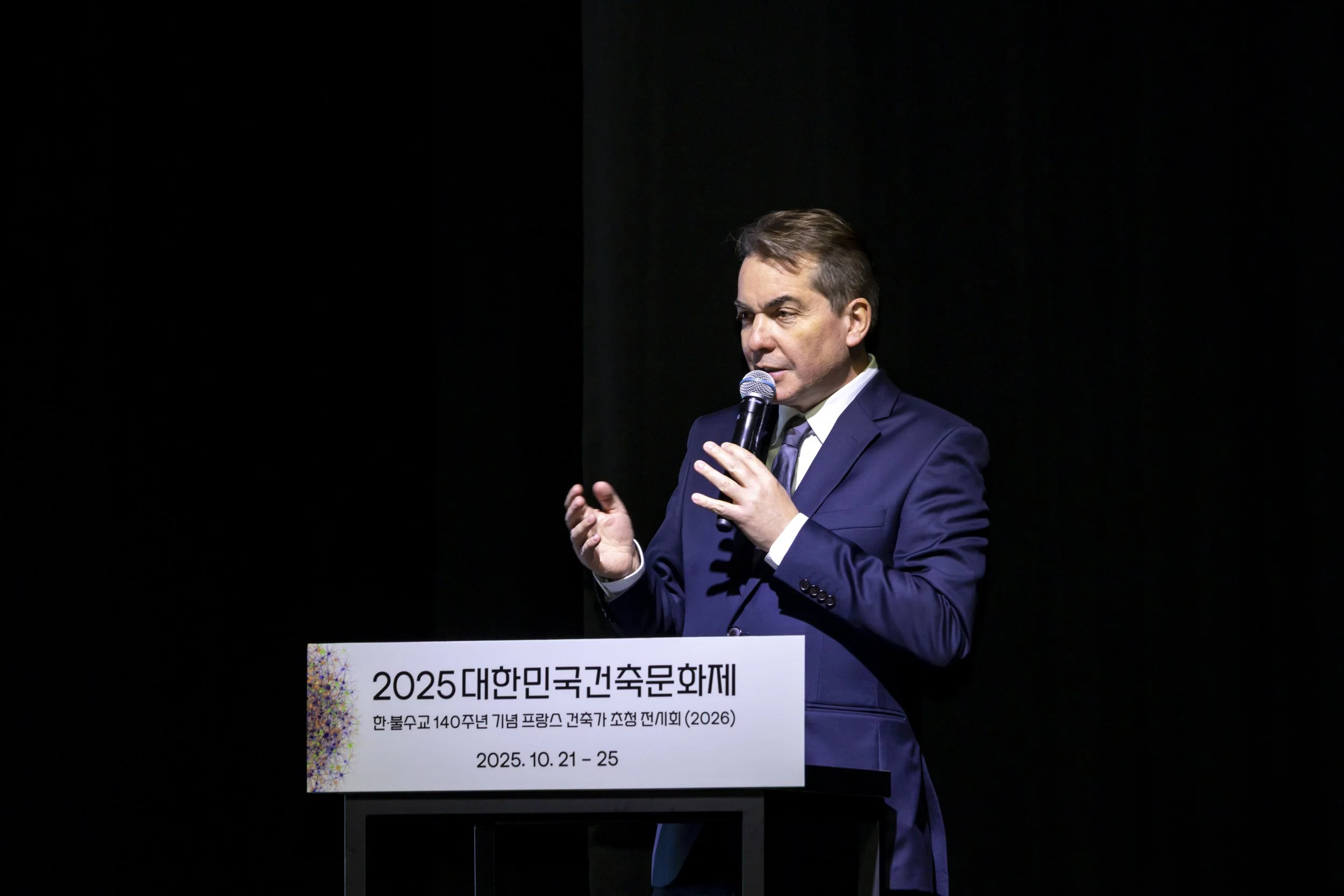
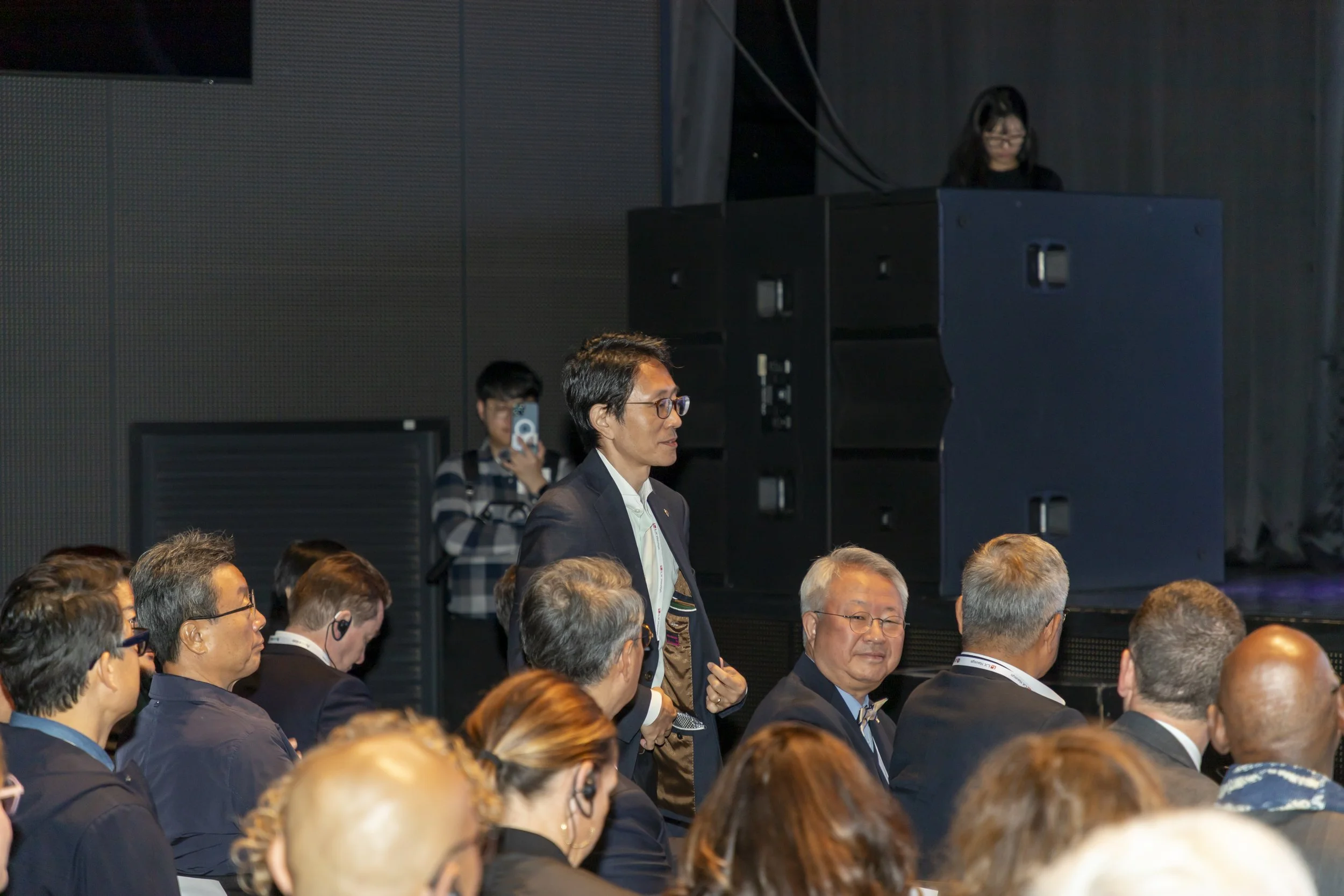
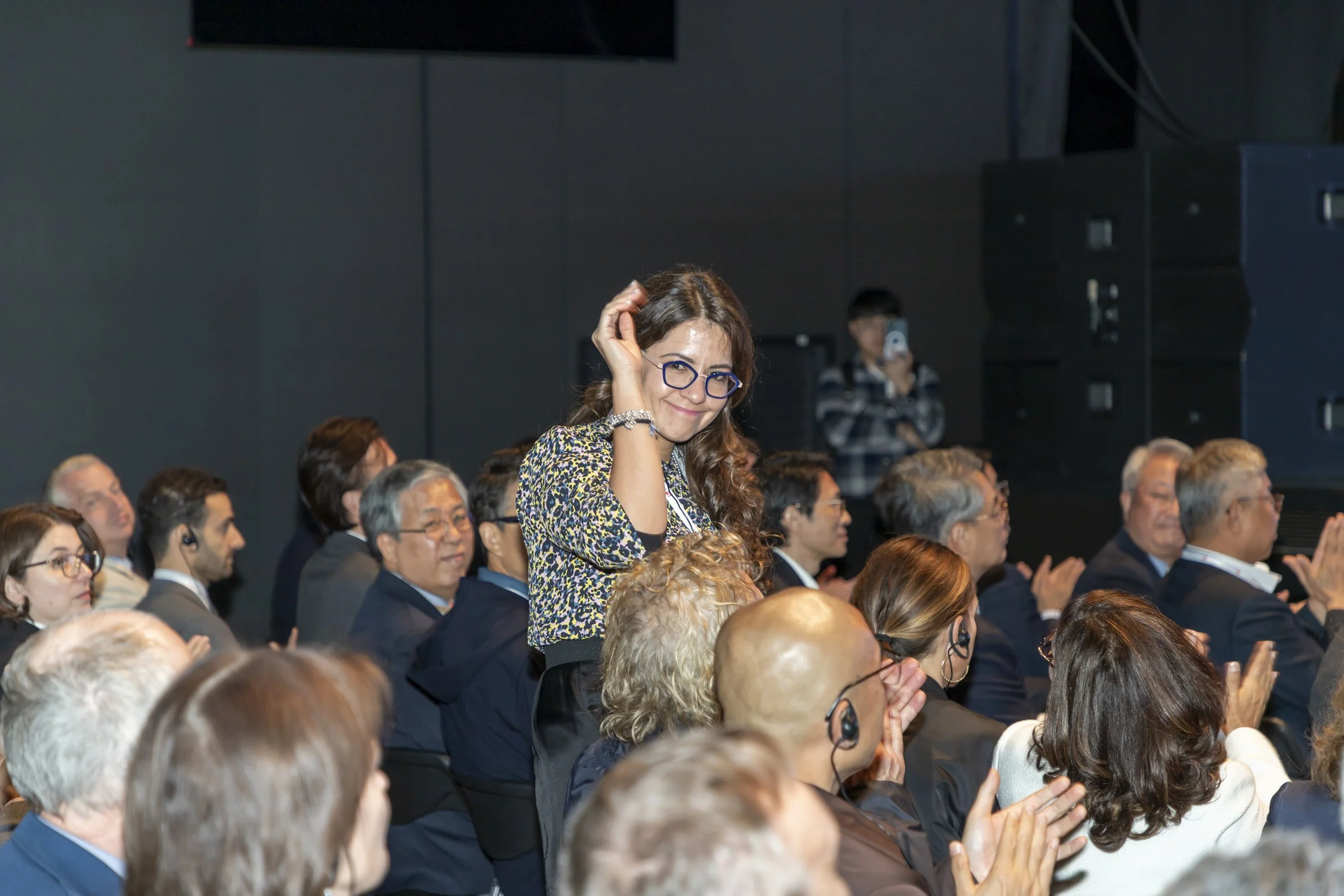
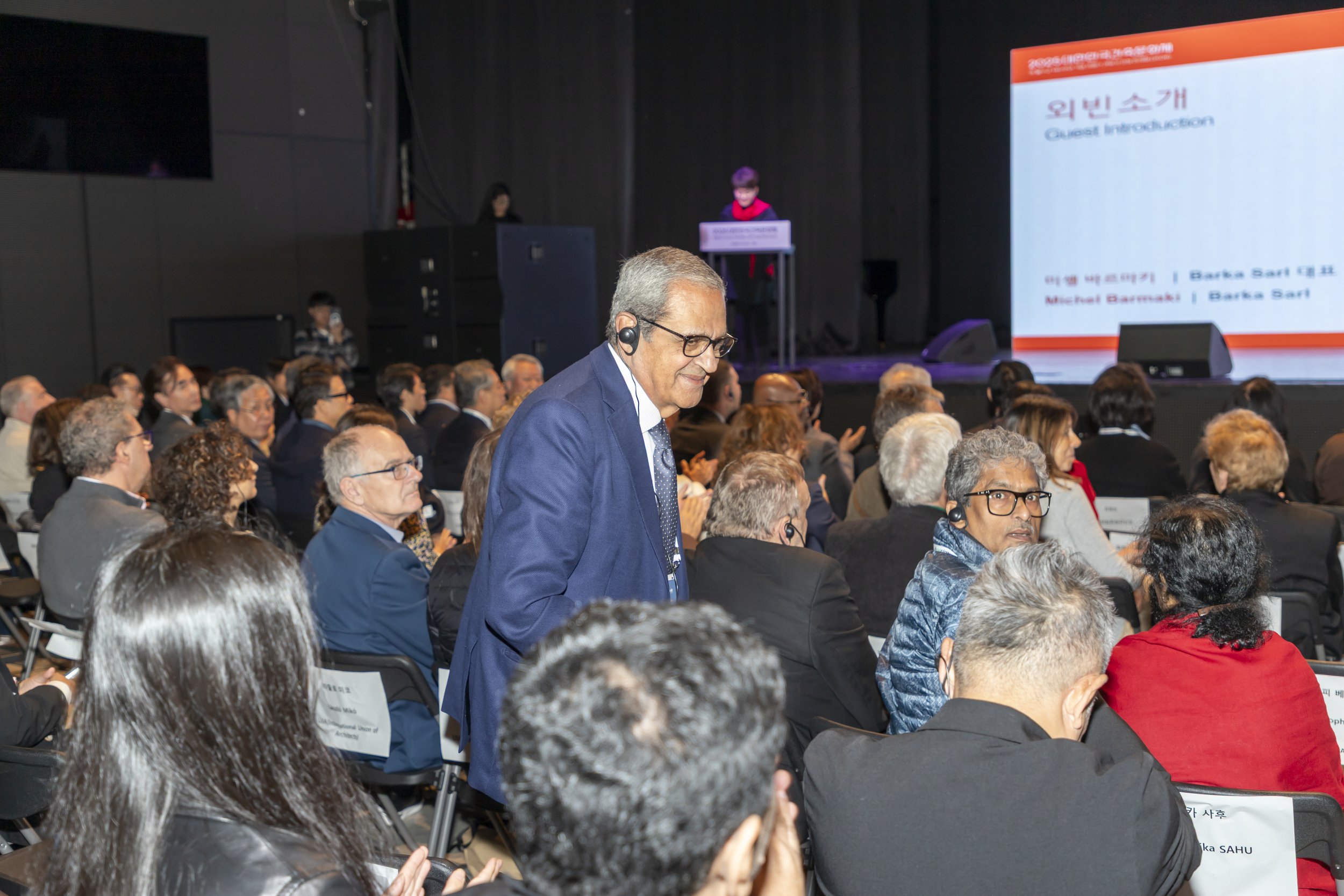
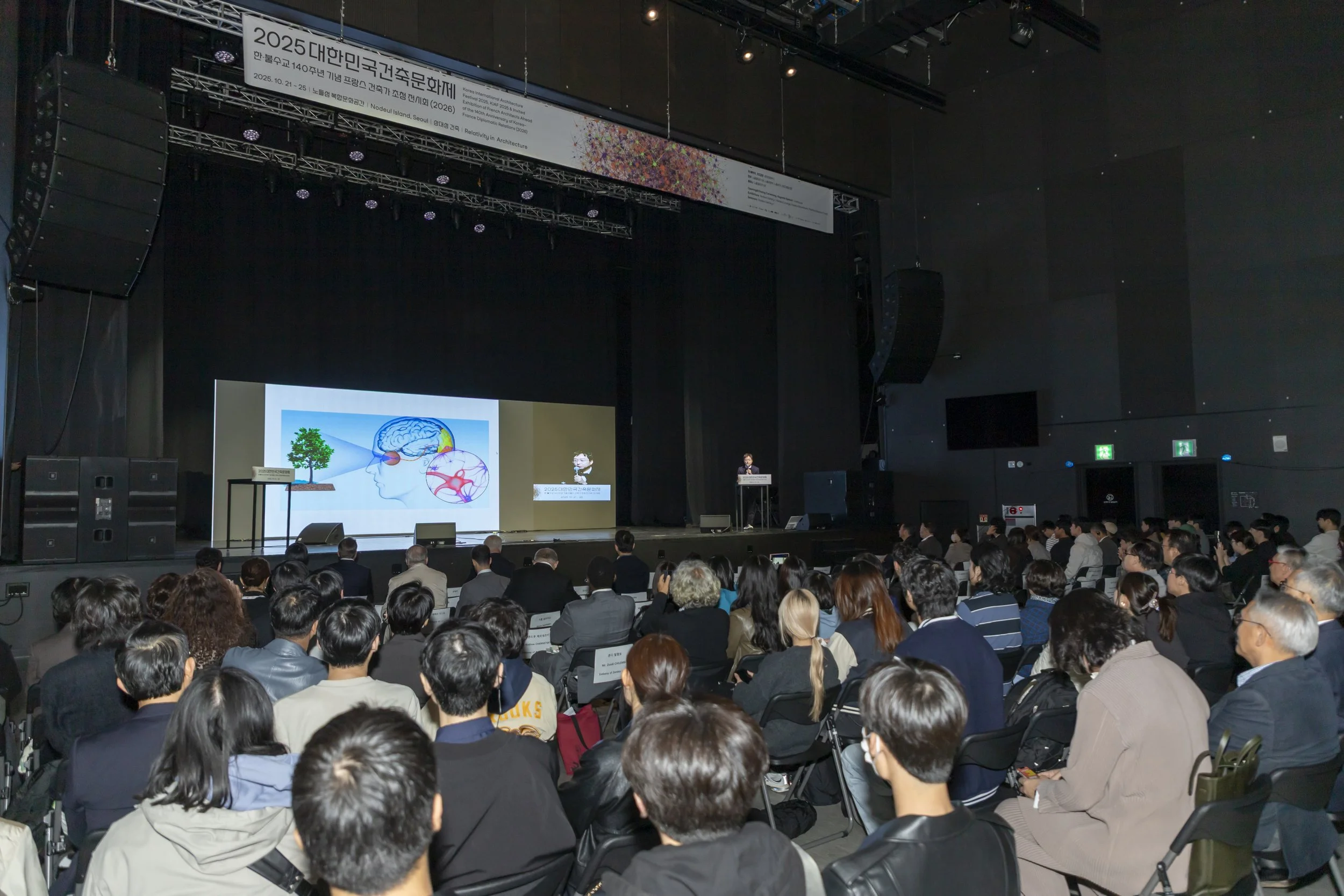
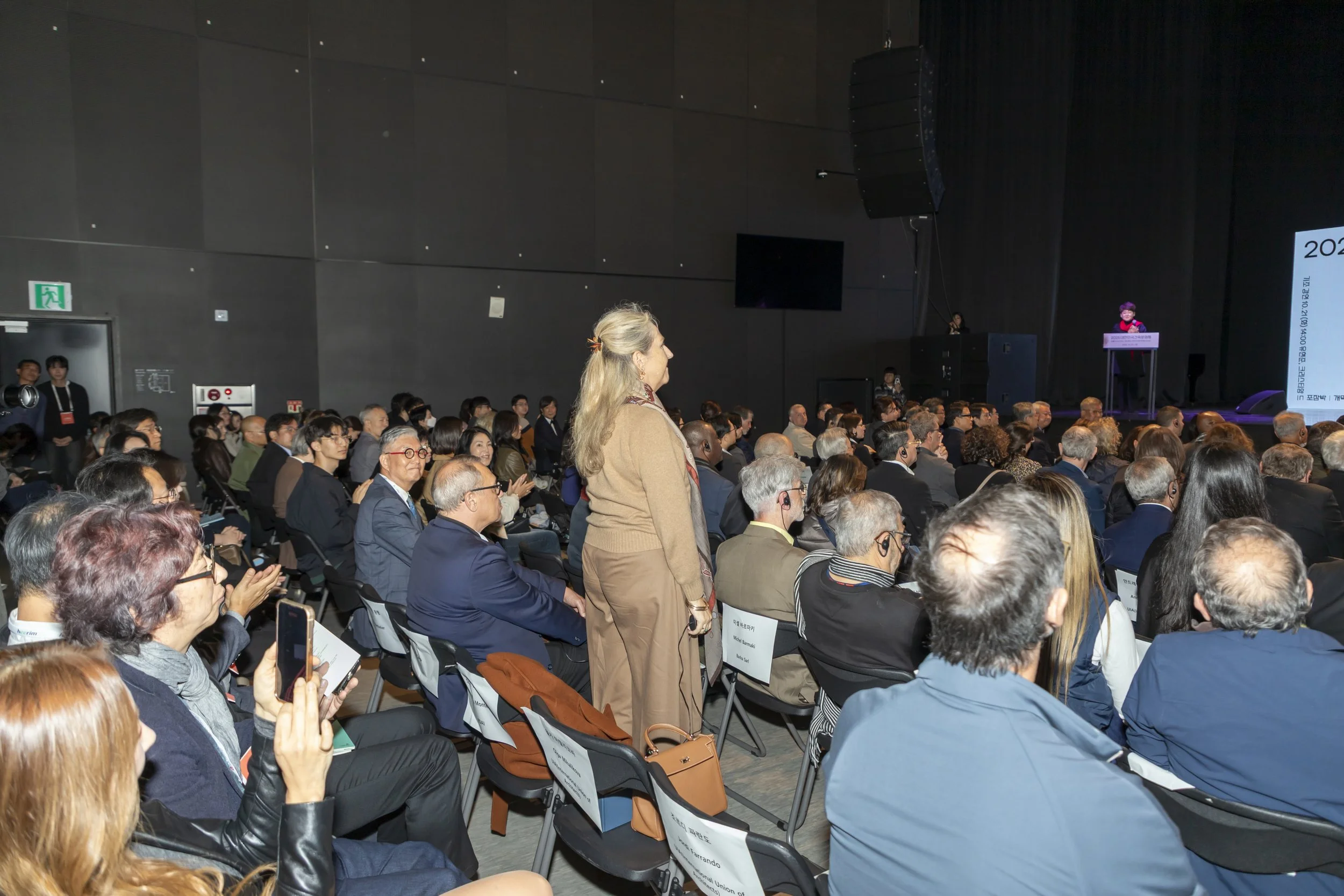
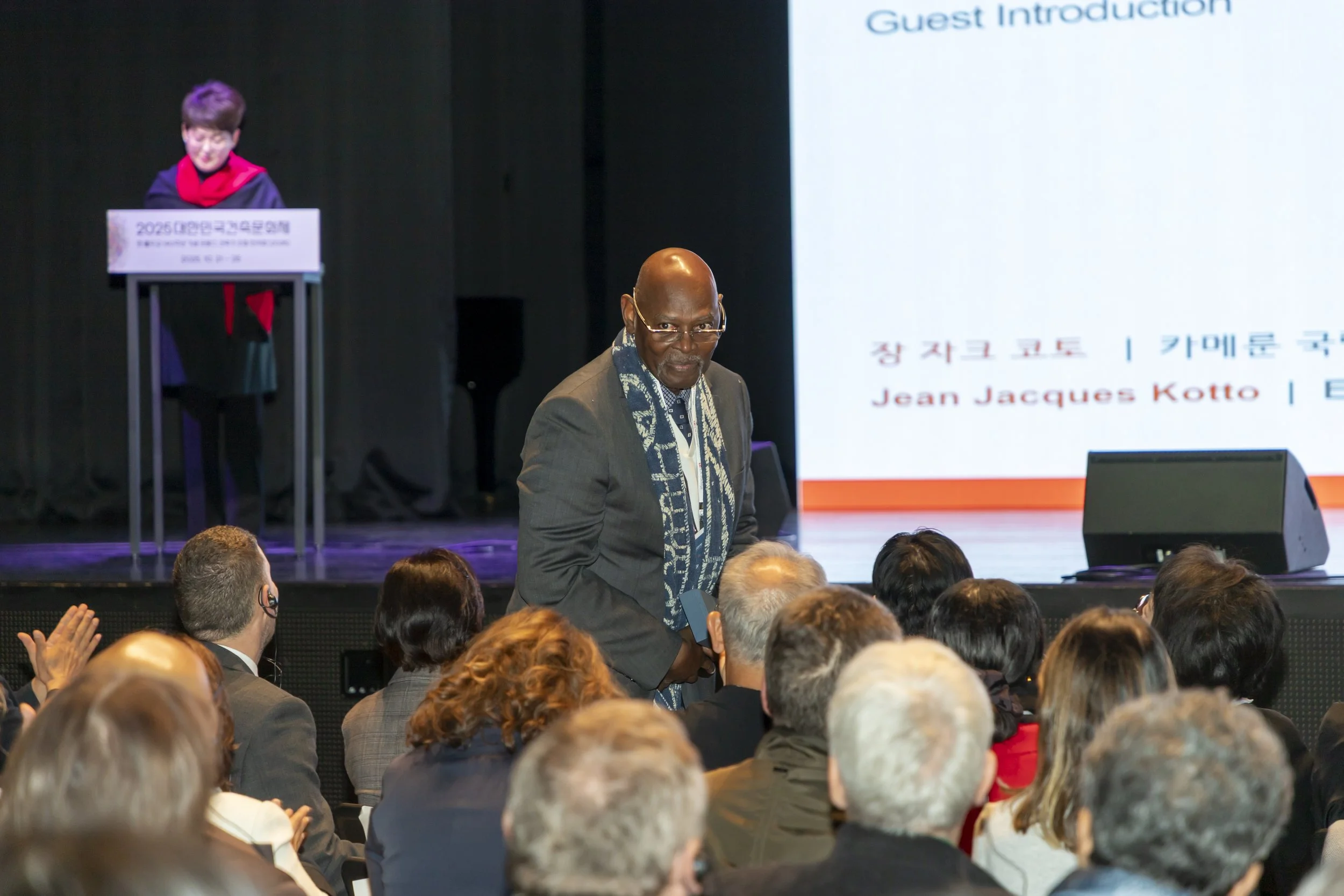
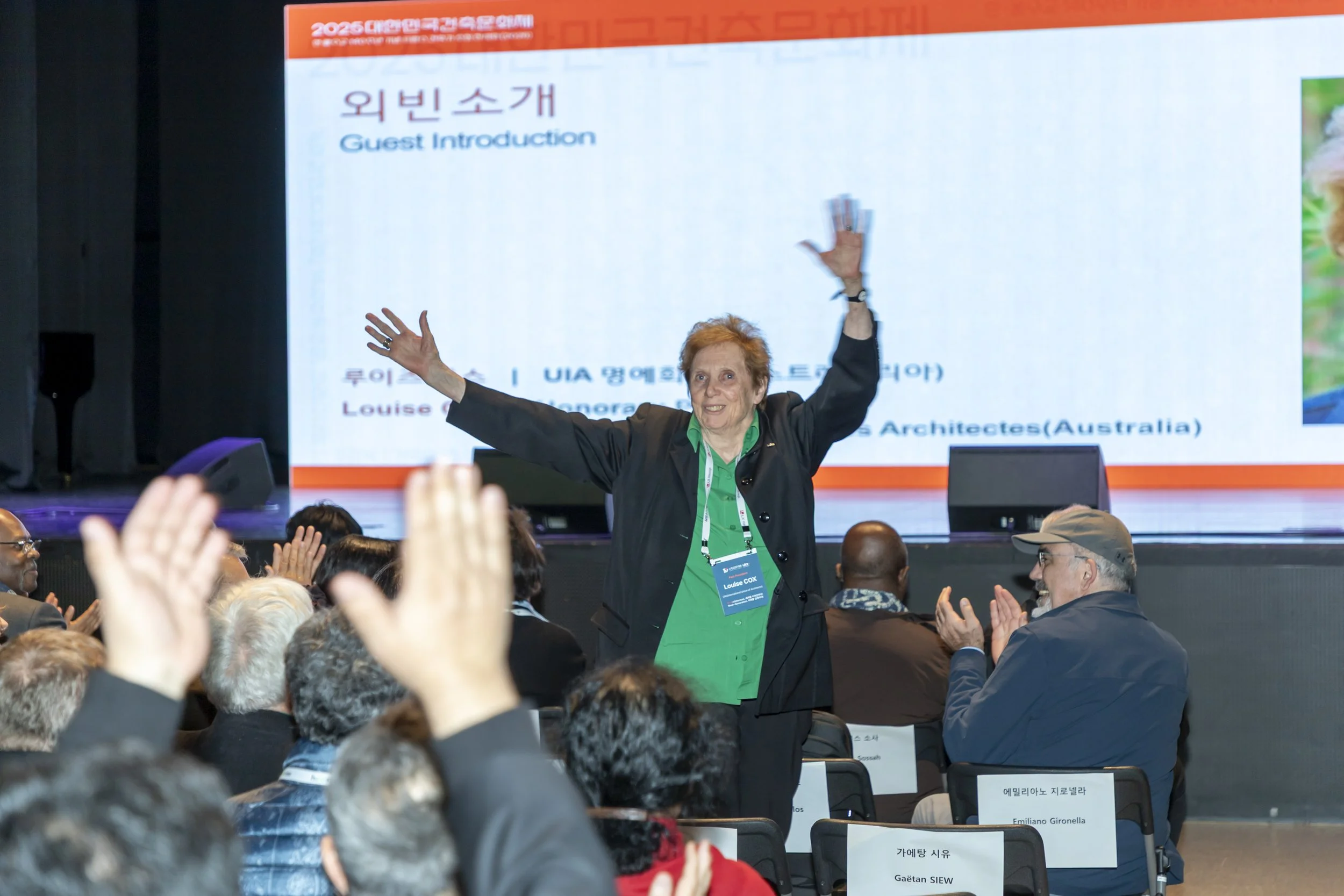
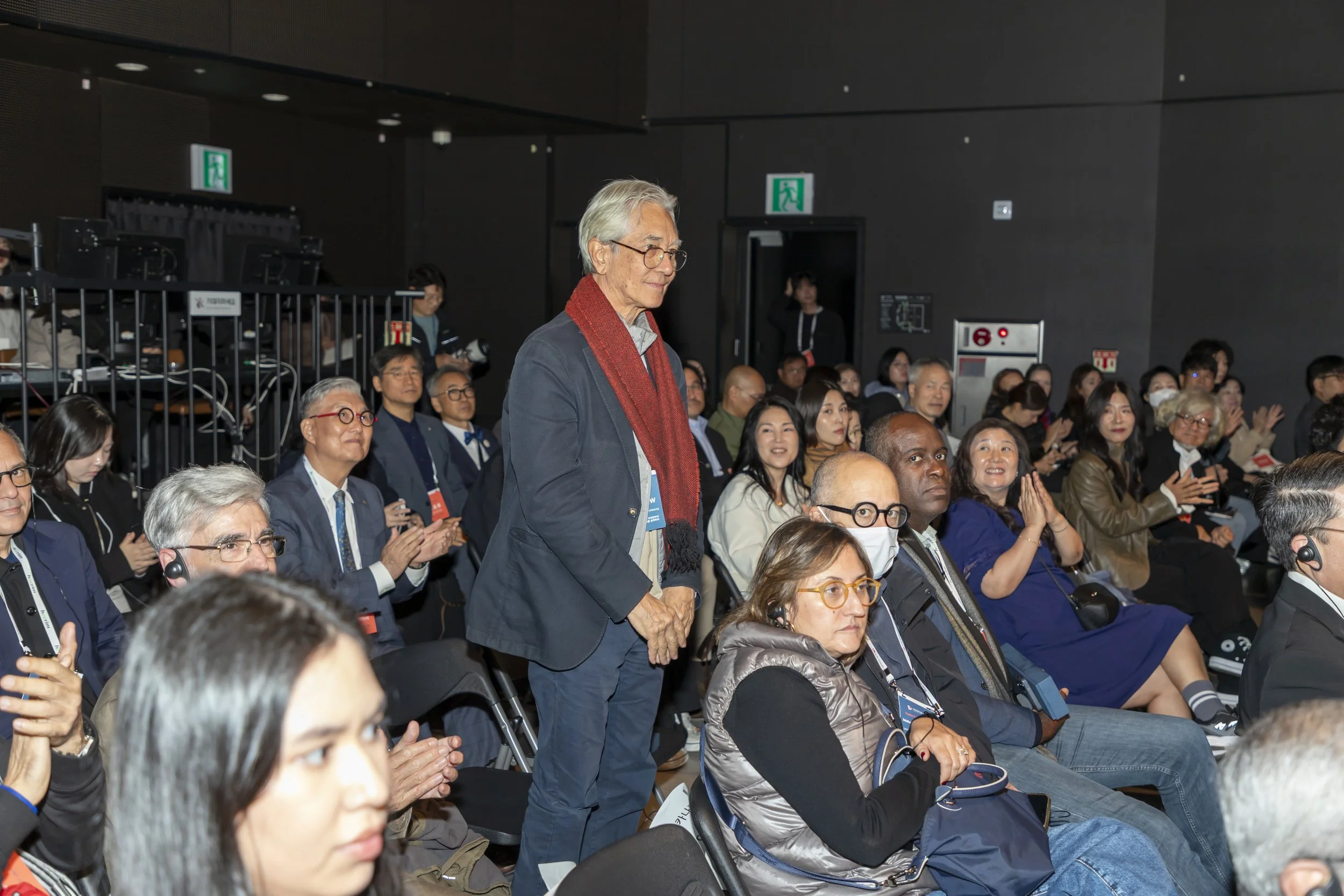
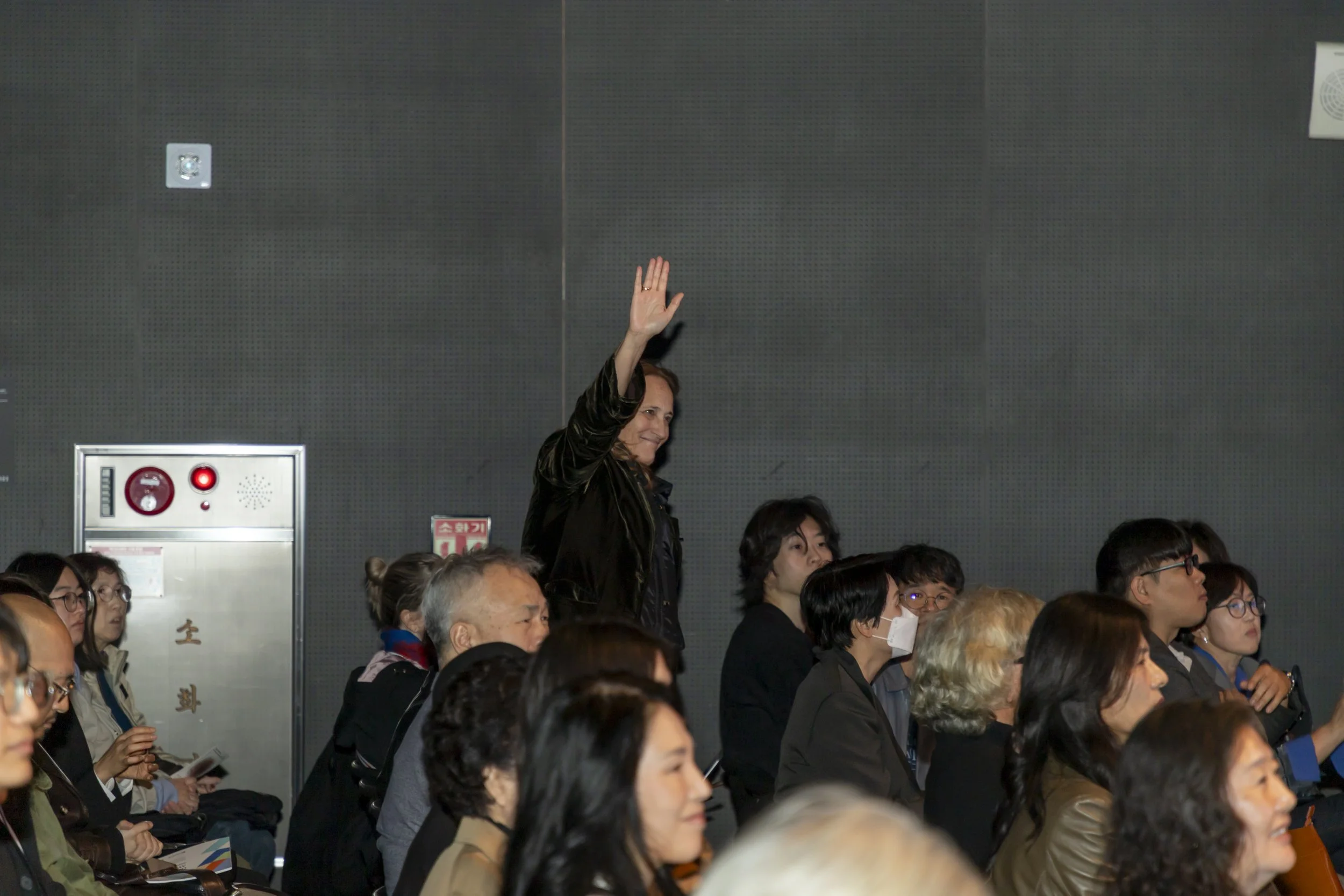
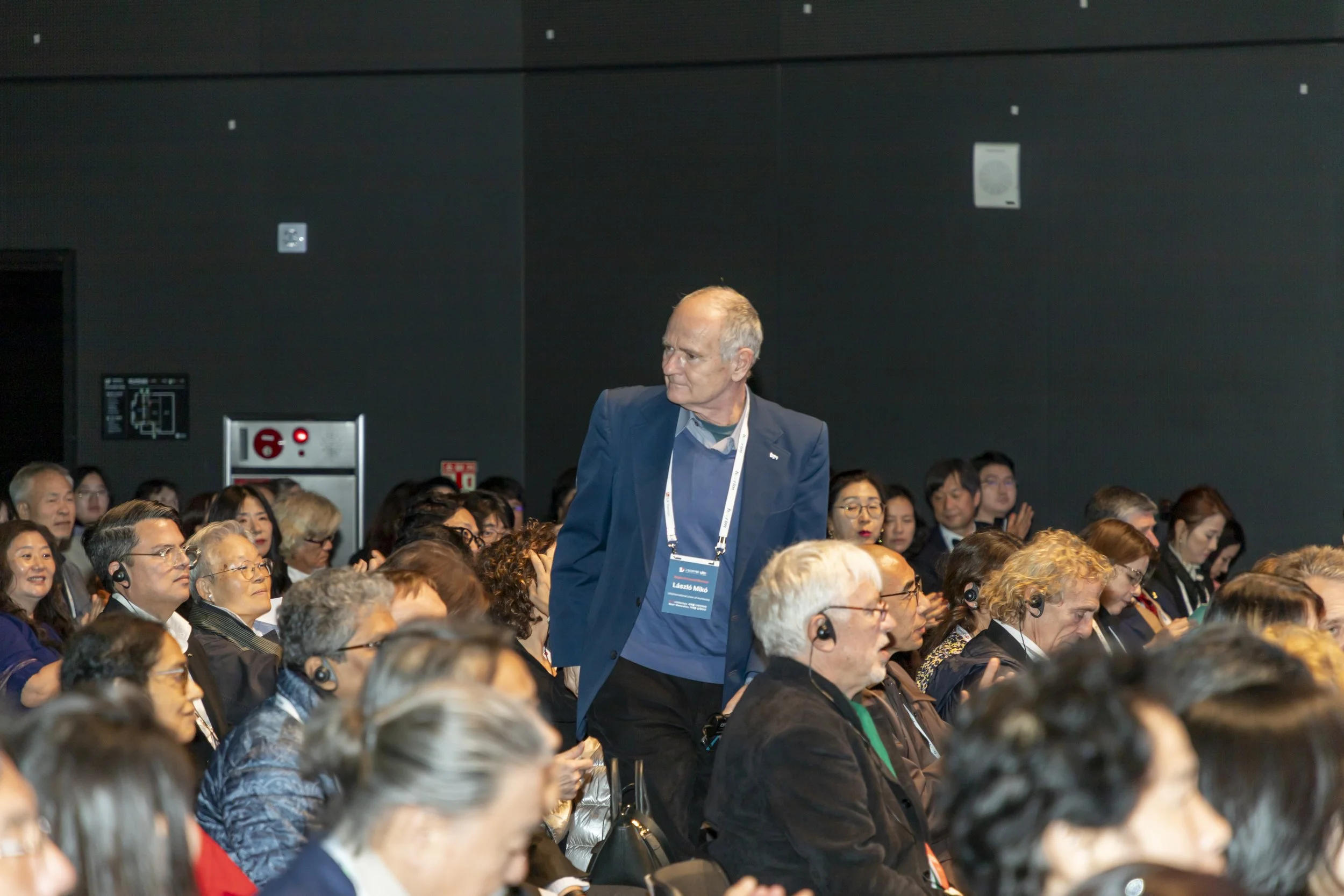
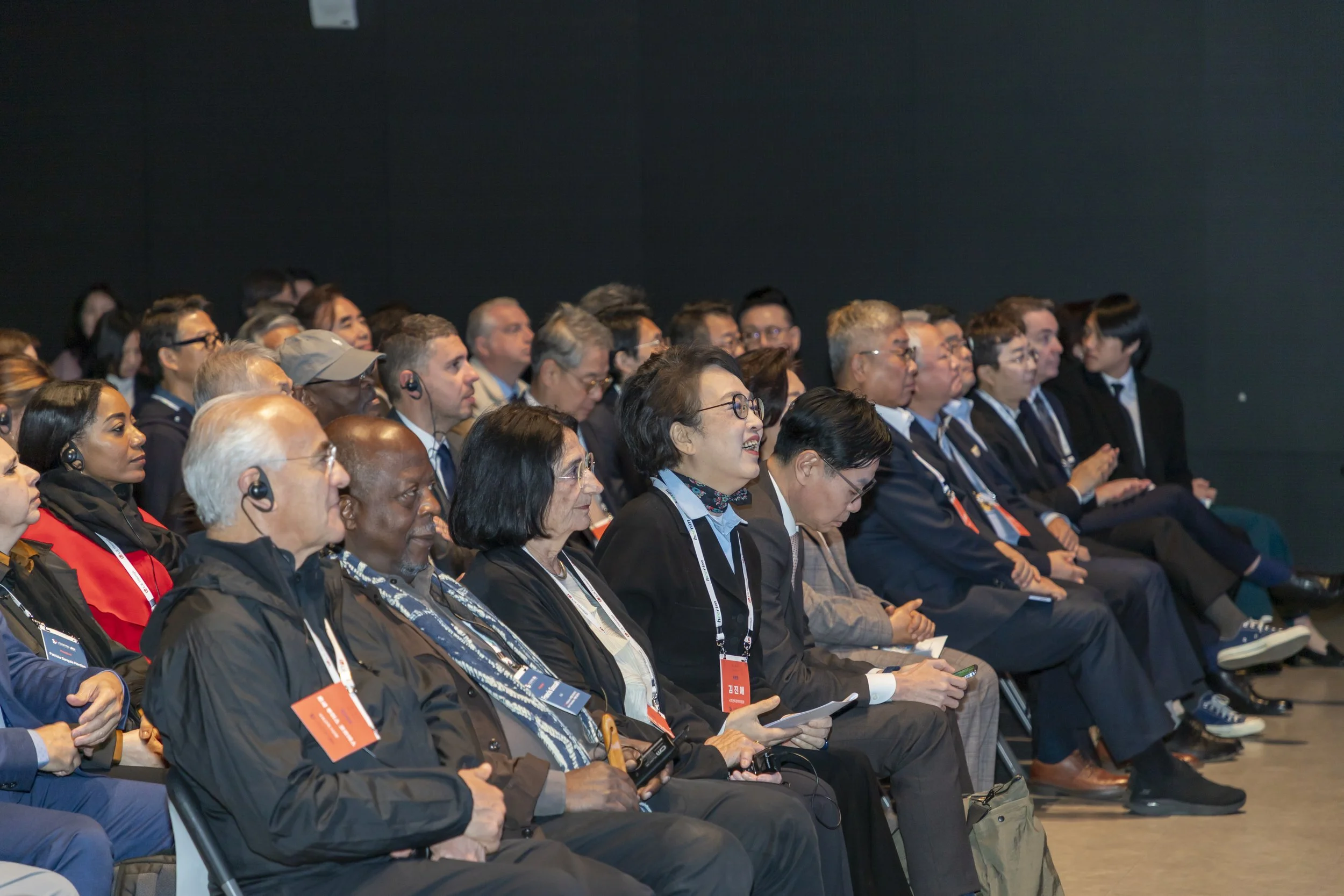
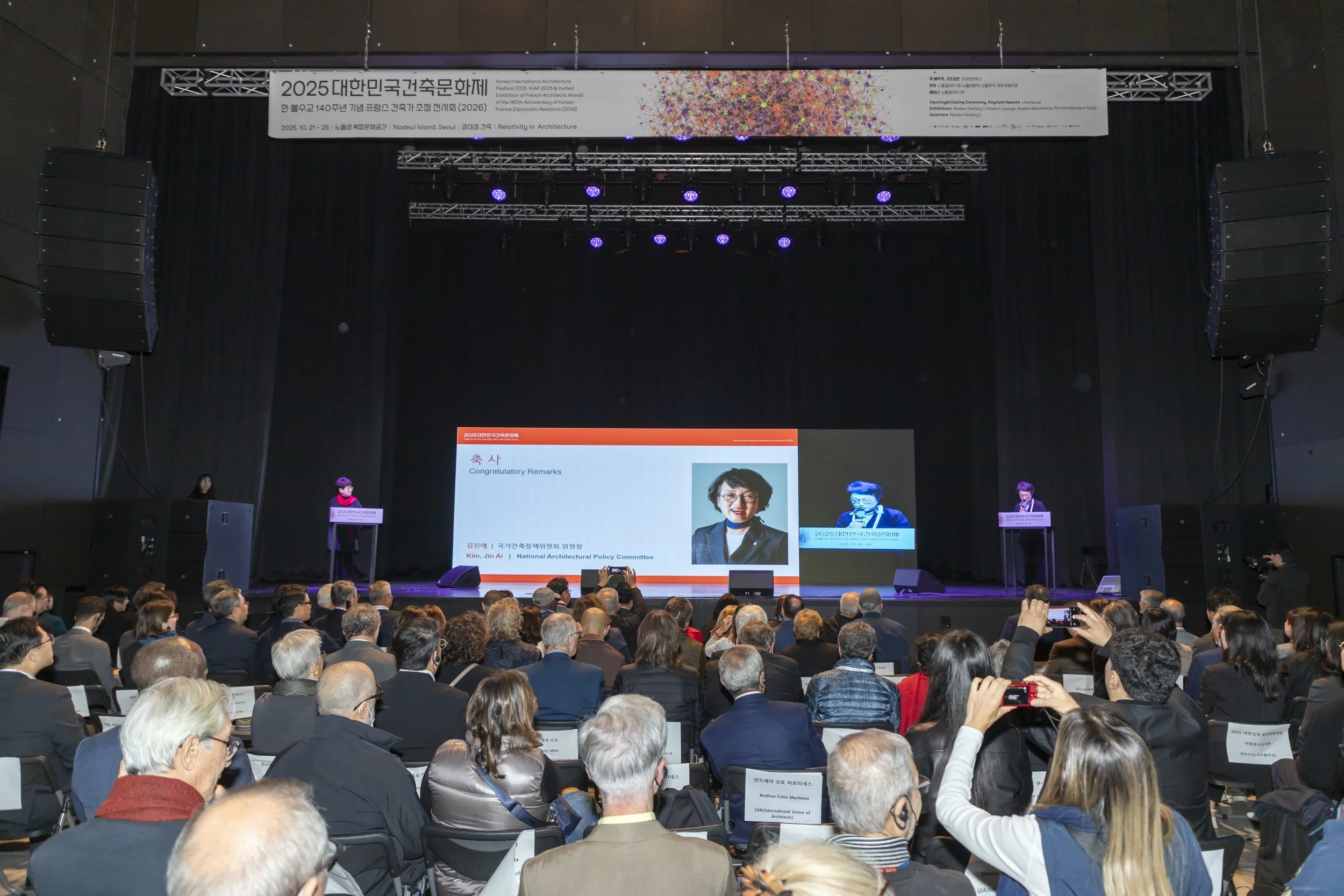
The afternoon brought international guests to the opening ceremony of the 2025 Korea Architecture Festival, one of Korea’s premier platforms for showcasing innovative architectural projects. The ceremony featured a performance by a renowned crossover chamber ensemble consisting of cello, piano, guitar, and bass, blending classical and contemporary musical styles. The combination of music and architecture underscored the intersection of cultural expression and spatial design. The day concluded with a formal dinner hosted by the Ministry of Culture, Sports and Tourism, further highlighting Korea’s commitment to integrating architecture with cultural programming.
Day 3: Architectural Awards, Forum, and Global Dialogue
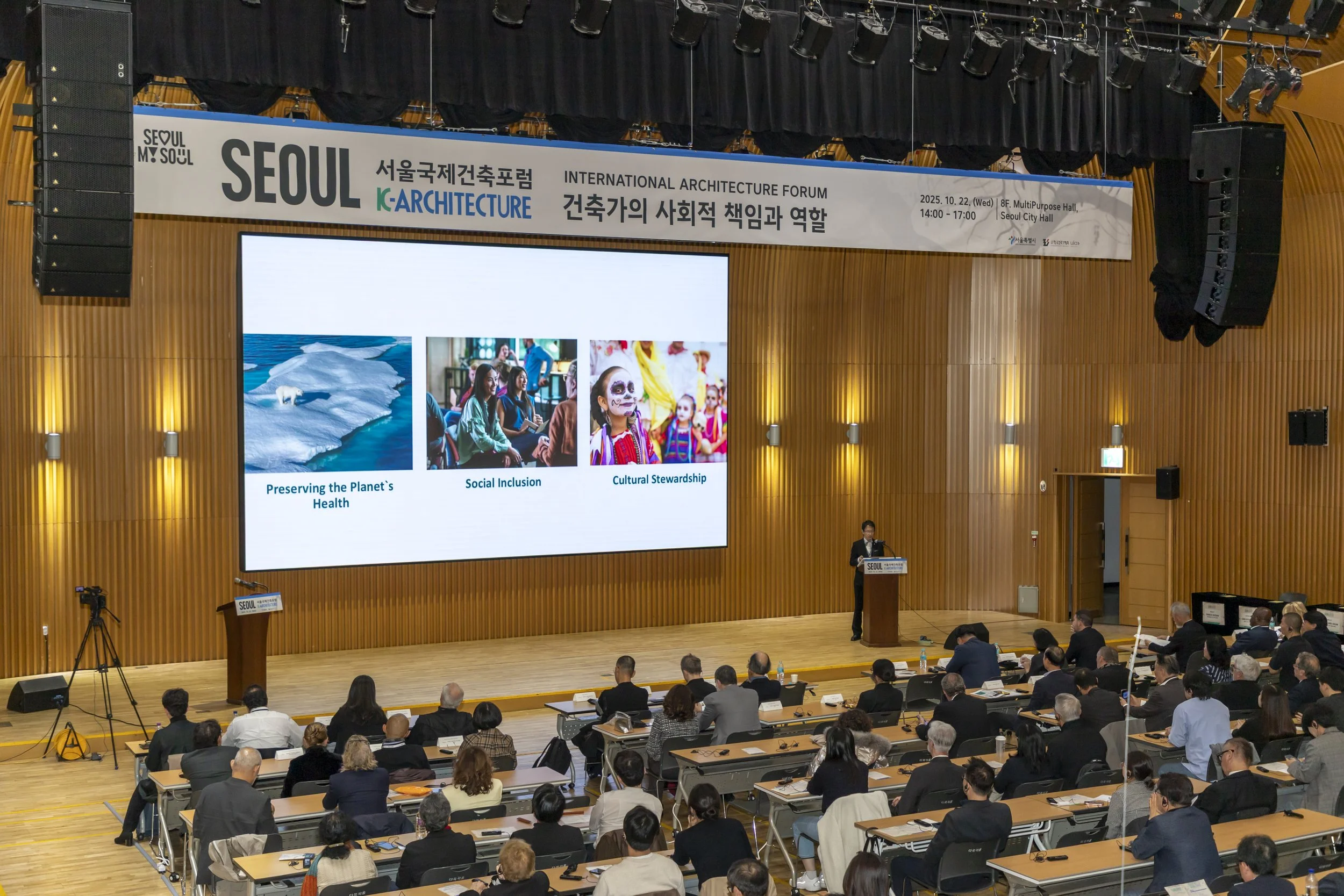
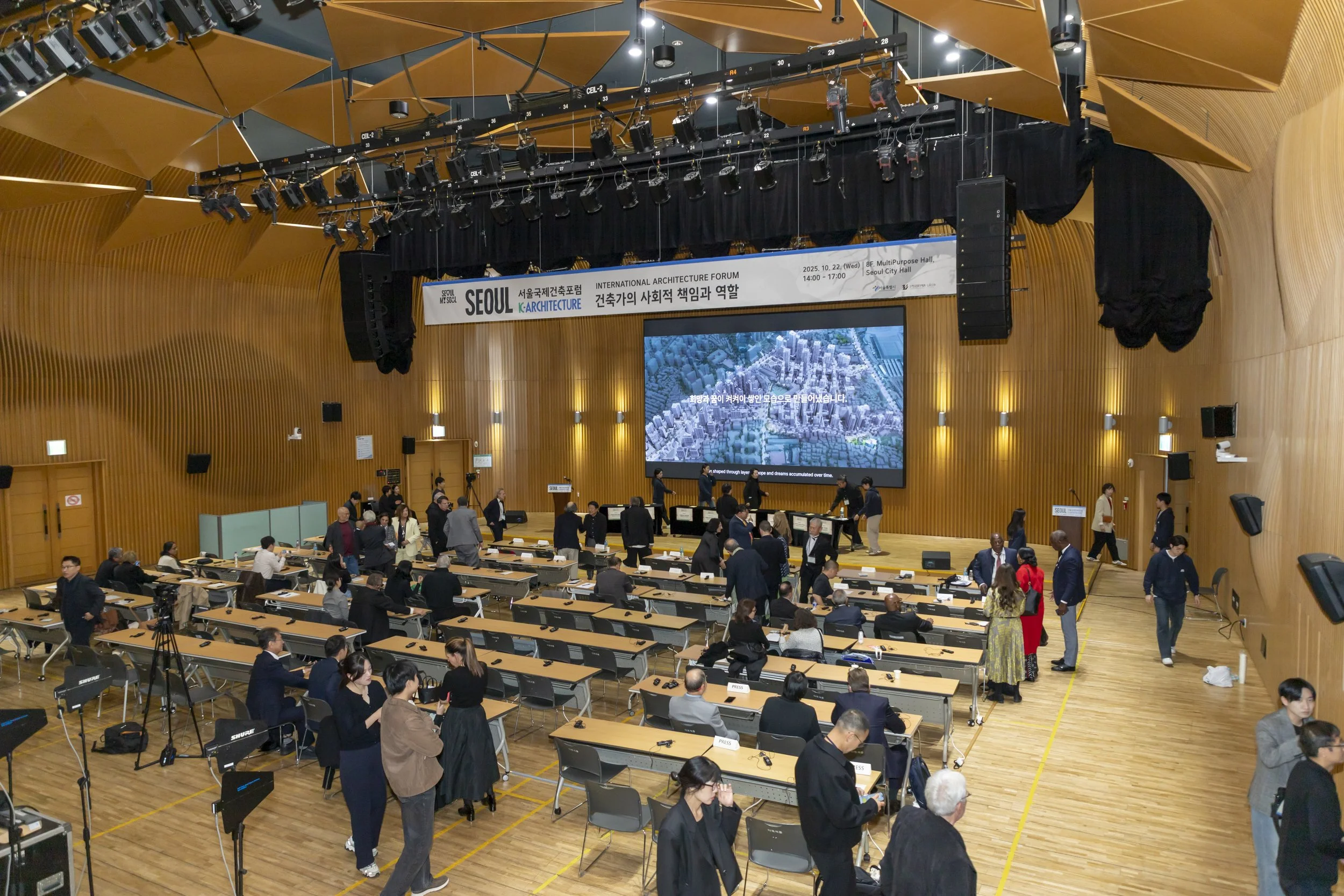
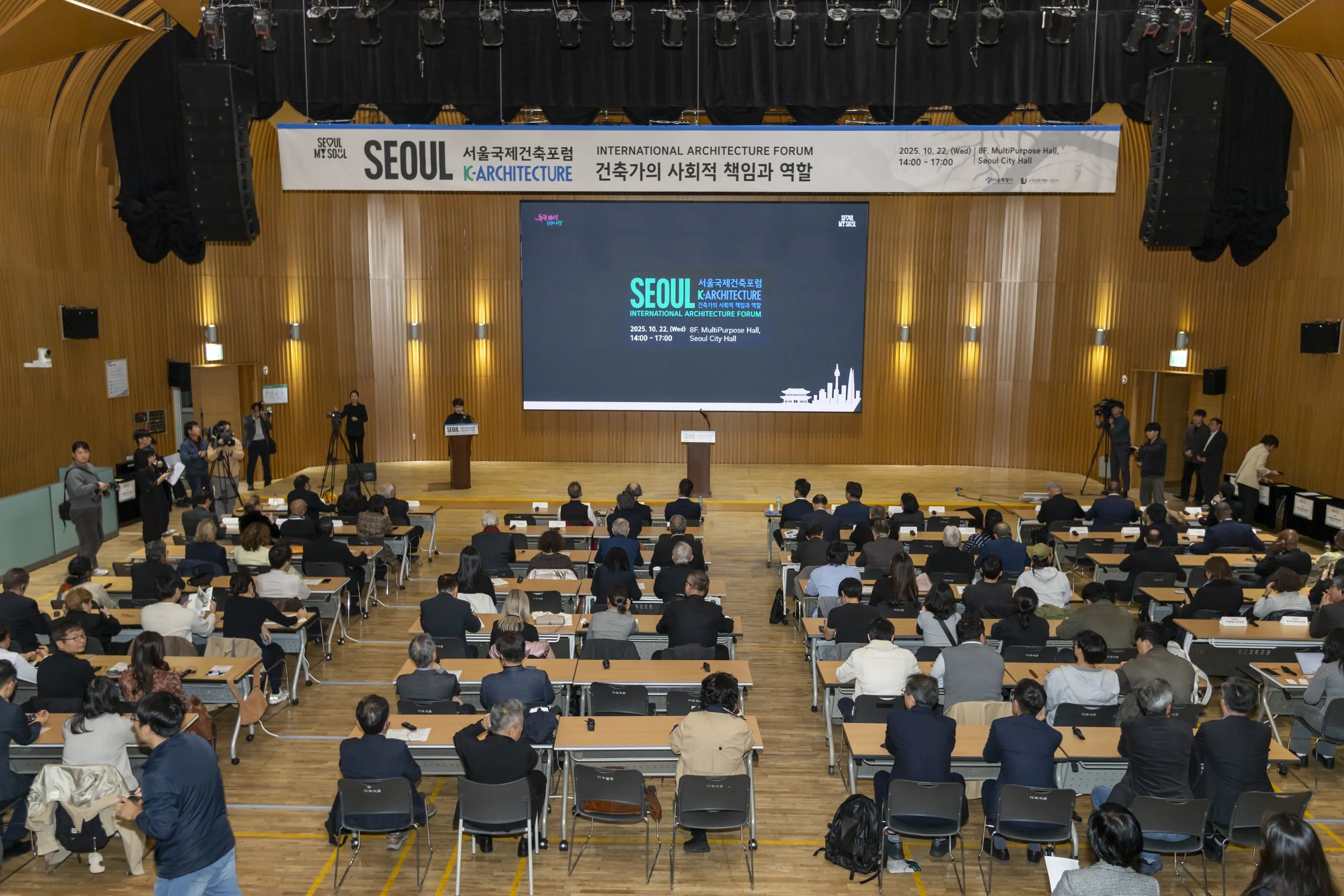
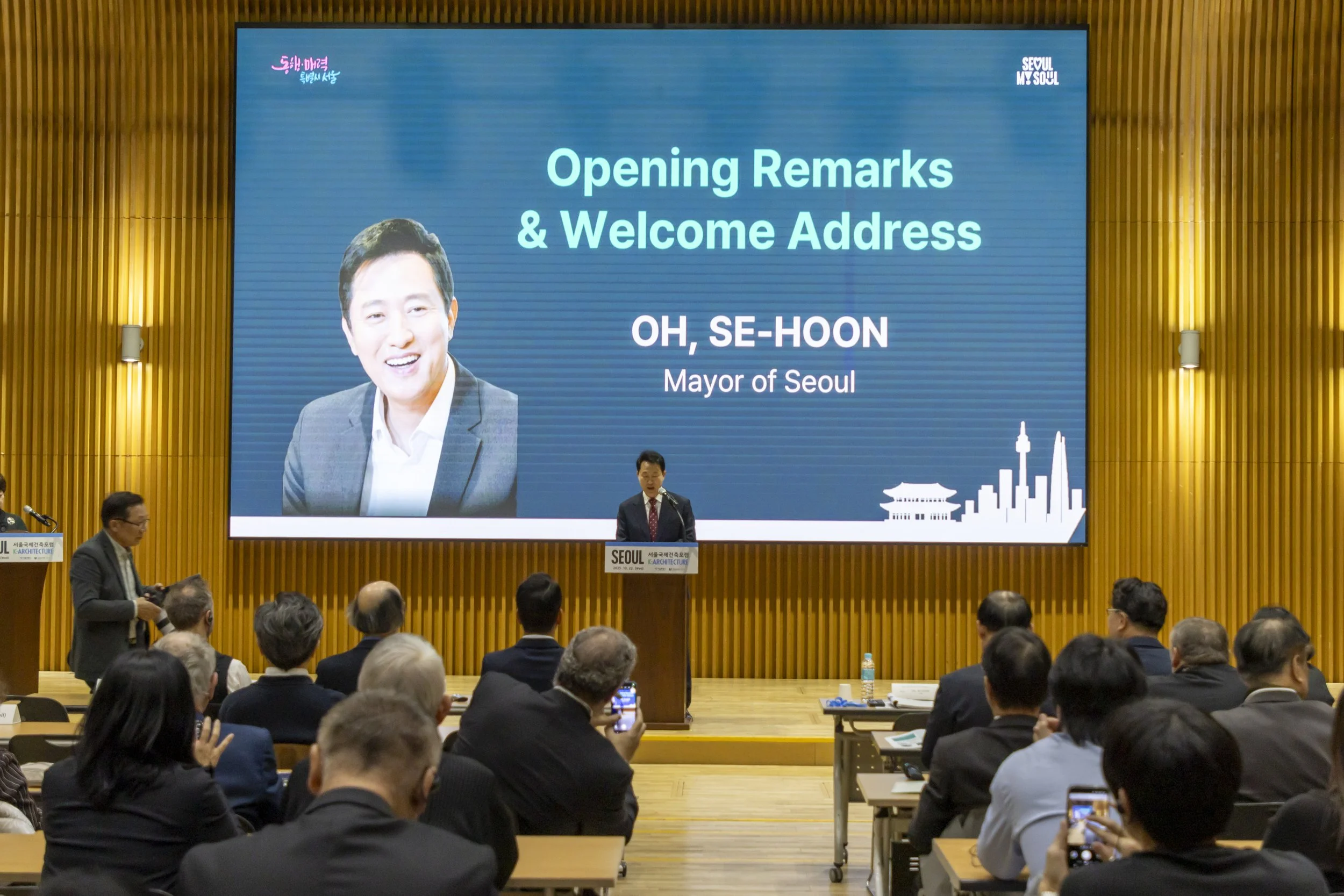
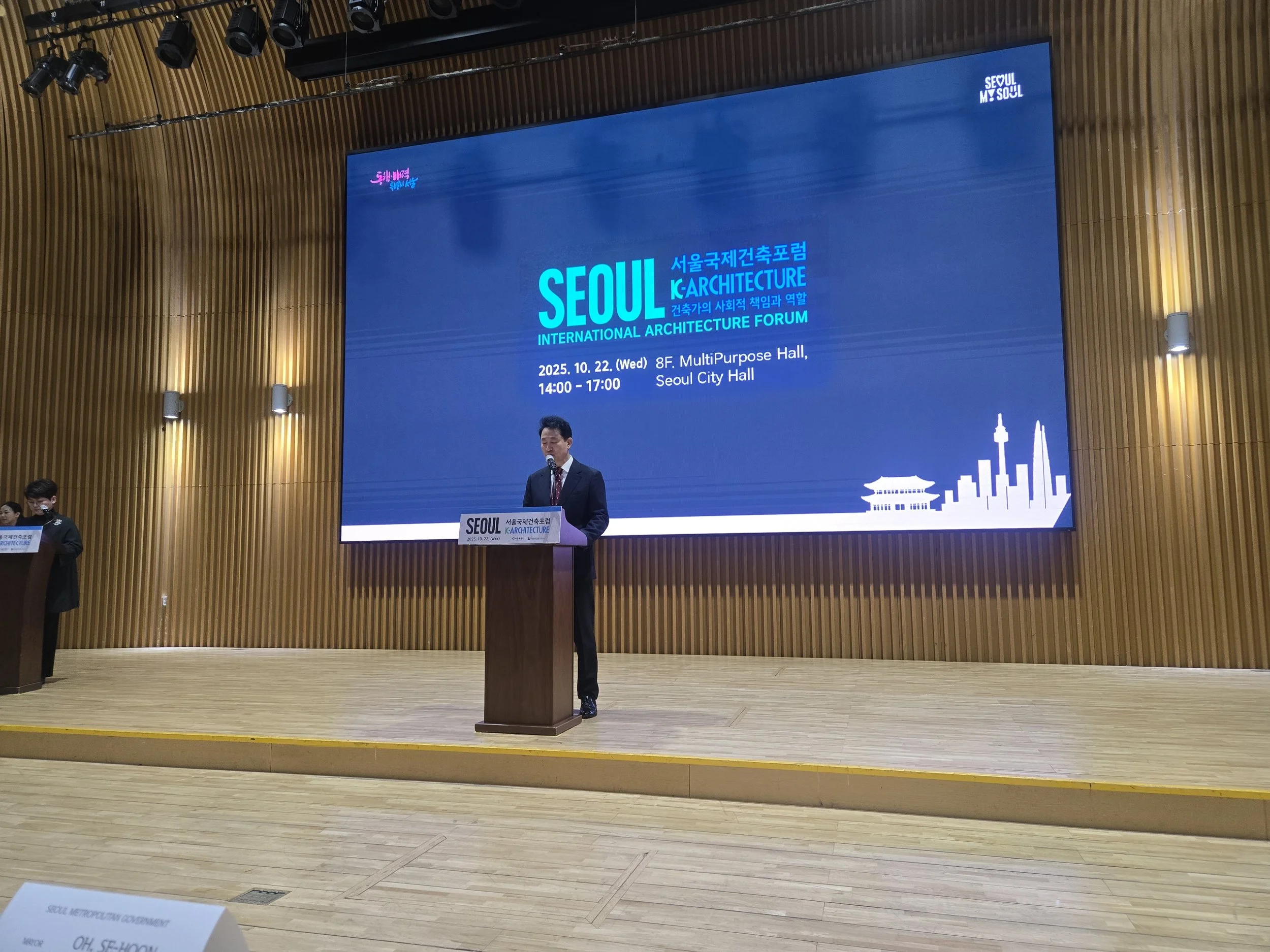
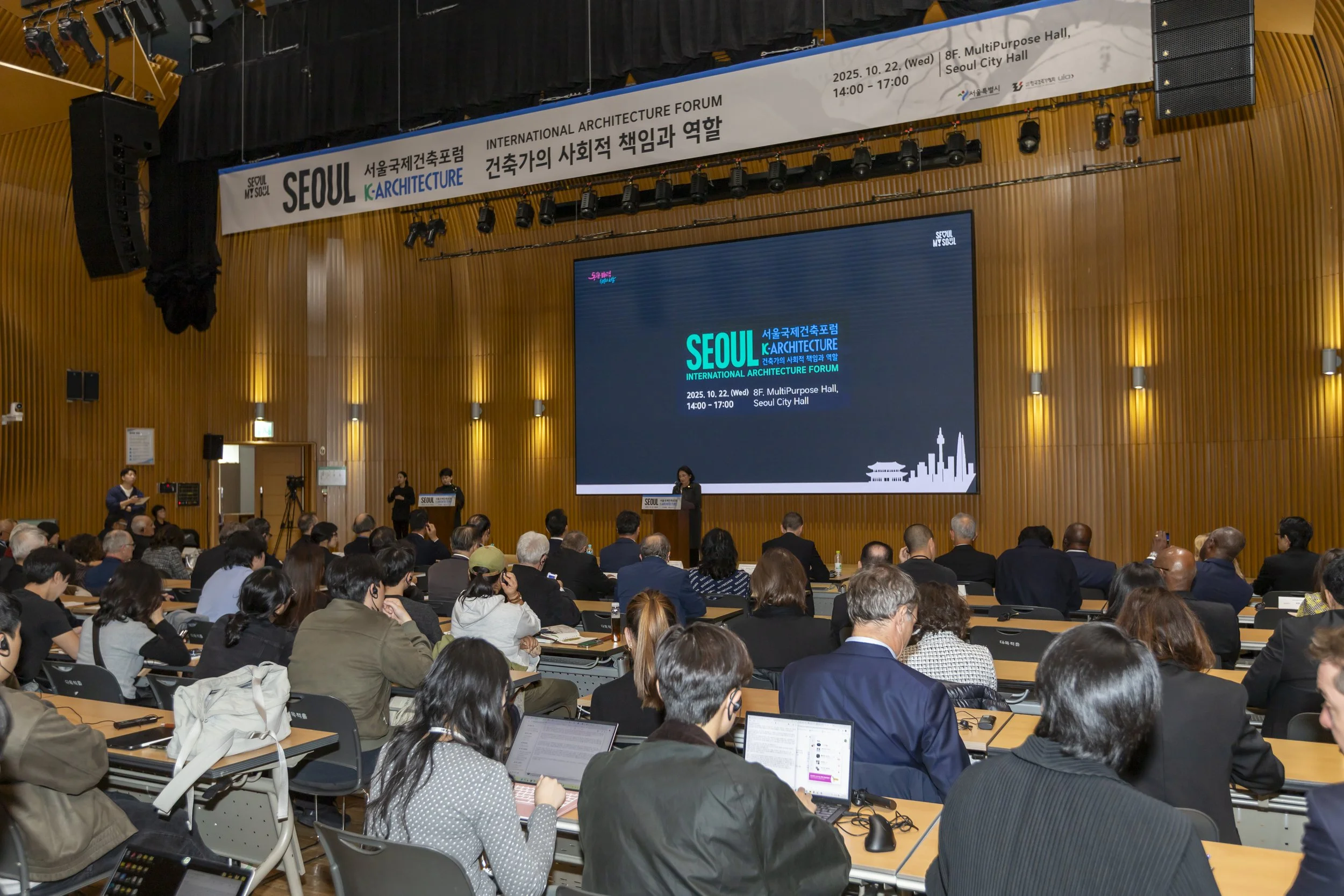
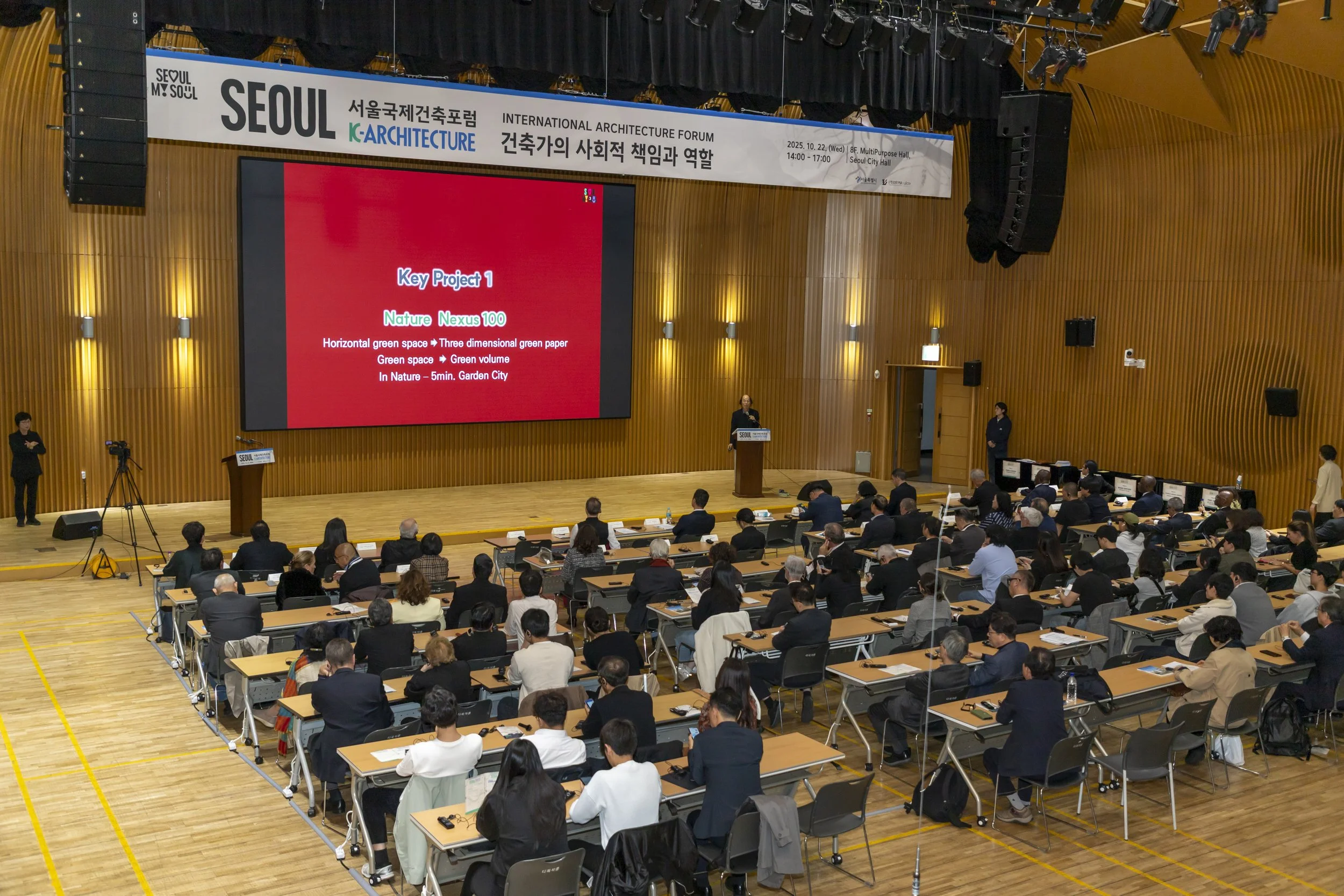
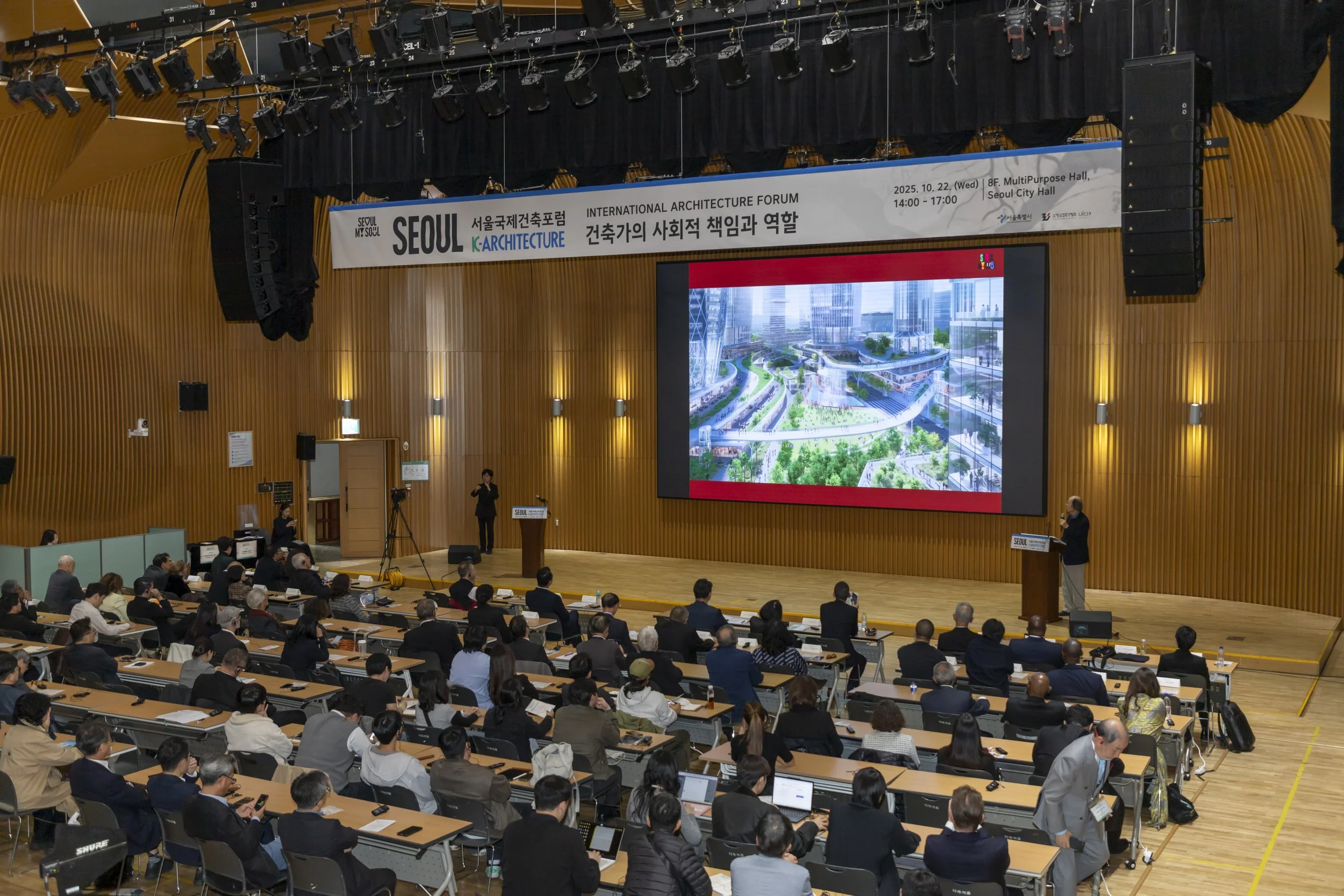
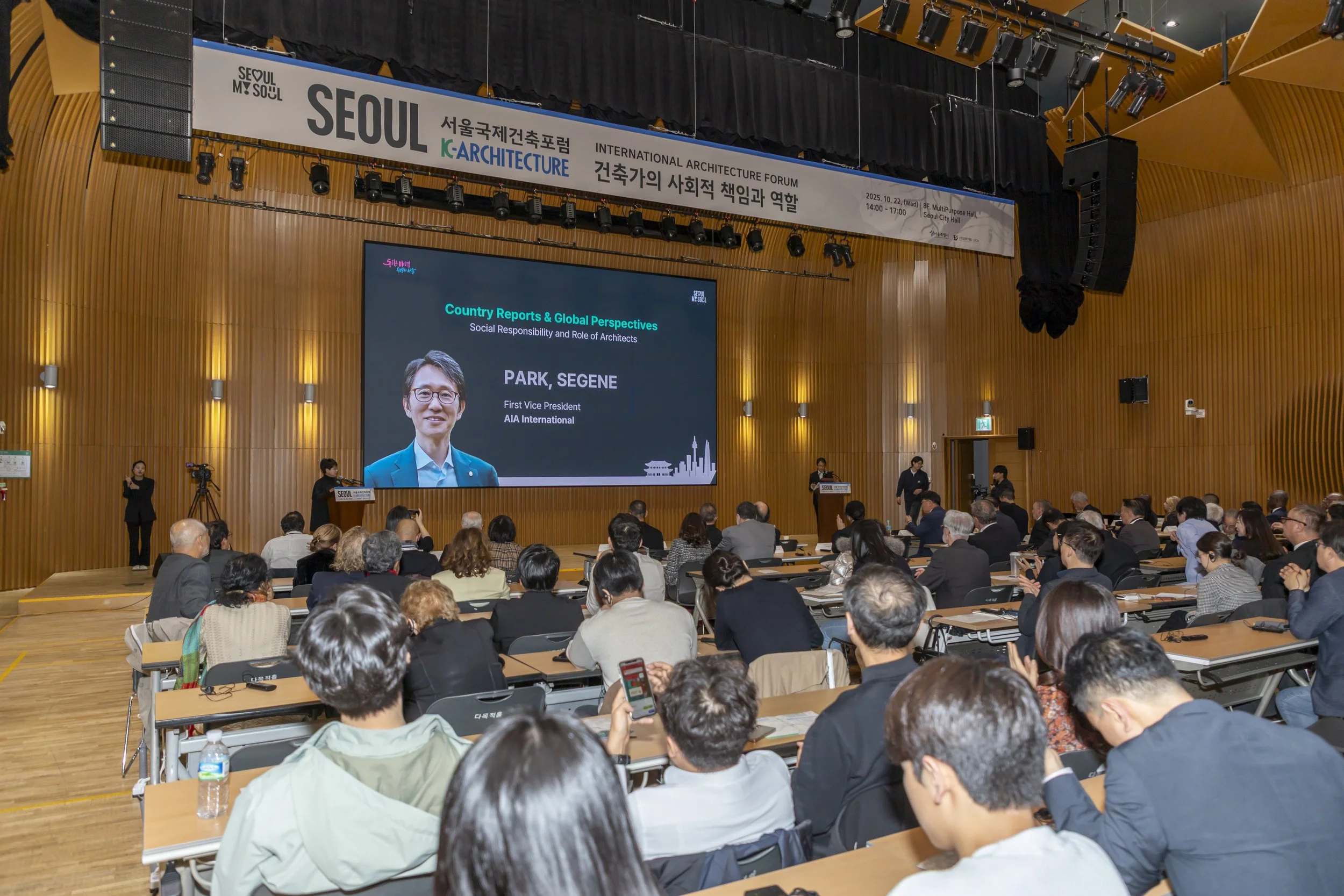
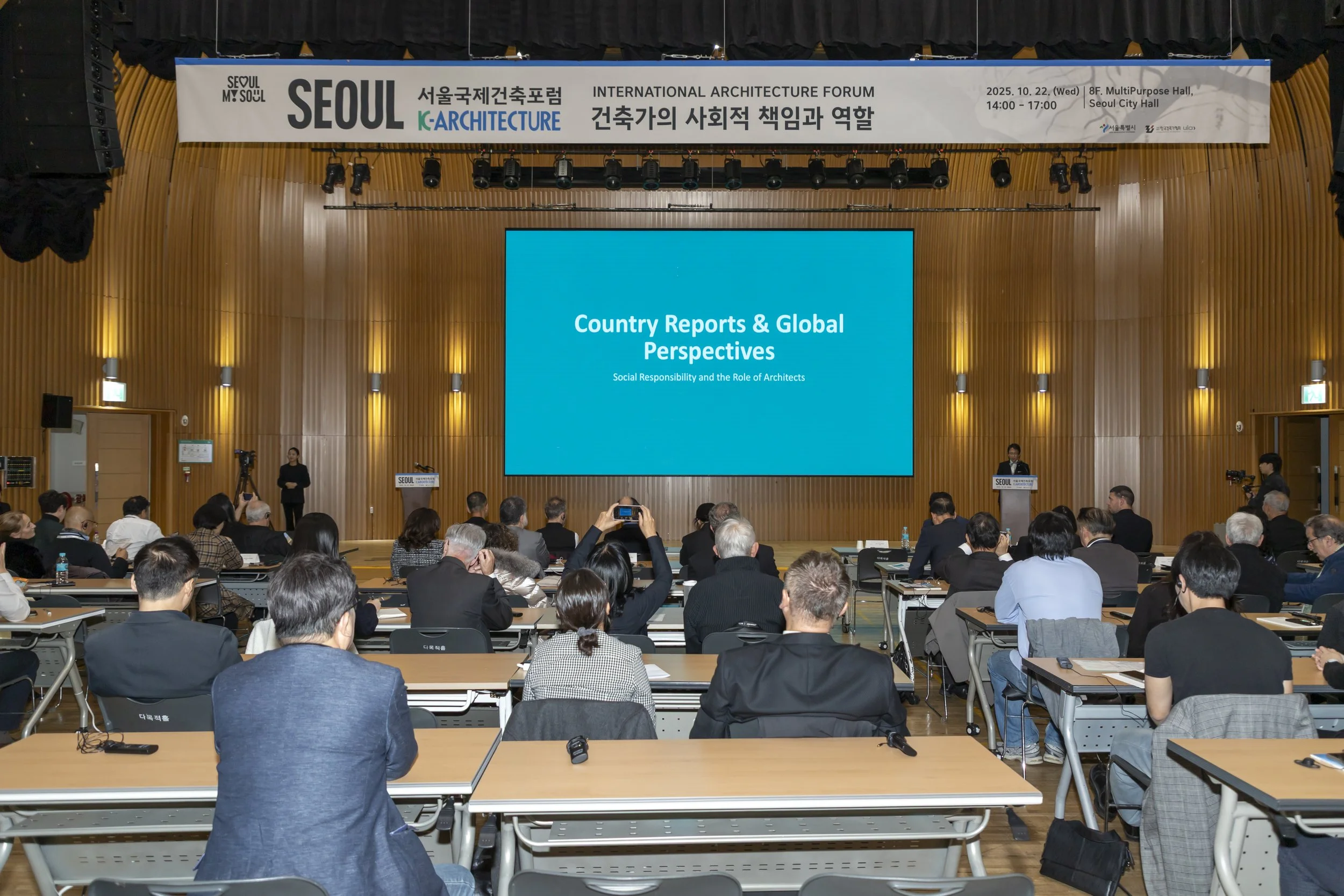
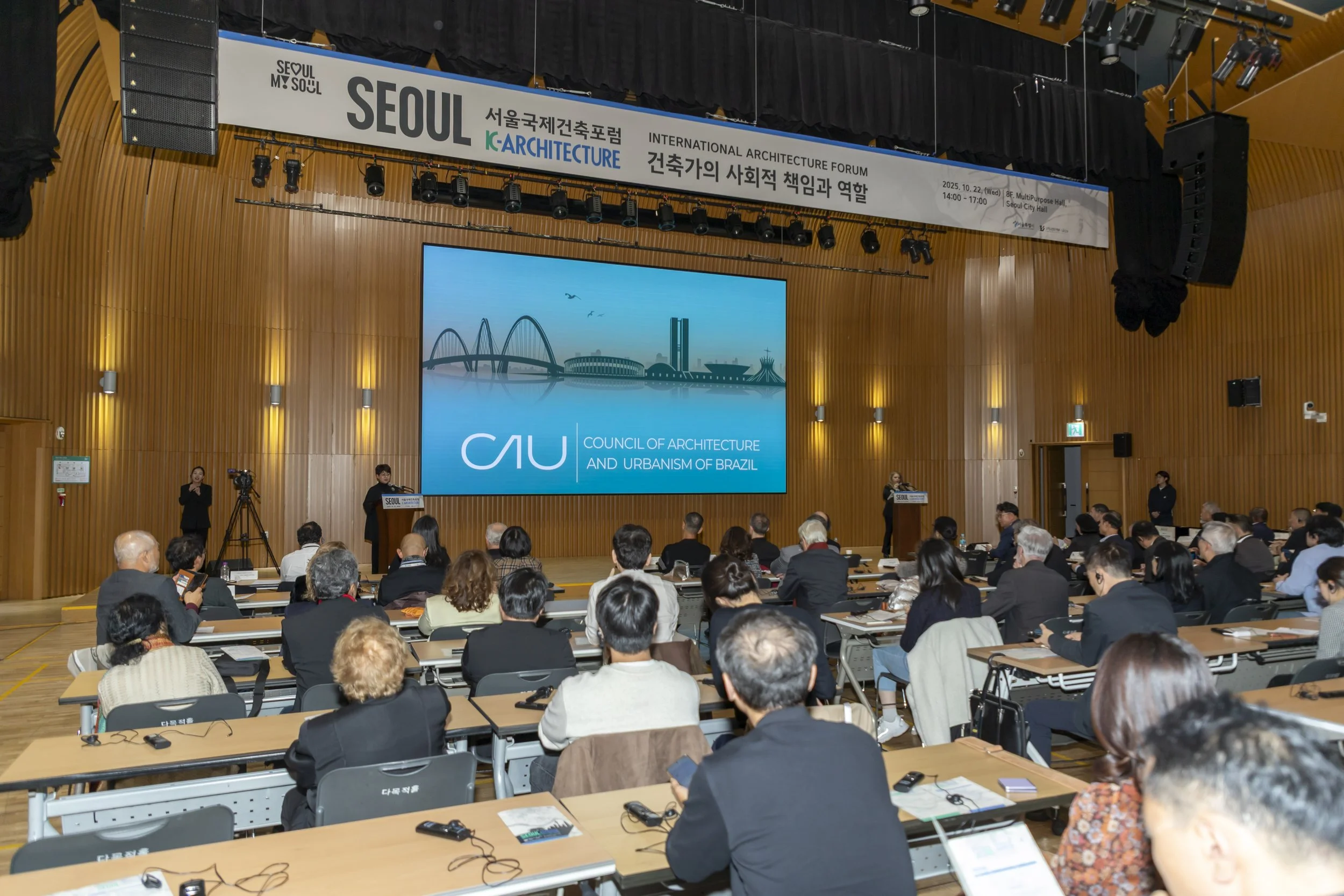
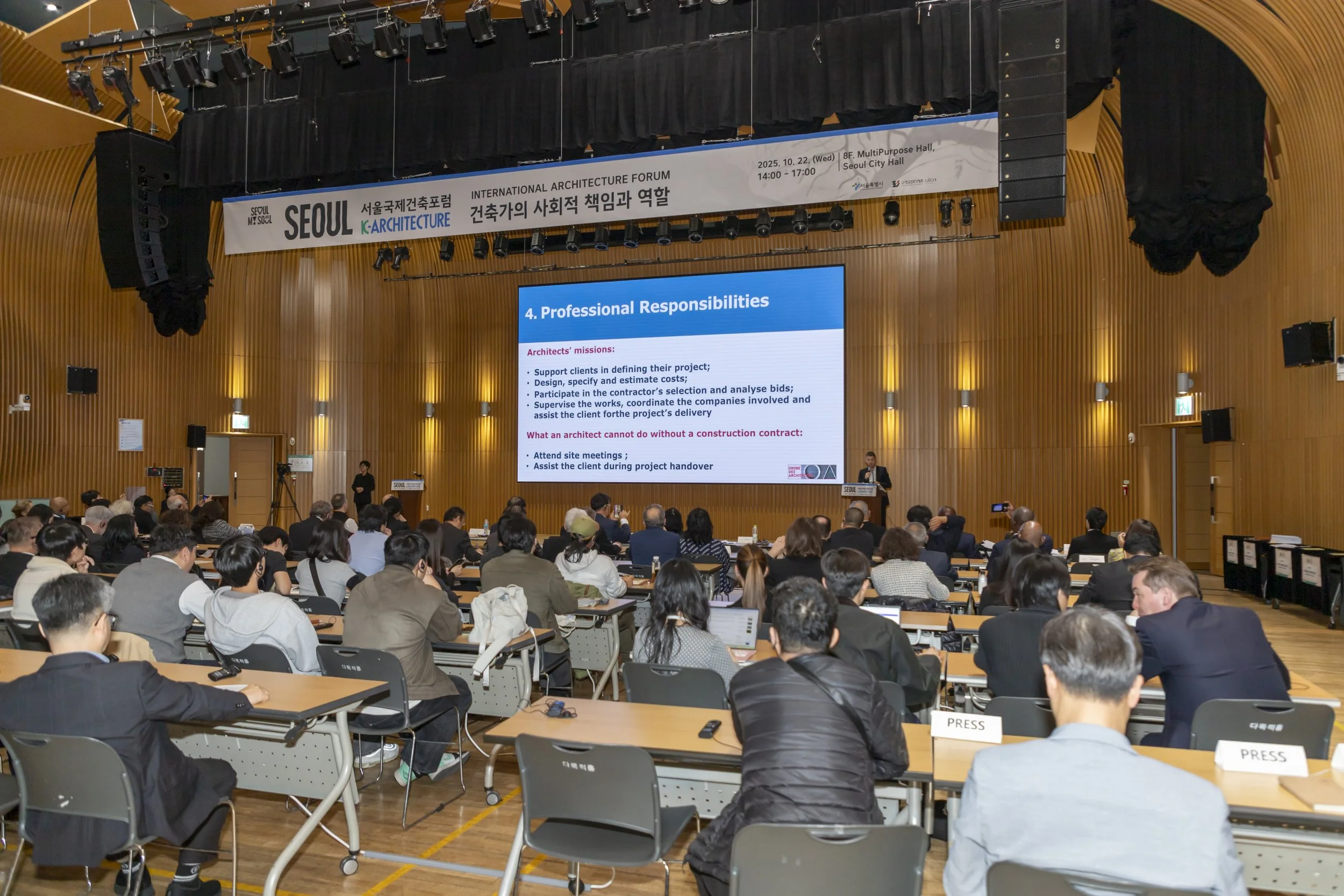
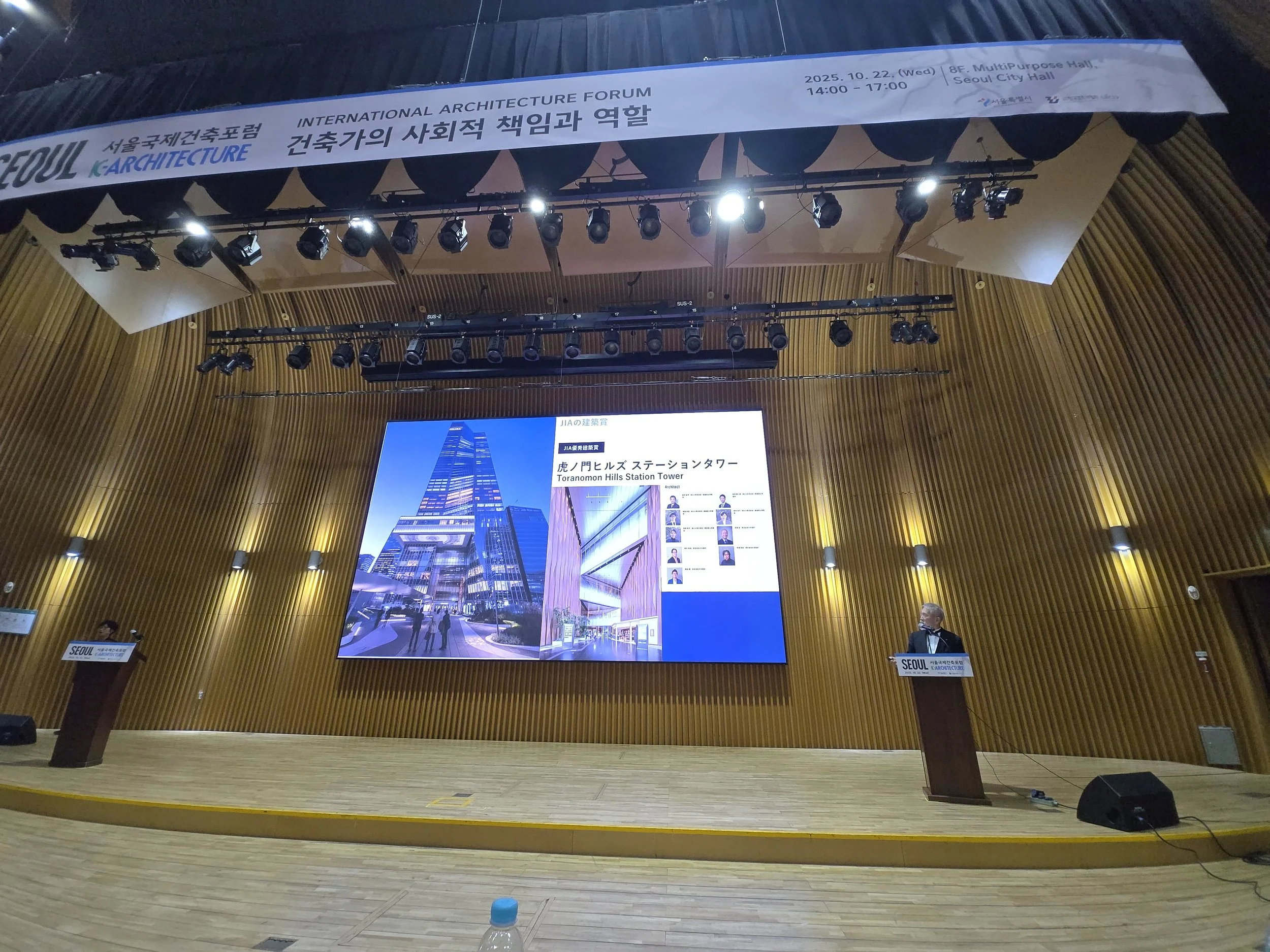
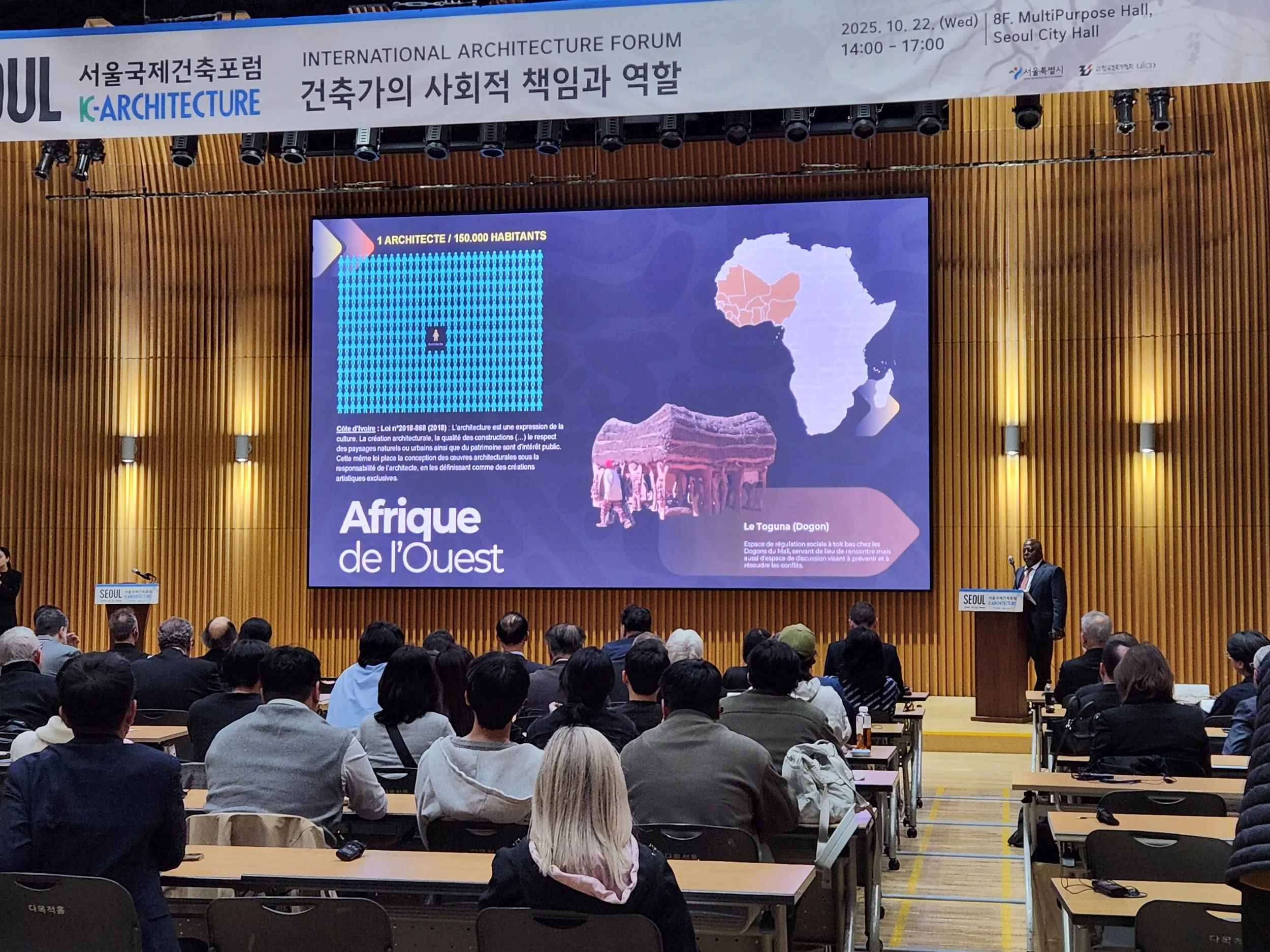
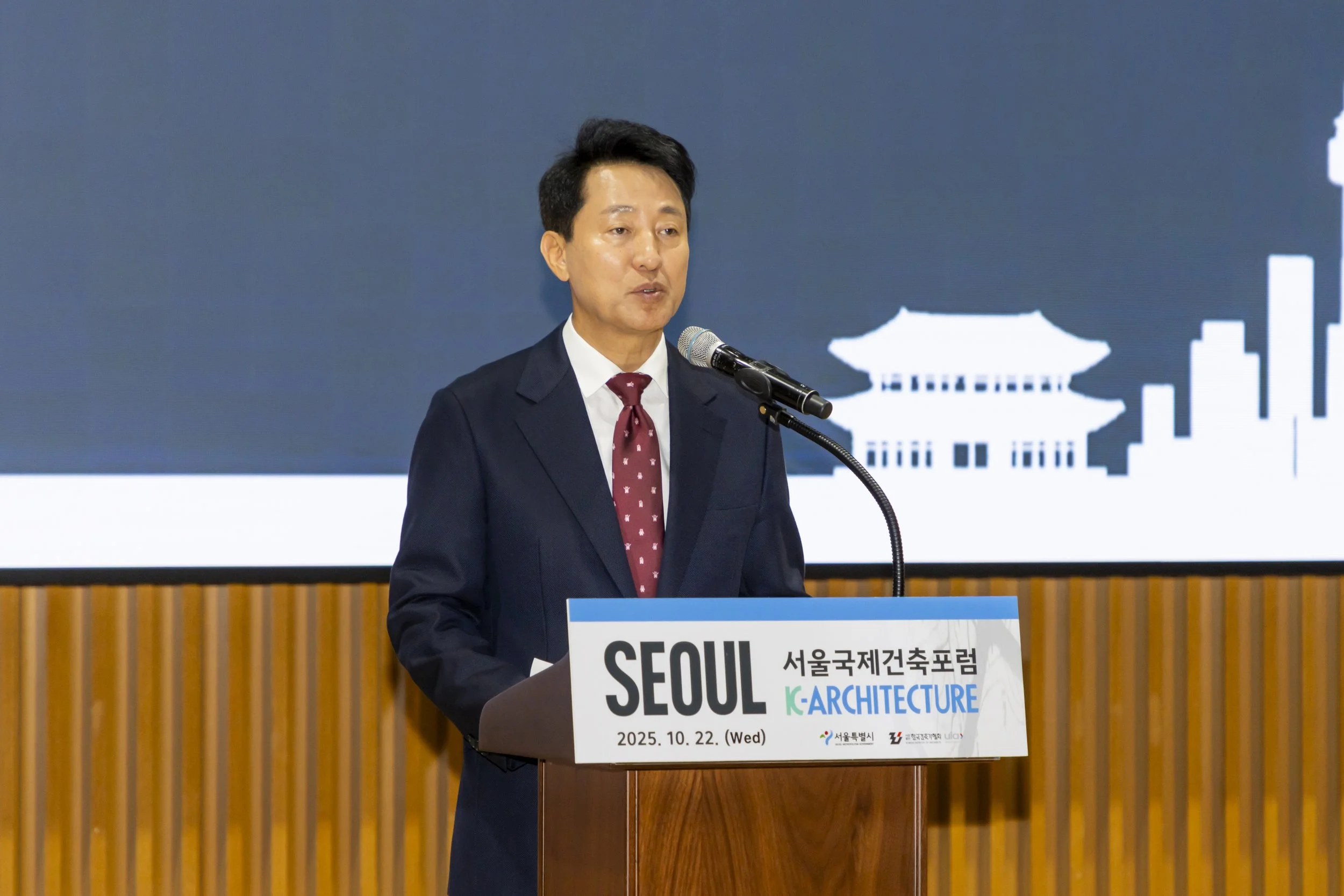
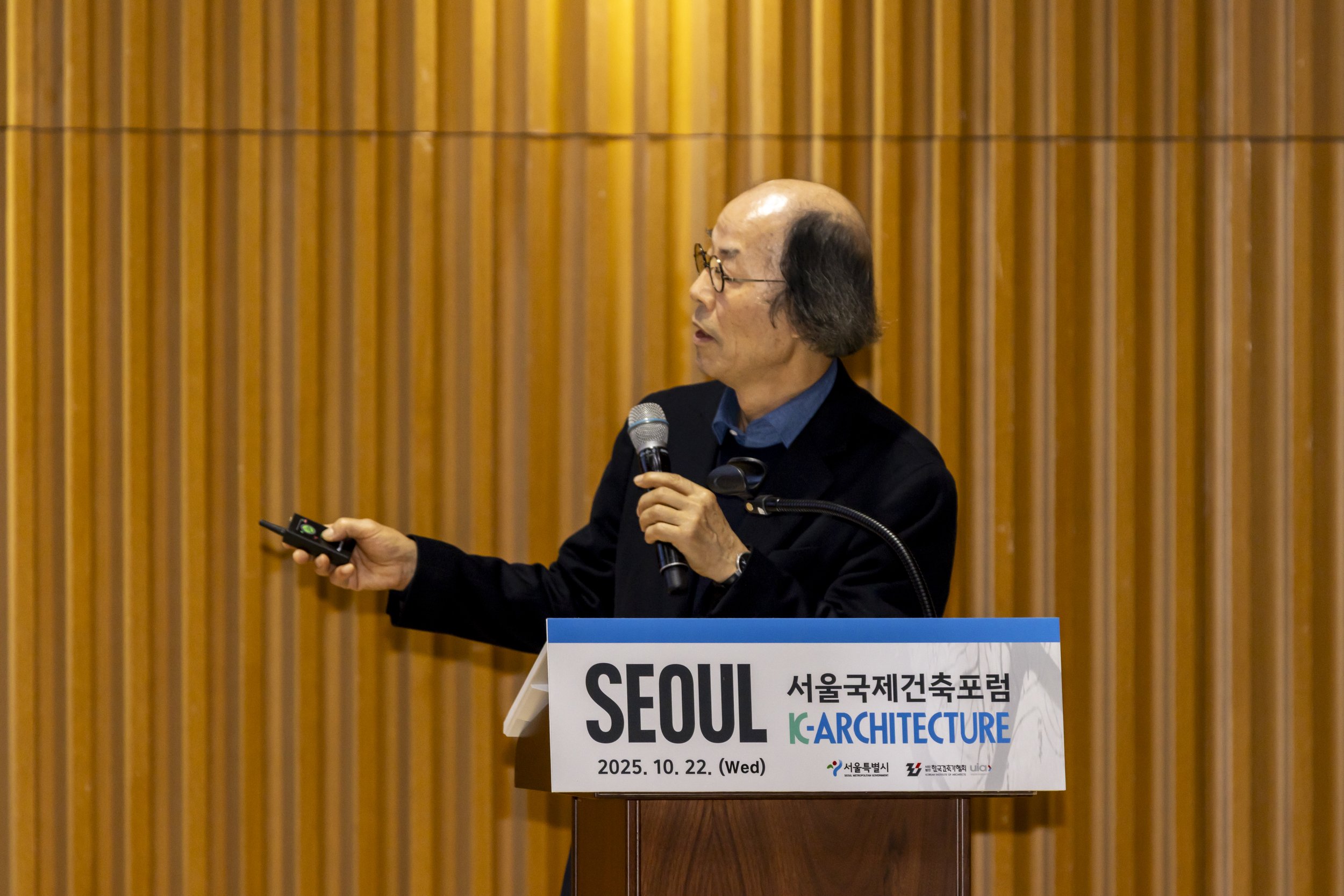
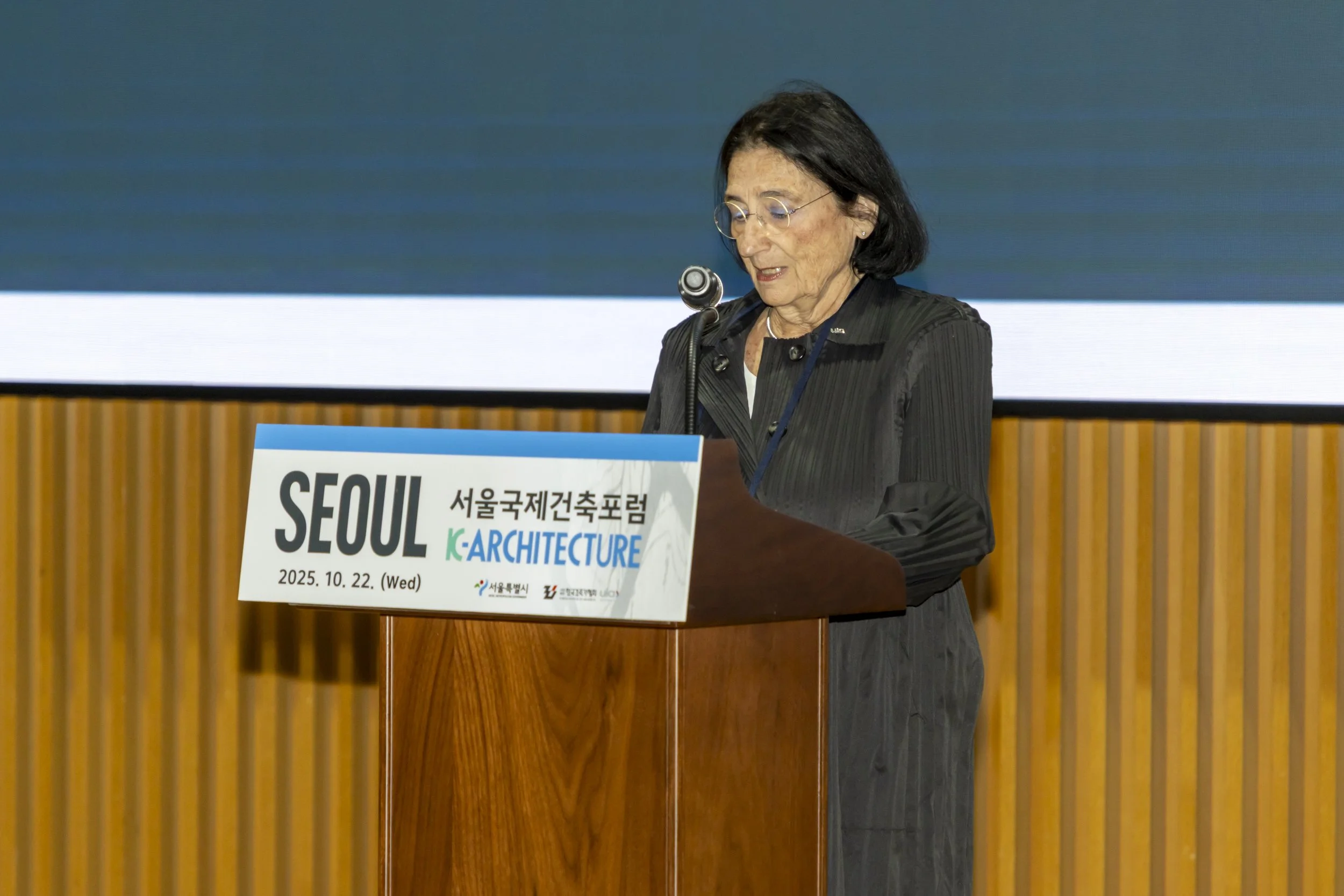
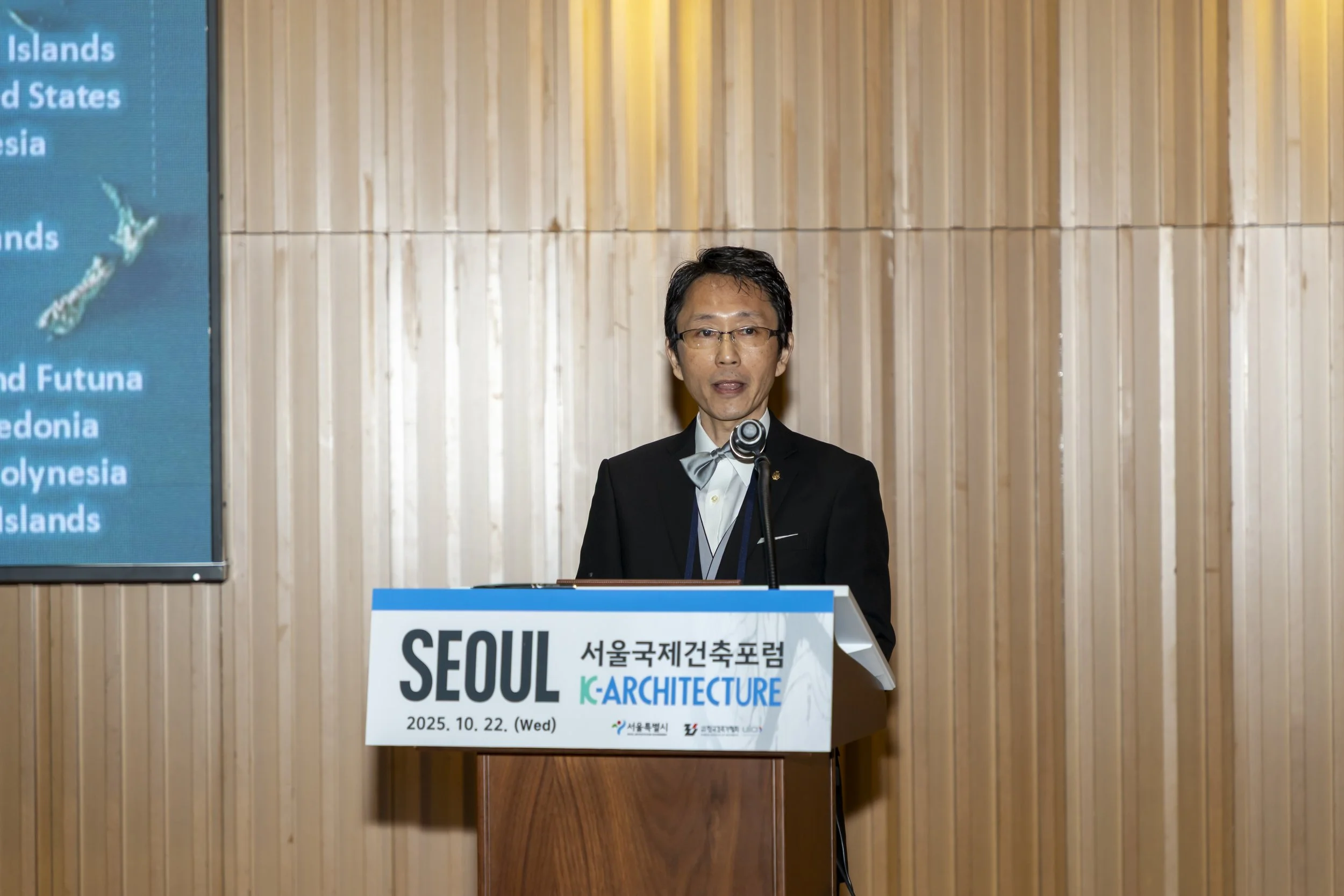
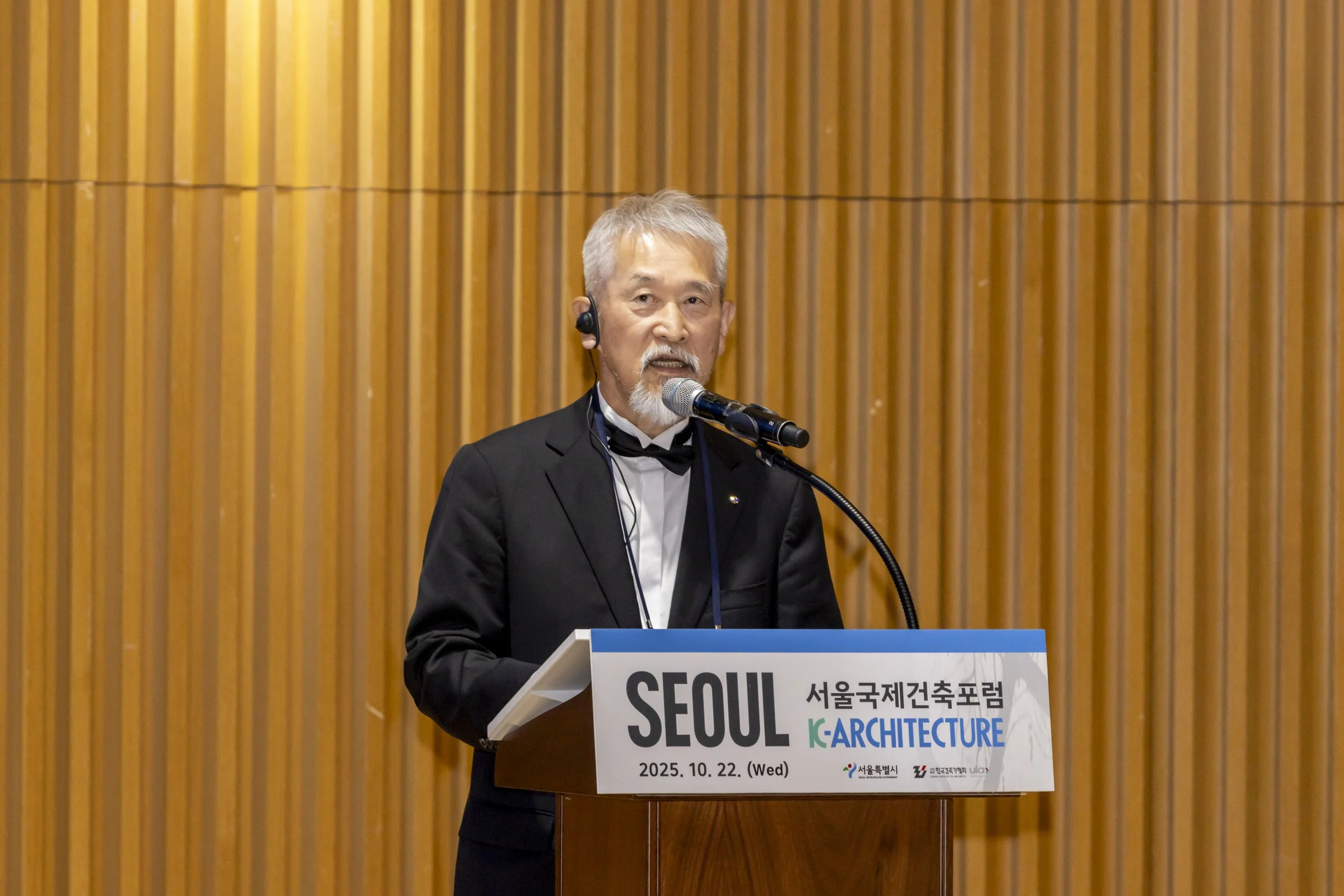
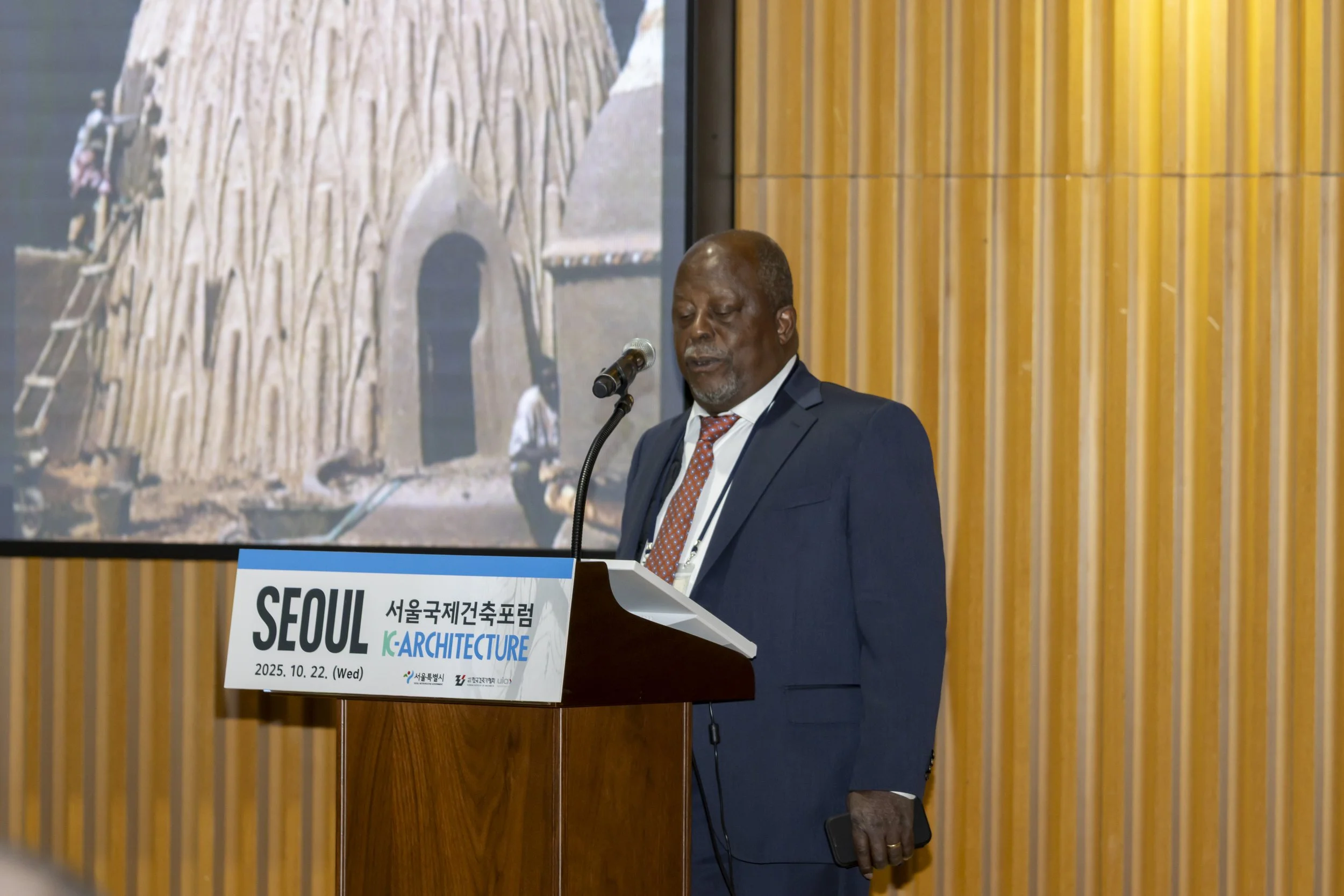
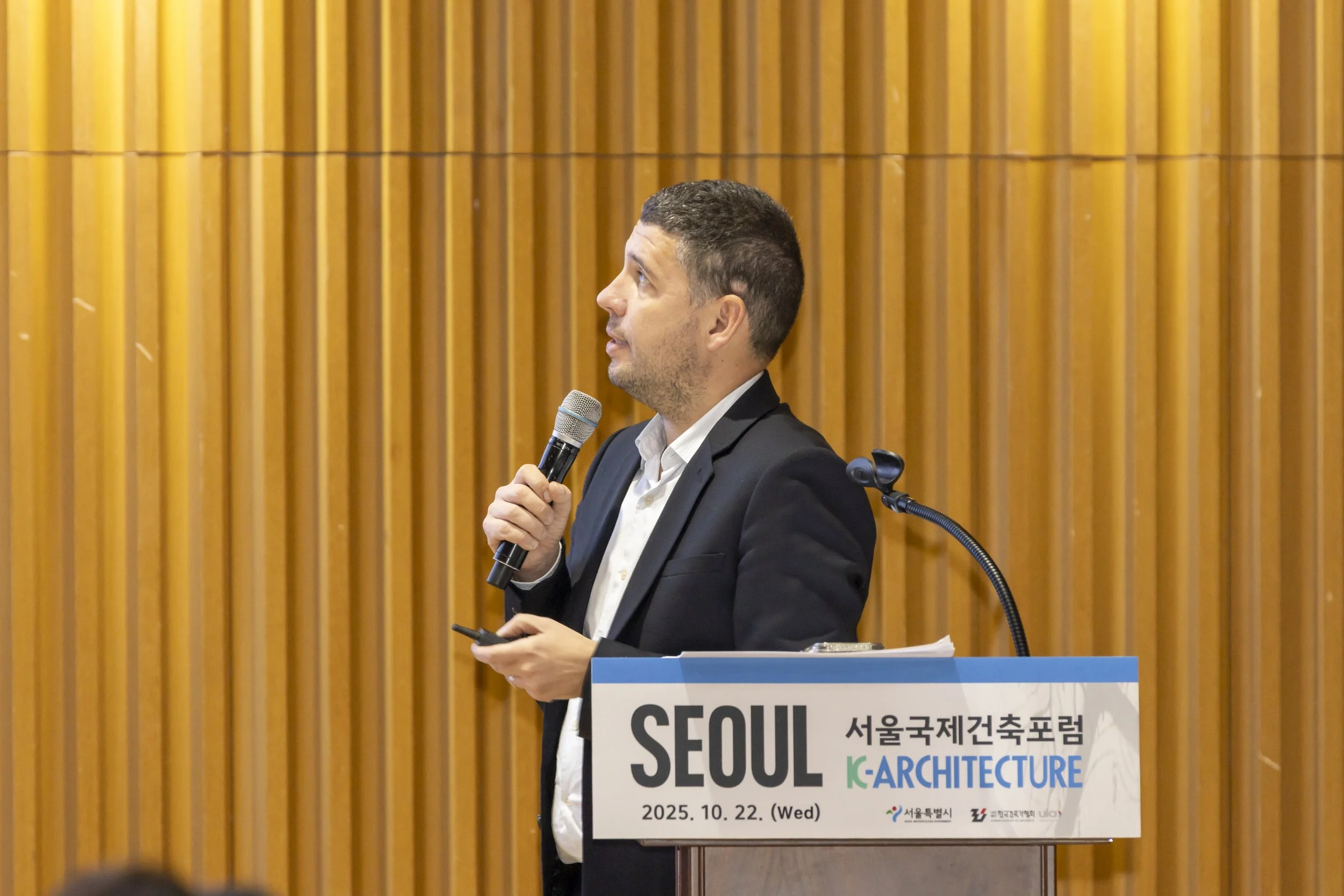
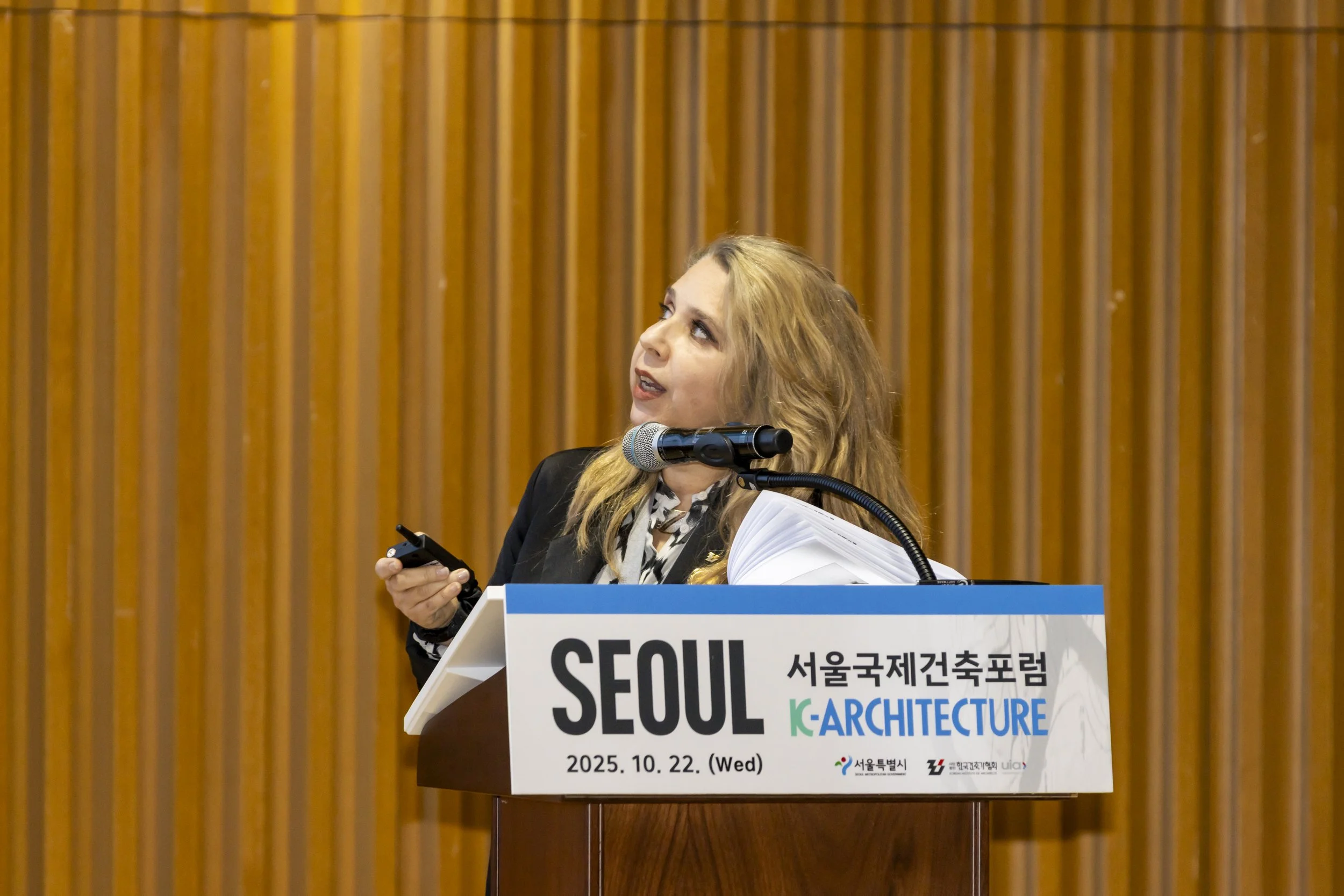
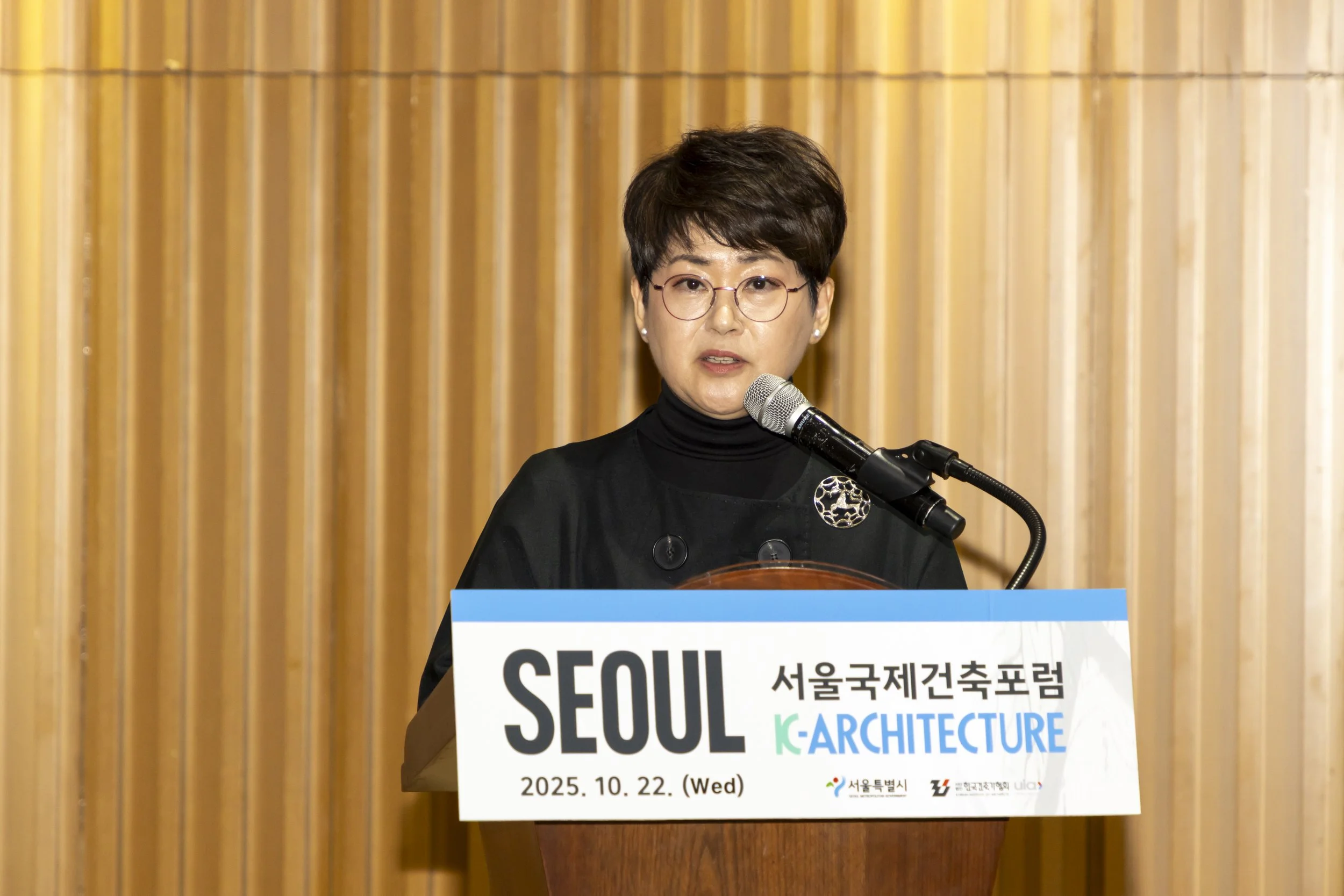
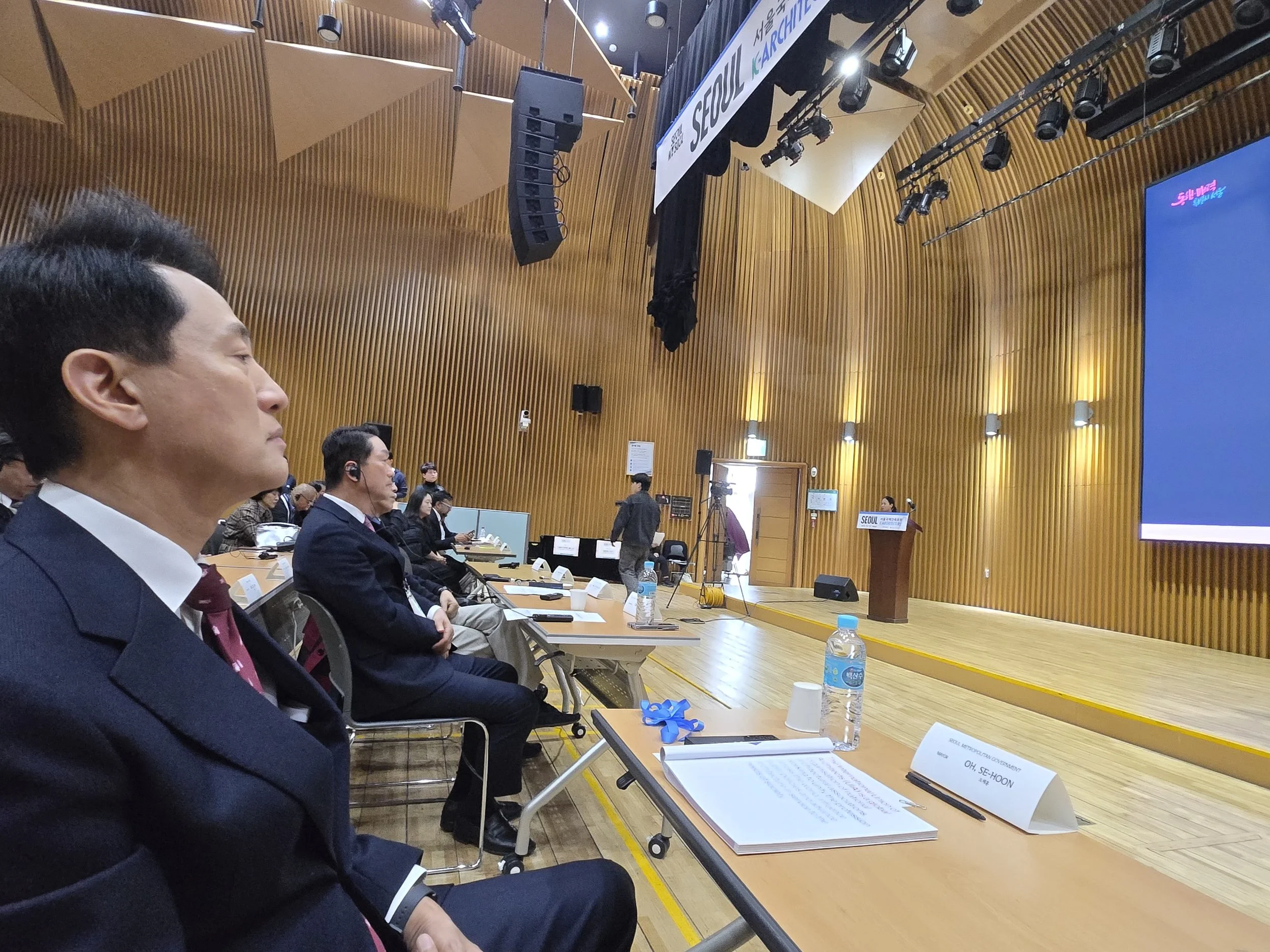
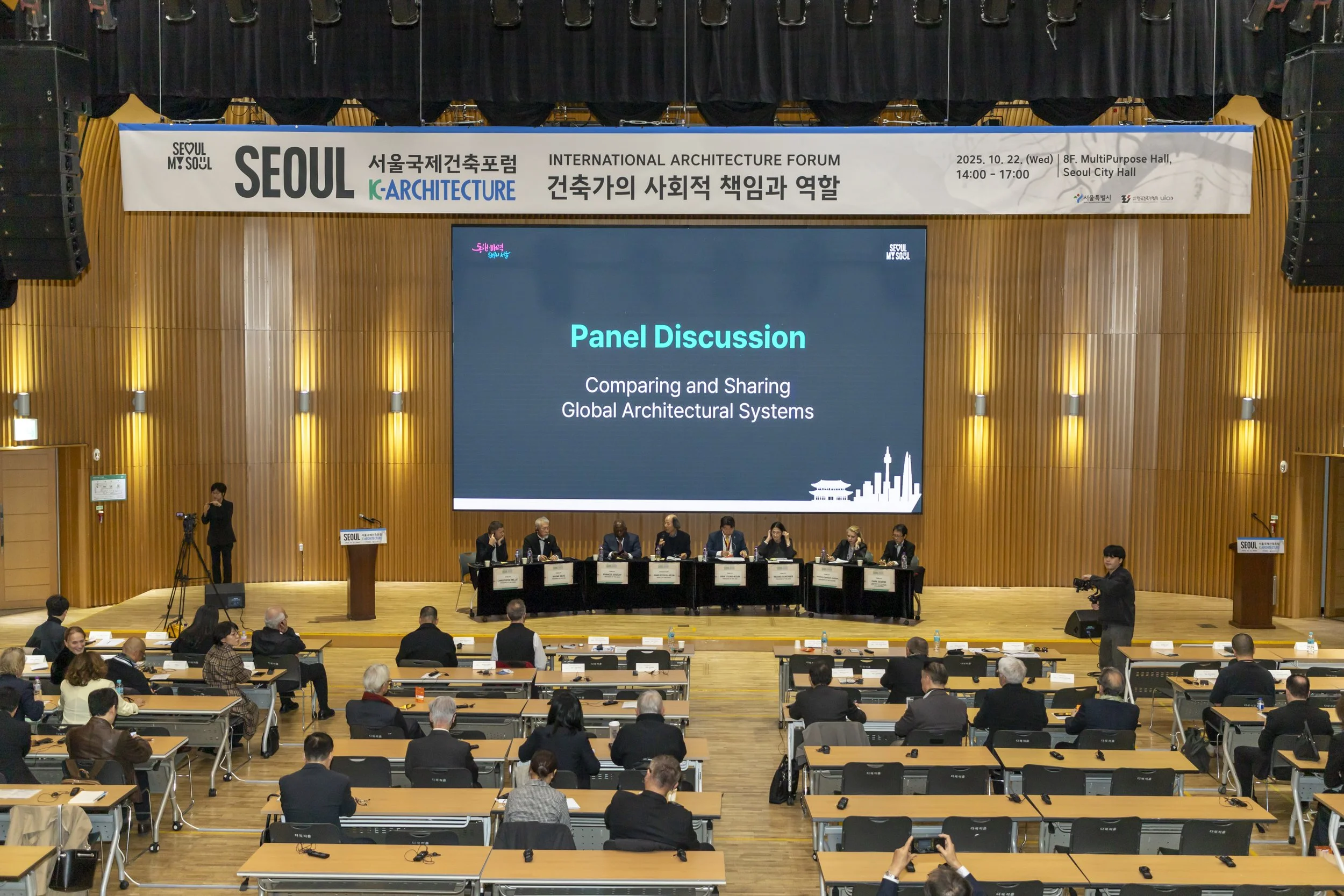
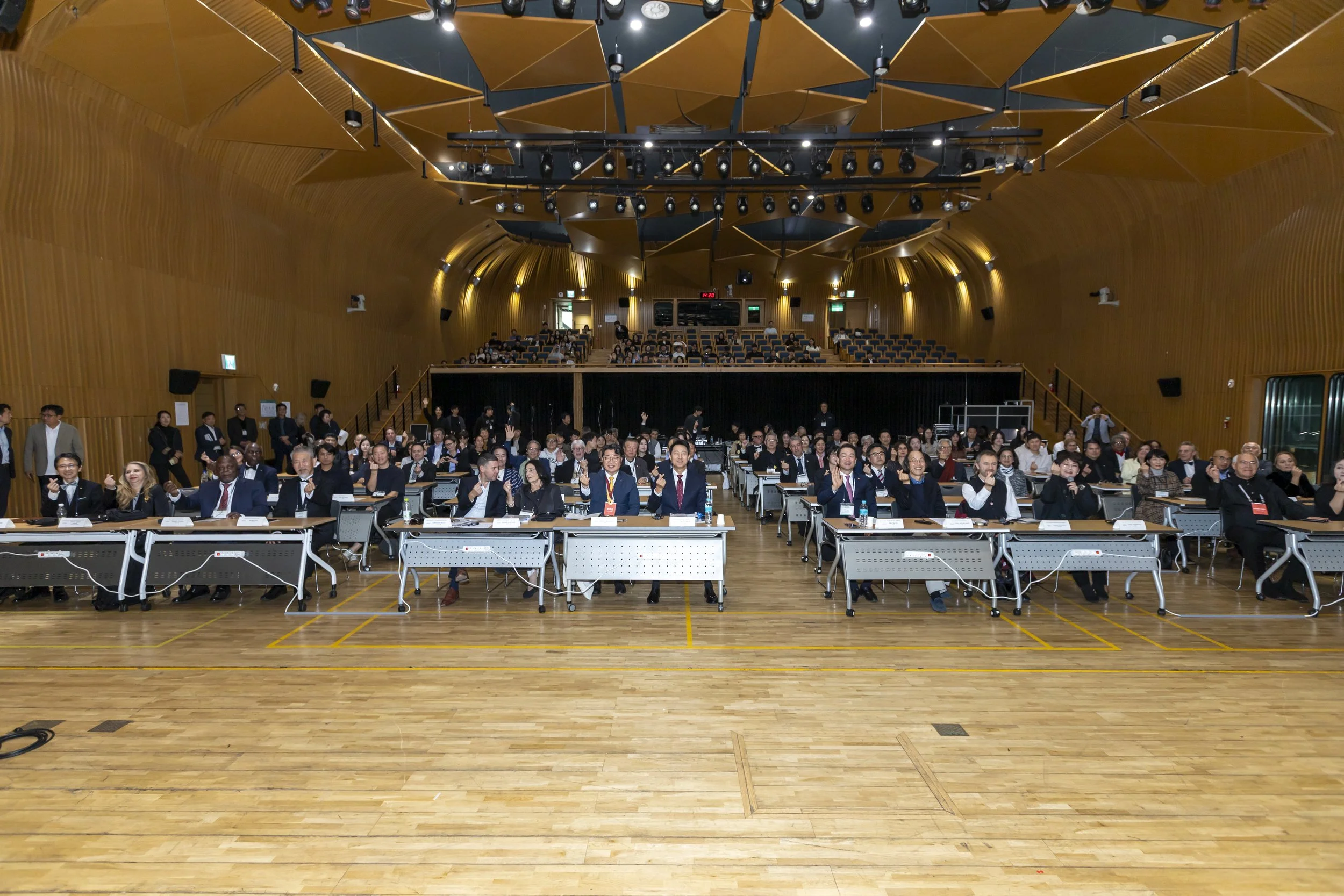
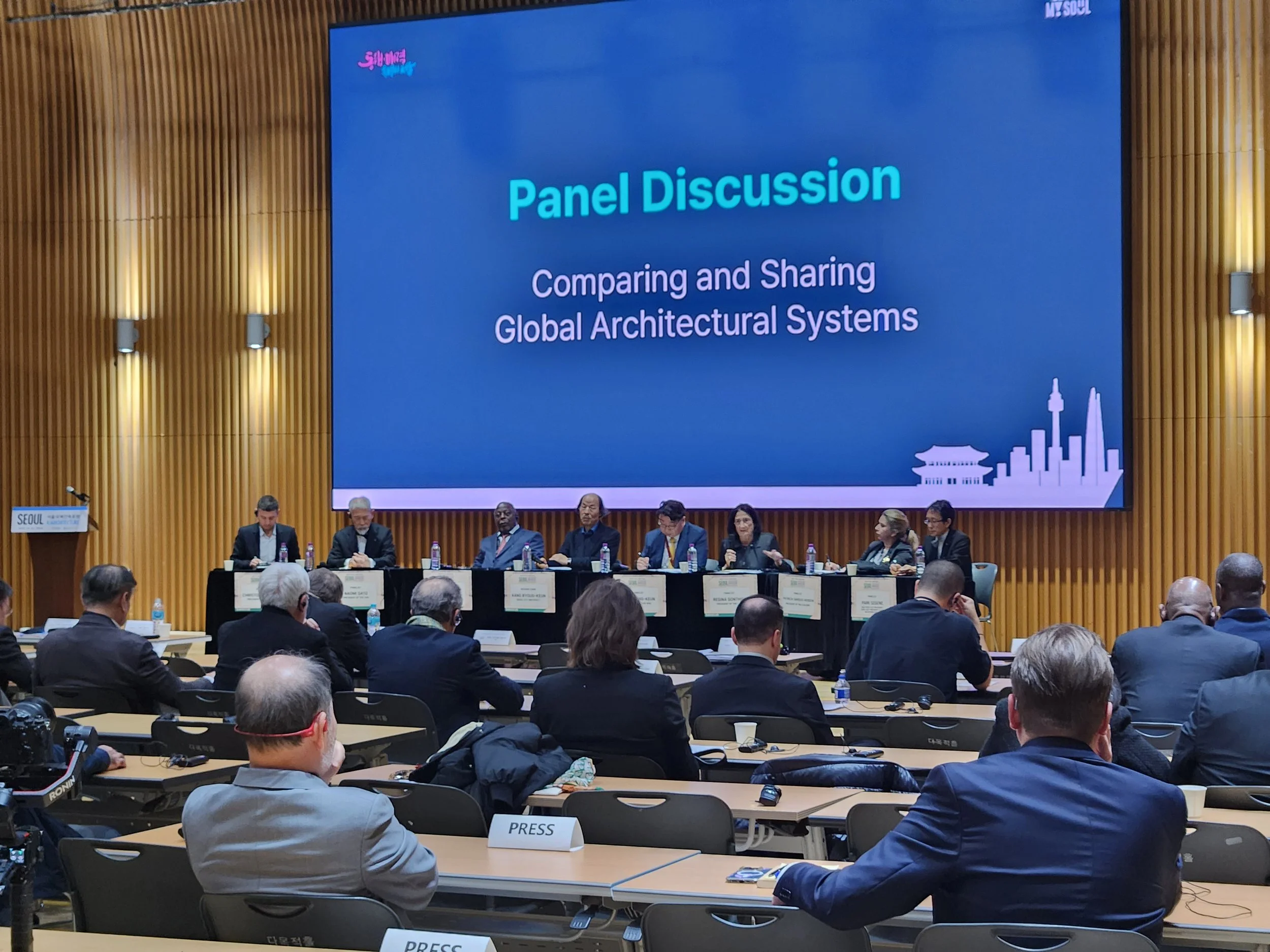
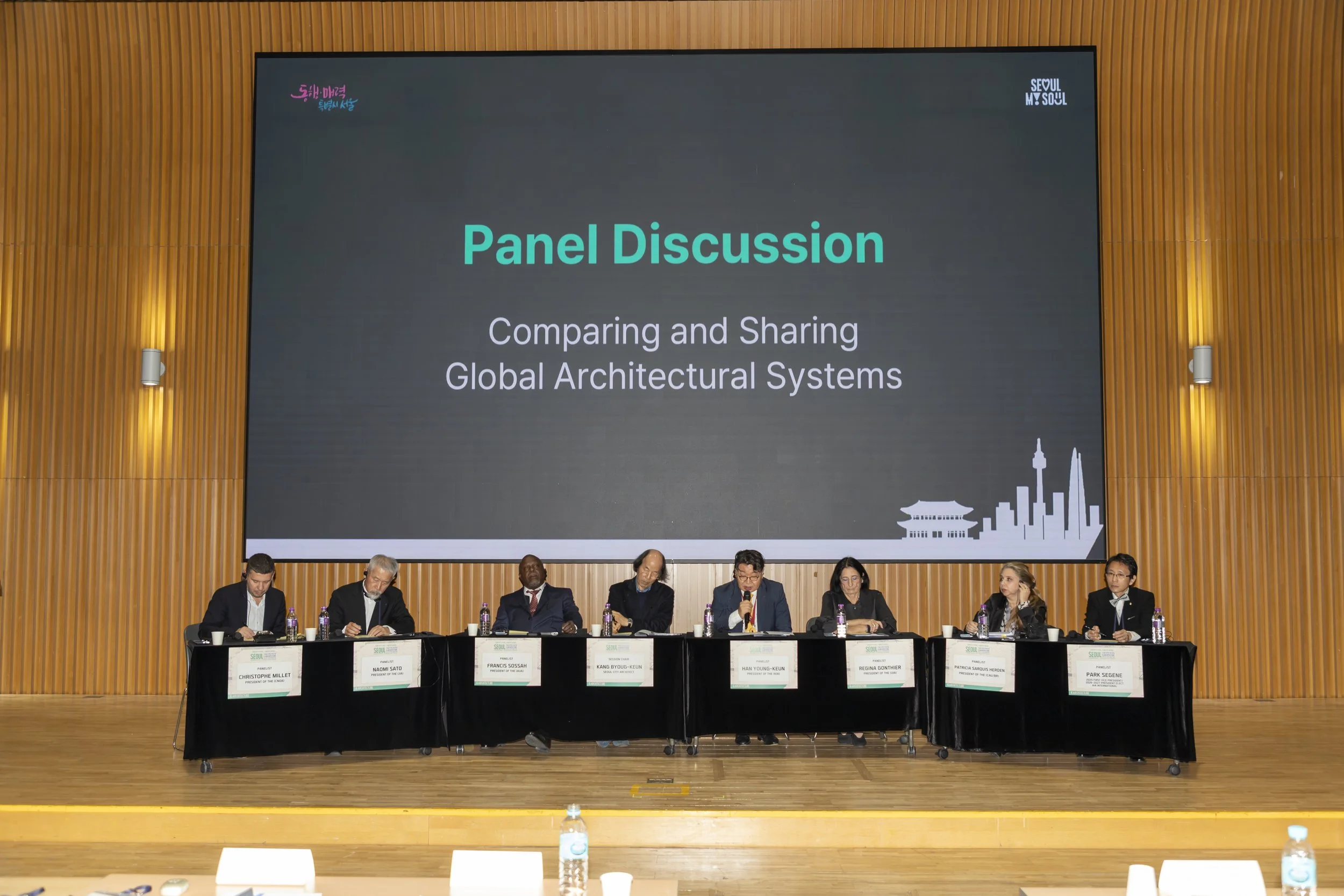
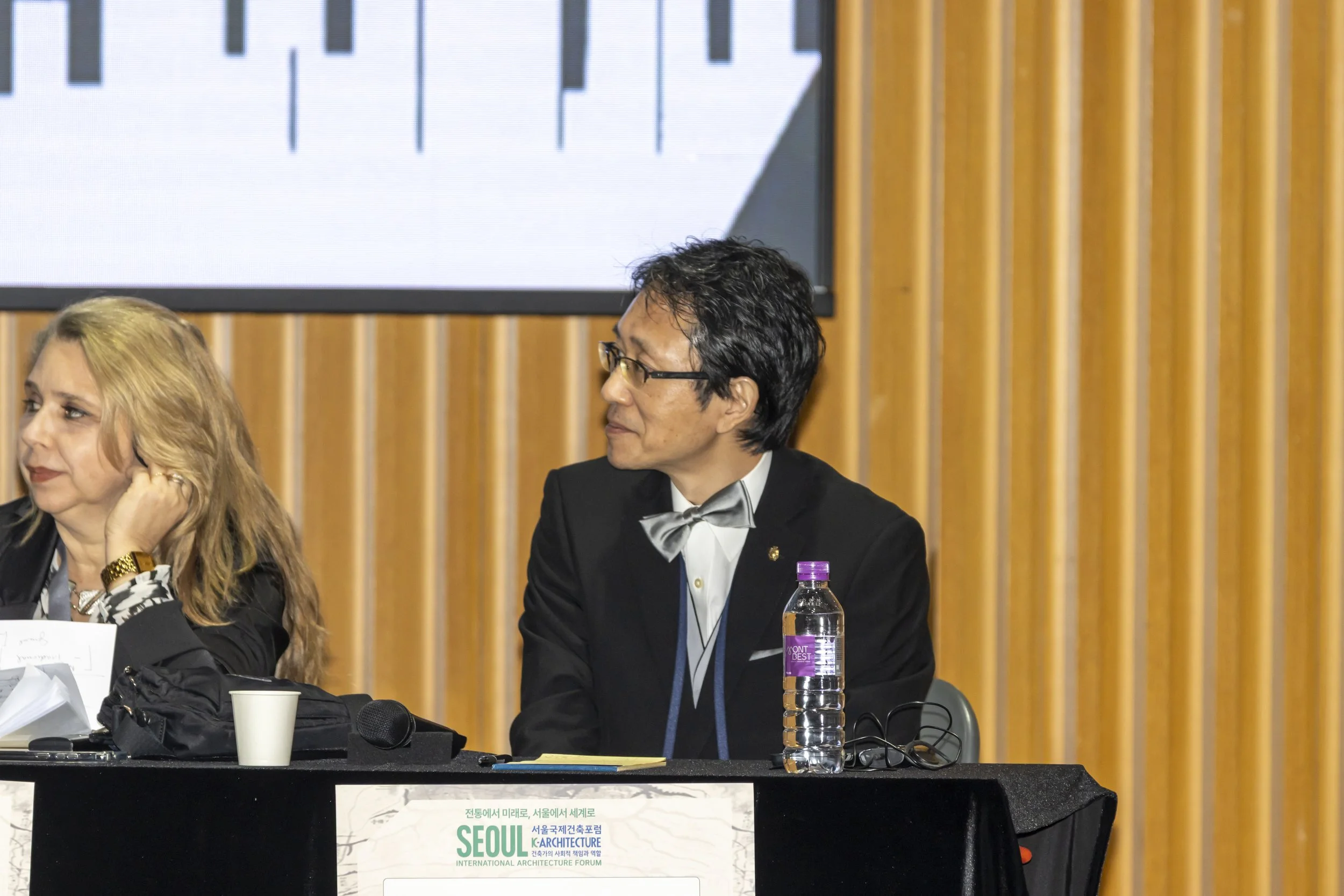
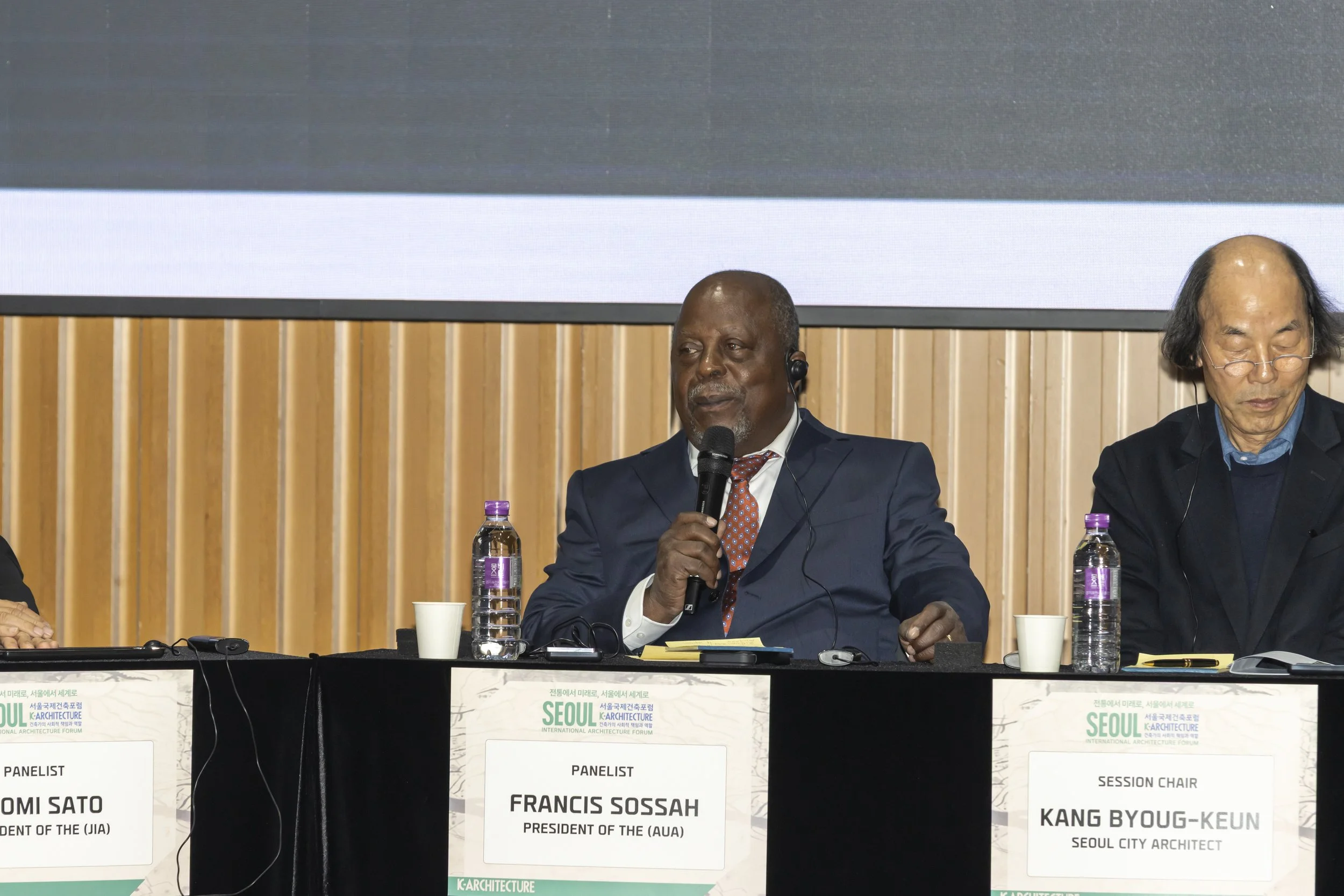
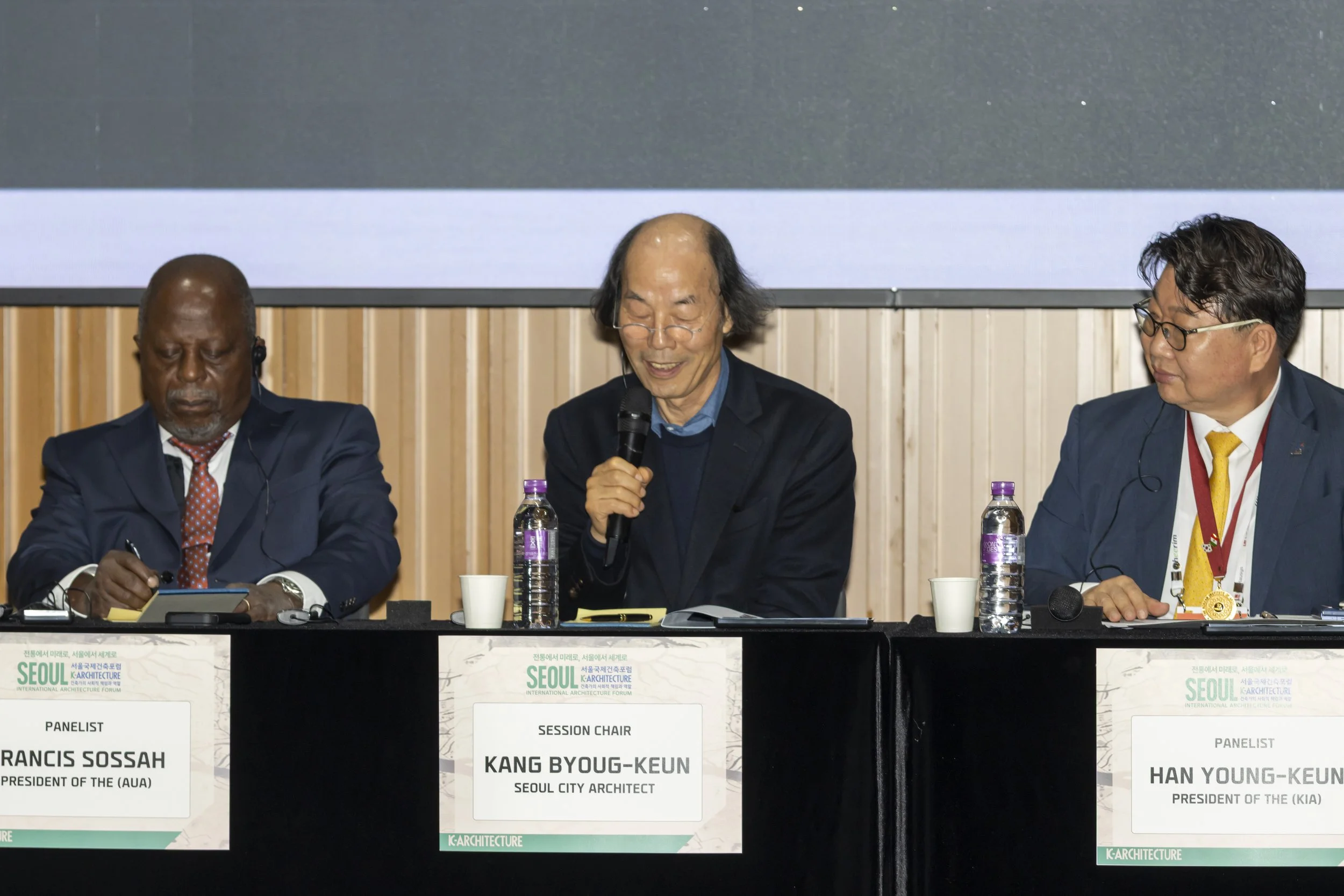
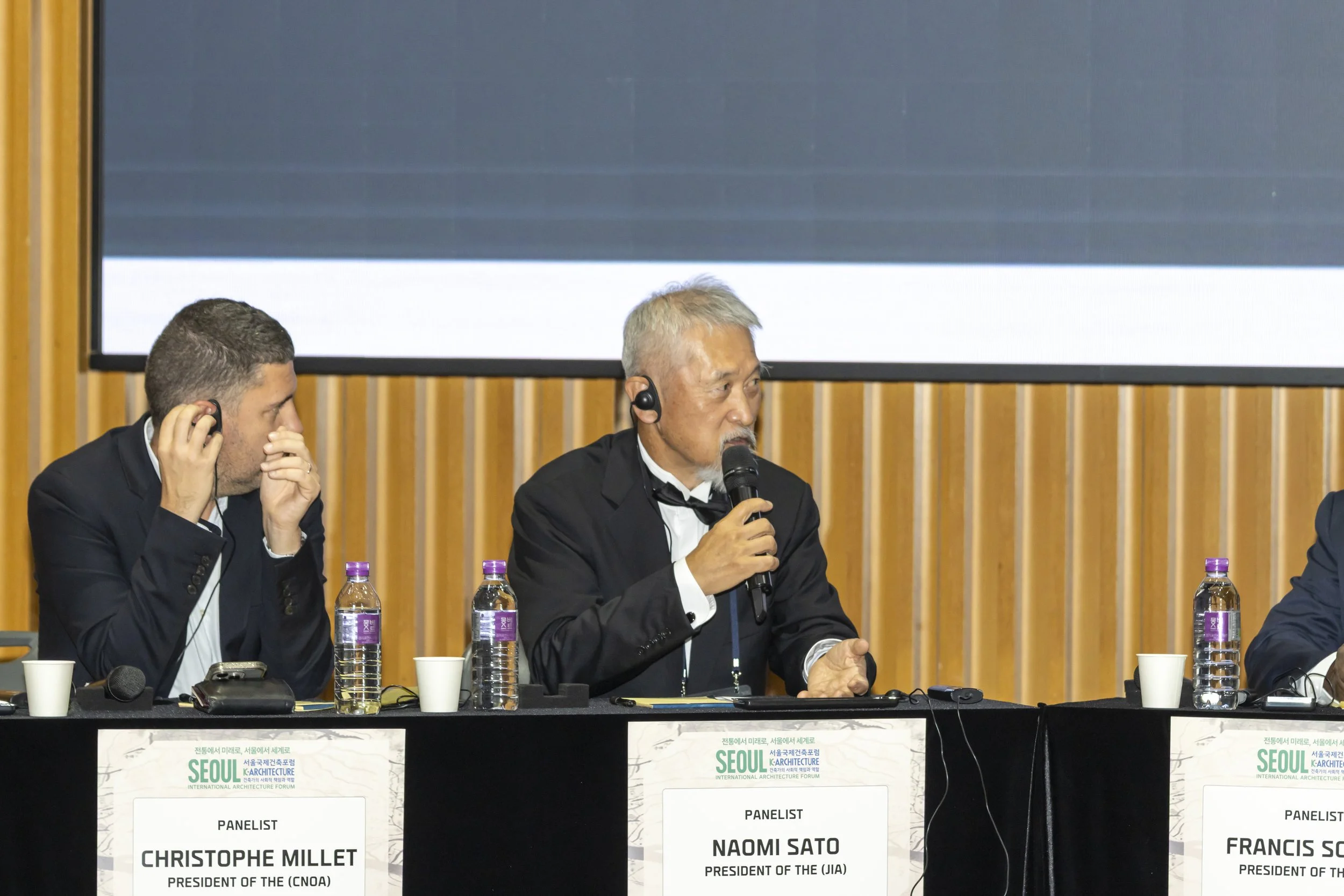
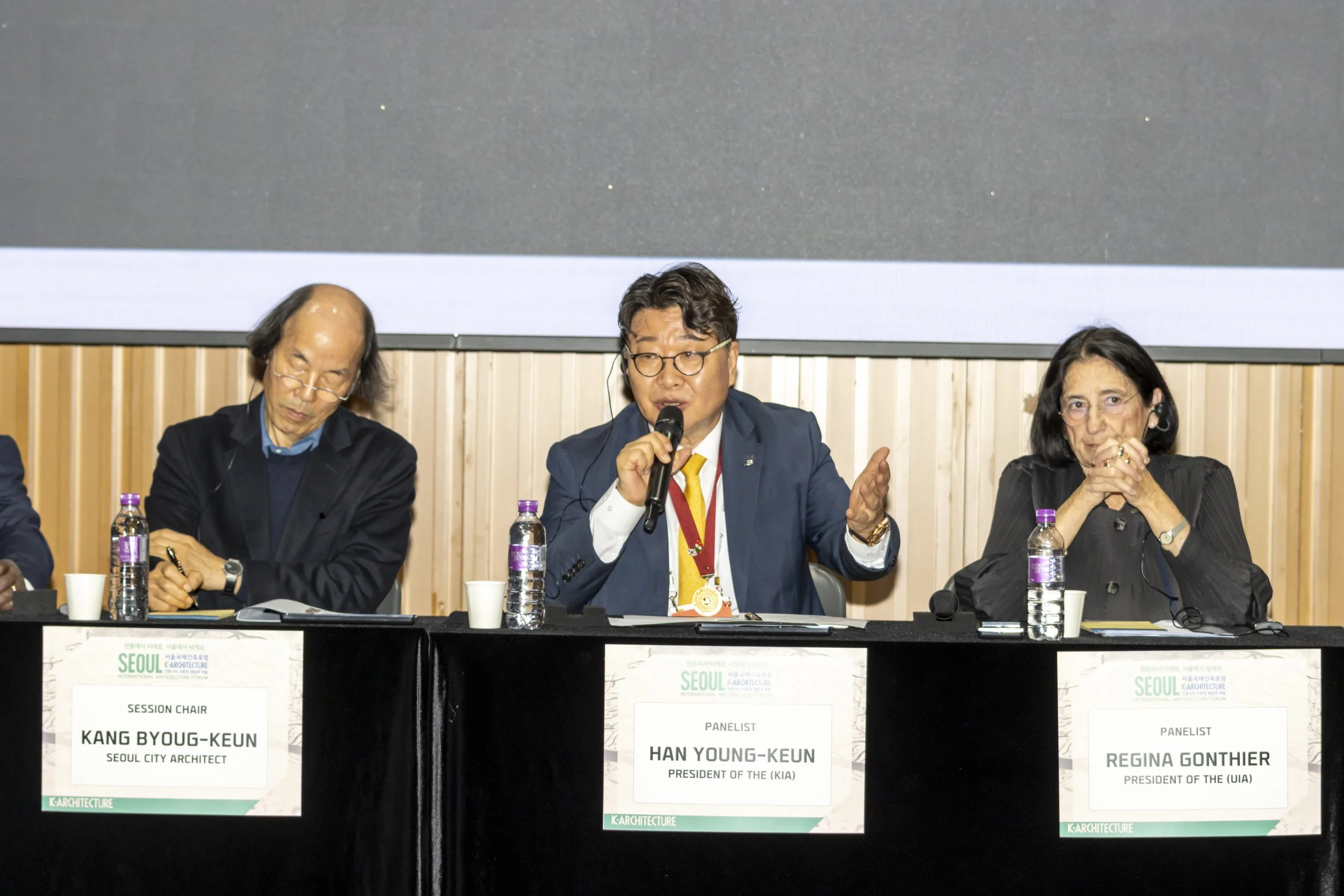
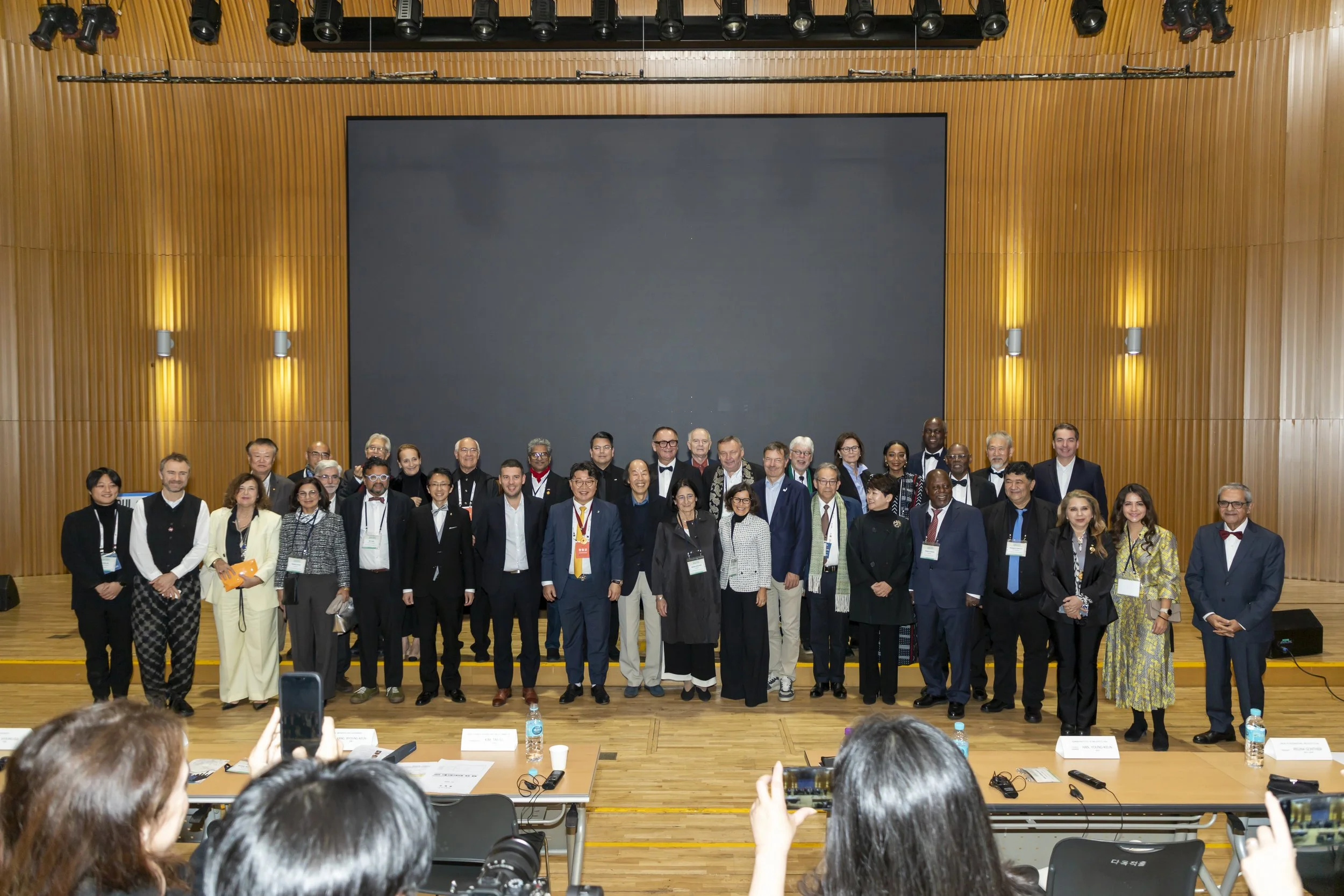
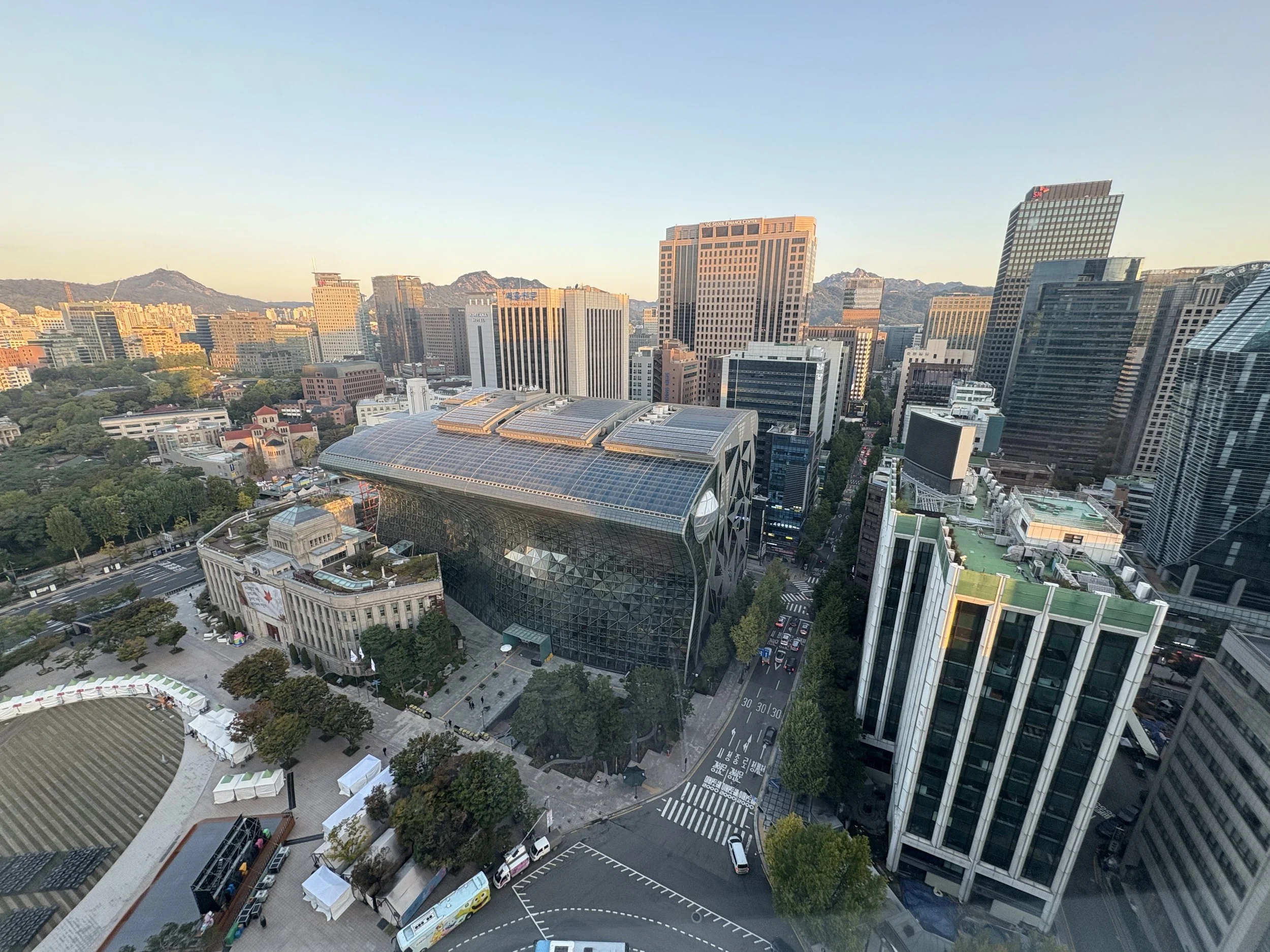
On the final day, participants visited the 2025 Seoul Architecture Award-winning projects, gaining insights into the latest trends in urban design and architectural innovation. The afternoon featured the Seoul International Architecture Forum at Seoul City Hall, a high-profile event bringing together government officials, international architects, and members of the public. Segene Park delivered a speech “Country Reports & Global Perspectives: The Social Responsibility and Role of Architects.”
In his speech, Segene emphasized that architecture extends far beyond the construction of buildings—it shapes communities, strengthens cultural identity, and addresses pressing social challenges. He highlighted examples from around the world, from Sri Lanka and Japan to Hong Kong and the UAE, illustrating how architects are responding to climate resilience, social inclusion, and cultural preservation. The forum was attended by the Mayor of Seoul Metropolitan Government, city officials, UIA Council members (including current and former presidents), KIA and KIRA leadership, and members of the public. Thomas Vonier, FAIA RIBA, the first AIA International President as well as former AIA National and UIA President, also attended with his wife, underscoring the forum’s significance as a platform for global dialogue.
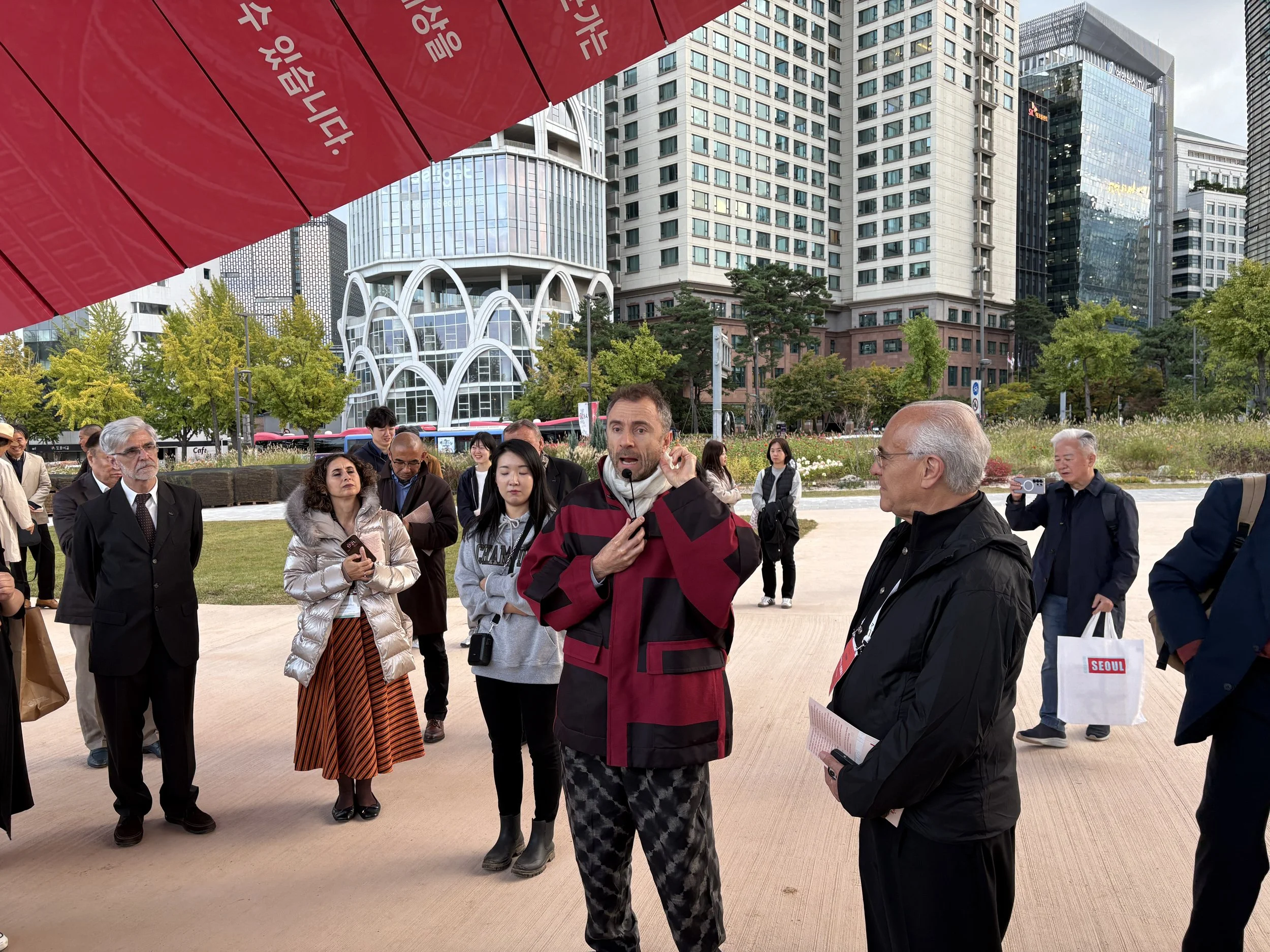
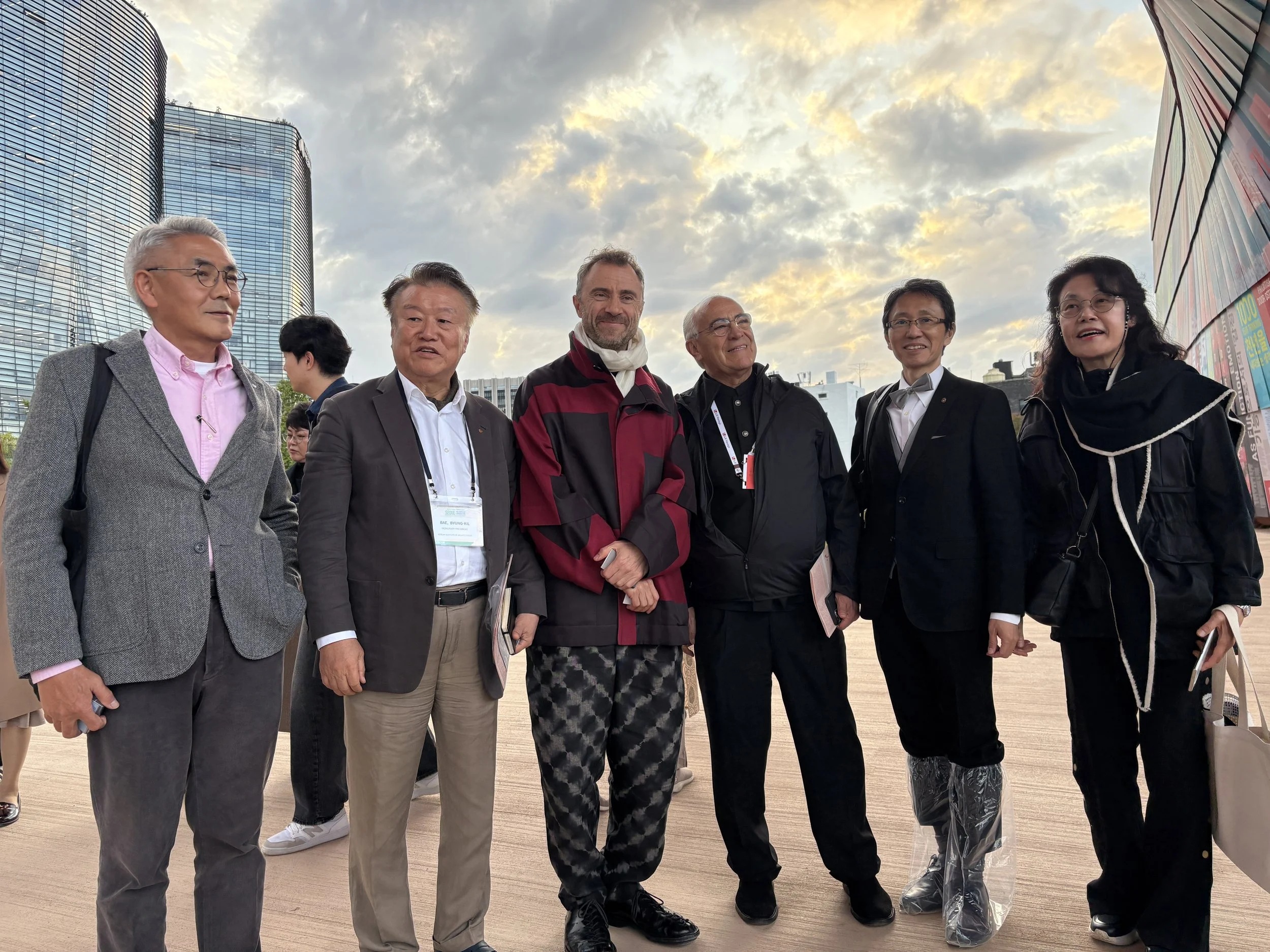
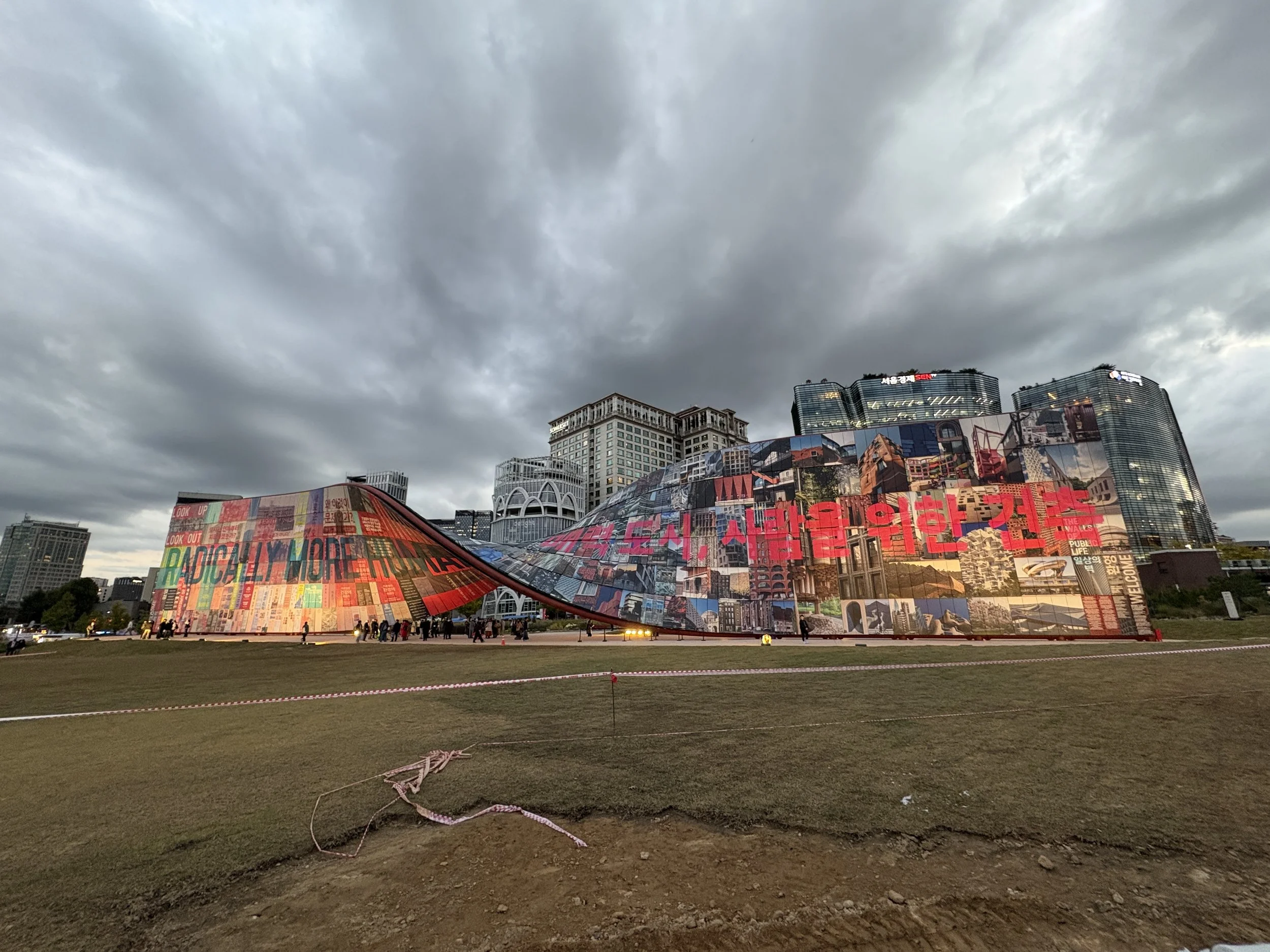
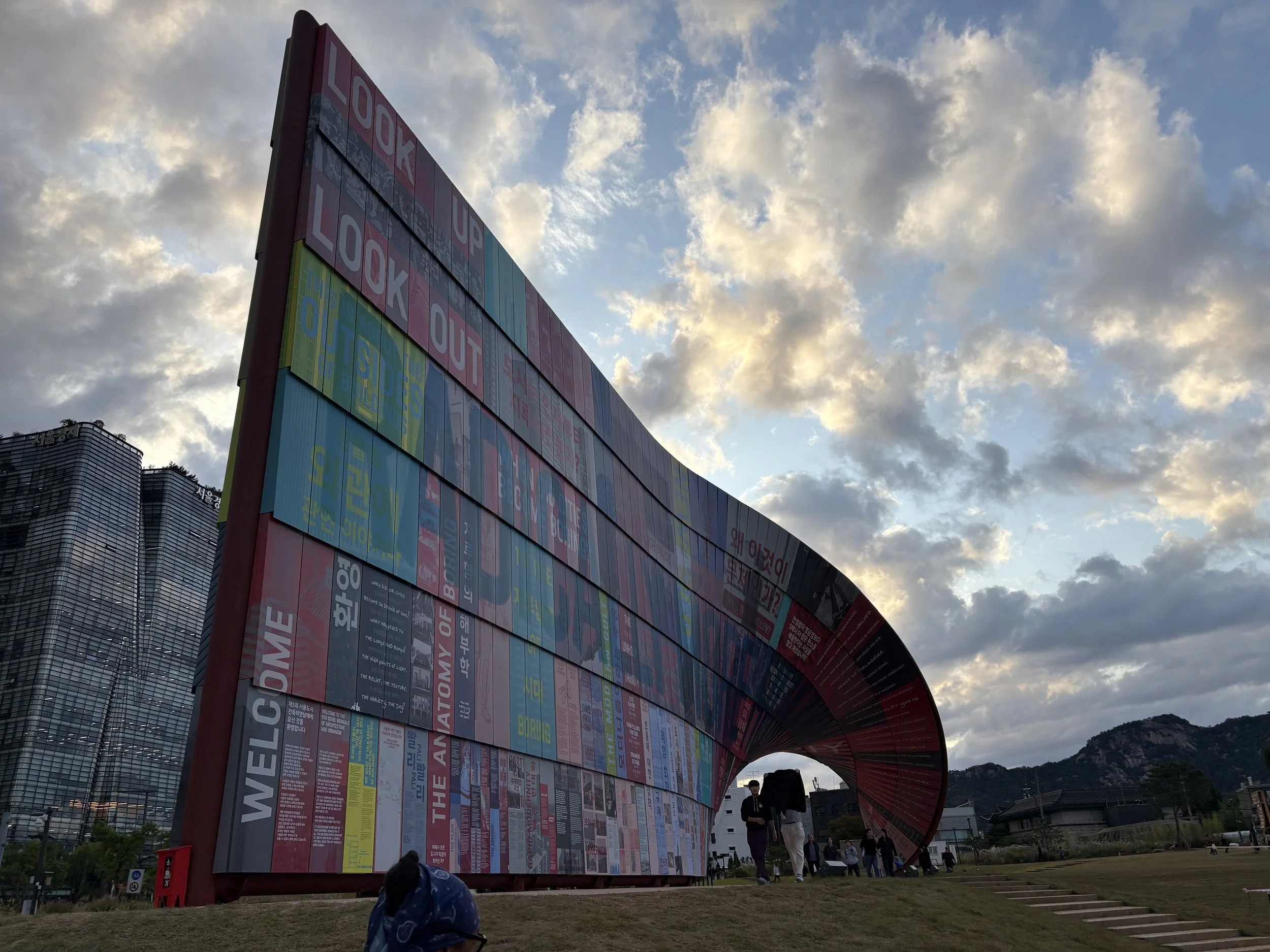
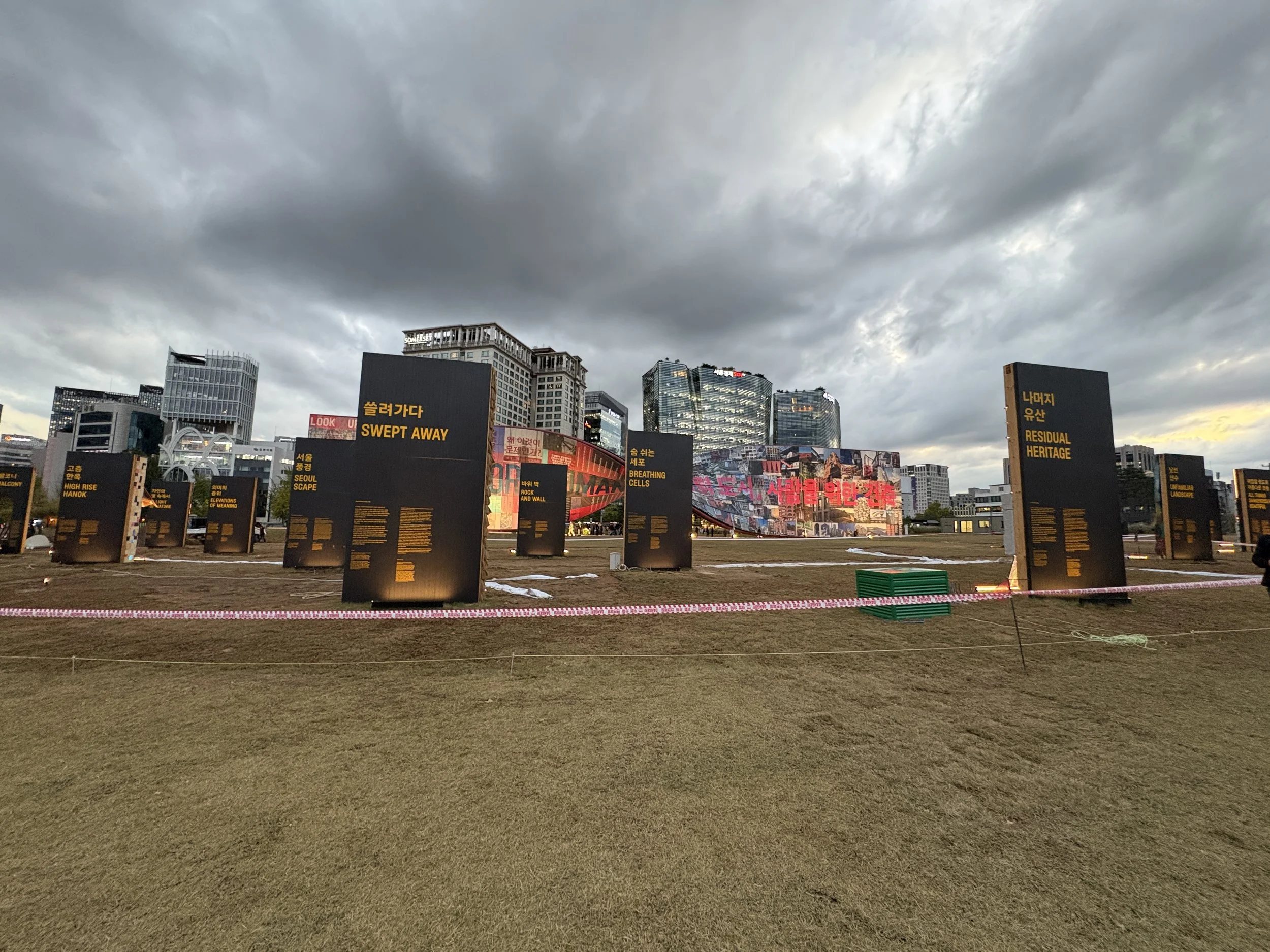
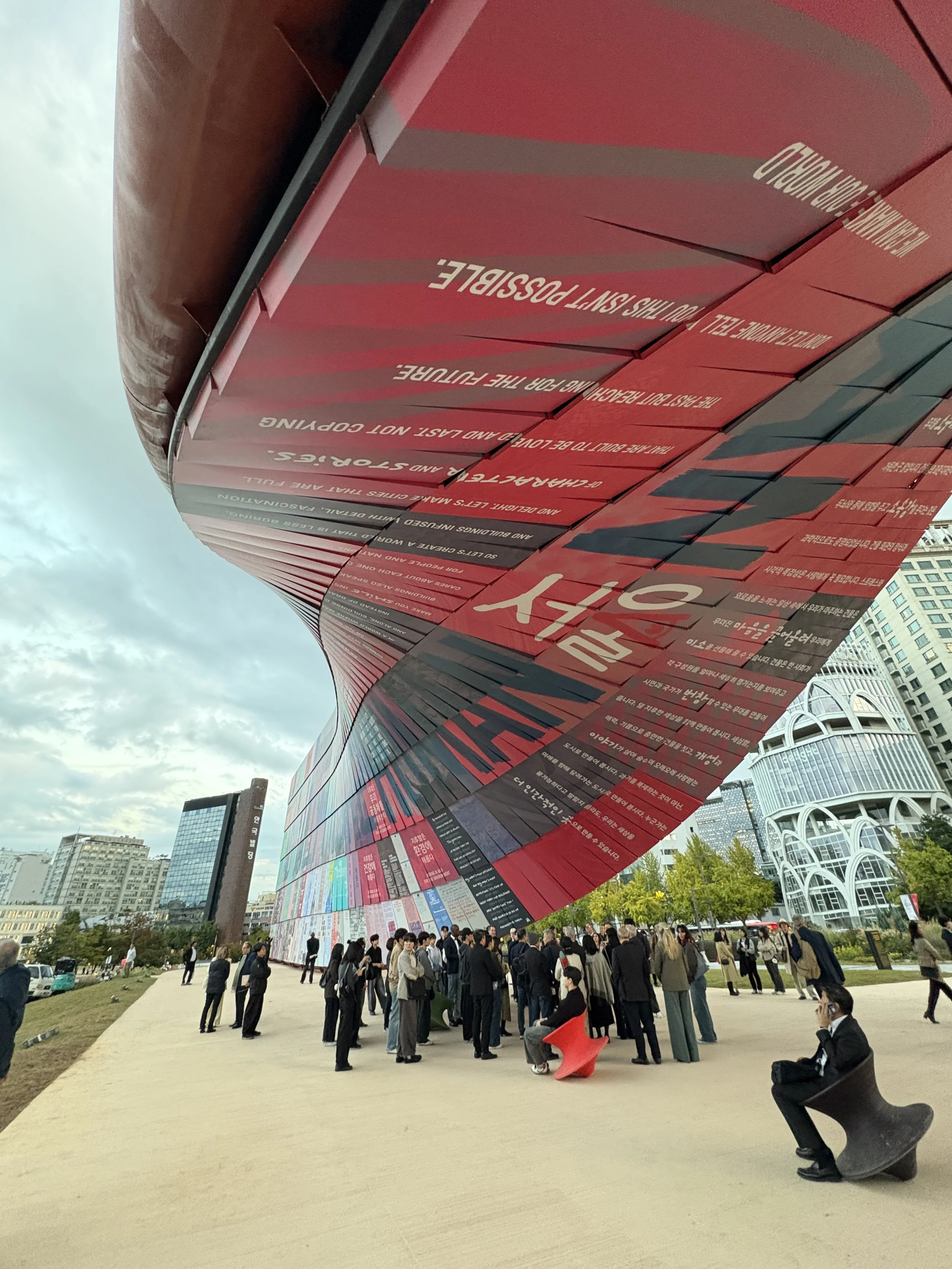
Following the forum, the international delegation visited the Seoul Biennale of Architecture and Urbanism 2025, guided by renowned designer Heatherwick, who played a central role in curating the exhibition. Earlier in the day, Segene held a private meeting with Professor Jiyoon Lee, a curator and economist who collaborated with Heatherwick on the exhibition. Professor Lee has also curated high-profile projects such as the Jean-Michel Basquiat exhibition at Dongdaemun Design Plaza, designed by Zaha Hadid. The day’s itinerary included engagement with APAC Summit 2025, further emphasizing Seoul’s role as a global architectural hub.
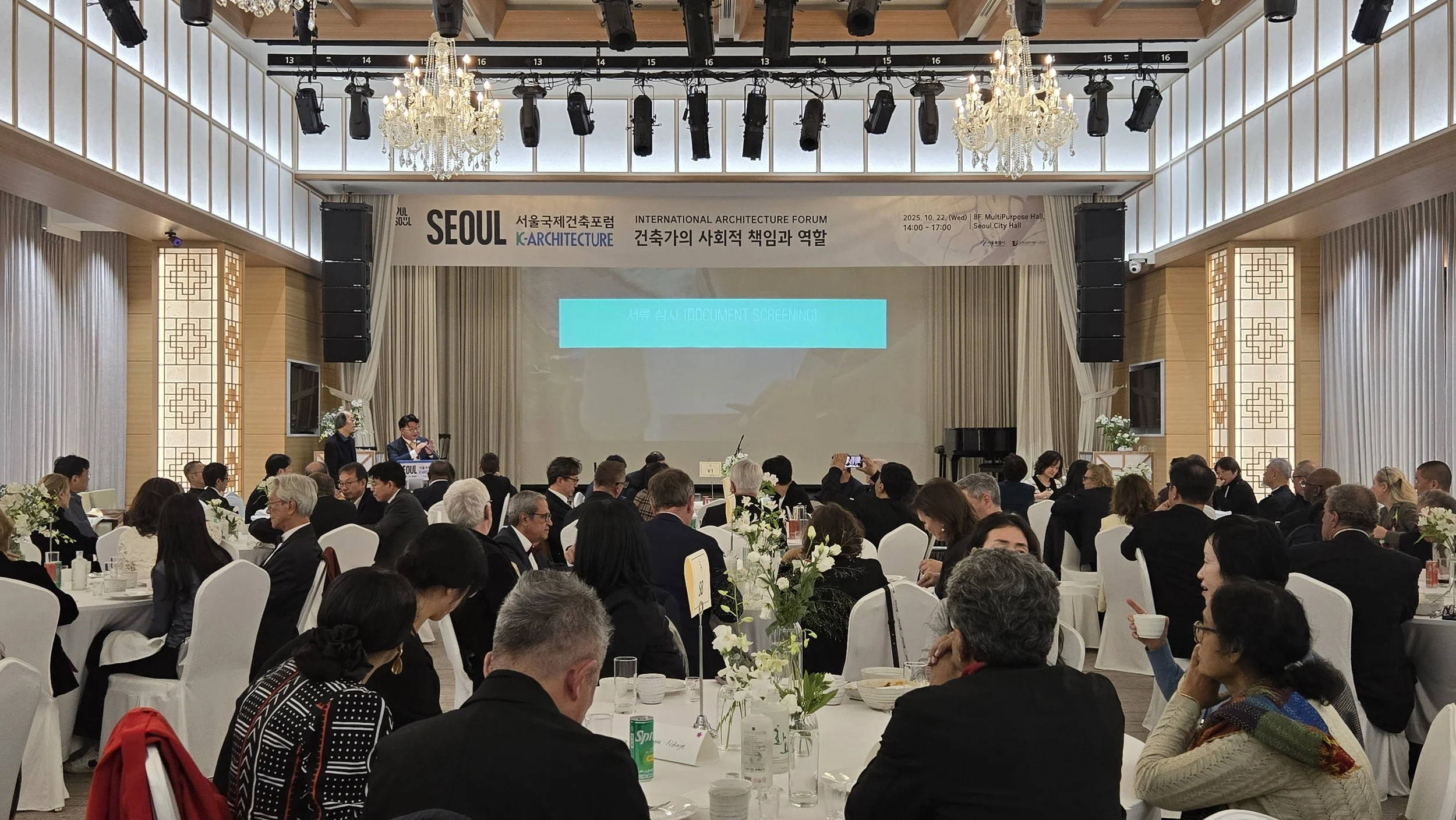
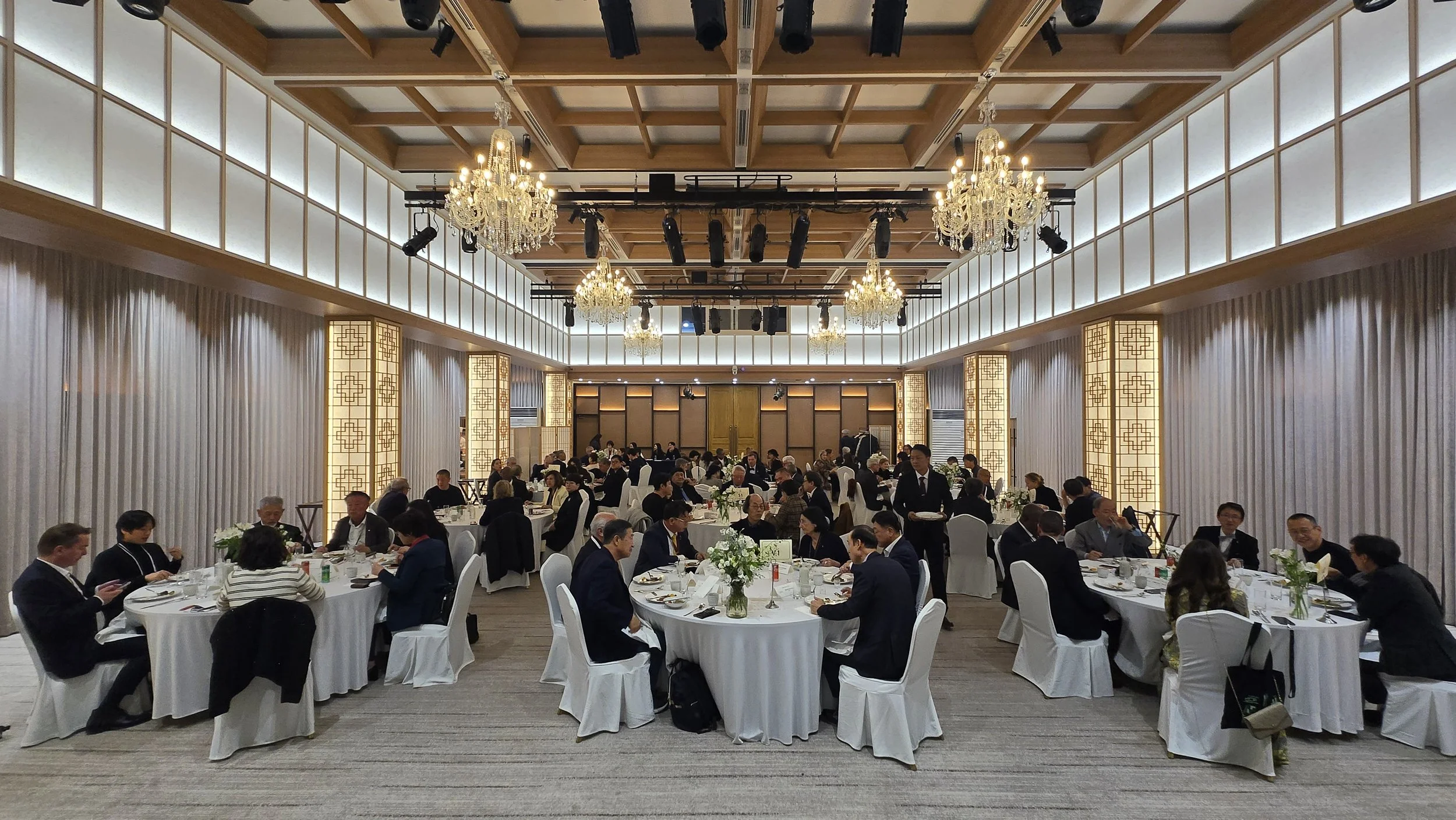
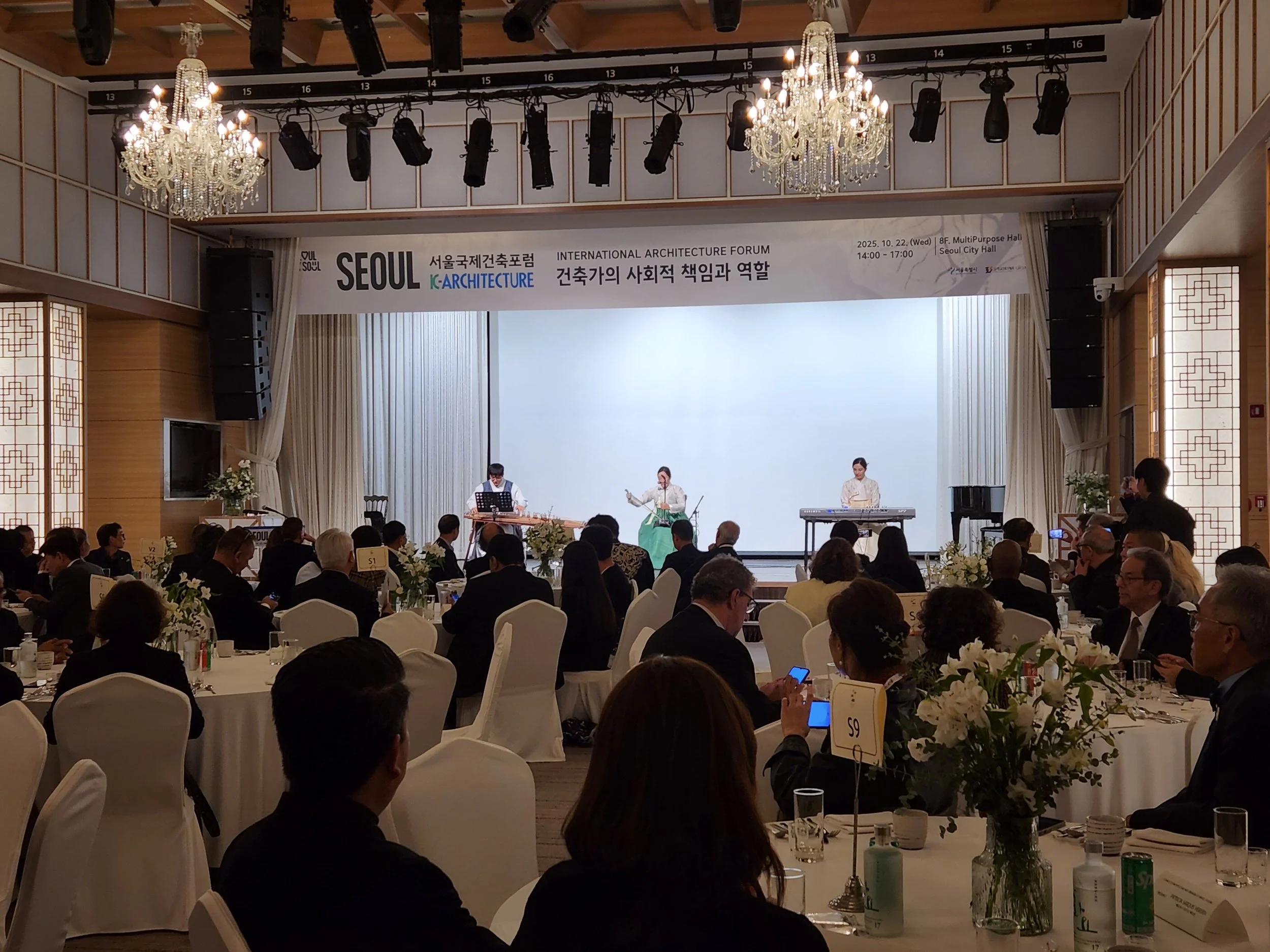
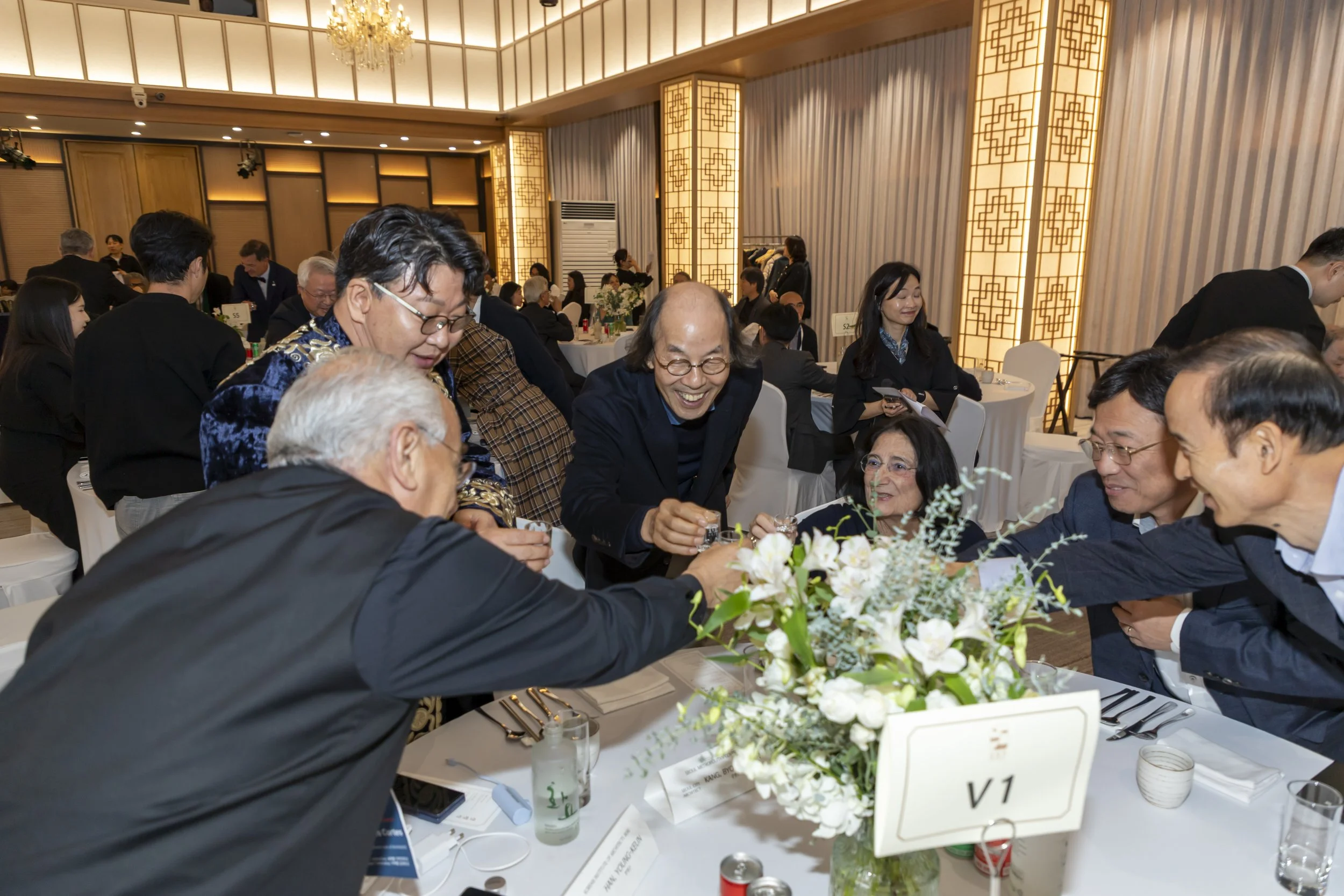
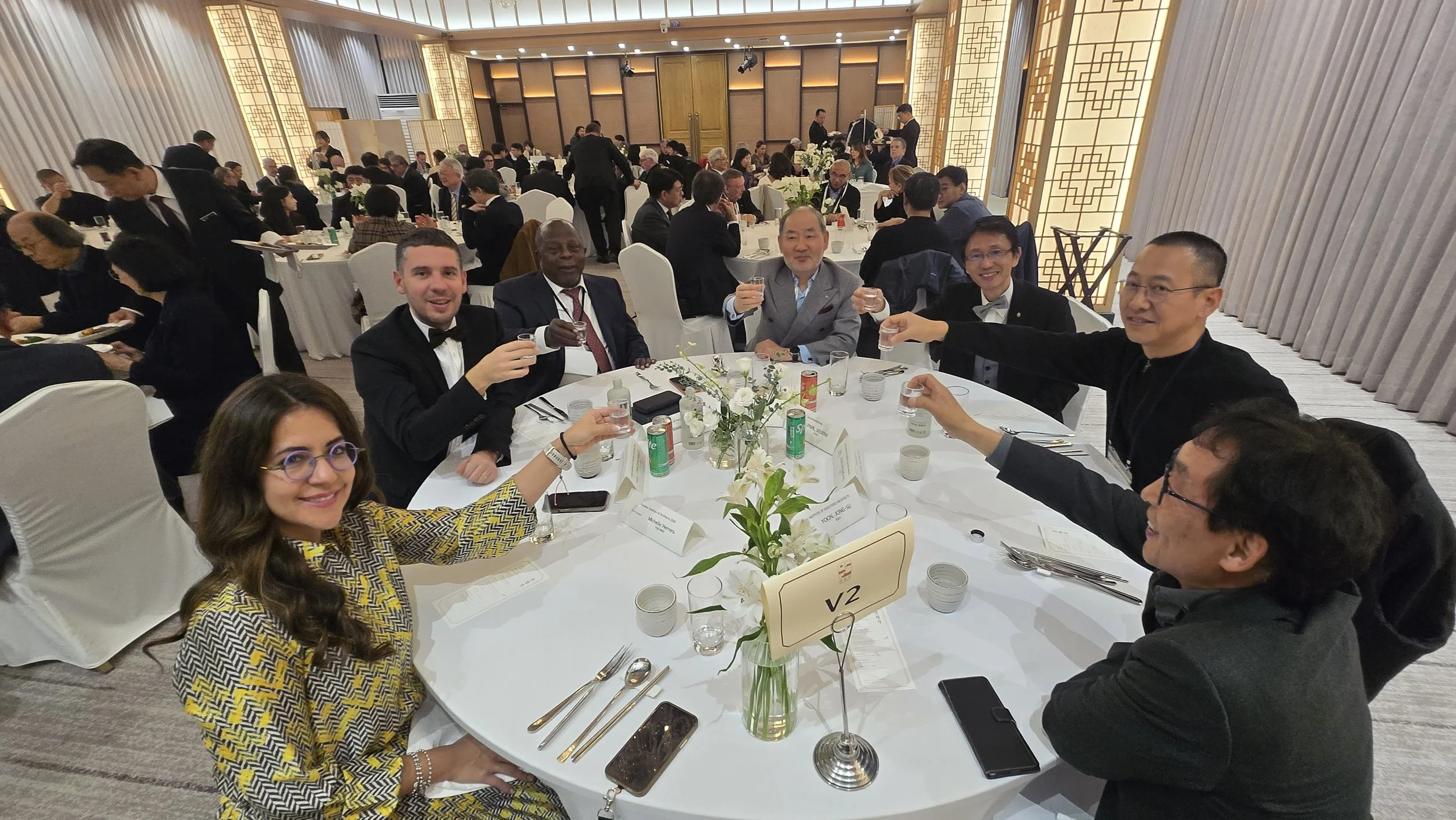
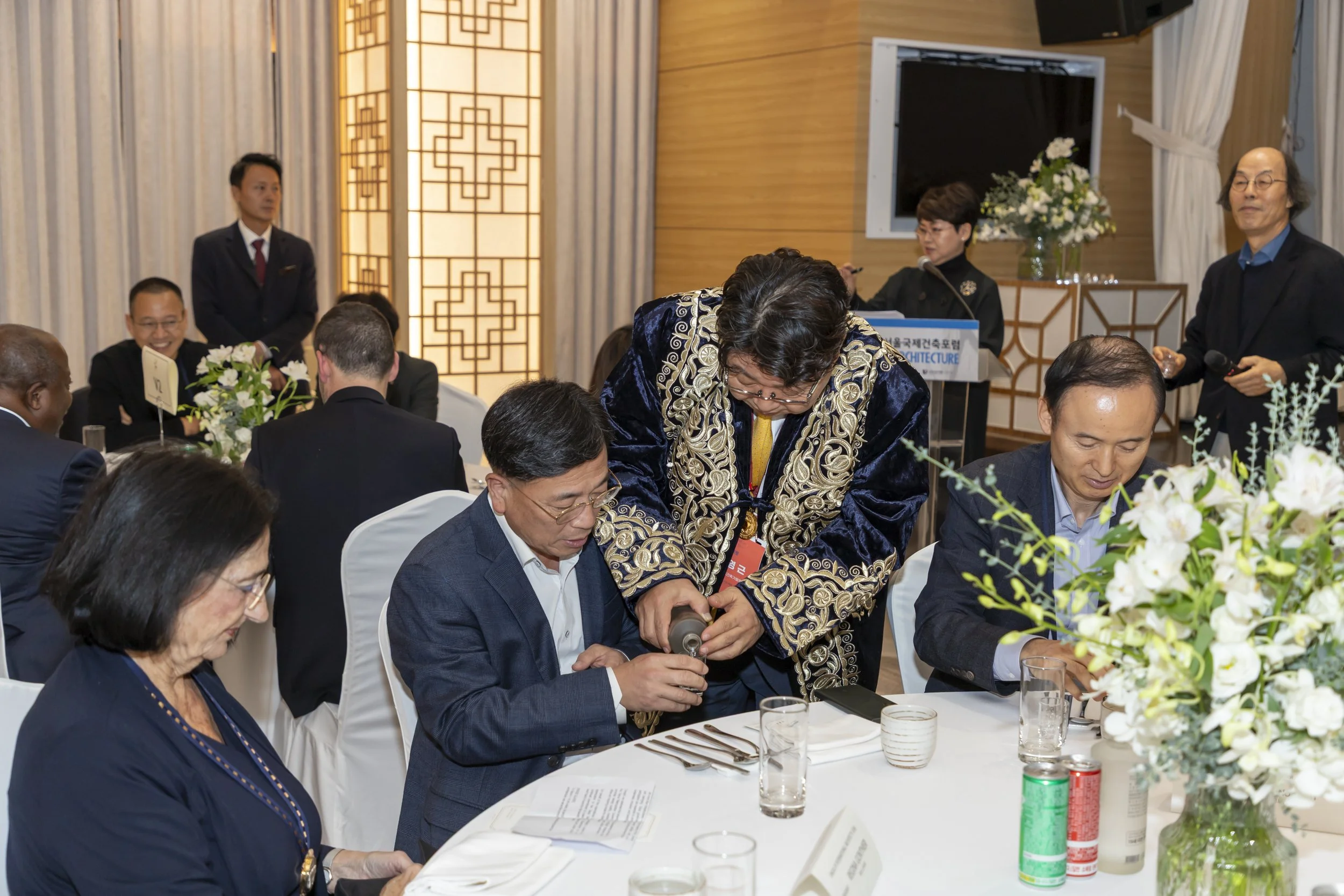
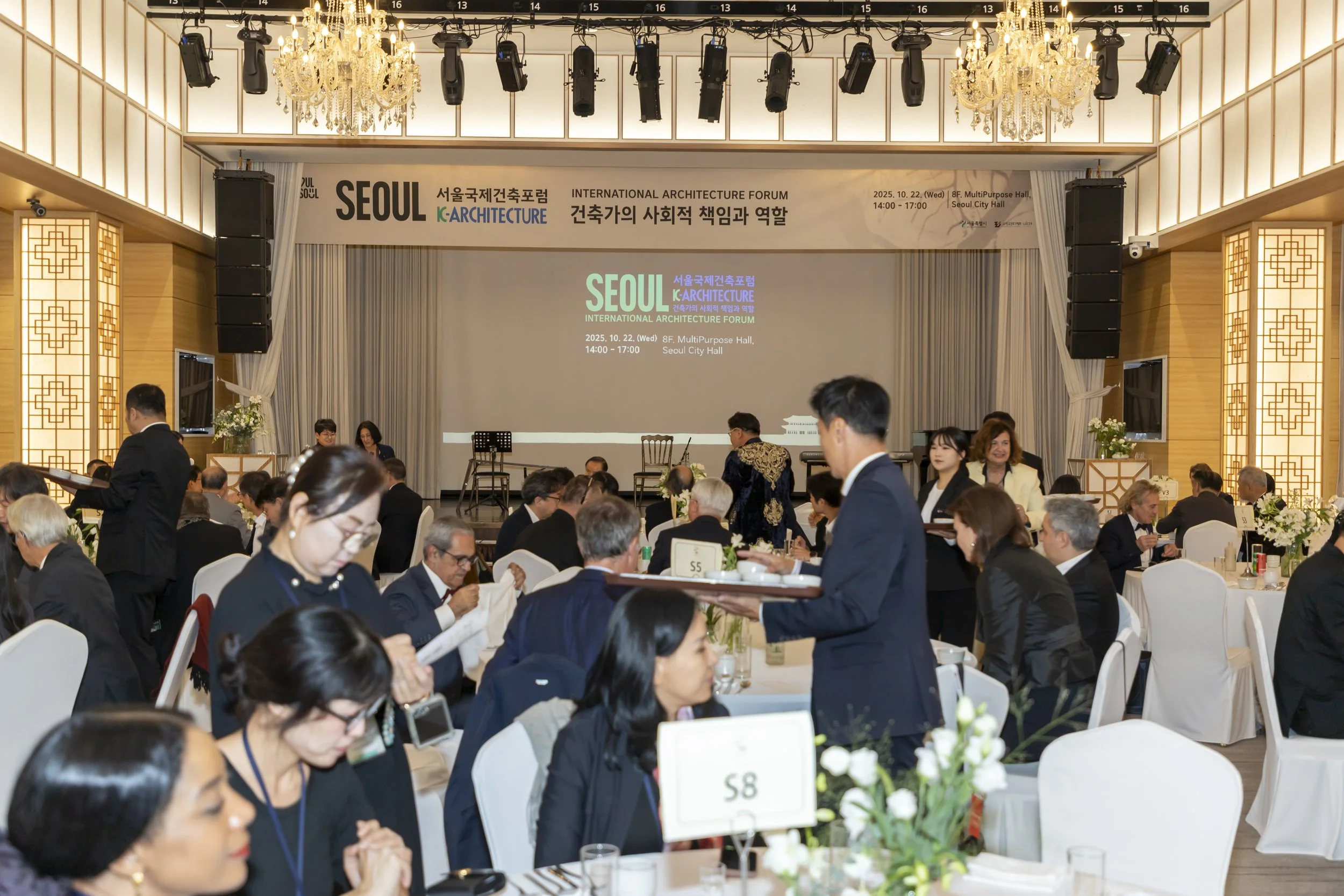
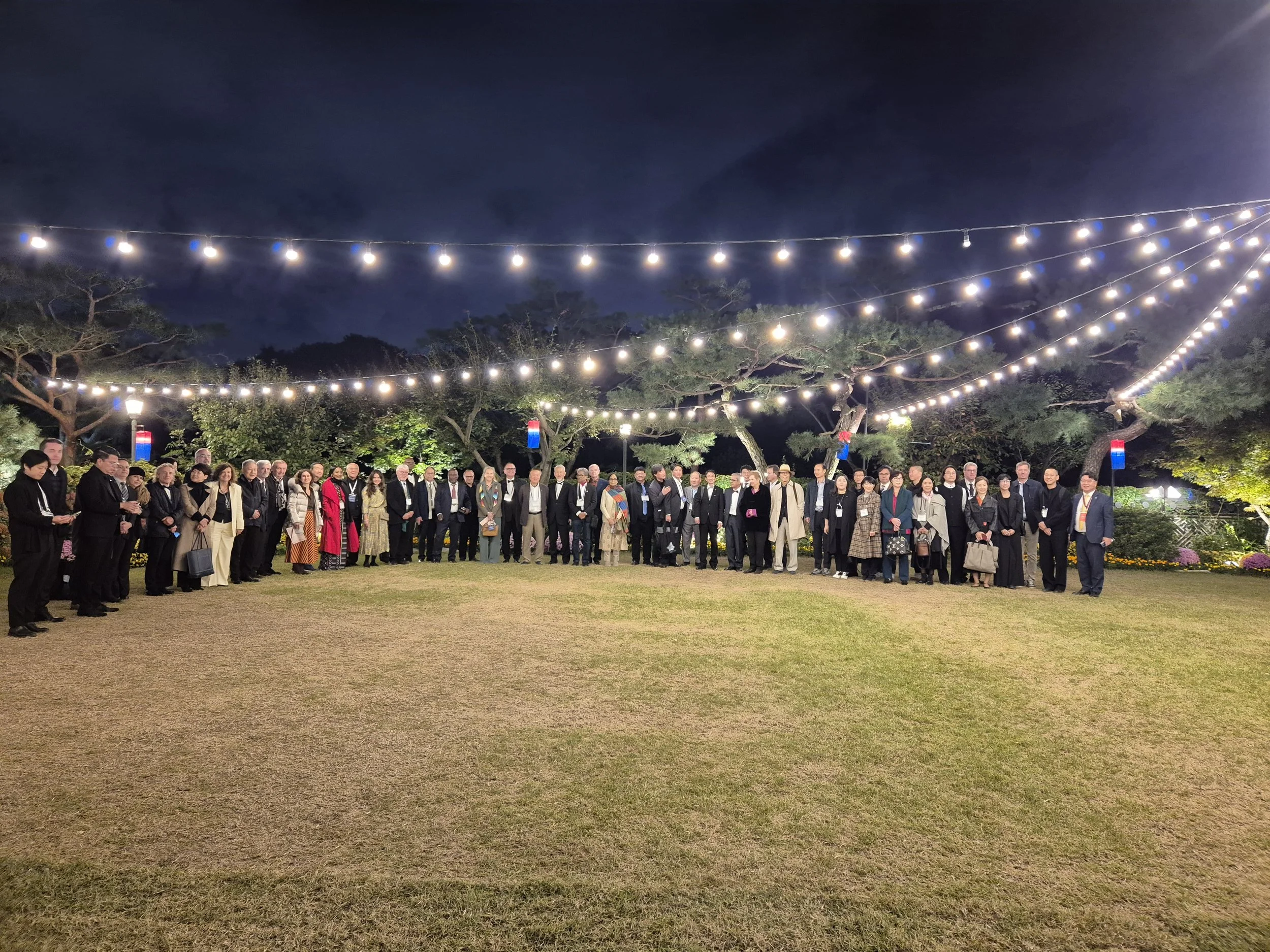
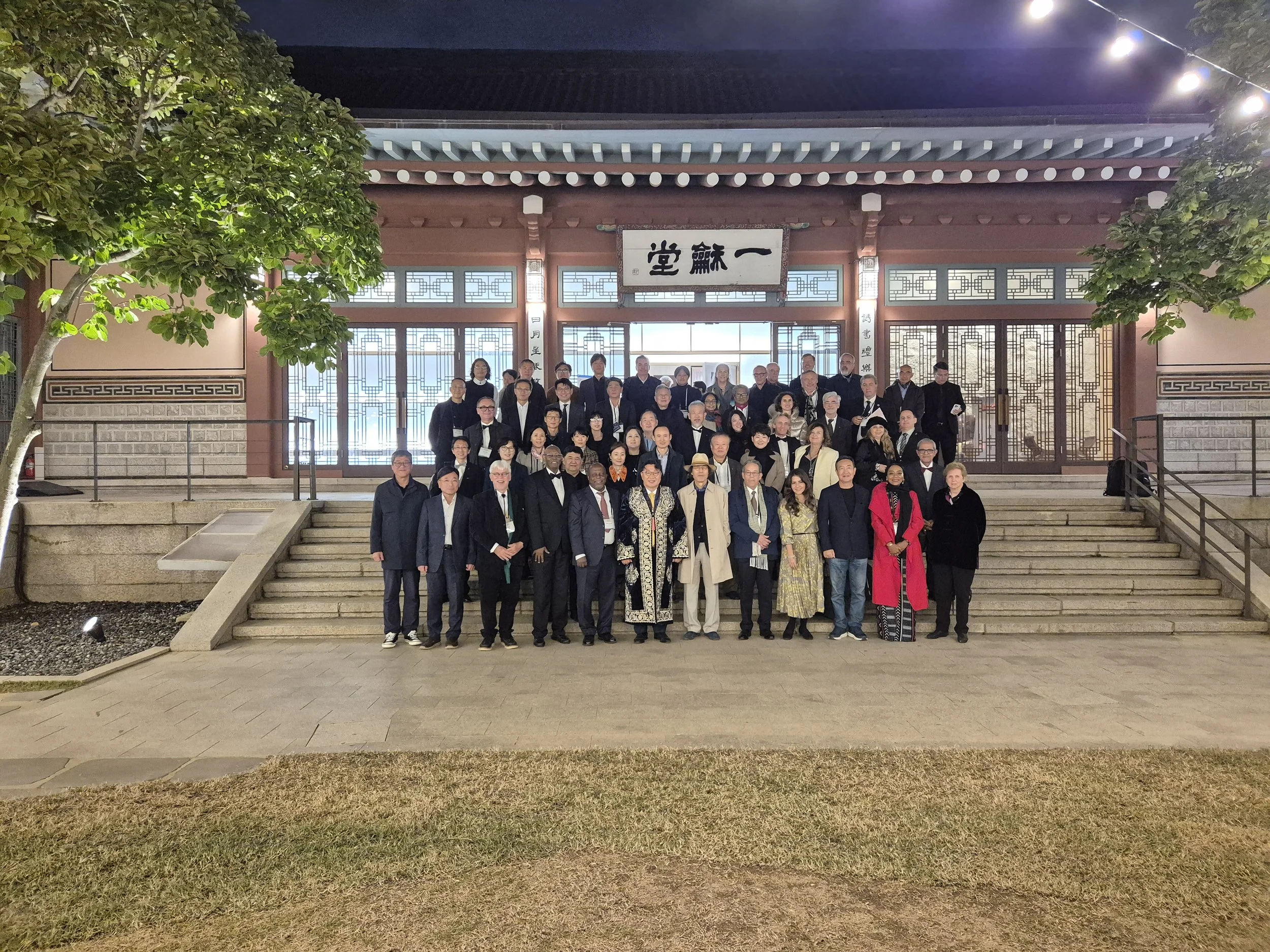
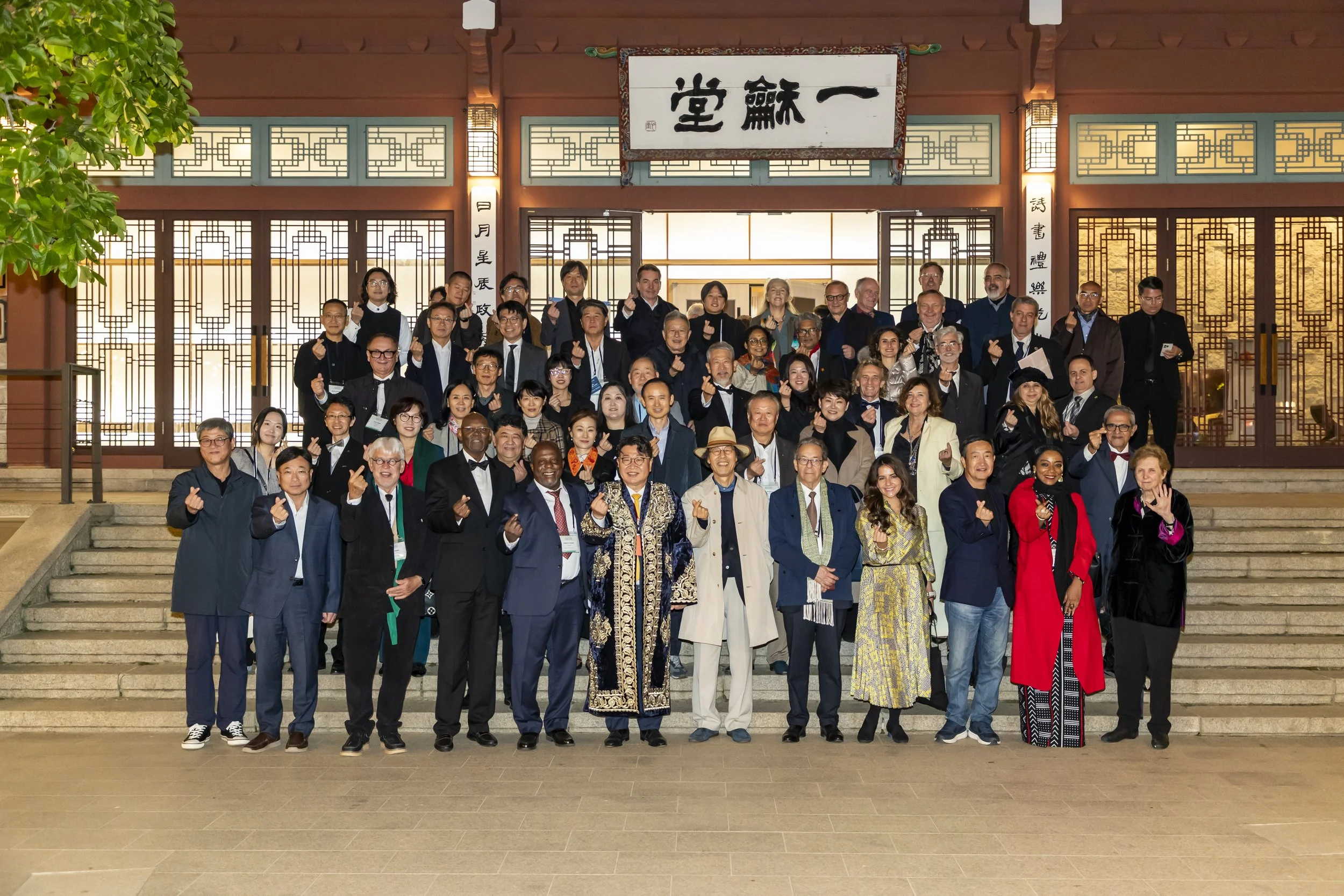
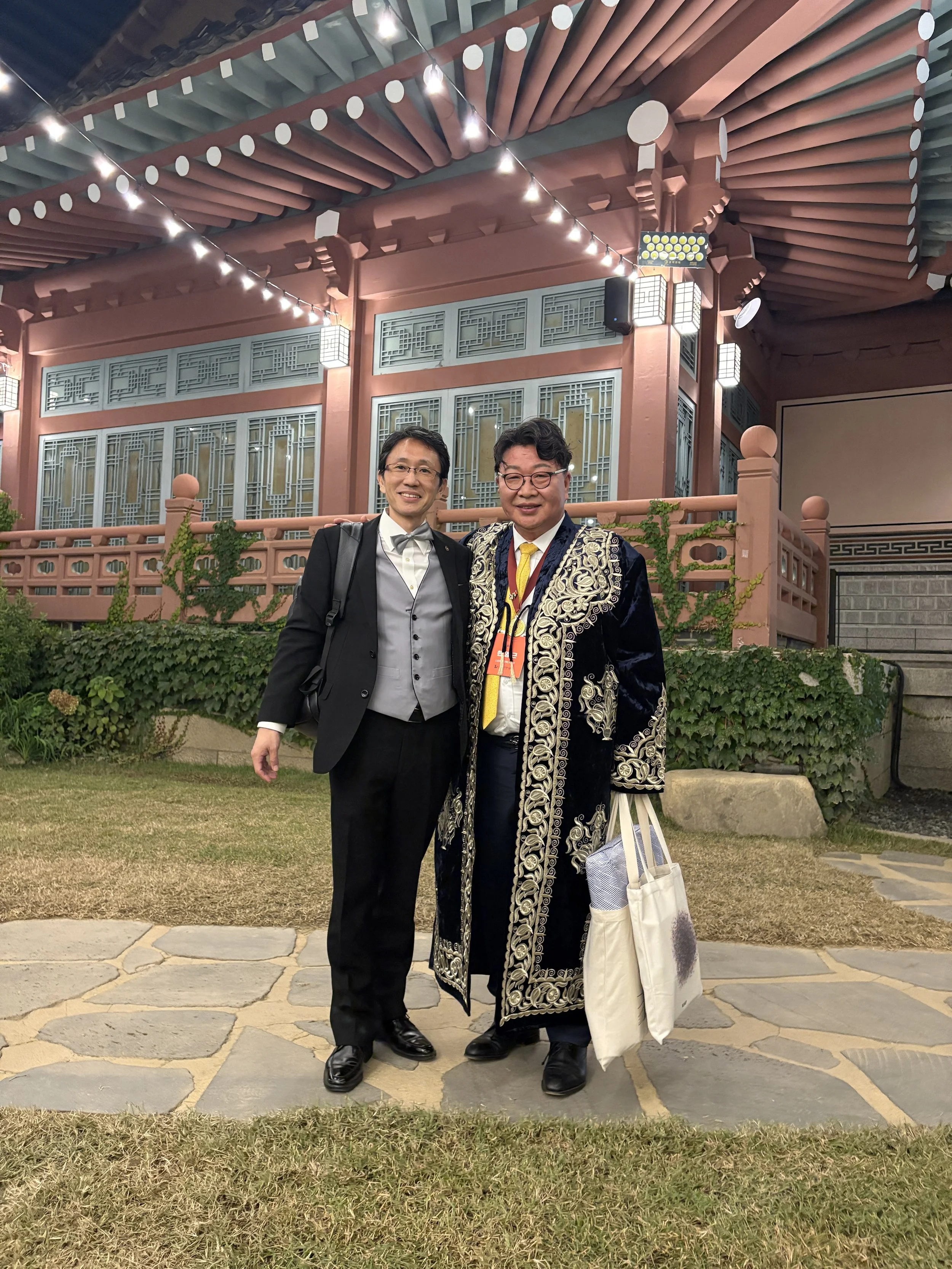
The official program concluded with a farewell dinner at Samcheonggak Korean Restaurant, hosted by the Seoul Metropolitan Government. Guests were treated to another performance of traditional music, bringing the three-day series of events full circle by highlighting Korea’s rich cultural heritage alongside its architectural innovation.
A Global-Scale Convergence
Overall, the Seoul 2025 events exemplified the convergence of architecture, culture, and international collaboration. From high-level engagement with PCAP and MOLIT to immersive experiences at the Korea Architecture Festival, Seoul Biennale, and APAC 2025, the program highlighted Korea’s leadership in design excellence and urban innovation. The presence of international architects, UIA Council members, and cultural leaders reinforced Seoul’s role as a hub for cross-cultural dialogue, knowledge exchange, and professional collaboration.
Representing AIA International, Segene Park had the privilege of contributing to discussions on architecture’s social responsibility, sharing insights on how the built environment can foster community, cultural identity, and sustainability. The coordination, vision, and dedication of KIA, government agencies, and volunteers ensured that these events were not only successful but also a vivid demonstration of architecture’s power to connect people, ideas, and cultures across borders.
Seoul 2025 was more than a series of local events—it was a global-scale celebration of architecture and culture, highlighting the city’s commitment to design, innovation, and international collaboration. The experiences, exchanges, and discussions from these three days will resonate across the architectural community, inspiring new ideas and reinforcing the social and cultural significance of architecture worldwide.