
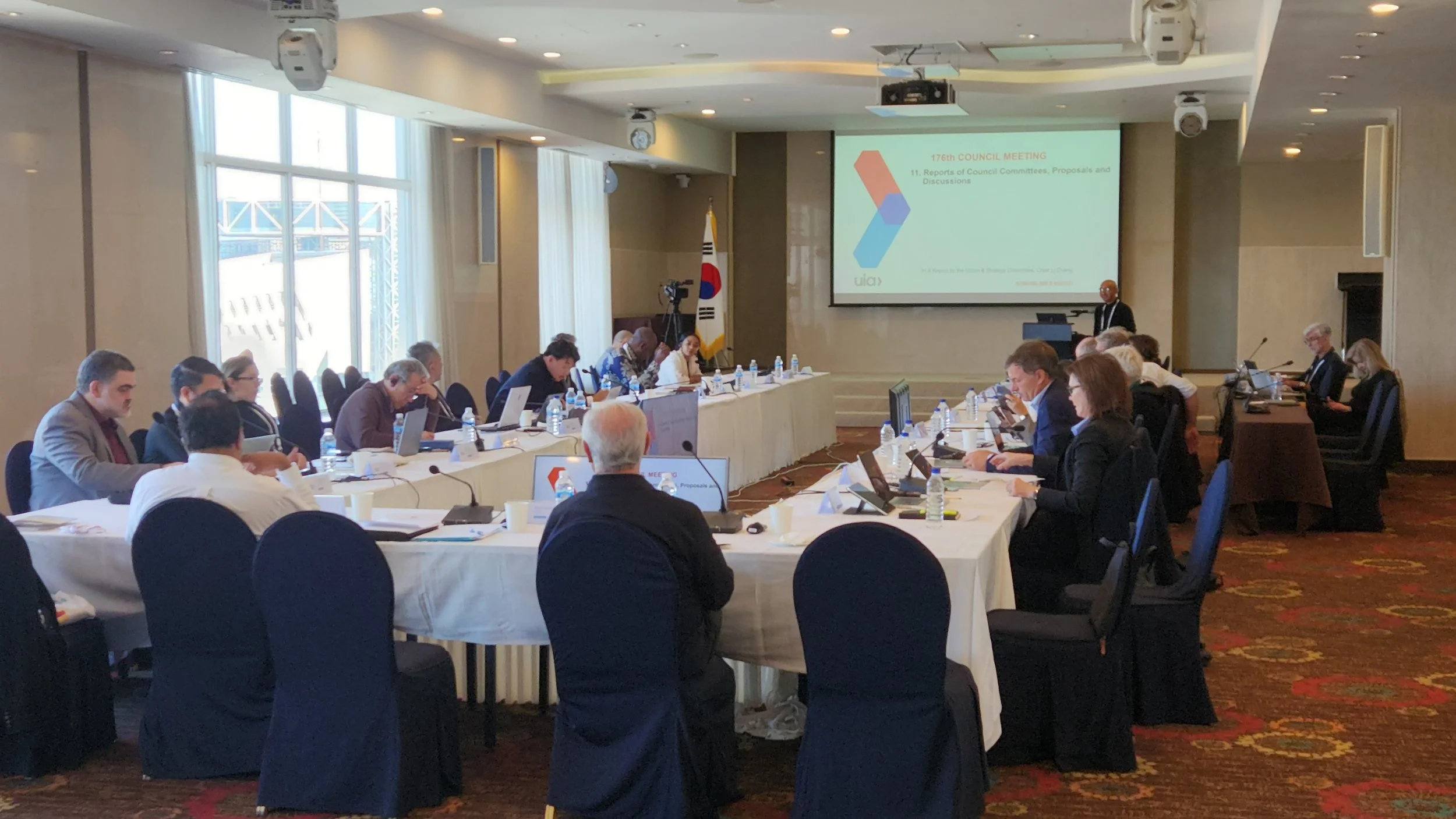
The architectural profession is increasingly shaped by international collaboration, requiring institutions to operate across national and cultural boundaries.
Three key platforms in this landscape are the American Institute of Architects (AIA), AIA International, and the International Union of Architects (UIA), each playing distinct but complementary roles.
AIA National is a national professional organization based in the United States, focused on advancing the profession through standards, advocacy, and member services. Within its broader structure, AIA International serves as its global extension, connecting members outside the United States and facilitating cross-border exchange among practitioners working in diverse contexts.
In contrast, the UIA operates at an inter-organizational level. Rather than representing individual architects directly, it is a federation of national architectural associations. Its role is to coordinate across countries, establish frameworks for international cooperation, and engage with global institutions such as the United Nations on issues including sustainability, urban development, cultural heritage, and the built environment.
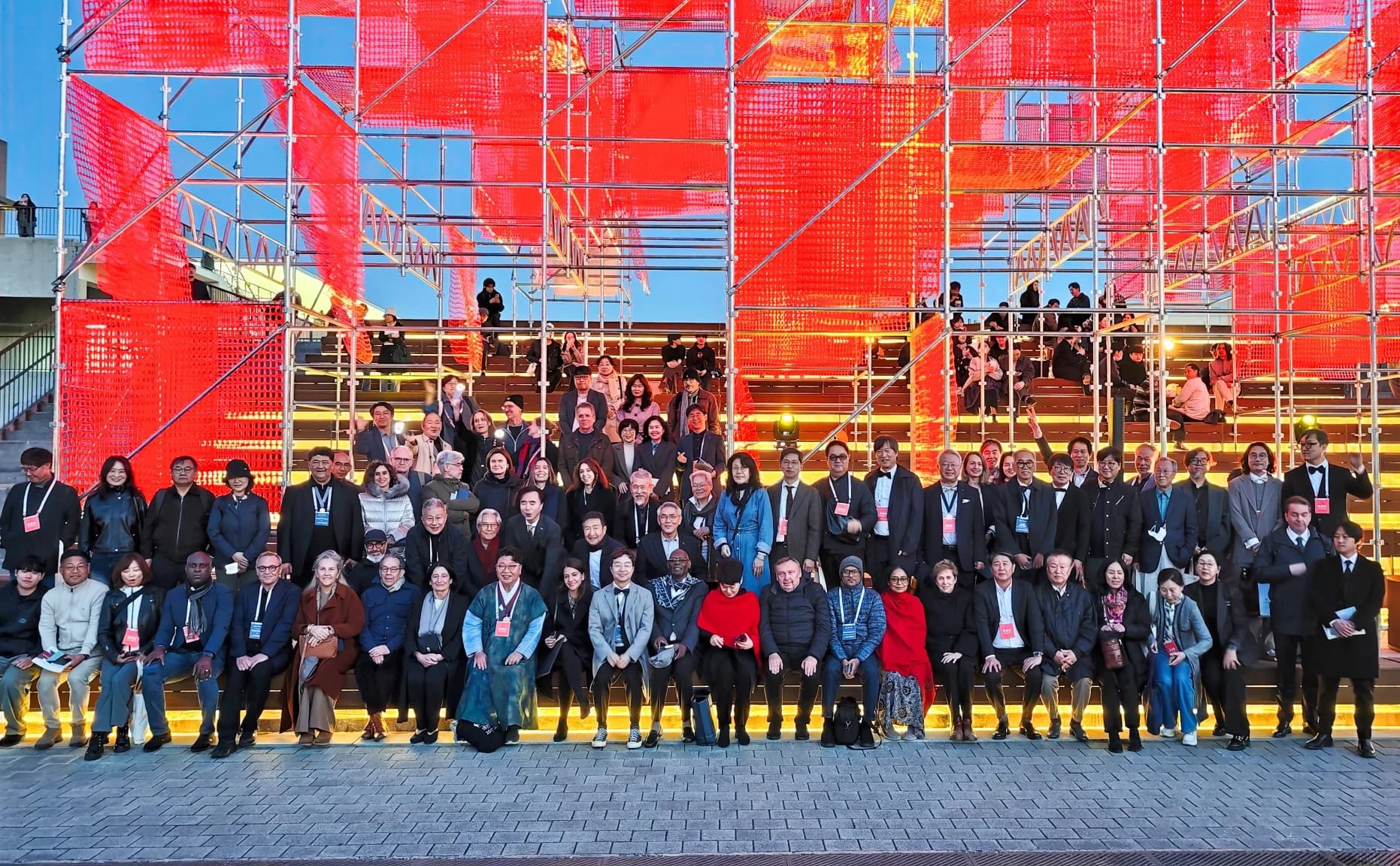
Founded in 1948, the UIA today represents architectural organizations from more than 100 countries, collectively encompassing hundreds of thousands of architects worldwide. As the only global architectural body recognized by the United Nations, it serves as a key interface between the profession and international policy frameworks, including those related to climate action, sustainable development goals (SDGs), and urban resilience.
This distinction reflects two different but interconnected layers of global practice:
AIA International focuses on professional networks and member engagement across borders
UIA focuses on institutional coordination and global representation of the profession
The governance structure of the UIA reflects this broader mandate. The organization is divided into five regions, Western Europe; Eastern Europe and the Middle East; the Americas; Asia and Oceania; and Africa, each contributing to decision-making processes through the General Assembly and Council.
The UIA operates through a range of commissions and working bodies addressing key areas such as architectural education, professional practice, heritage conservation, and sustainable development. These entities support knowledge exchange, policy development, and international collaboration across diverse regional contexts.
One of the most significant aspects of this structure is the presidential election process. The UIA President is elected during the General Assembly through a weighted voting system based on the number of architects represented by each member section. A total of 357 votes are distributed globally, 80 for Western Europe, 73 for Eastern Europe and the Middle East, 63 for the Americas, 81 for Asia and Oceania, and 60 for Africa. A candidate must secure at least 179 votes to achieve a majority. If no candidate reaches this threshold, a runoff is conducted between the top two candidates.
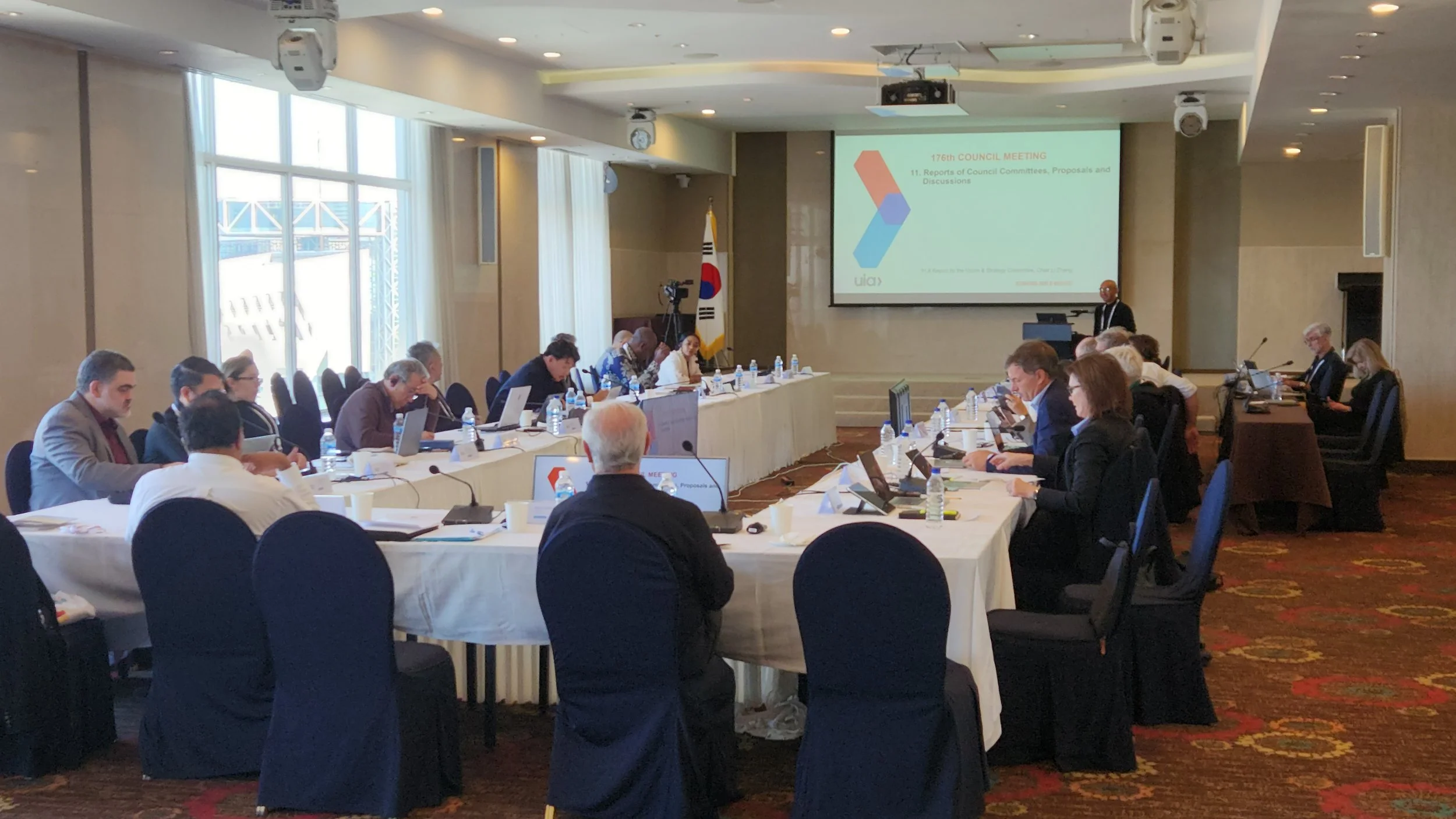
Beyond governance, the UIA organizes the World Congress of Architects every three years, a major global event that brings together professionals, academics, and policymakers. It also supports international design competitions, awards programs, and collaborative initiatives that promote excellence and innovation in architecture.
Through these activities, the UIA plays a critical role in shaping discourse on the future of architecture, particularly in response to global challenges such as climate change, rapid urbanization, technological transformation, and social equity.
As architecture increasingly intersects with these global issues, the relationship between professional networks and institutional governance becomes more significant. Organizations such as AIA International and the UIA illustrate how different structures contribute to a shared objective: advancing architecture within an interconnected and rapidly changing world.
Further perspectives on leadership through service and volunteer engagement are discussed in the accompanying interview.
Watch the interview: Interview on Volunteer Leadership
Interview conducted by AIA International in collaboration with Archipapa.
Han Young Keun
President of the Federation of Institutes of Korean Architects (FIKA)