
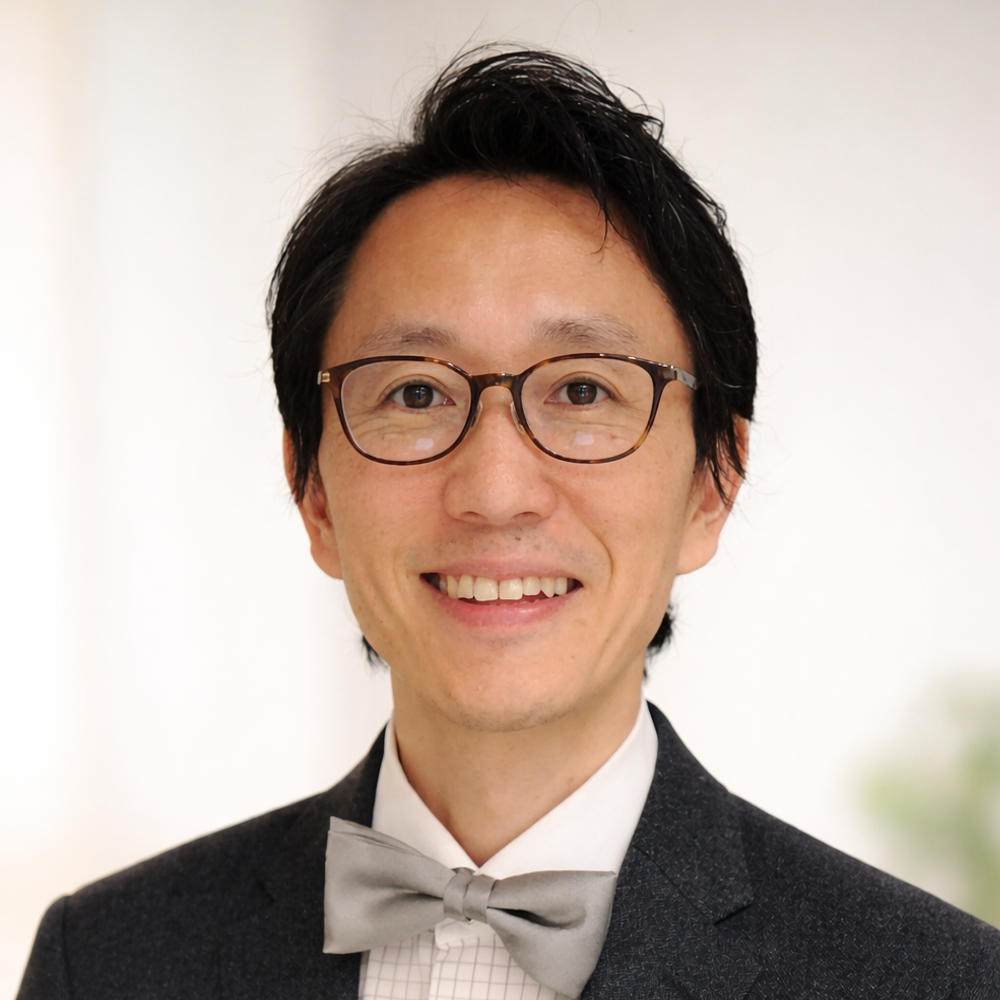
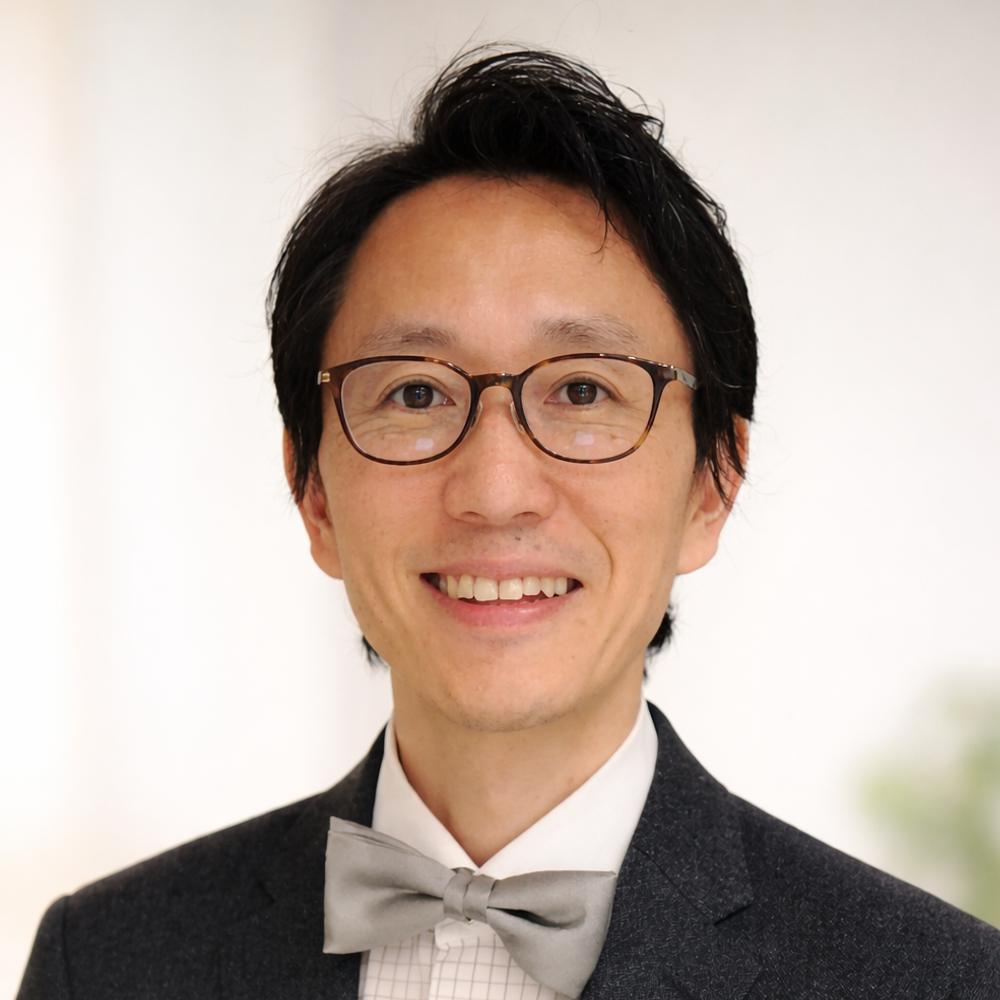
President’s Letter
October 2026
Strengthening Global Connections and Advancing AIA International’s Strategic Priorities
The past several months have provided valuable opportunities to advance AIA International’s strategic priorities, strengthen relationships across the AIA network, and expand our engagement with architectural organizations around the world. From Barcelona and Singapore to San Francisco, Chicago, Auckland, and Jaipur, these engagements reflect a common objective: strengthening AIA International’s role as a platform for professional leadership, global collaboration, and meaningful engagement across borders.
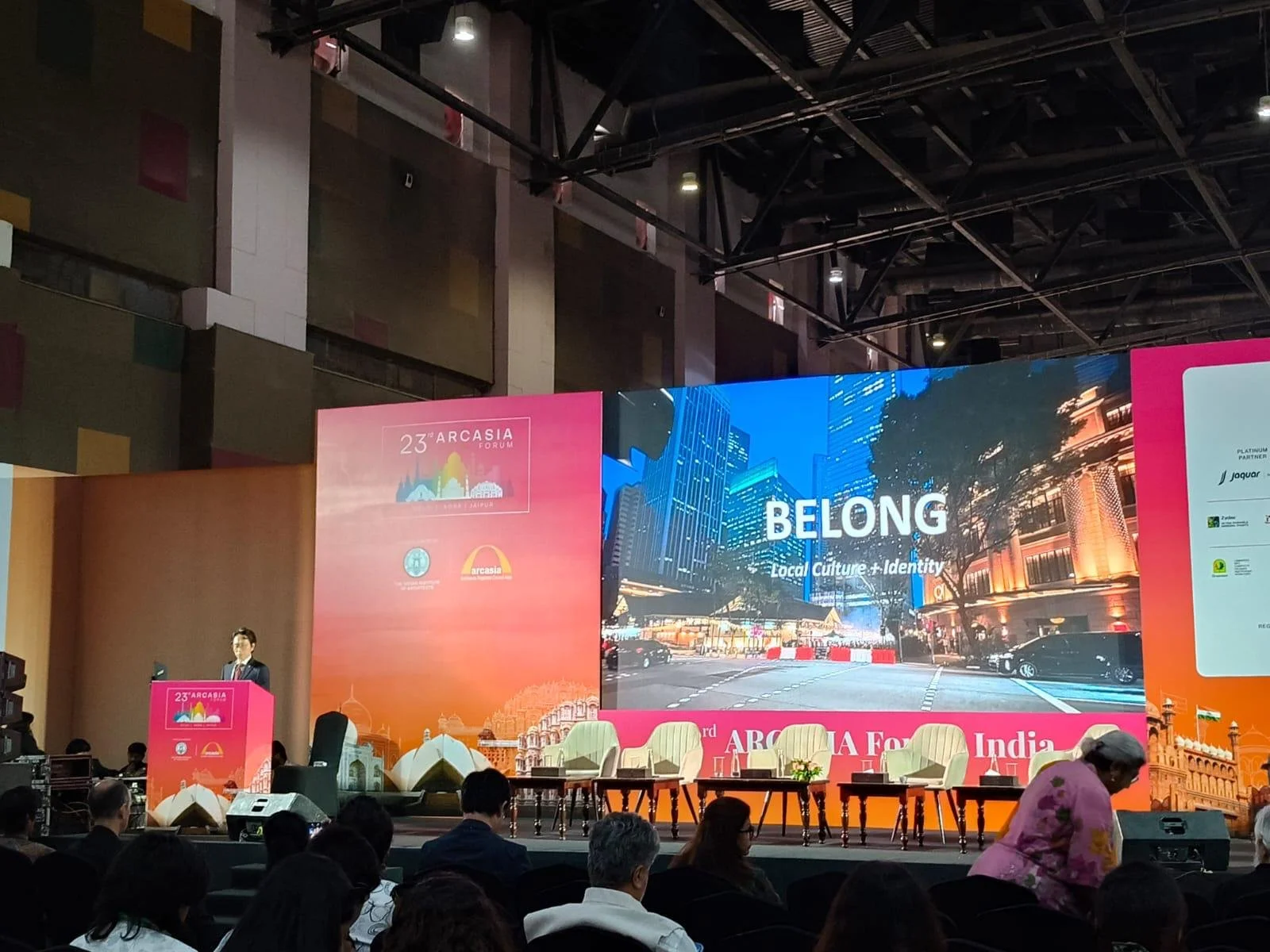
Representing AIA International at ARCASIA Forum 23 in Jaipur, India, while advancing strategic priorities and strengthening connections across the global architectural community.
The future of our profession is increasingly international. Architects today collaborate across countries, cultures, and regulatory environments more than ever before. As AIA International continues to grow, our responsibility is not only to connect members globally, but also to create opportunities that support professional development, leadership, business growth, knowledge exchange, and recognition of our profession.
These engagements also reinforce the importance of working together as one profession. By connecting AIA International’s chapters, sections, Country Representatives, members, and partners with the broader AIA network and allied professional organizations, we can share resources, strengthen relationships, reduce duplication, and create greater opportunities for our members.
This work reflects my presidential vision:
Architecture Beyond Borders: Responsibility, Culture, and the Future of Our Profession.
The following report highlights several of the key engagements and developments from this quarter and the opportunities they create for AIA International and our members.
Barcelona: Representing AIA International on the Global Stage
June 26- July 7, 2026 | Barcelona, Spain
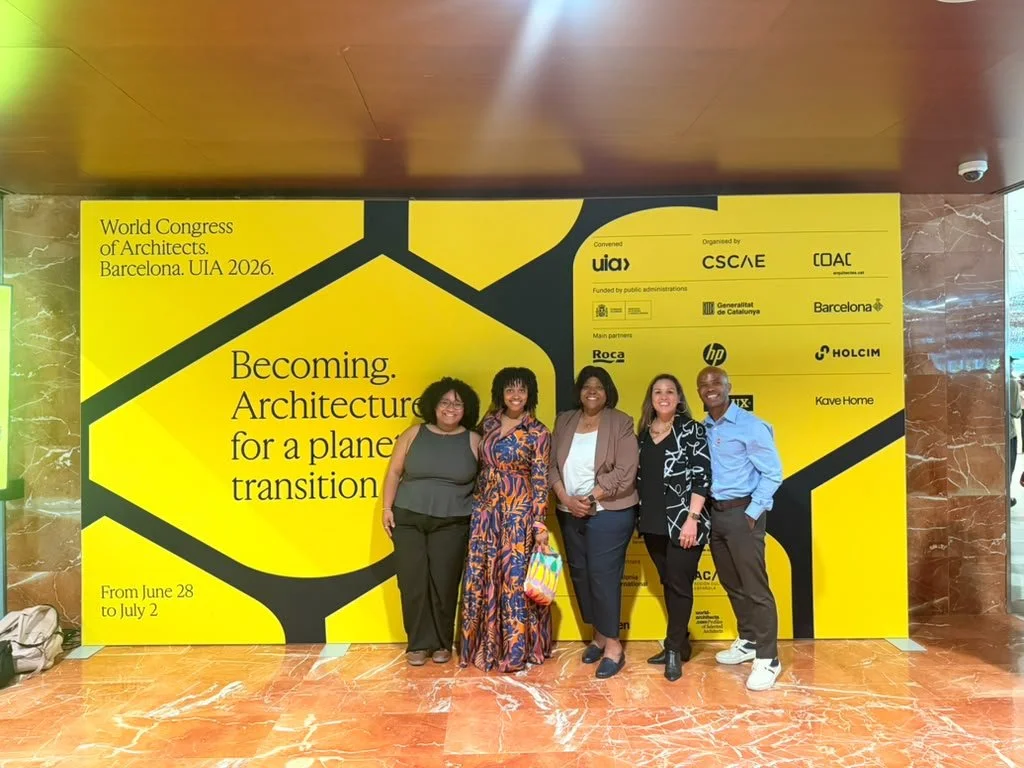
The UIA World Congress of Architects and General Assembly in Barcelona provided an important opportunity for AIA International to engage directly with the global architectural profession.
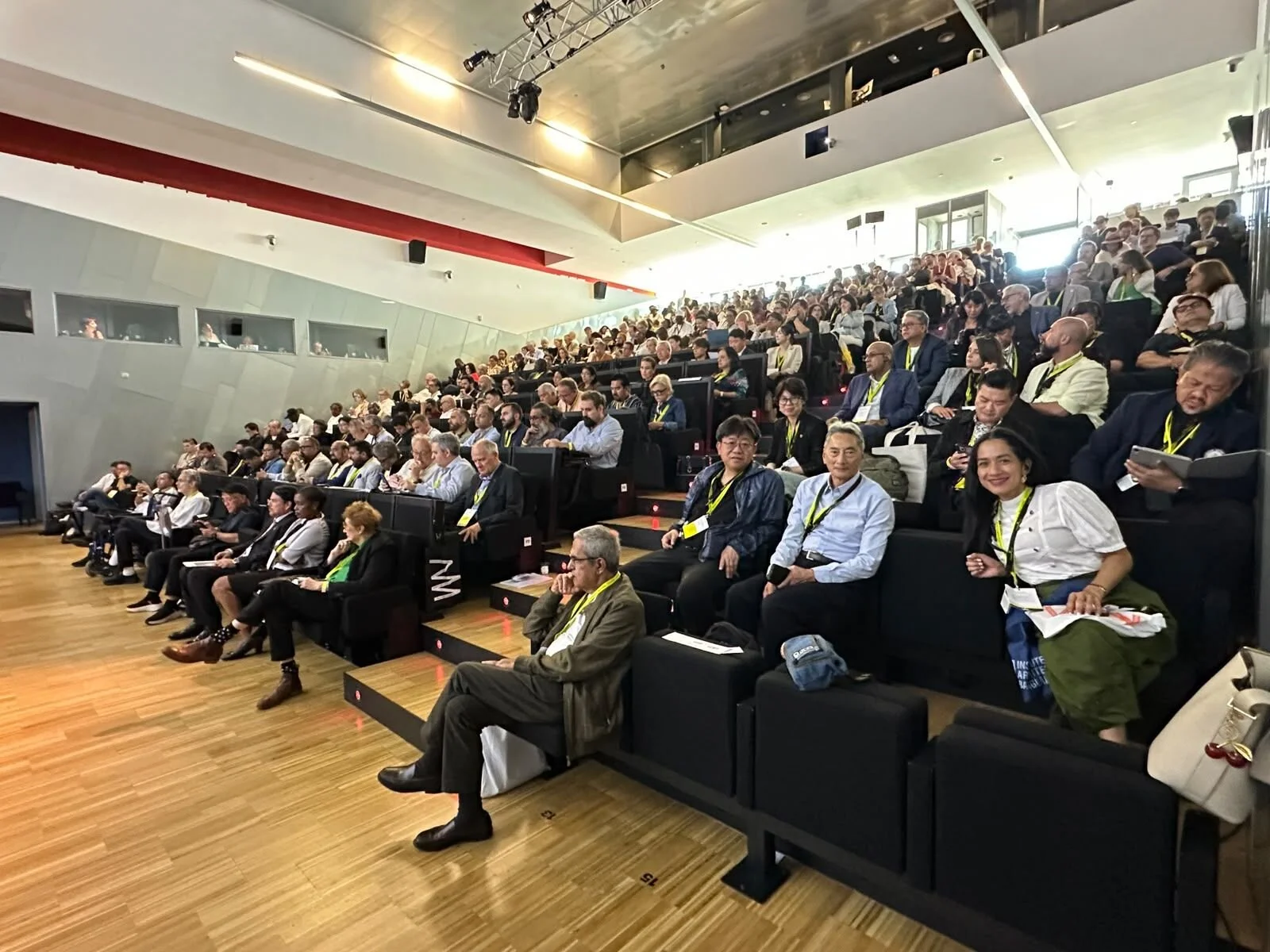
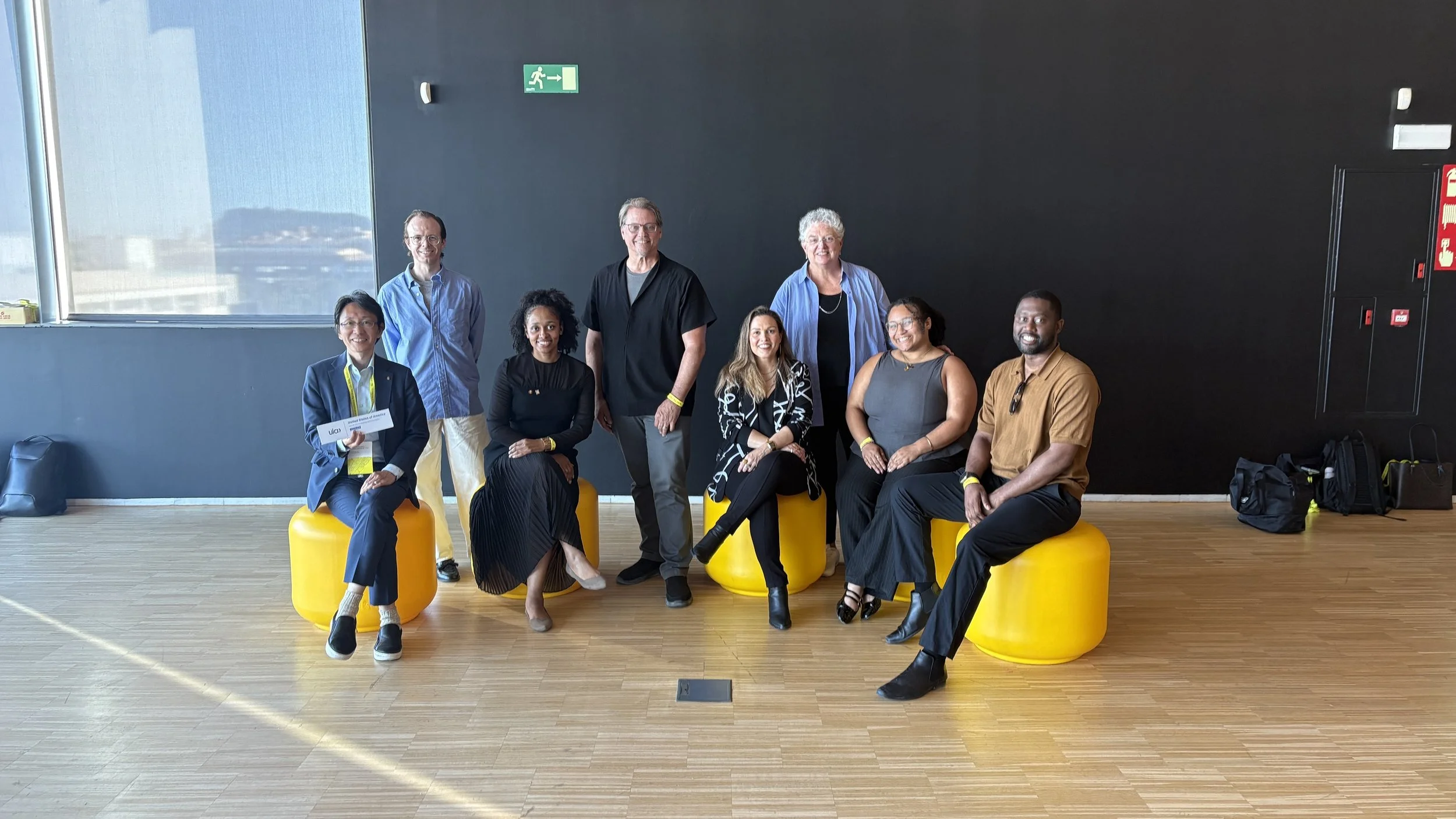
Delegates and architectural leaders gather at the UIA General Assembly in Barcelona to discuss the future of the profession and strengthen international collaboration.
Hosted by the Consejo Superior de Colegios de Arquitectos de España (CSCAE), the Congress brought together architects, educators, institutions, and professional leaders from around the world. AIA International participated as part of the official AIA delegation led by Illya Azaroff, FAIA, alongside leaders representing AIA, AIA International, NOMA, and AIAS.
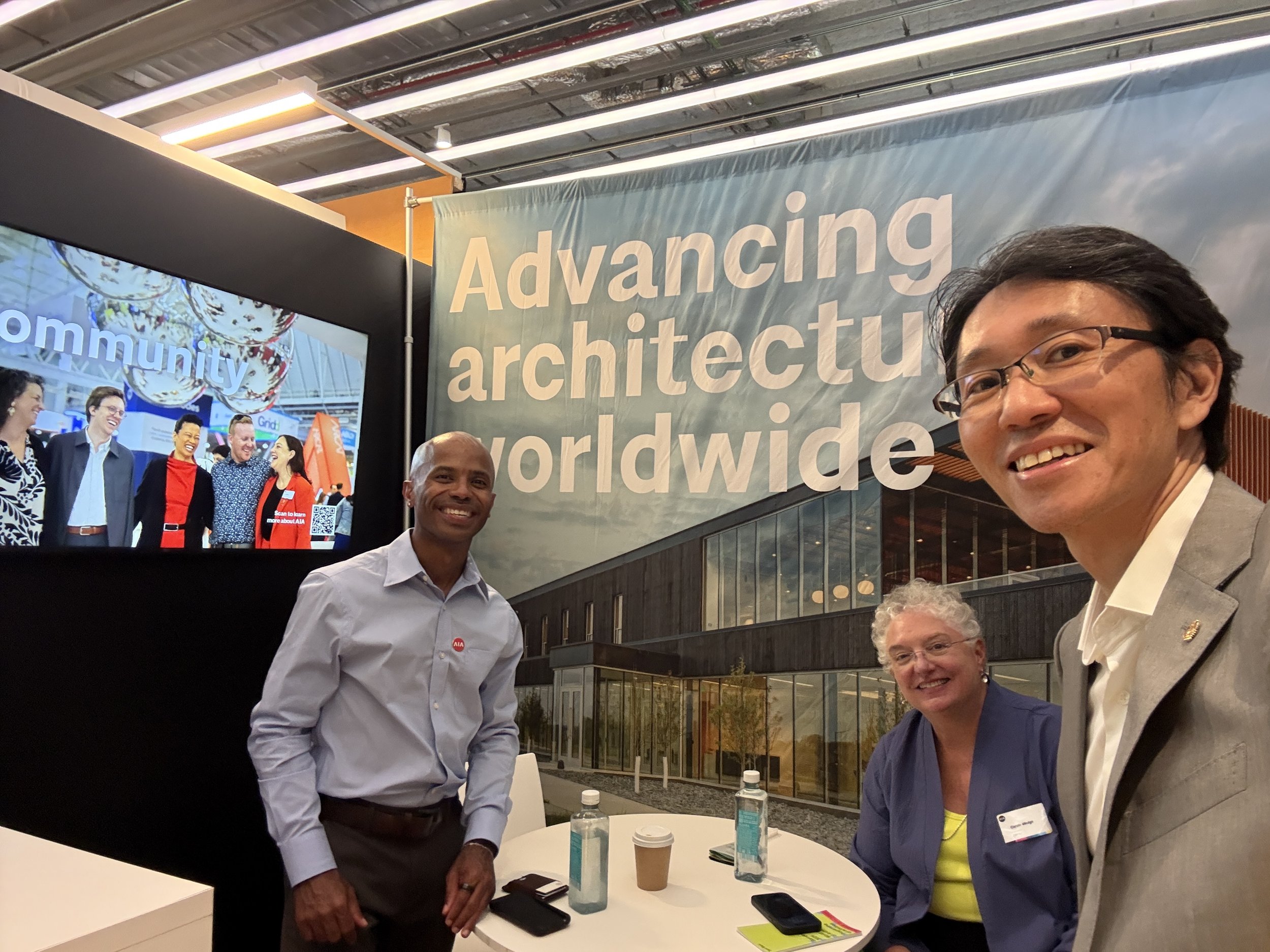

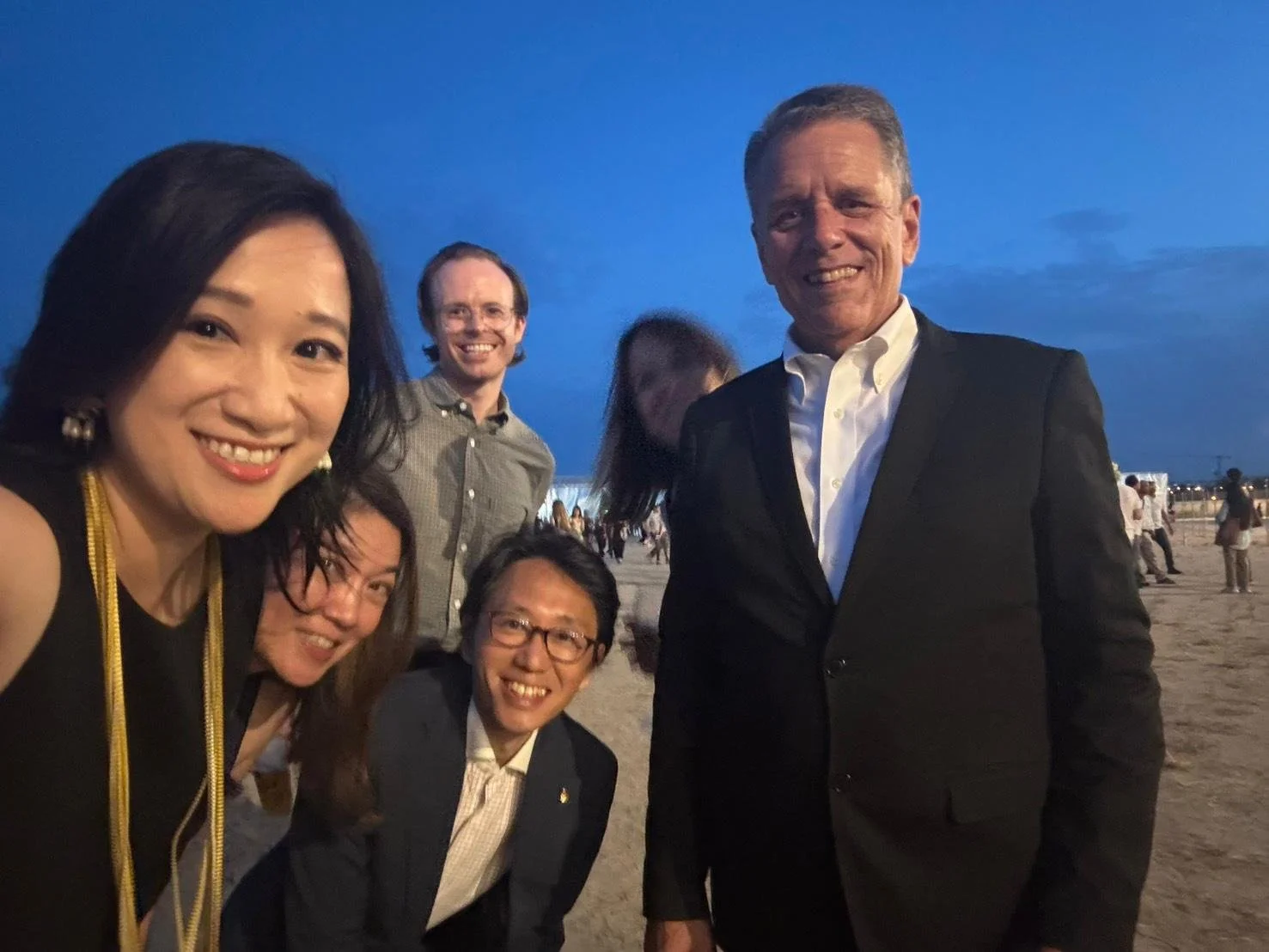
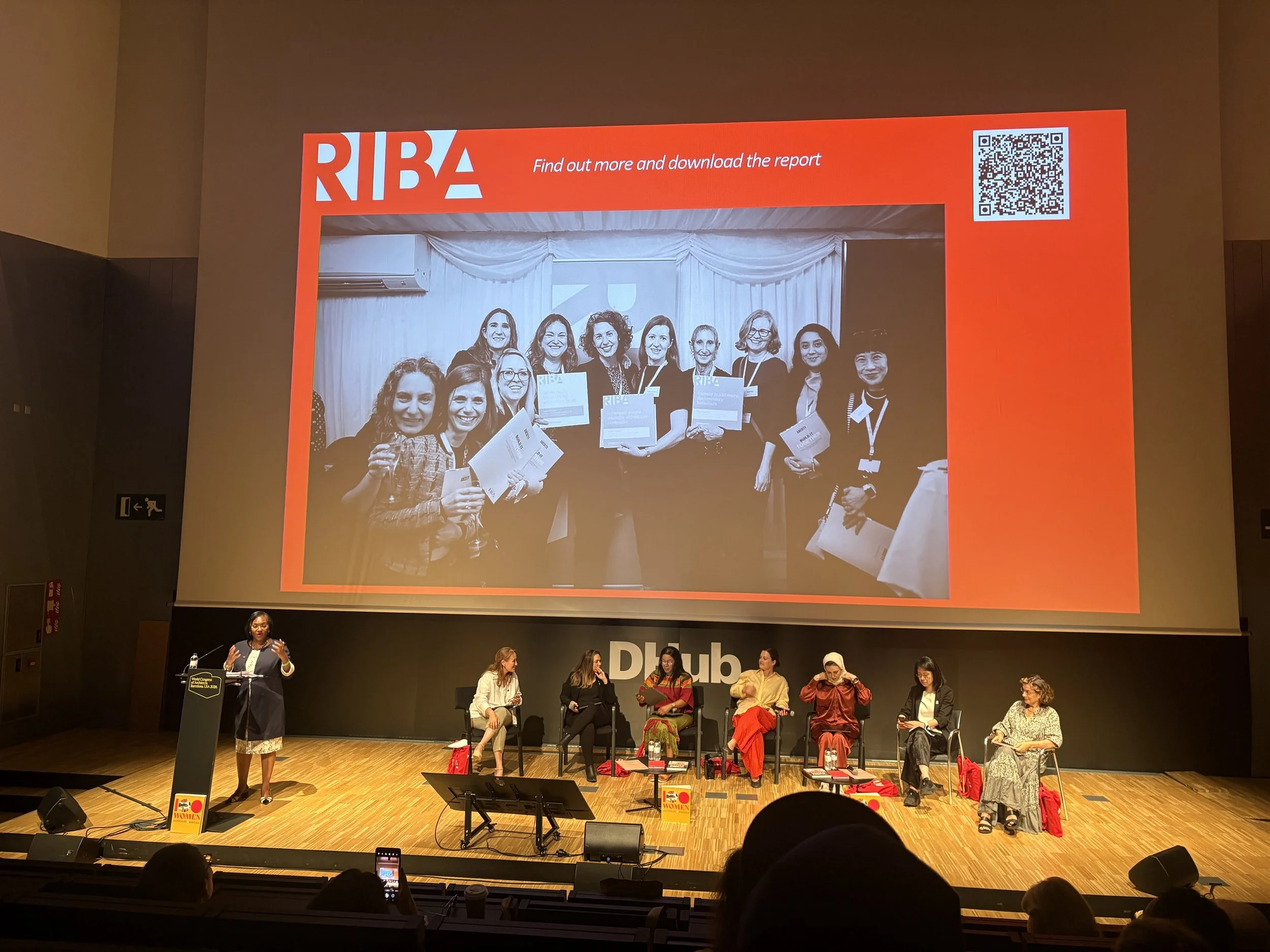
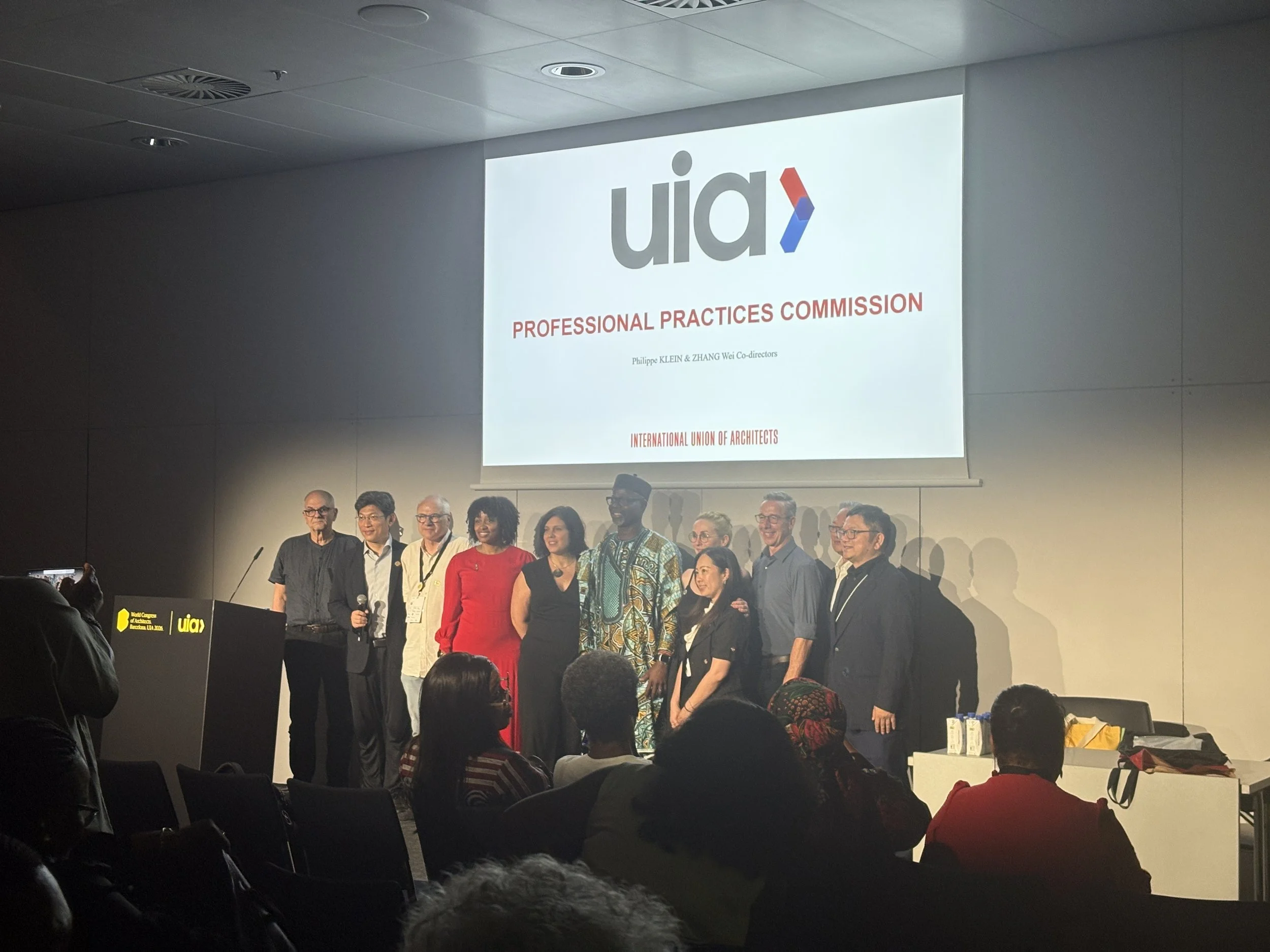
For AIA International, participation in Barcelona was about much more than attending a major international congress. It was an opportunity to represent our international members, strengthen relationships with professional organizations, reconnect with existing partners, and explore new opportunities for collaboration.
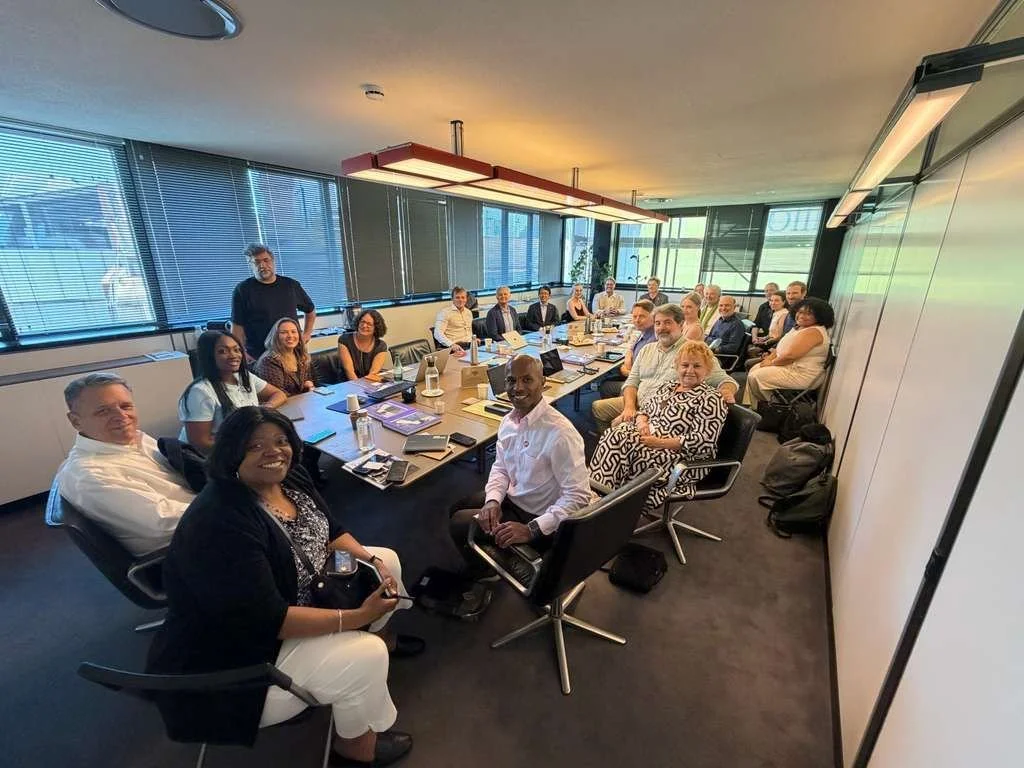
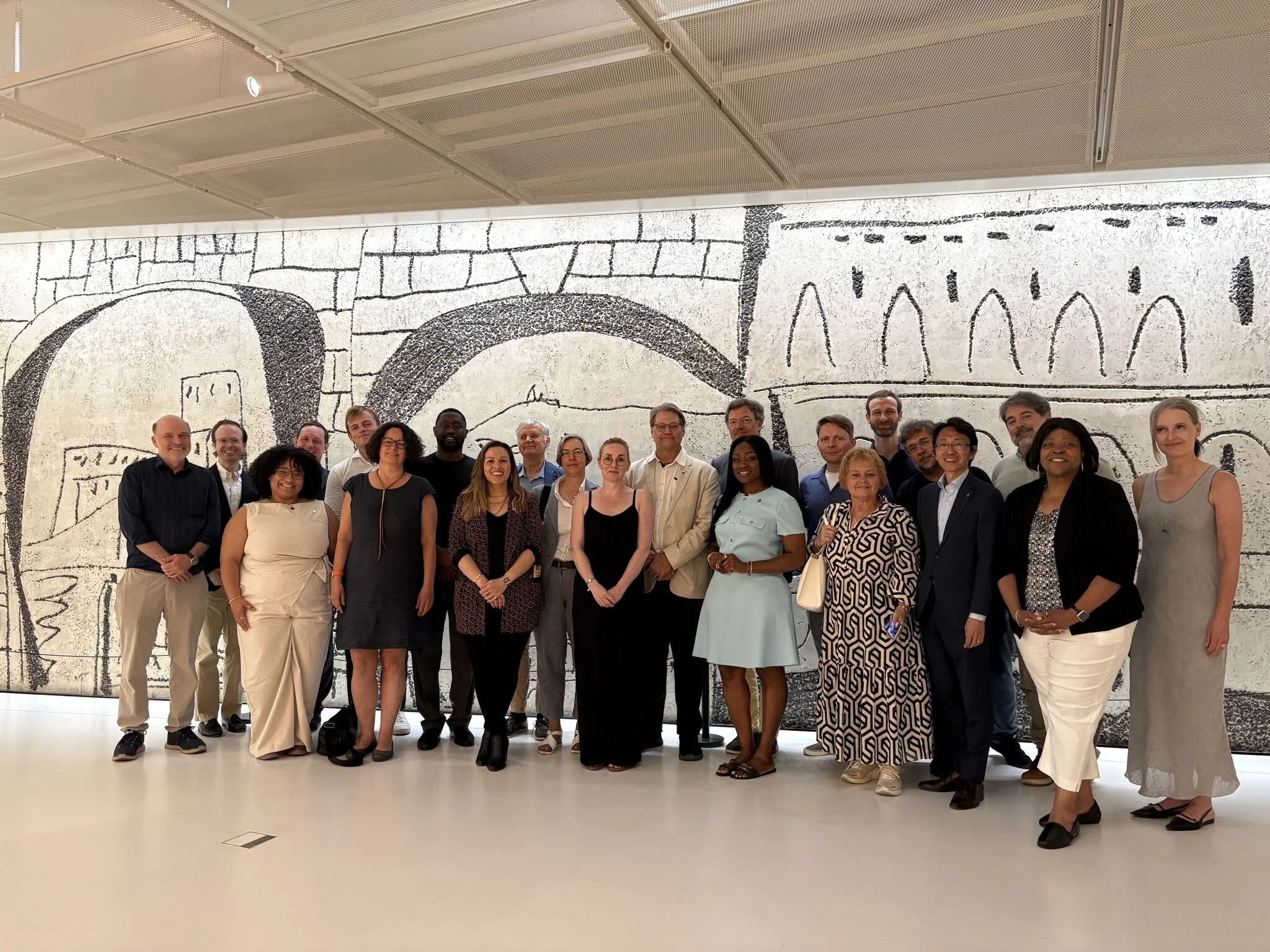
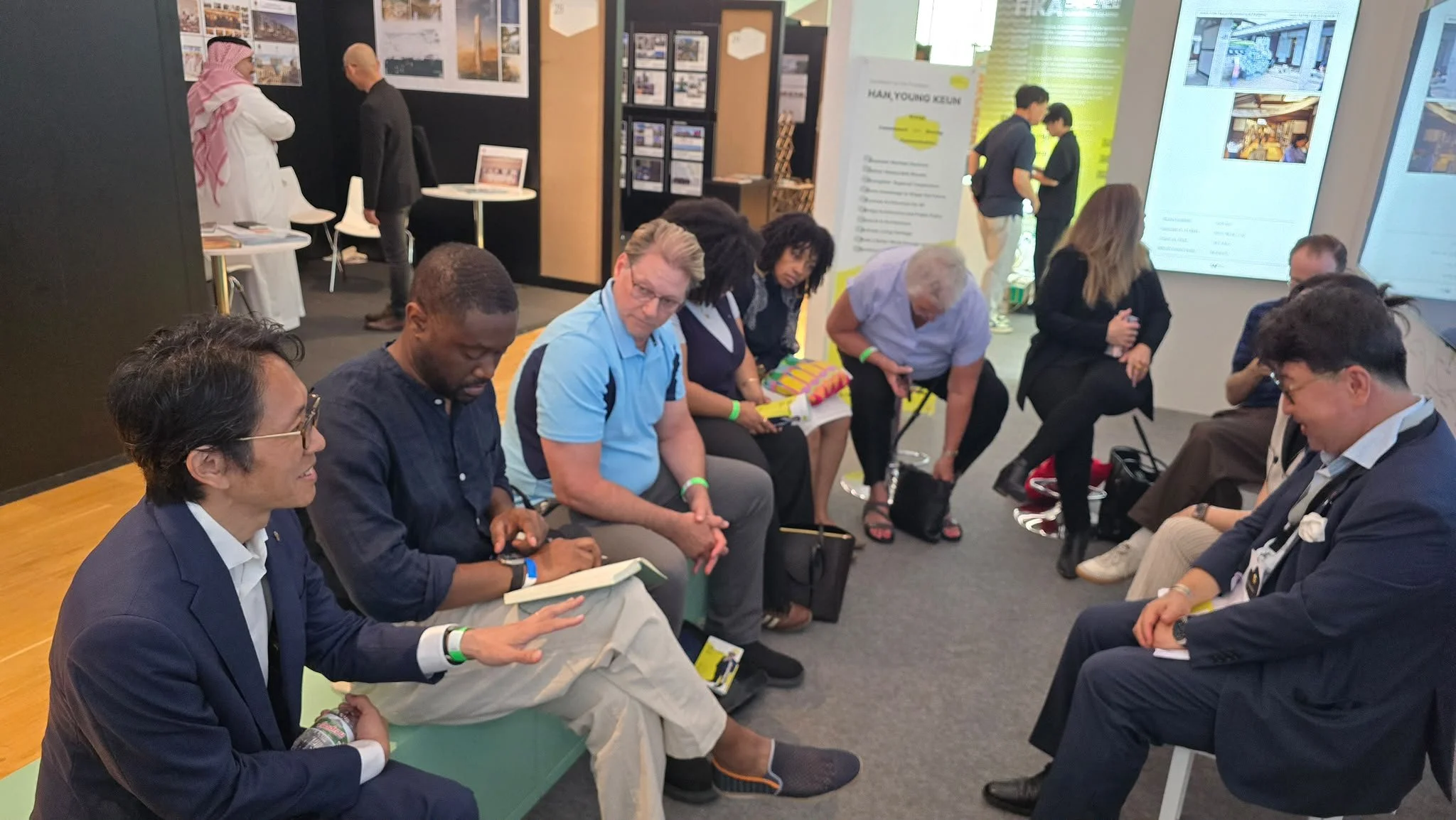
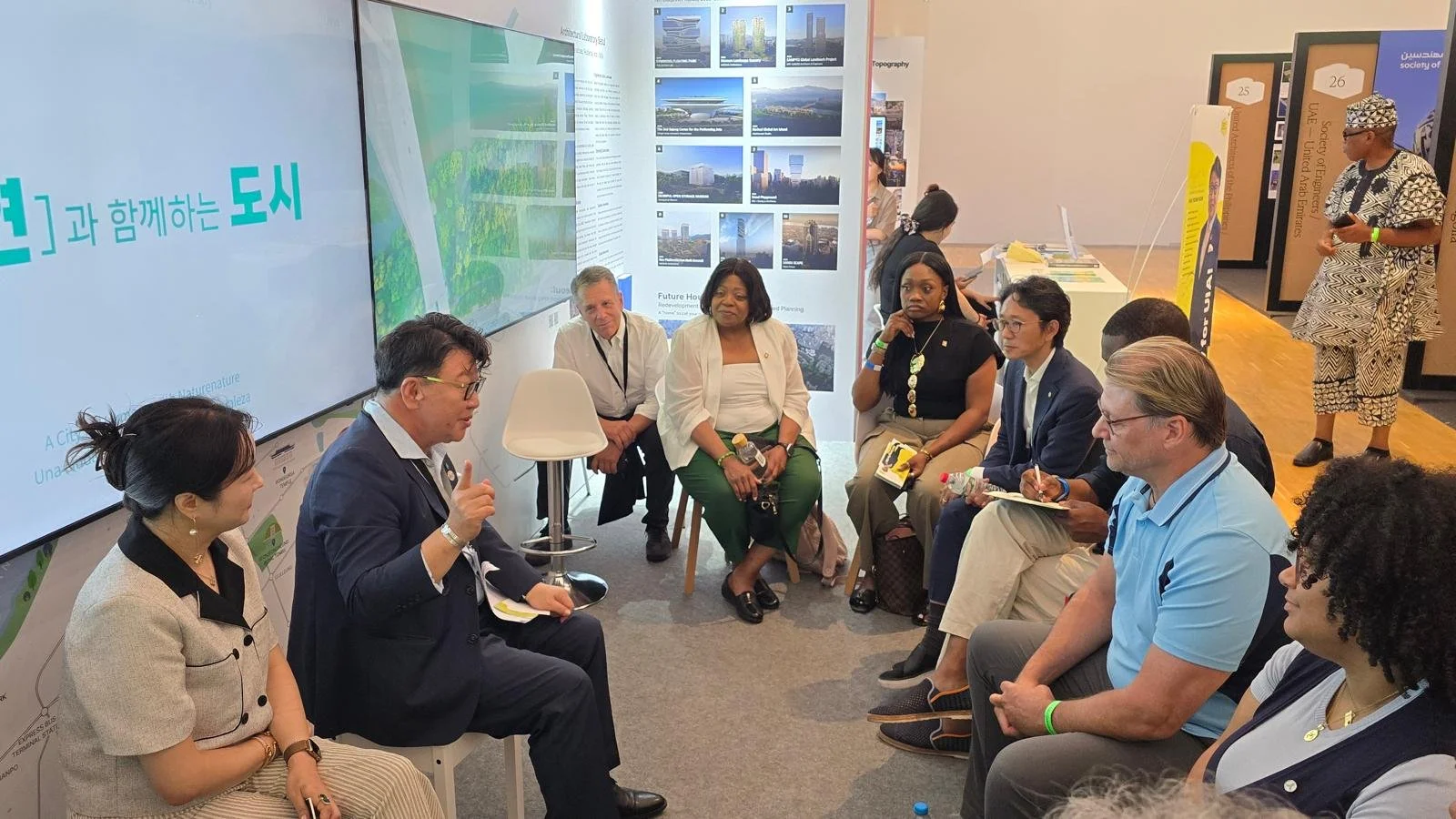
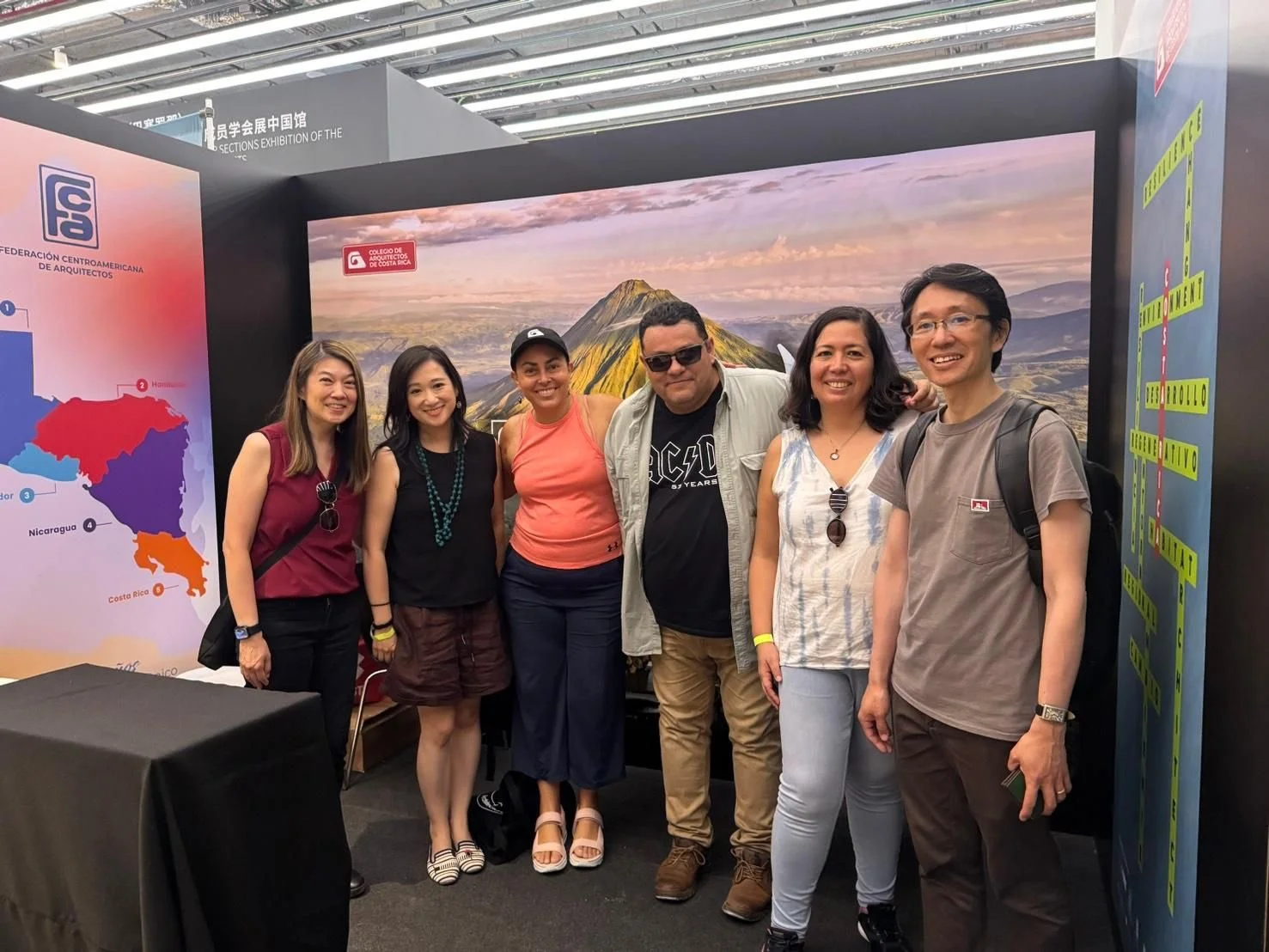
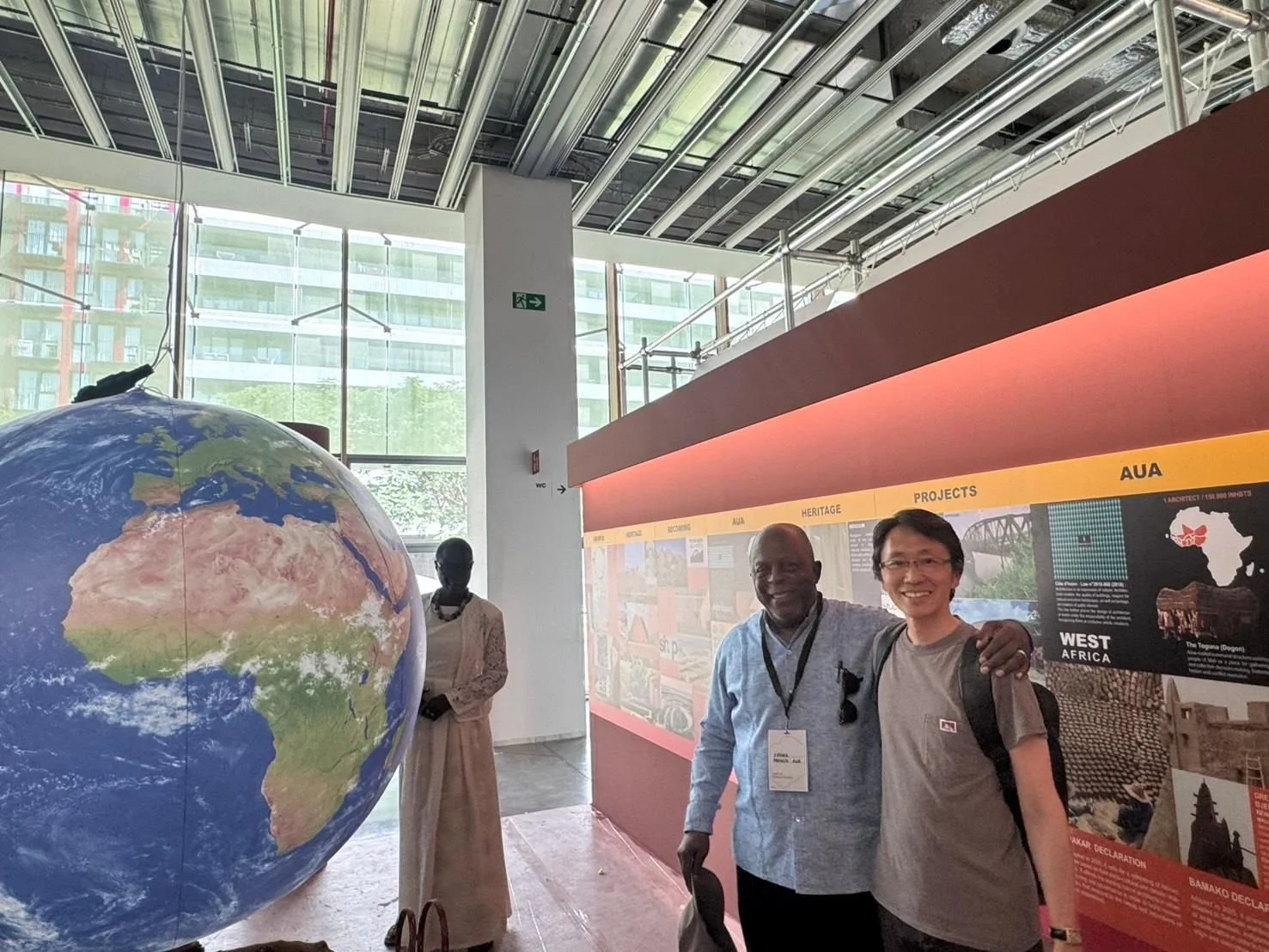
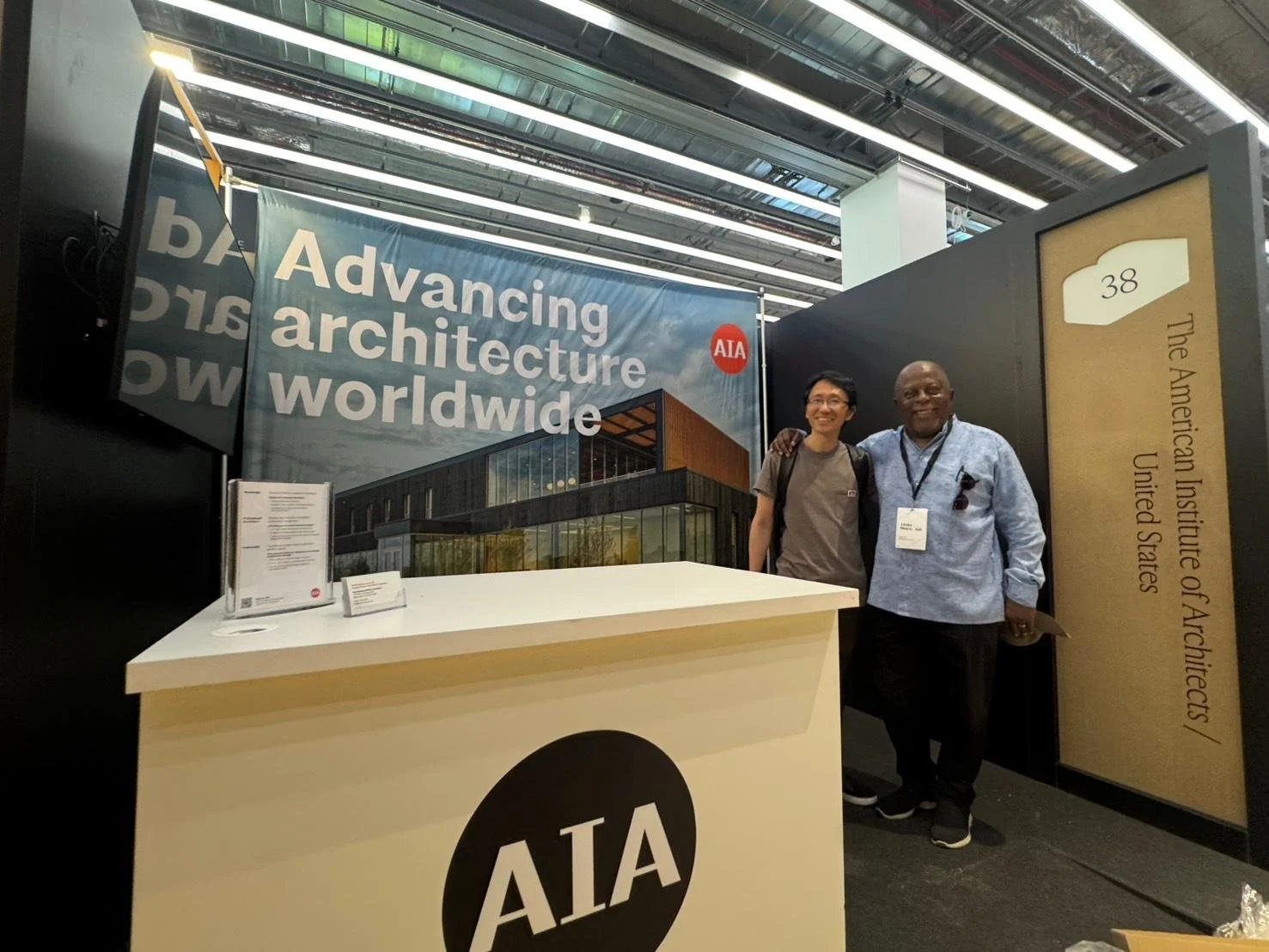
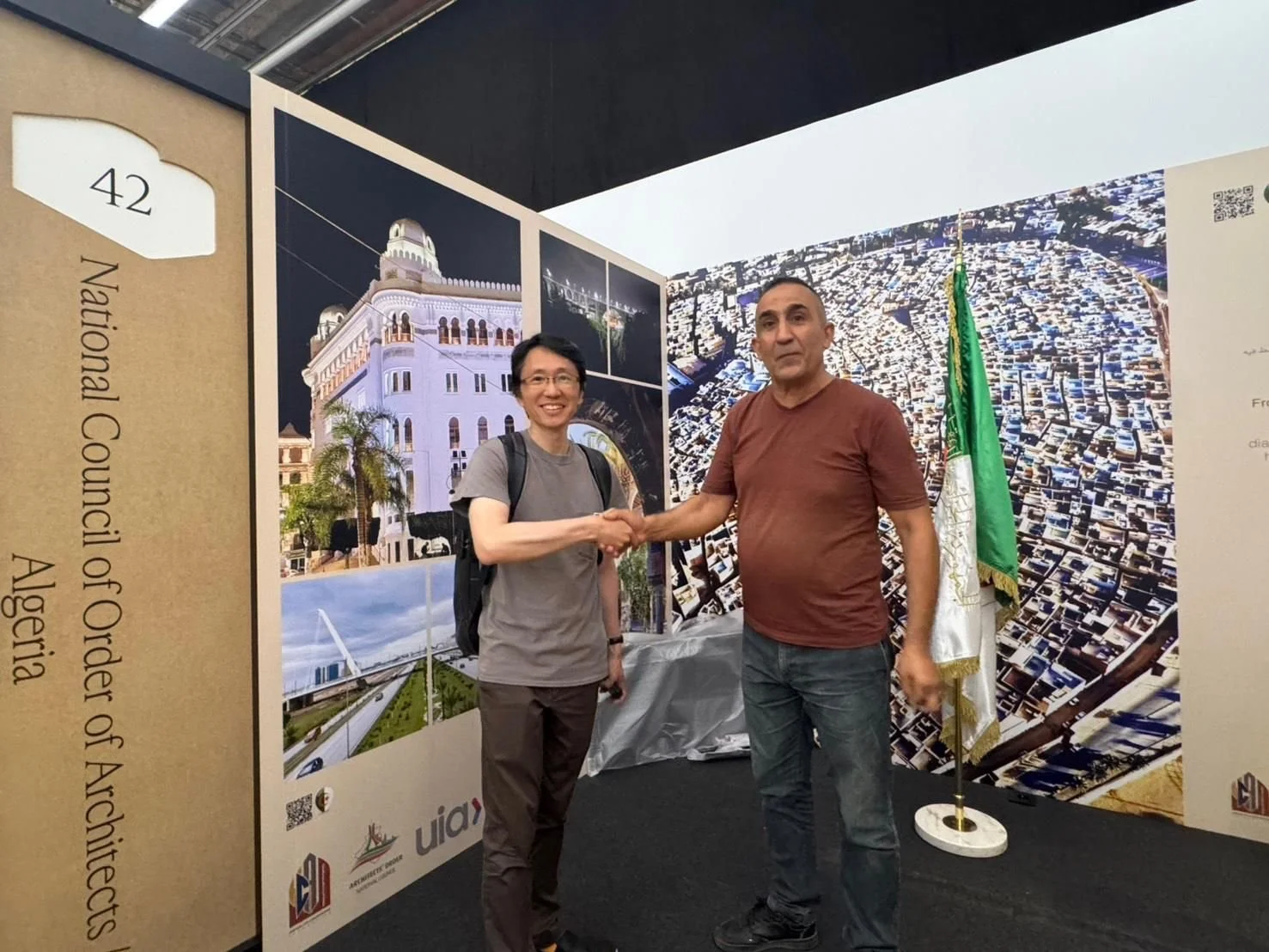
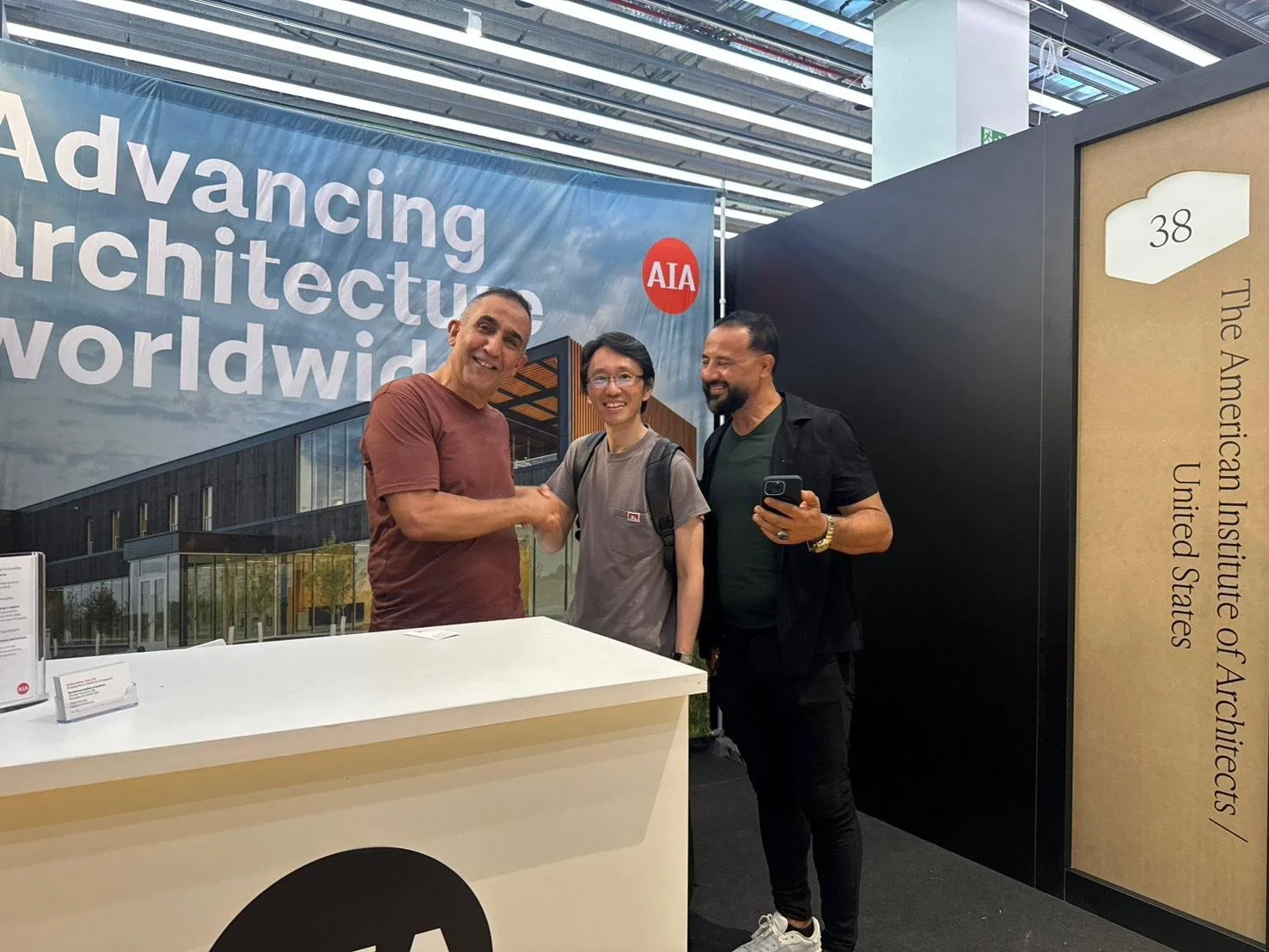
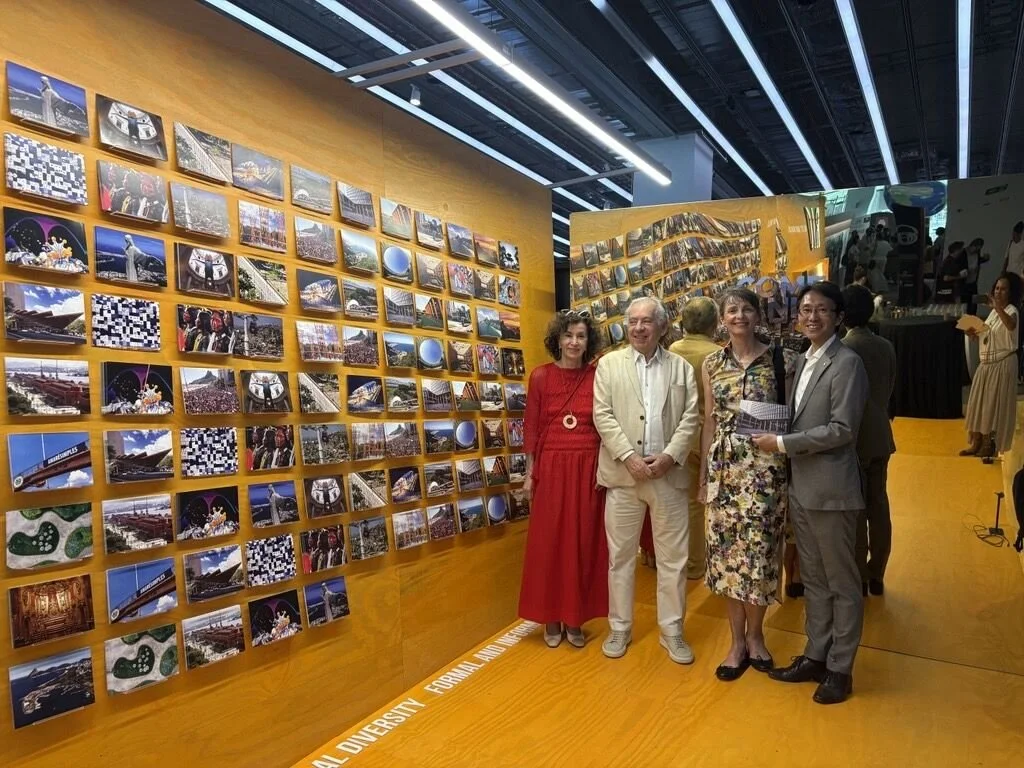
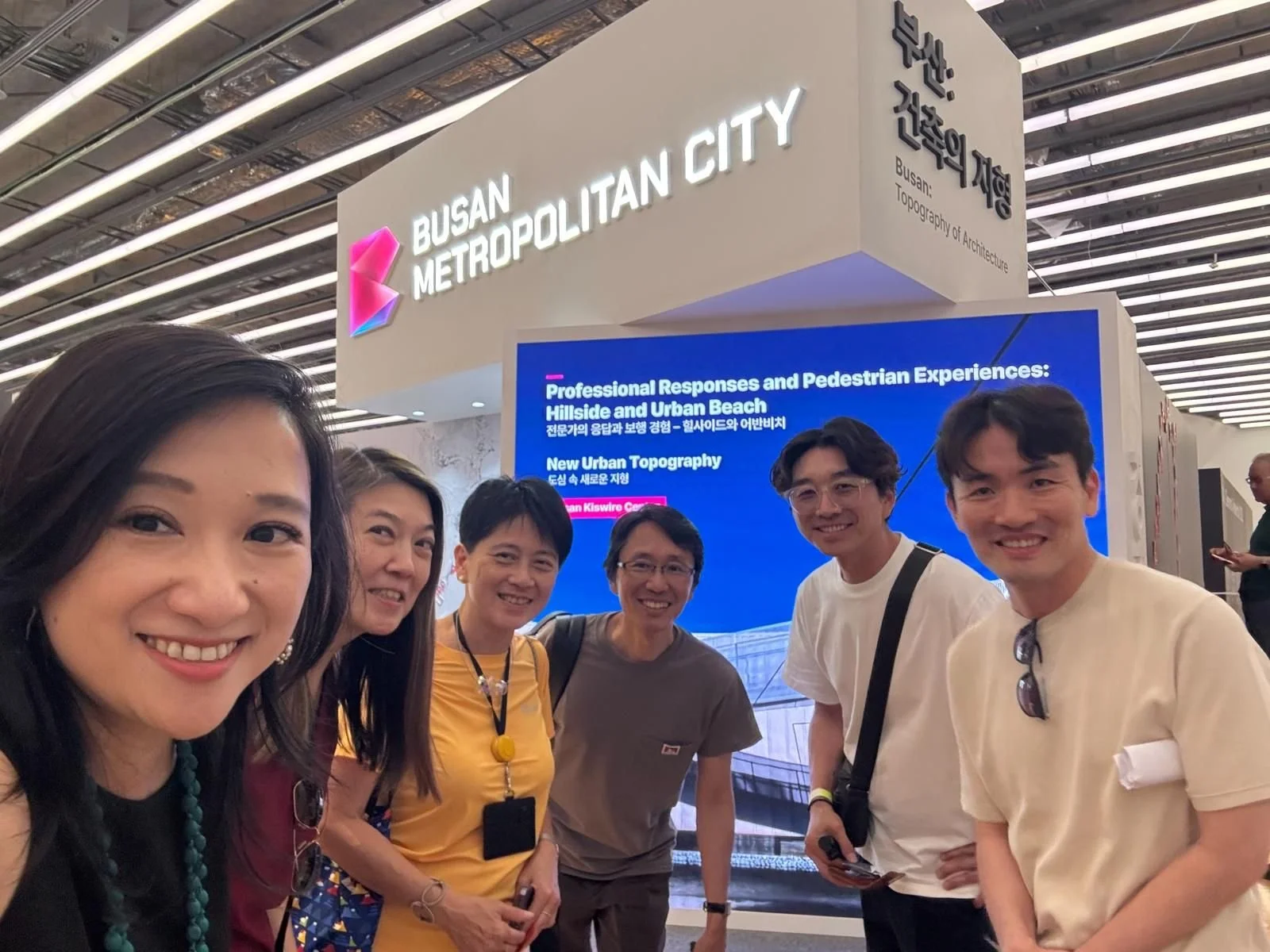
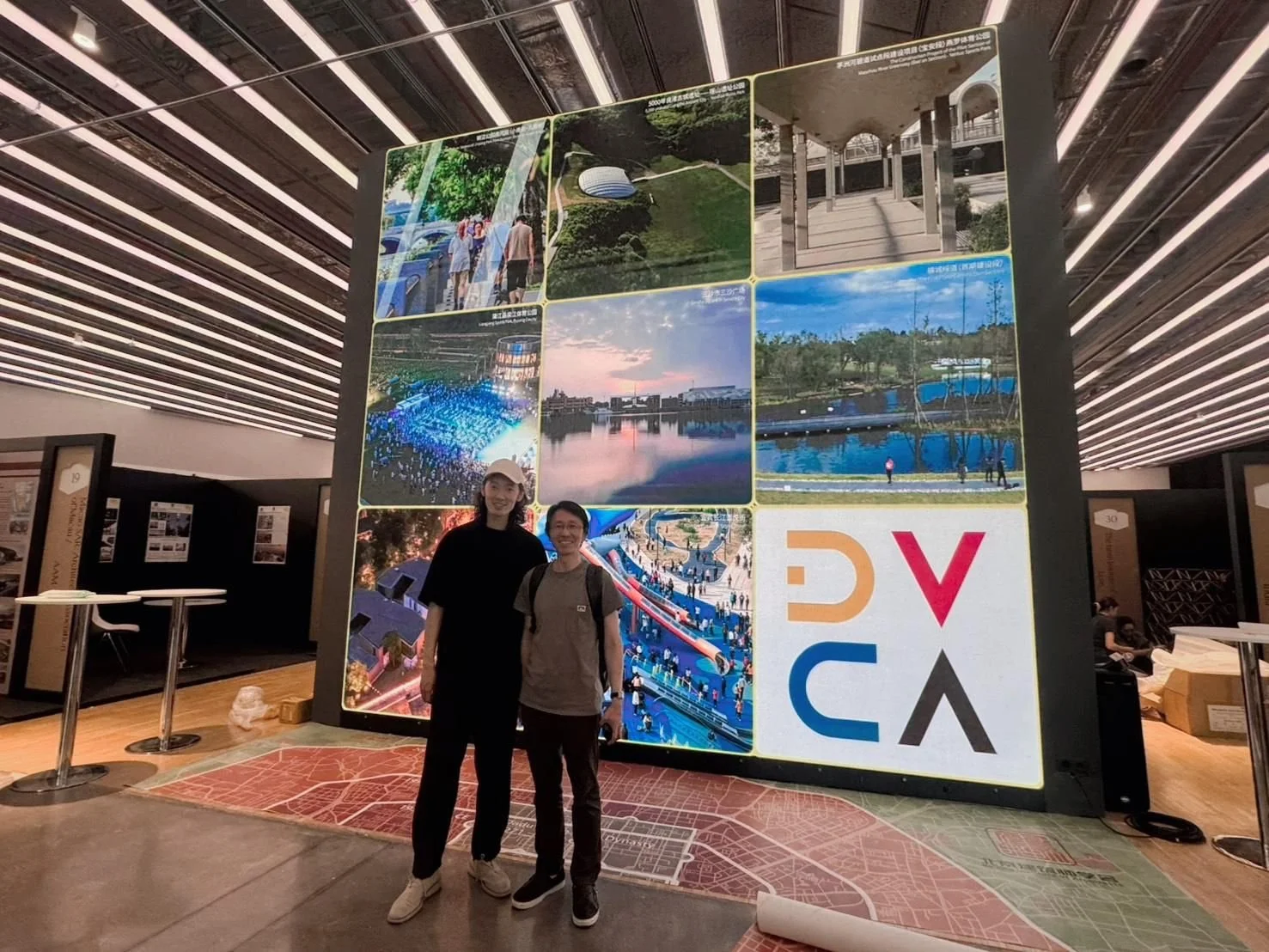
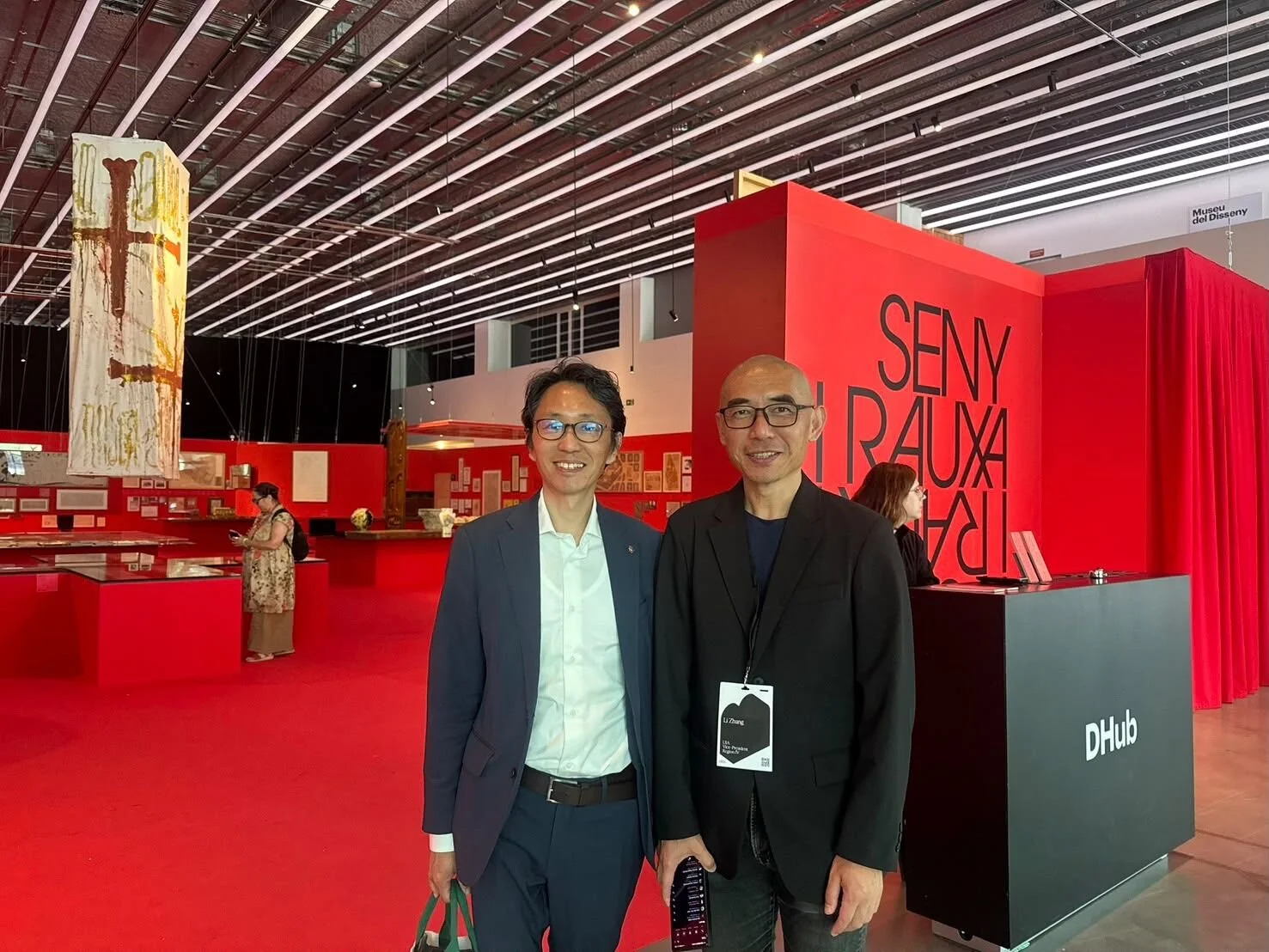
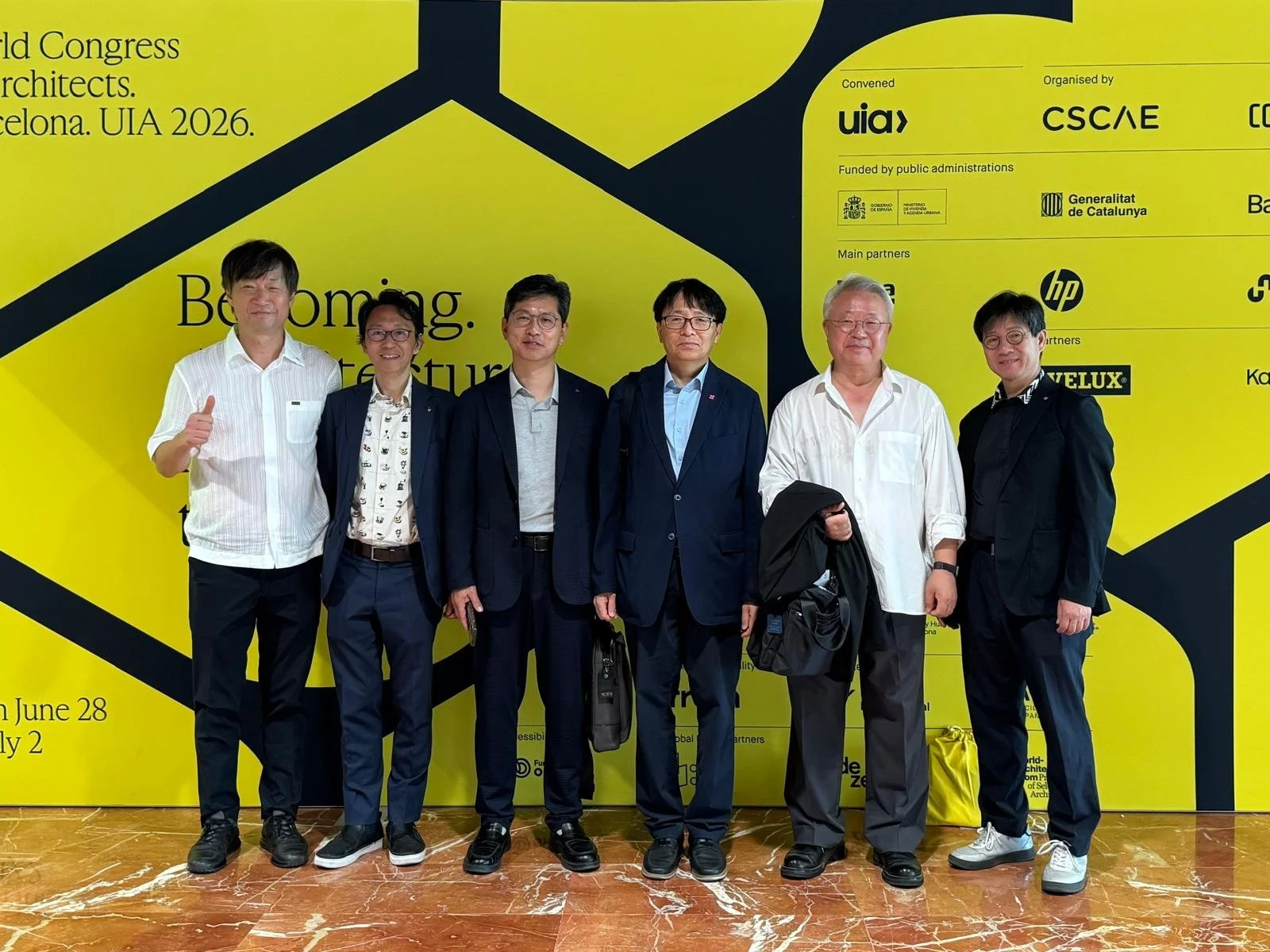
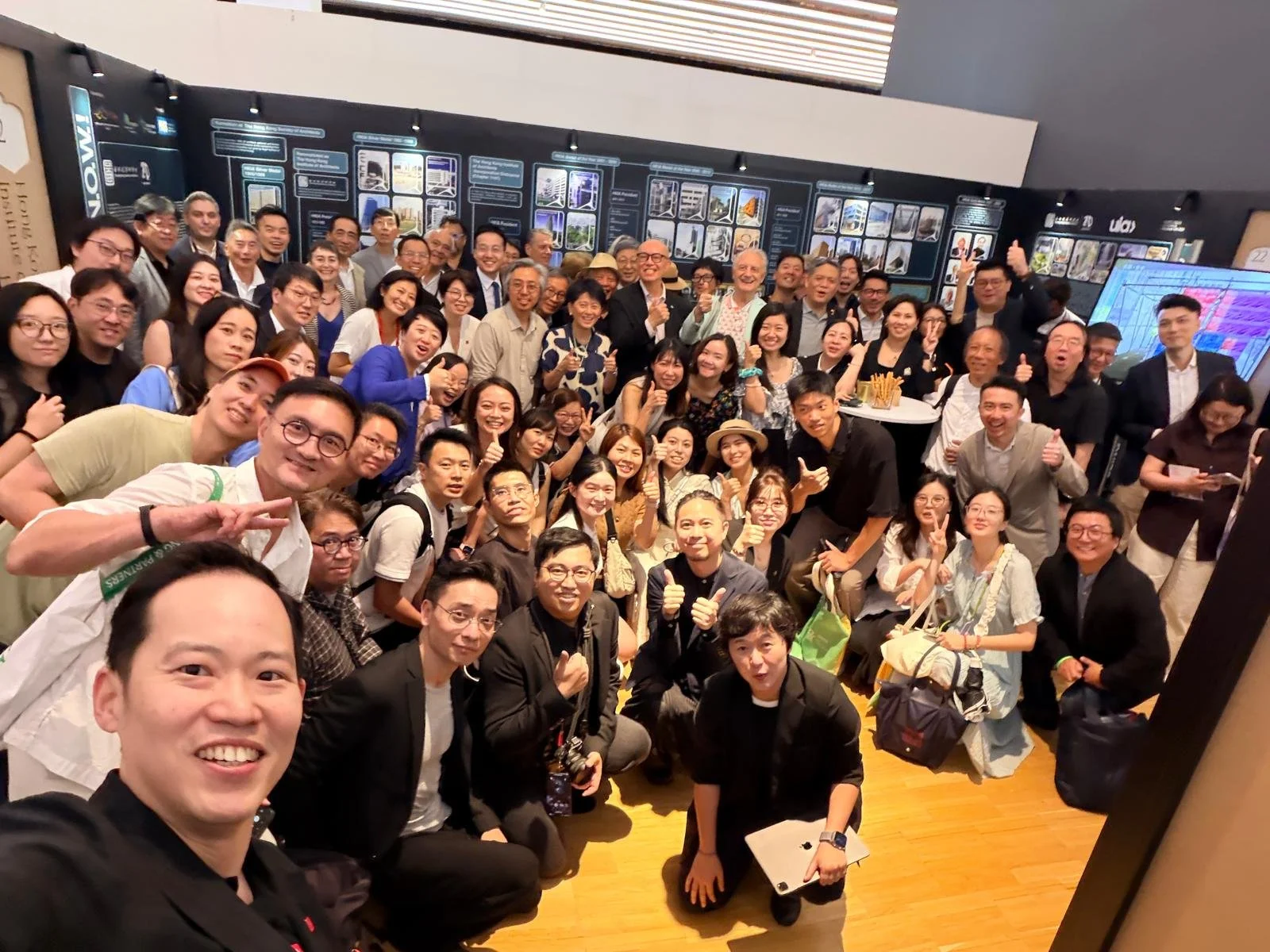
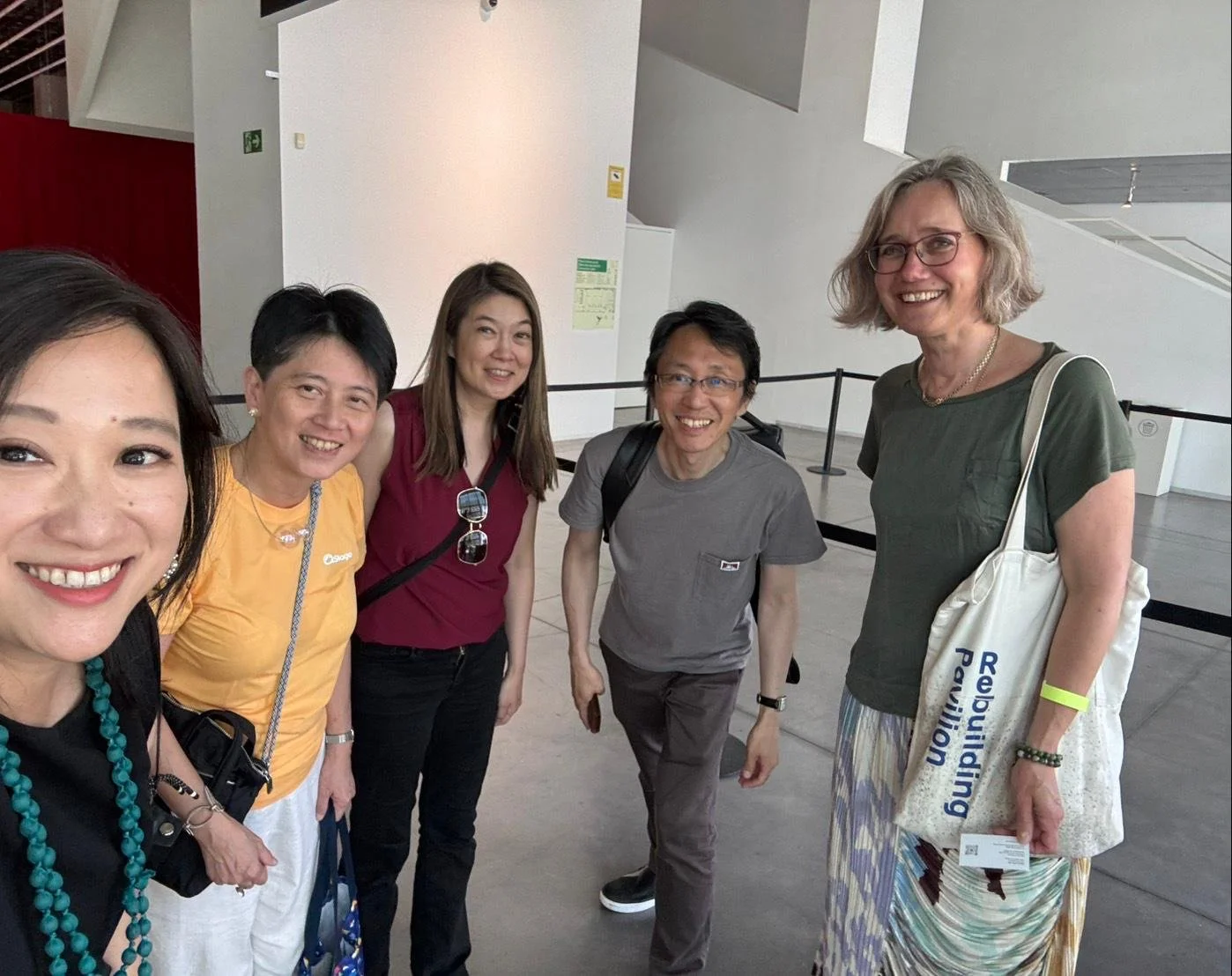
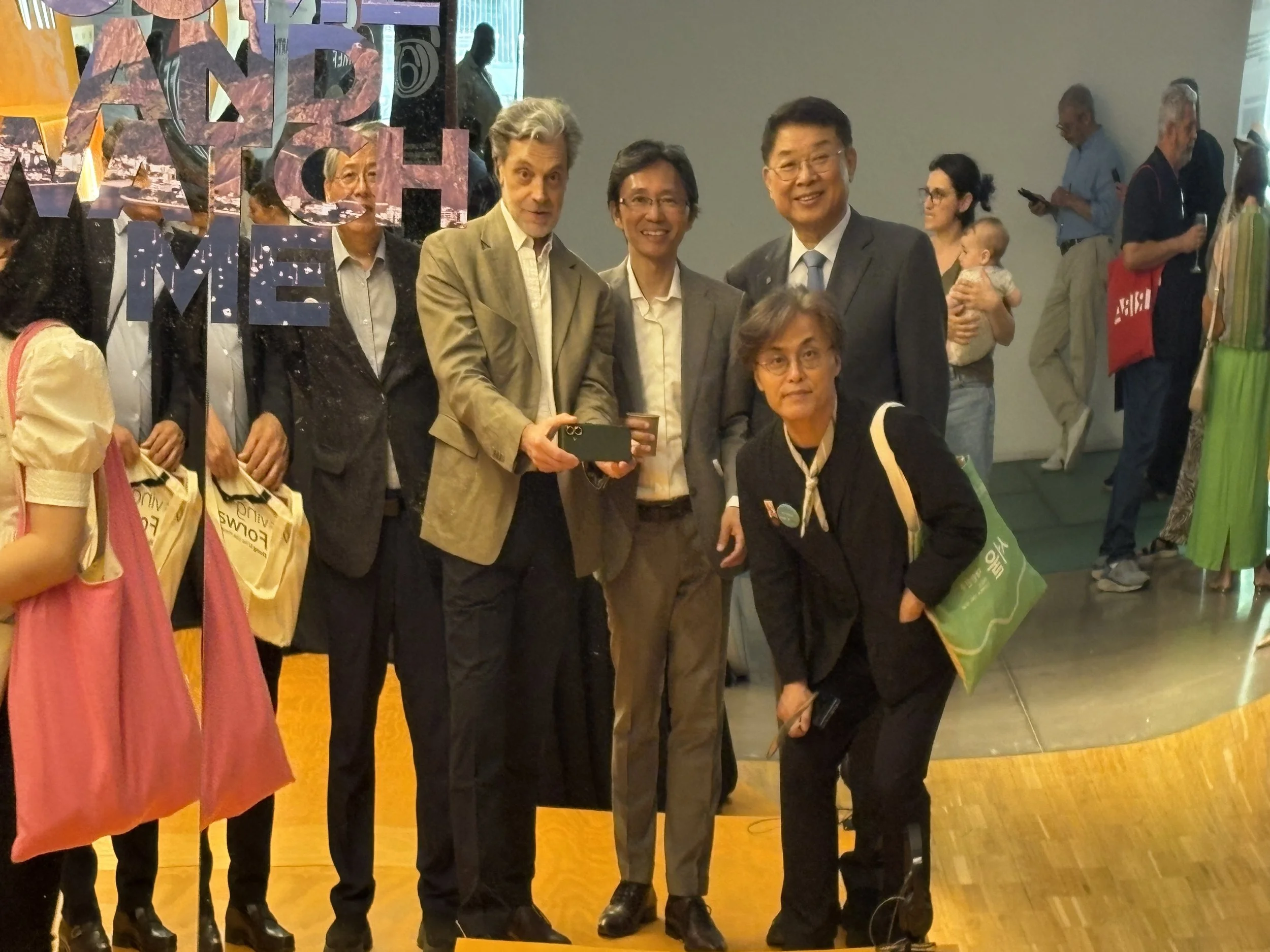
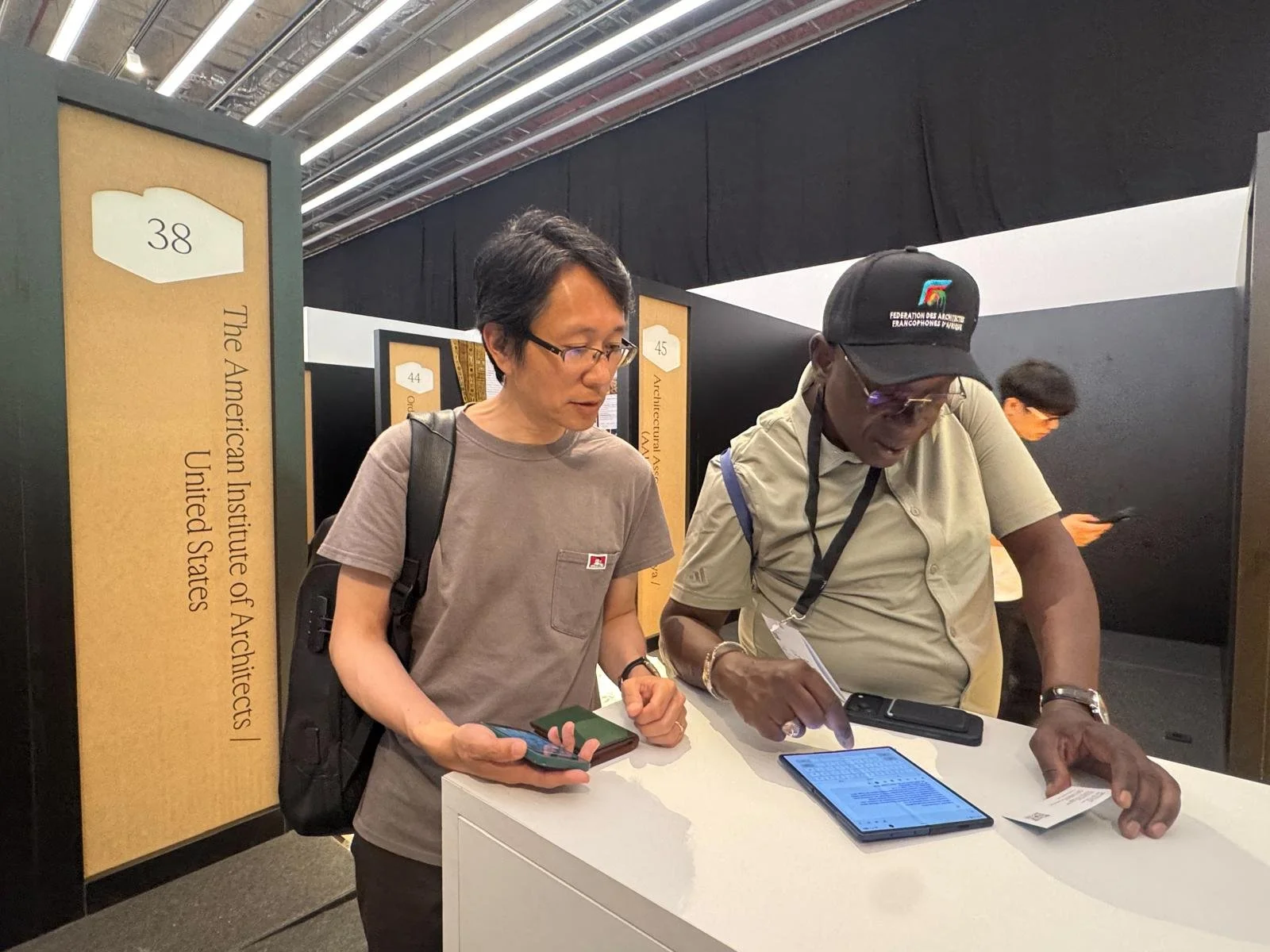
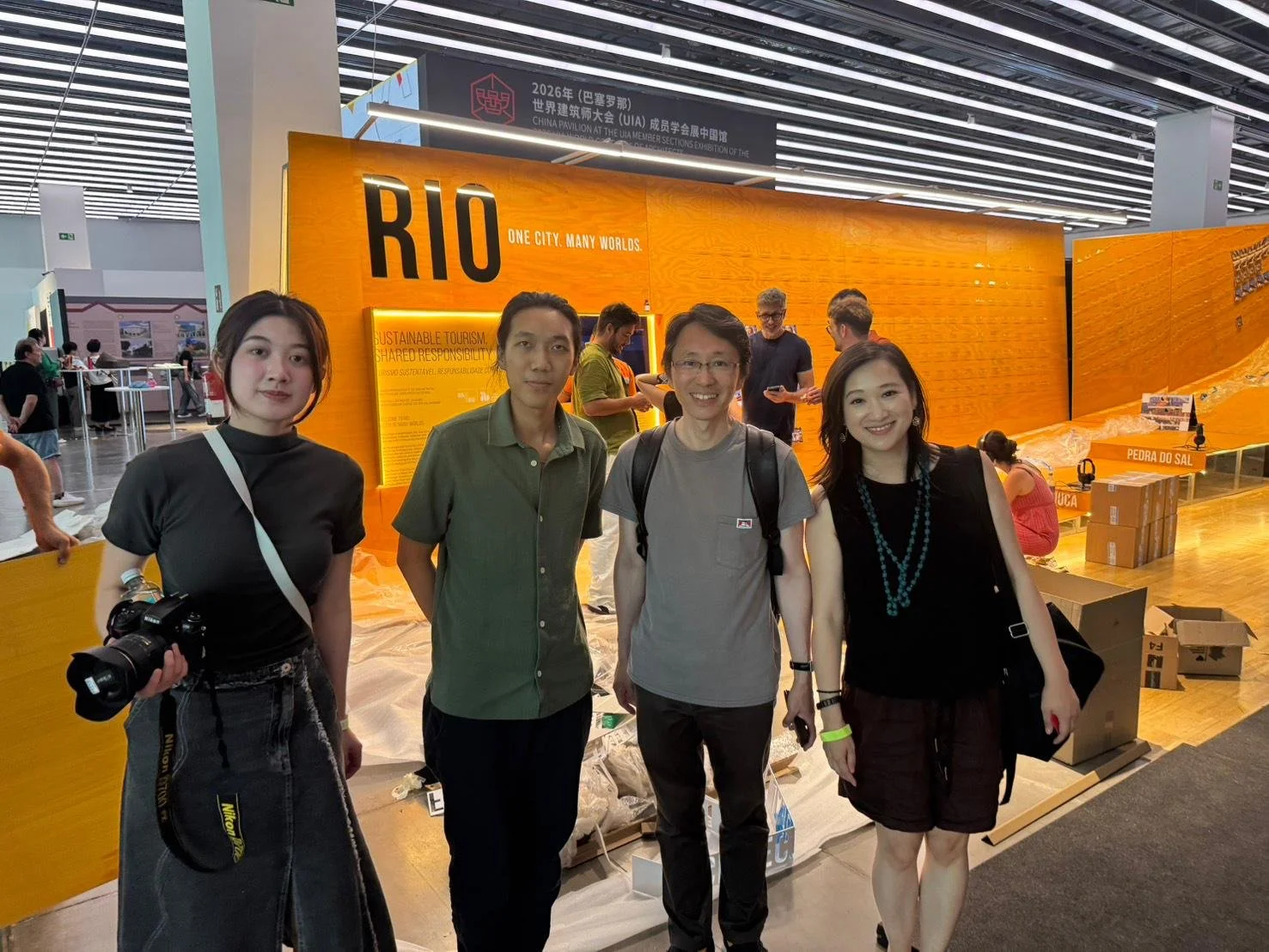
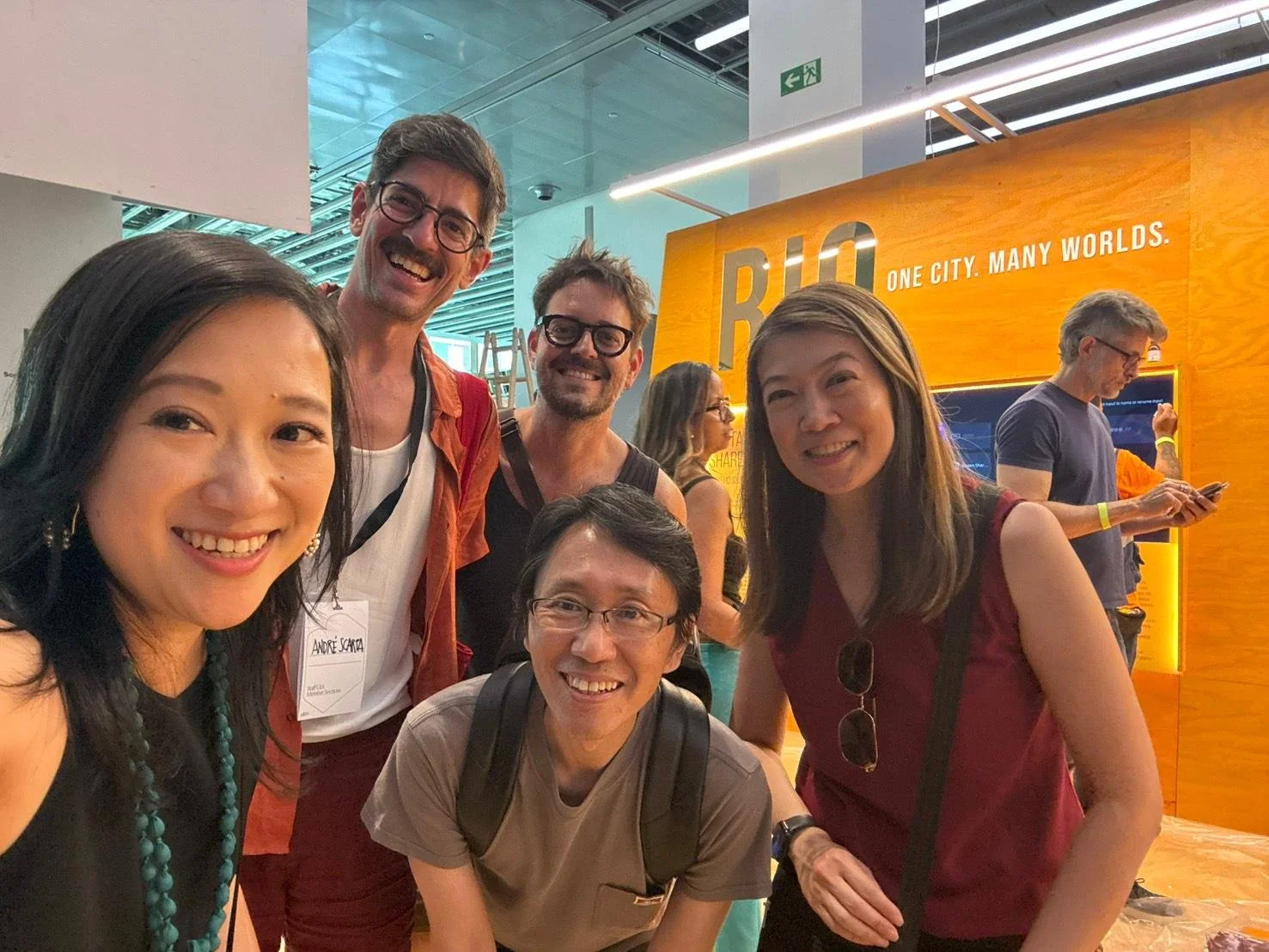
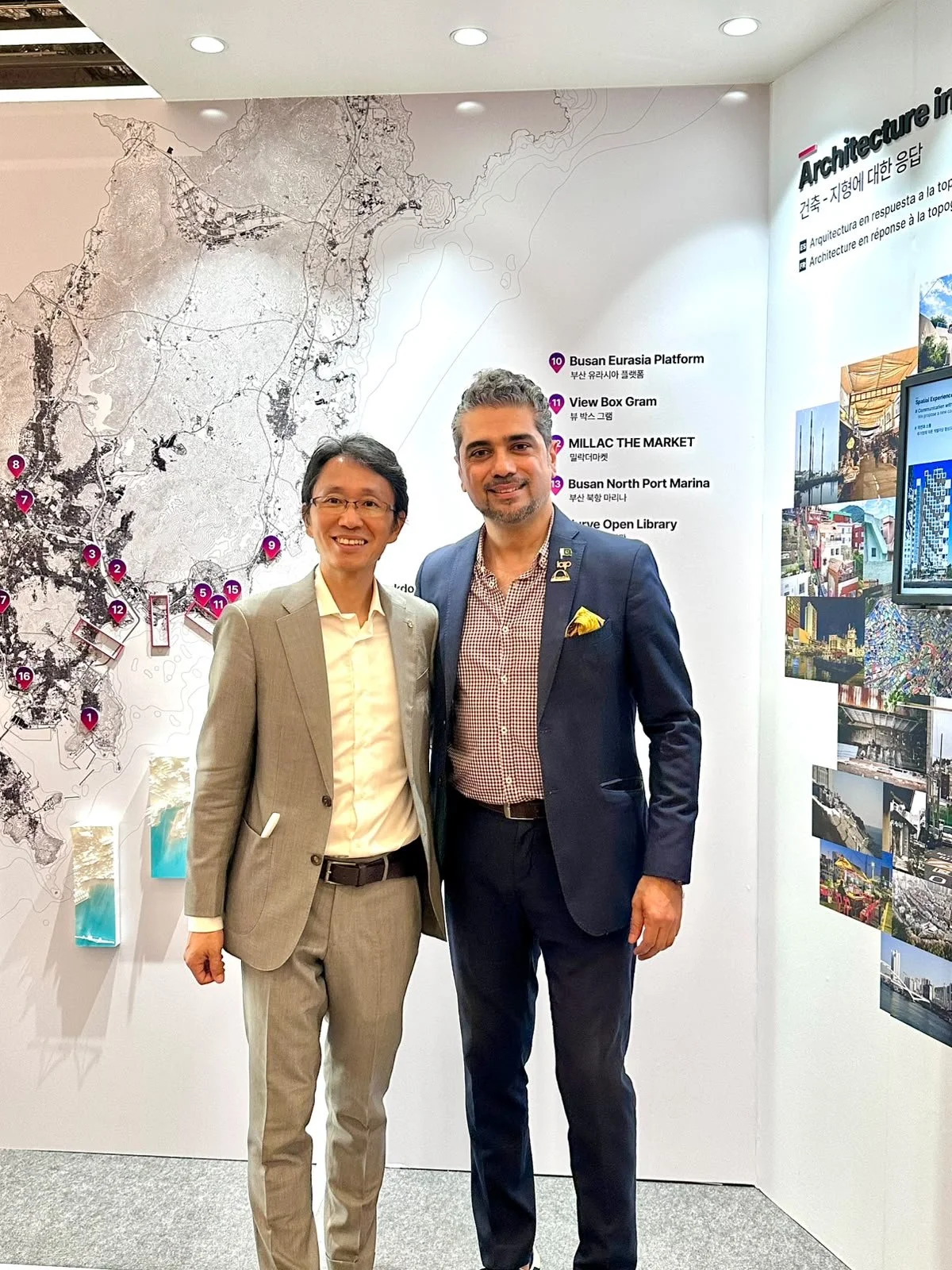
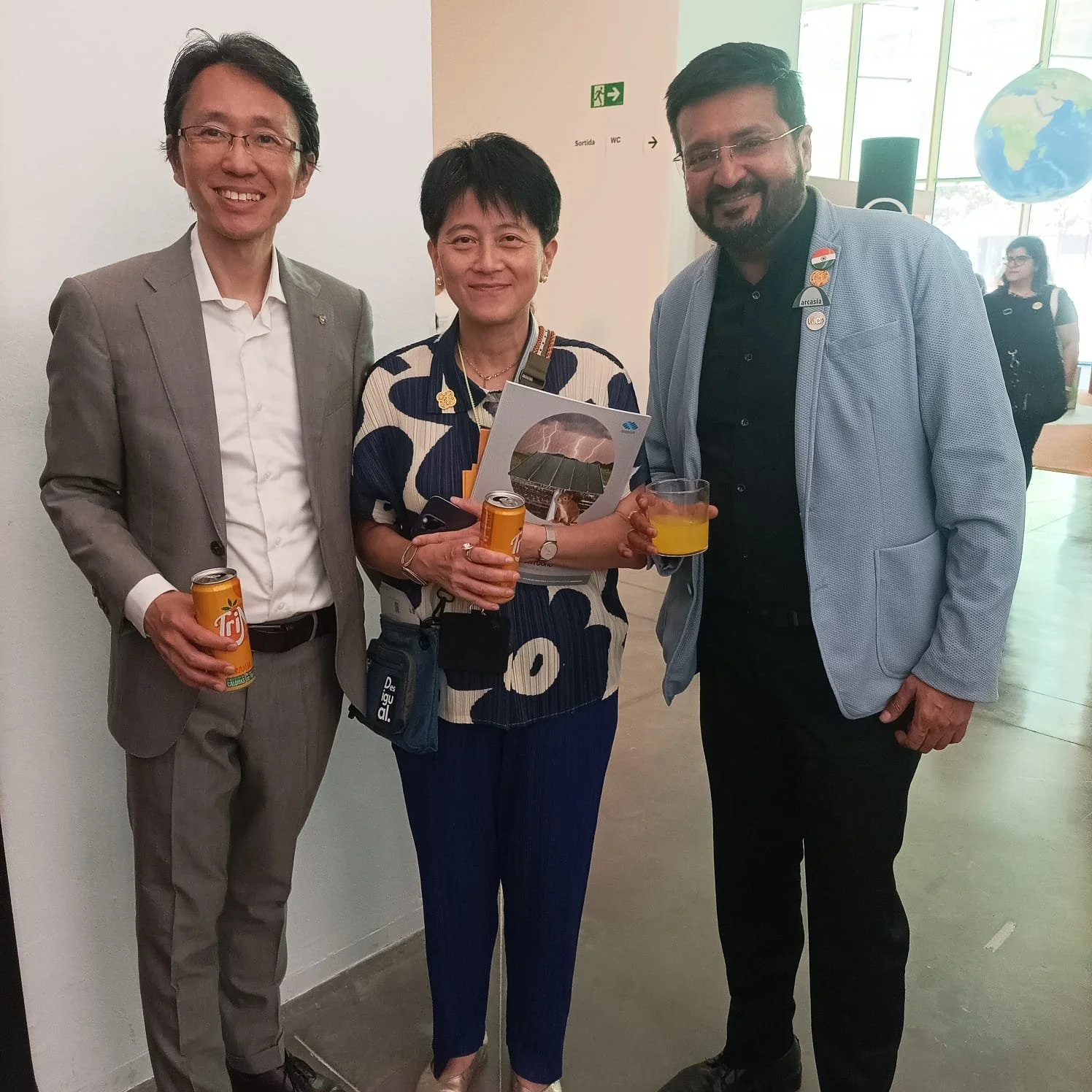
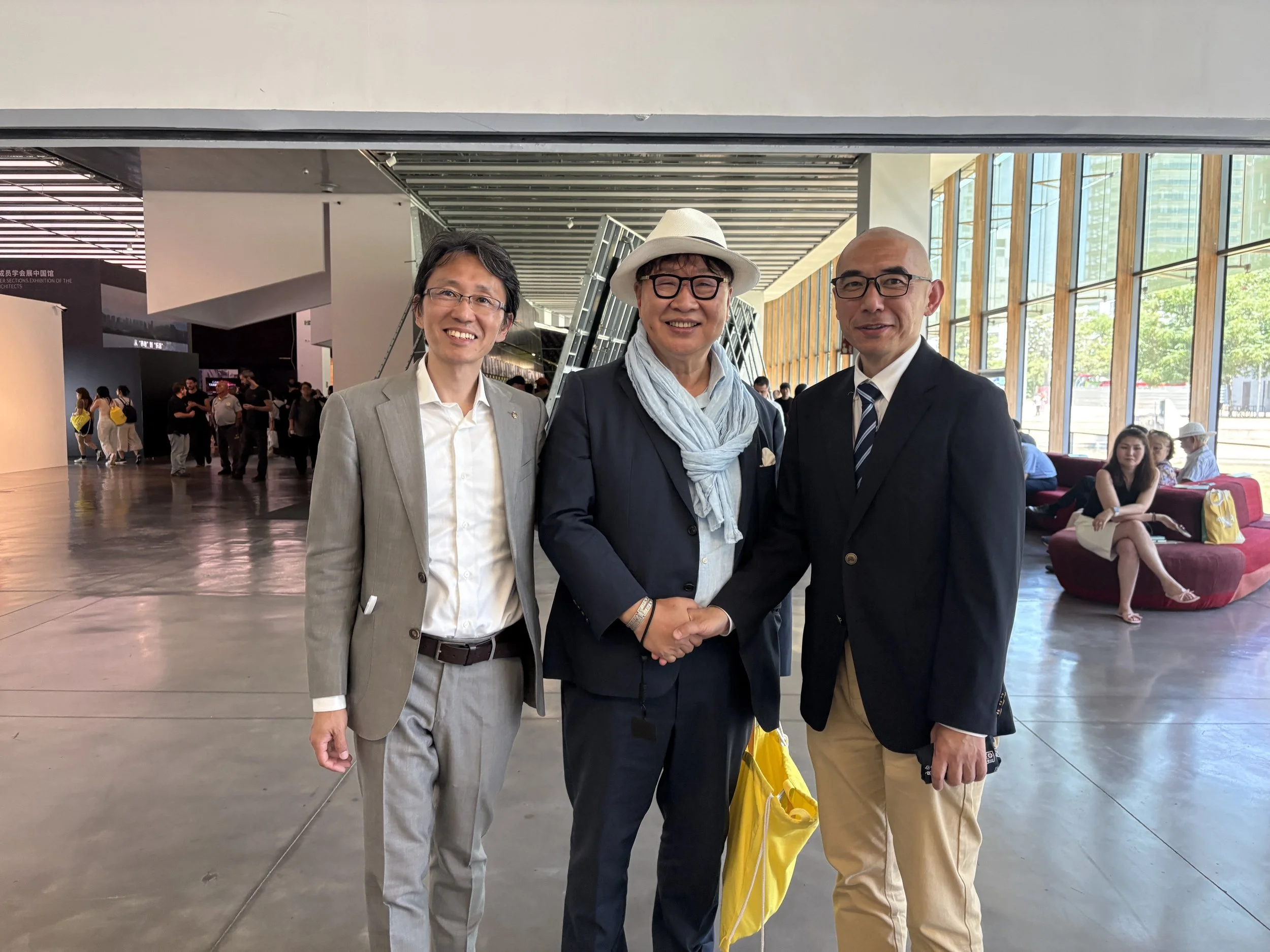
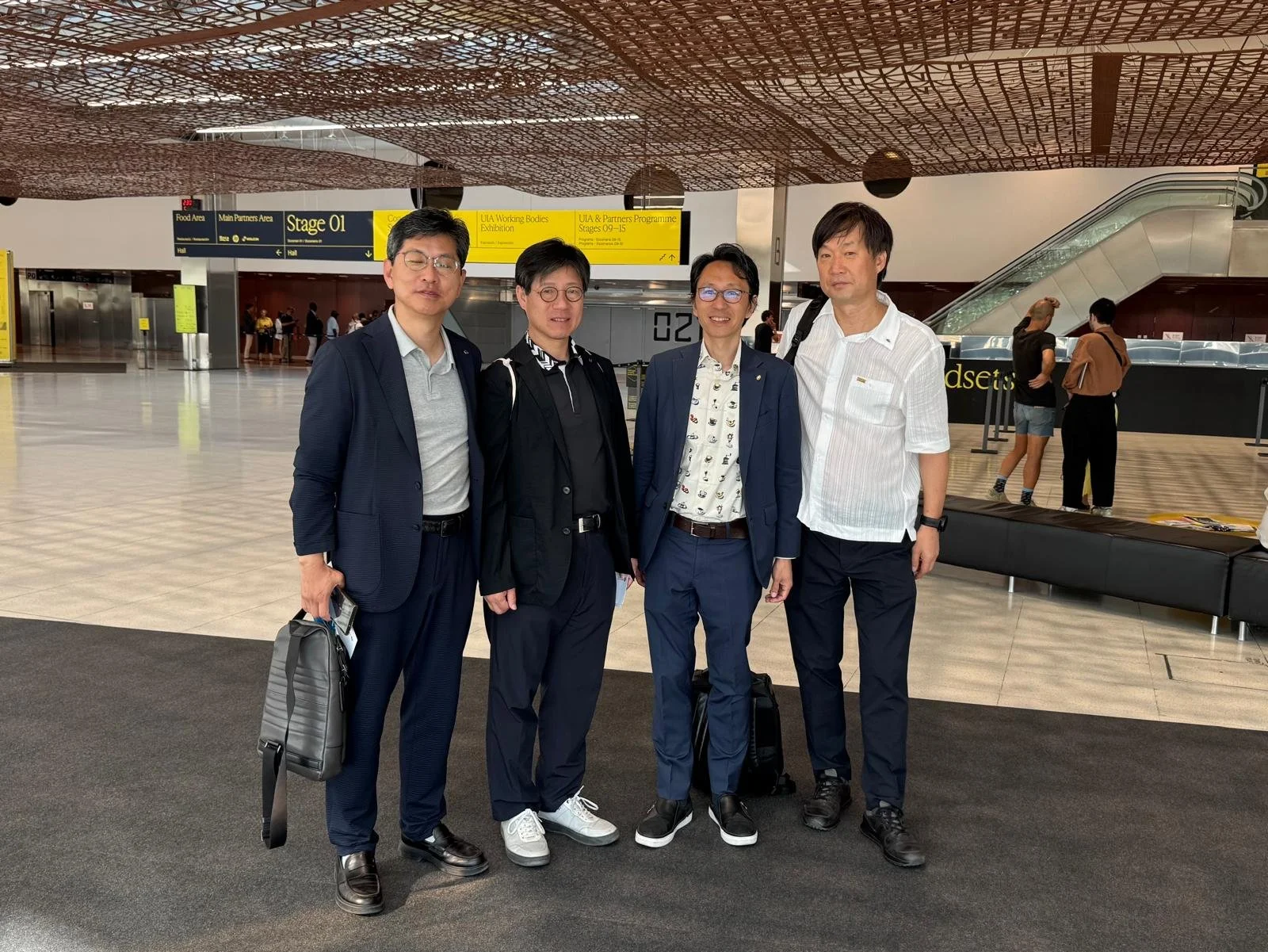
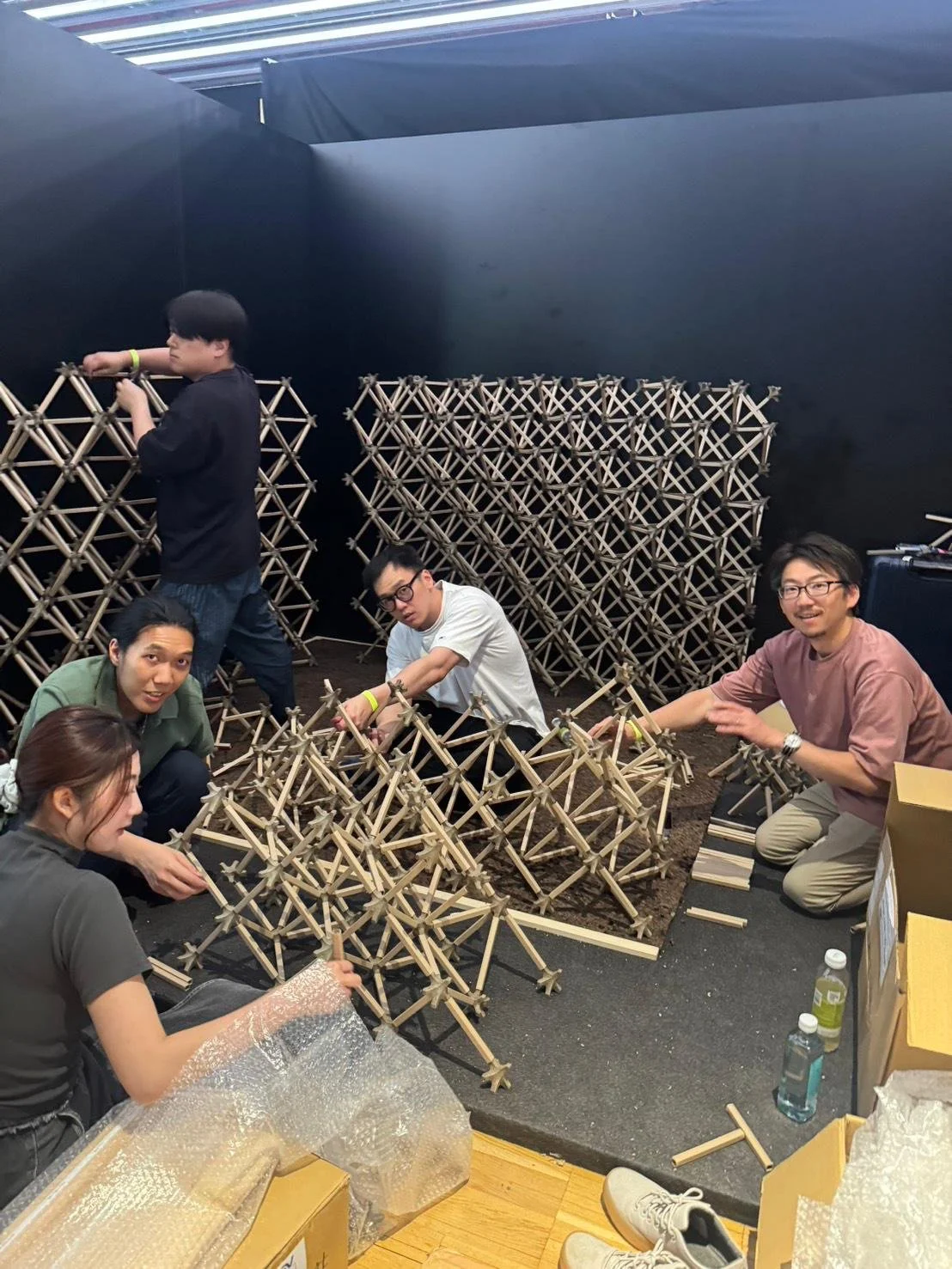
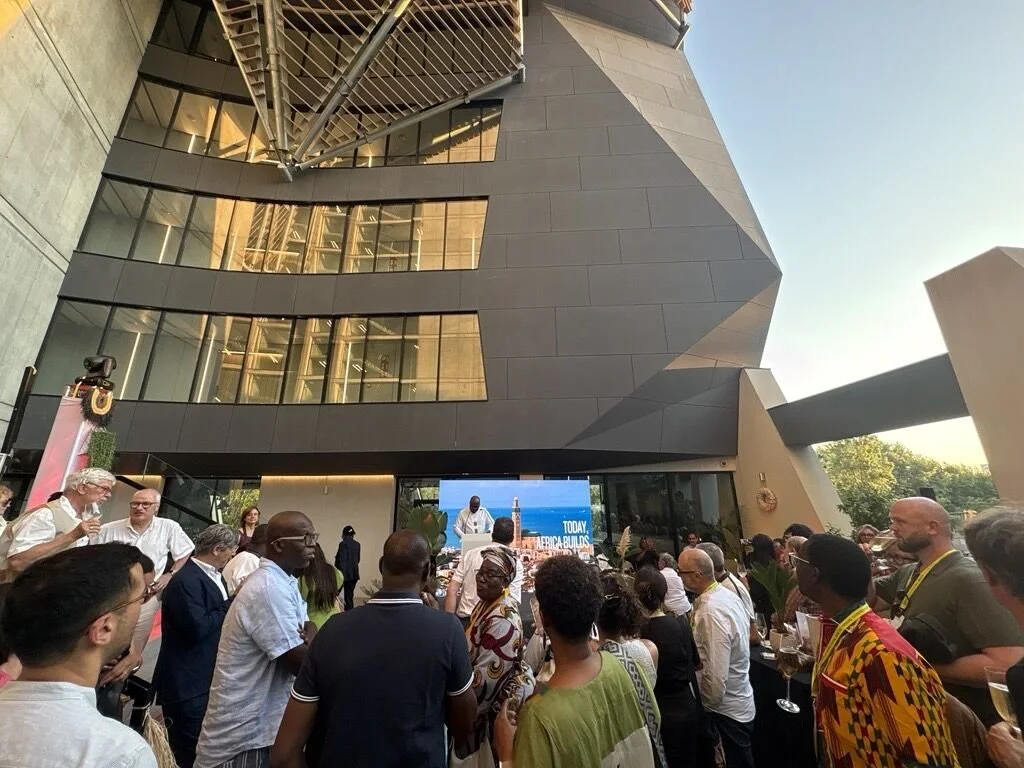
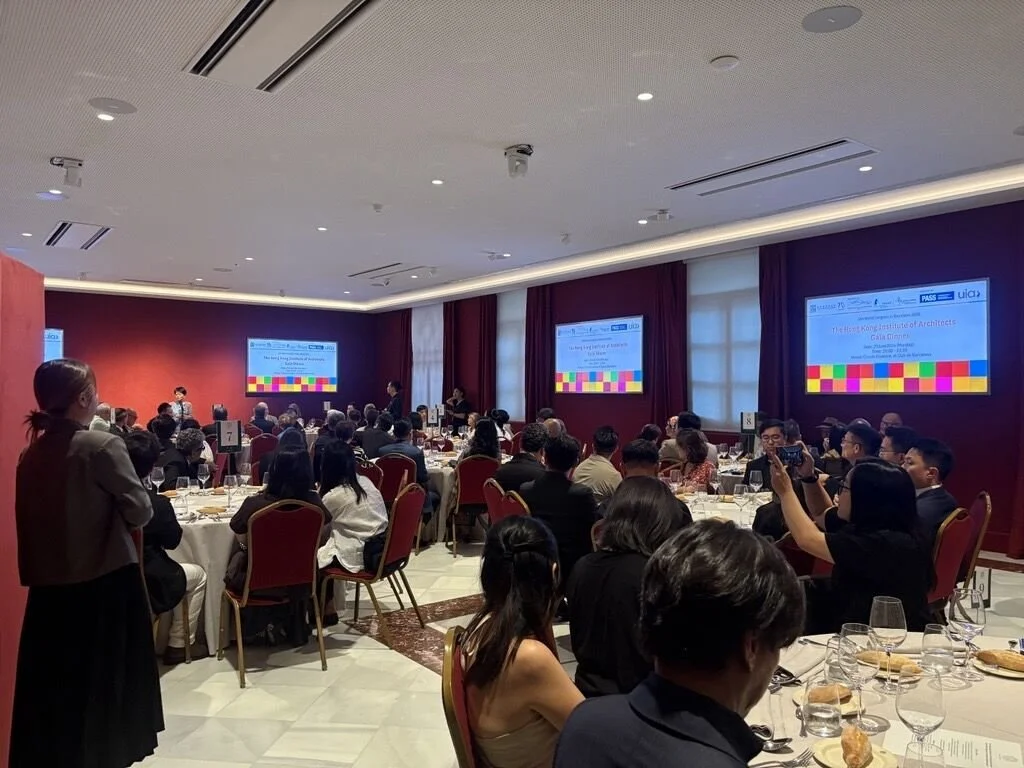
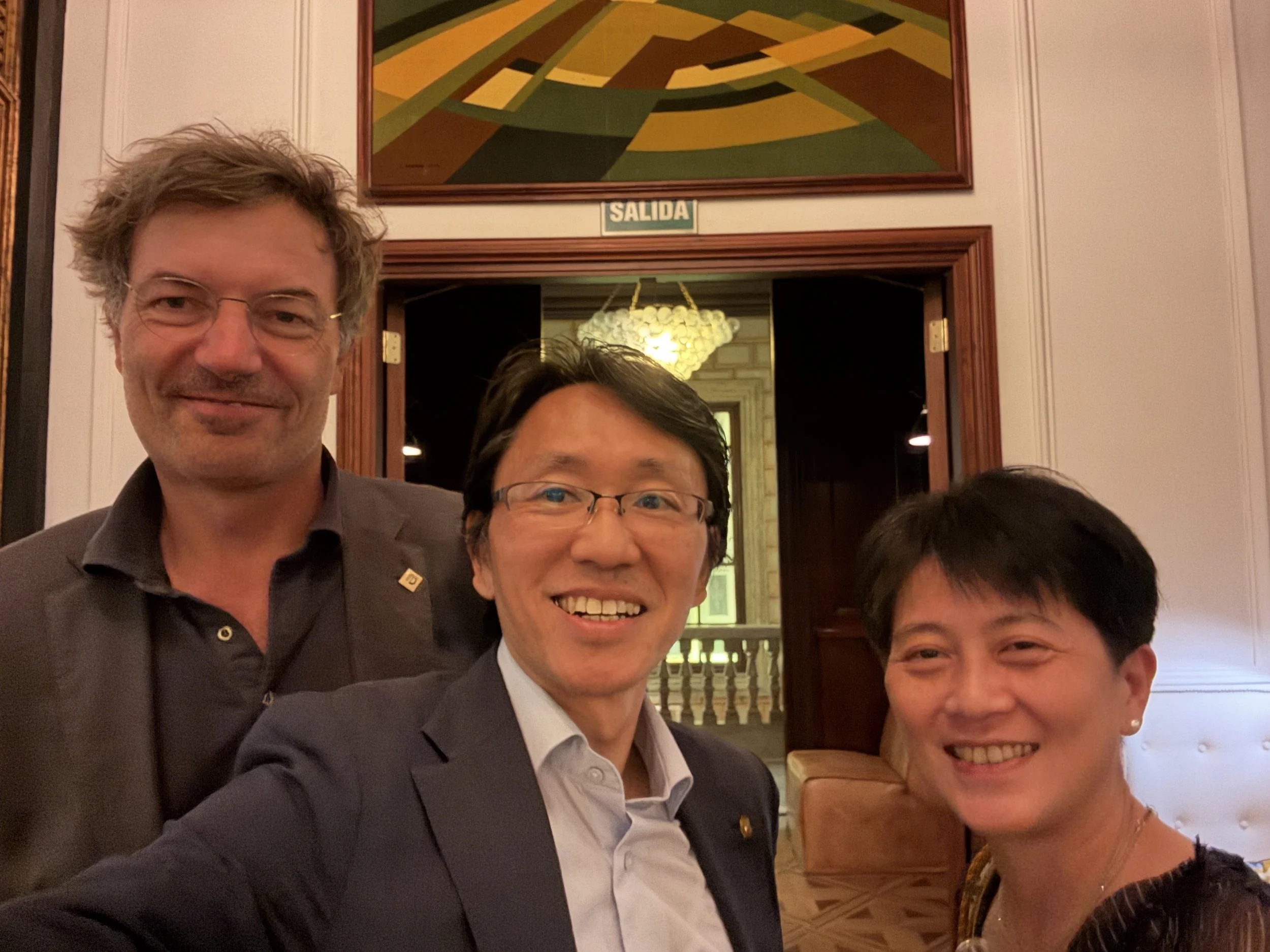
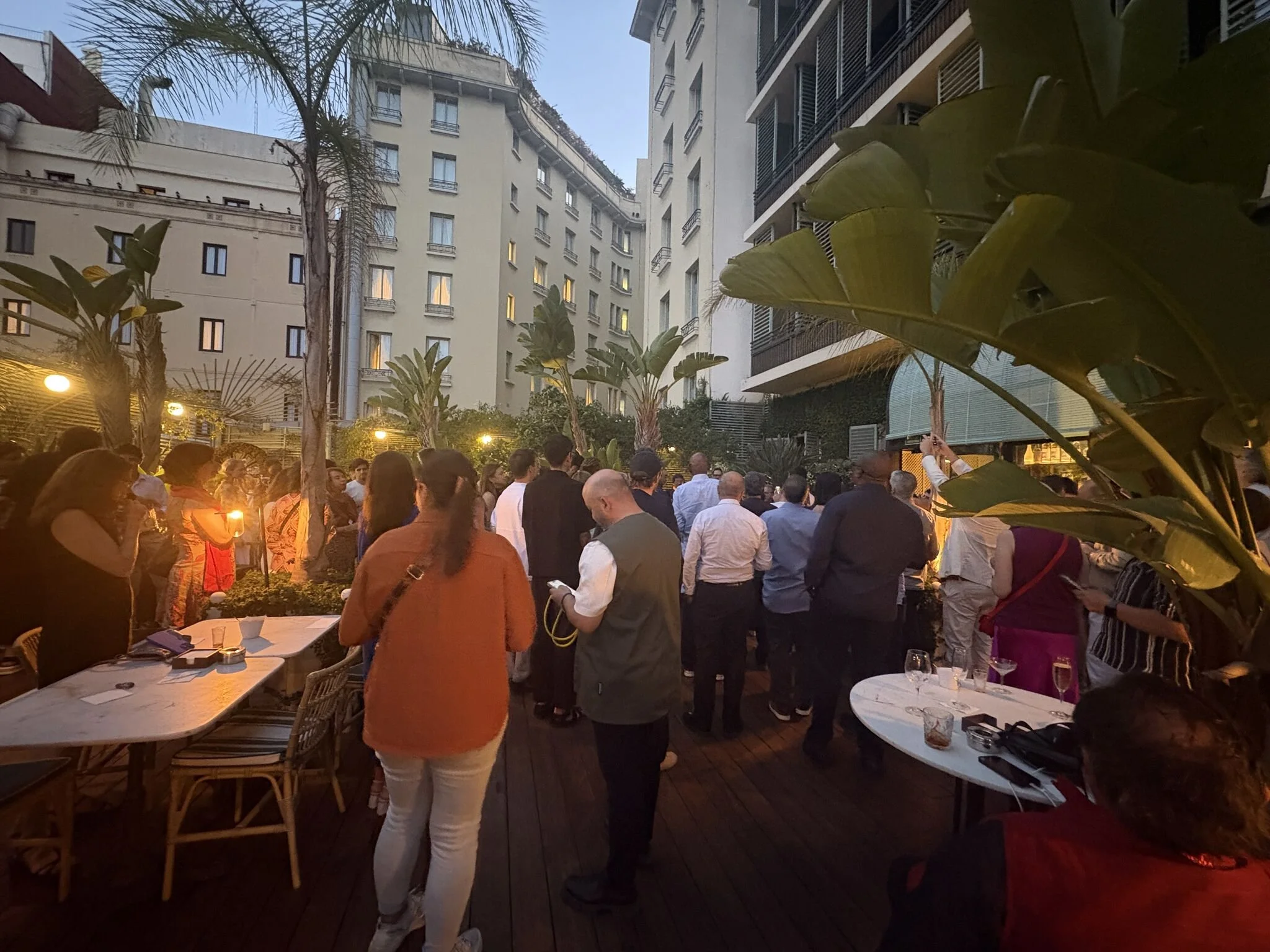
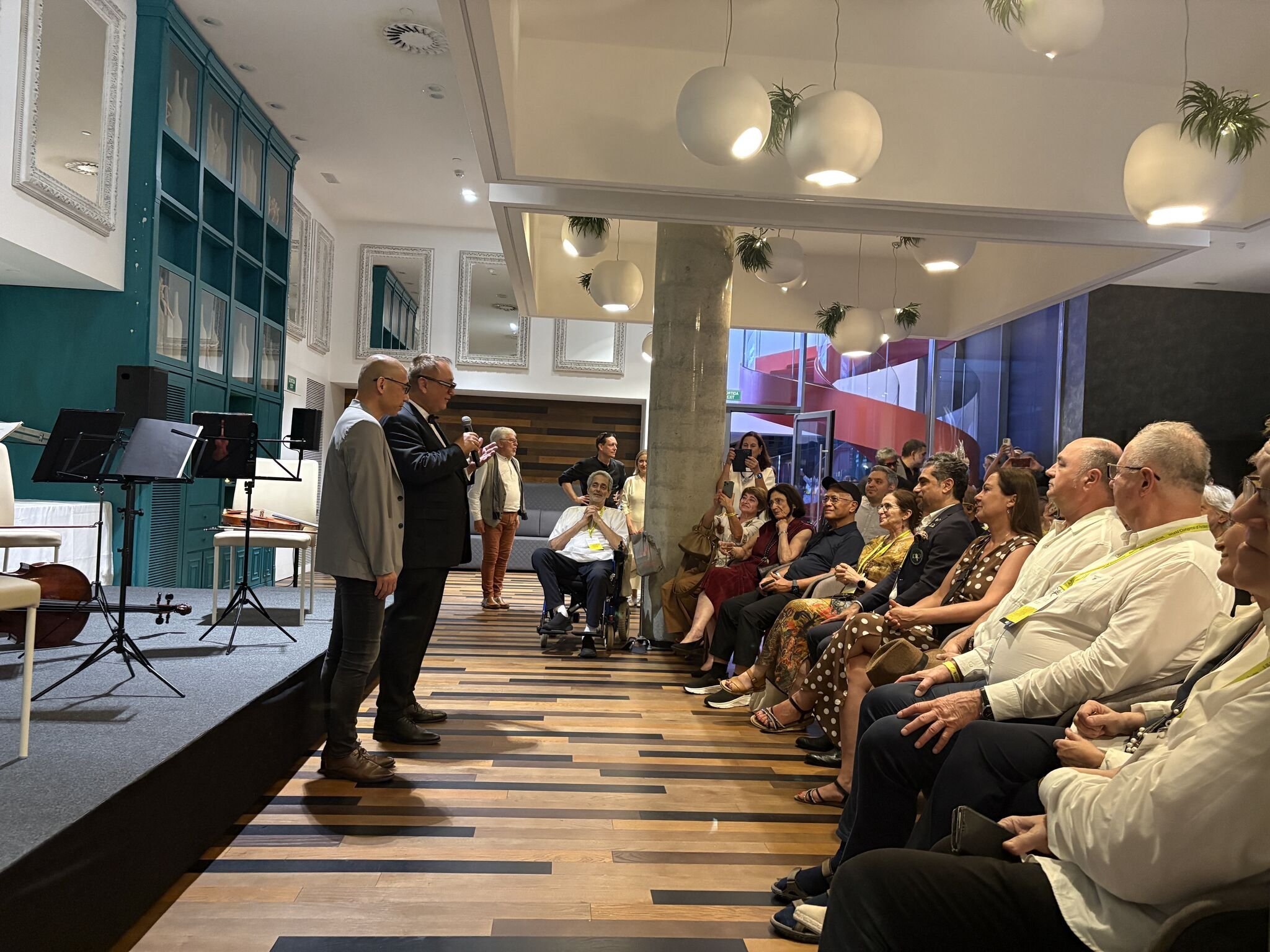
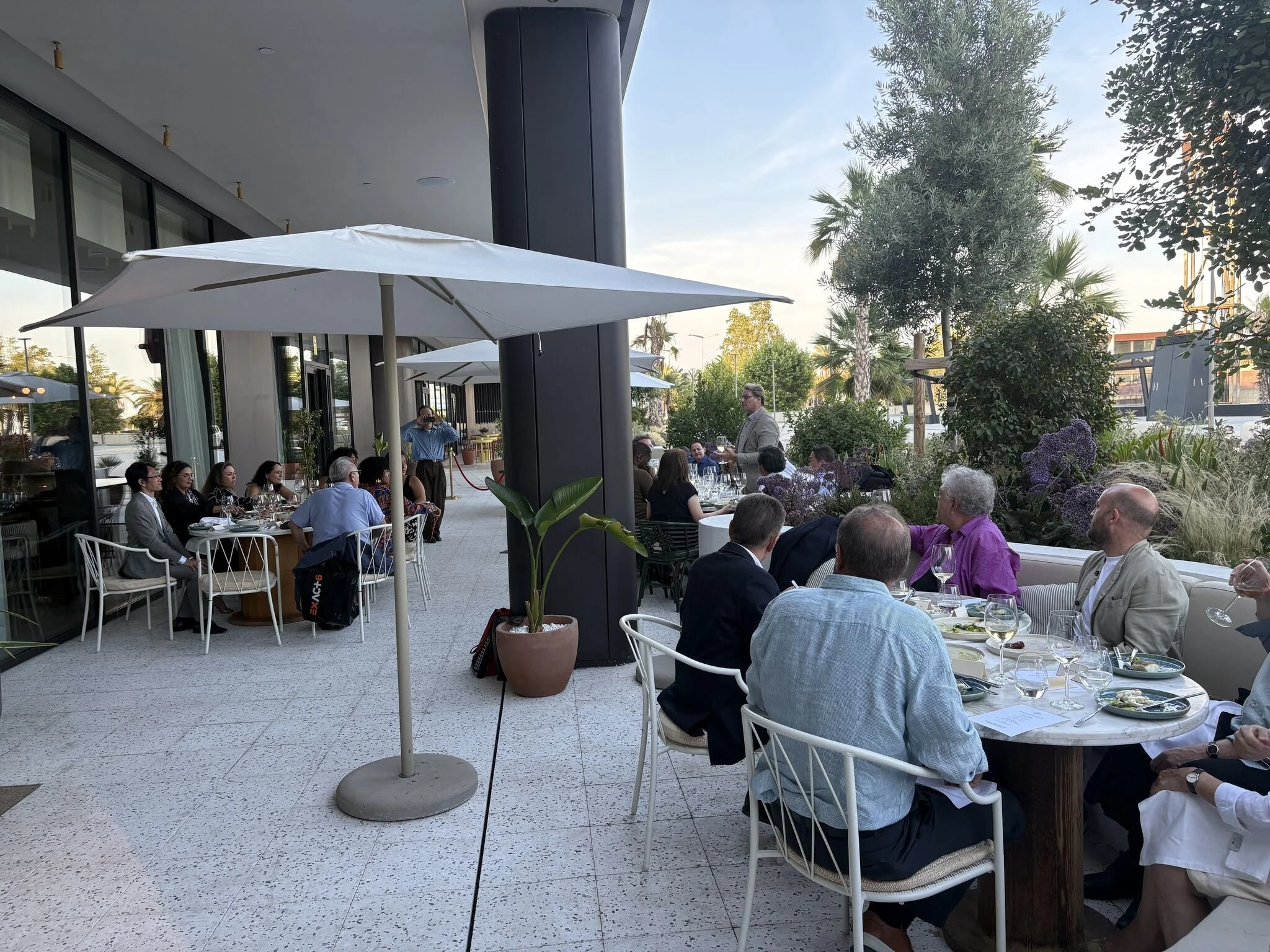
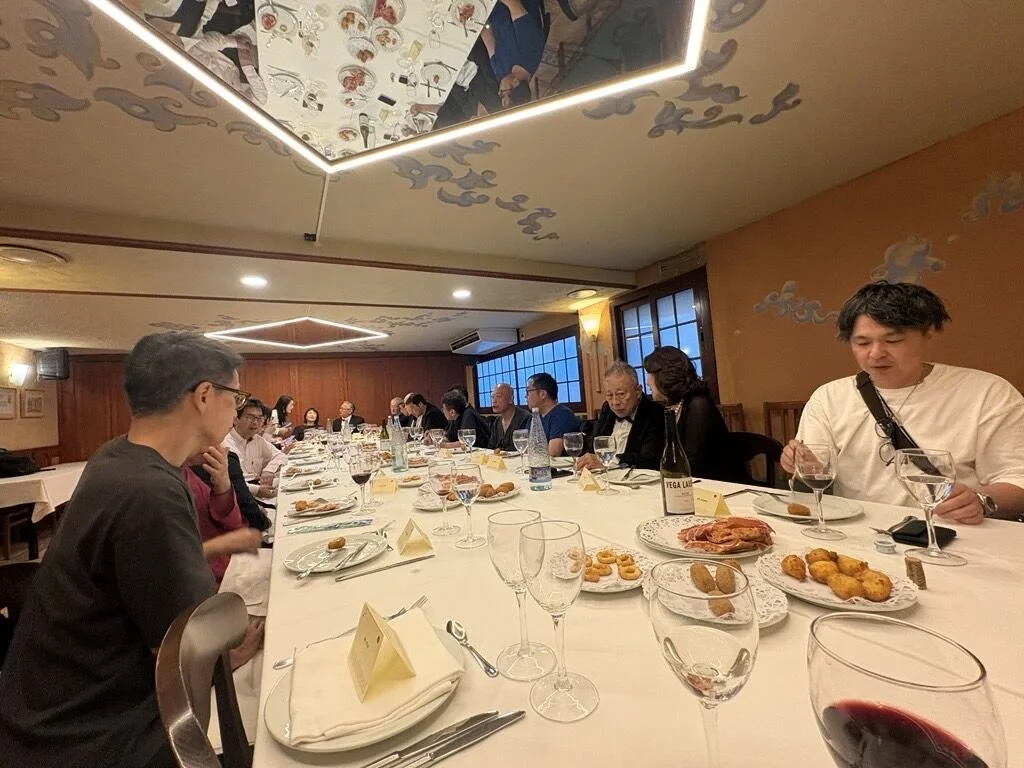
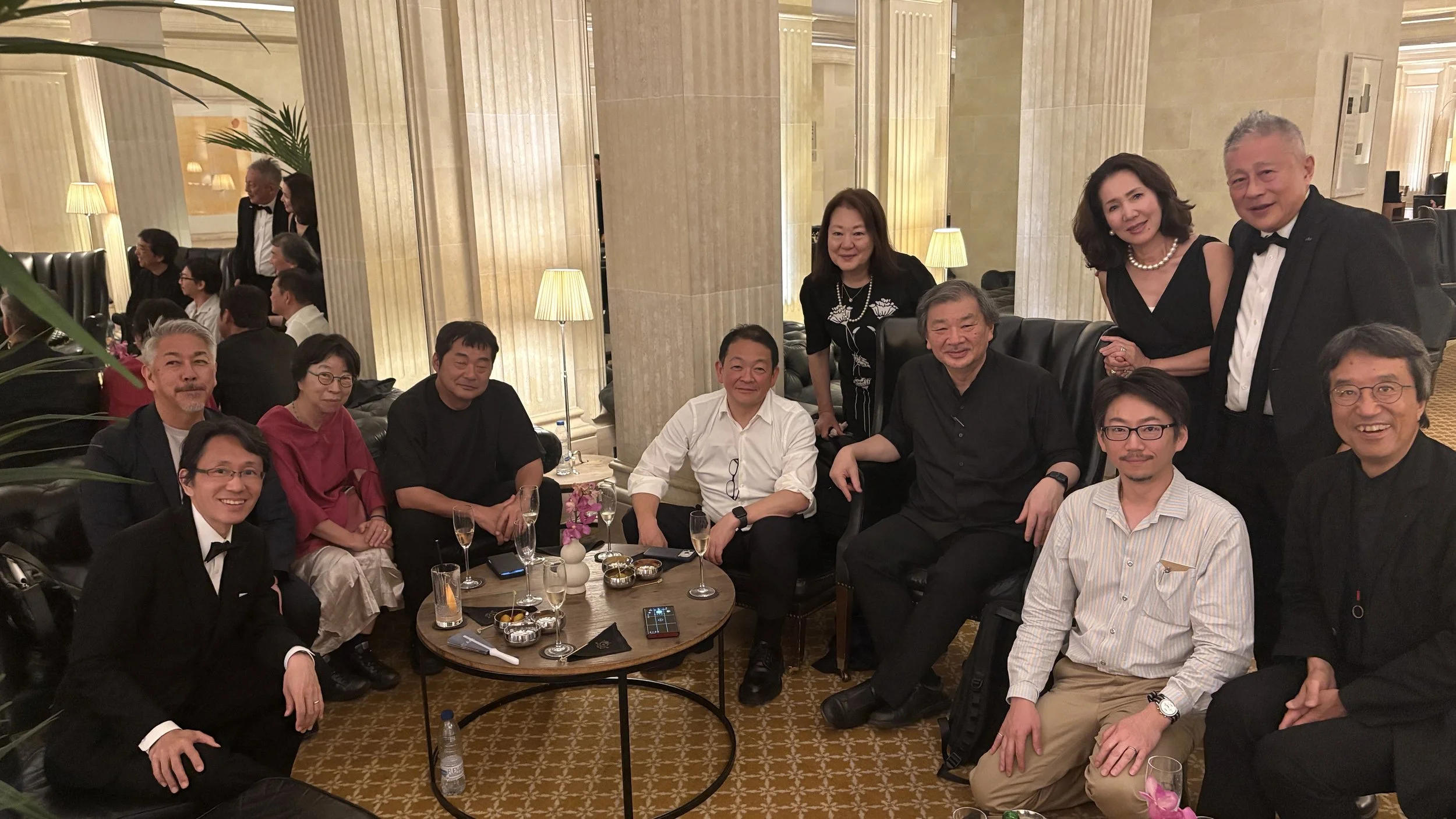
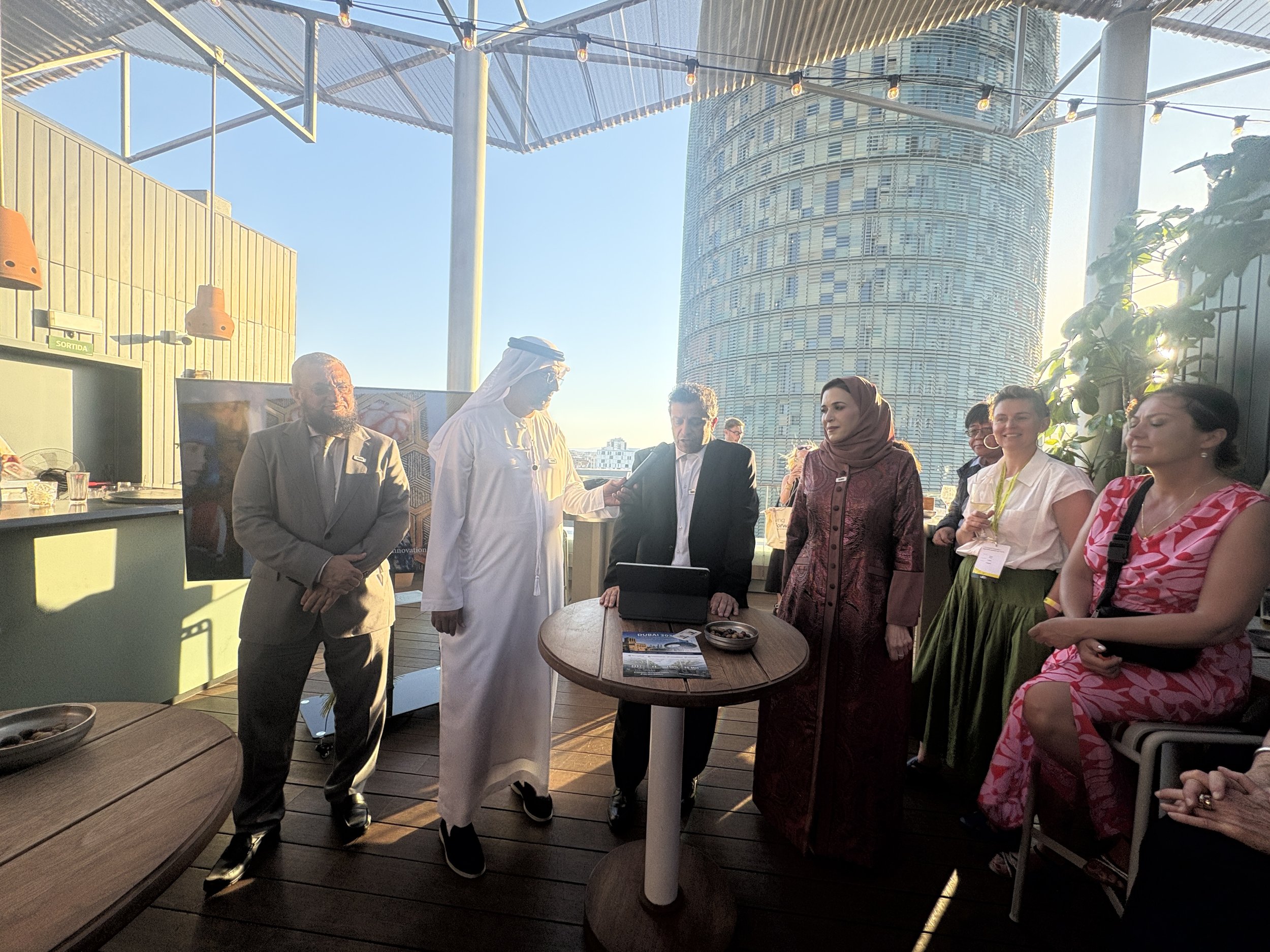
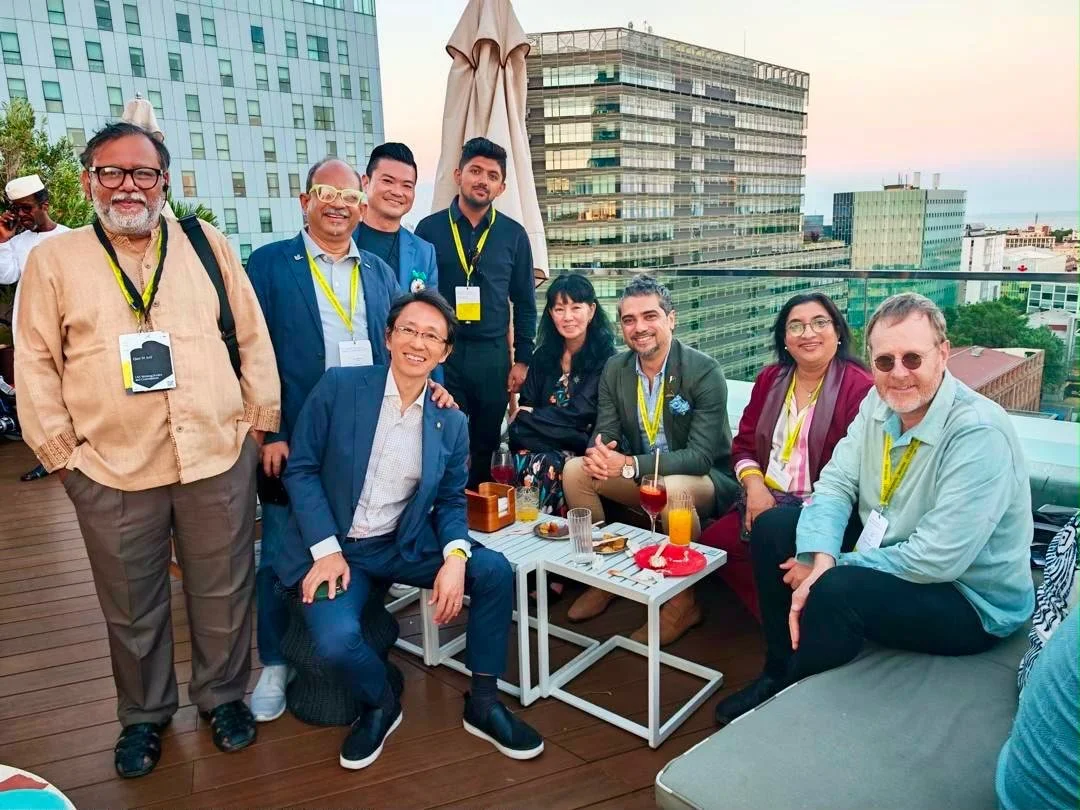
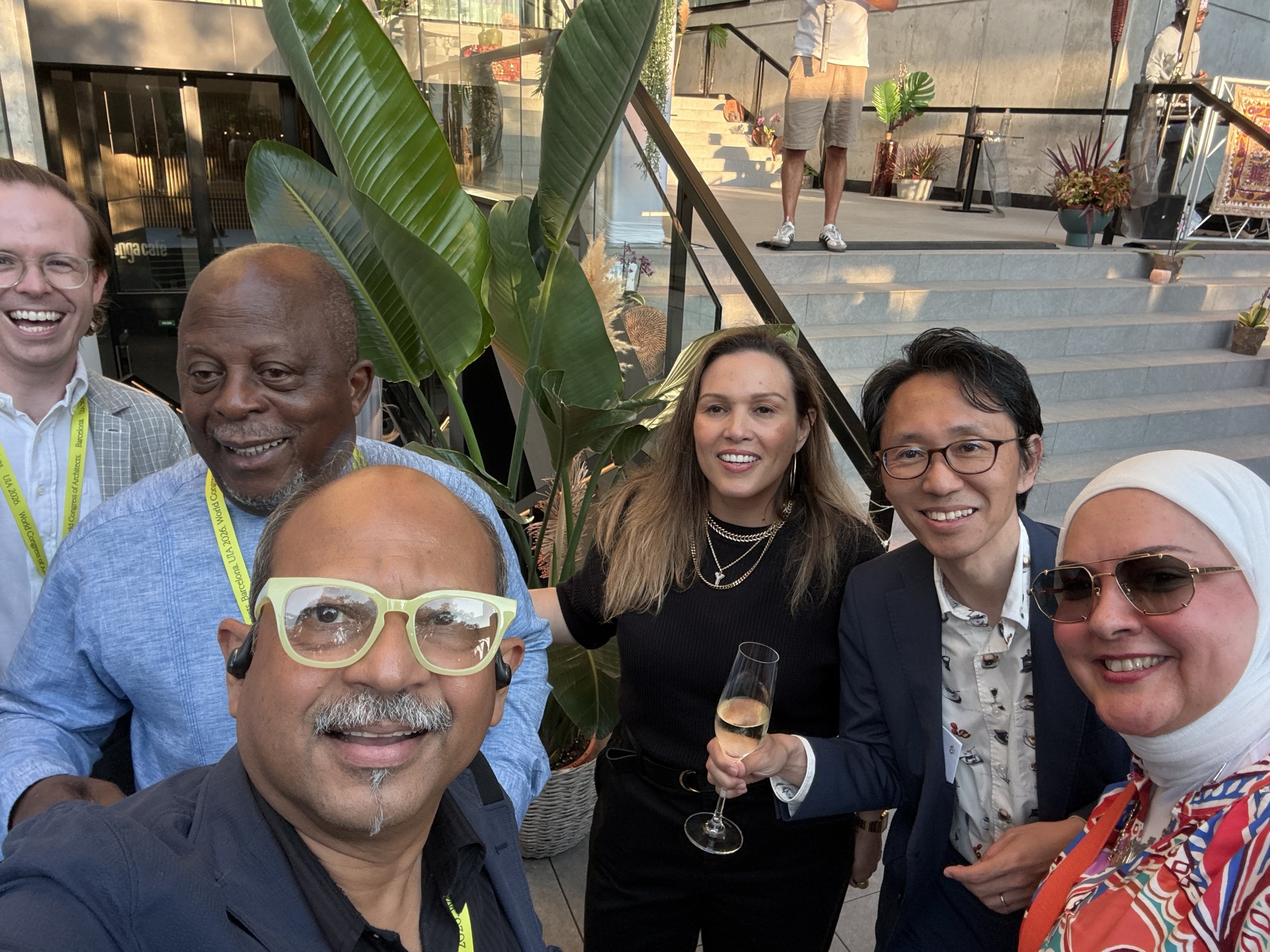
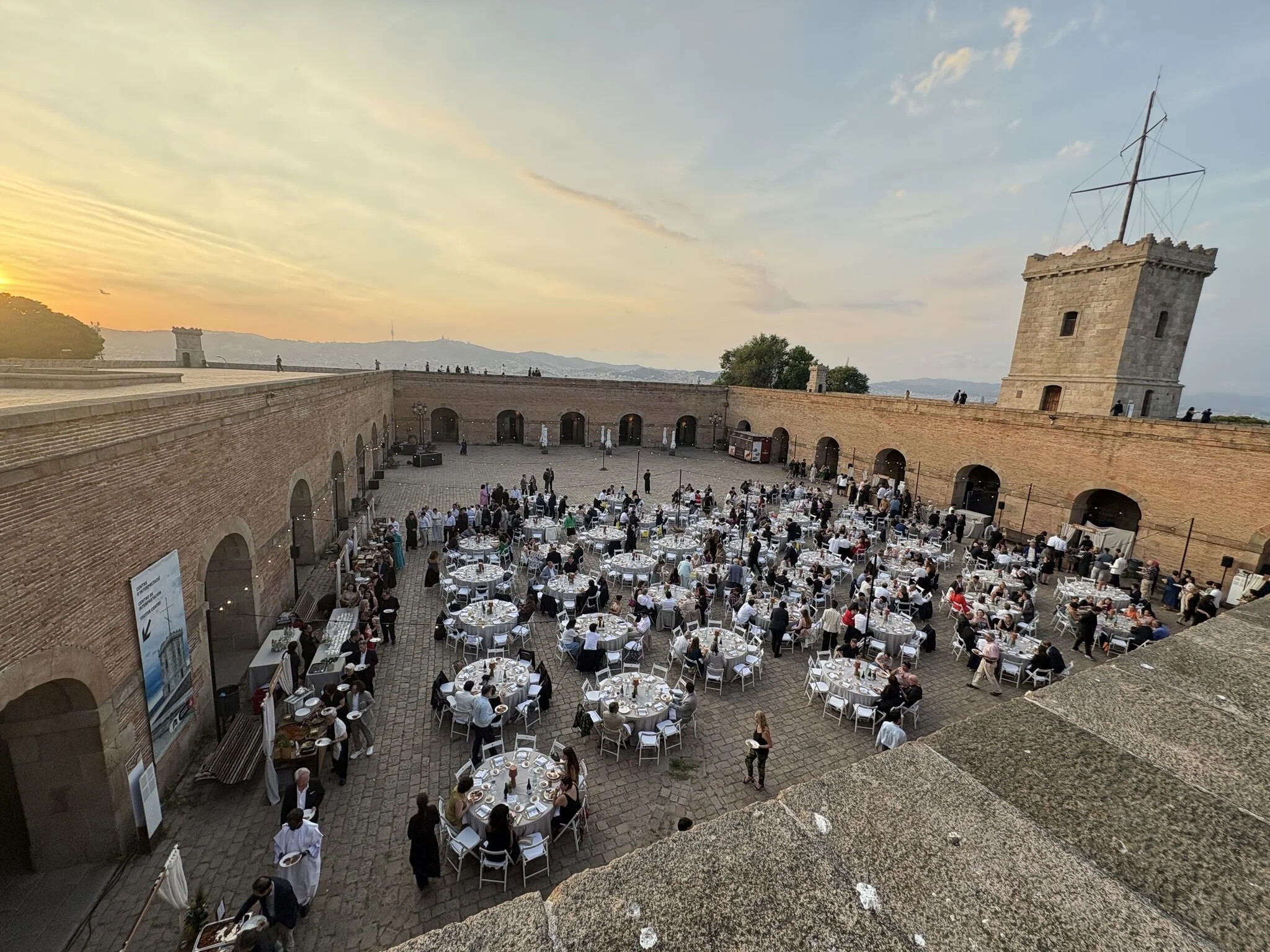
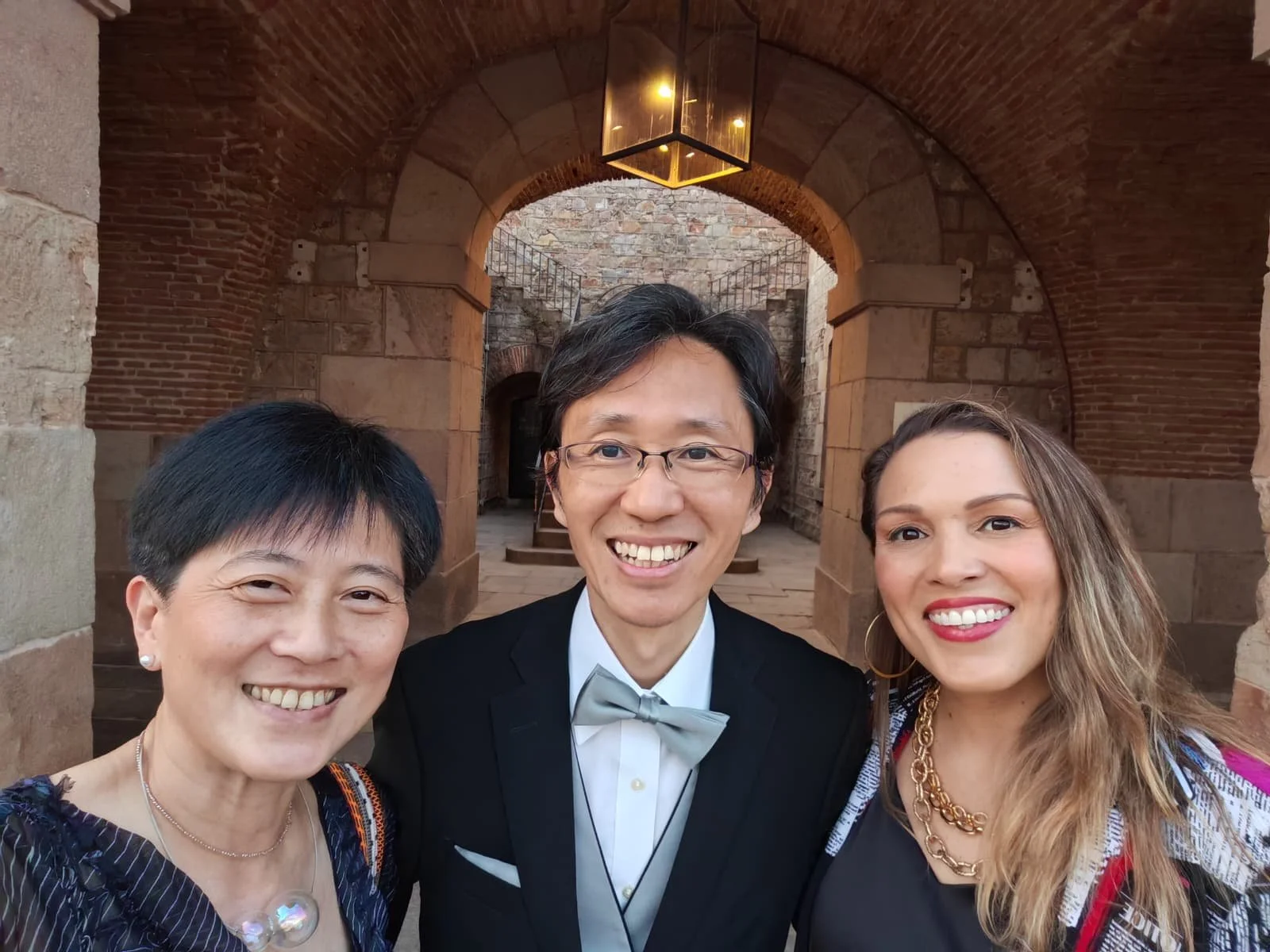
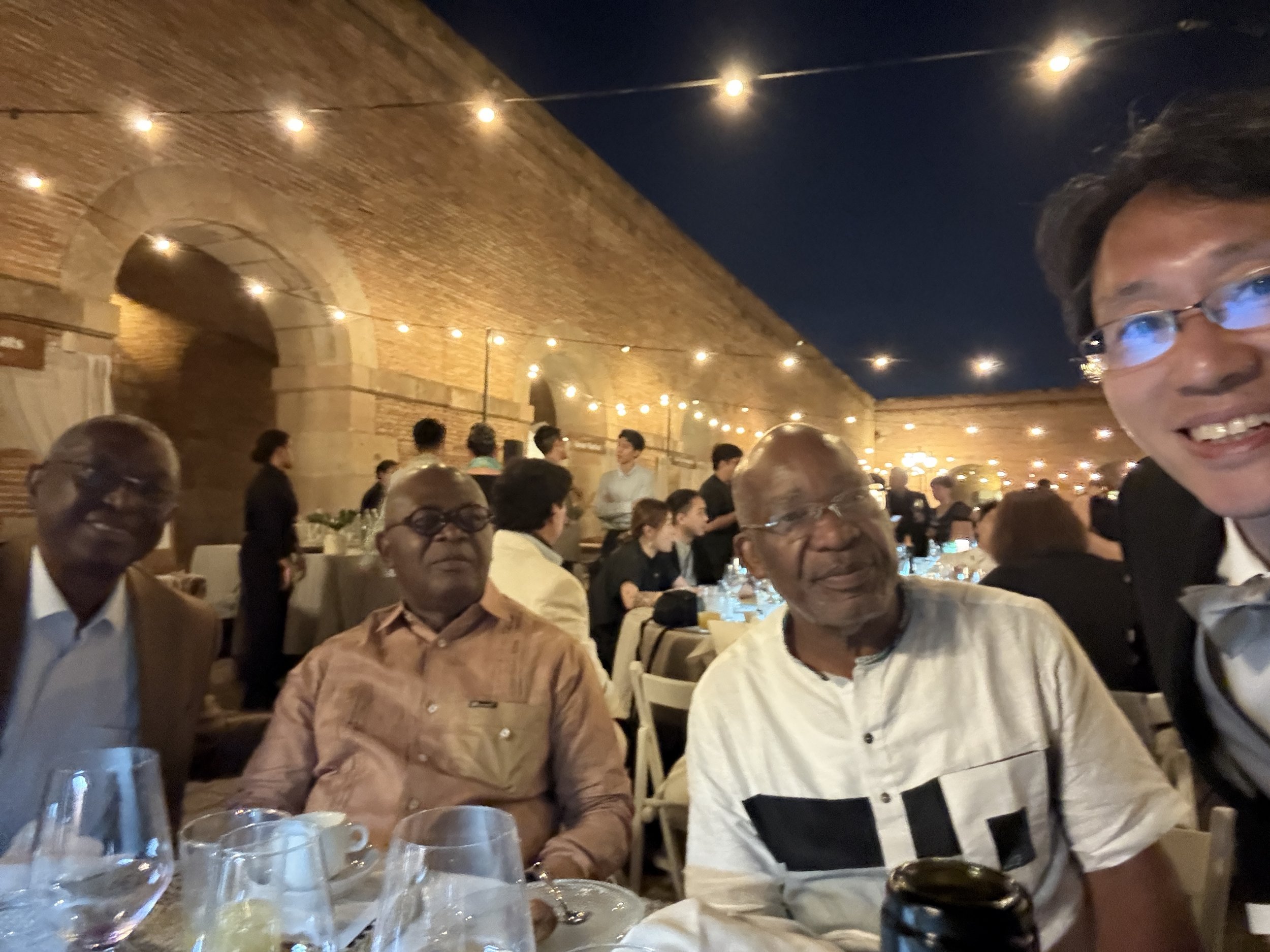
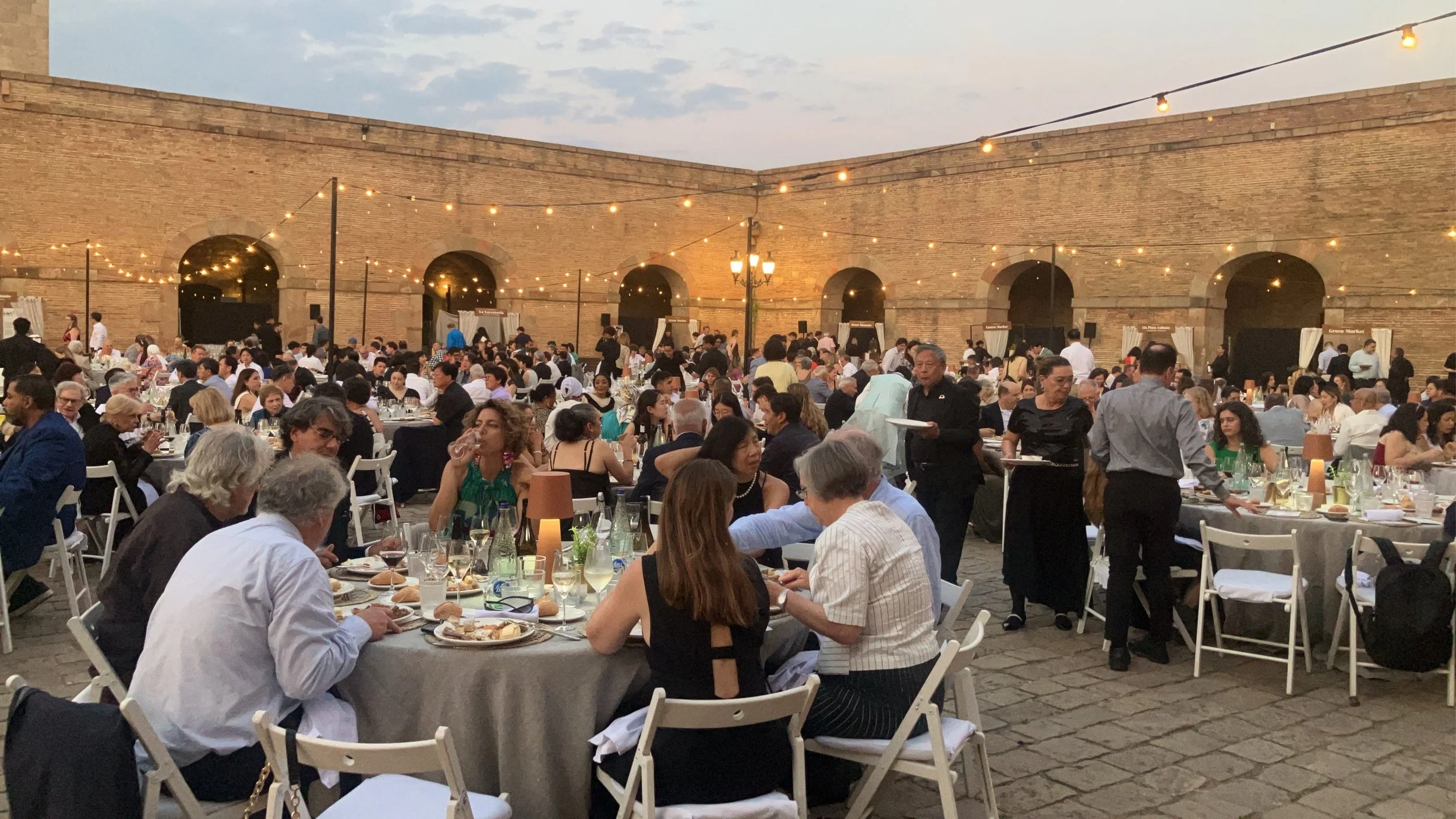
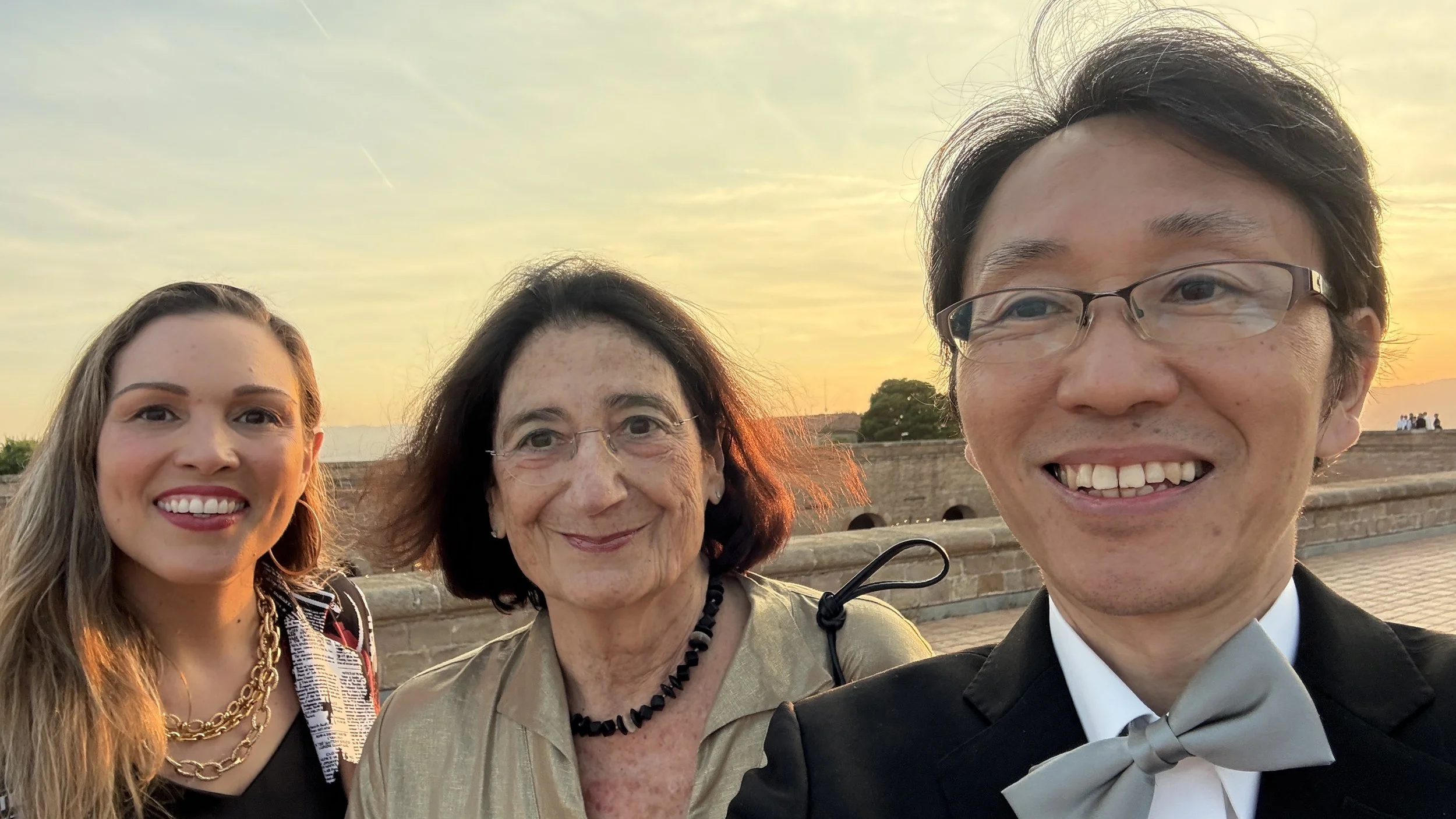
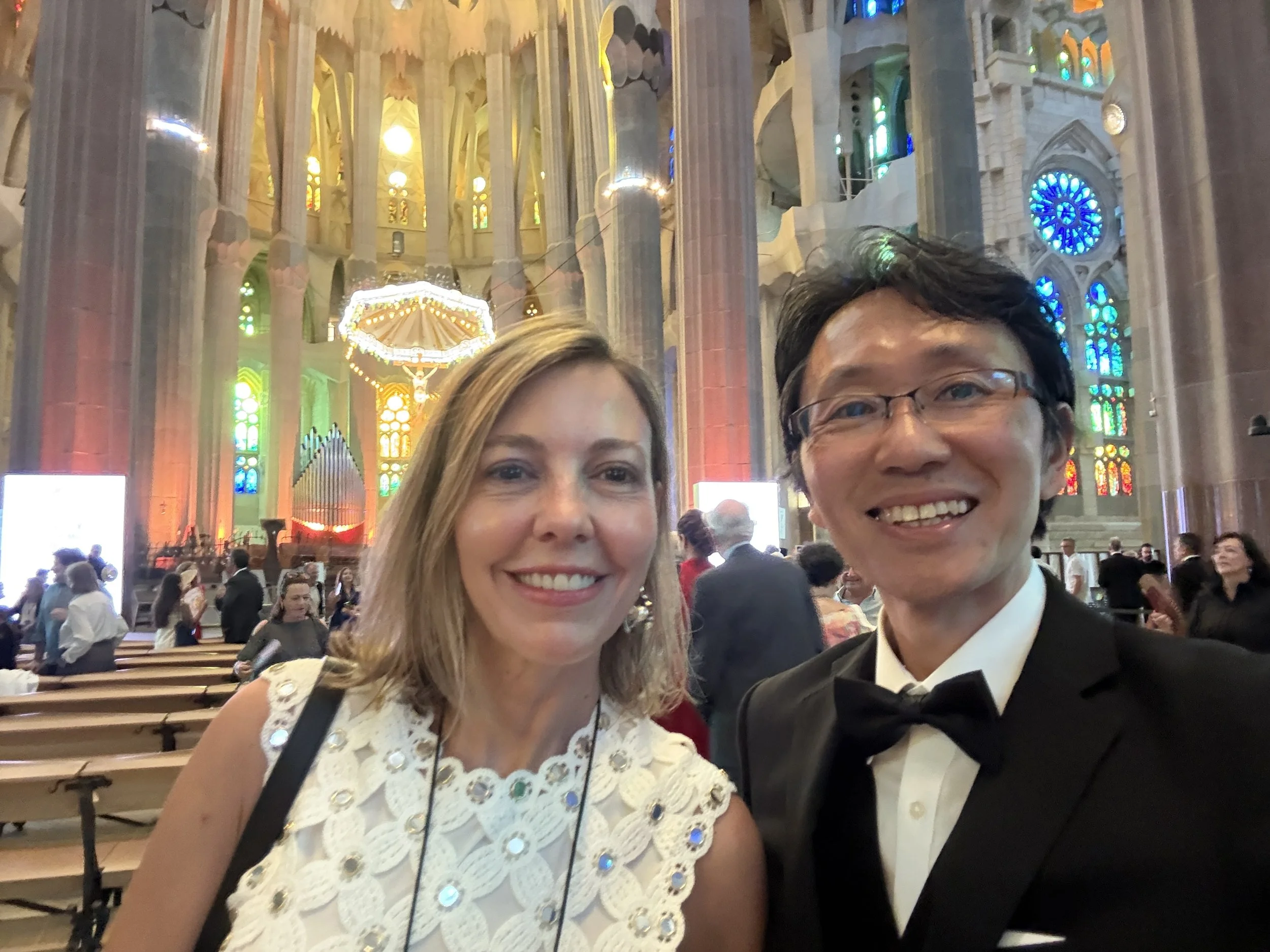
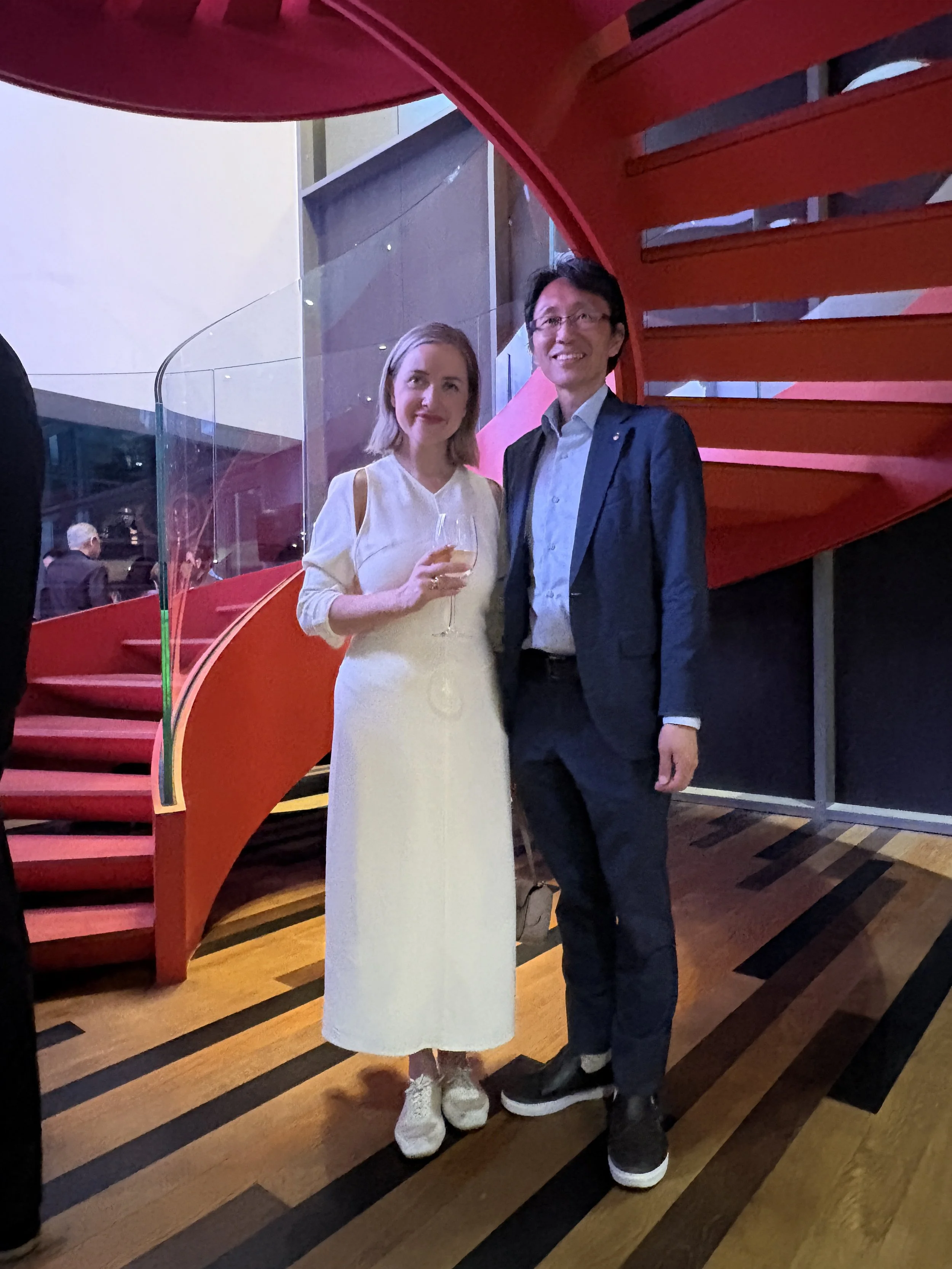
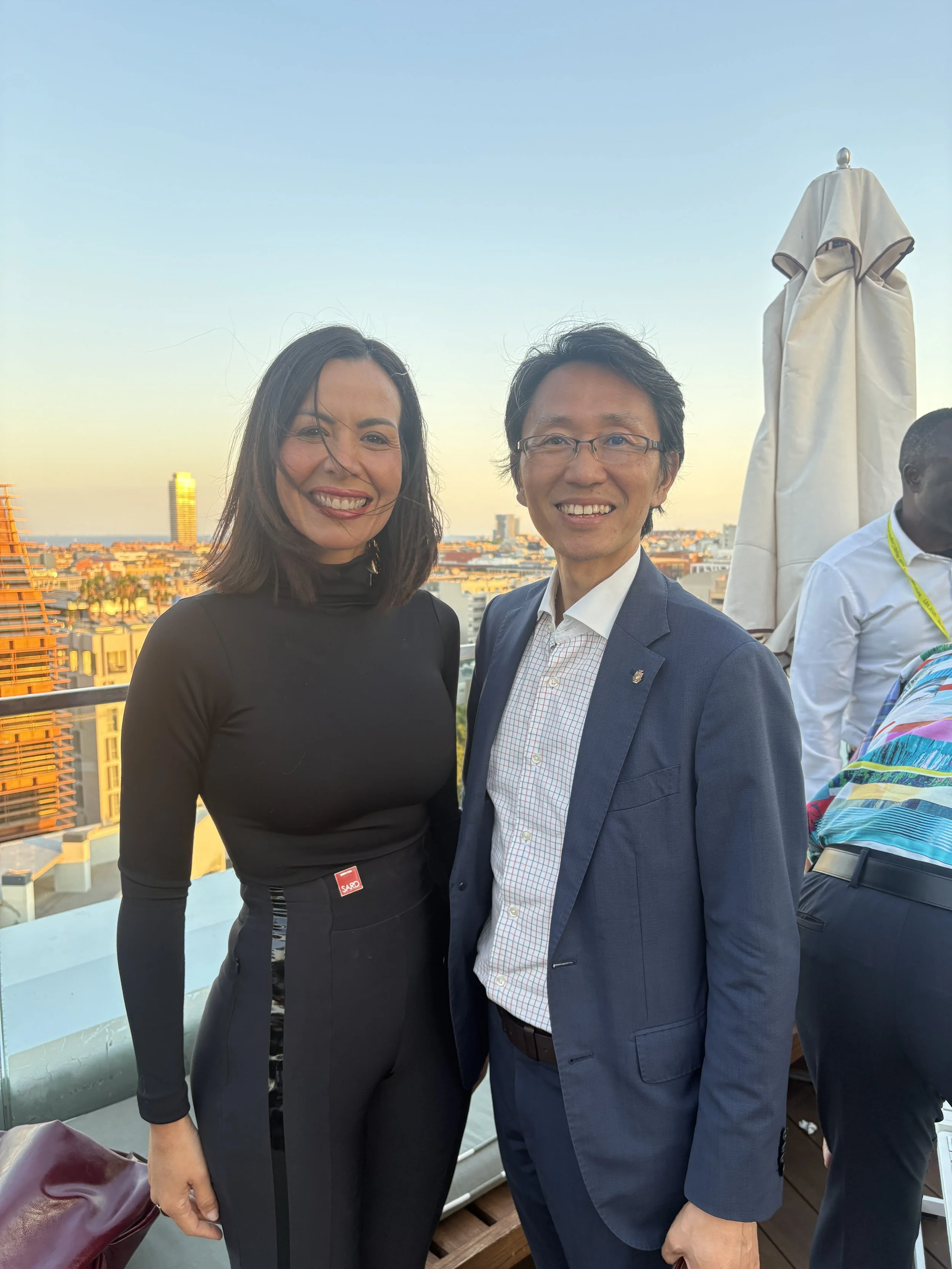
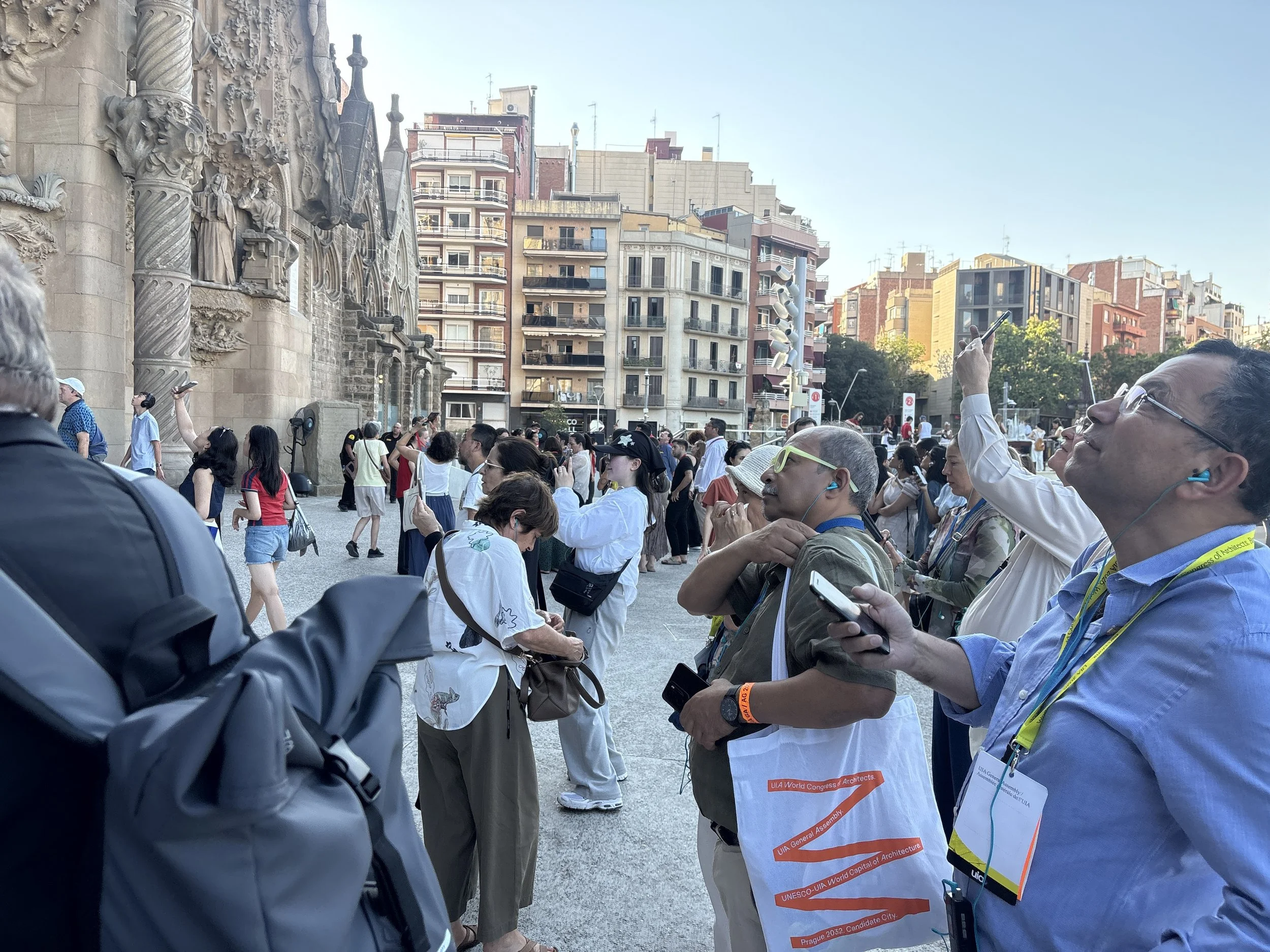
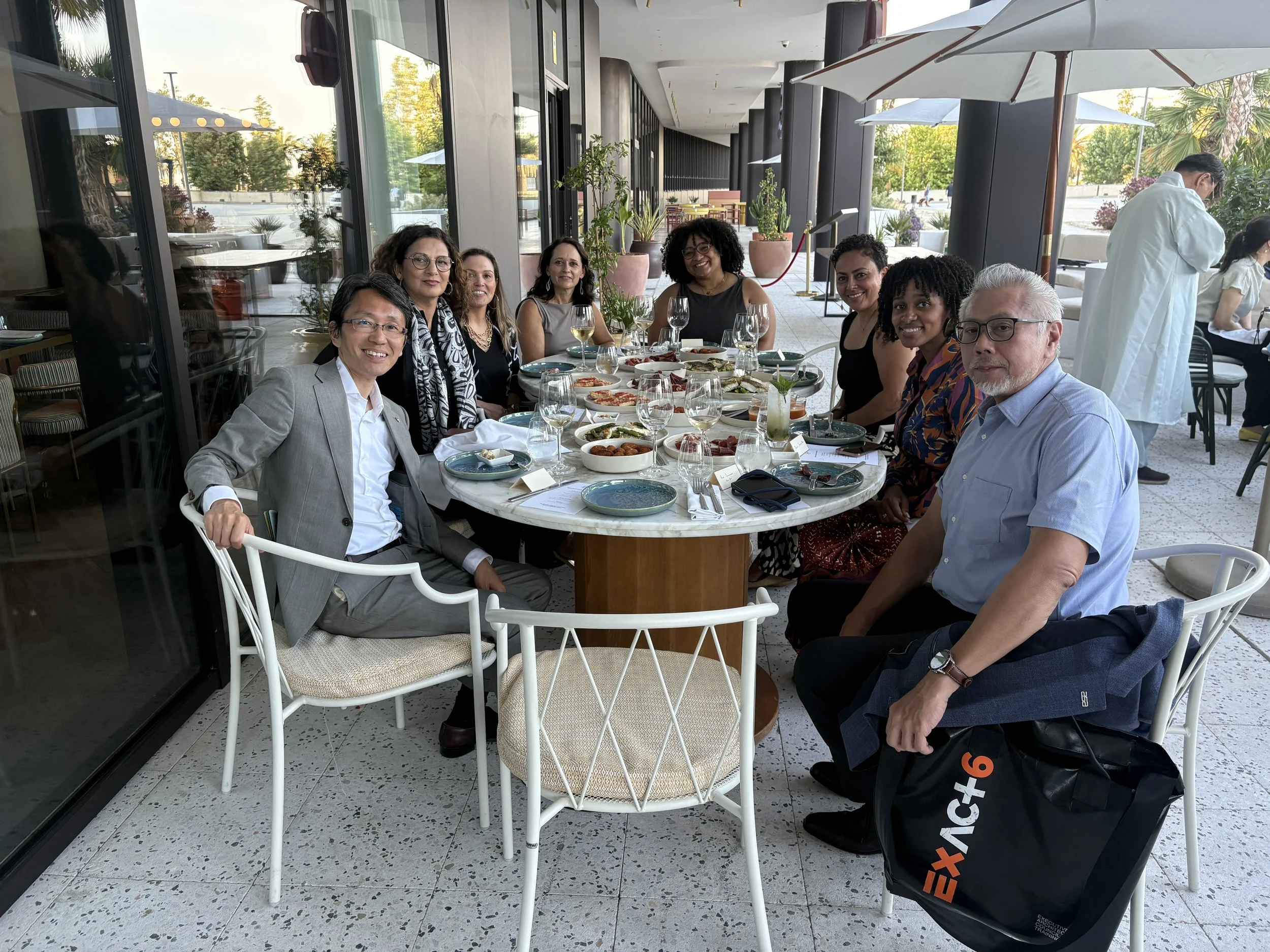
A particularly important outcome was reconnecting with CSCAE and continuing the relationship established through the 2022 UIA International Forum in Madrid. Throughout the Congress, I also met with professional leaders from Europe, Asia, the Middle East, Oceania, and the Americas. These conversations provided an opportunity to better understand regional priorities and explore how professional organizations can work together.
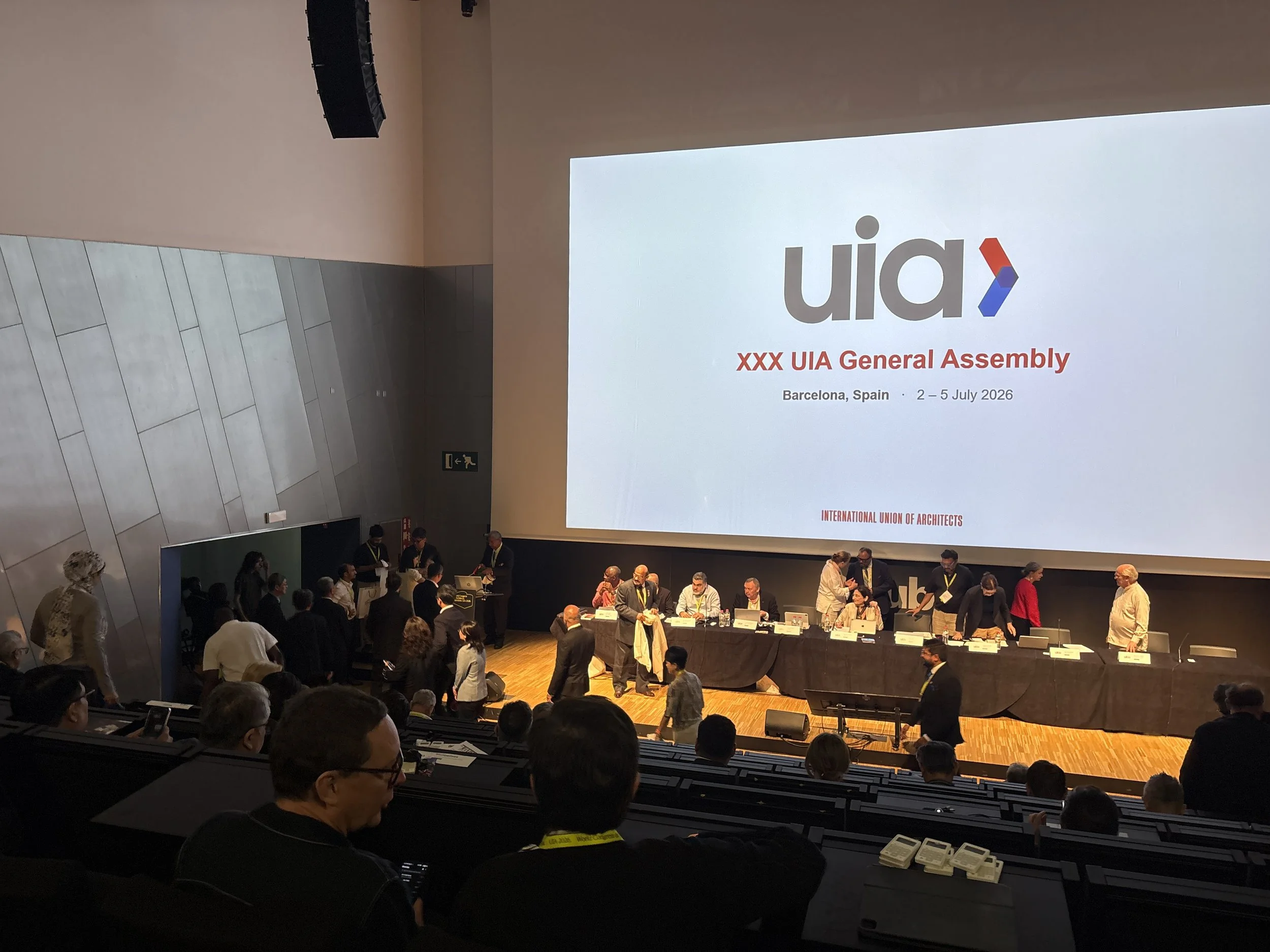
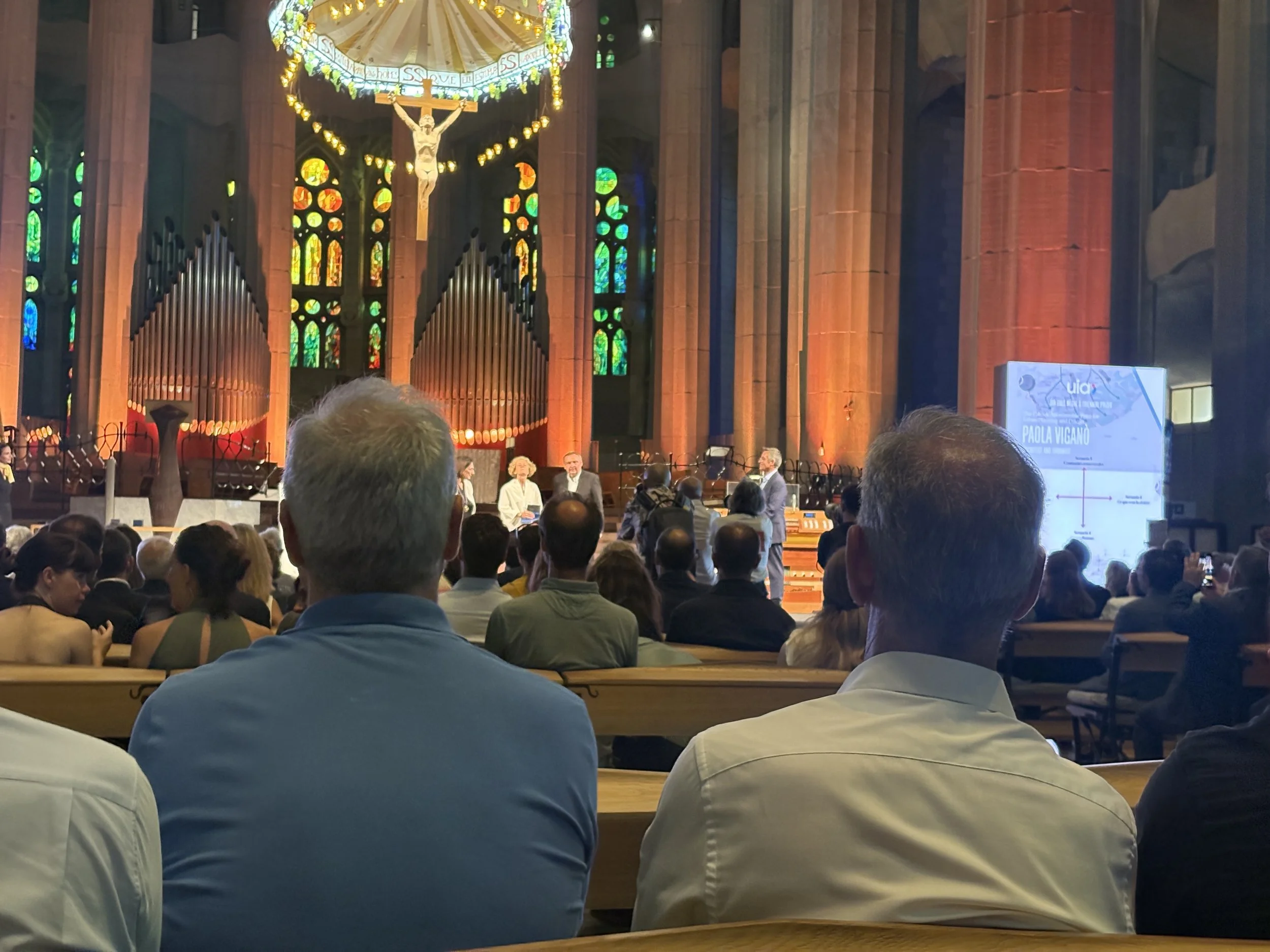
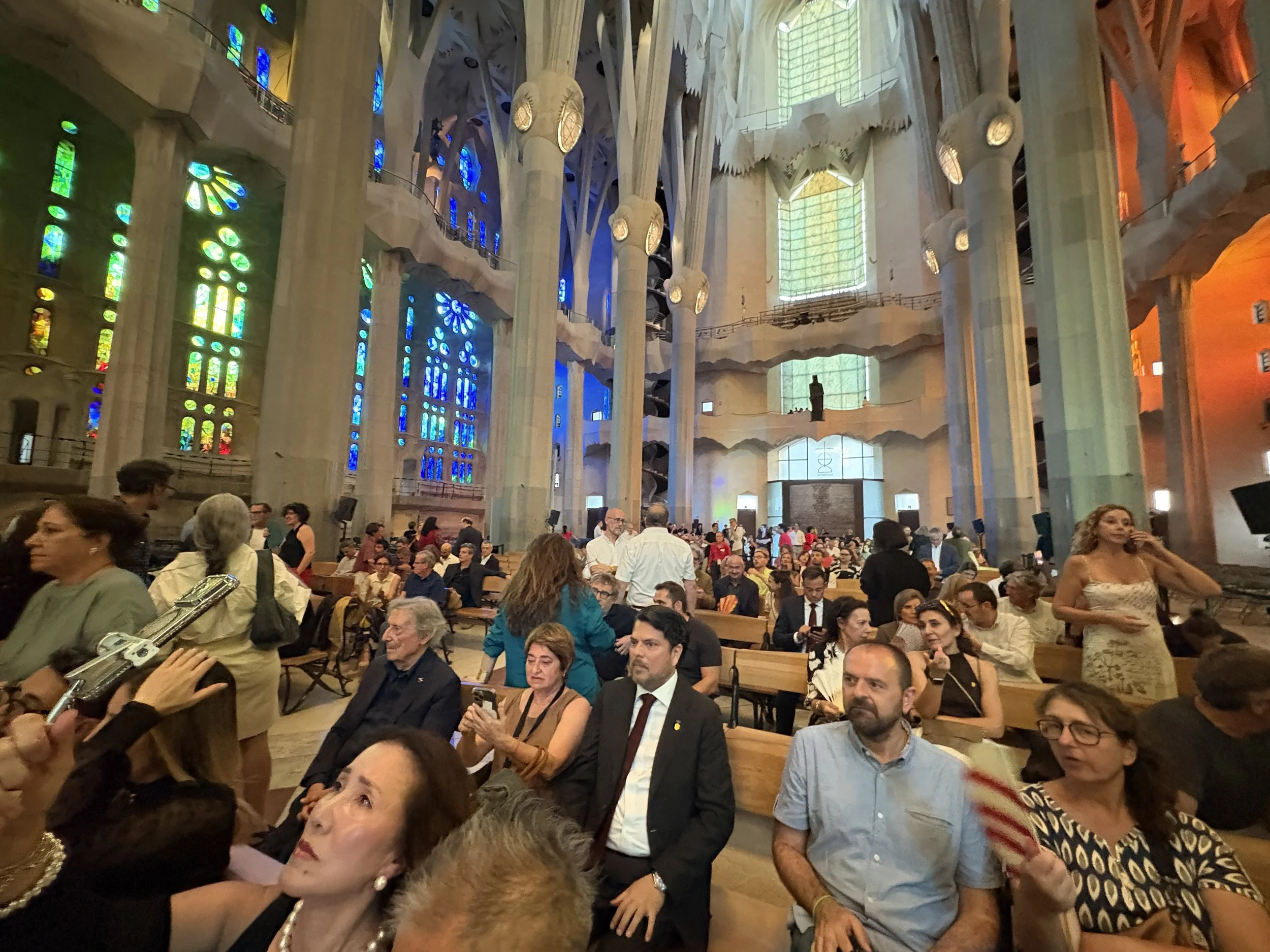
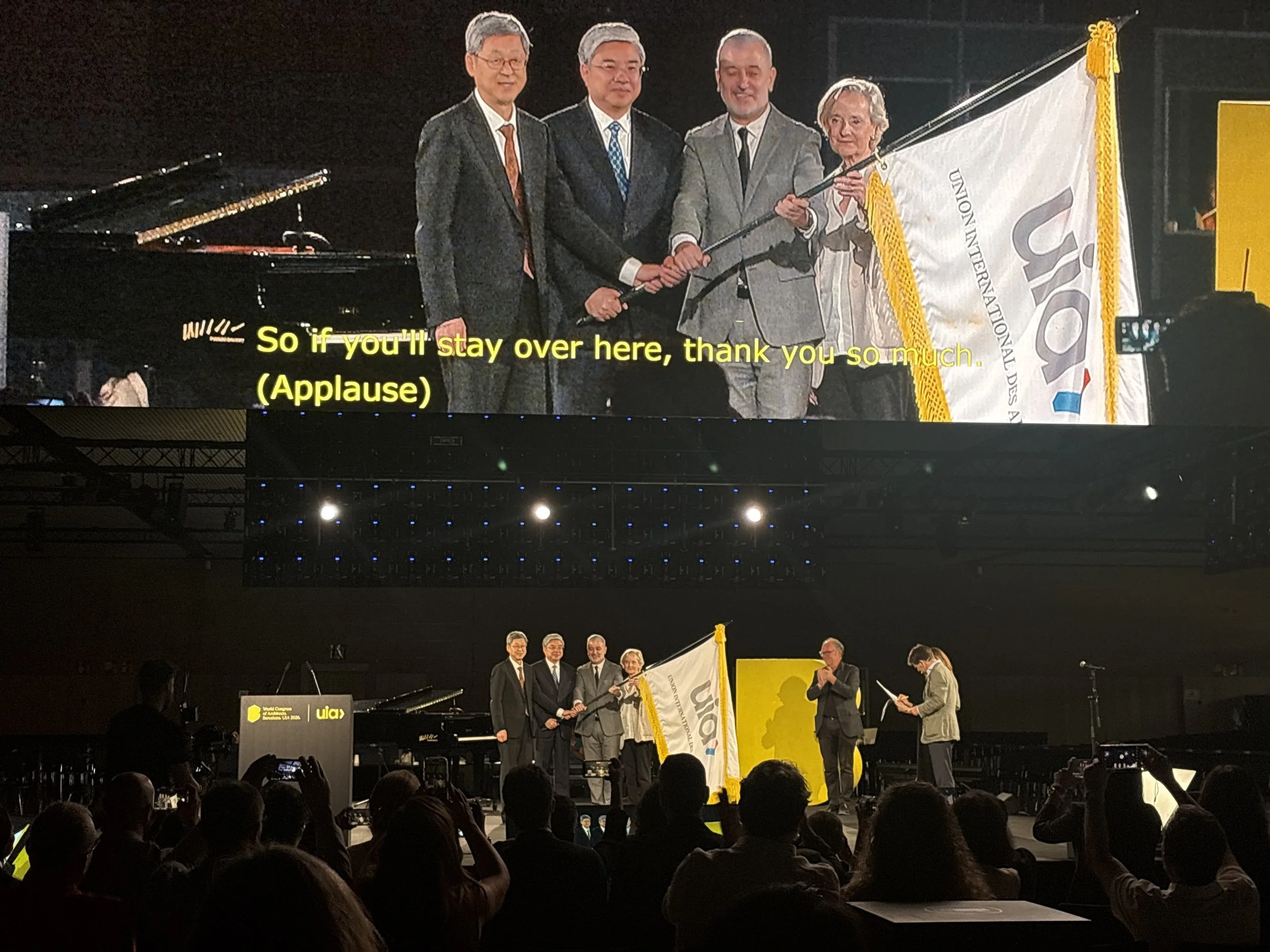
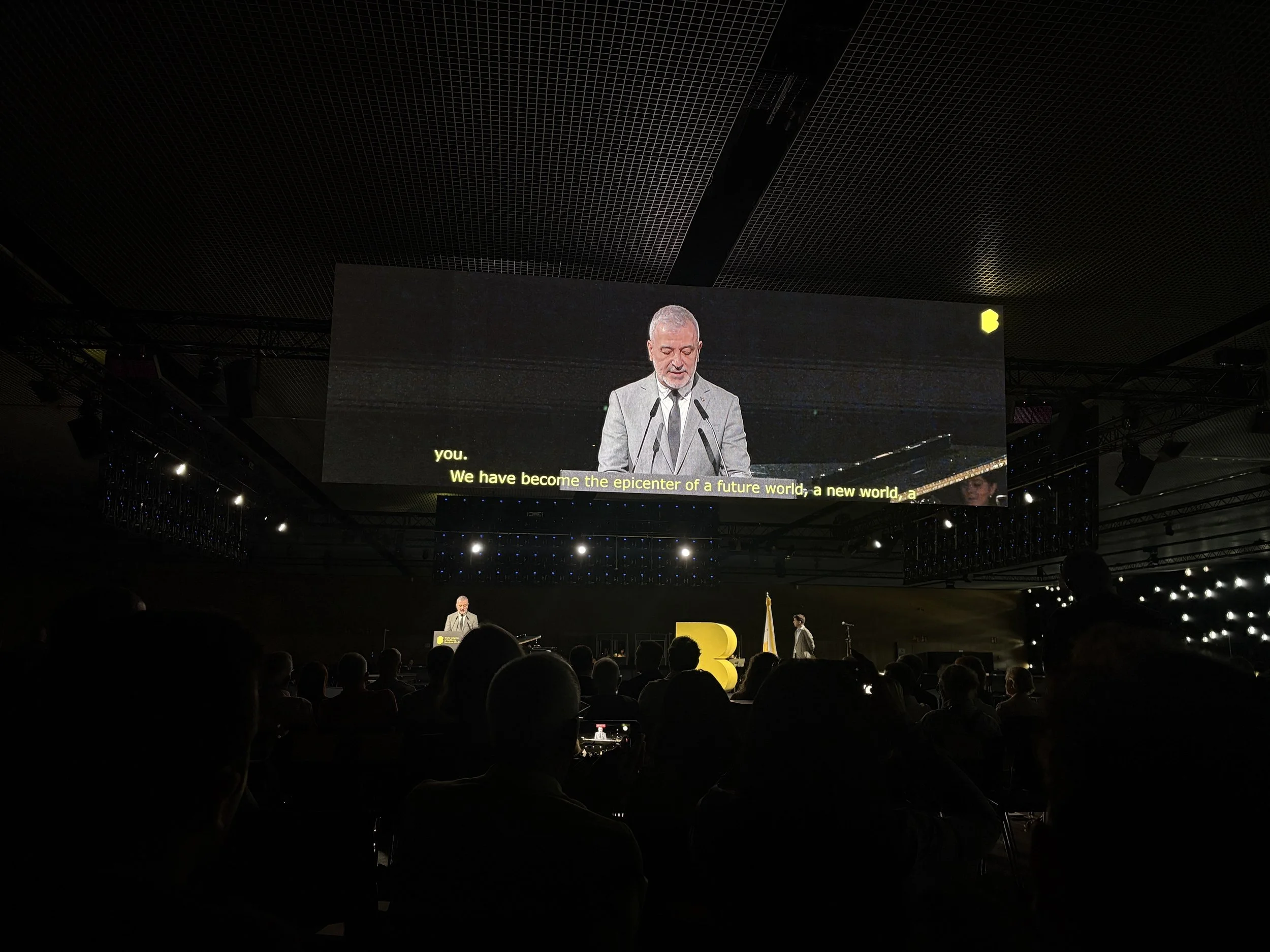
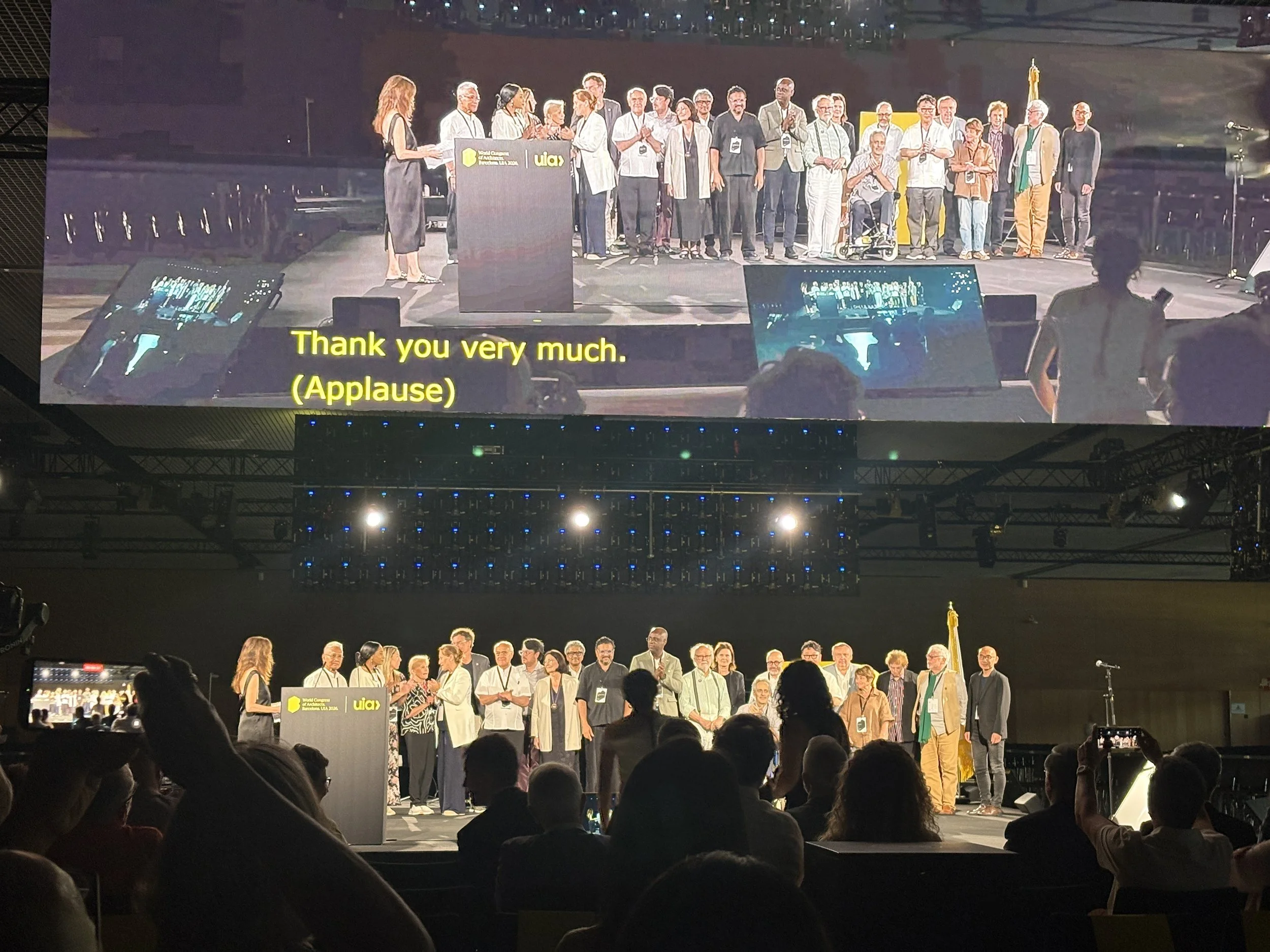
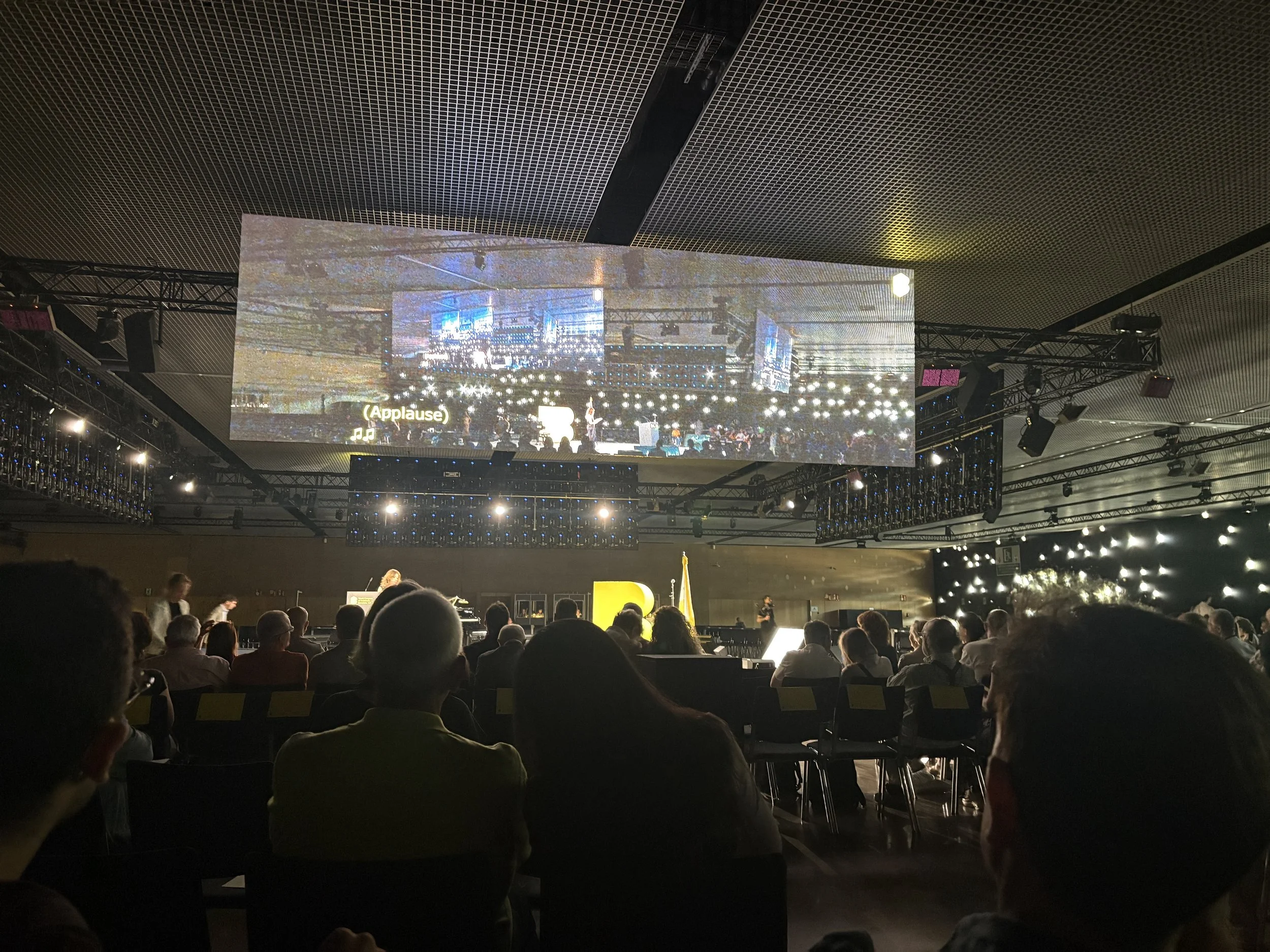
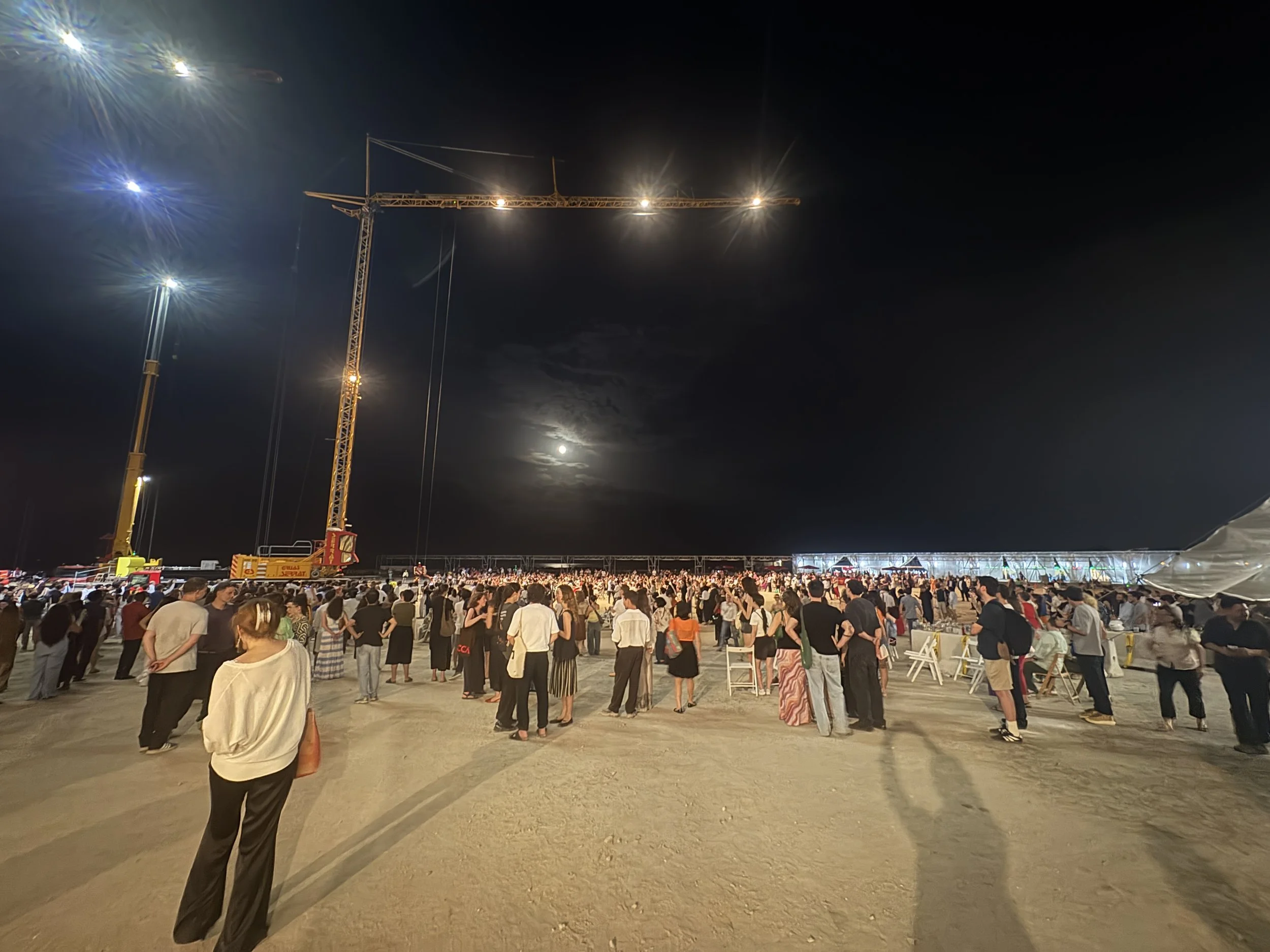
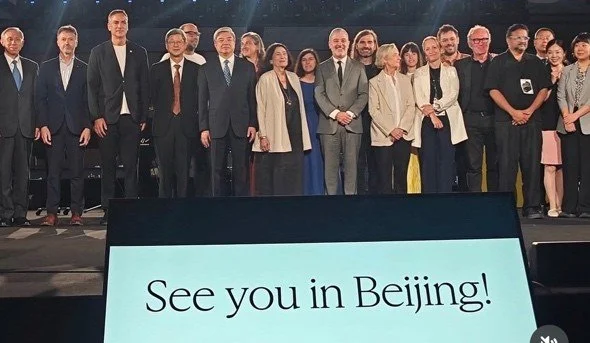
The General Assembly provided a complementary perspective, bringing professional leadership together around the broader direction of the international profession. Participating in both the Congress and General Assembly reinforced the importance of AIA International maintaining an active voice within the global architectural community while remaining closely connected to the needs of our members.
The challenges facing architecture increasingly cross national boundaries. Climate change, technological transformation, professional mobility, education, changing models of practice, and the development of emerging professionals are shared concerns. No single organization can address these challenges alone.
Our responsibility is therefore to build relationships that allow us to exchange knowledge, share resources, and learn from different approaches.
I am grateful to our advisor Thomas Vonier, FAIA, RIBA, as well as Derek Washam, Kevin Demetri Watkins, and Matthew Welker for their guidance and support during the Congress.
The most important outcome of Barcelona was not the number of meetings we held. It was the relationships strengthened and the foundation created for future cooperation.
Barcelona: Architecture Across Generations
The Congress also provided an opportunity to experience Barcelona itself as a living laboratory of architecture.
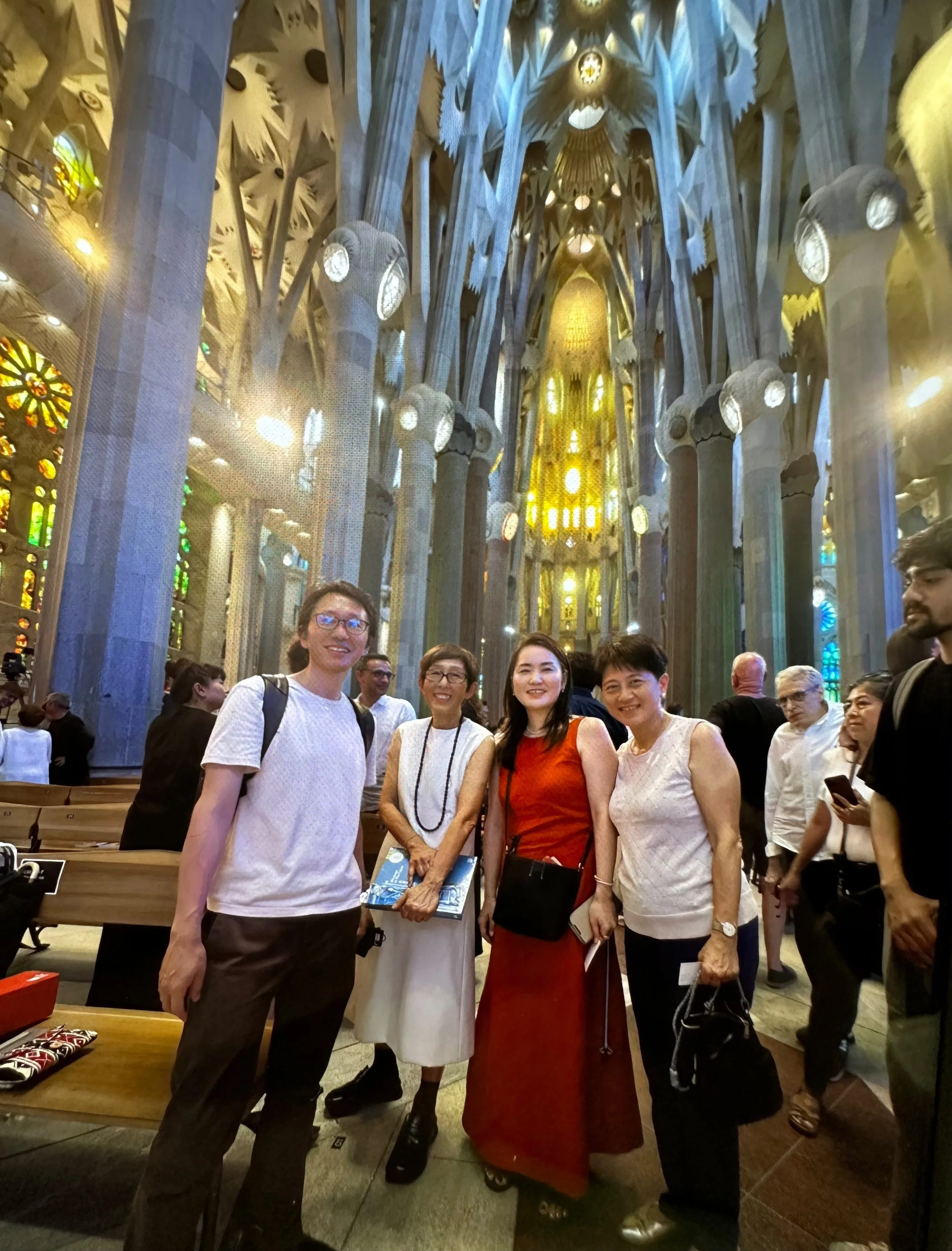
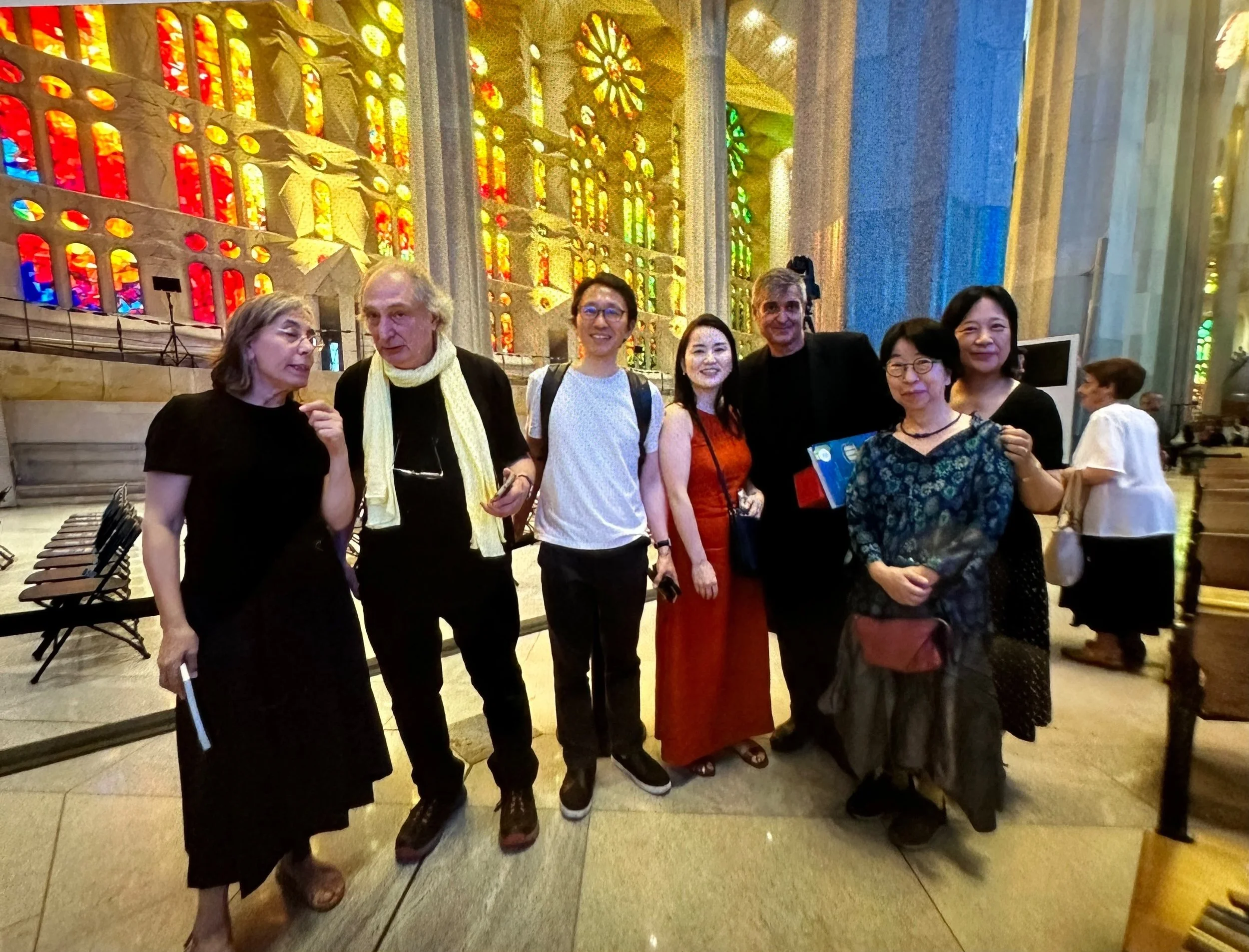
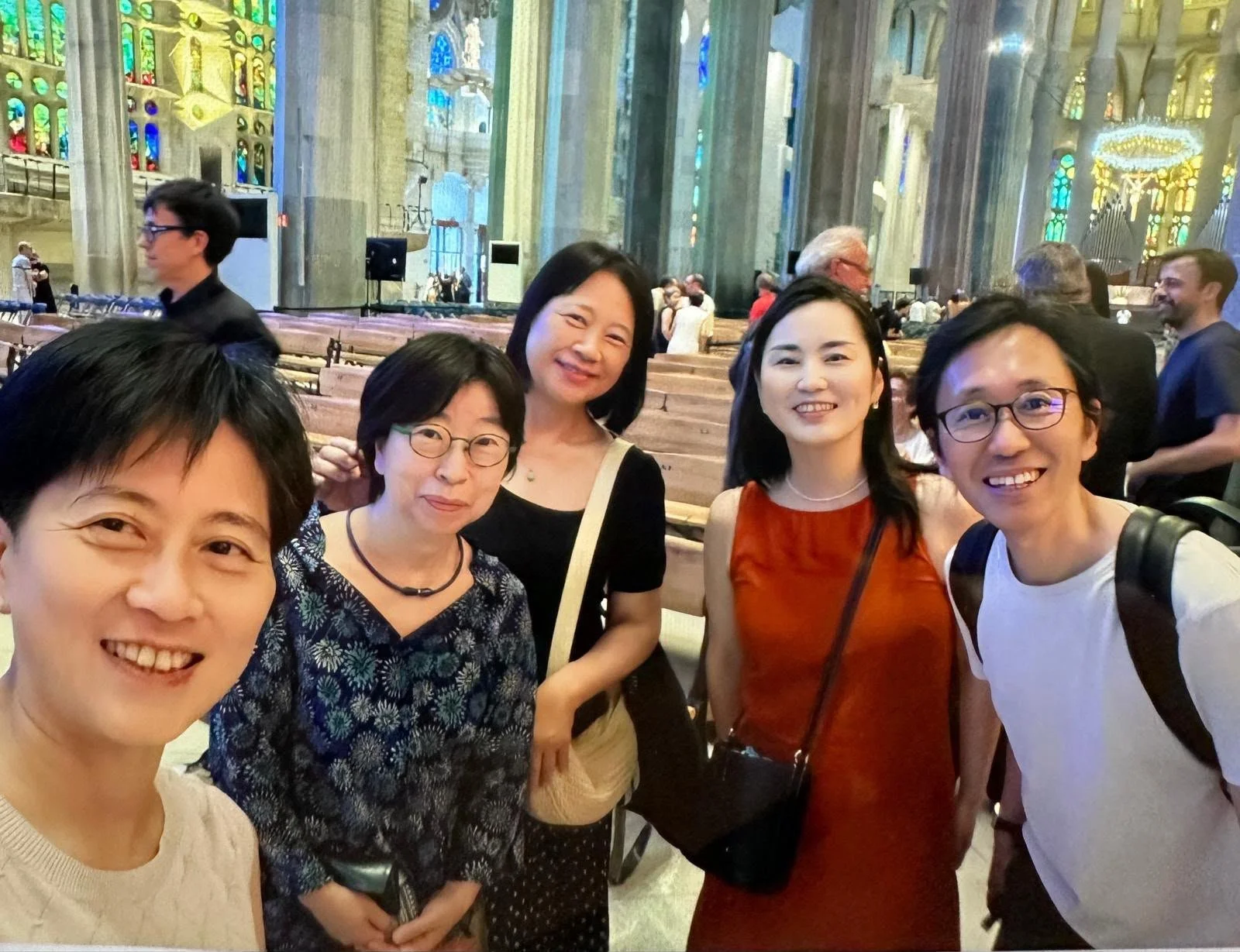
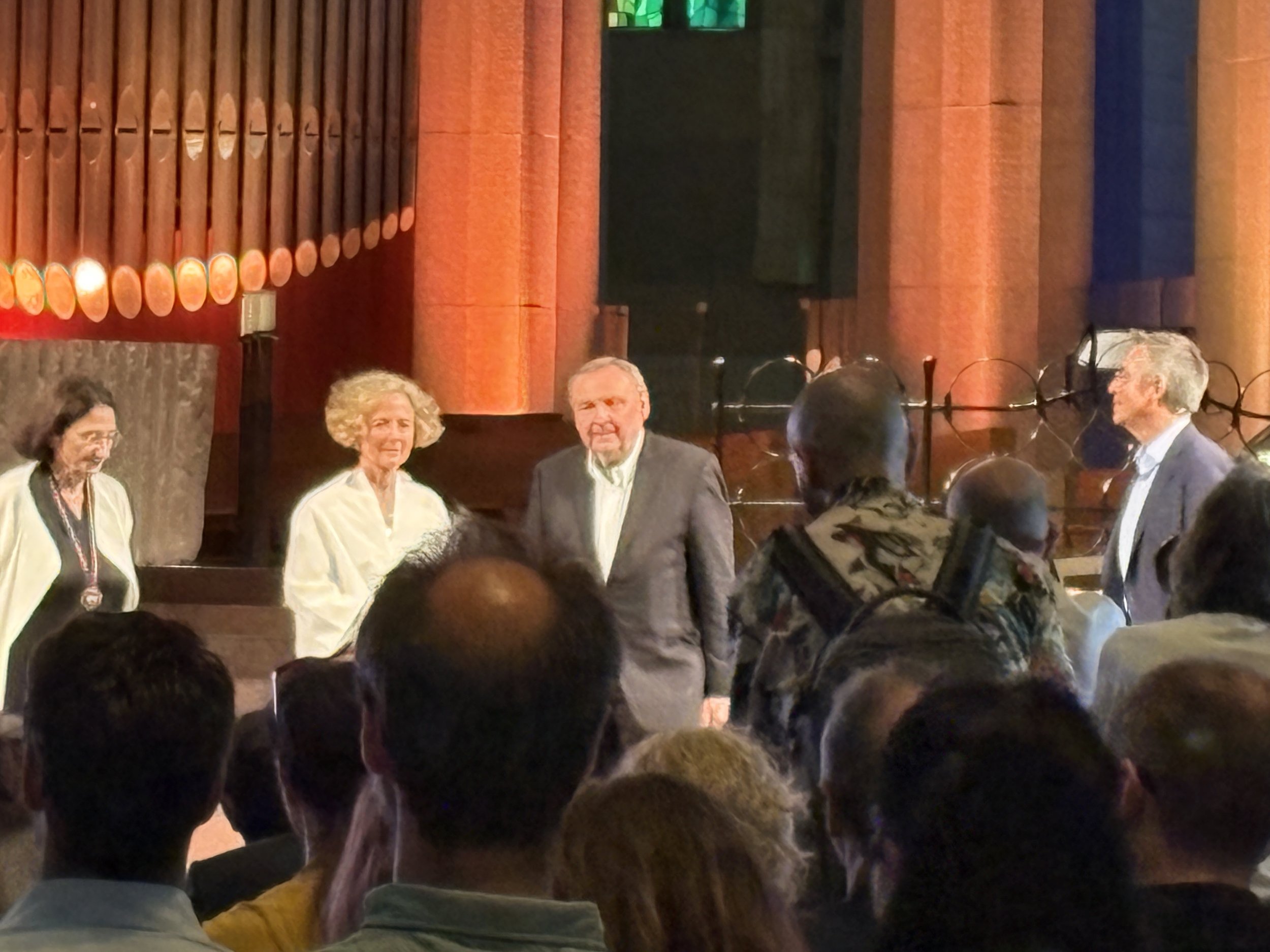
Before the Congress officially began, I attended"Architectural Dialogue between Heritage and Modernity at the Sagrada Família." The program brought together Pritzker Prize laureates Rafael Aranda, Carme Pigem, and Ramon Vilalta of RCR Arquitectes, recipients of the 2017 Pritzker Architecture Prize, together with Kazuyo Sejima, recipient of the 2010 Pritzker Architecture Prize. The event included an introduction by Dr. Jordi Faulí, Chief Architect of the Sagrada Família.
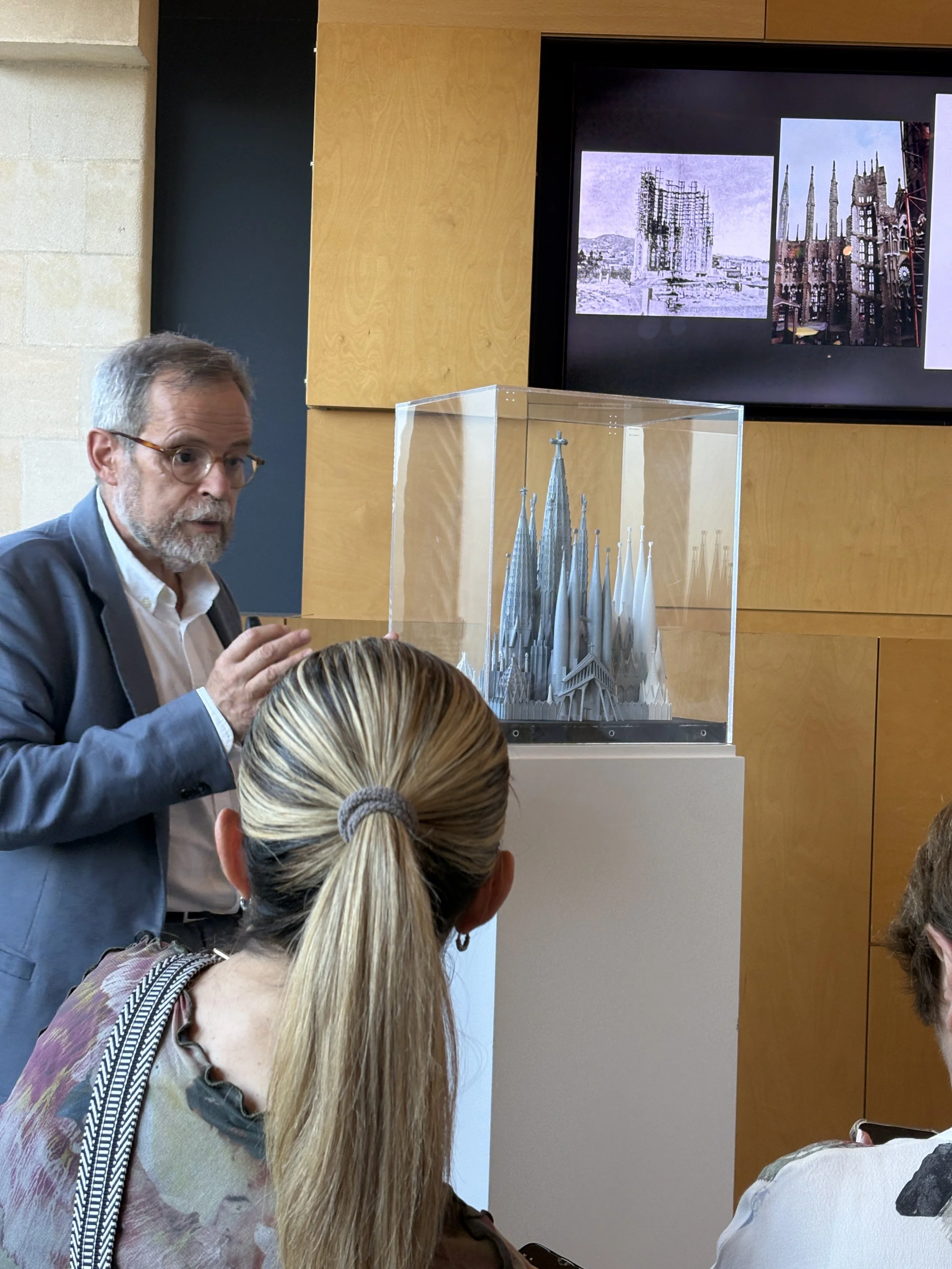
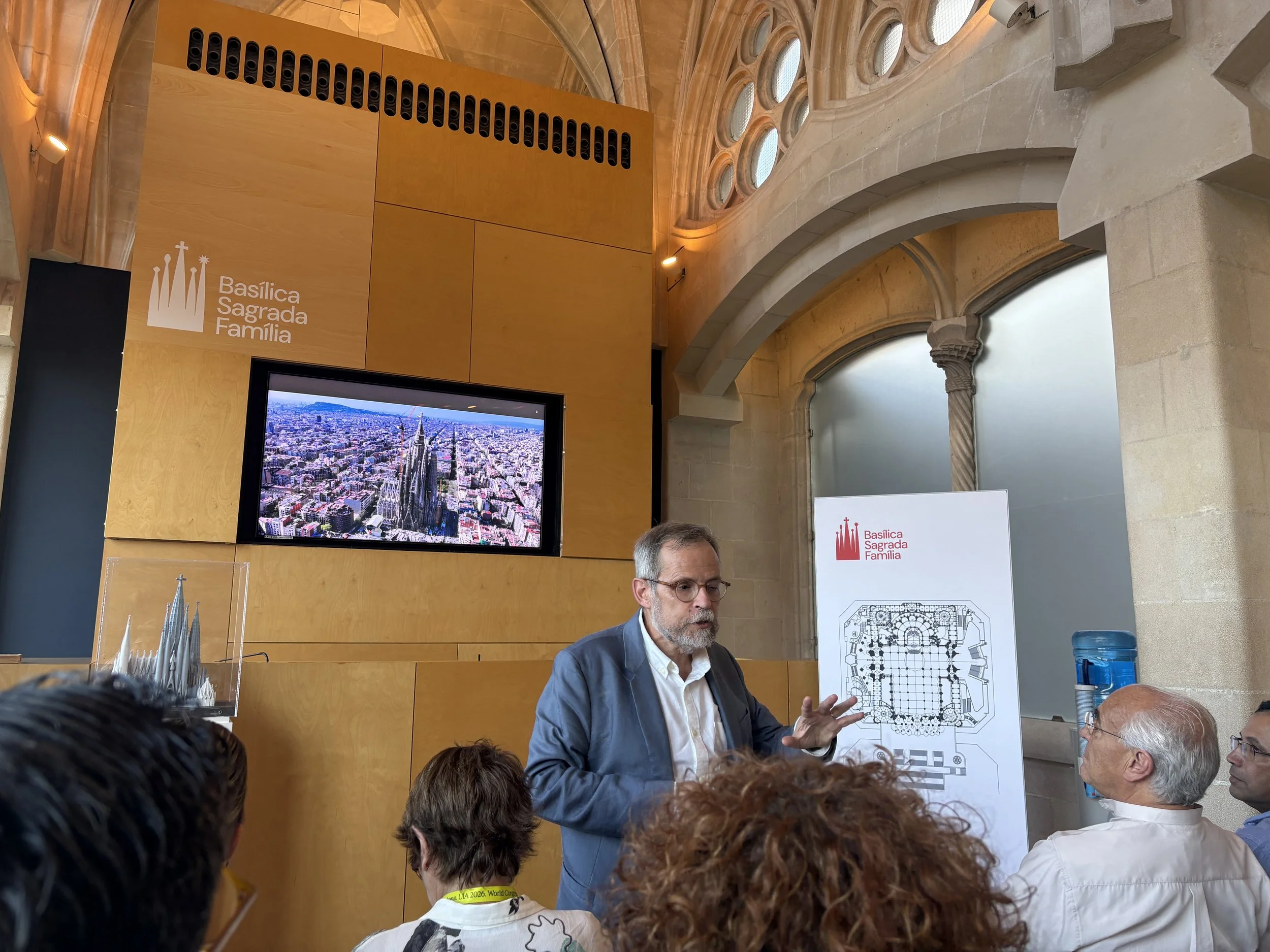
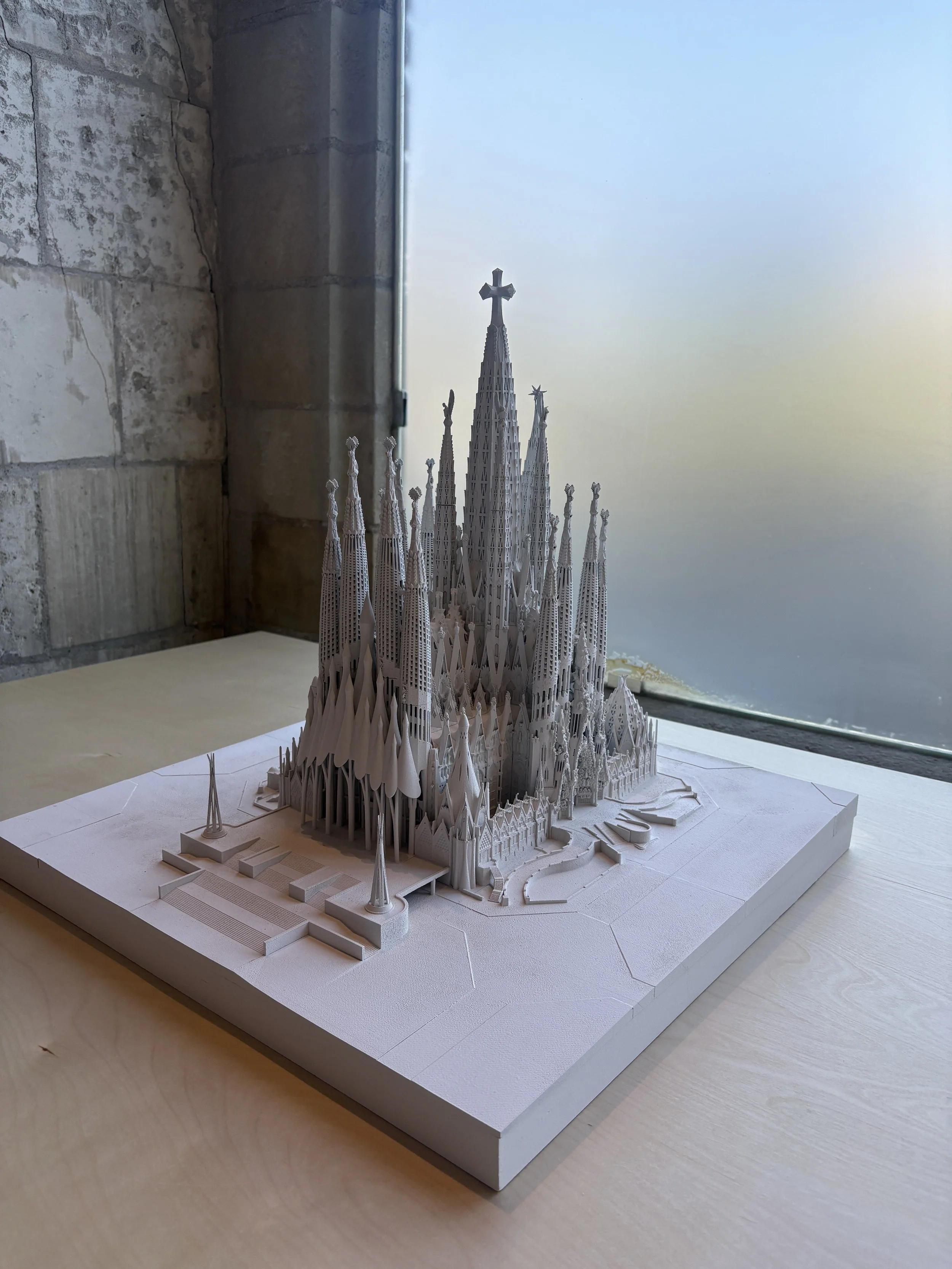
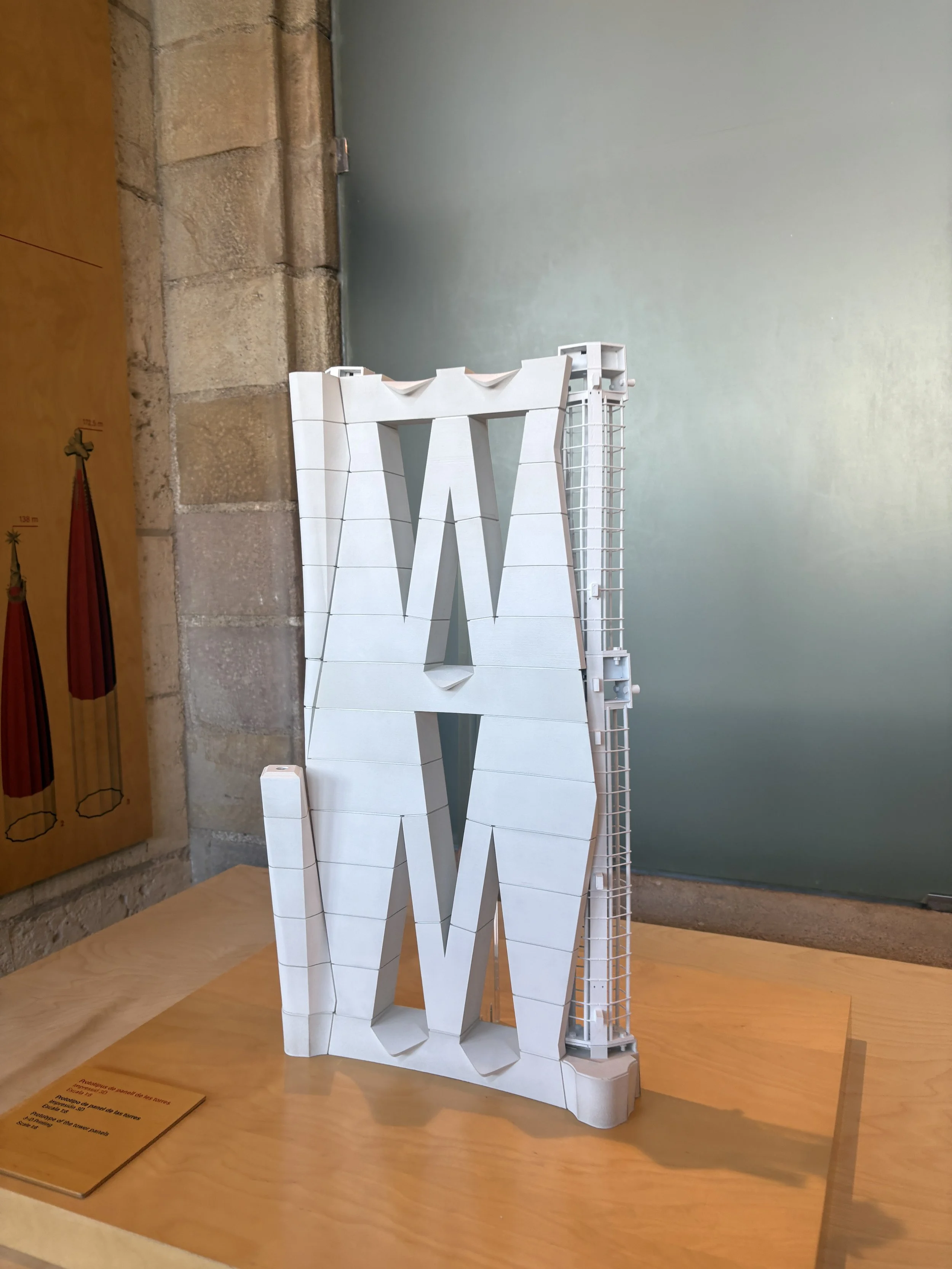
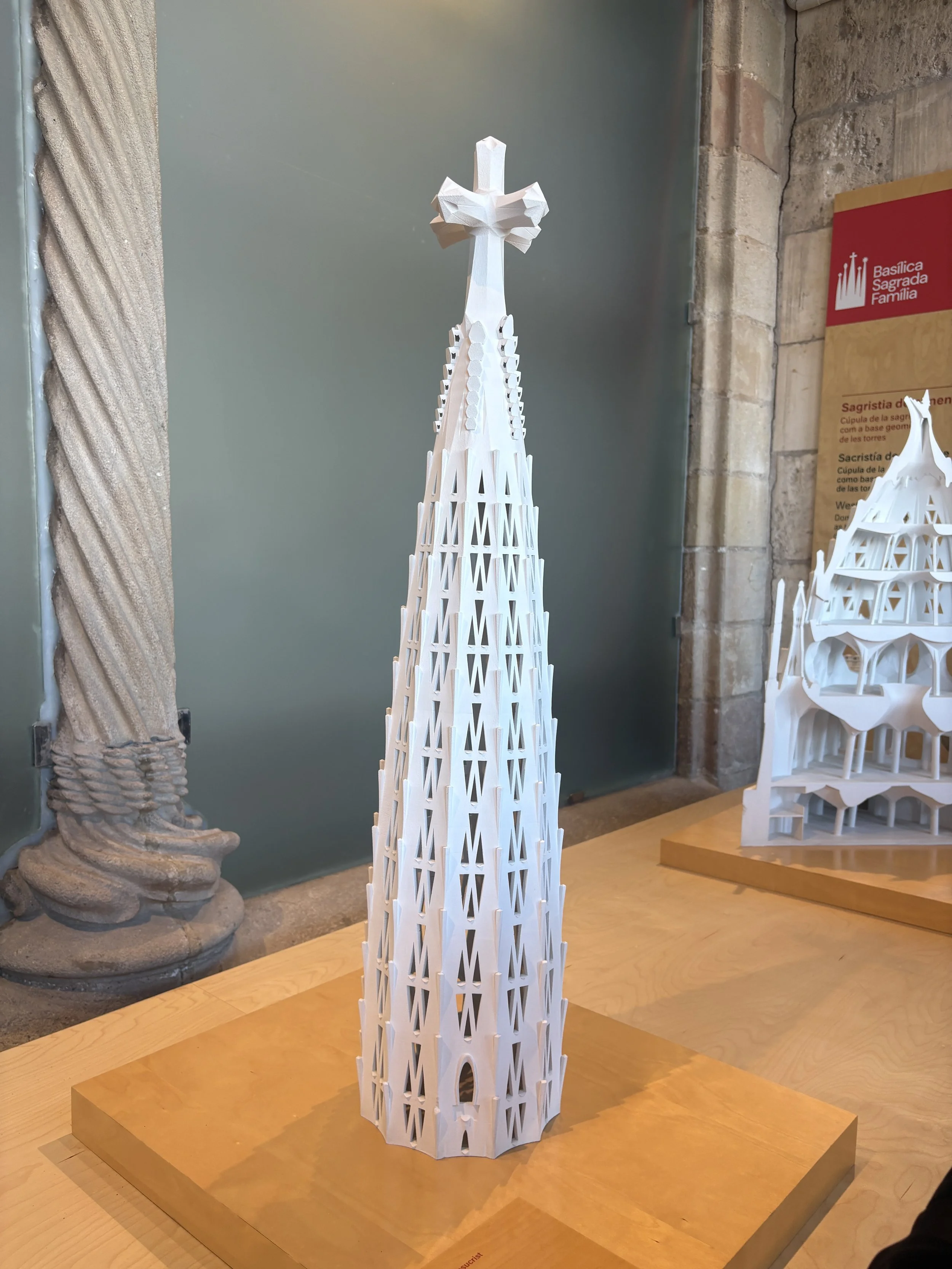
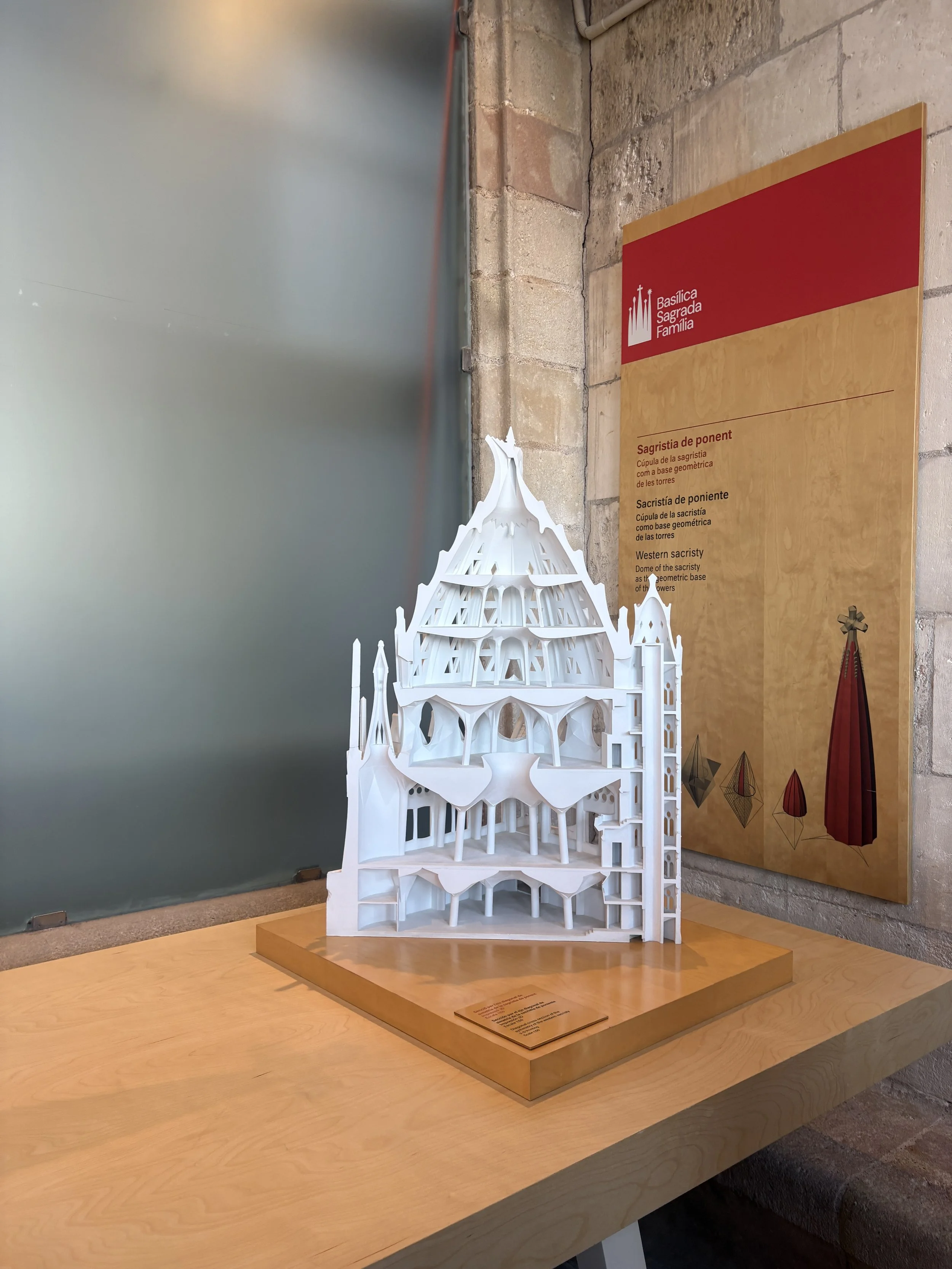
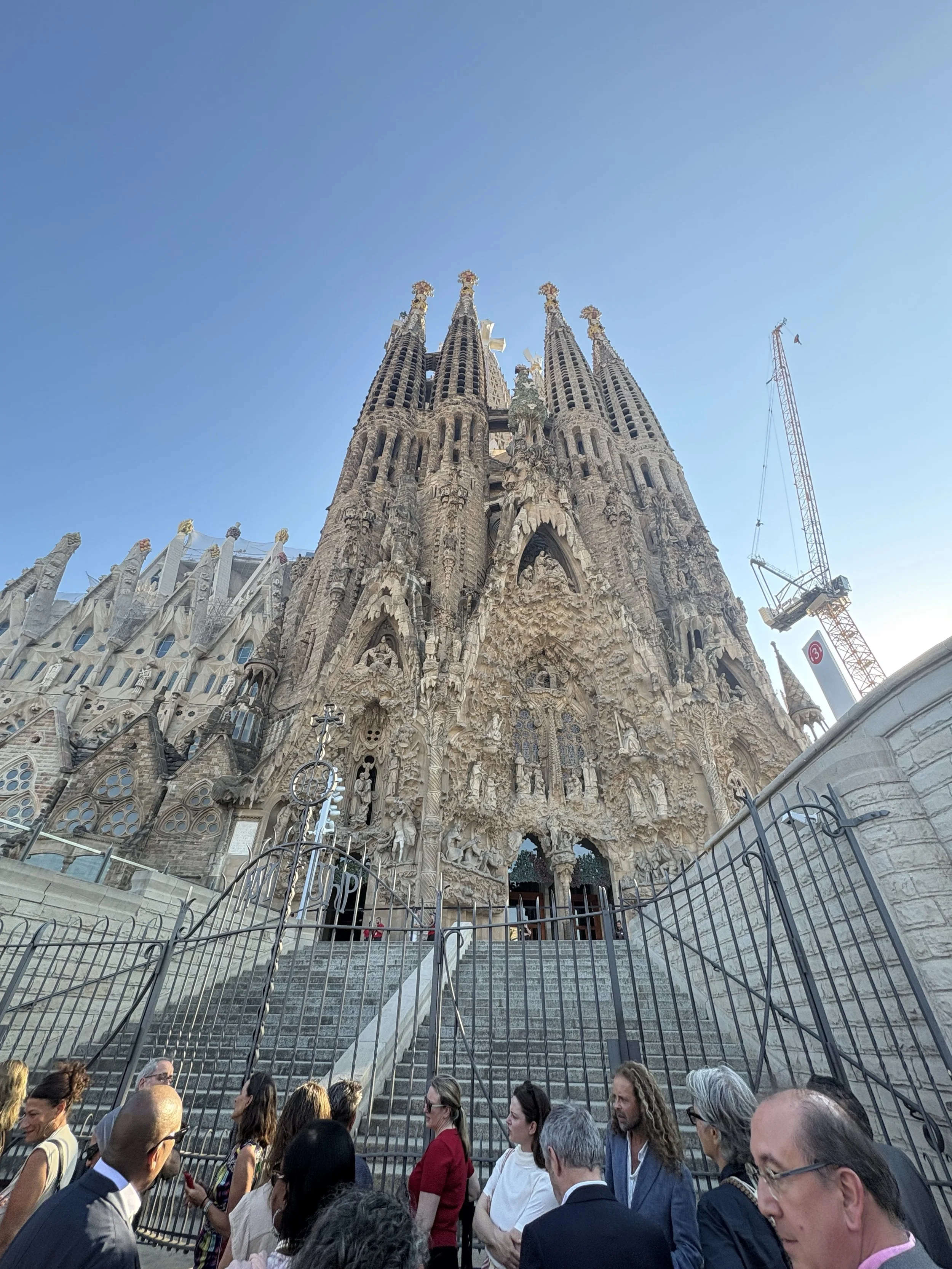
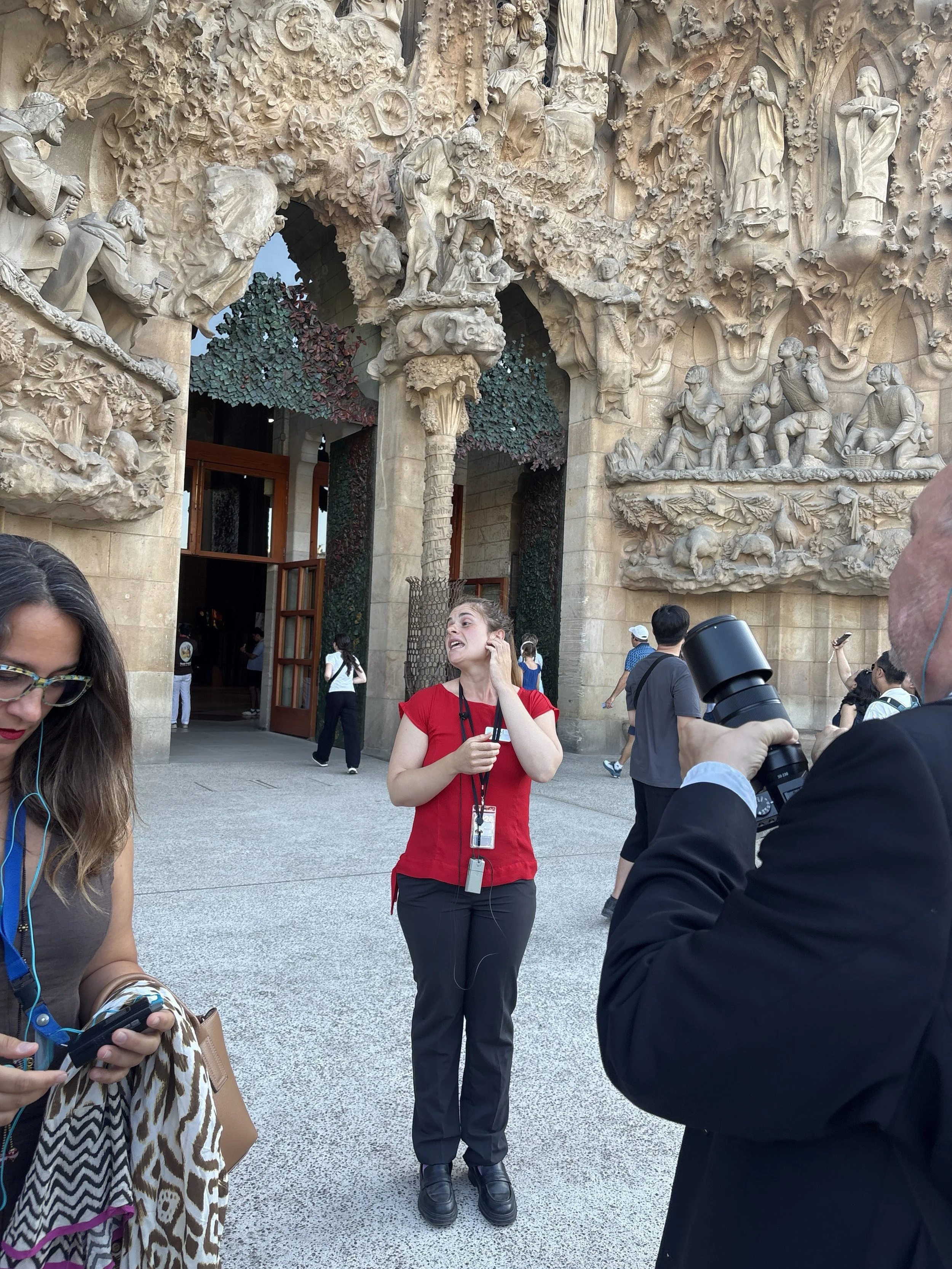
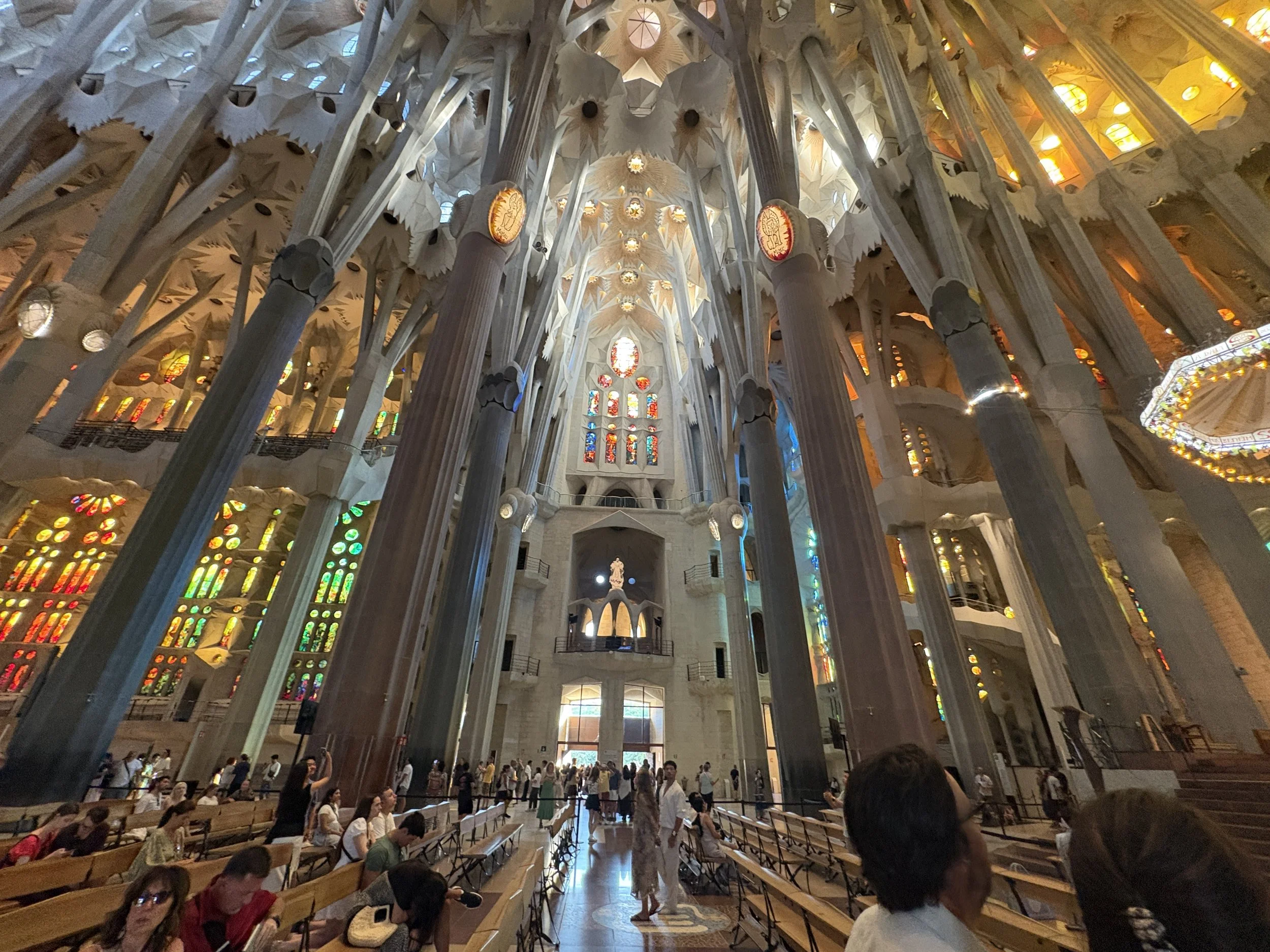
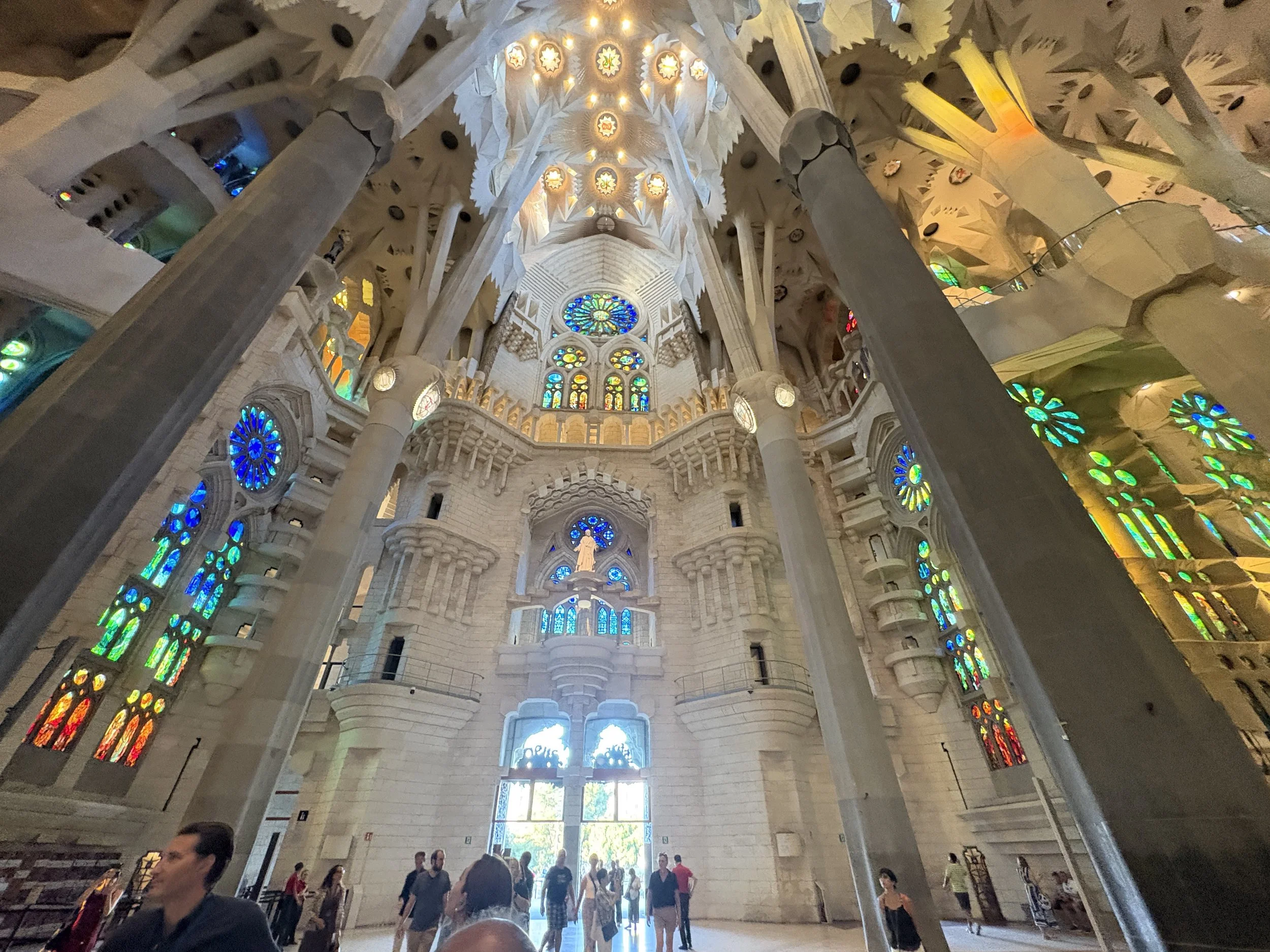
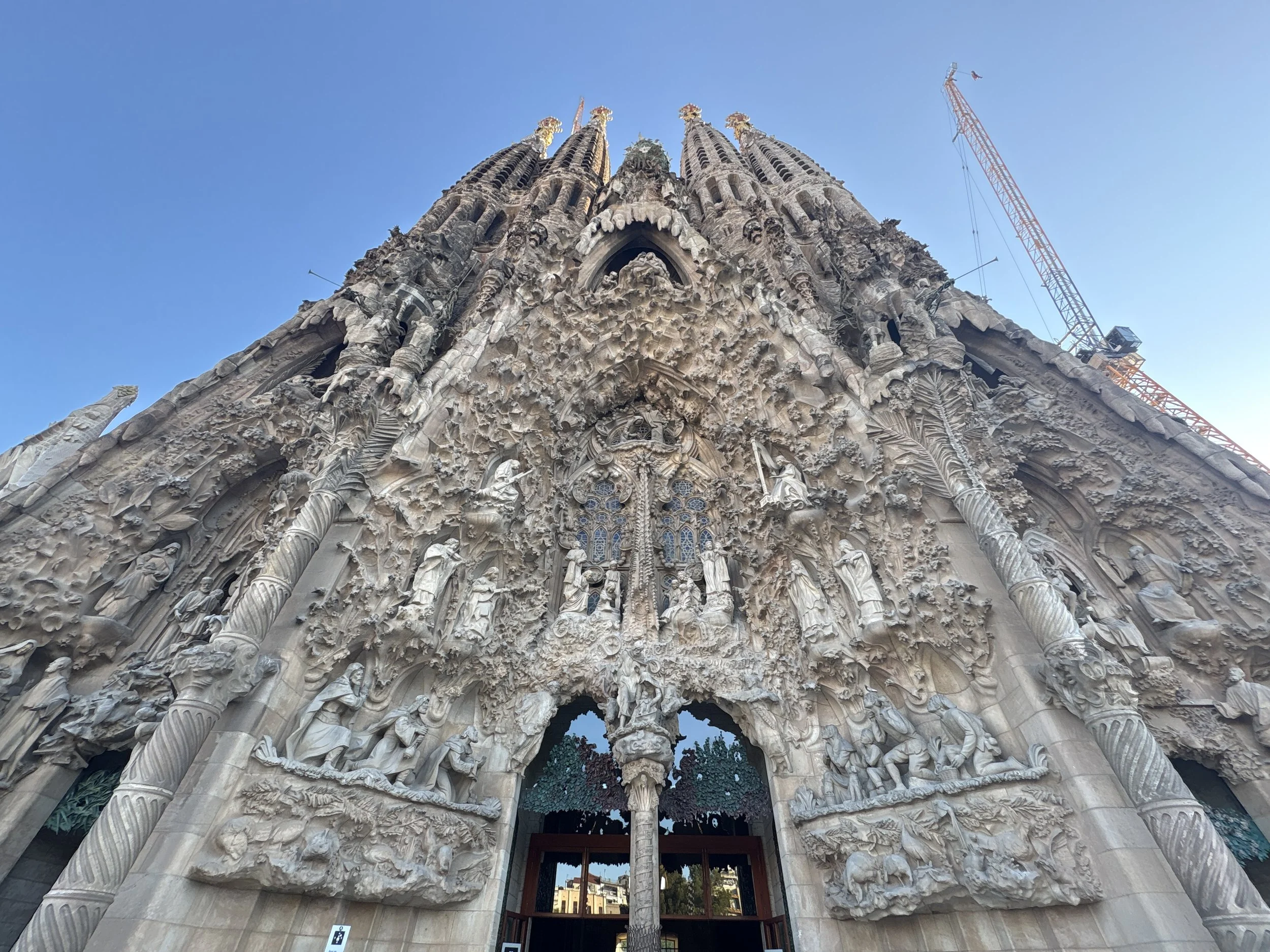
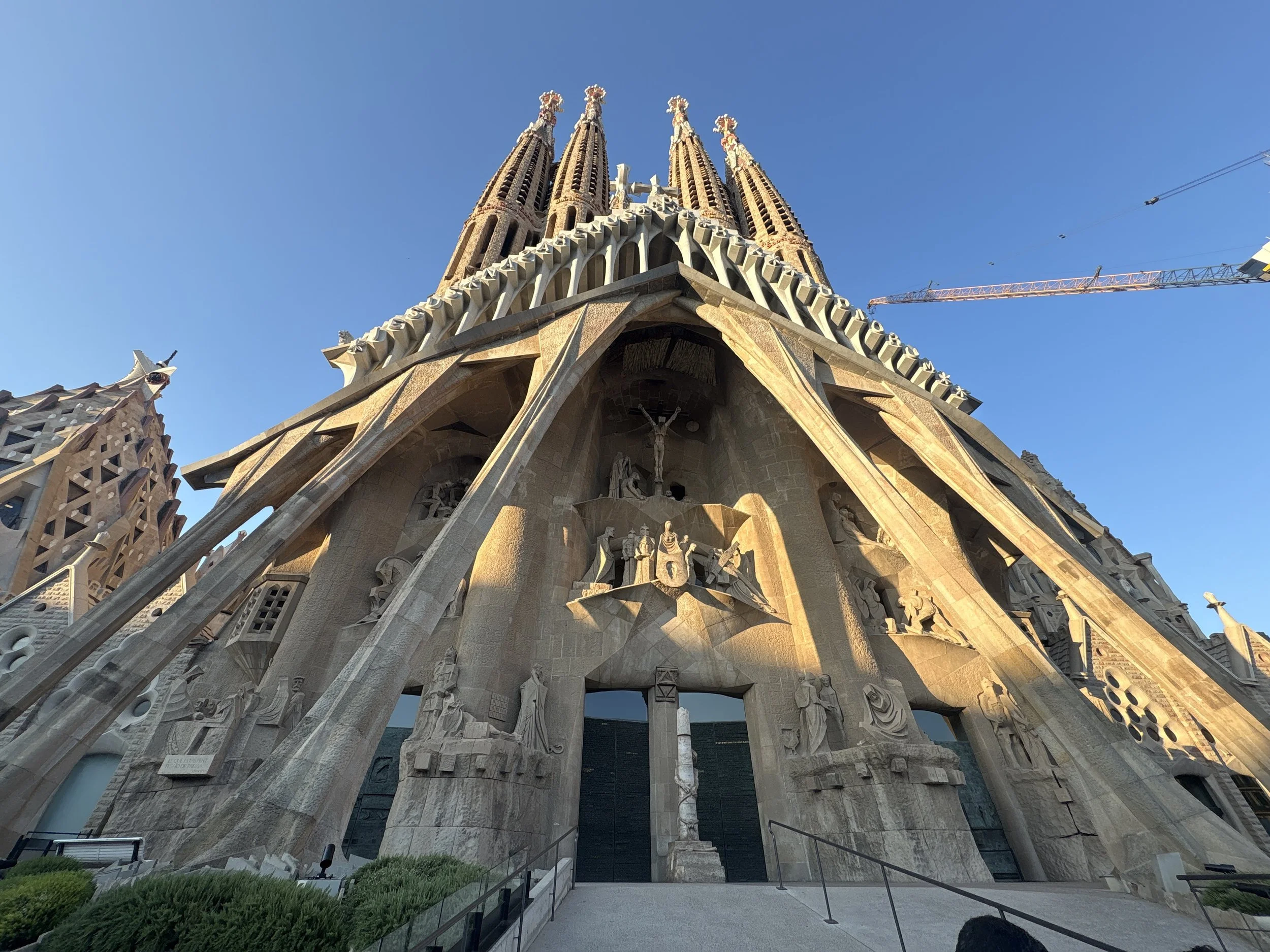
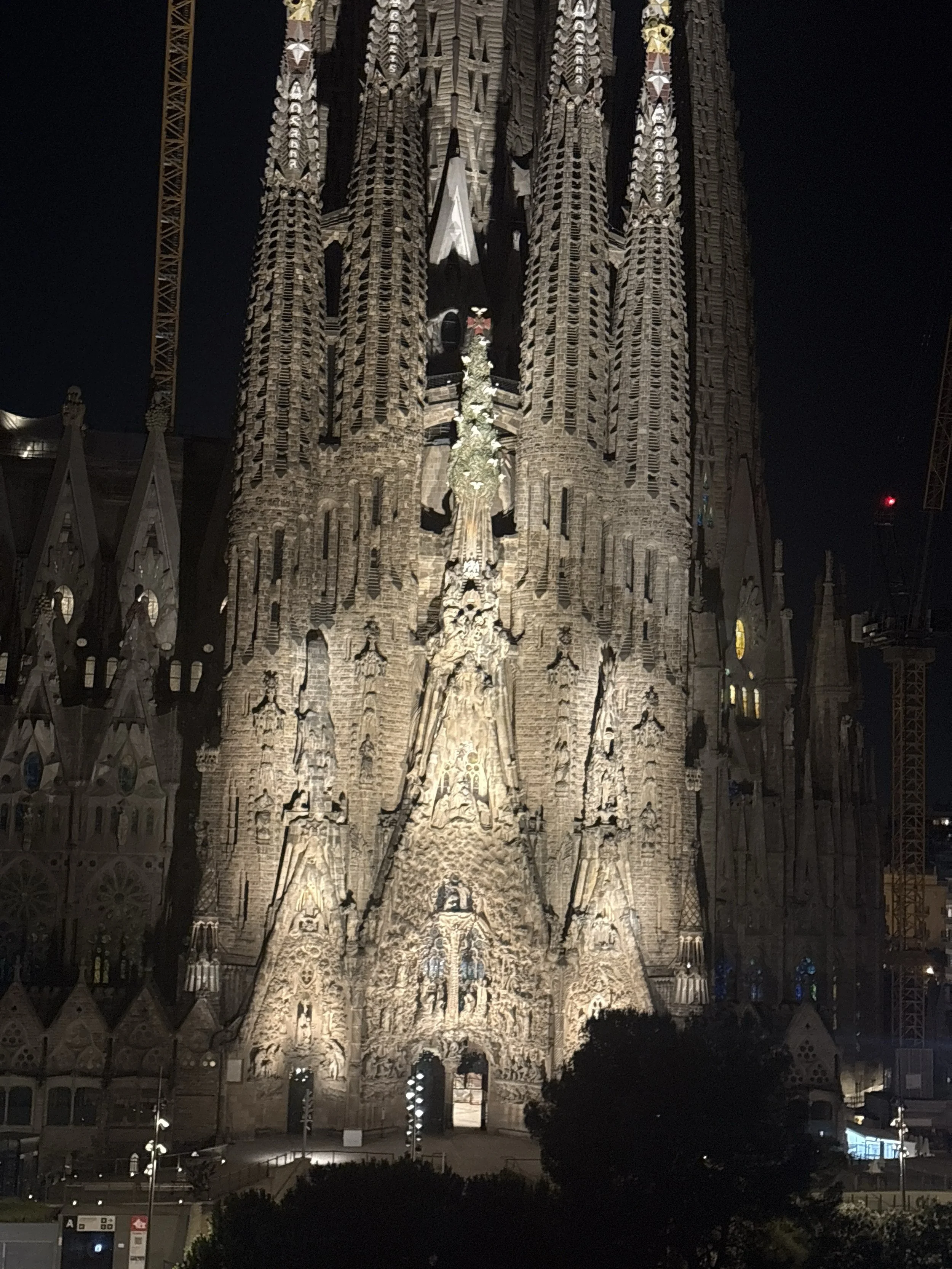
The conversation explored how architectural heritage can continue to inform contemporary practice. It was a privilege to reconnect with Kazuyo Sejima and to speak with Dr. Faulí in such an extraordinary setting.
The Sagrada Família became a recurring point of reflection throughout the Congress. I returned for the UIA Awards Ceremony and later joined the newly elected UIA Council for a guided tour and presentation by Dr. Faulí.
Hearing how Gaudí's vision continues to be developed more than 140 years after construction began offered a powerful reminder that architecture can transcend an individual lifetime.
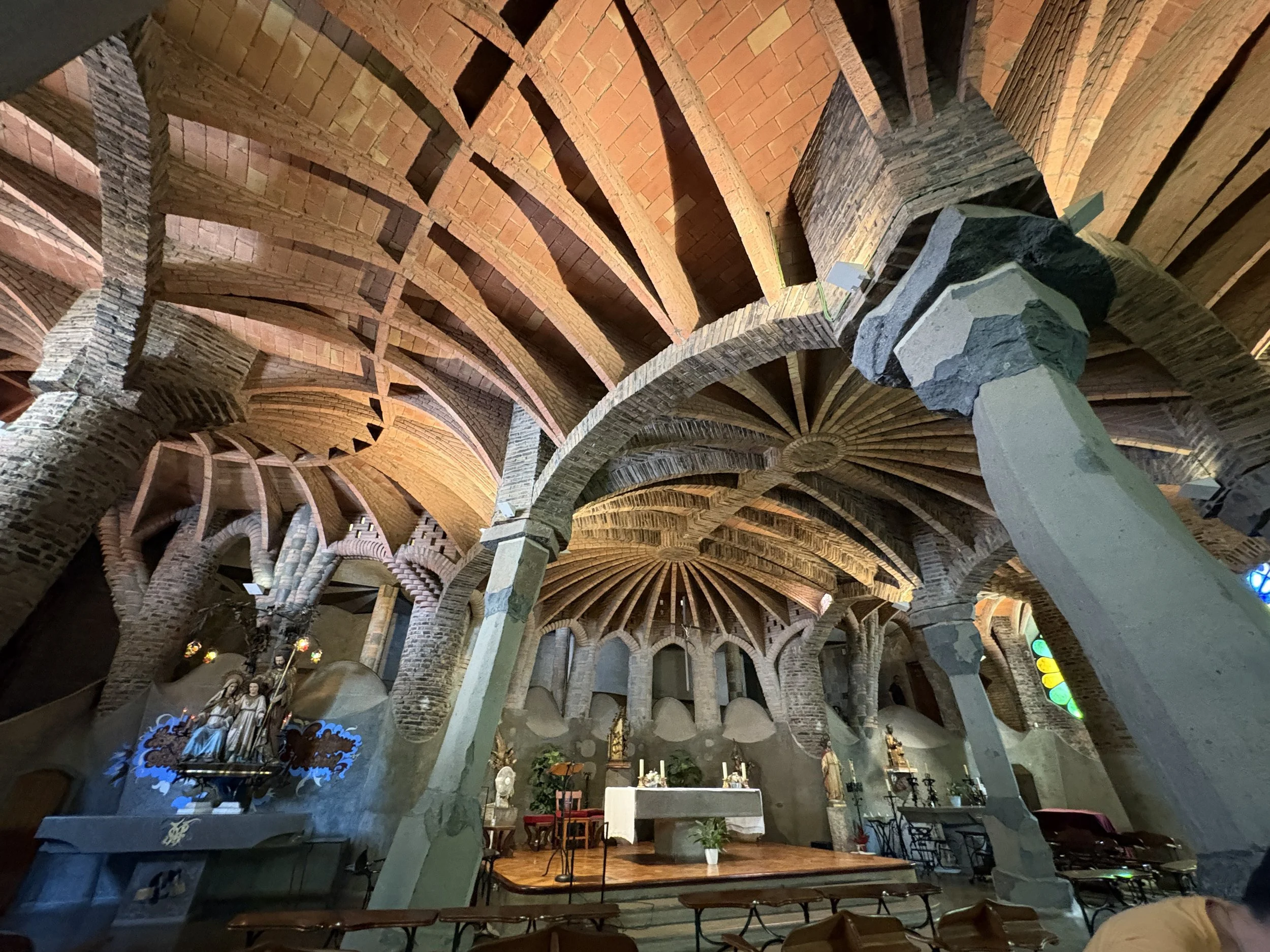
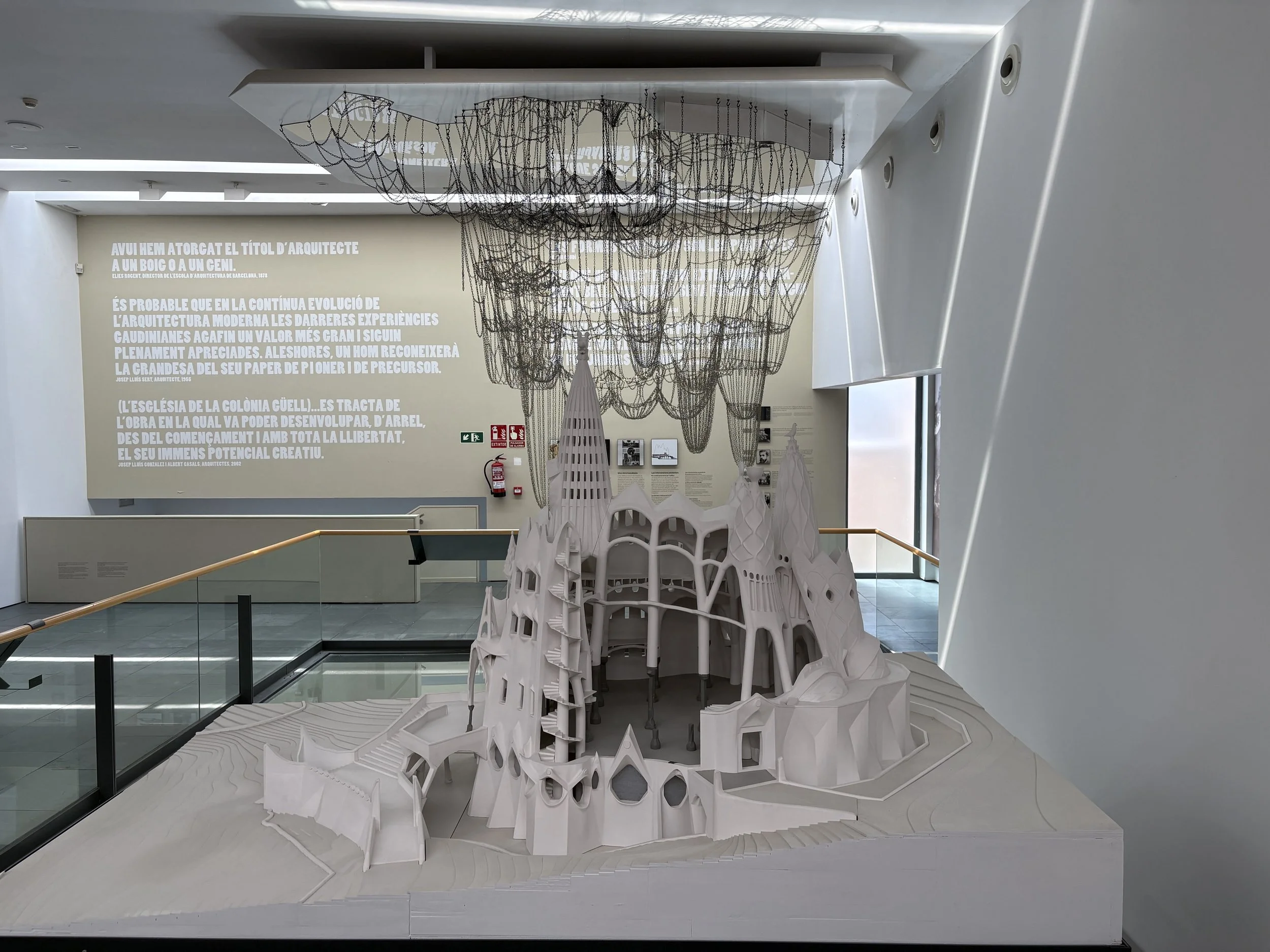
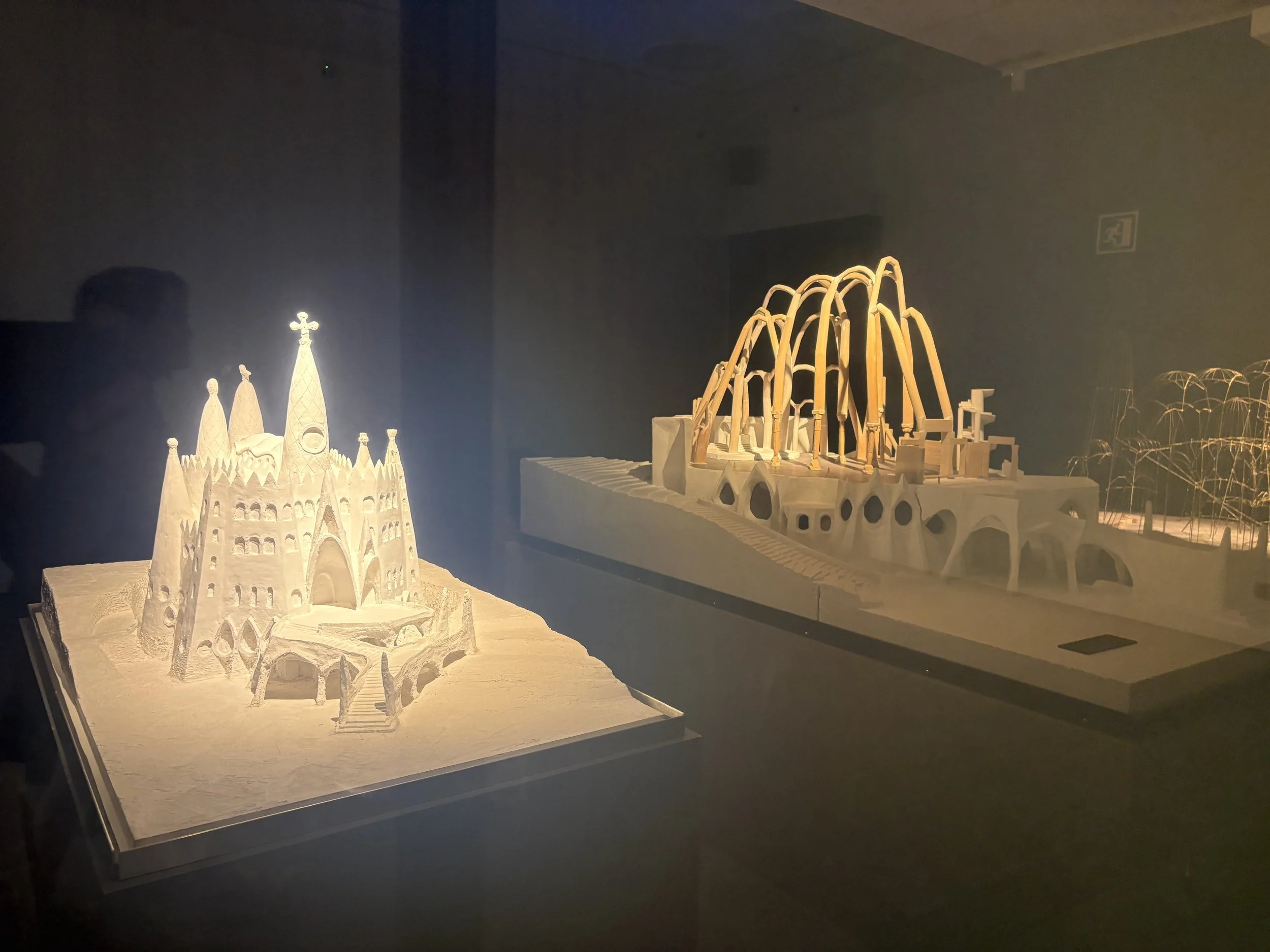
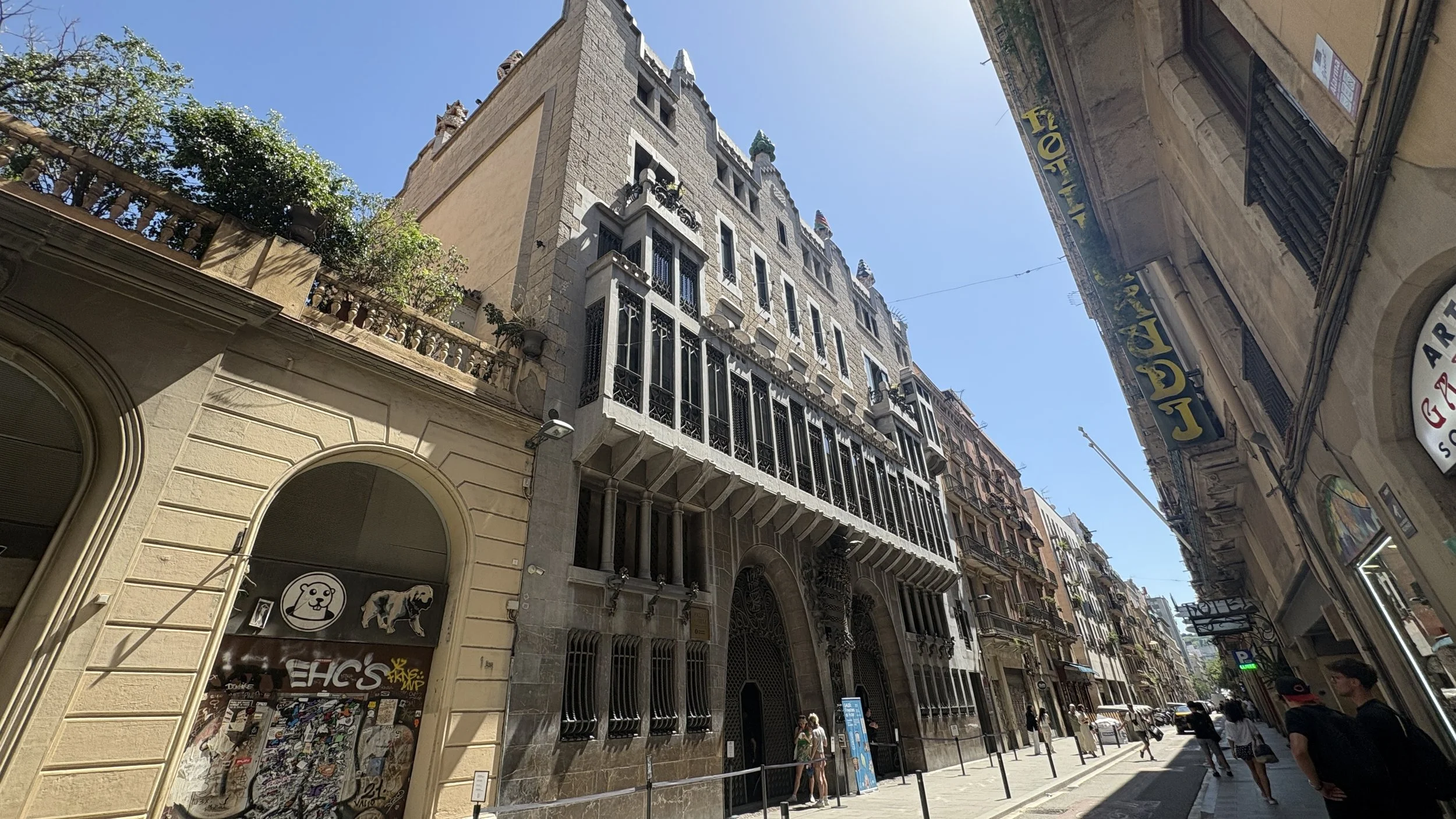
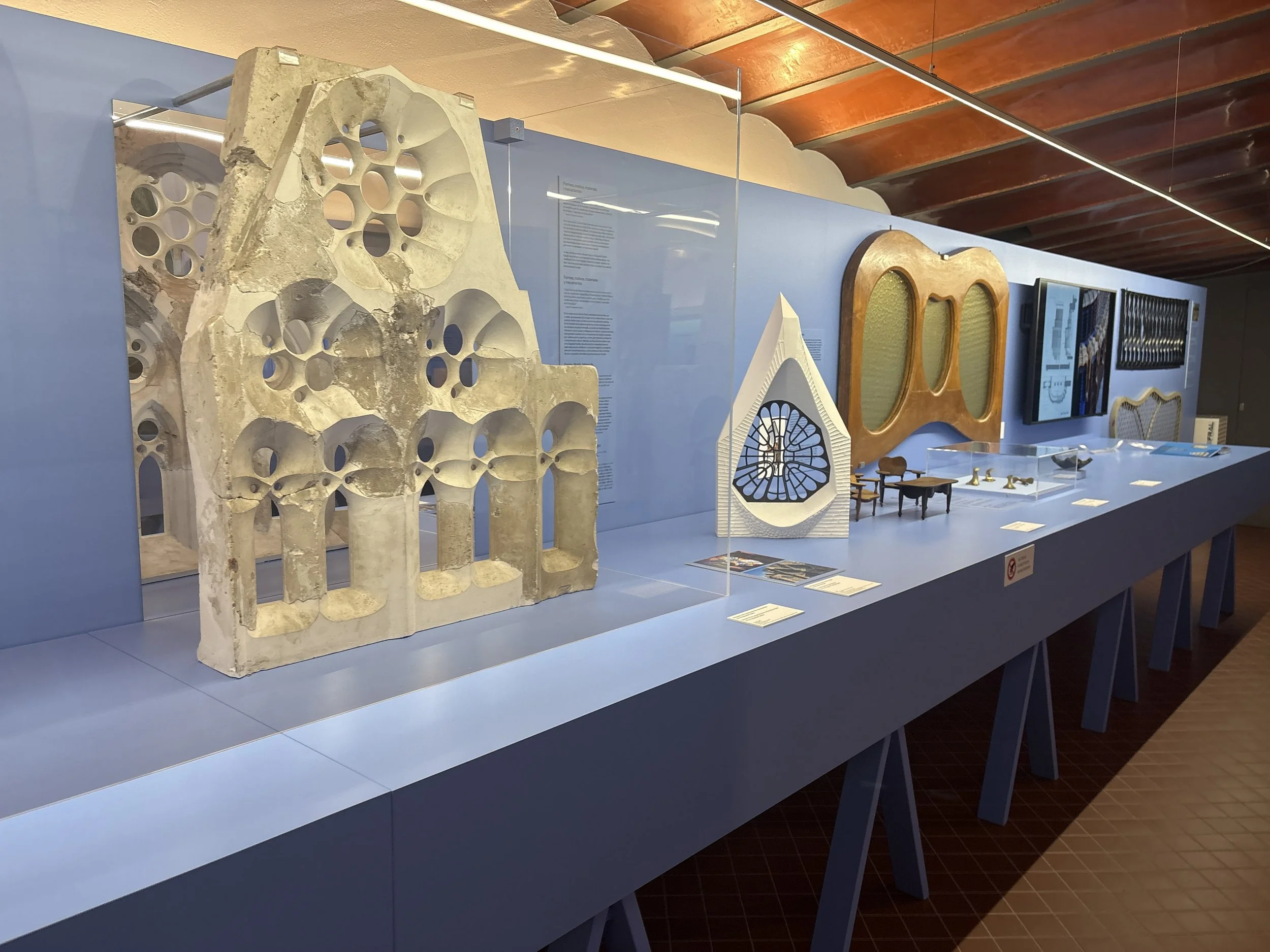
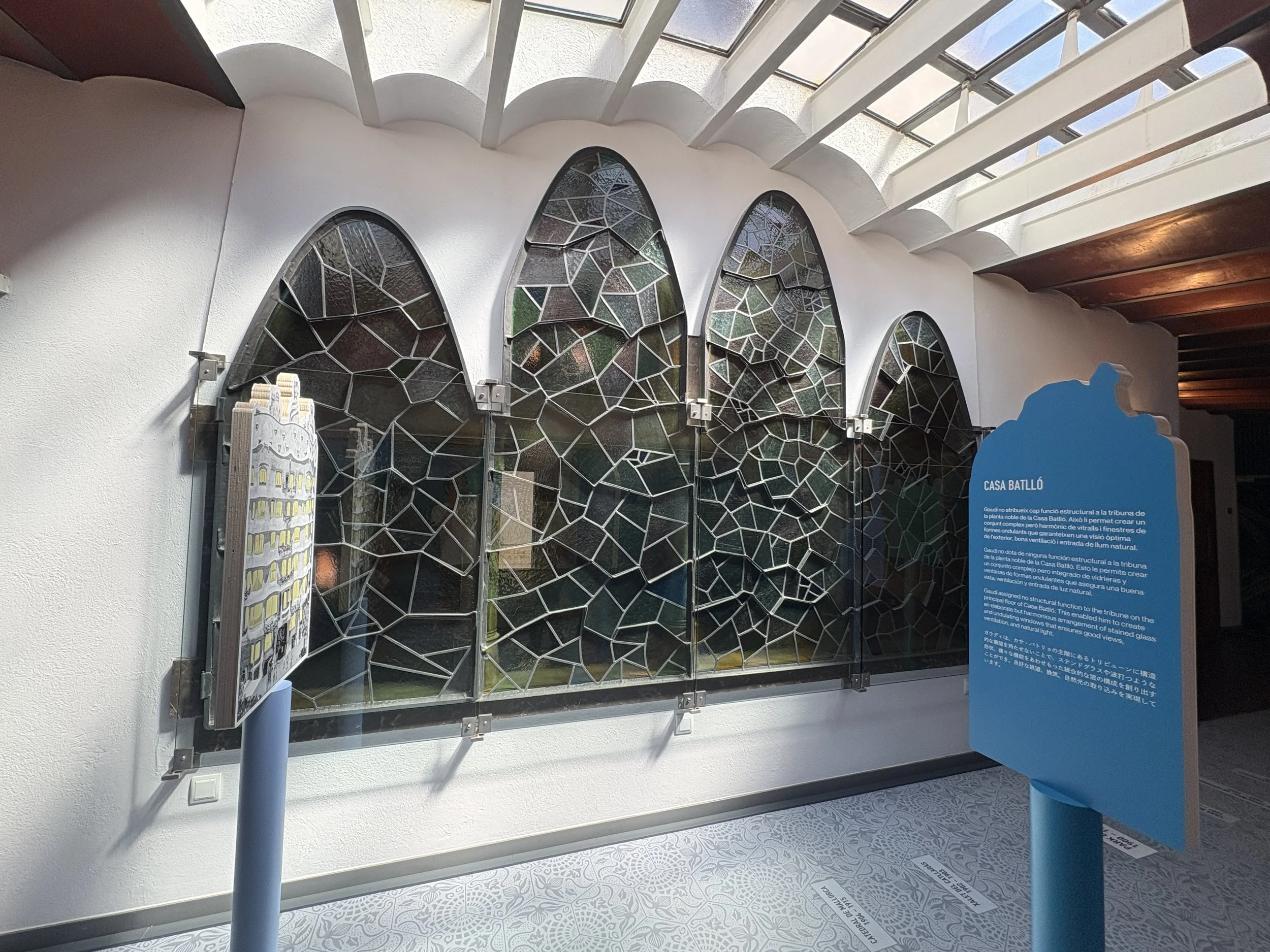
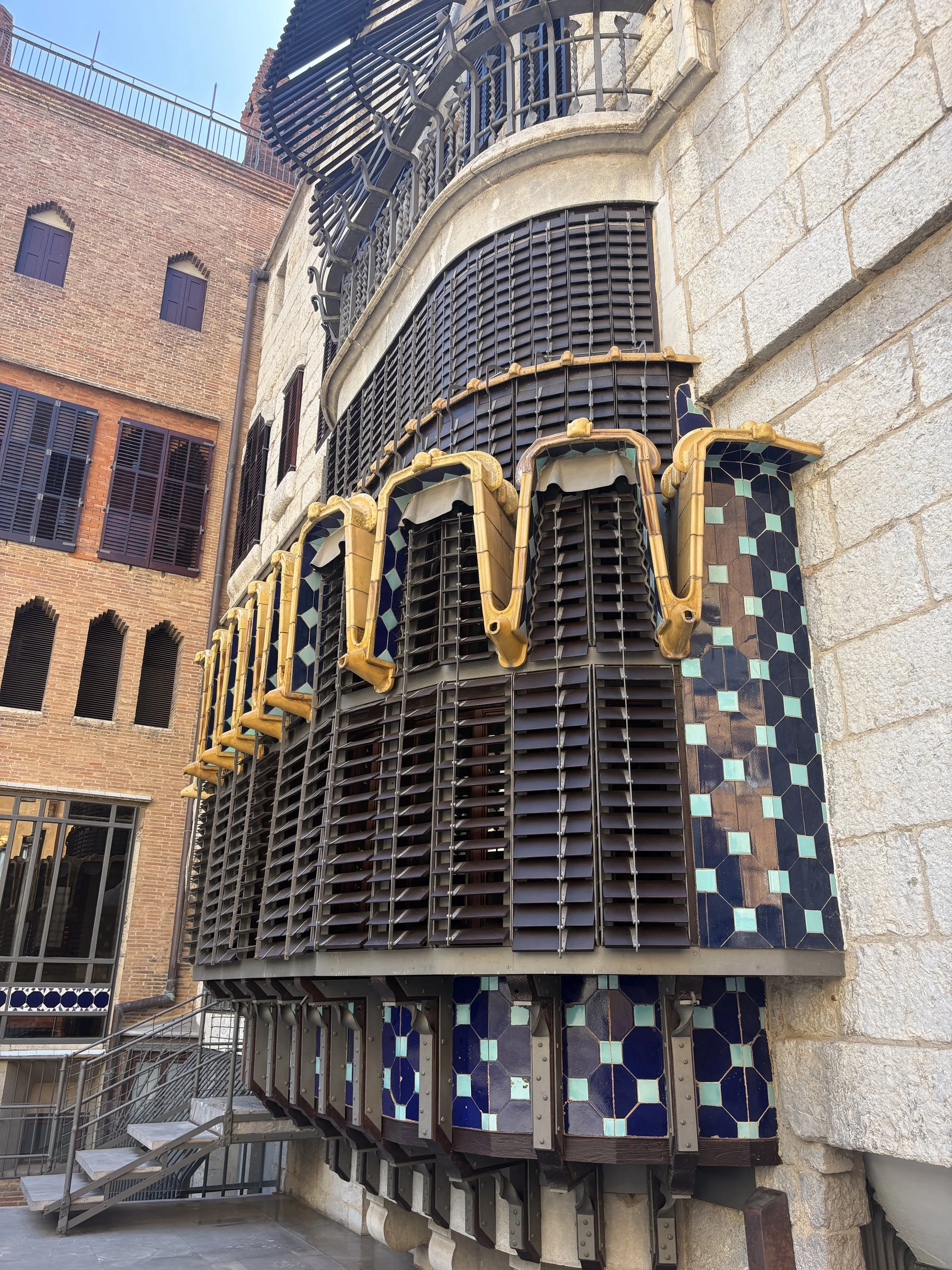
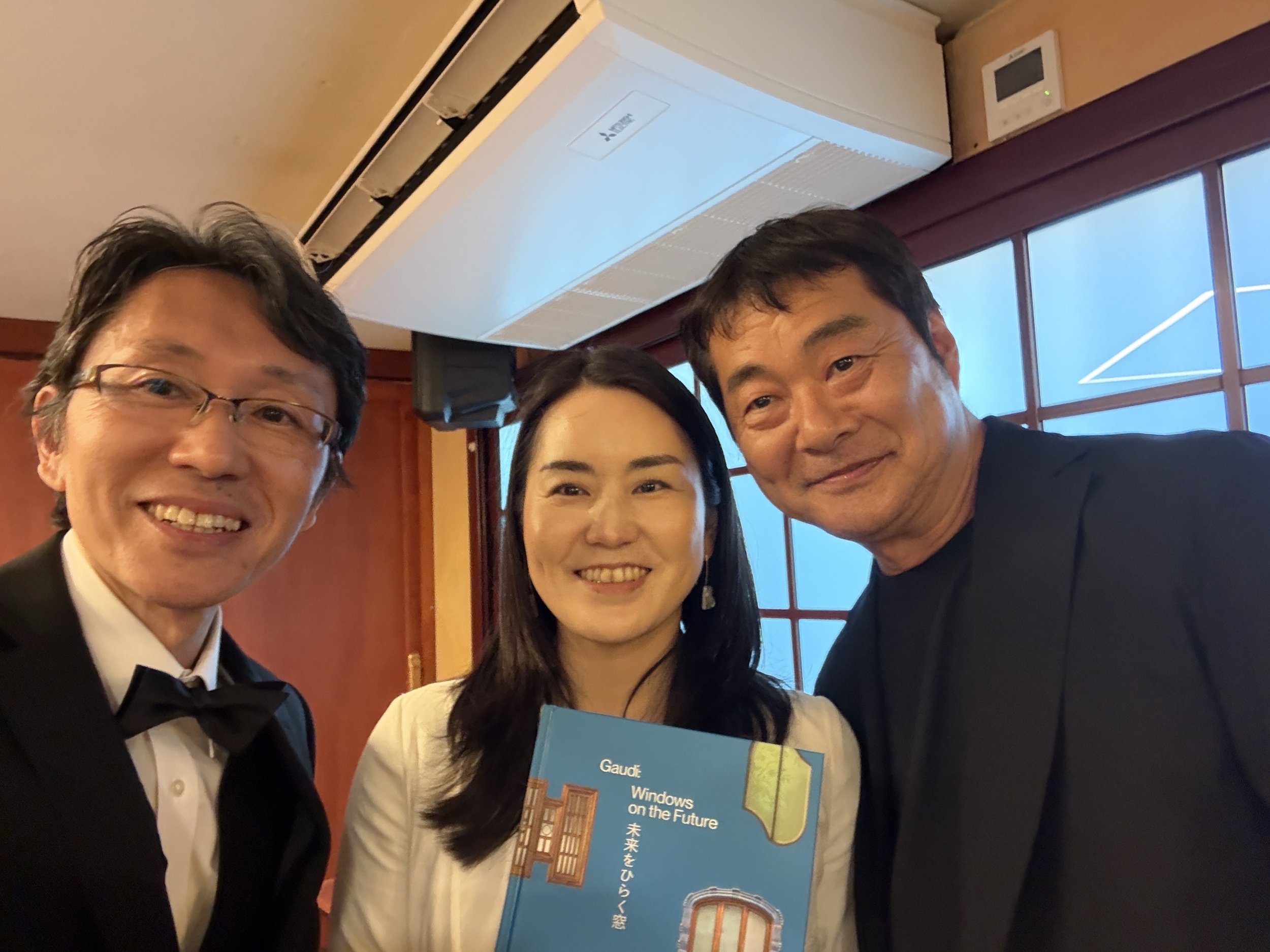
Ayano Kikuchi of YKK AP, curator of the Gaudí Window Project, also kindly arranged a special architectural tour of the Church of Colònia Güell, Casa Batlló, and Park Güell. These works revealed Gaudí's continuing experimentation with geometry, light, ventilation, craftsmanship, and the relationship between architecture and nature.
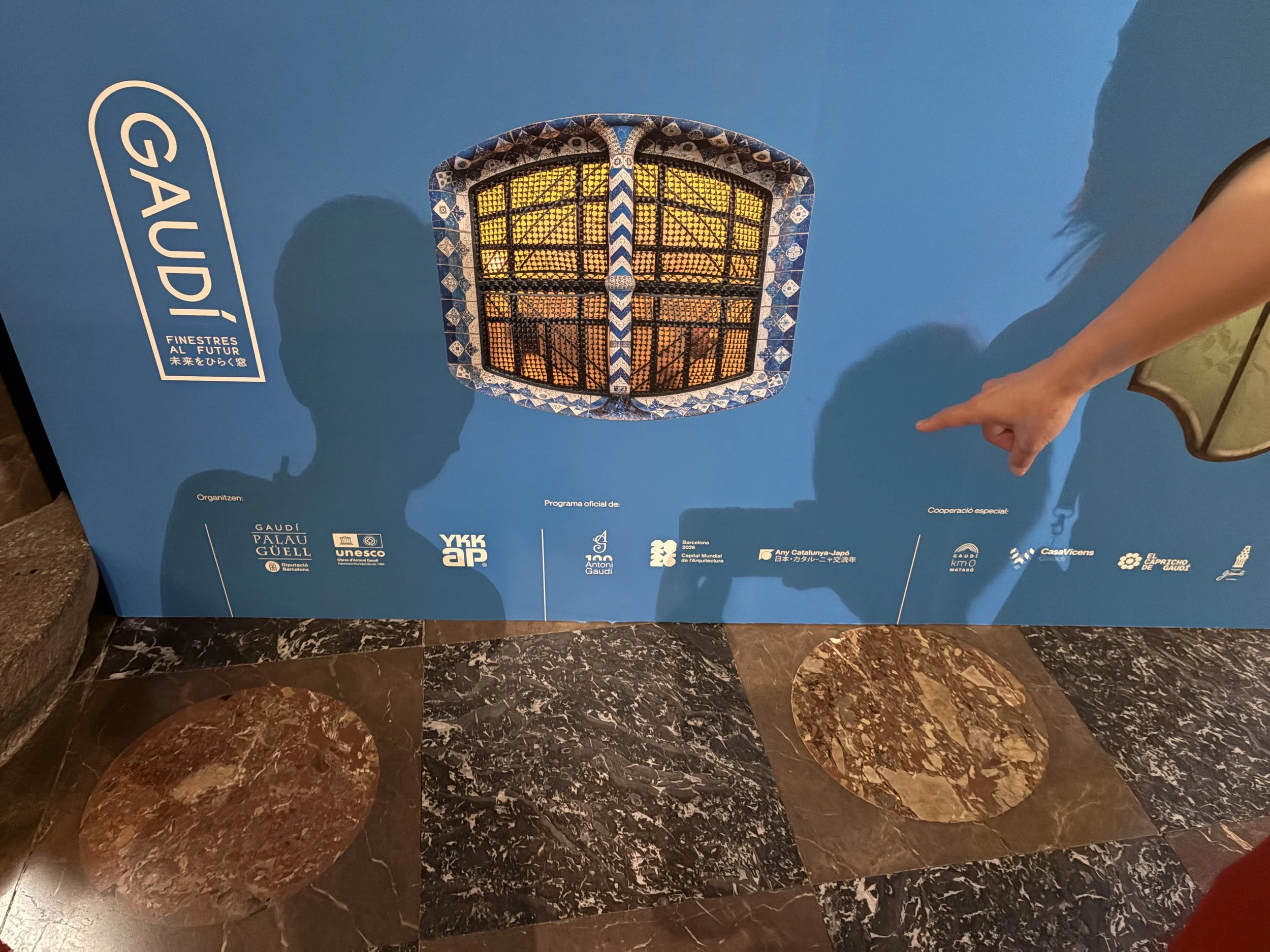
At Park Güell, I visited the YKK AP exhibition “Windows on the Future: Gaudí Meets YKK AP.” The project brought together UIA, schools, and institutions to explore how Gaudí's principles can continue to inform contemporary approaches to architecture and environmental performance.
An unexpected connection emerged through my visit to the Institute for Advanced Architecture of Catalonia (IAAC), arranged through Julia Lau, AIA, HKIA President. I later learned that IAAC was also involved in the Gaudí Window Project, connecting architectural heritage with contemporary education, research, technology, and innovation.
Barcelona reminded me that architecture does not progress simply by abandoning the past. It evolves by reinterpreting ideas, testing new possibilities, and connecting knowledge across generations.
Barcelona: Architectural Education and the Future of Practice
My visit to IAAC offered an important perspective on the future of architectural education.
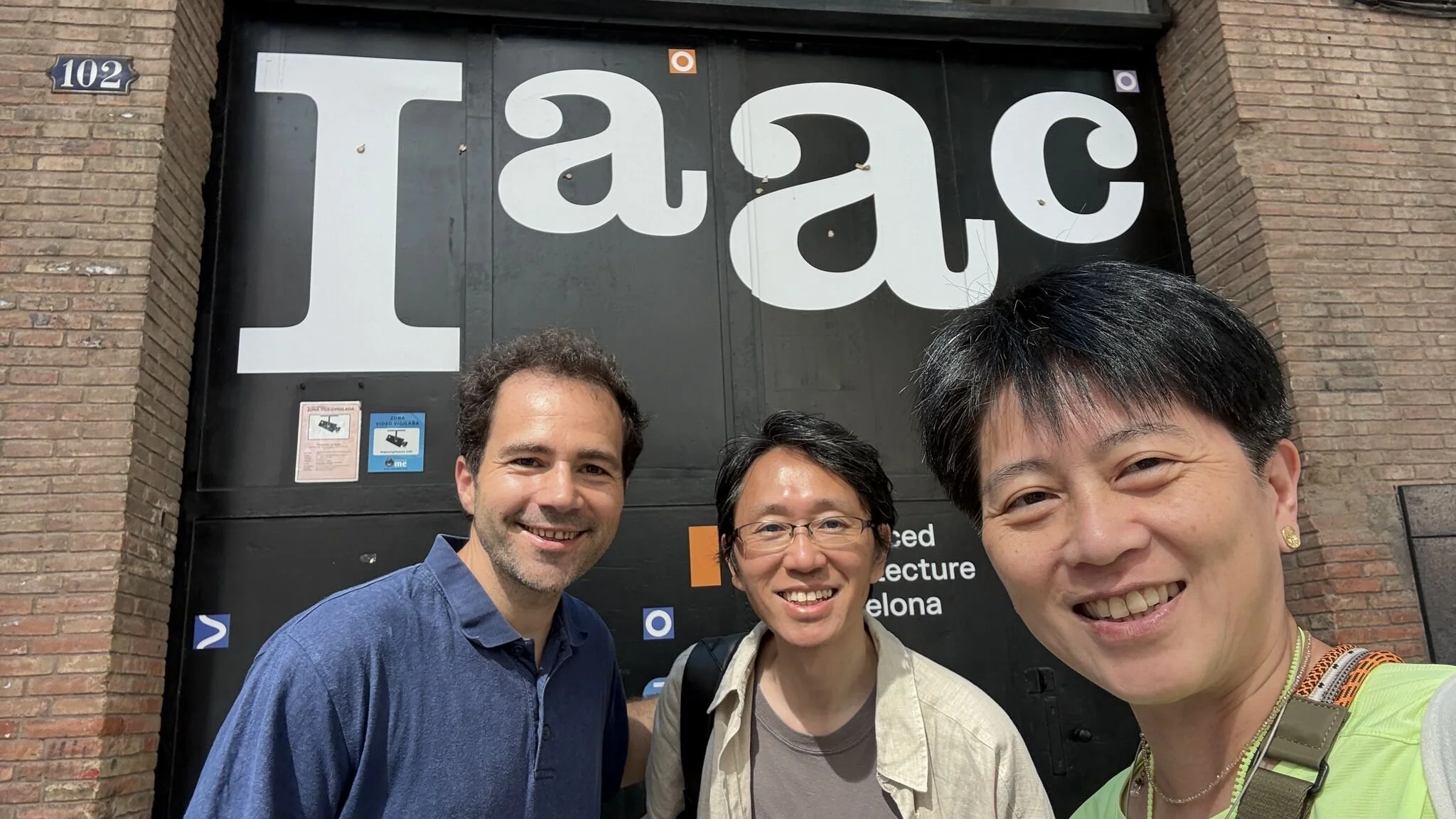
In front of the Institute for Advanced Architecture of Catalonia (IAAC) with our gracious host, who provided an insightful tour and shared the institution's vision for innovation in architecture and urbanism.
Students were not simply designing buildings. They were developing materials, testing construction methods, working with biological and recycled resources, building full-scale prototypes, and exploring environmental and technological challenges.
Some students spend extended periods working in rural environments, transforming agricultural resources into building materials and constructing full-scale structures. Other research explores mushroom-based composites, recycled materials, and bio-based construction systems.
Learning extends beyond the traditional studio into research, fabrication, experimentation, collaboration, and real-world implementation.
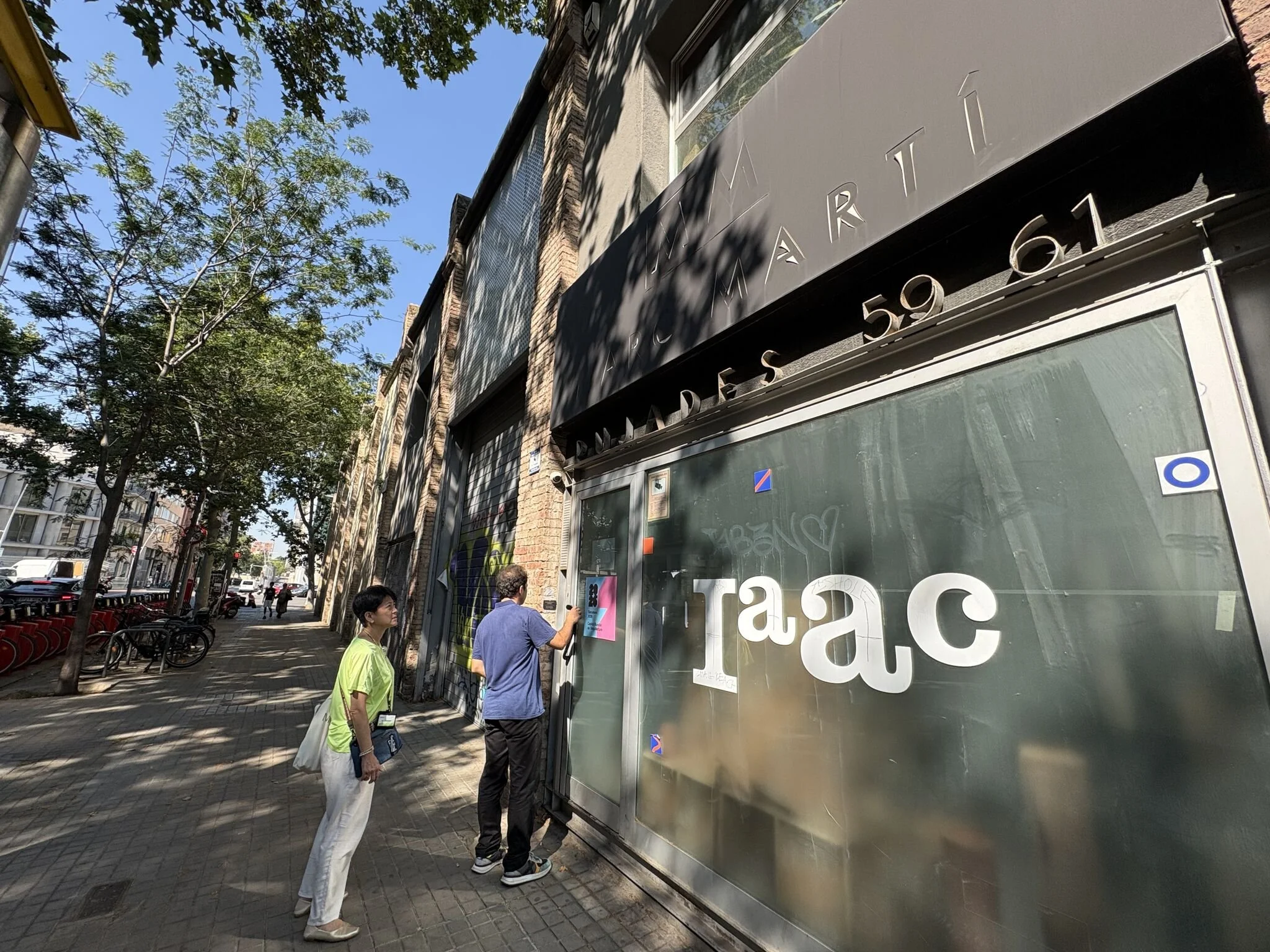
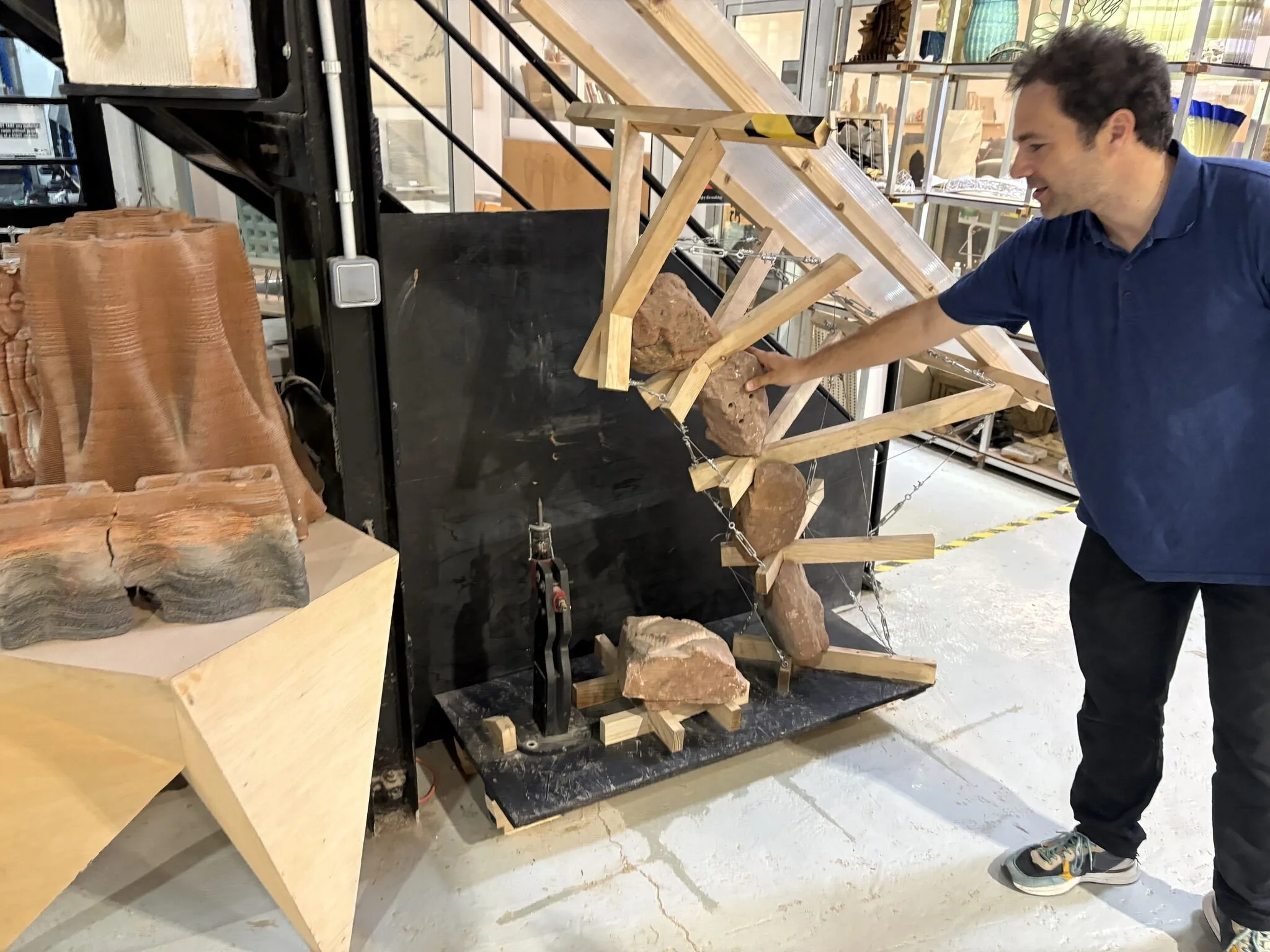
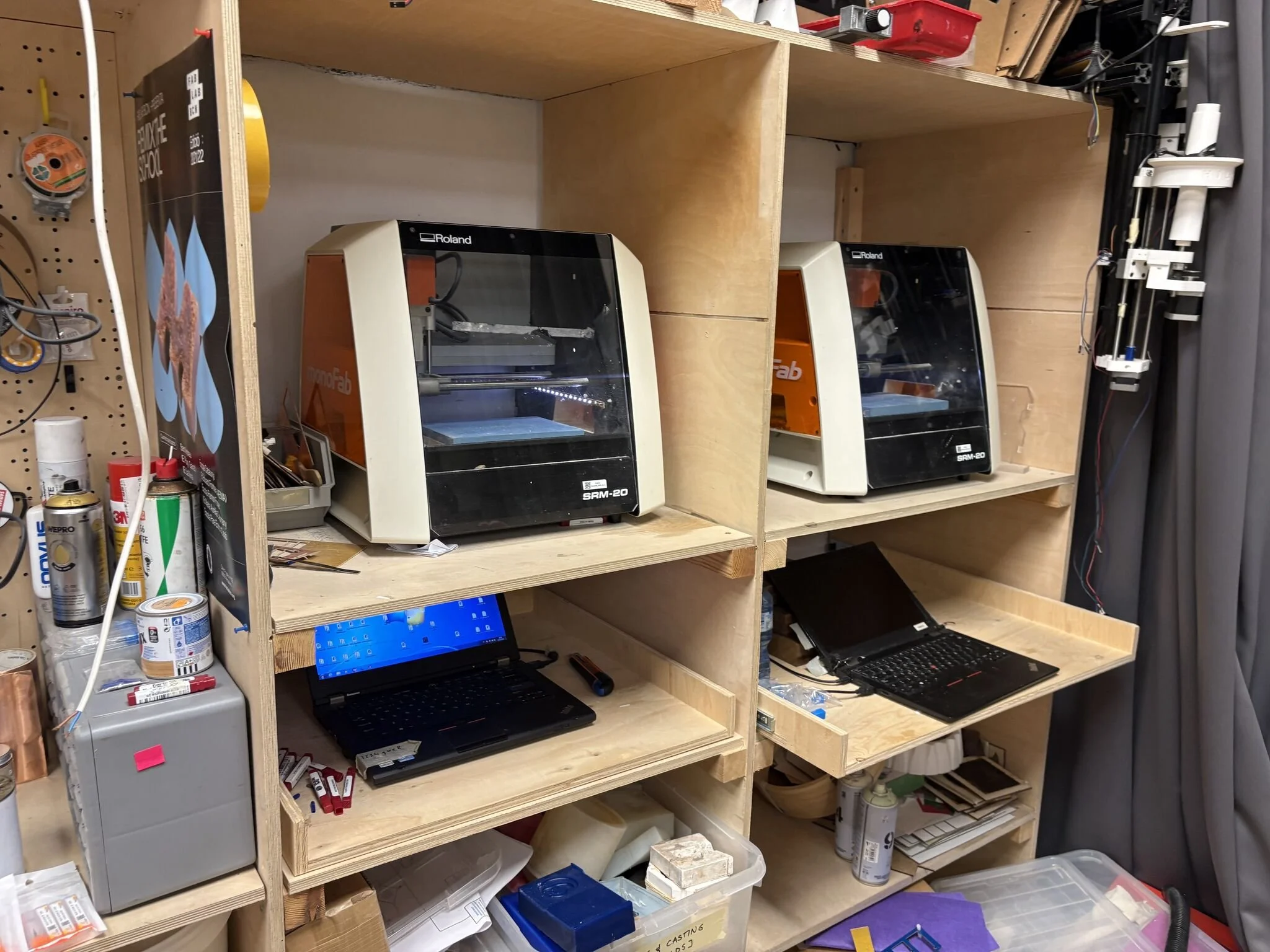
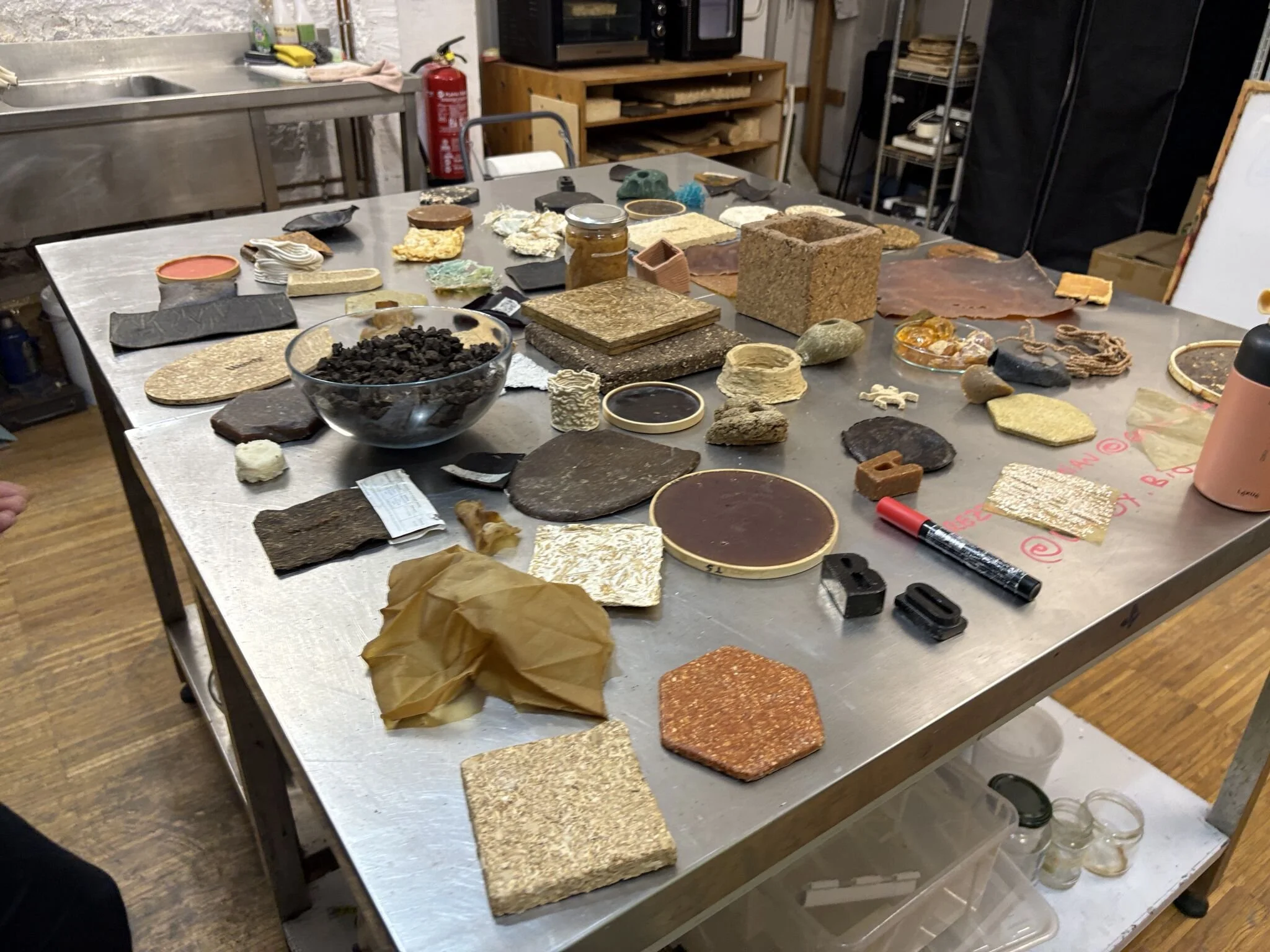

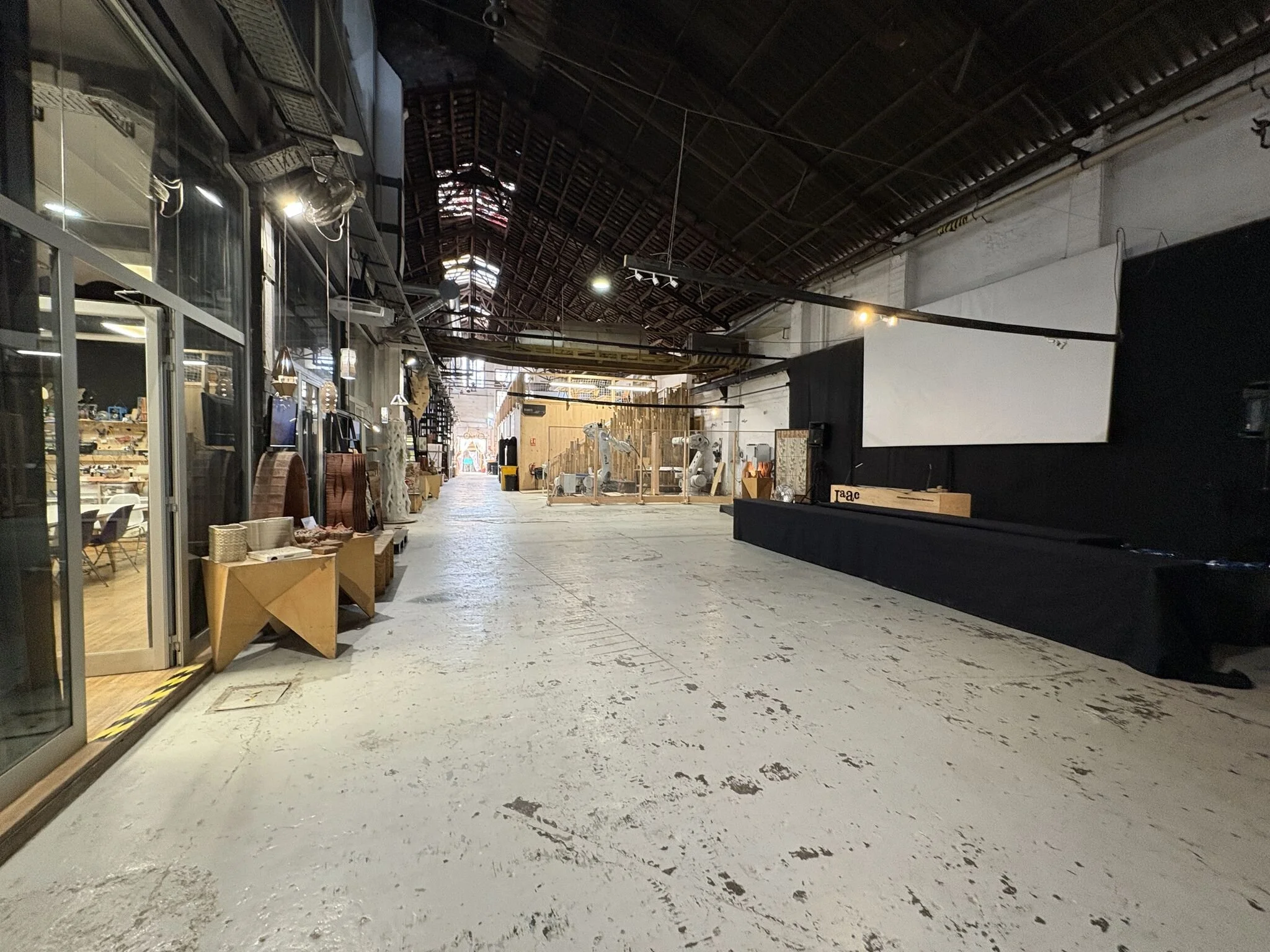
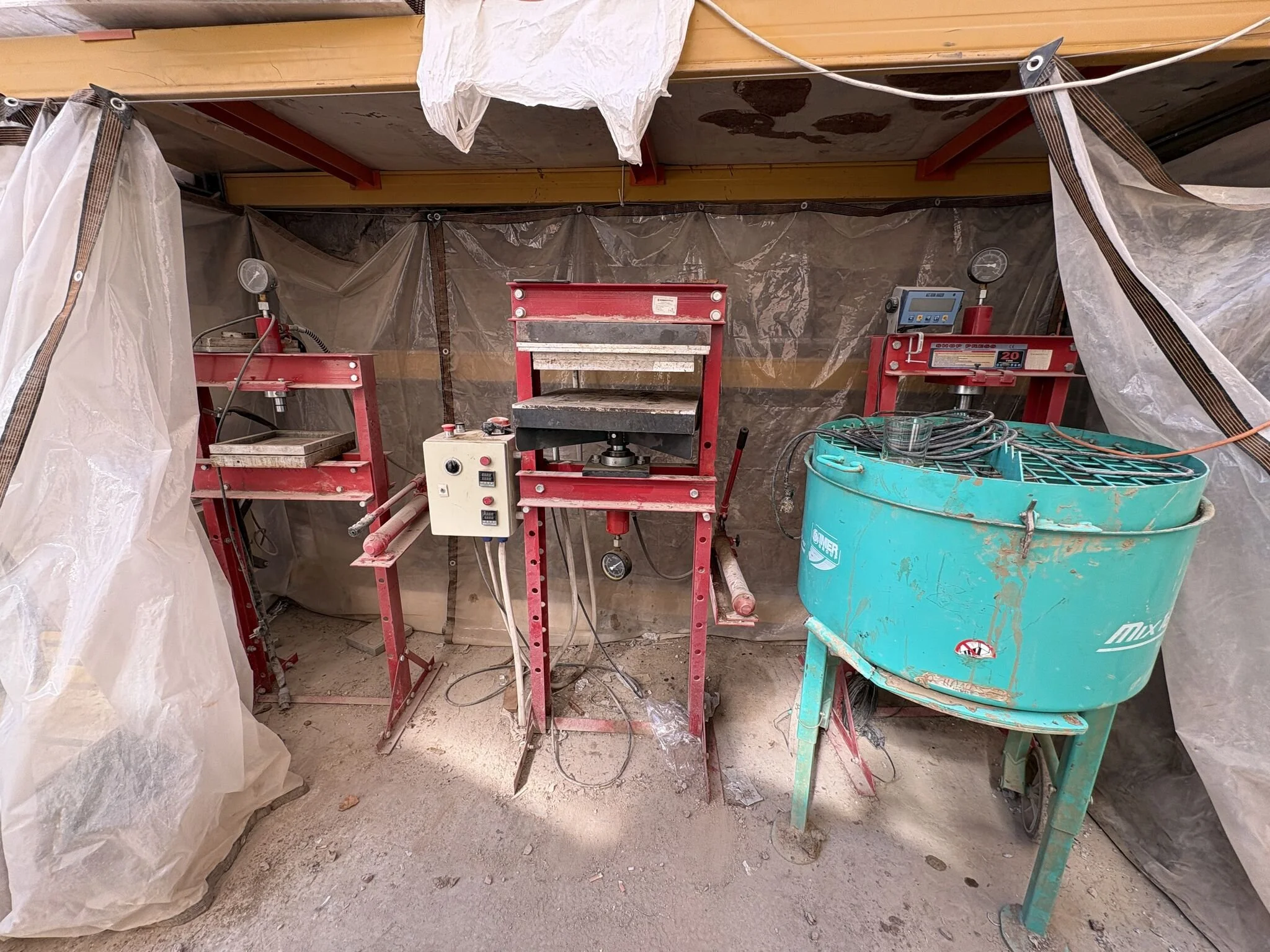
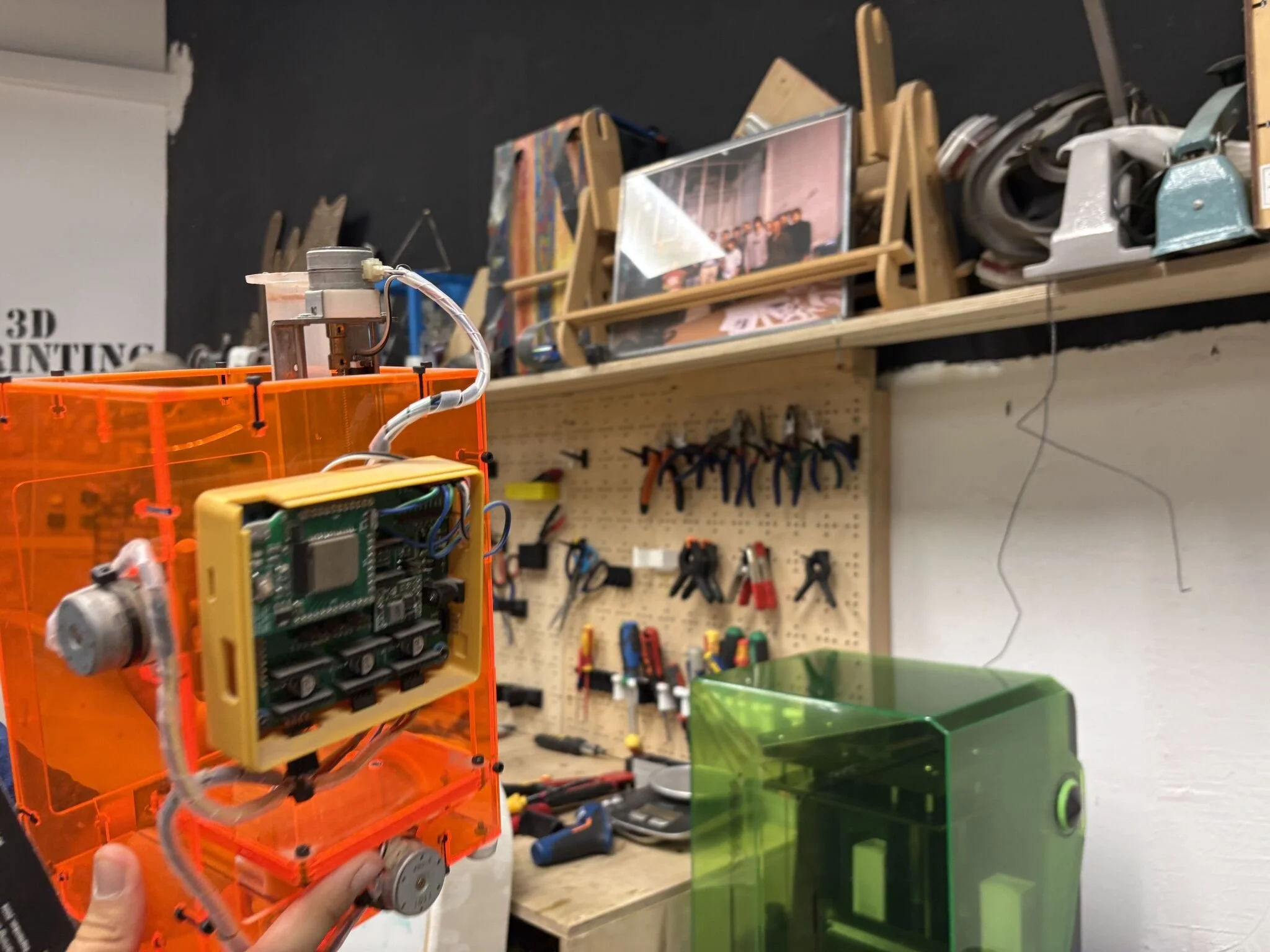
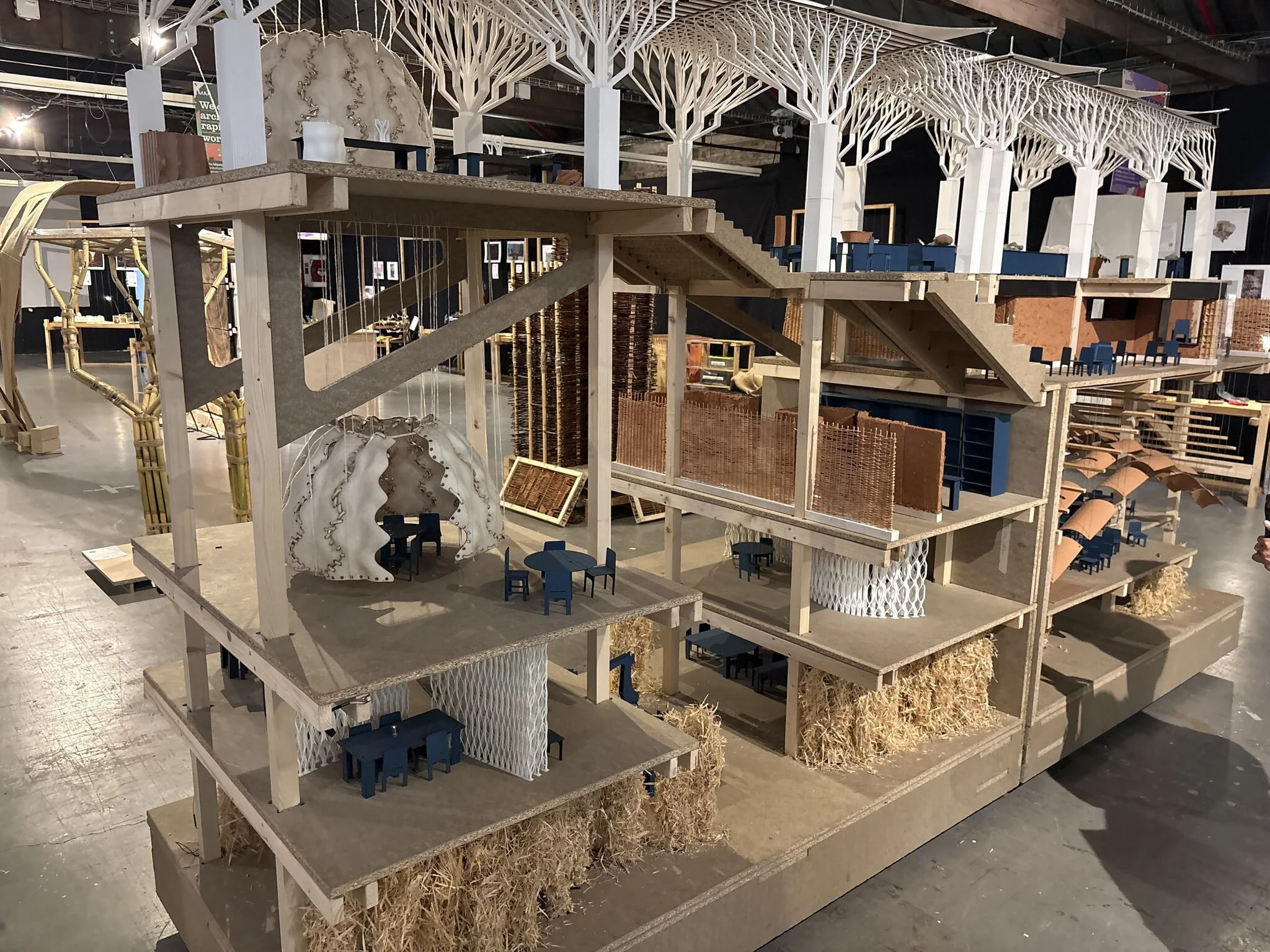
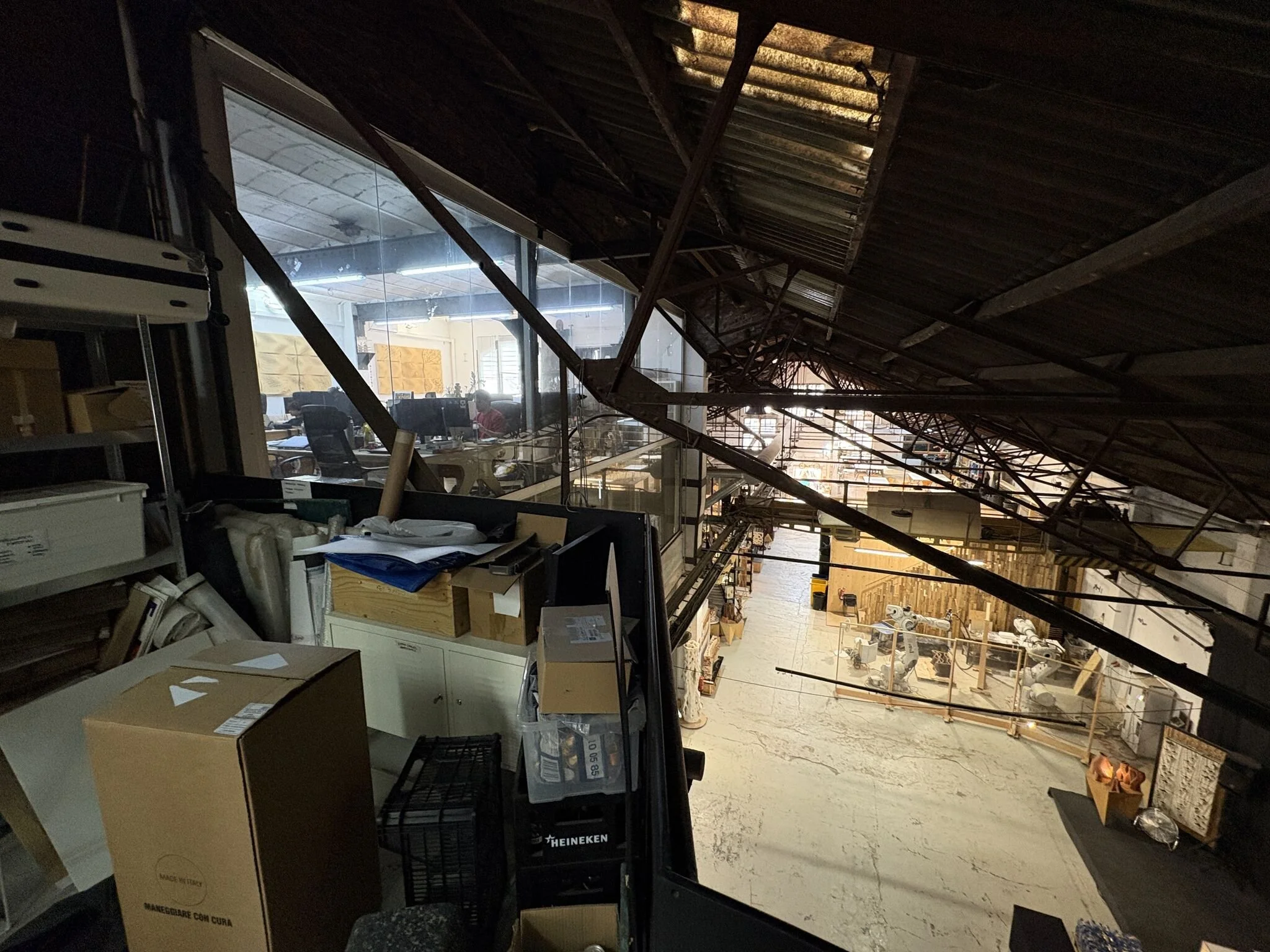
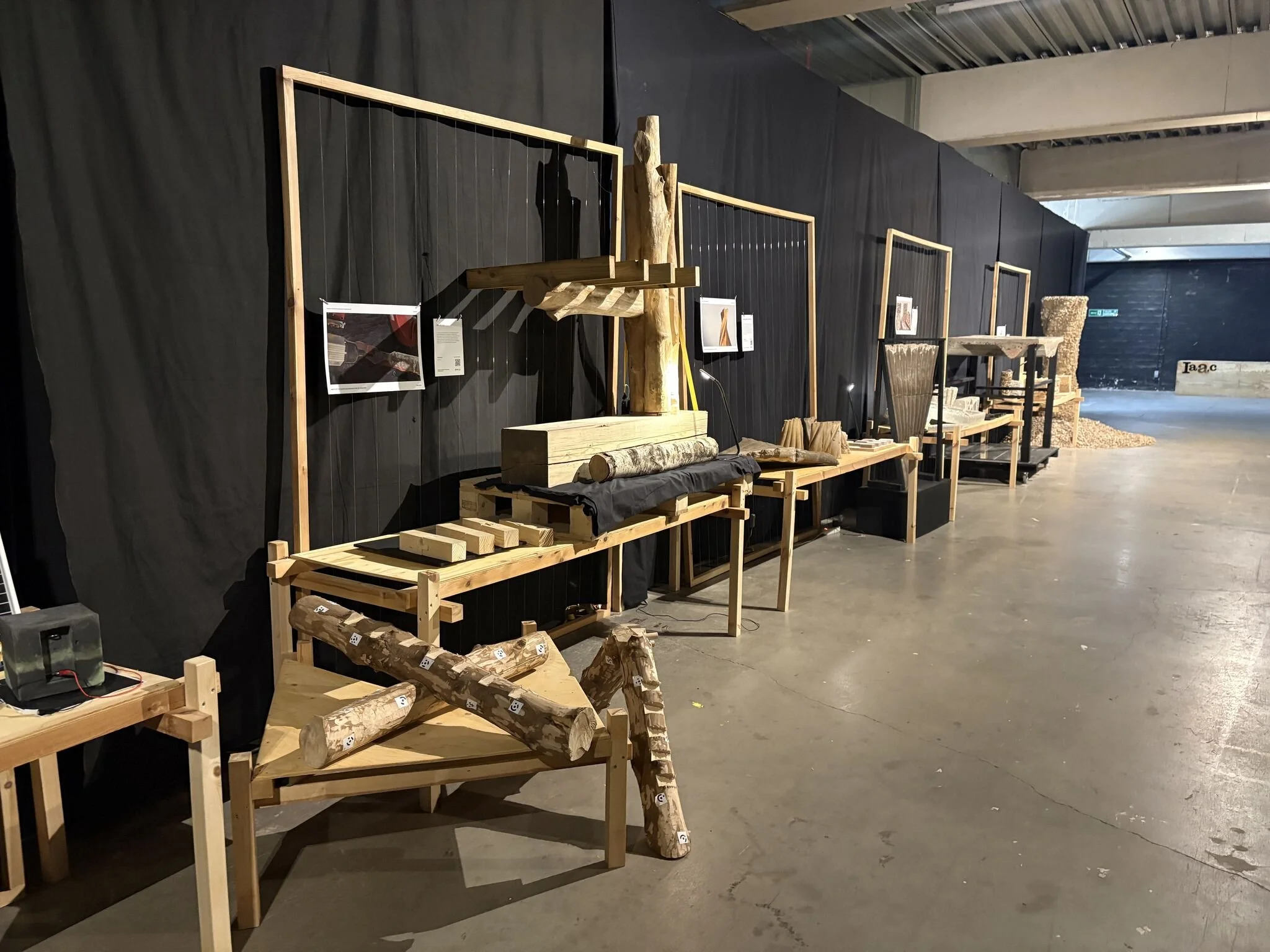
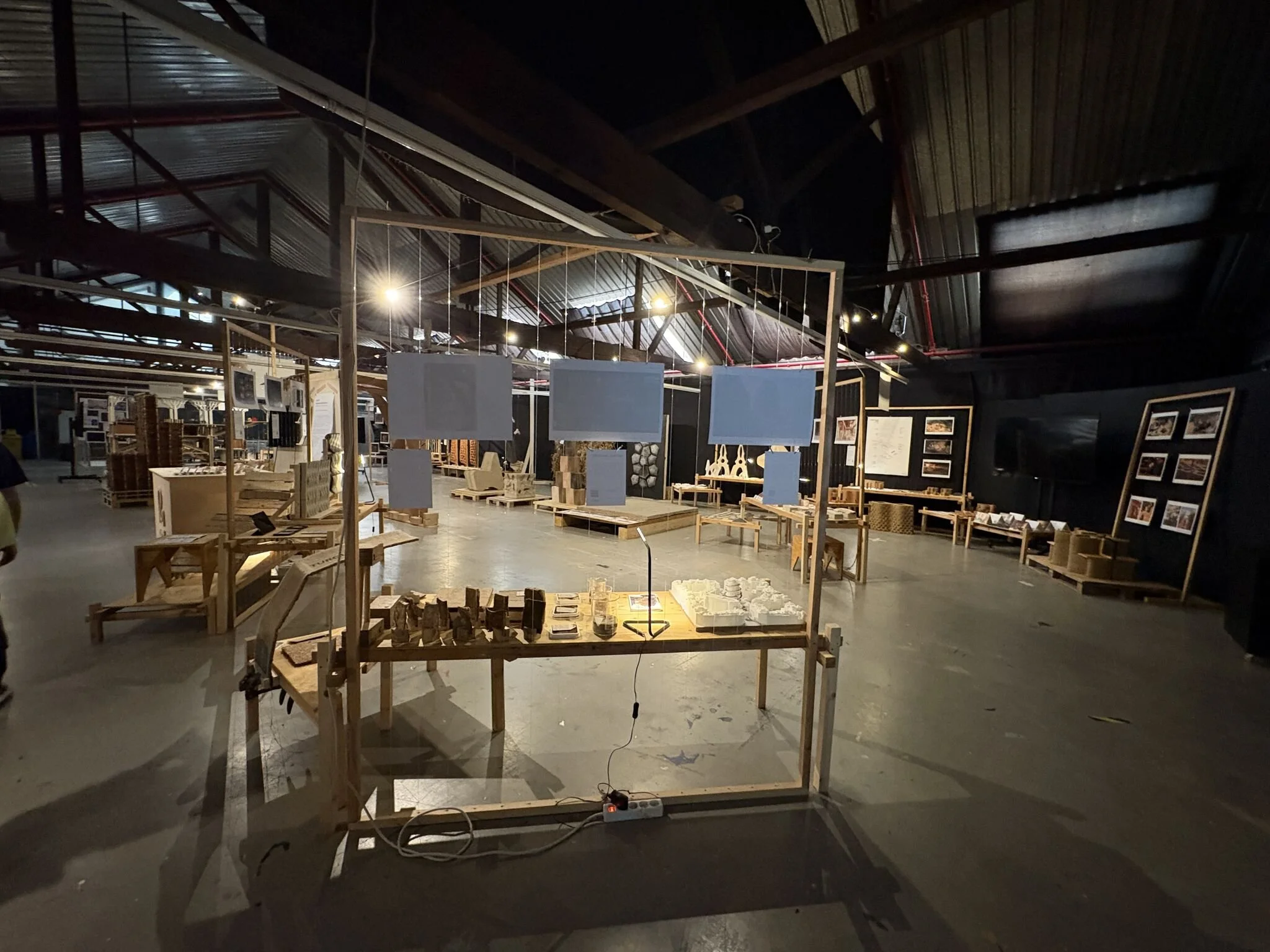
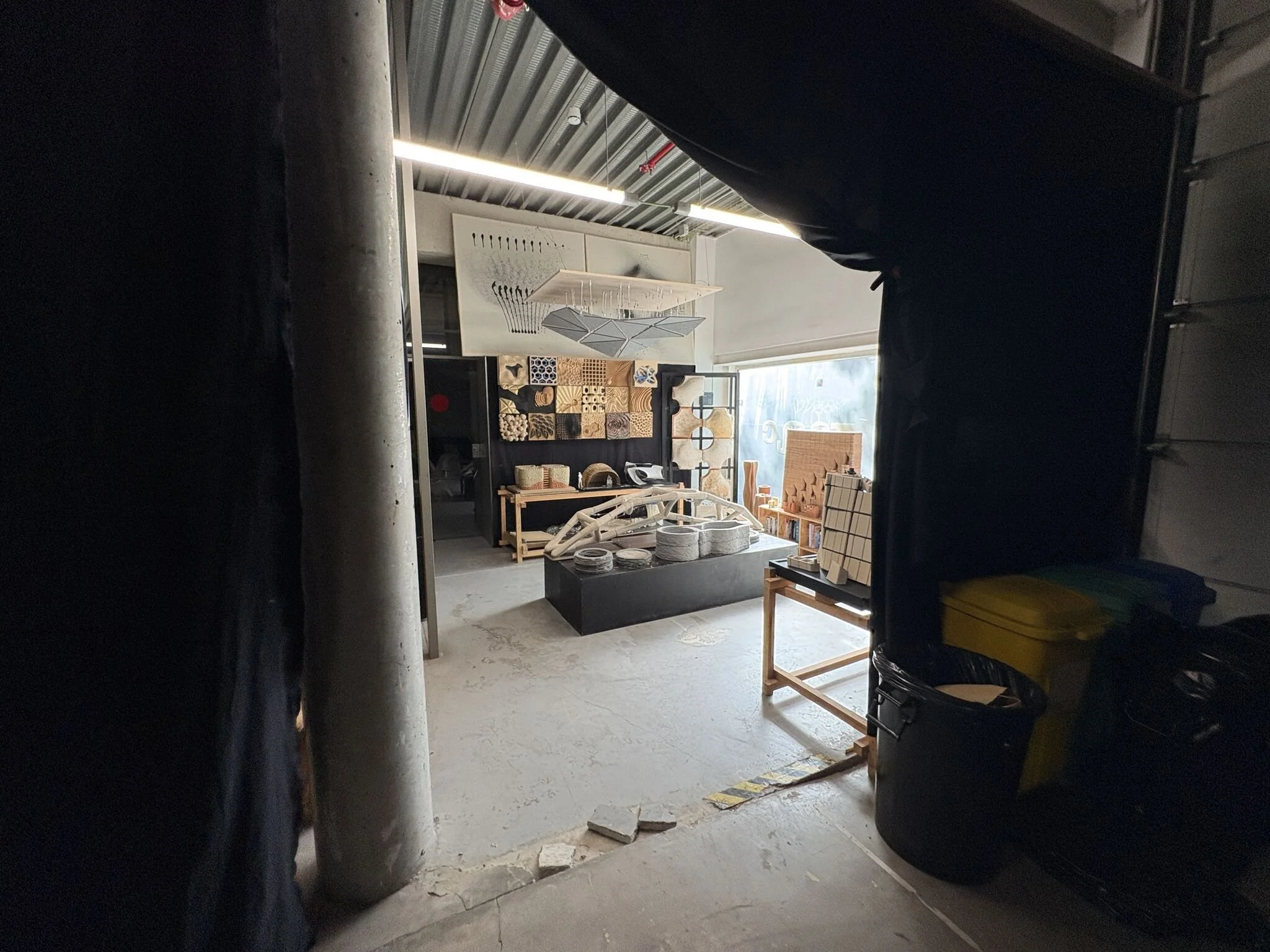
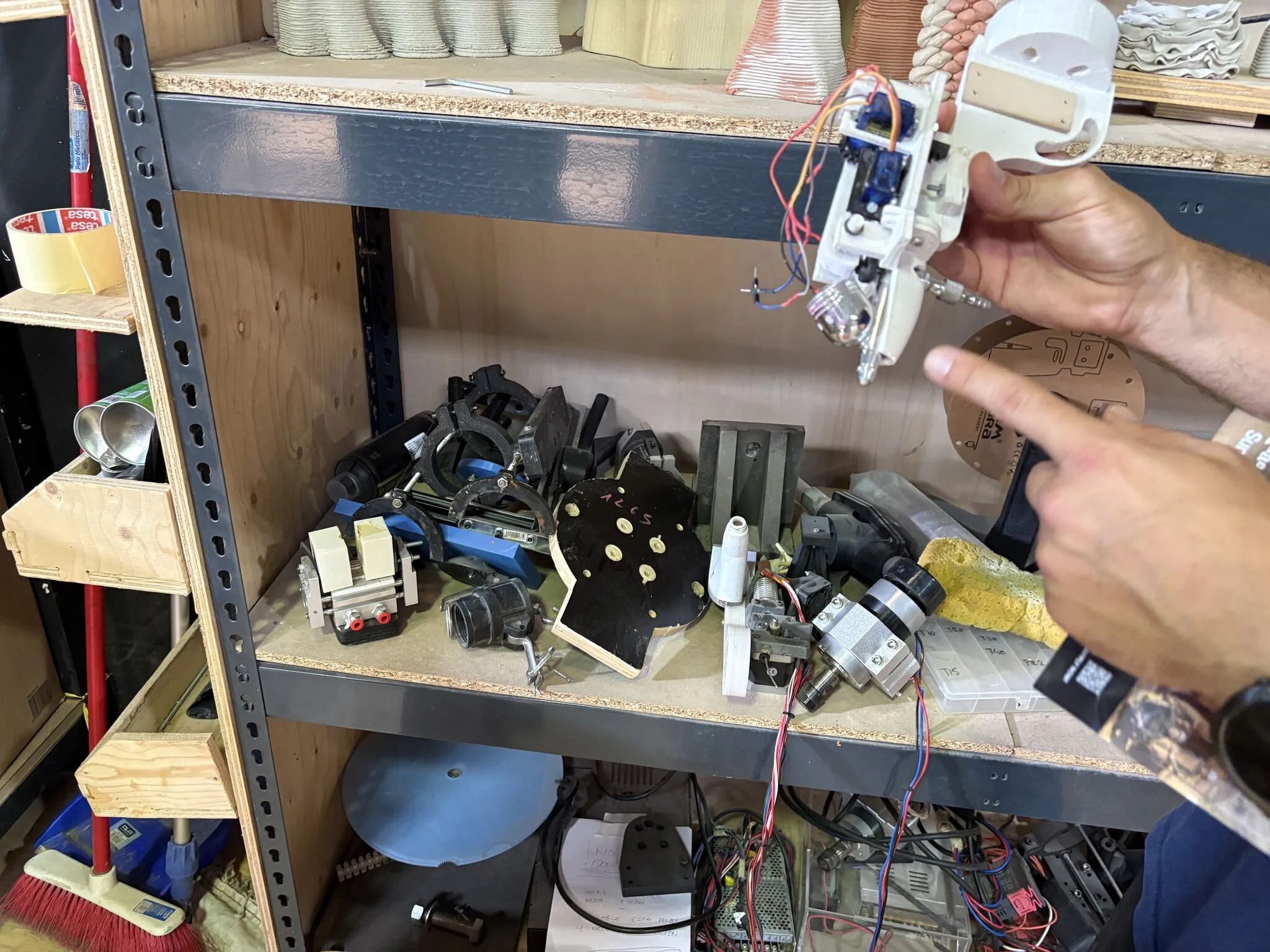
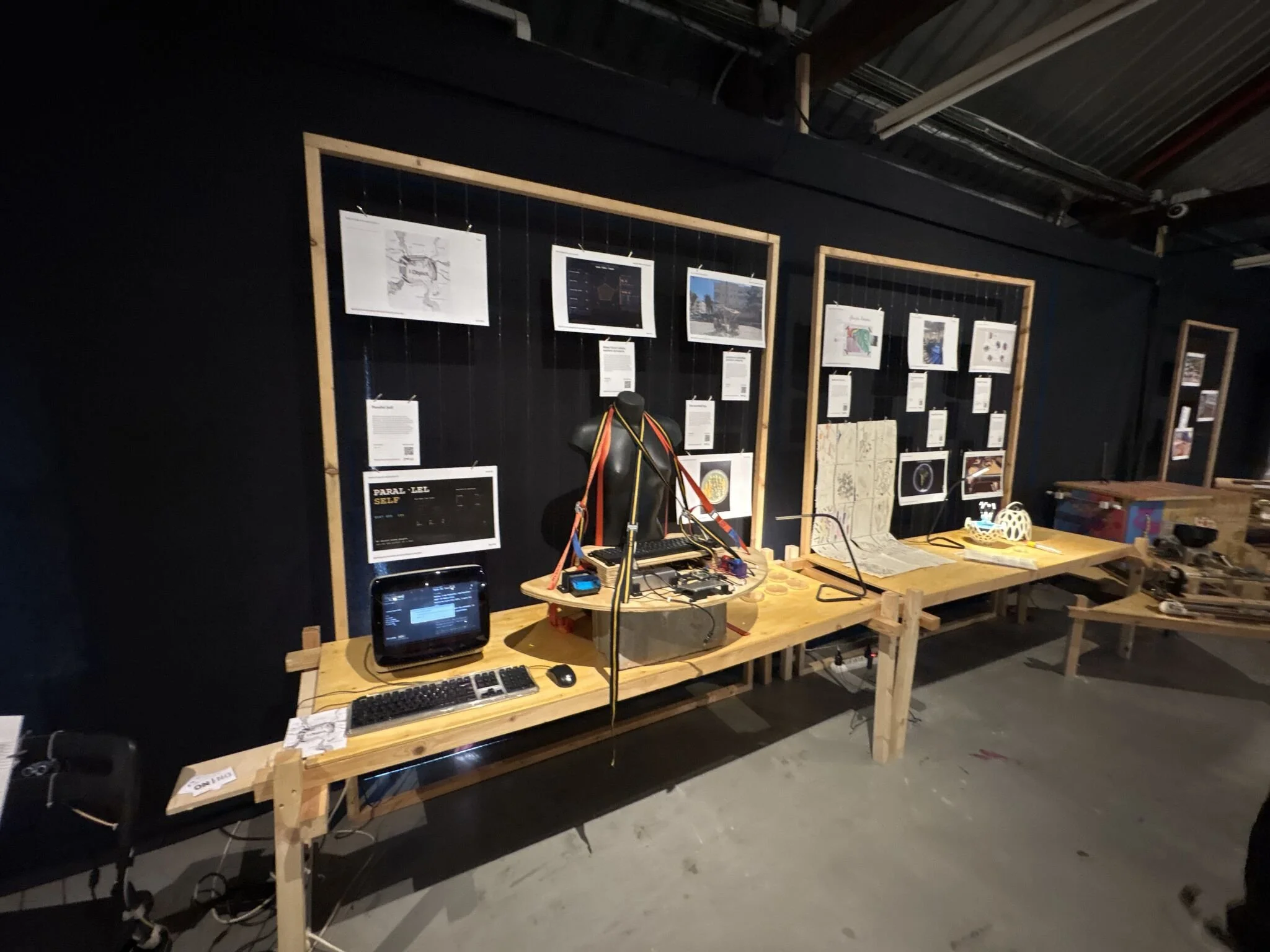
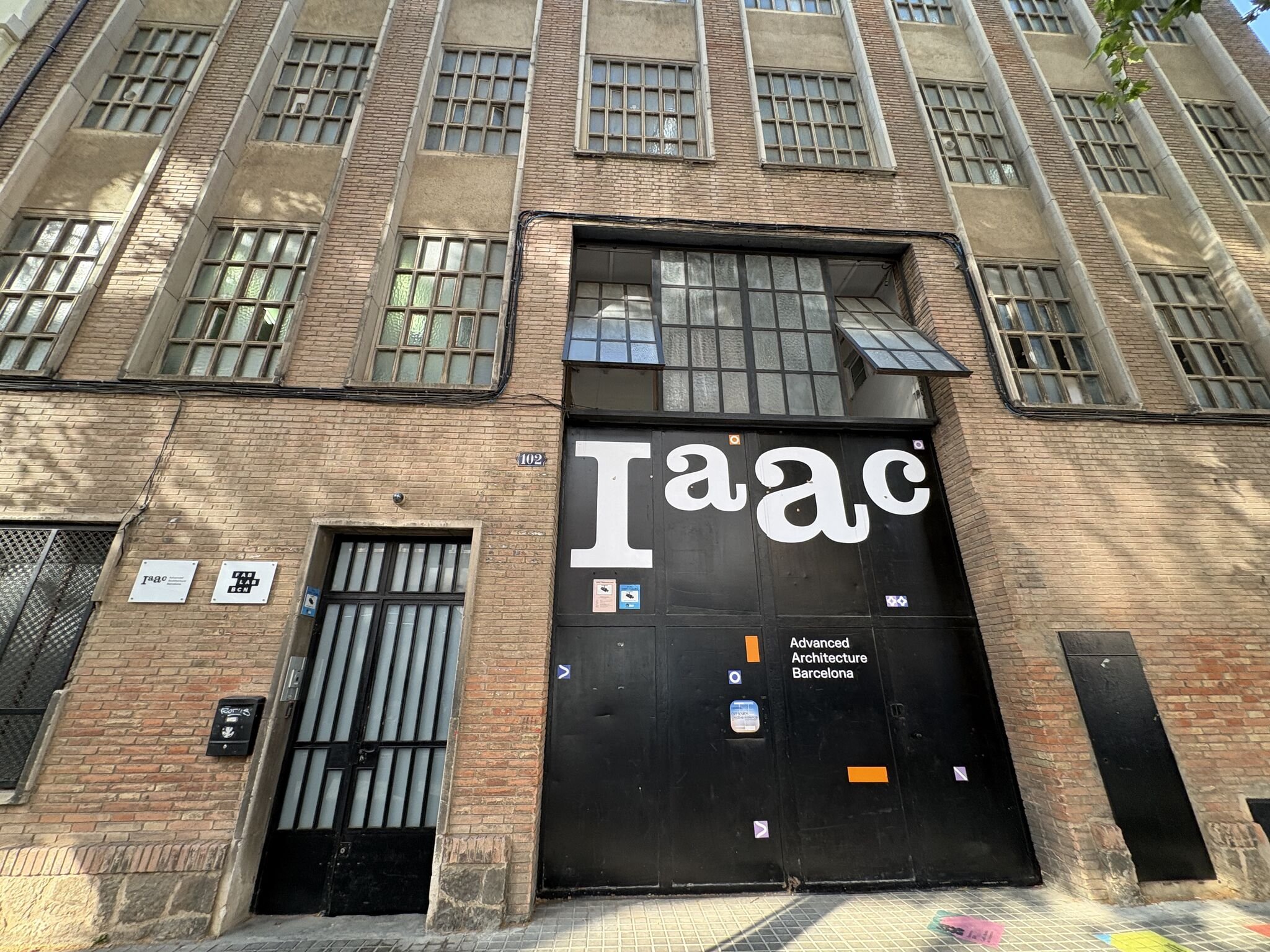
Walking through IAAC's digital fabrication laboratories, robotics facilities, and interdisciplinary studios reinforced an important question for our profession:
How should we prepare architects for a future in which design, research, technology, materials, and construction are increasingly interconnected?
Future architects will need more than traditional design skills. They will need to understand emerging technologies, material innovation, environmental systems, fabrication, data, and interdisciplinary collaboration, while maintaining the human, cultural, and social responsibilities at the heart of architecture.
This is why connecting architectural education with professional practice is so important to AIA International.
Supporting the next generation of architects is ultimately an investment in the future of our profession.
Singapore: Building Regional Partnerships
July 21- 26, 2026 | Singapore
Singapore provided an important opportunity to strengthen AIA International's engagement with Southeast Asia.
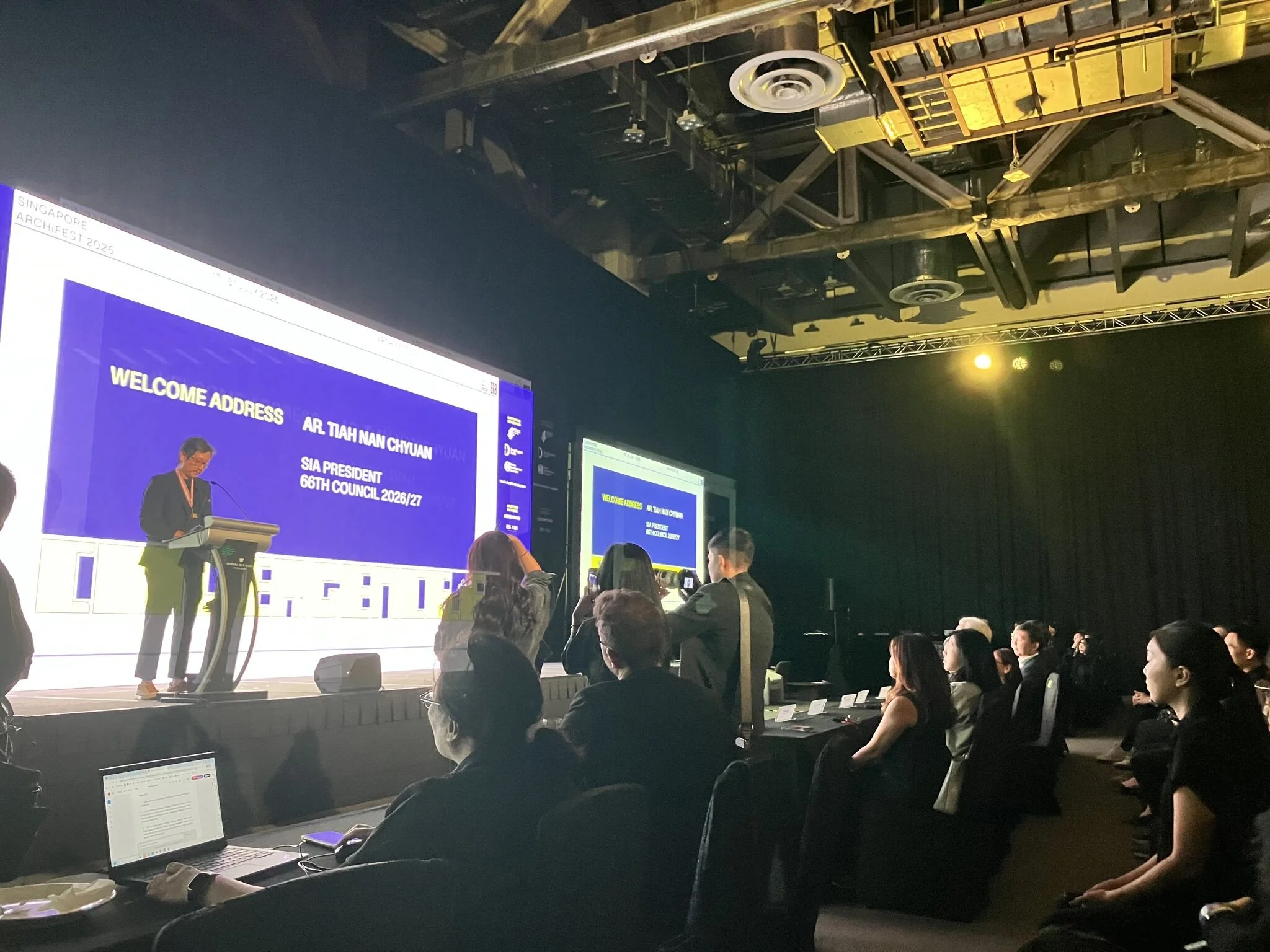
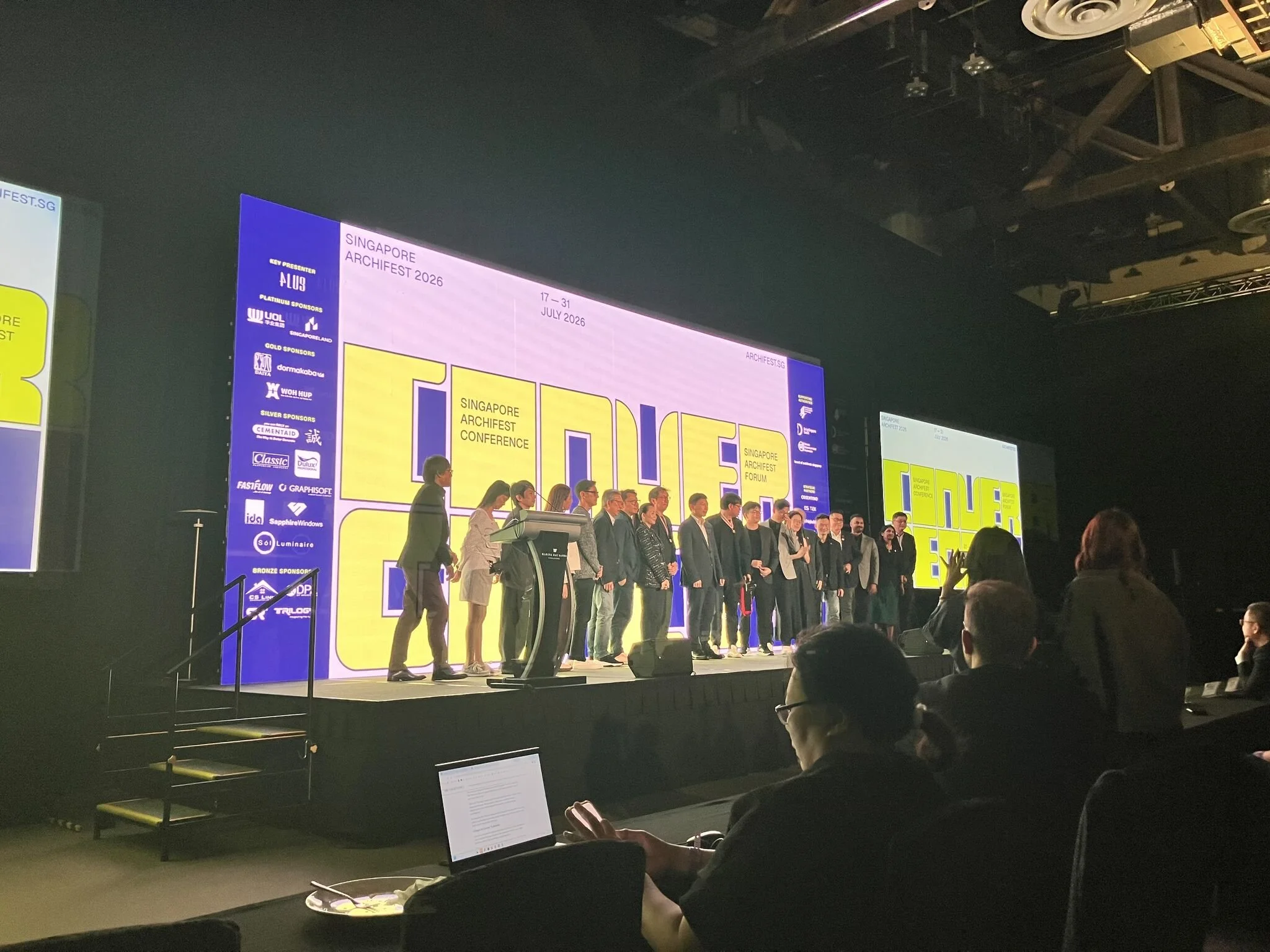
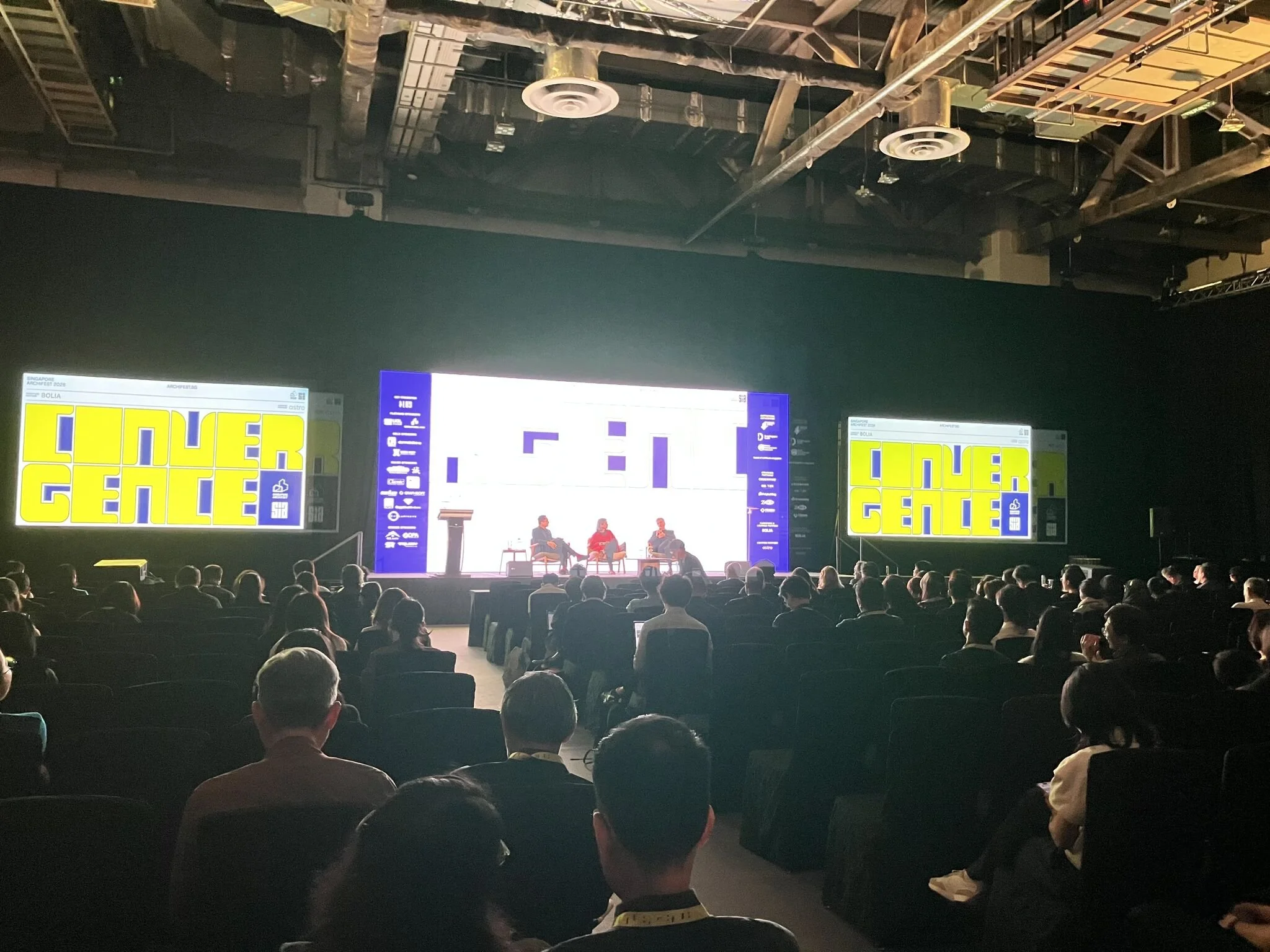
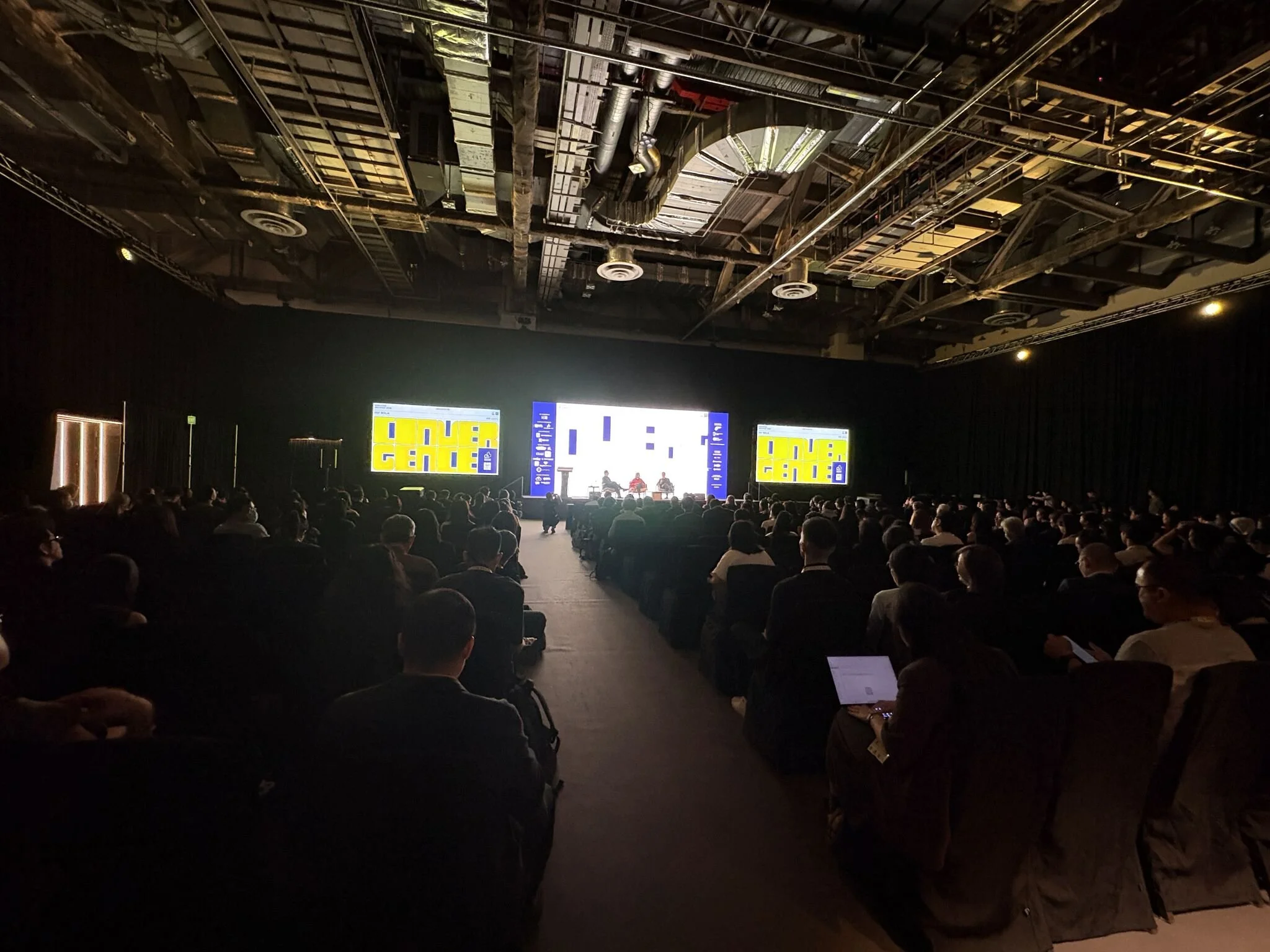
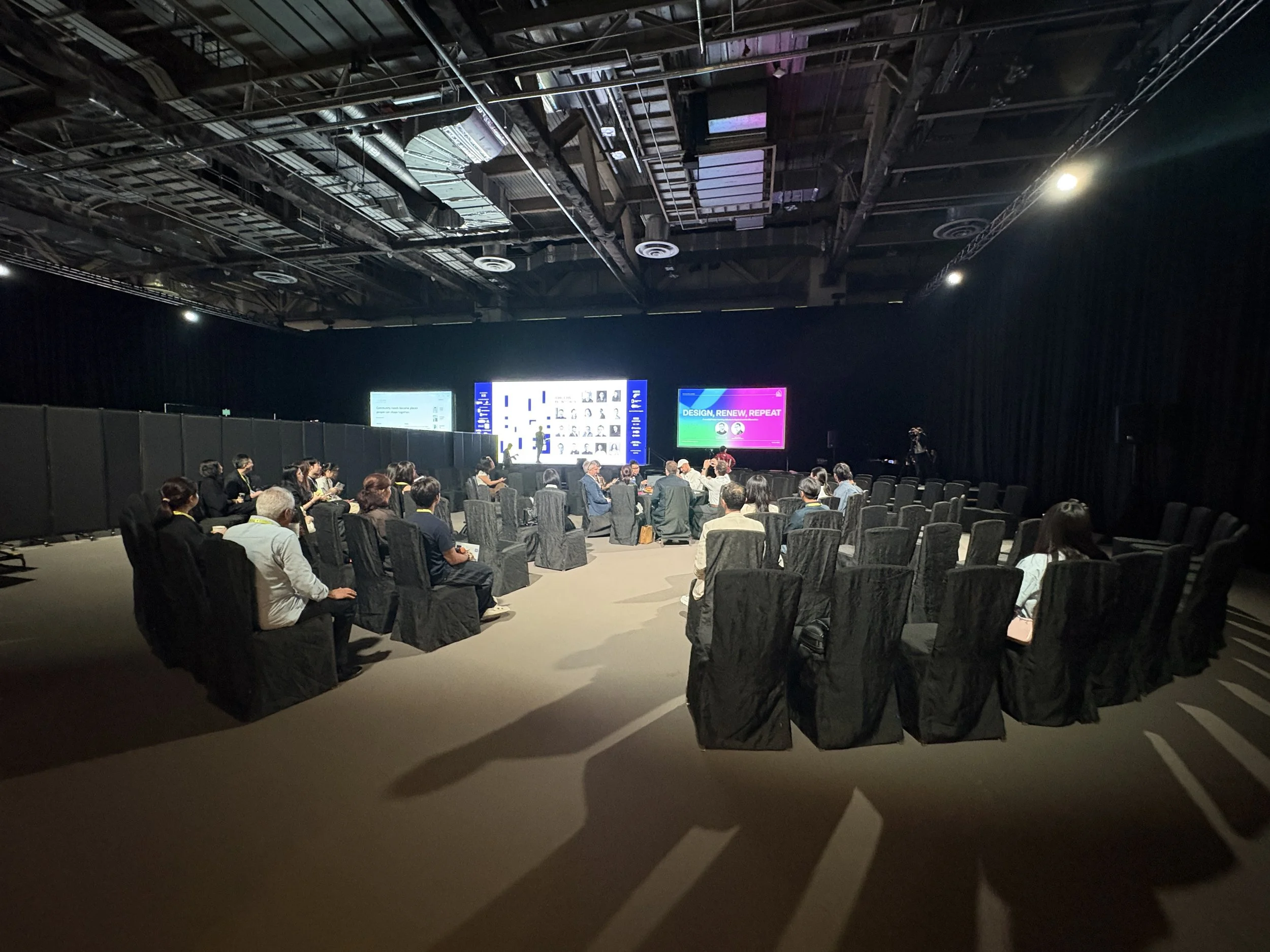
I was honored to join the 20th Anniversary celebration of Singapore Archifest, hosted by the Singapore Institute of Architects (SIA).
Over two decades, Archifest has developed into an important architectural platform in Asia, bringing together architects, designers, educators, industry leaders, government representatives, and the public.
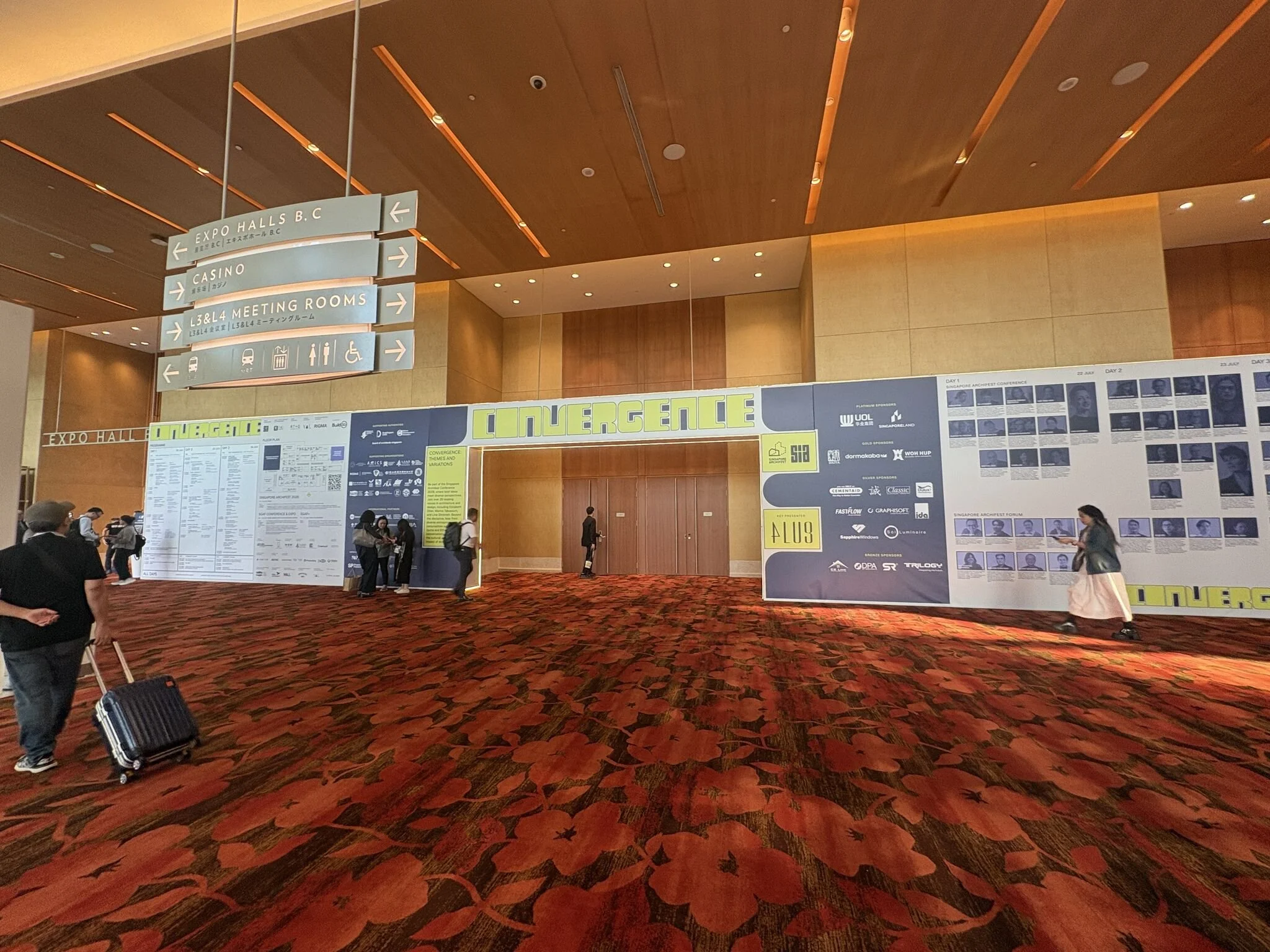
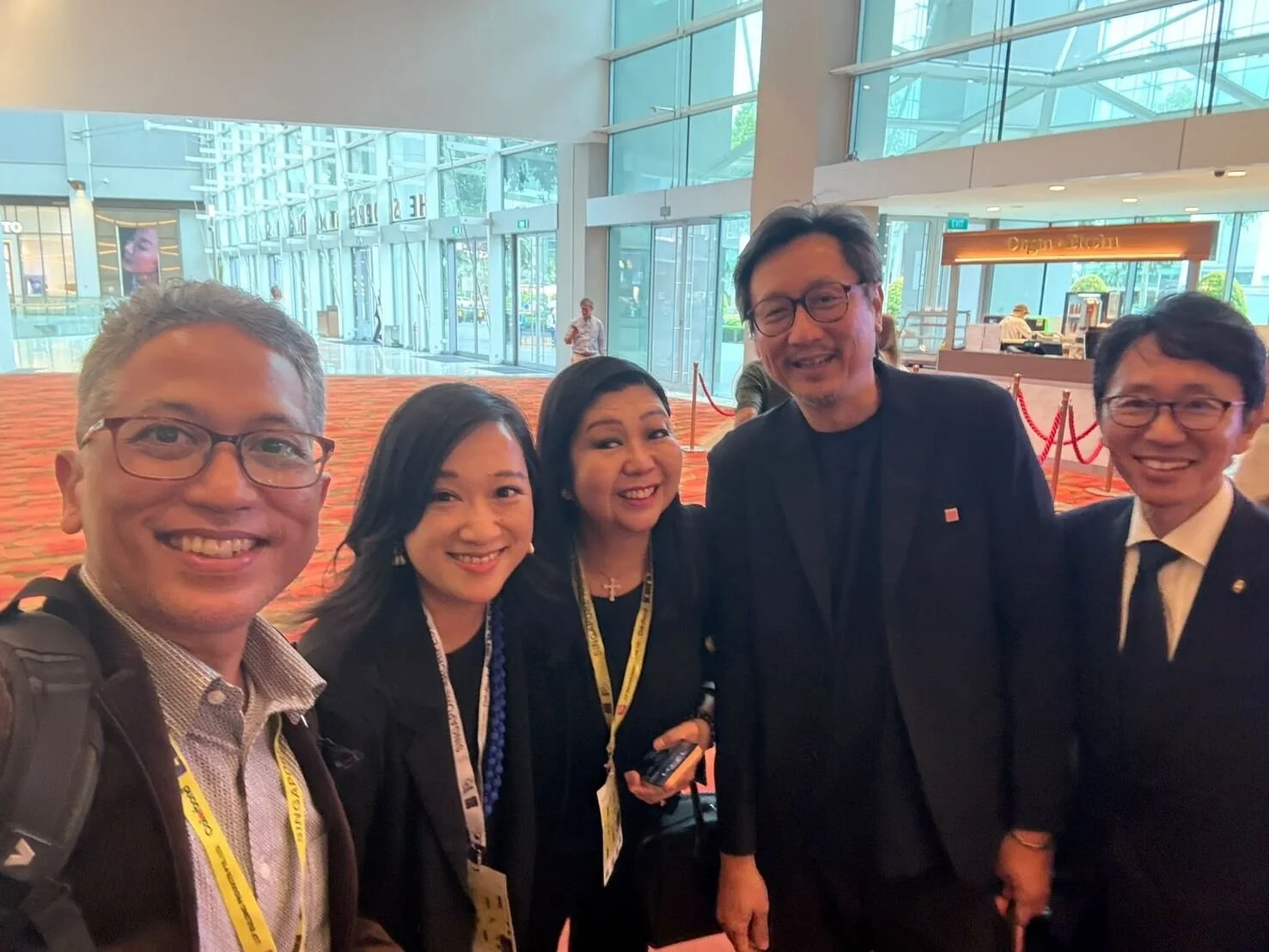
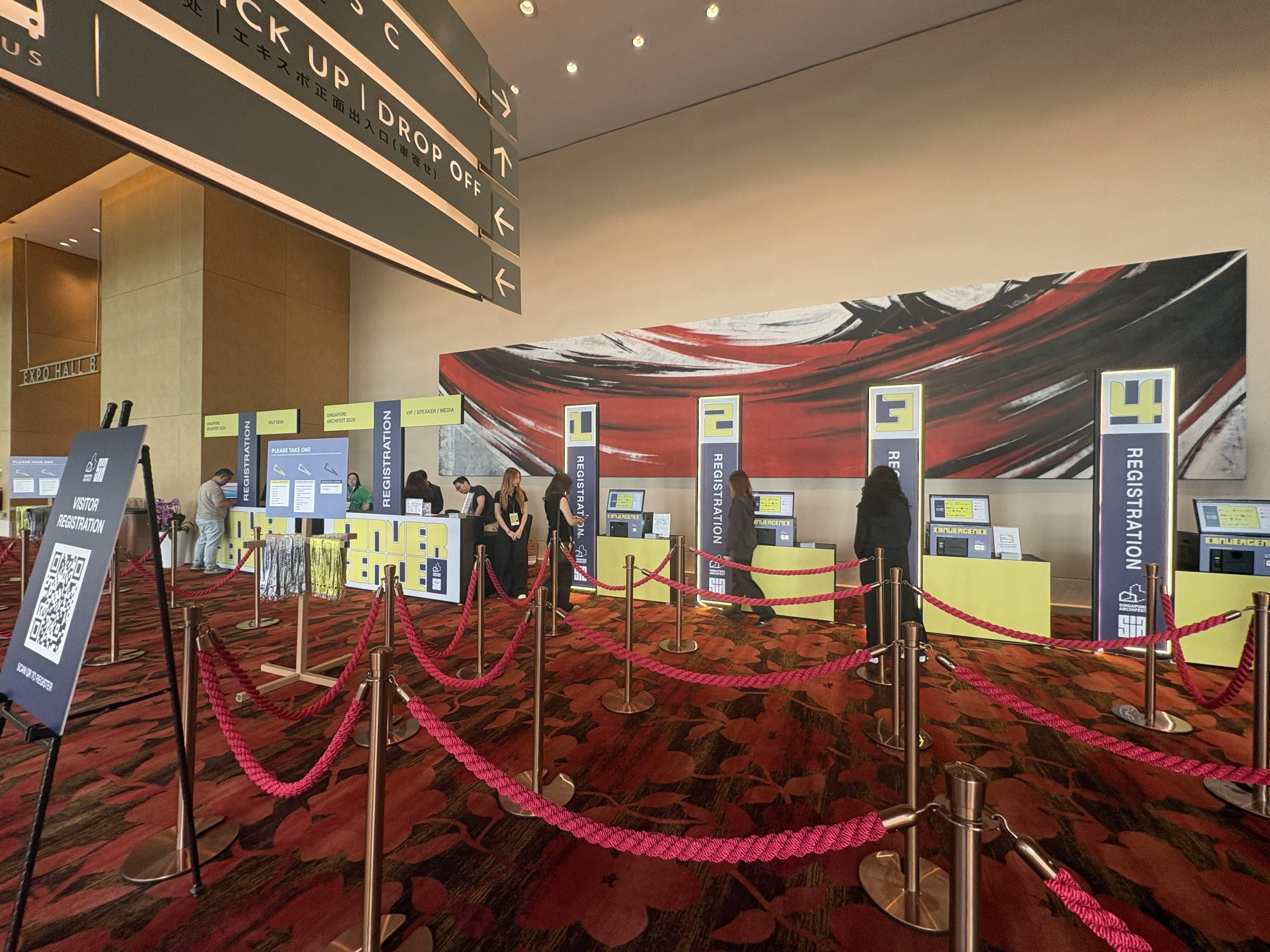
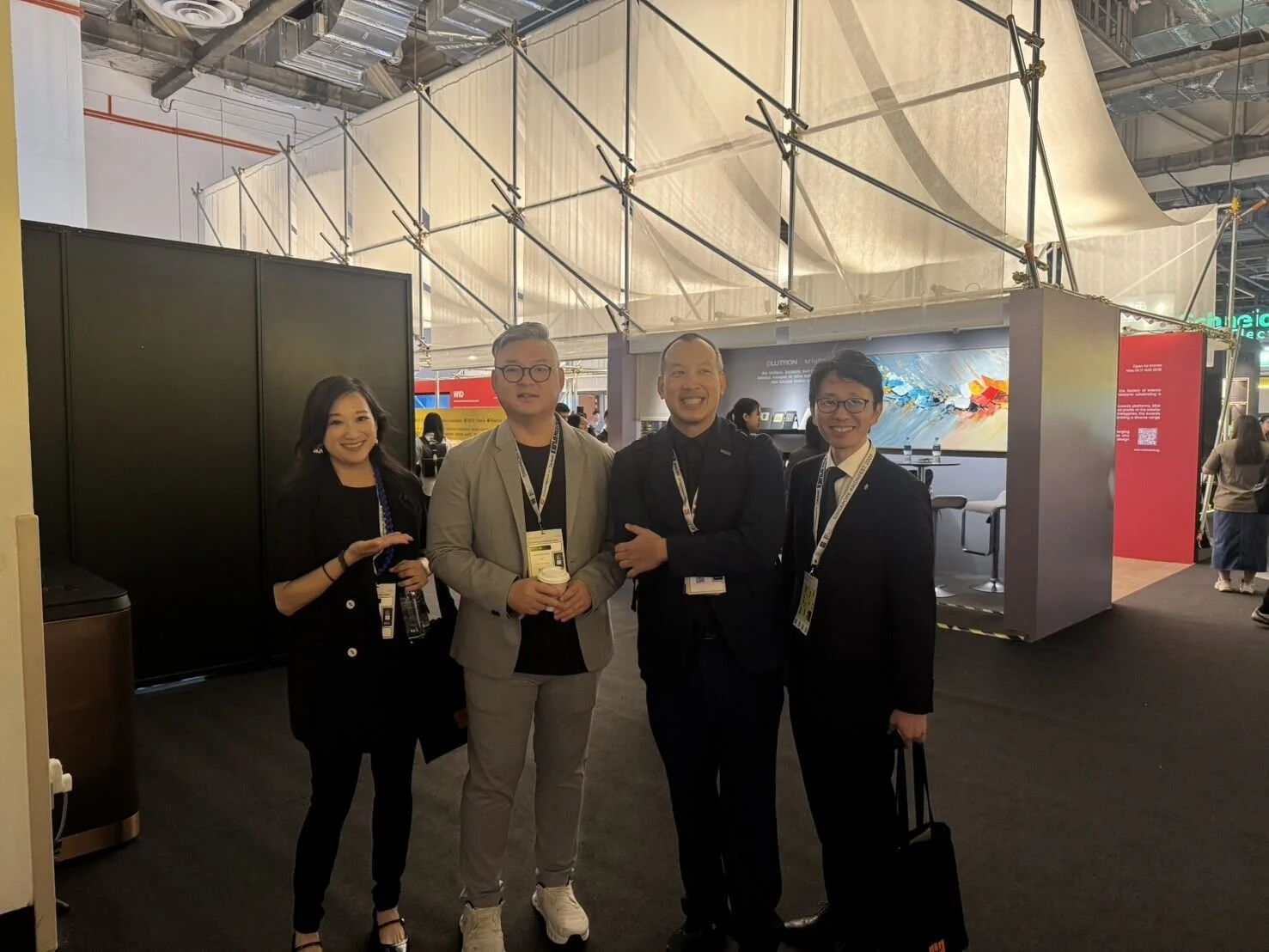
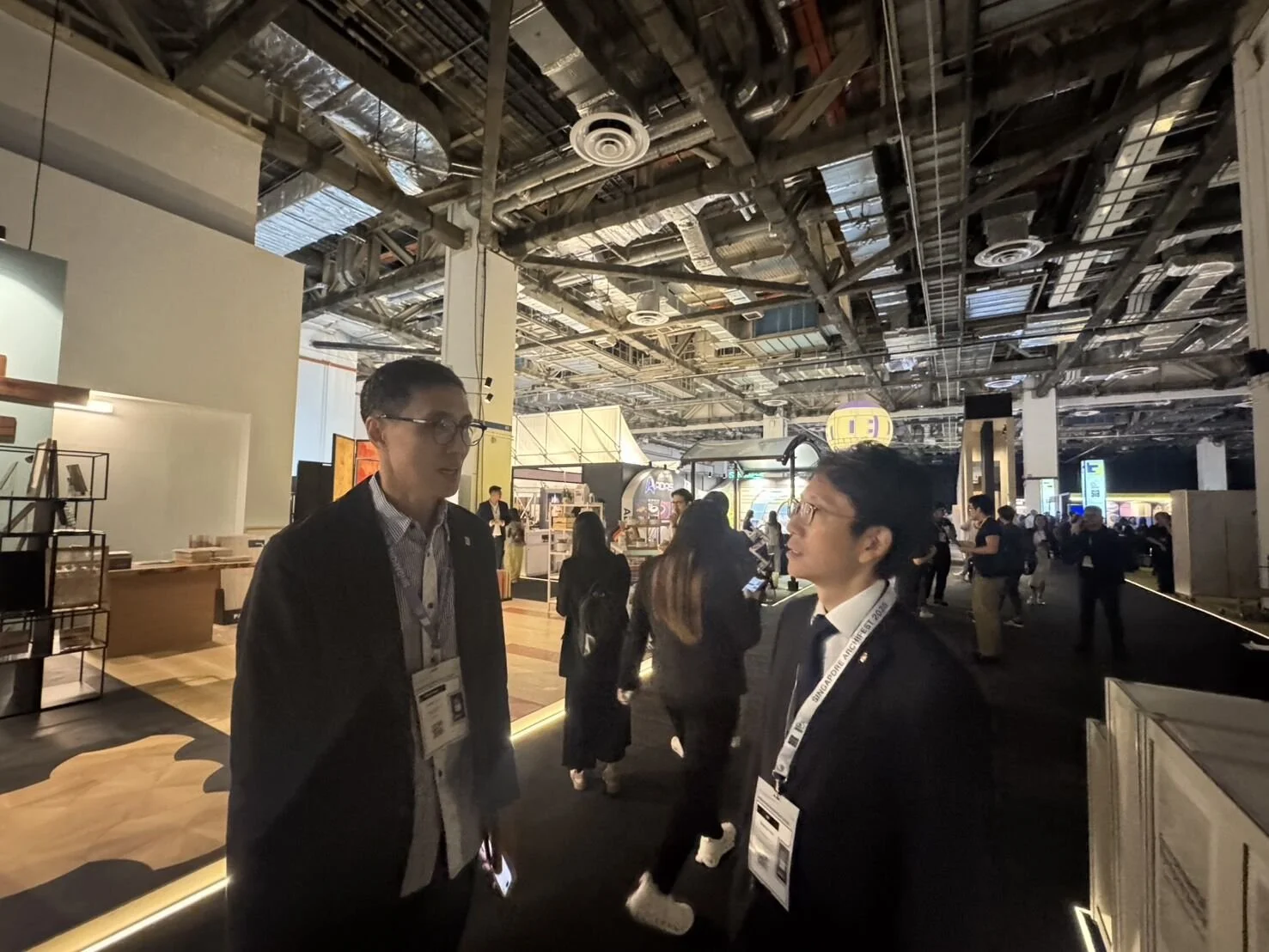

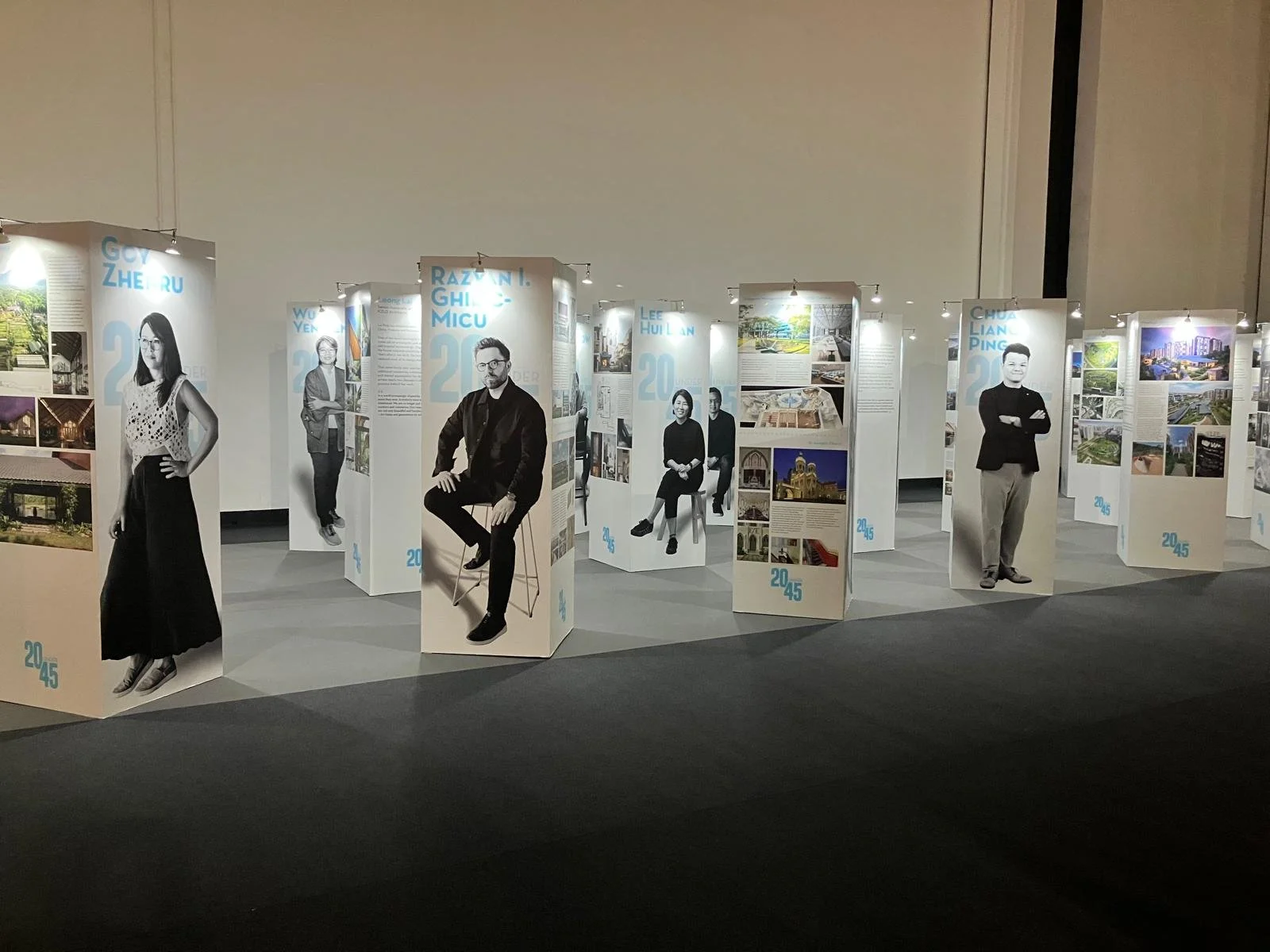
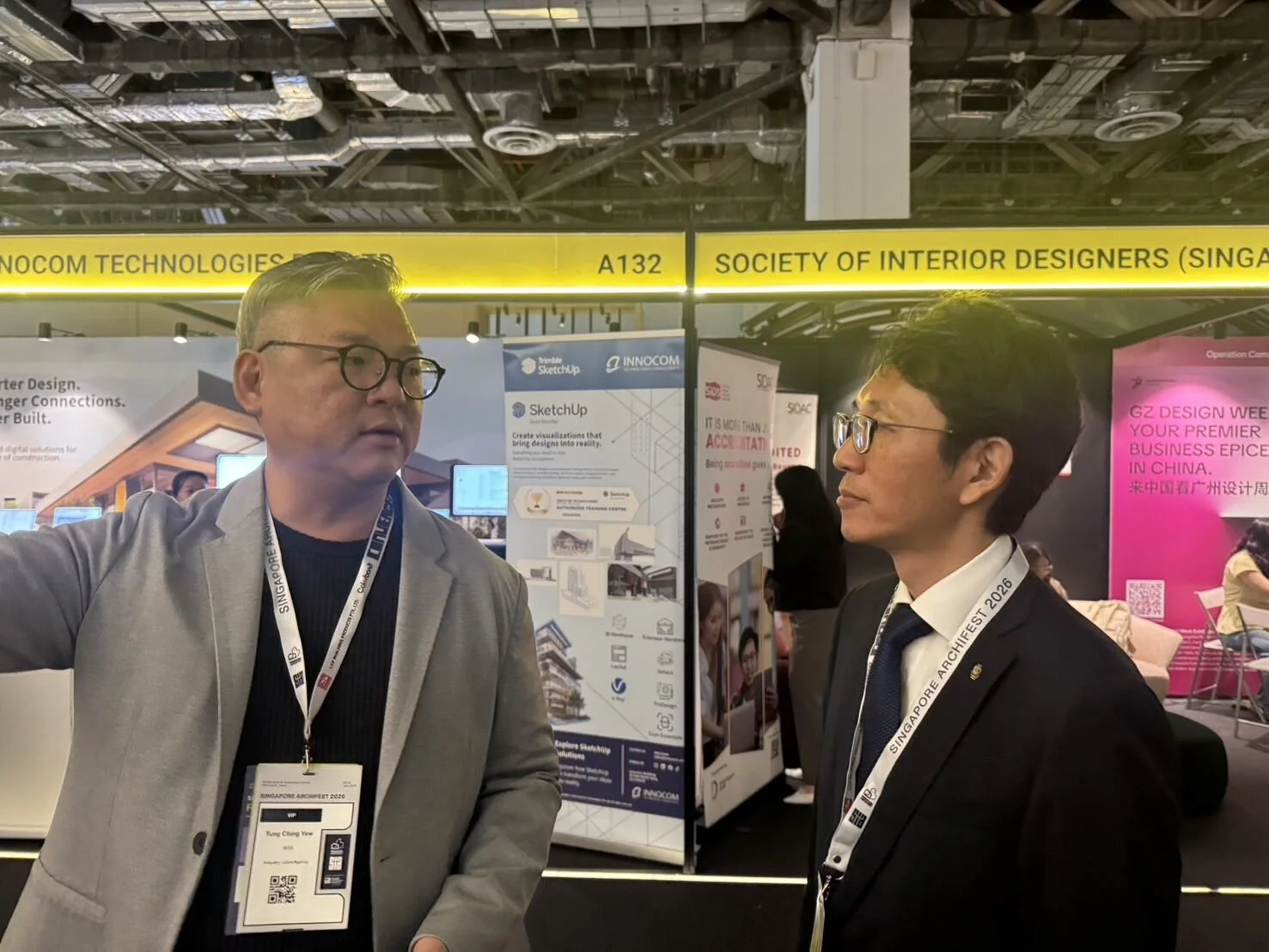
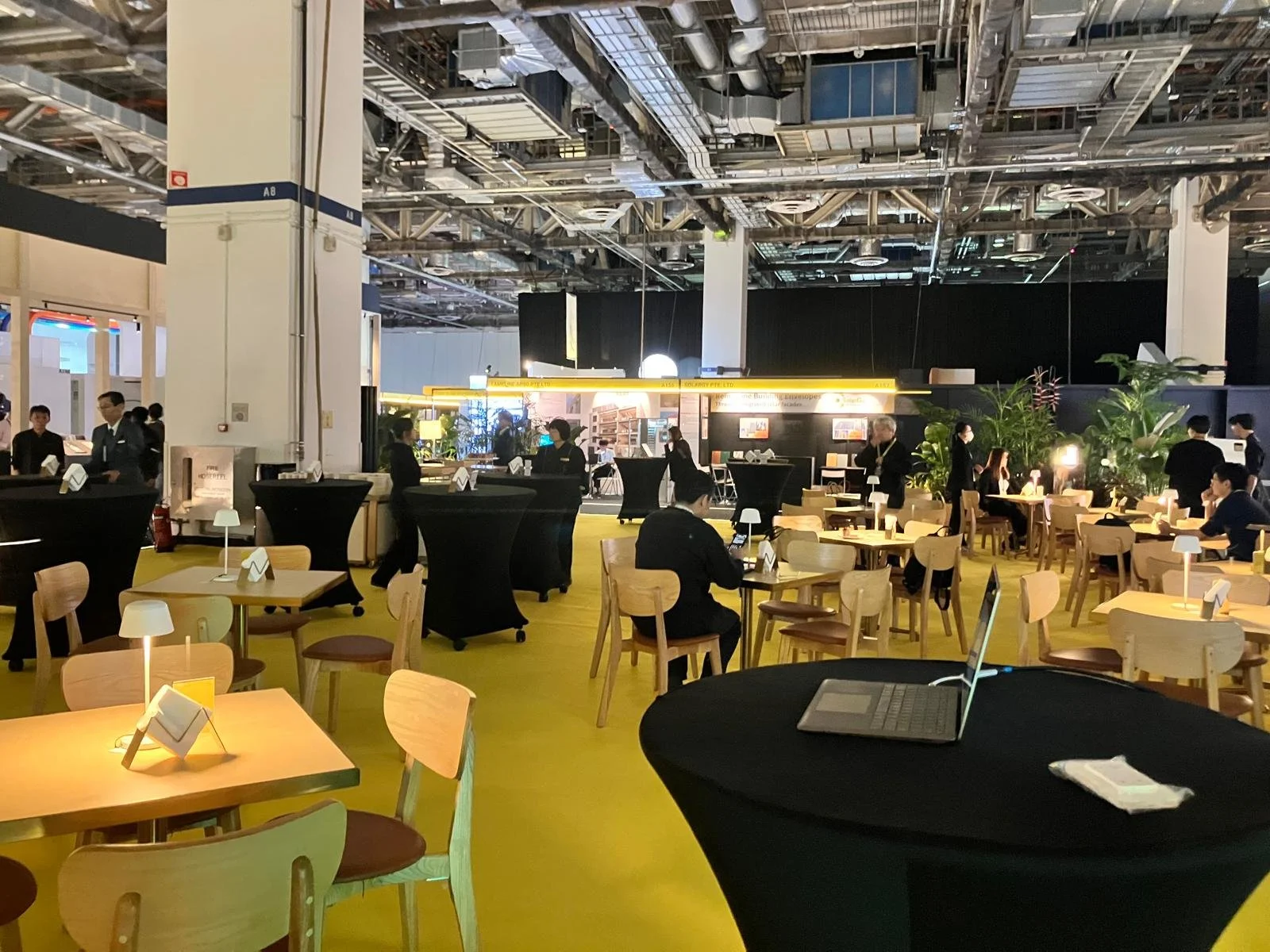
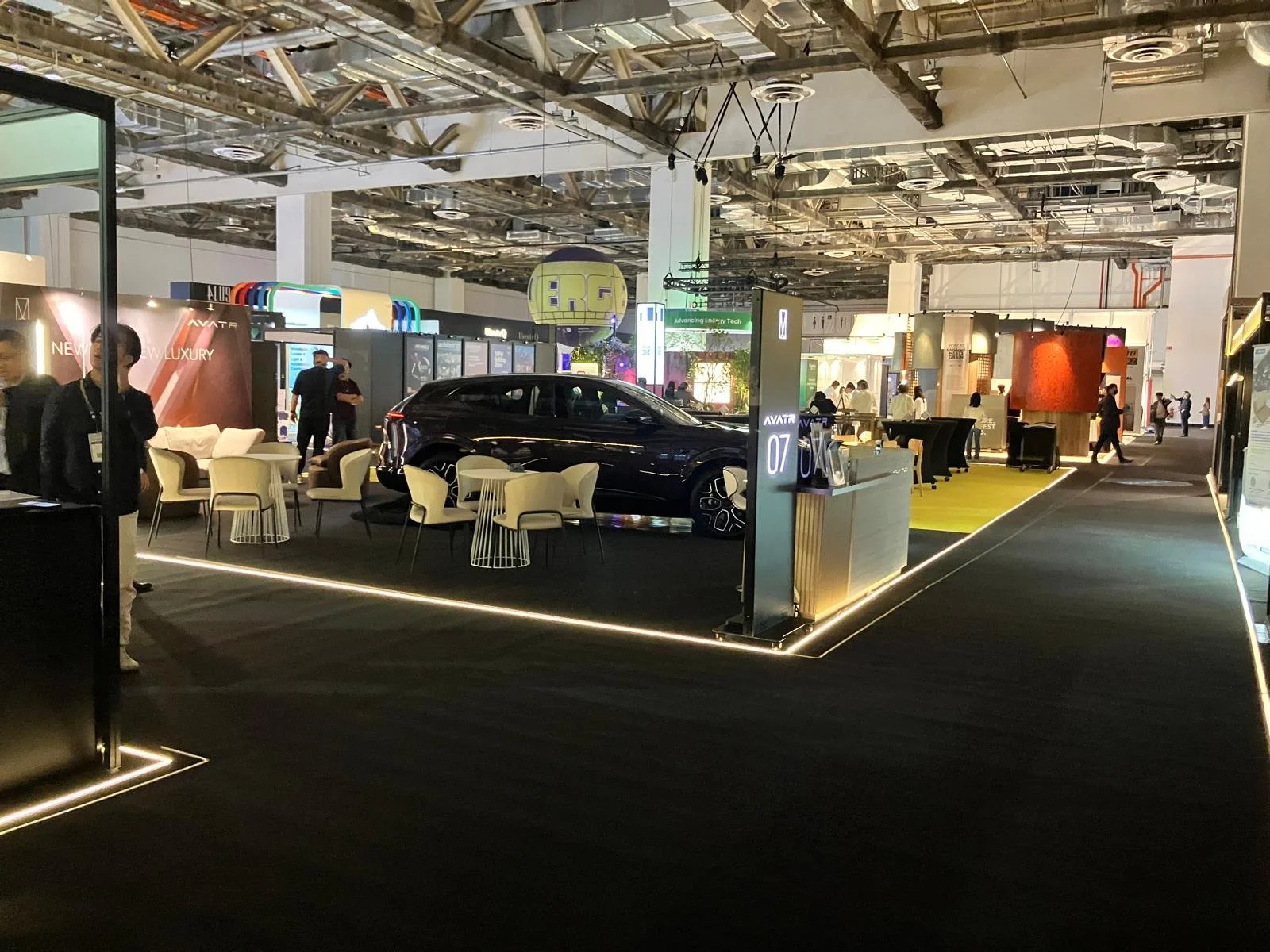
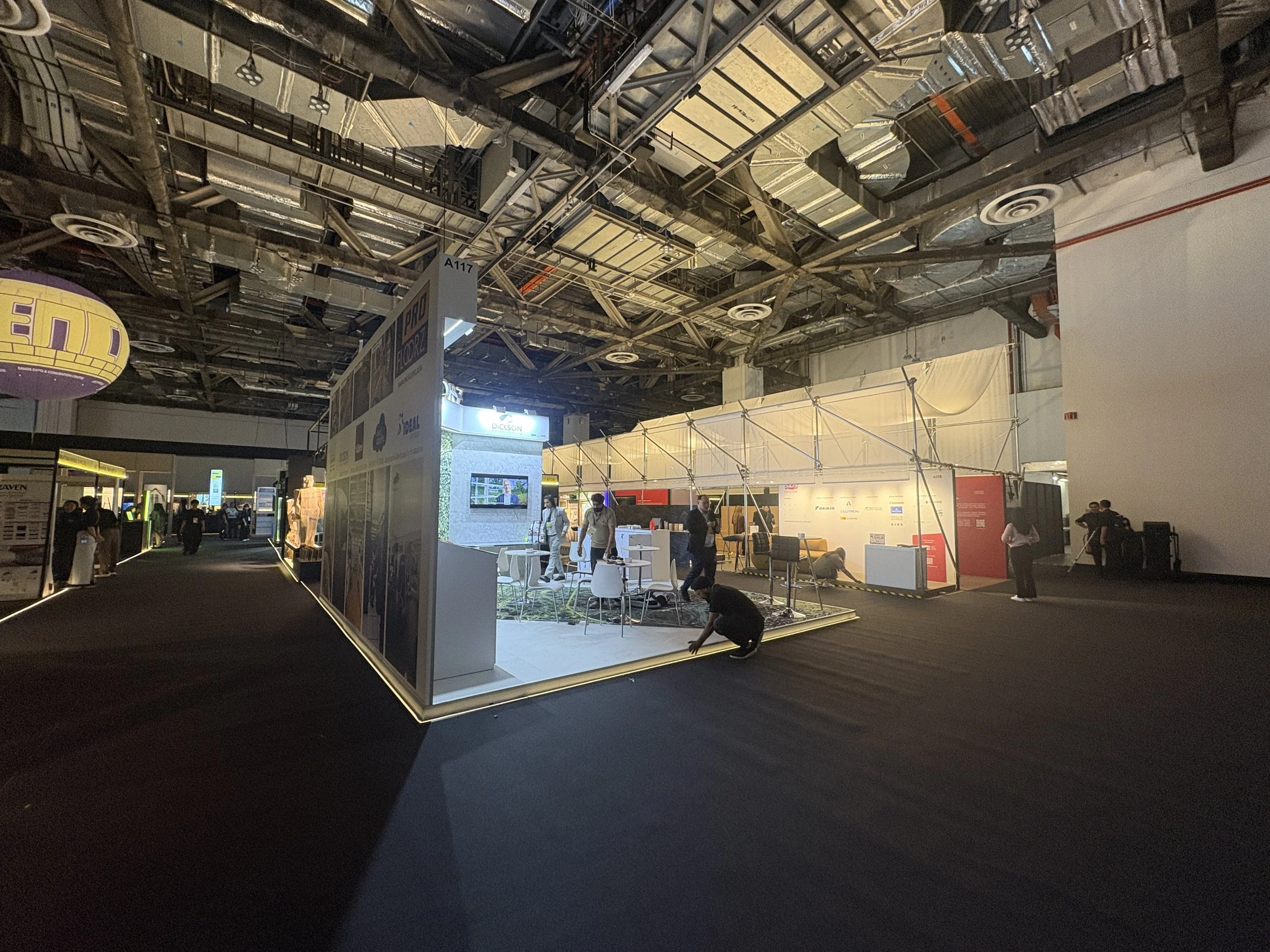
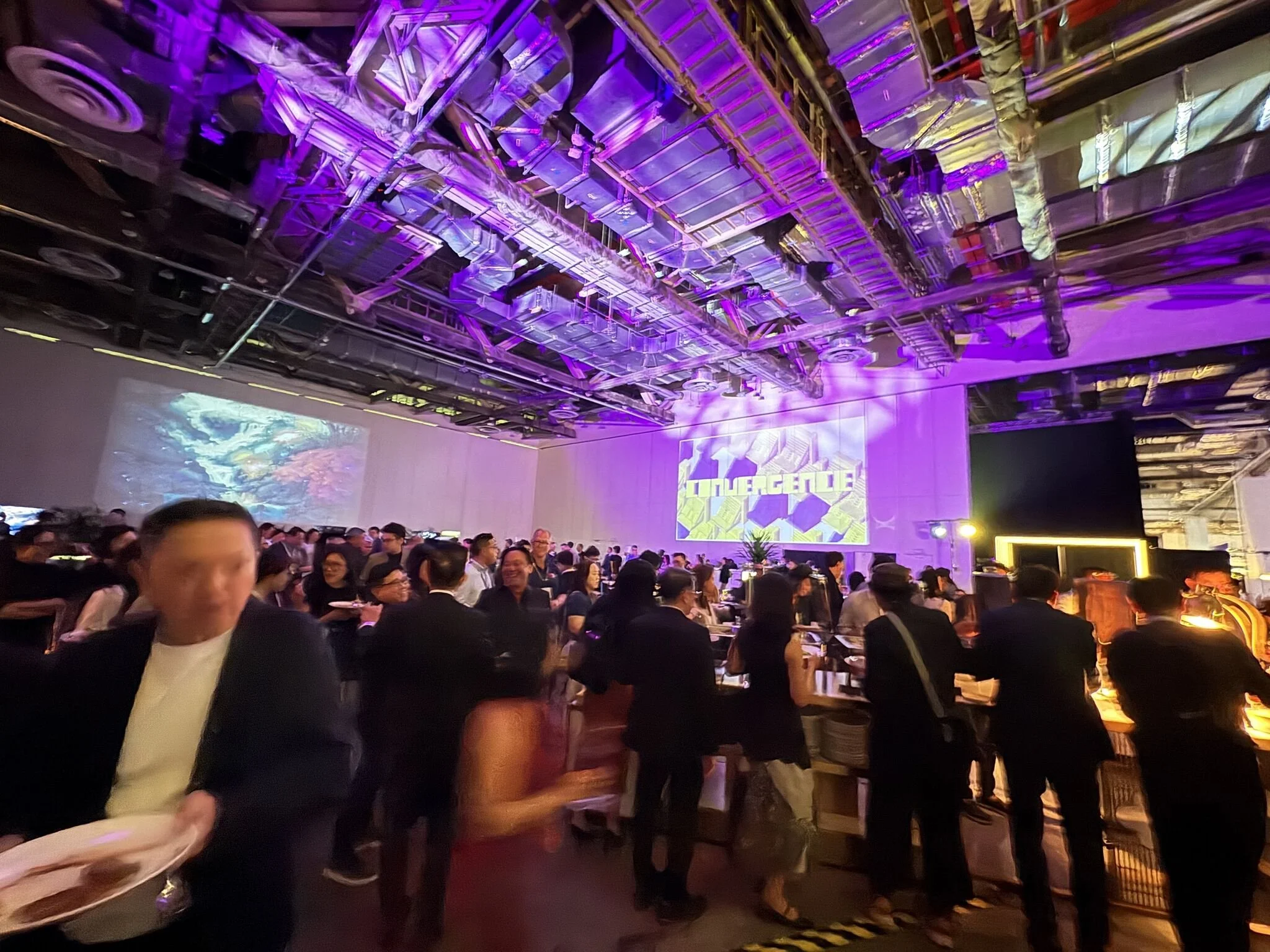
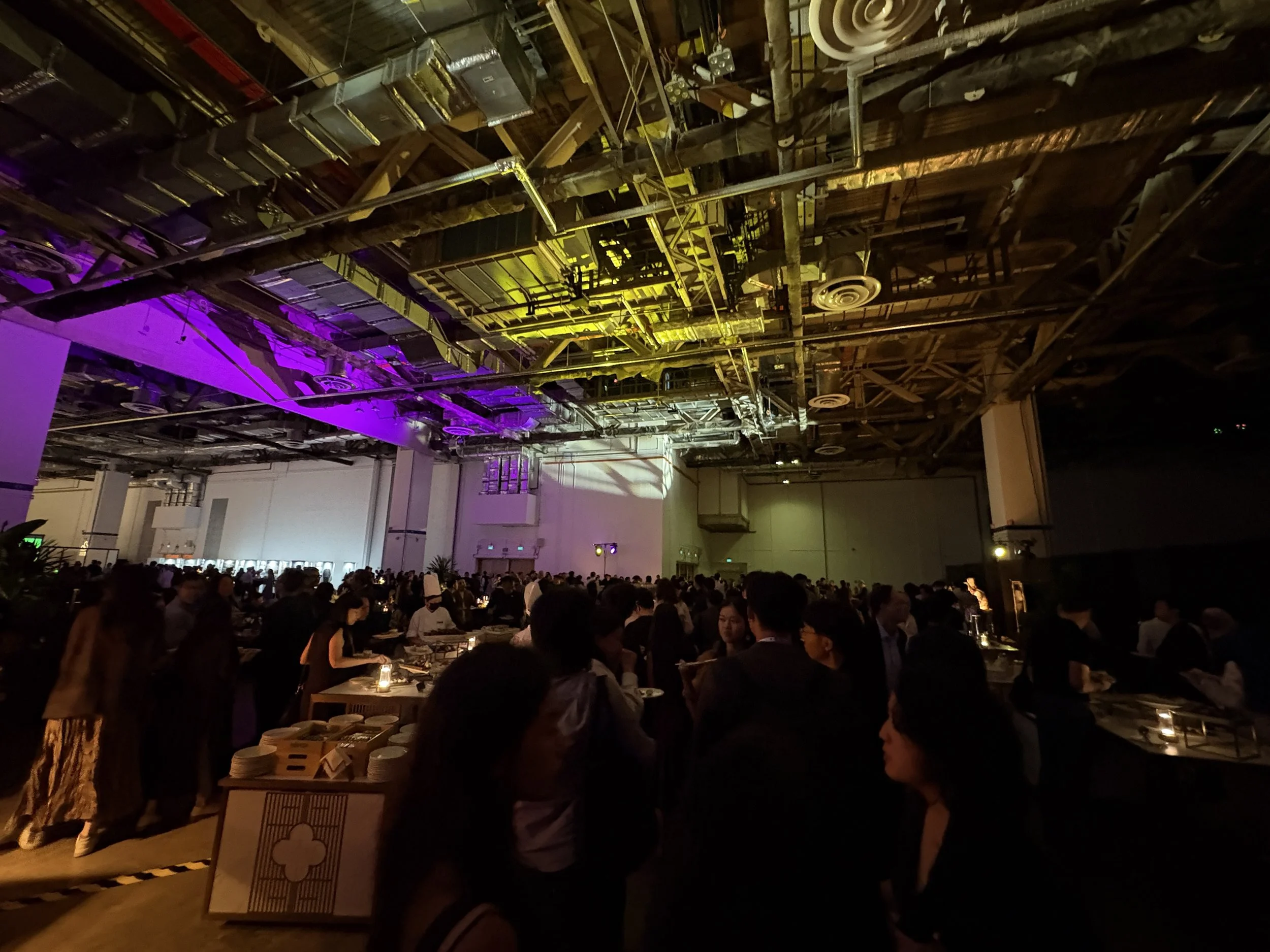
The 2026 theme, “Convergence: Themes and Variations,” captured an idea that is particularly relevant to our work: different perspectives can come together to create stronger outcomes.
The celebration also provided an opportunity to meet SIA President Nan Chyuan Tiah, members of the SIA Council, and colleagues from across the region.
Remarks from Singapore's Minister for National Development, Hong Tat Chee, highlighted the importance of collaboration among government, the professional community, academia, and industry in creating resilient, sustainable, and people-centered cities.
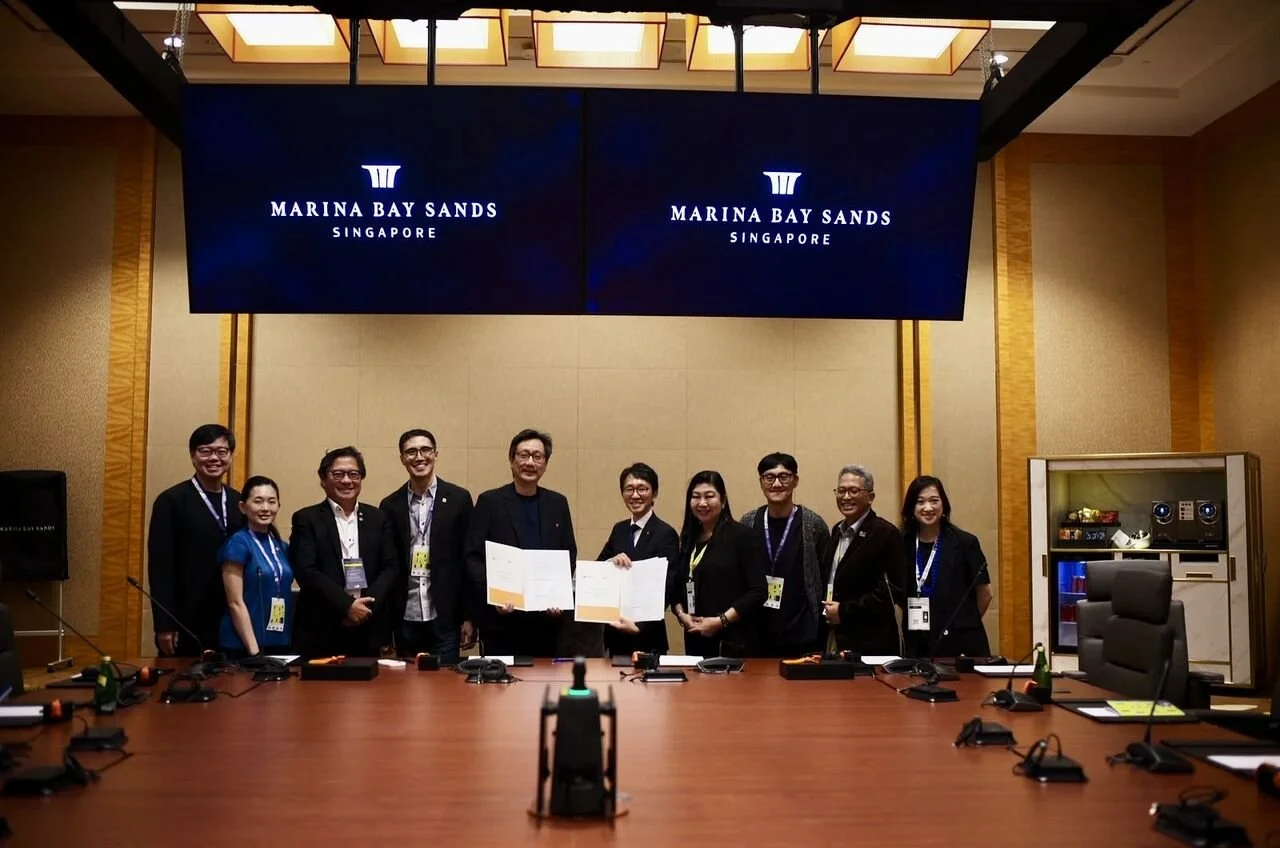
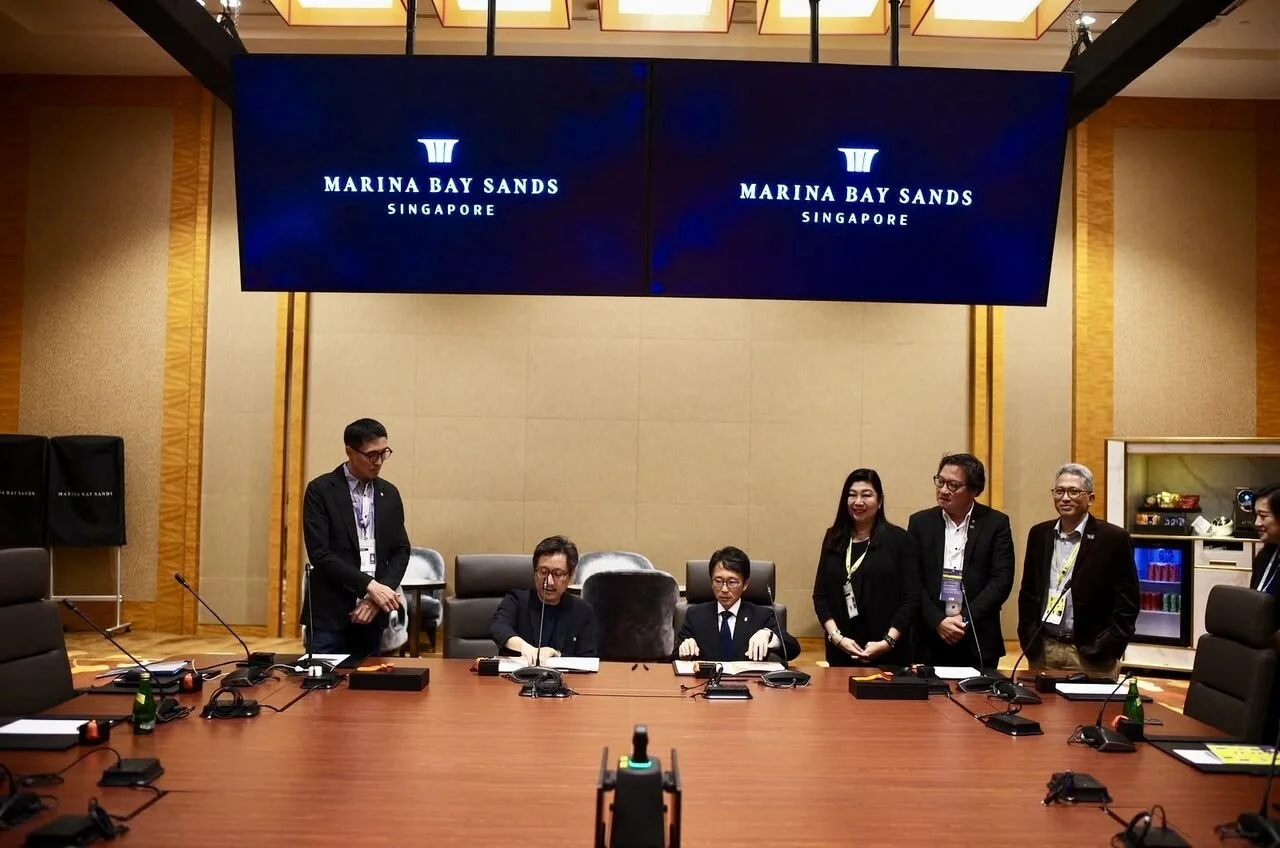
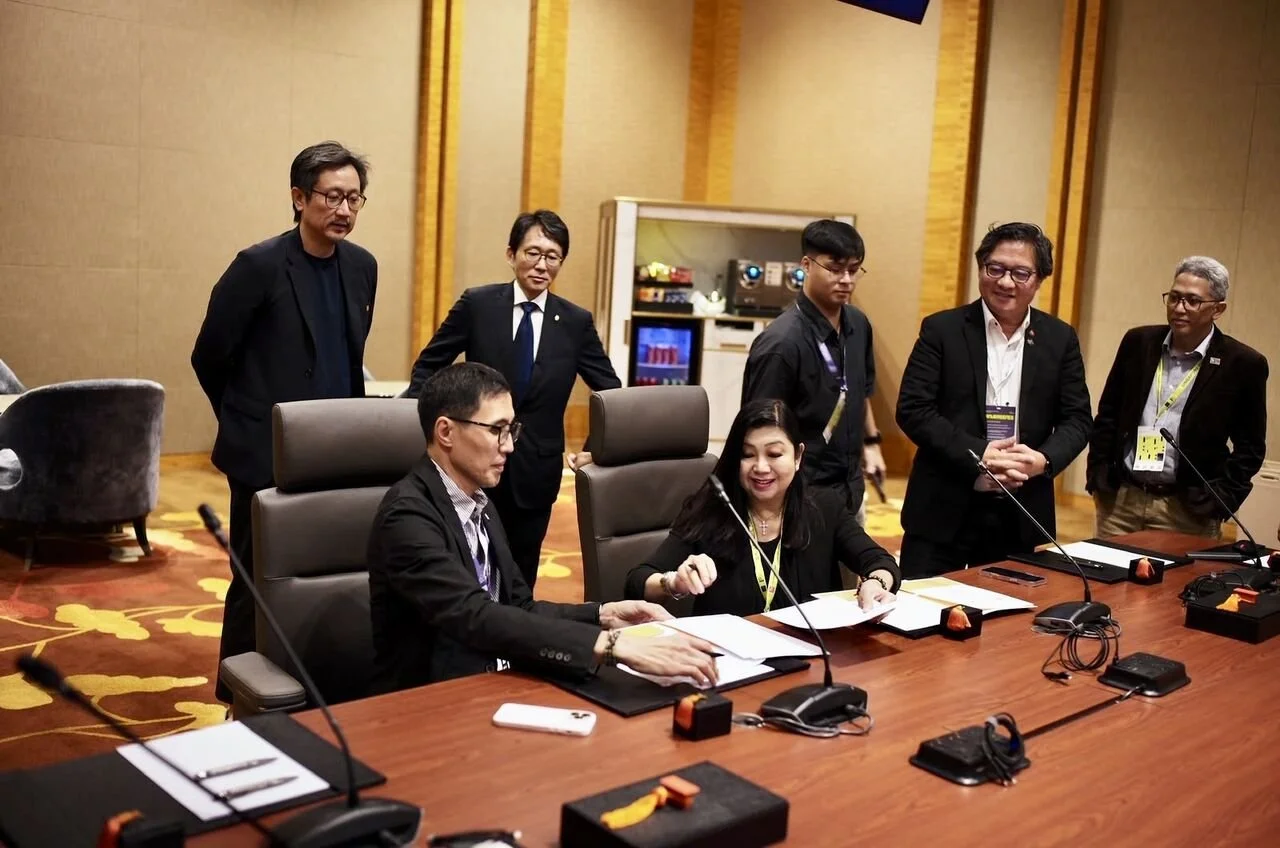
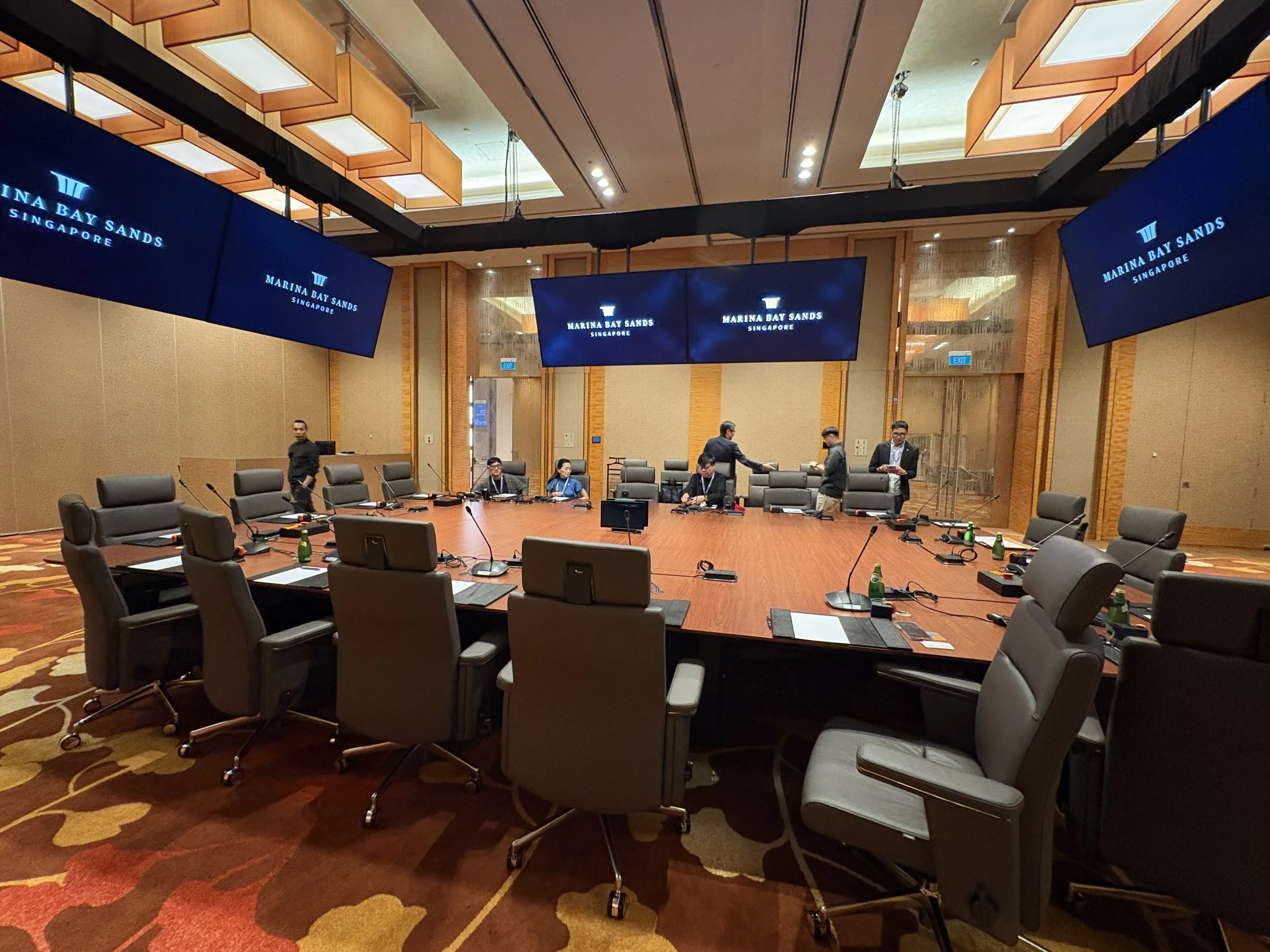
During the Archifest visit, AIA International also signed a Memorandum of Understanding (MOU) with the Singapore Institute of Architects (SIA), signed by SIA President Nan Chyuan Tiah and me as President of AIA International. The agreement reflects our shared commitment to strengthening the architectural profession across borders and building closer connections between our professional communities.
More importantly, the MOU creates a framework for joint events, professional exchange, knowledge sharing, and future initiatives that can benefit our members. For AIA International, an MOU should not be an end in itself. Rather, it should provide a structure that makes it easier for organizations to turn relationships into meaningful action.
Singapore is an important center for architectural practice, education, and regional exchange. Our relationship with SIA therefore creates opportunities not only between two professional organizations, but also for architects and emerging professionals throughout the wider Southeast Asian region. The agreement provides a stronger foundation for AIA International's engagement across Southeast Asia and supports our efforts to foster greater professional collaboration, cross-border partnerships, and knowledge sharing among architects in the region.
I would also like to recognize the leadership of AIA Southeast Asia President Cathy Saldaña and AIA International Secretary-elect Manon Sora Koestoer, along with our Singapore-based members and representatives, whose dedication and sustained engagement helped bring this agreement to fruition. Their efforts in building relationships and identifying opportunities for collaboration were instrumental in advancing this partnership. Working together, we look forward to transforming this MOU into programs, exchanges, and initiatives that deliver meaningful value to our members and contribute to a more connected architectural community across Southeast Asia.
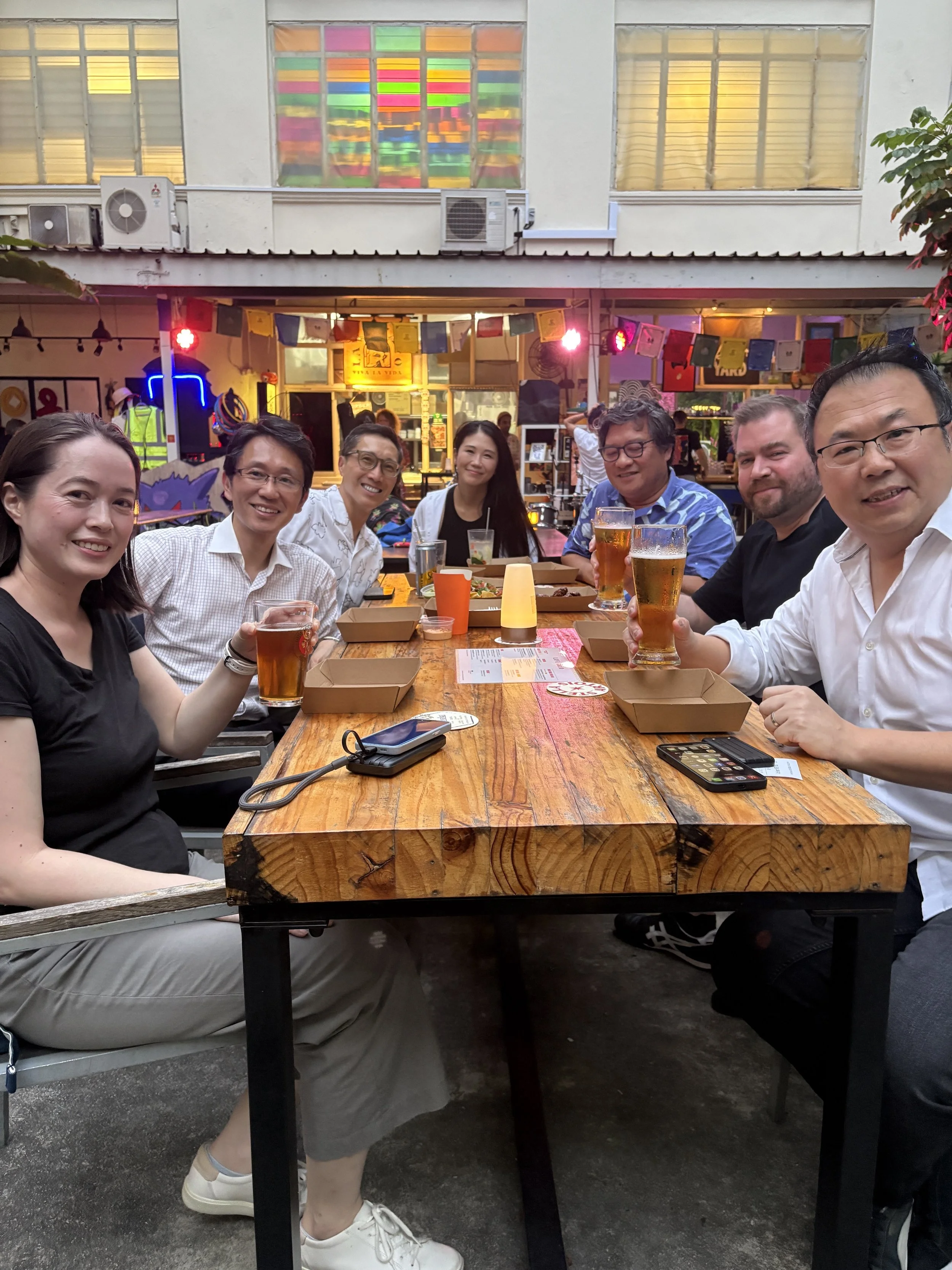
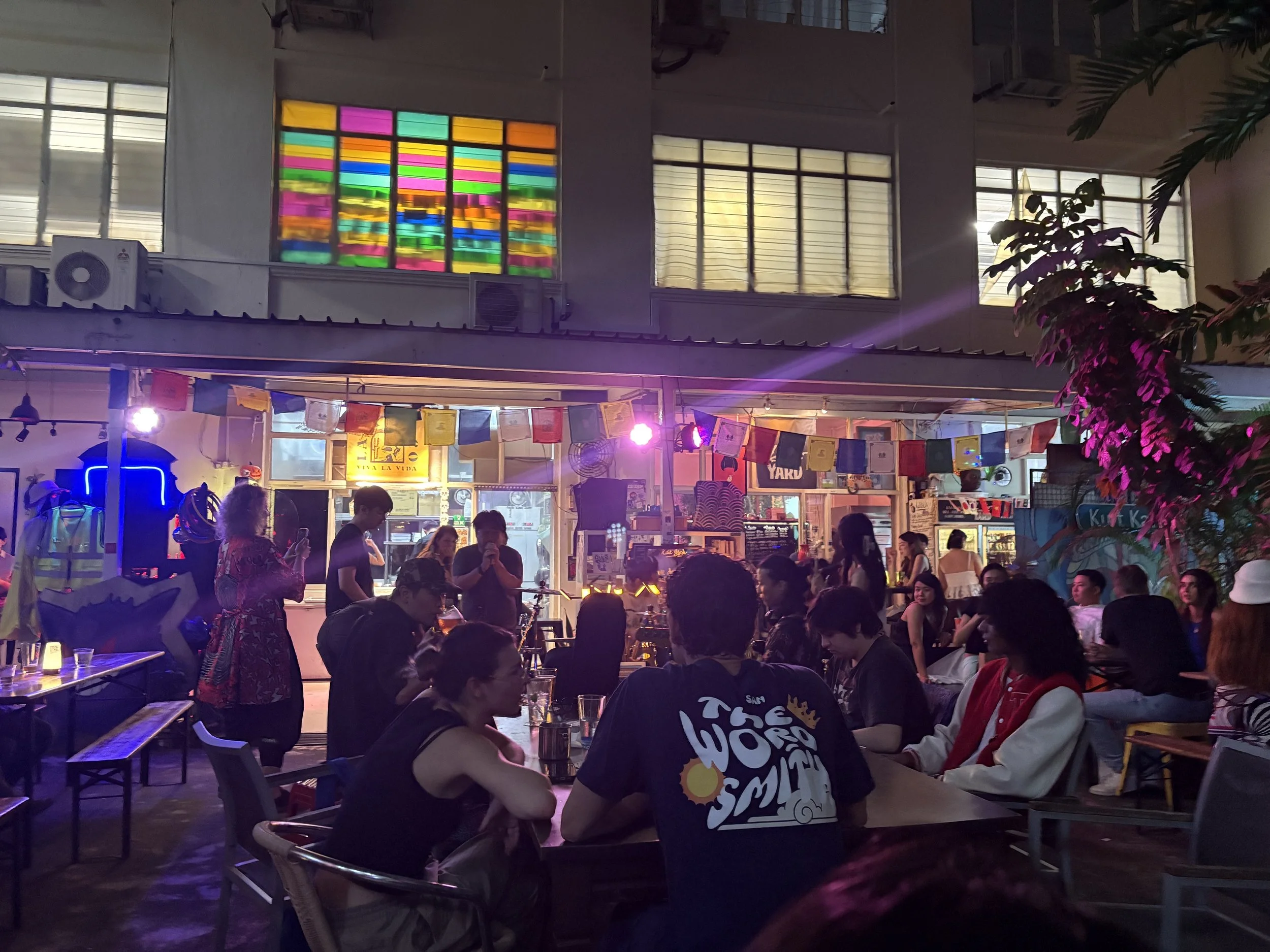
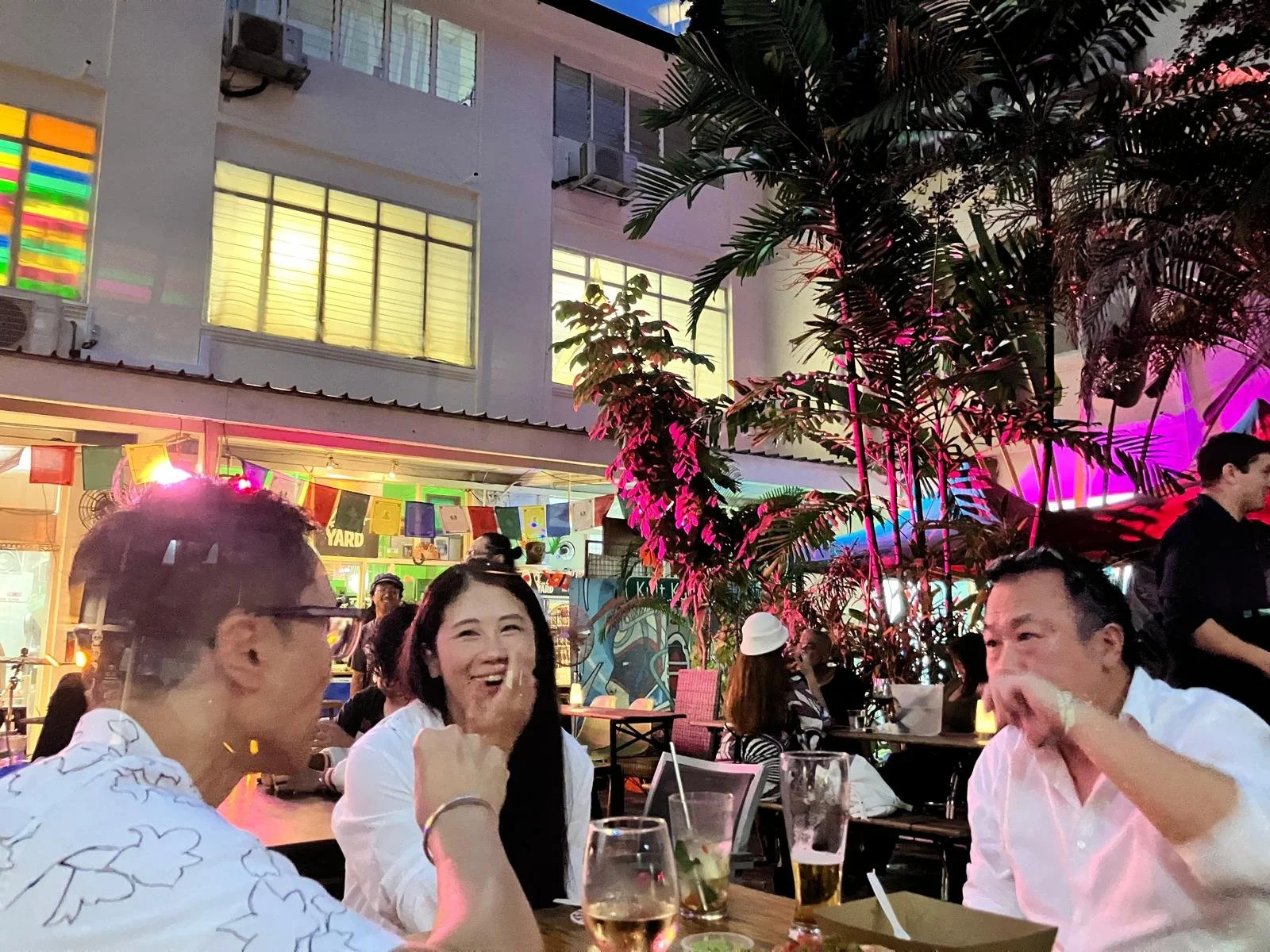
Before concluding my visit, I was pleased to join a dinner with AIA members based in Singapore. While the week focused on strengthening institutional partnerships and advancing regional collaboration, the evening served as a reminder that the success of these efforts ultimately depends on our members. The conversations reflected the professionalism, diversity, and global perspective of our Singapore-based members and reinforced the value of building strong personal connections alongside formal partnerships.
Connecting Professional Organizations
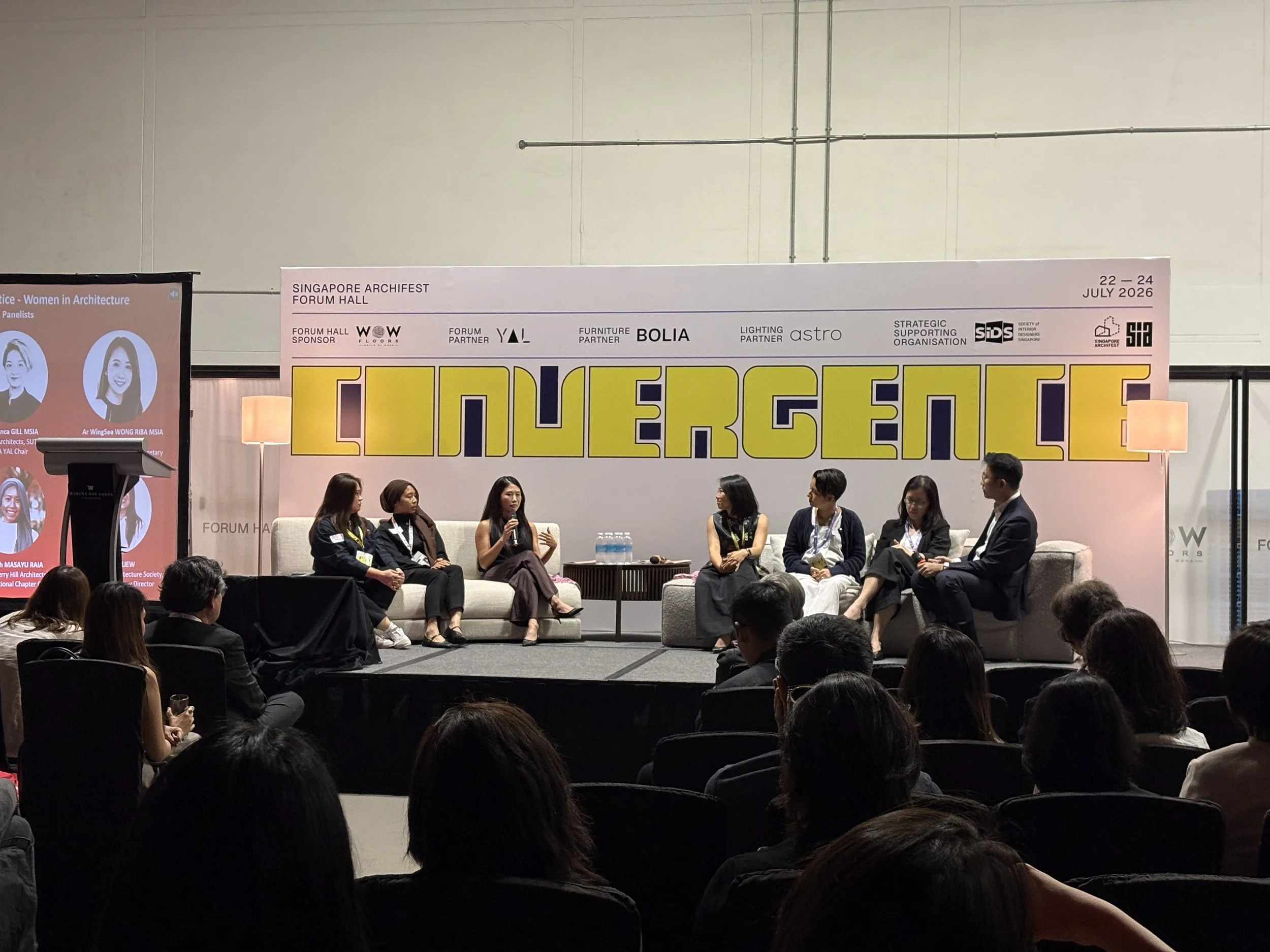
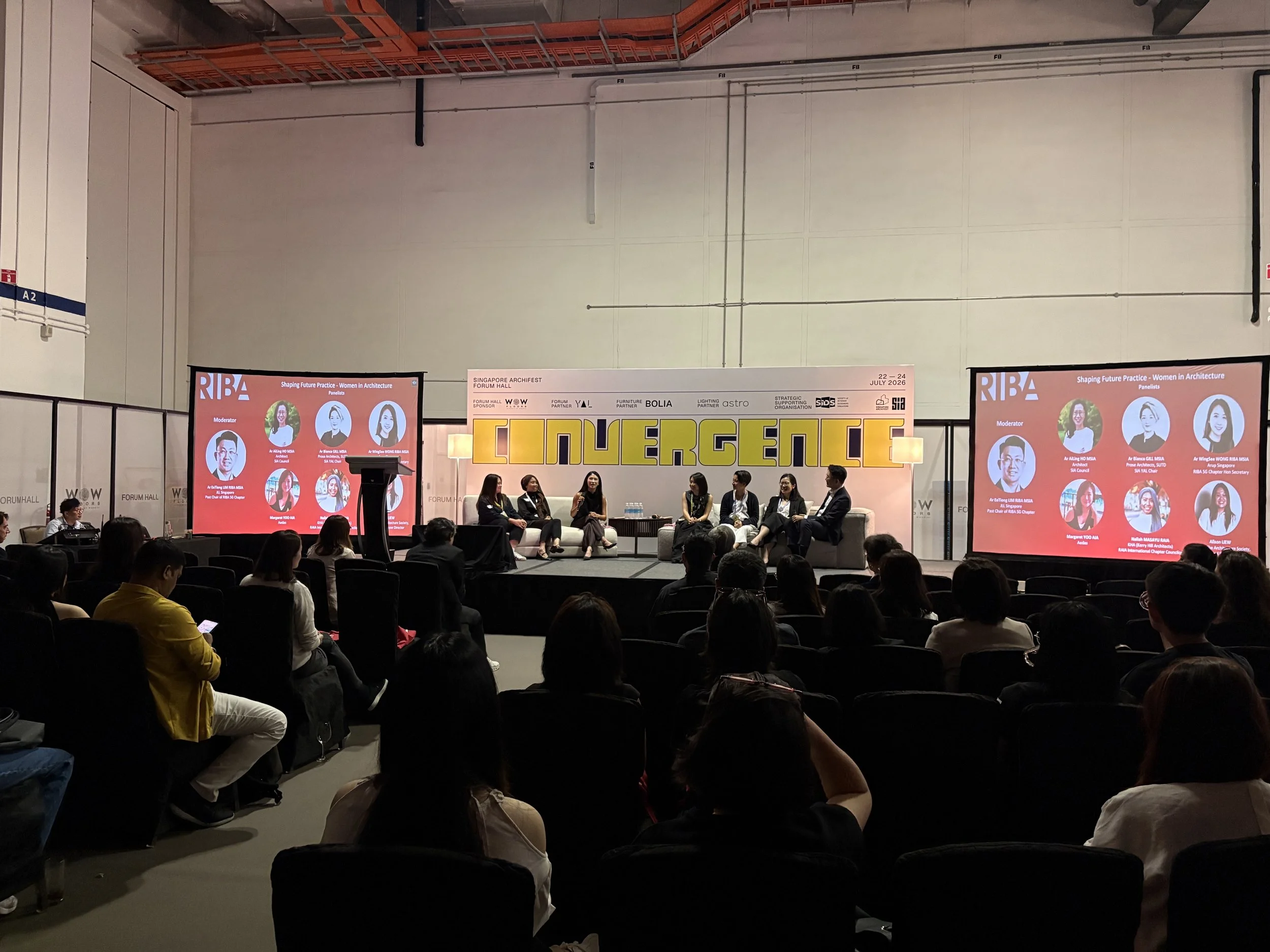
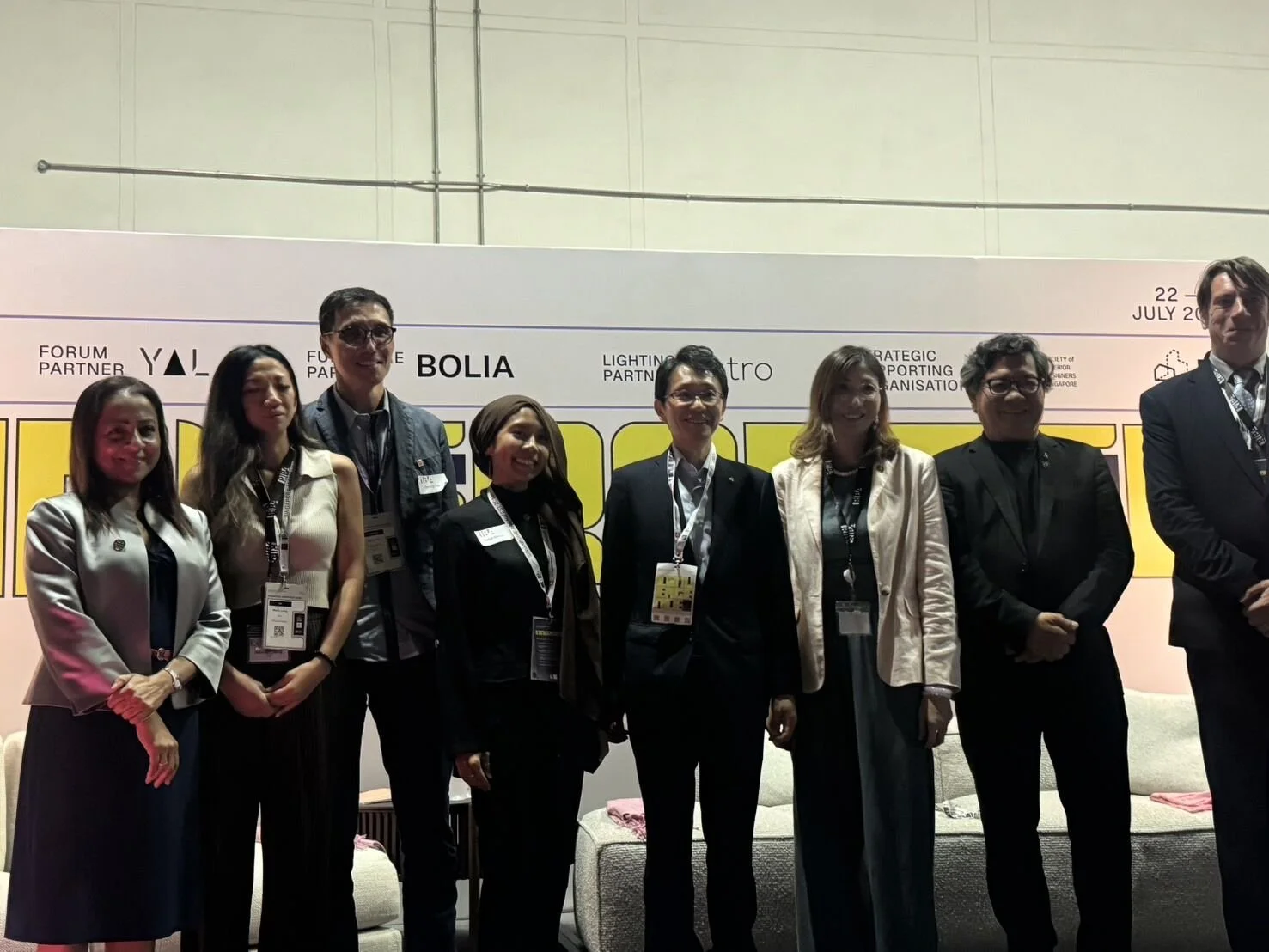
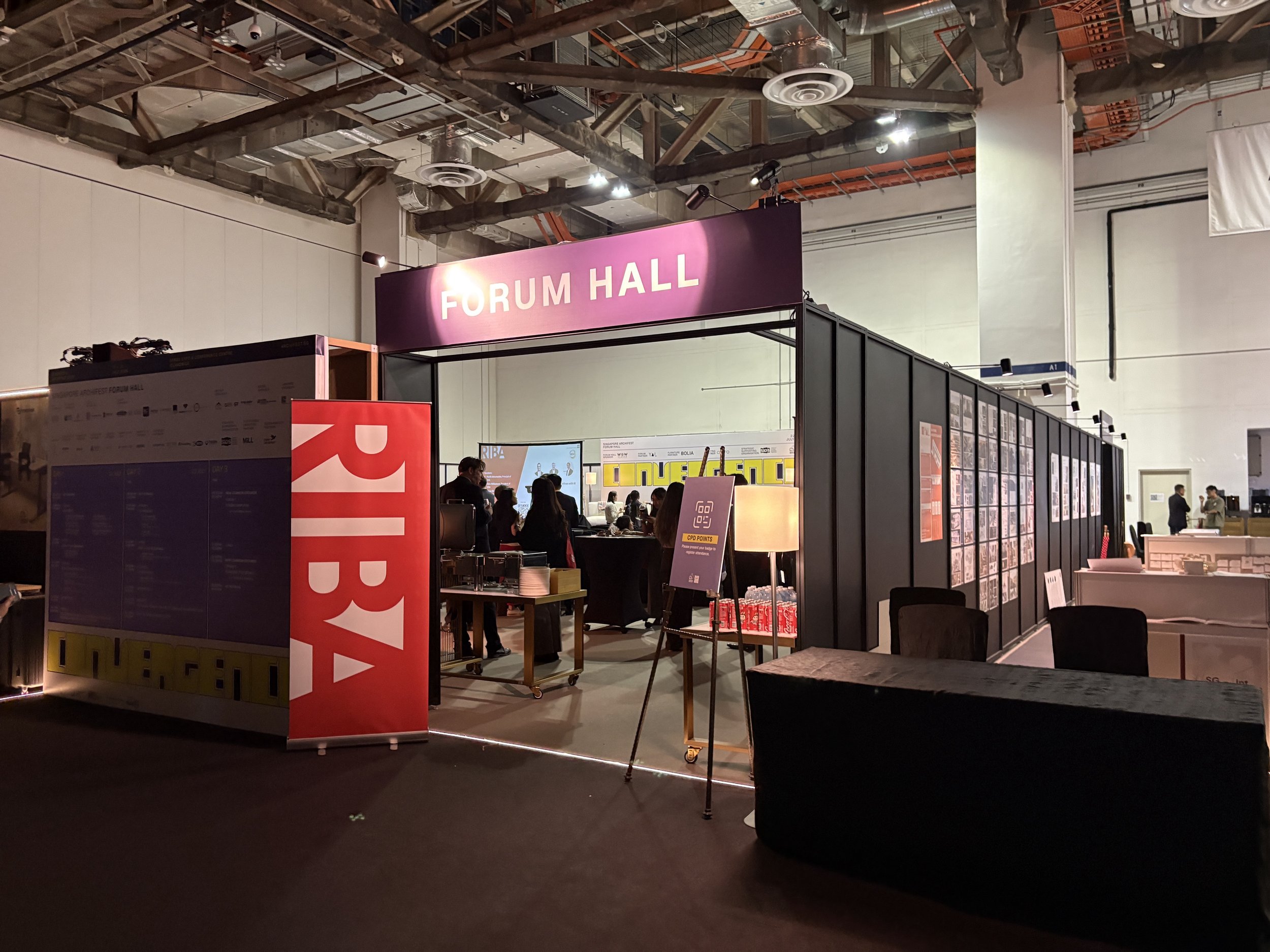
During Singapore Archifest, I was also invited by the RIBA Singapore Chapter to attend the panel discussion“Women in Architecture: Shaping Future Practice.” The session brought together architects representing RIBA, the American Institute of Architects (AIA), the Royal Australian Institute of Architects (RAIA), and the Singapore Institute of Architects (SIA) to exchange perspectives on evolving career pathways, leadership, and the future of architectural practice. I was particularly pleased to see Margaret Yoo, AIA, an AIA Southeast Asia member, representing the AIA on the distinguished panel, highlighting the expertise, leadership, and global perspective that our members contribute to important professional conversations.
The invitation also provided an opportunity to continue developing our relationship with RIBA. I appreciate Sookyieh Vun, Chair of the RIBA Singapore Chapter, for her invitation and hospitality during the event. Following our initial conversations with RIBA leadership at the AIA Conference on Architecture & Design in San Diego, we reconnected with RIBA colleagues at the UIA World Congress in Barcelona and again in Singapore. These repeated encounters are important. International relationships are rarely built through a single meeting. They develop through continued dialogue, trust, and opportunities to work together.
While each professional organization serves its own members and communities, we share many common priorities, including supporting architects, developing emerging professionals and future leaders, strengthening professional practice, and advancing recognition of the value our profession brings to society.
I would also like to thank Jeanne Lee, AIA, Chair of the AIA Taipei Education Committee and Associate Dean of the School of Design at Ming Chuan University, who helped facilitate this opportunity. Her efforts continue to strengthen connections between academia, professional practice, and the broader international architectural community.
Connecting Education and Practice
During the Singapore visit, I also participated in New Common Grounds 2026, hosted by the Department of Architecture at the National University of Singapore in conjunction with Singapore Archifest.
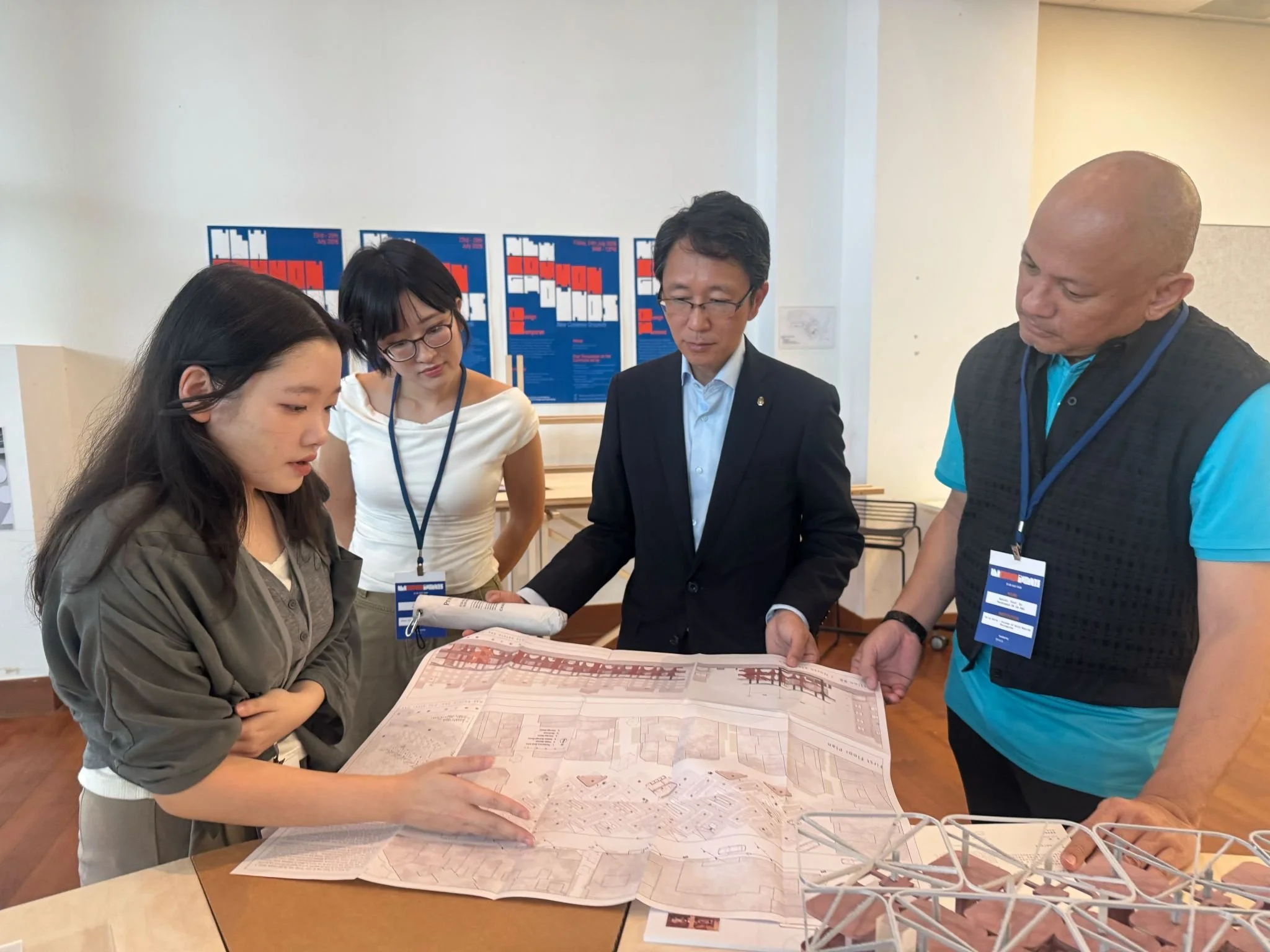
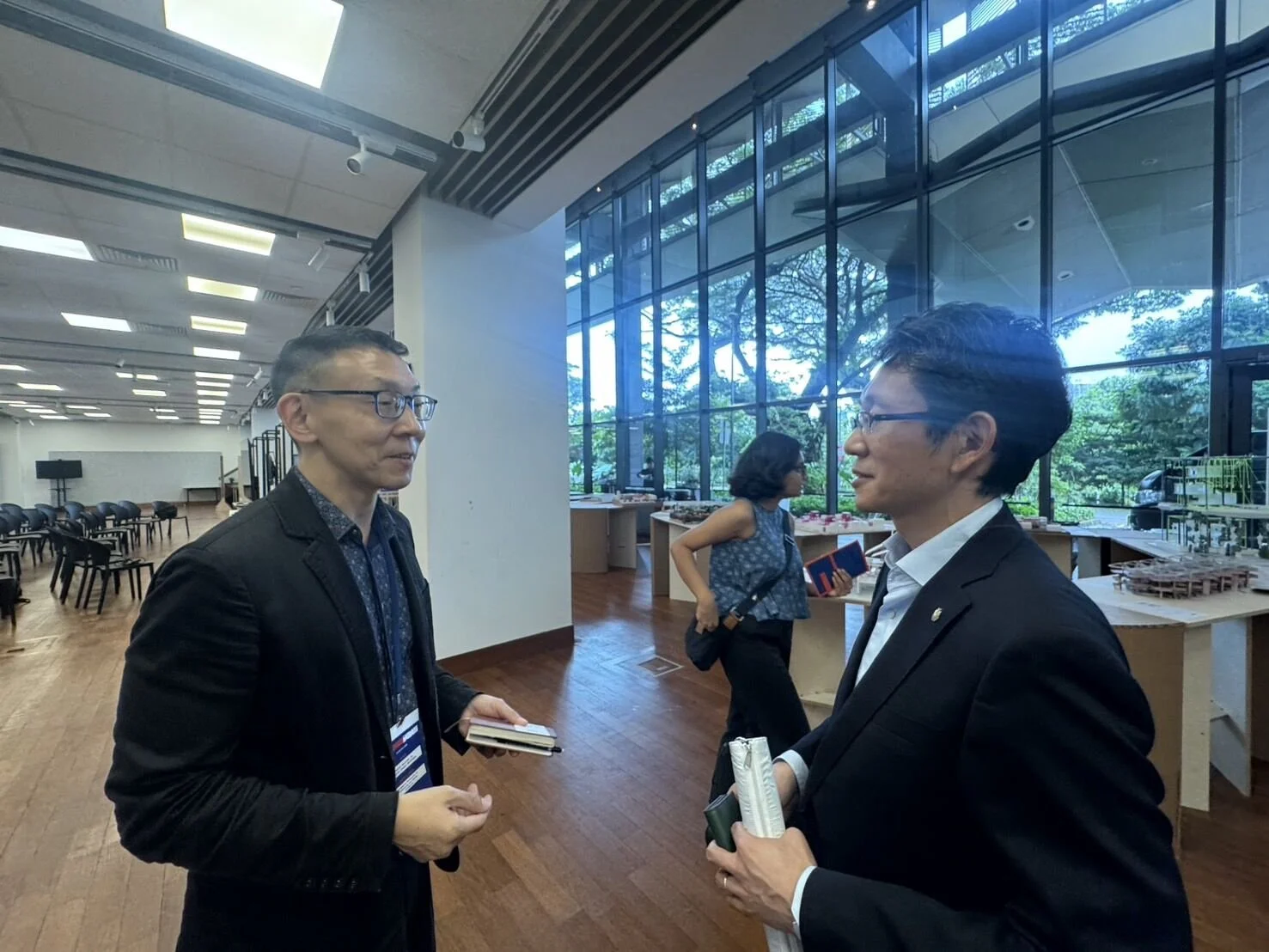
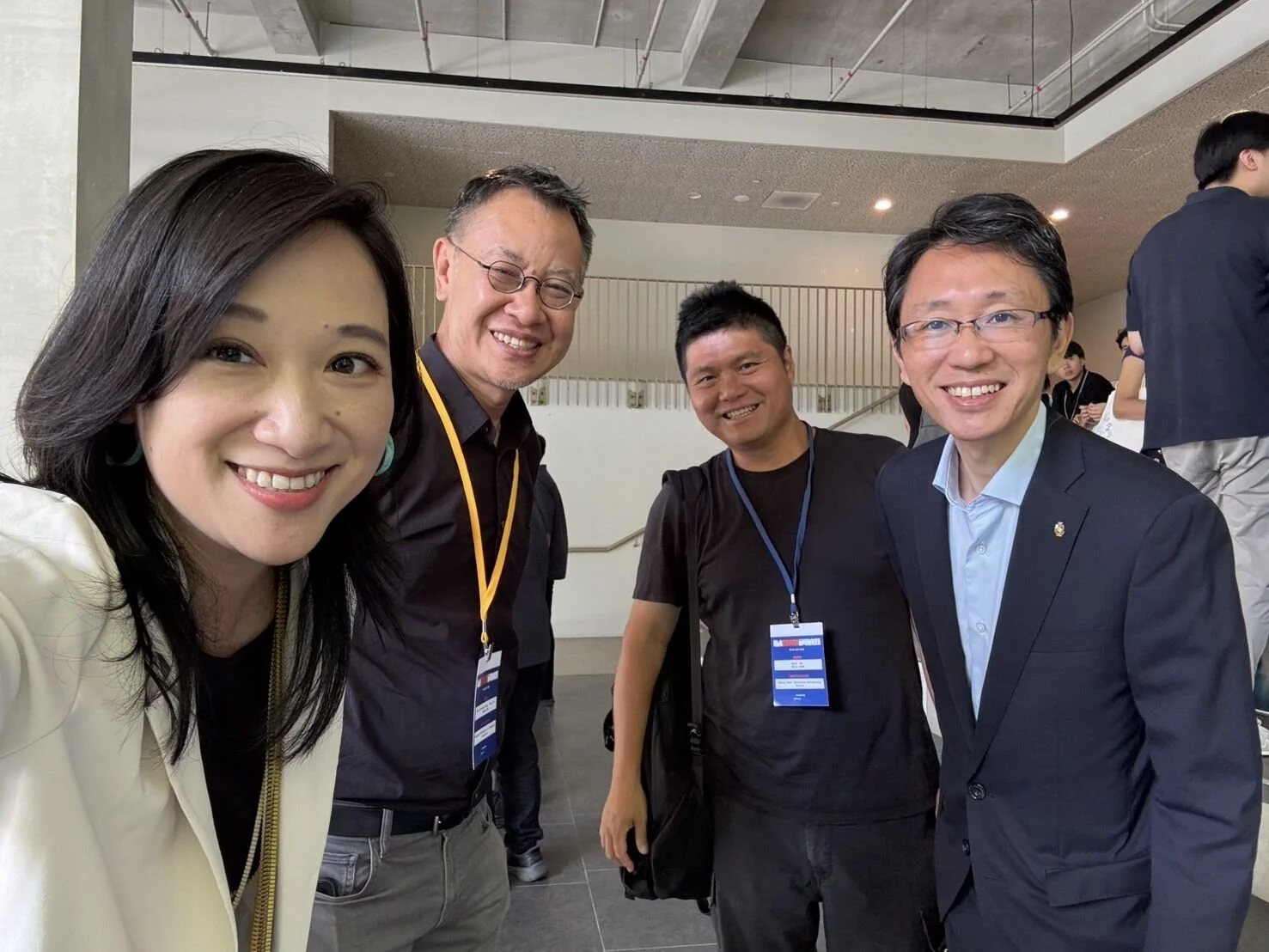
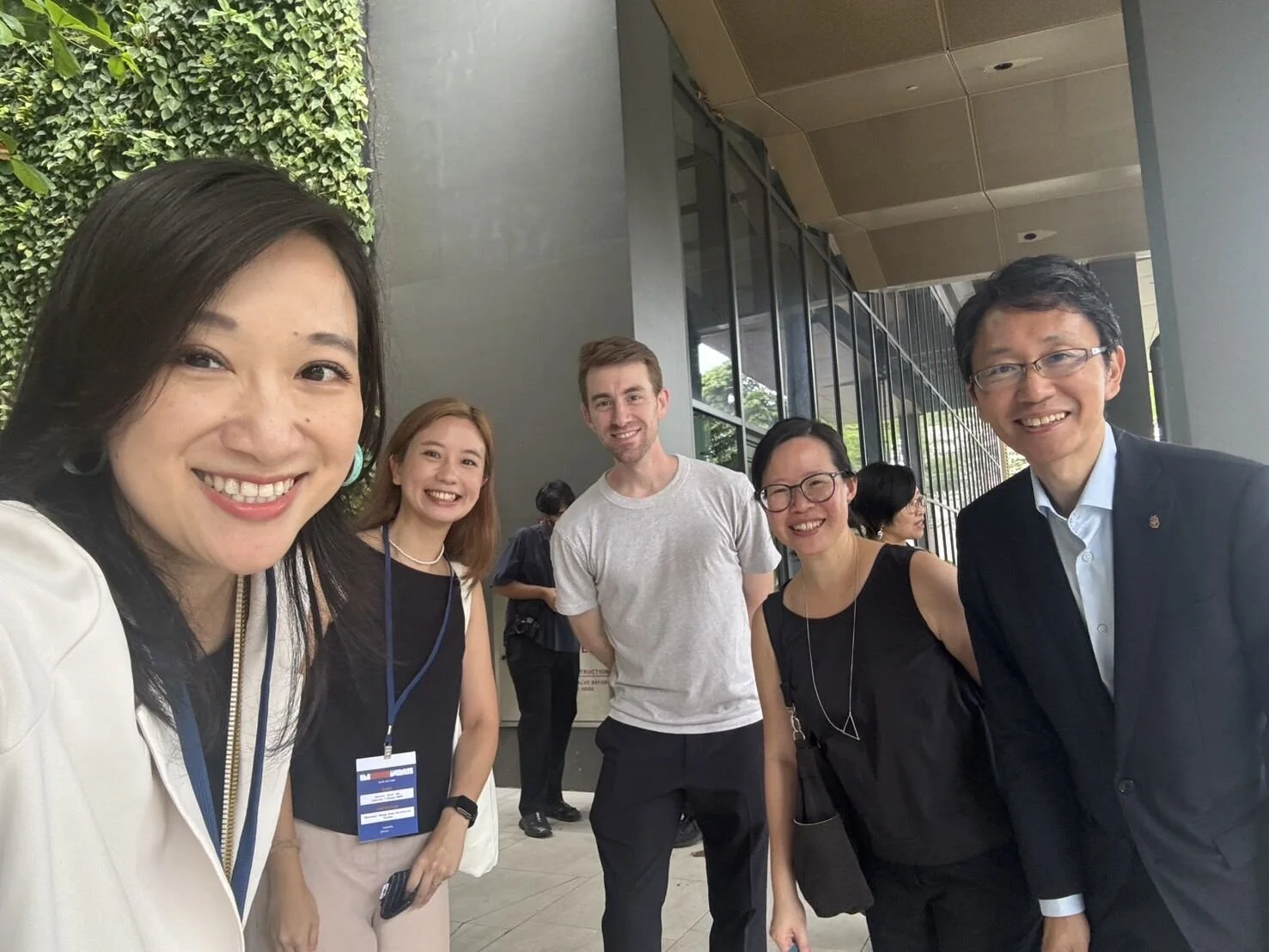
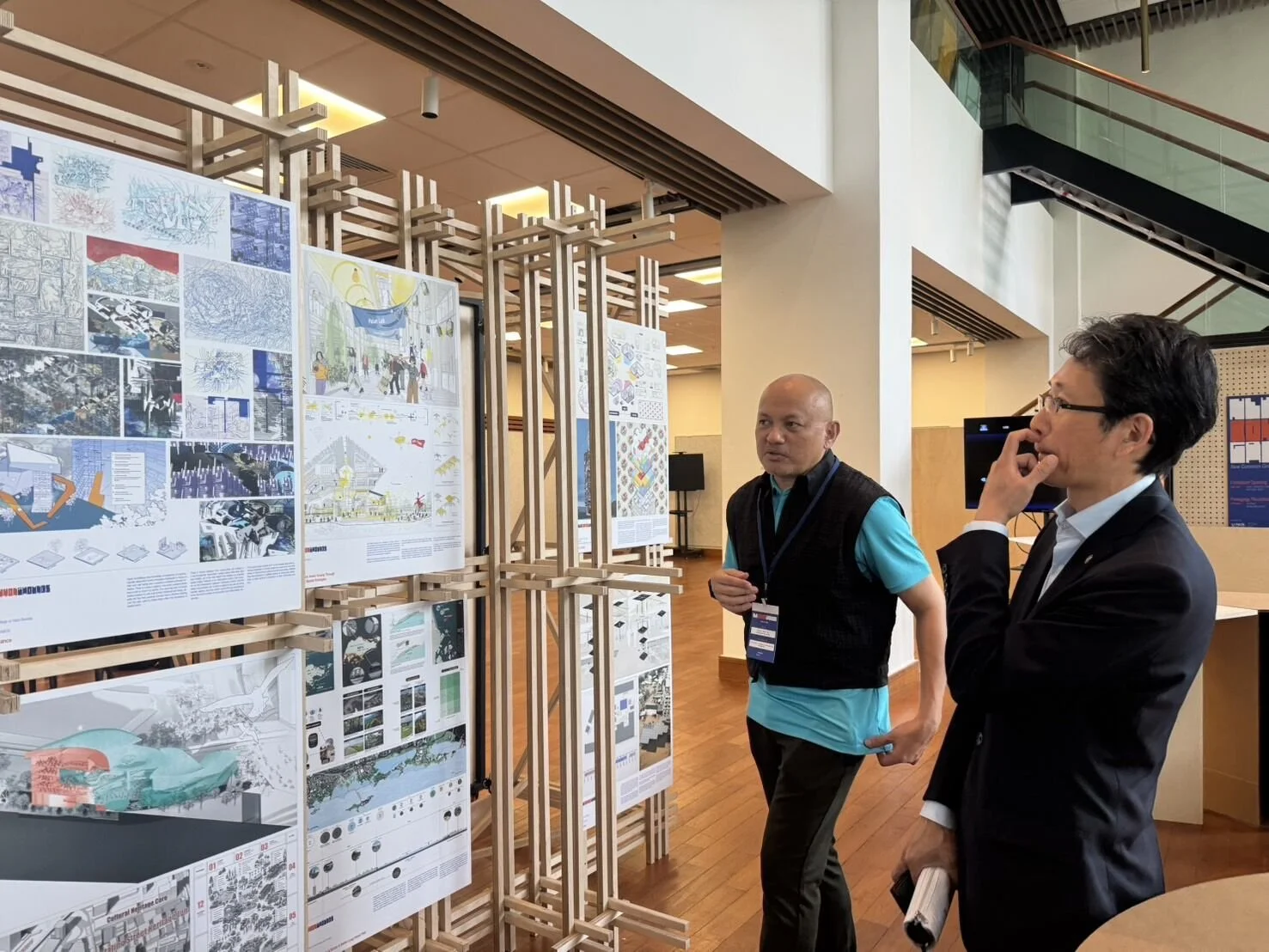
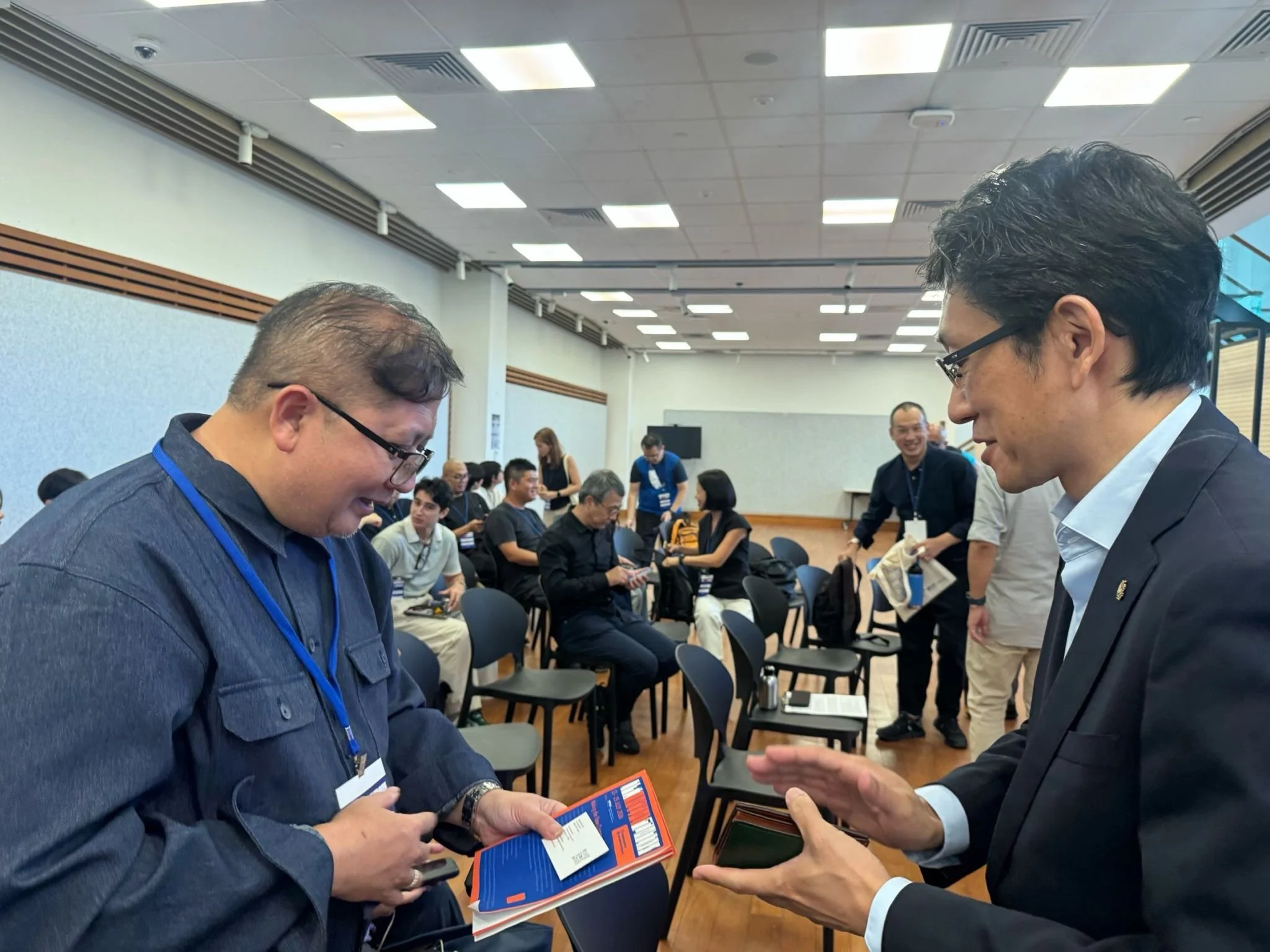
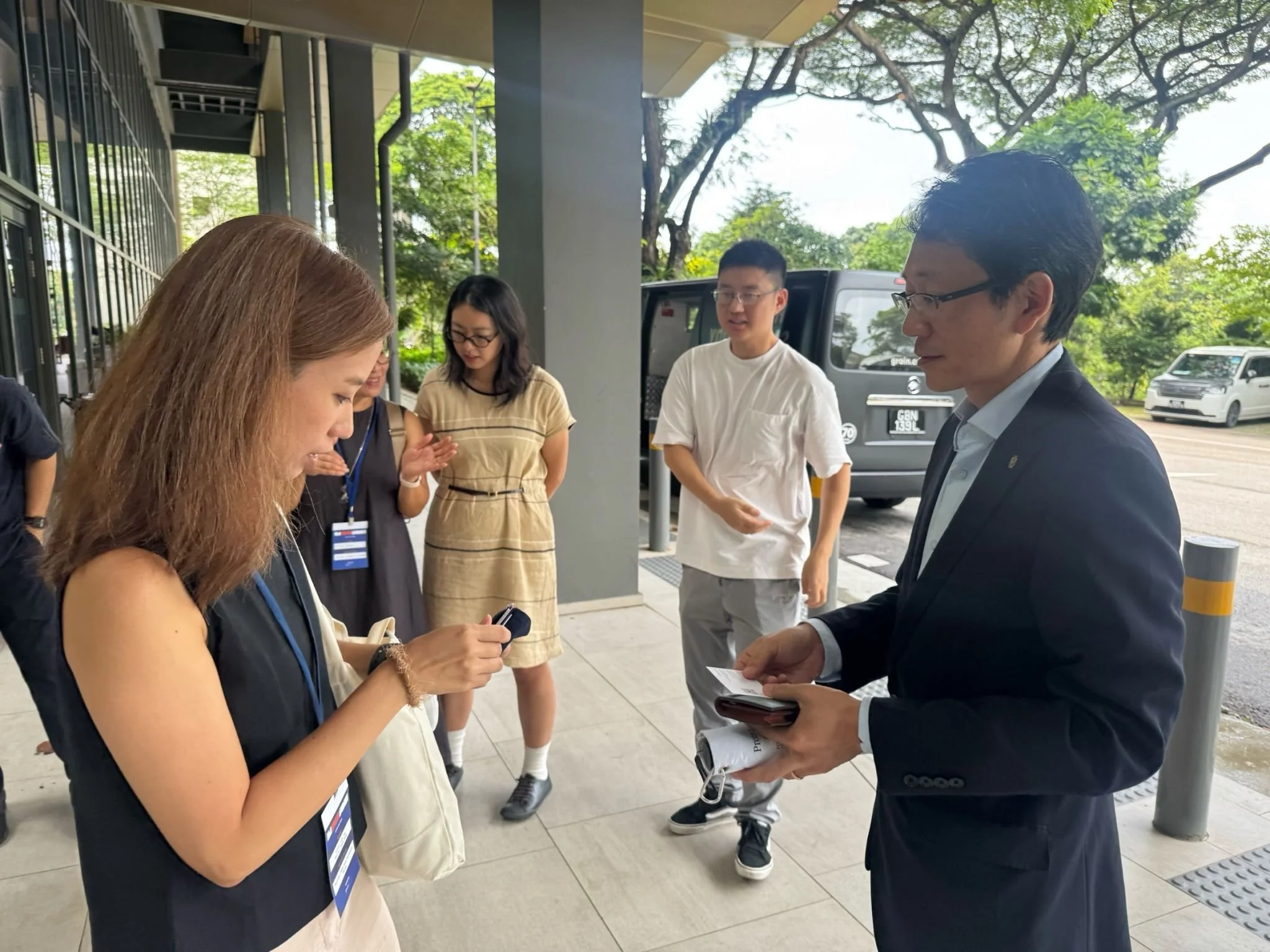
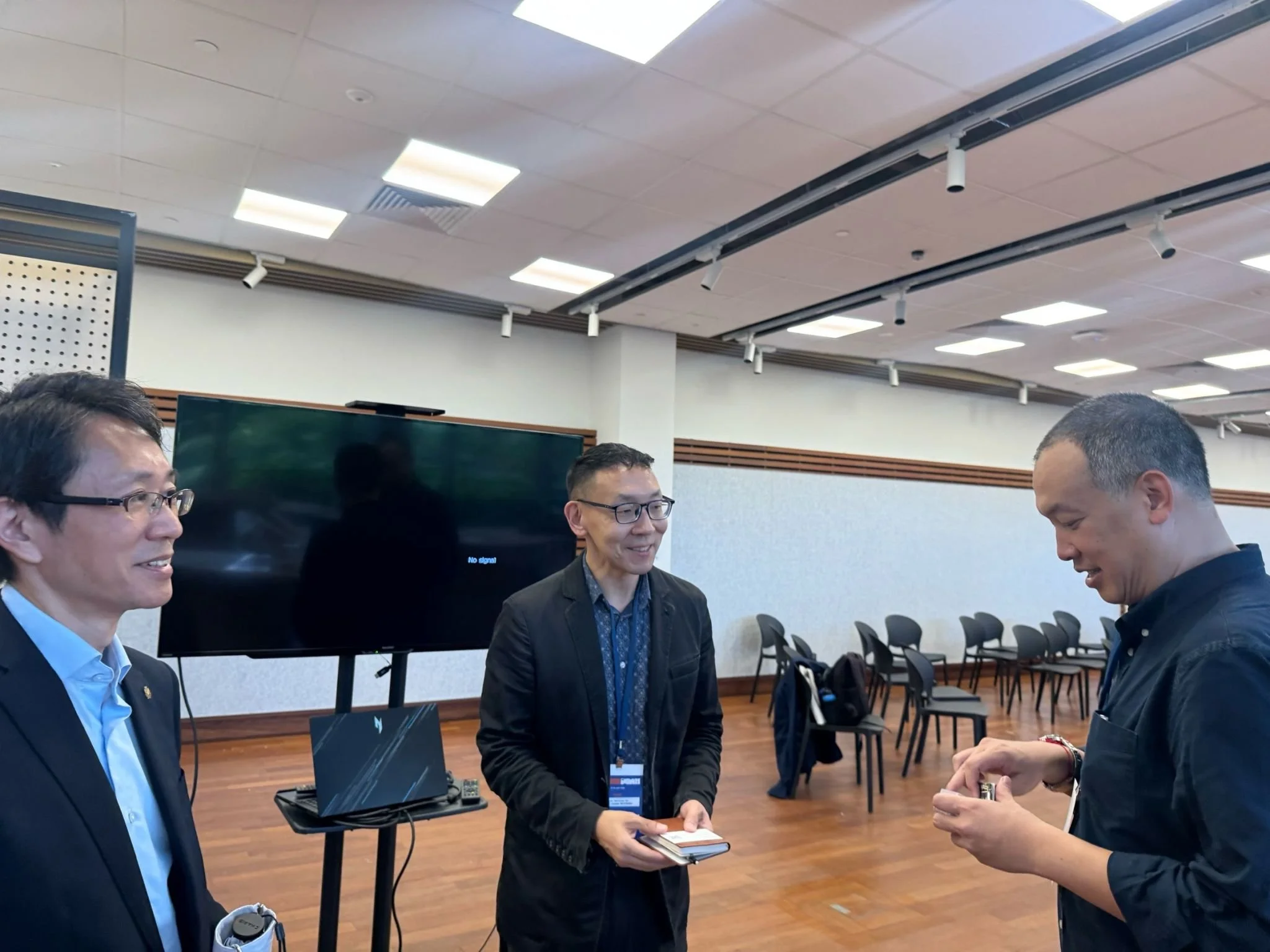
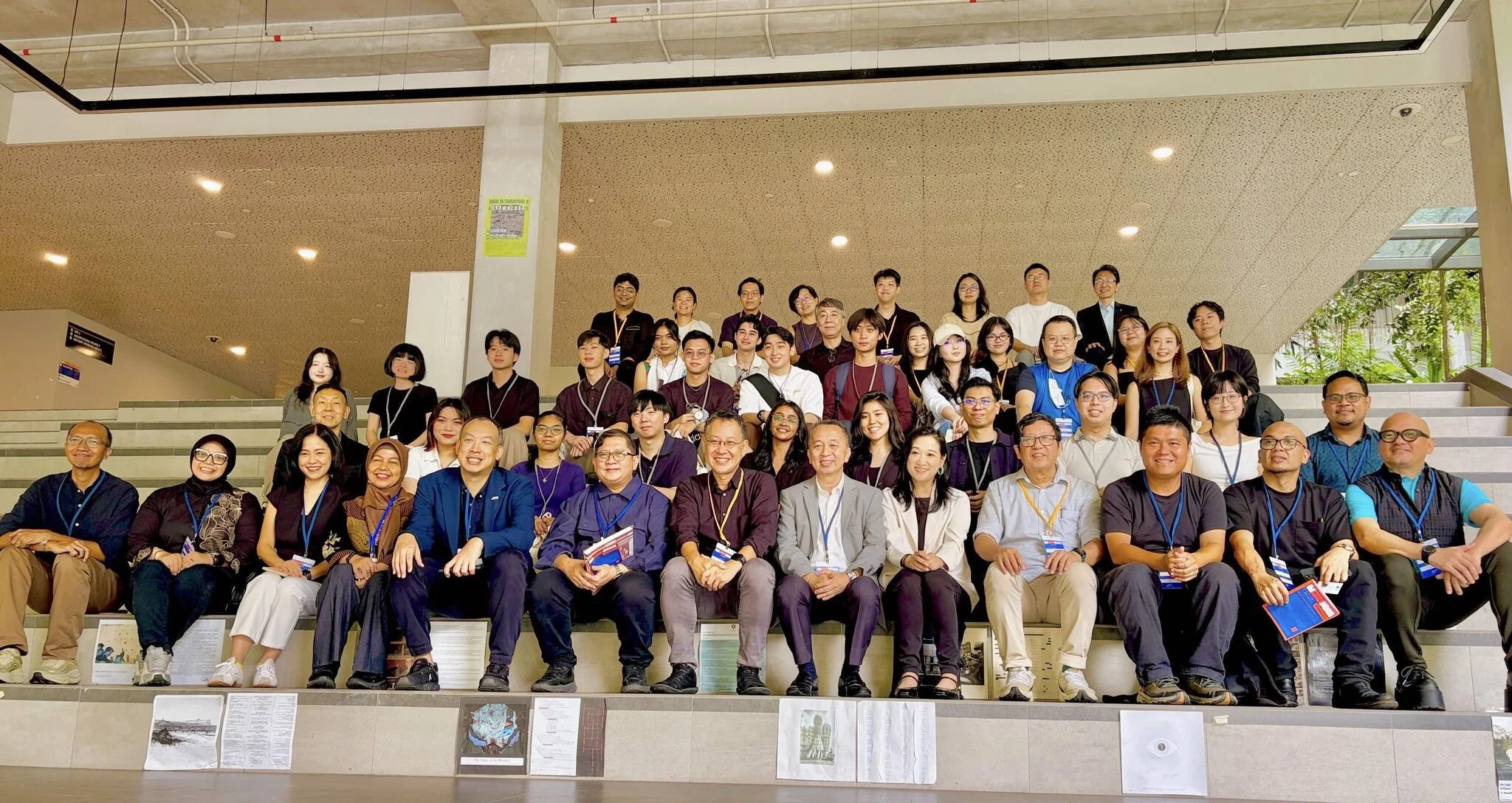
The symposium brought together 18 schools of architecture from seven countries and territories across Southeast Asia and Taiwan.
Educators, practitioners, and students came together to discuss architectural education and the future of the profession.
I attended the opening ceremony and engaged with university deans, faculty members, and students. I also joined the Design Campuran presentations and Pedagogy Roundtable, where students worked in multidisciplinary and multinational teams.
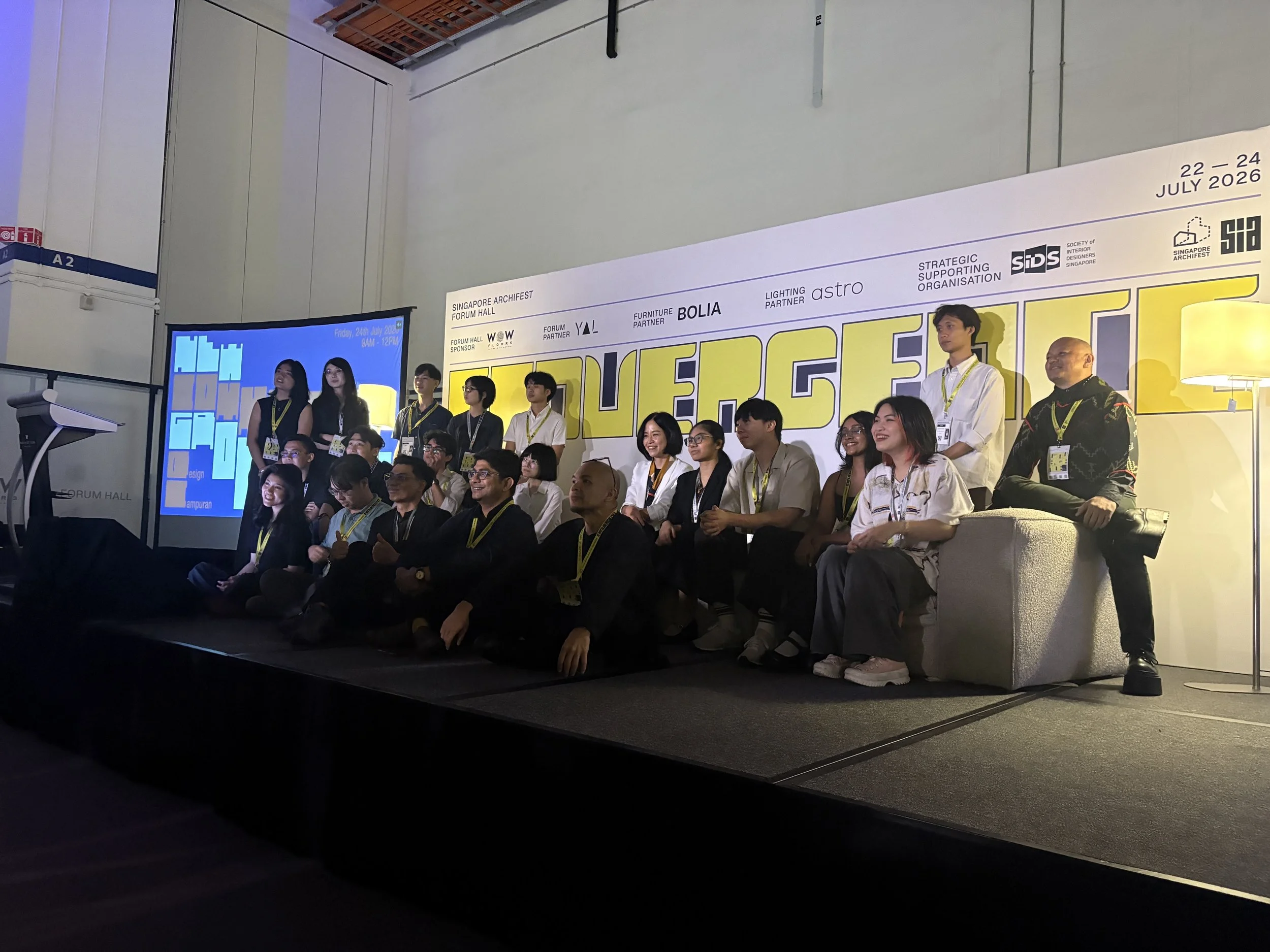
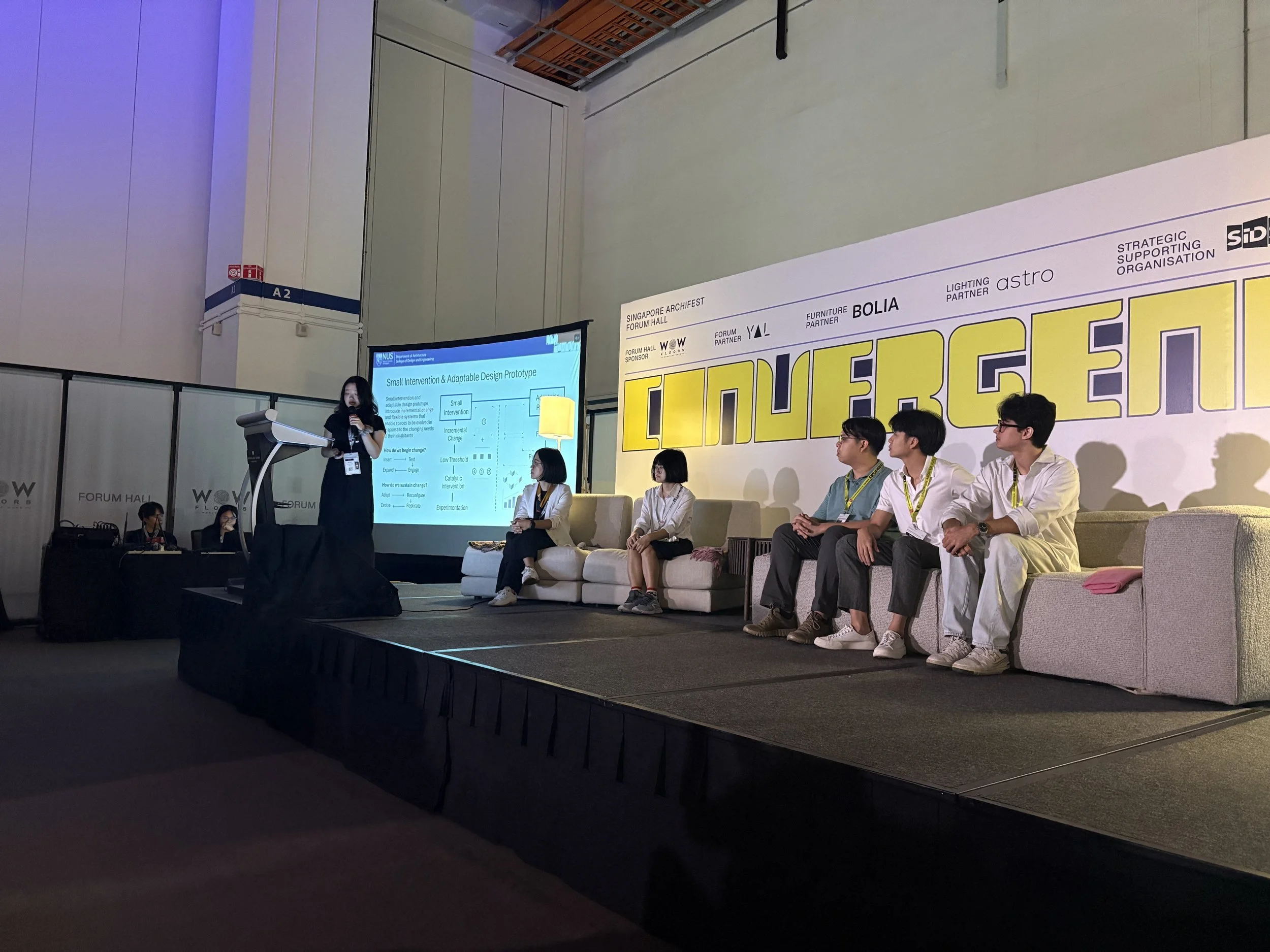
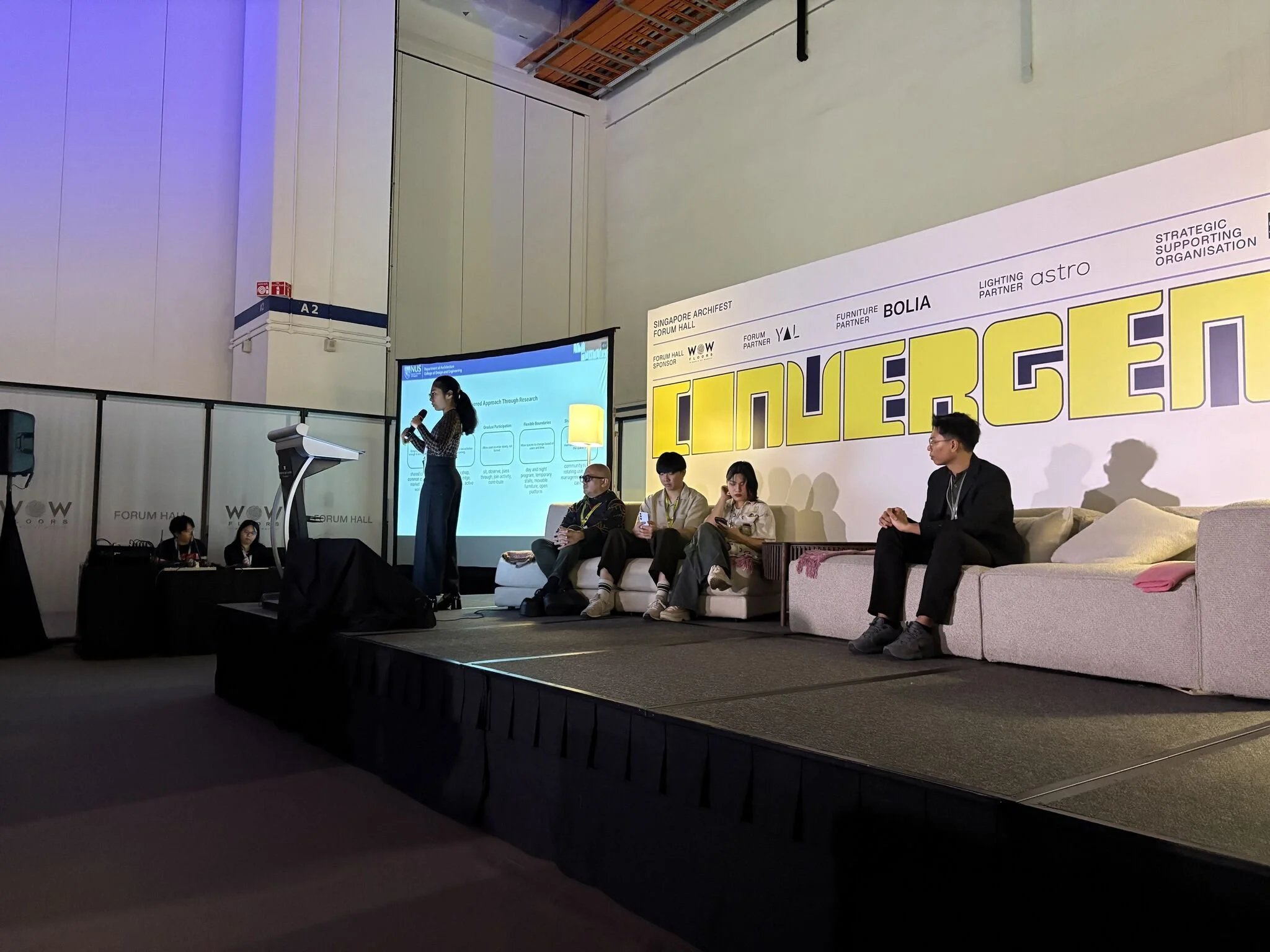
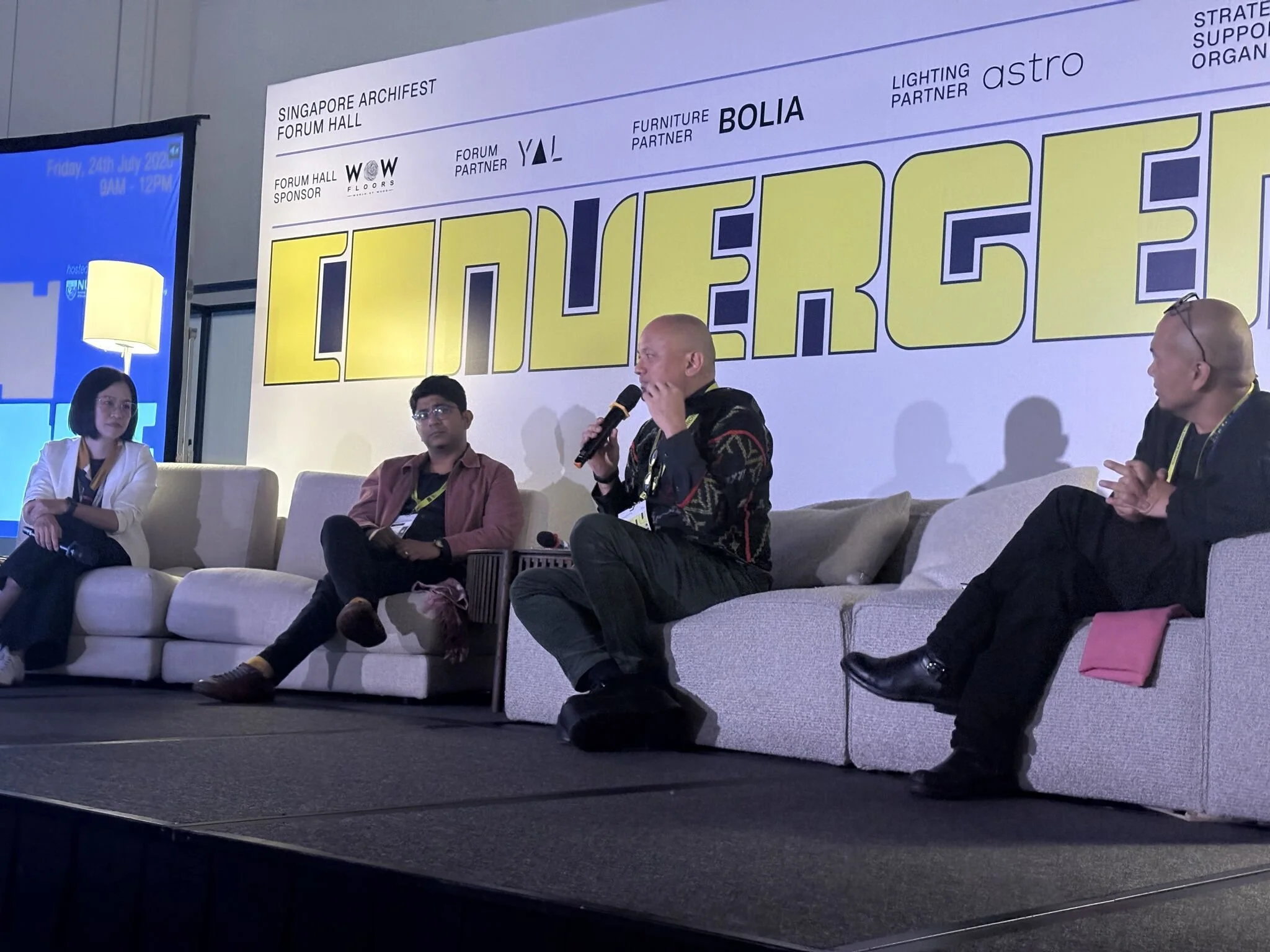
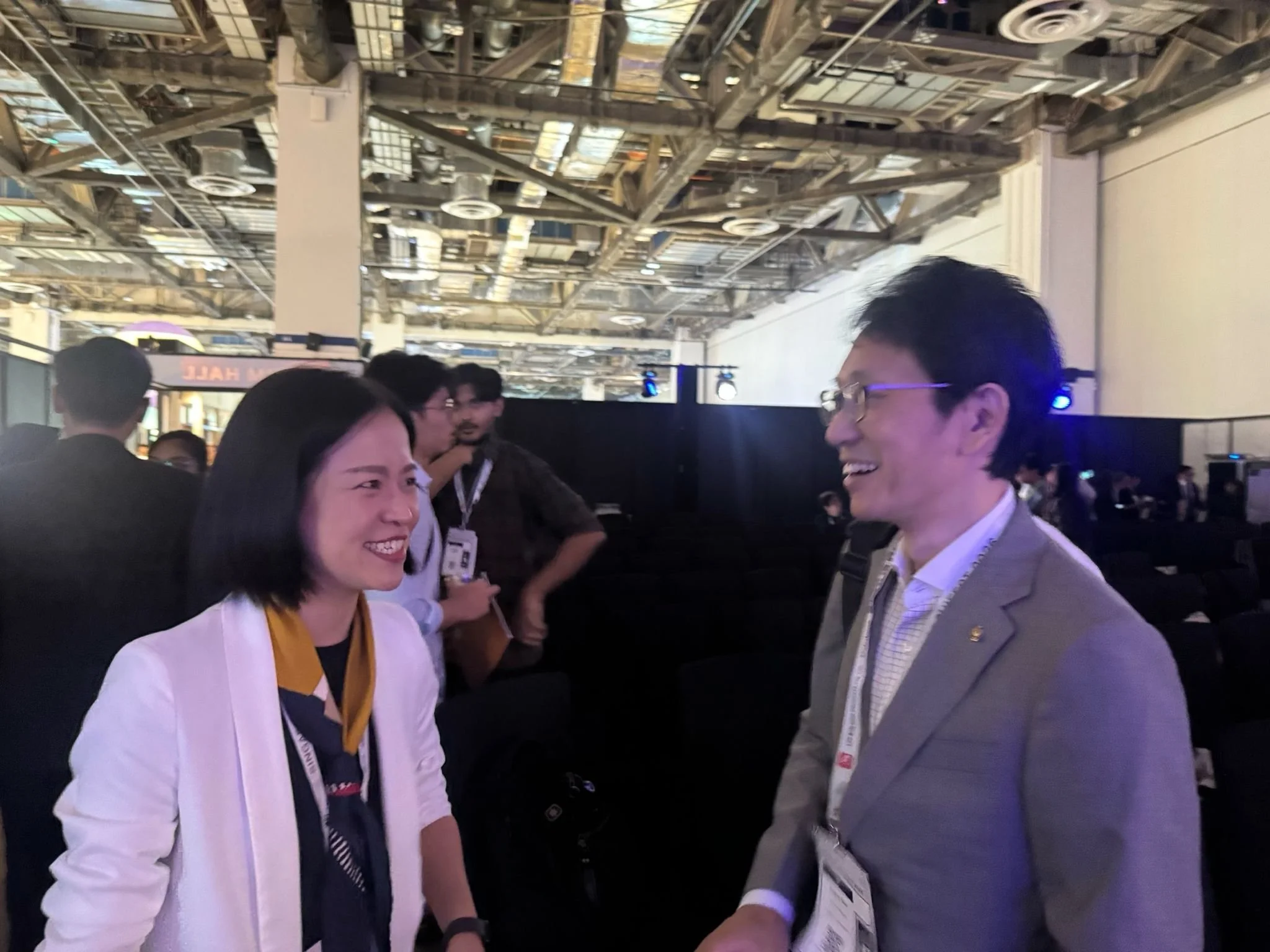
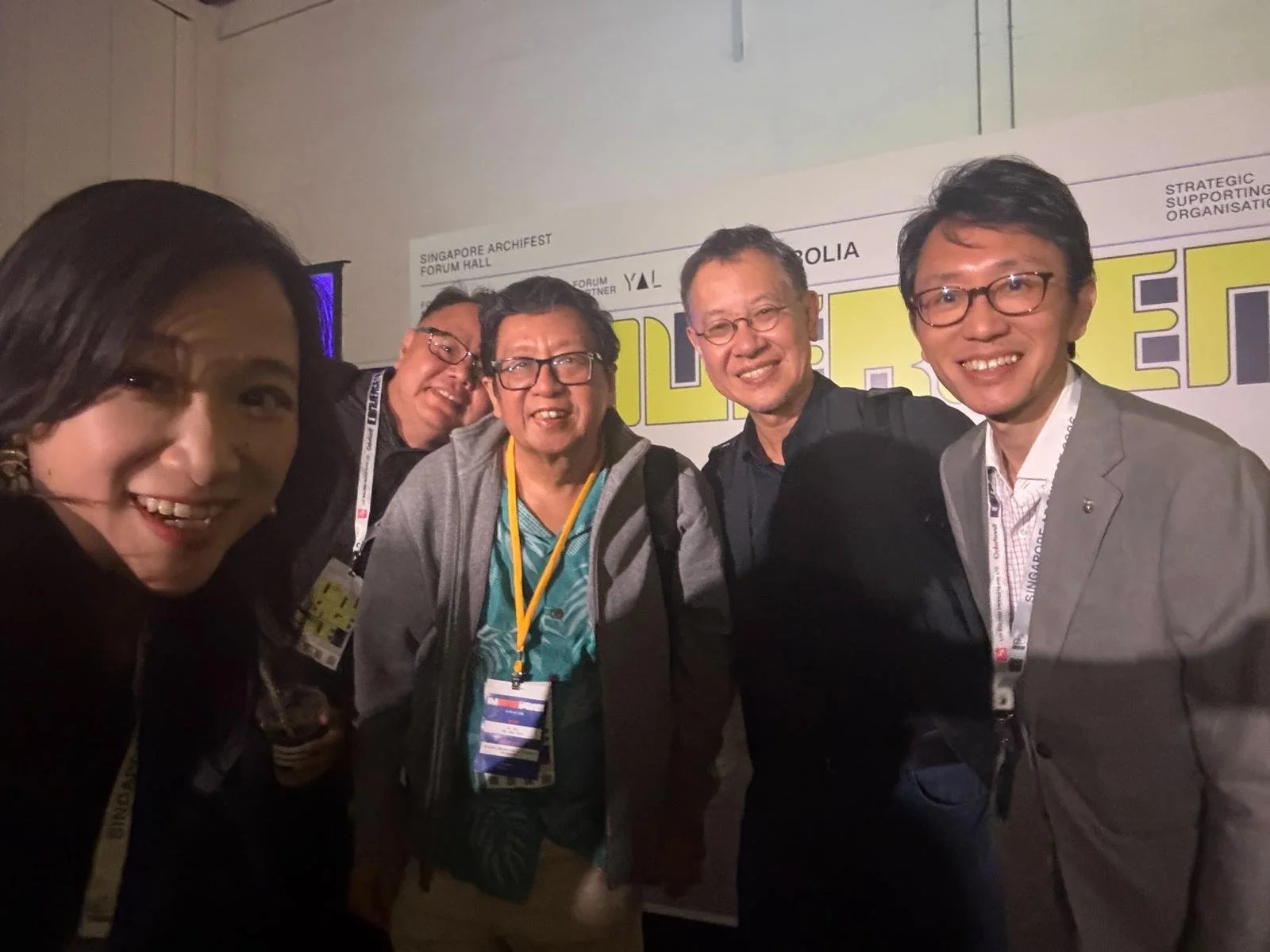
The discussions focused on how architectural education should respond to emerging technologies, climate change, and changing expectations of professional practice.
The continuation of New Common Grounds from Ming Chuan University in Taiwan to NUS in Singapore demonstrated the value of regional platforms that can move between institutions and continue across generations.
For AIA International, these connections create opportunities for mentorship, knowledge exchange, leadership development, and greater engagement between education and professional practice.
AIA International Membership Task Force Meeting
August 20-22, 2026 | San Francisco, California
The AIA International Membership Task Force convened in San Francisco to continue examining the future of international membership within the American Institute of Architects and how the organization can better serve architects living and practicing outside the United States.

Hosted by AIA San Francisco, the Membership Task Force meeting brought together leaders to explore the future of international membership and strengthen engagement with architects worldwide.
Bringing together leaders representing more than 101,000 AIA members, the central question guiding our discussions was straightforward yet important: Does our international membership model serve its members as well as it could?
Over two days of discussions, the Task Force explored and stress-tested several potential membership structures, including enhancements to the International Associate category, subscription-based approaches, and hybrid tiered models. The conversations focused on member experience, inclusivity, governance transparency, membership growth, and long-term sustainability.
One of the most important observations from the meeting was that international demand for AIA membership is strong, but it varies significantly across regions. Economic conditions, local professional frameworks, cultural differences, language barriers, and awareness of the AIA all influence how architects engage with the Institute.
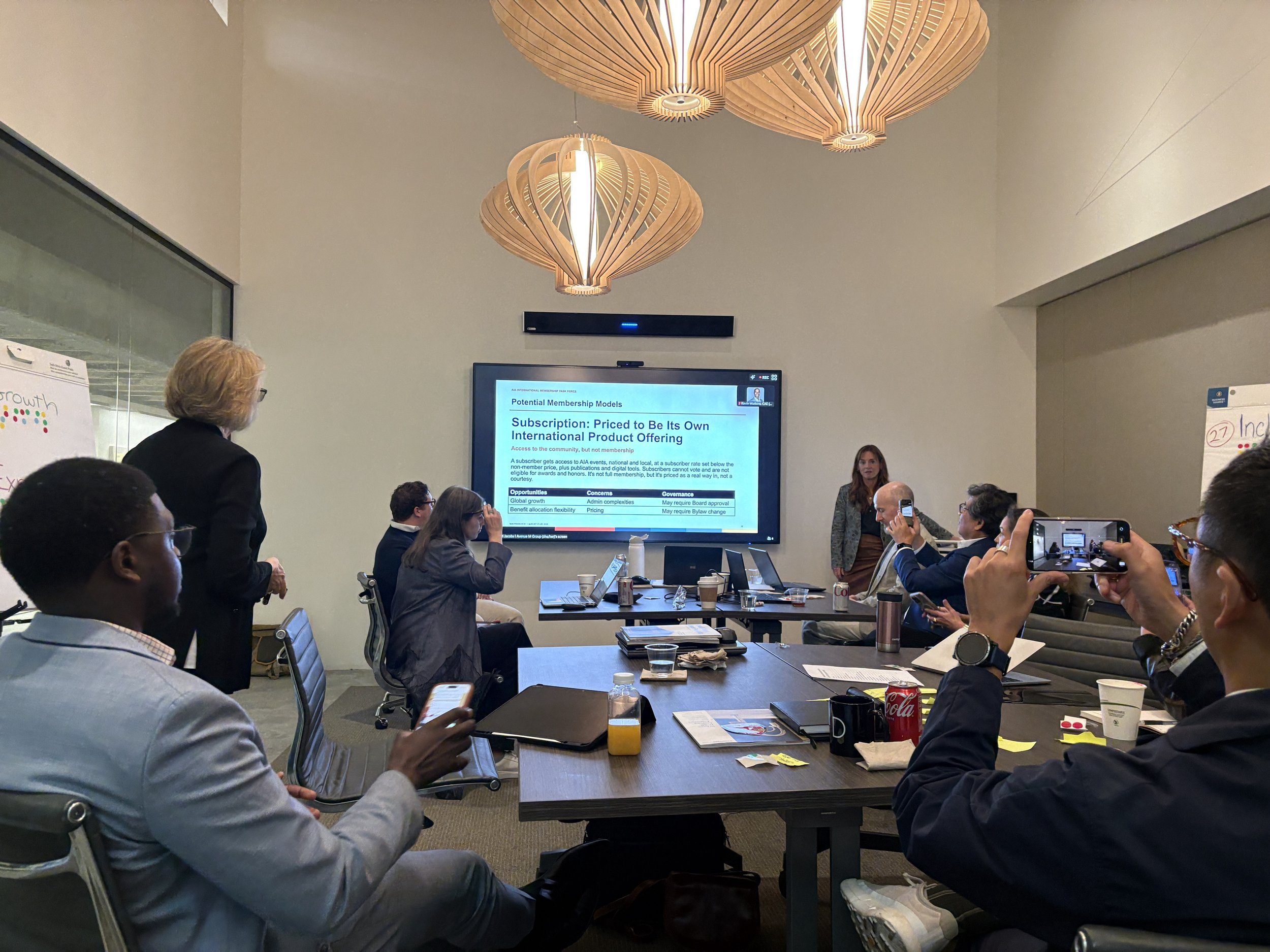
AIA International Membership Task Force members discussing the future of international membership and opportunities to strengthen engagement with architects around the world.
The discussions also reinforced that international members increasingly seek value beyond traditional continuing education. Professional credibility, leadership opportunities, networking, connections to global practice, business development, and access to knowledge and expertise continue to be important drivers of engagement.
For AIA International, the conversation highlighted the importance of balancing global consistency with regional flexibility. Any future membership model should recognize the diversity of our international communities while strengthening the value proposition that connects us as one organization.
Perhaps most importantly, the discussions reinforced the unique opportunity for AIA to serve as a global convenor and connector. Around the world, architects benefit from strong national and local professional organizations. AIA's role should be complementary, providing international connections, leadership opportunities, and cross-border collaboration that enhance the value architects already receive within their local professional environments.
The discussions helped shape a new direction for the future of international membership while underscoring the importance of continued engagement with members throughout the process. While important work remains ahead, the San Francisco meeting provided a strong foundation for the next phase of recommendations and stakeholder discussions.
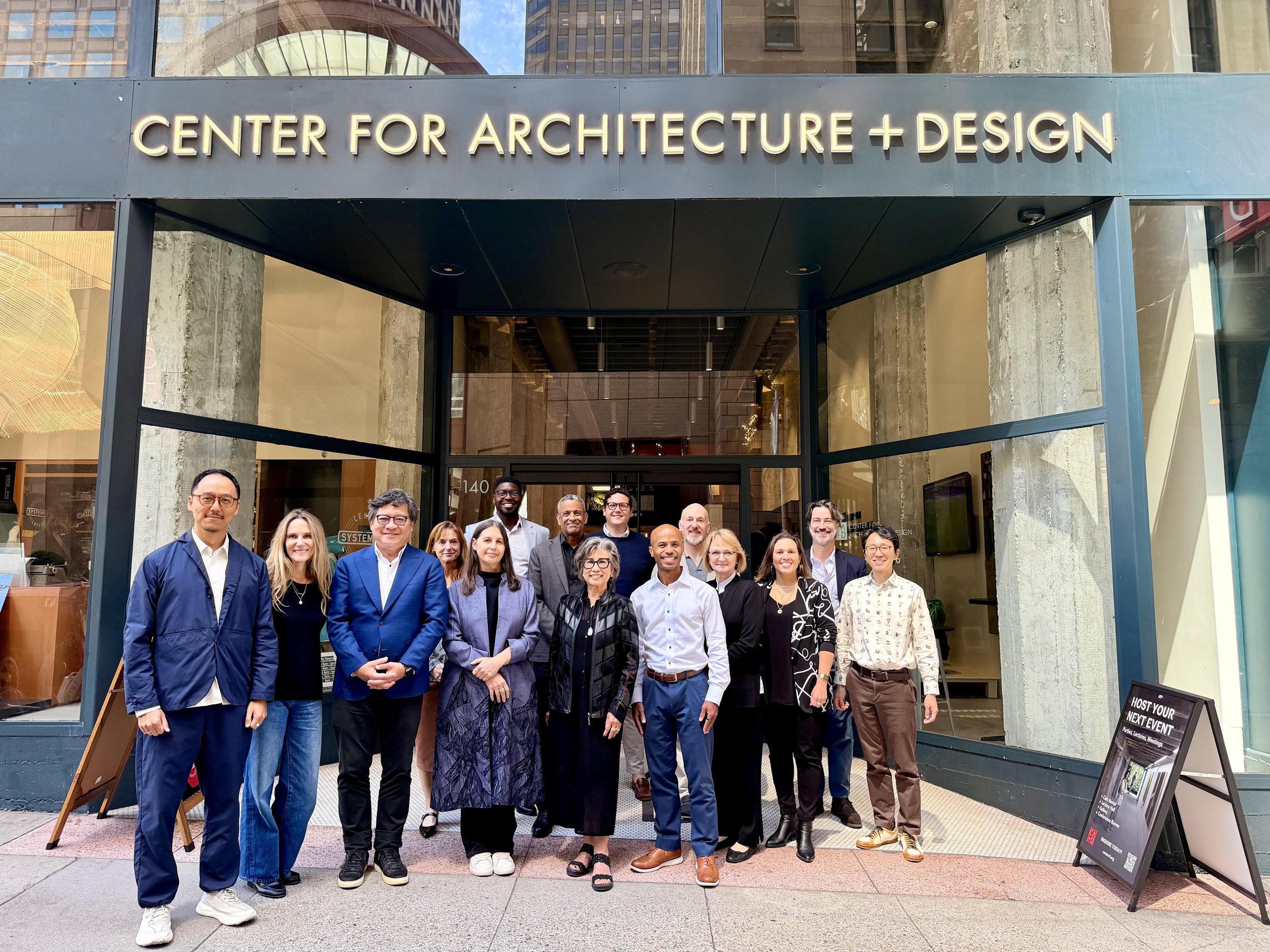
Members of the AIA International Membership Task Force following two days of discussions focused on the future of international membership and global engagement.
I would like to thank my fellow Task Force members, AIA volunteer leaders, and AIA staff for their thoughtful contributions, candid discussions, and commitment to strengthening AIA's international engagement. I would also like to thank AIA San Francisco for hosting us at the Architecture Center.
AIA International × AIA Illinois: Beyond Borders
August 27, 2026 | Chicago, Illinois
From San Francisco to Chicago, the conversation continued.
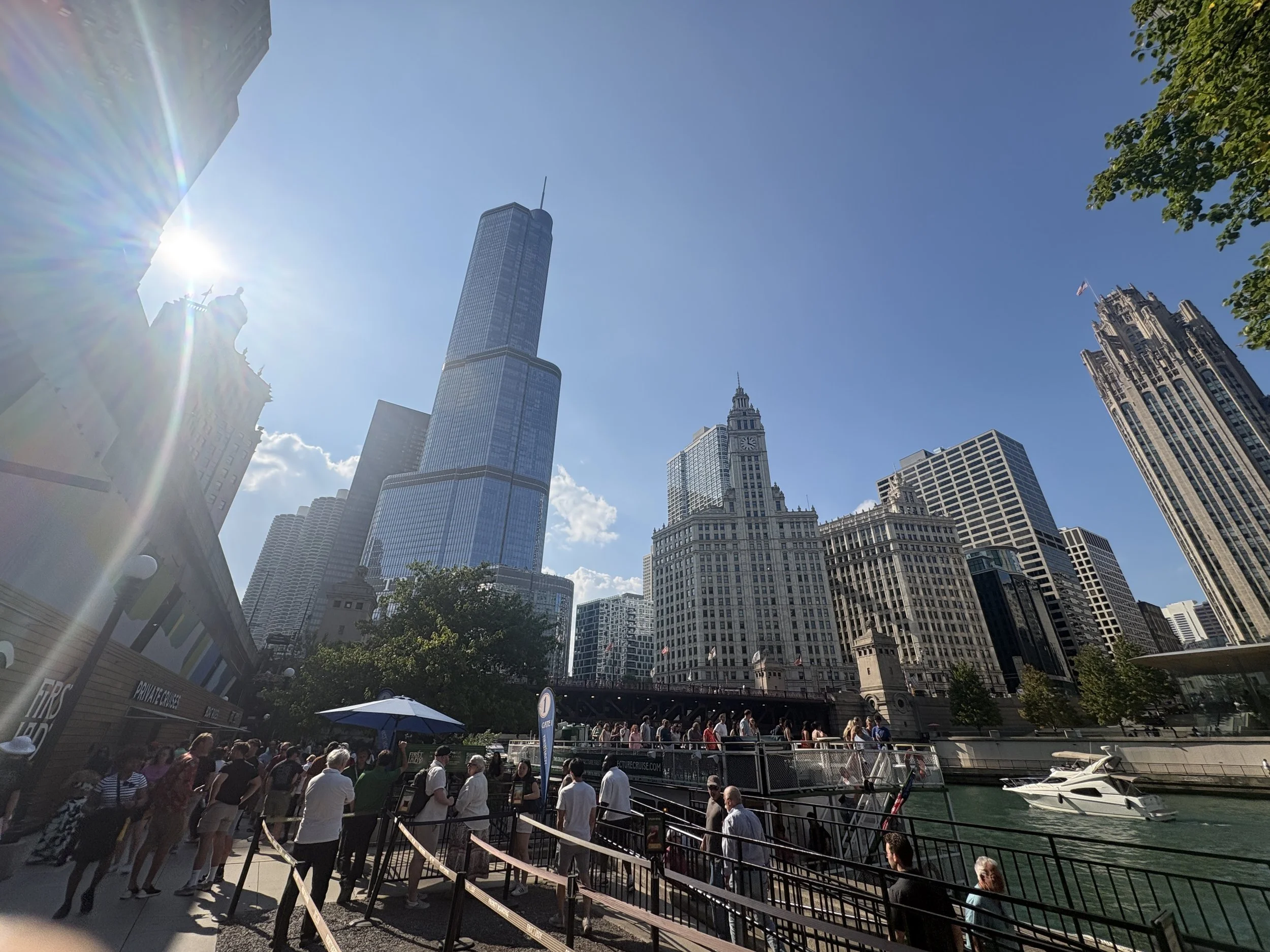
Chicago's architectural legacy provided an ideal setting for discussions on global practice, professional leadership, and collaboration across borders.
Just one week after the Membership Task Force meeting, AIA International partnered with AIA Illinois to present Beyond Borders: Navigating the Future of Global Architectural Practice. The program provided an important platform to connect internationally practicing architects with colleagues across the United States while fostering a broader discussion about the opportunities and realities of global practice.
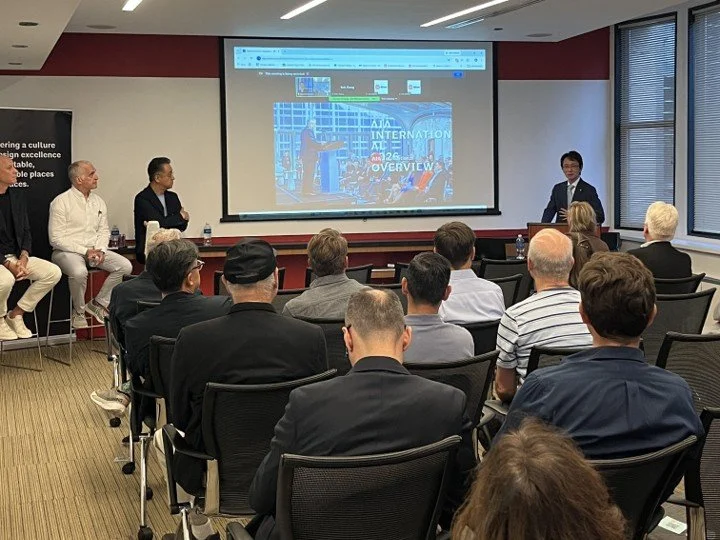
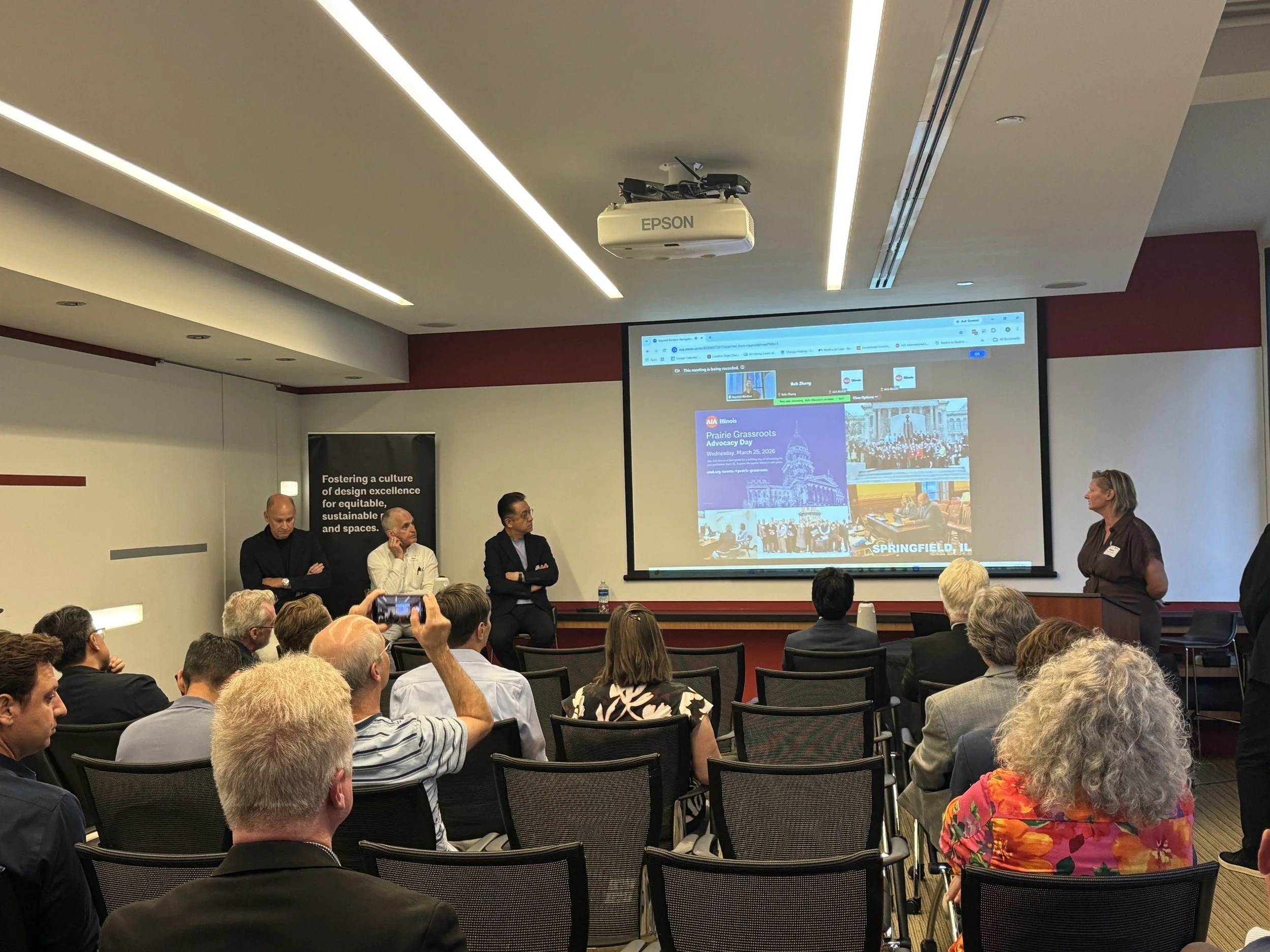
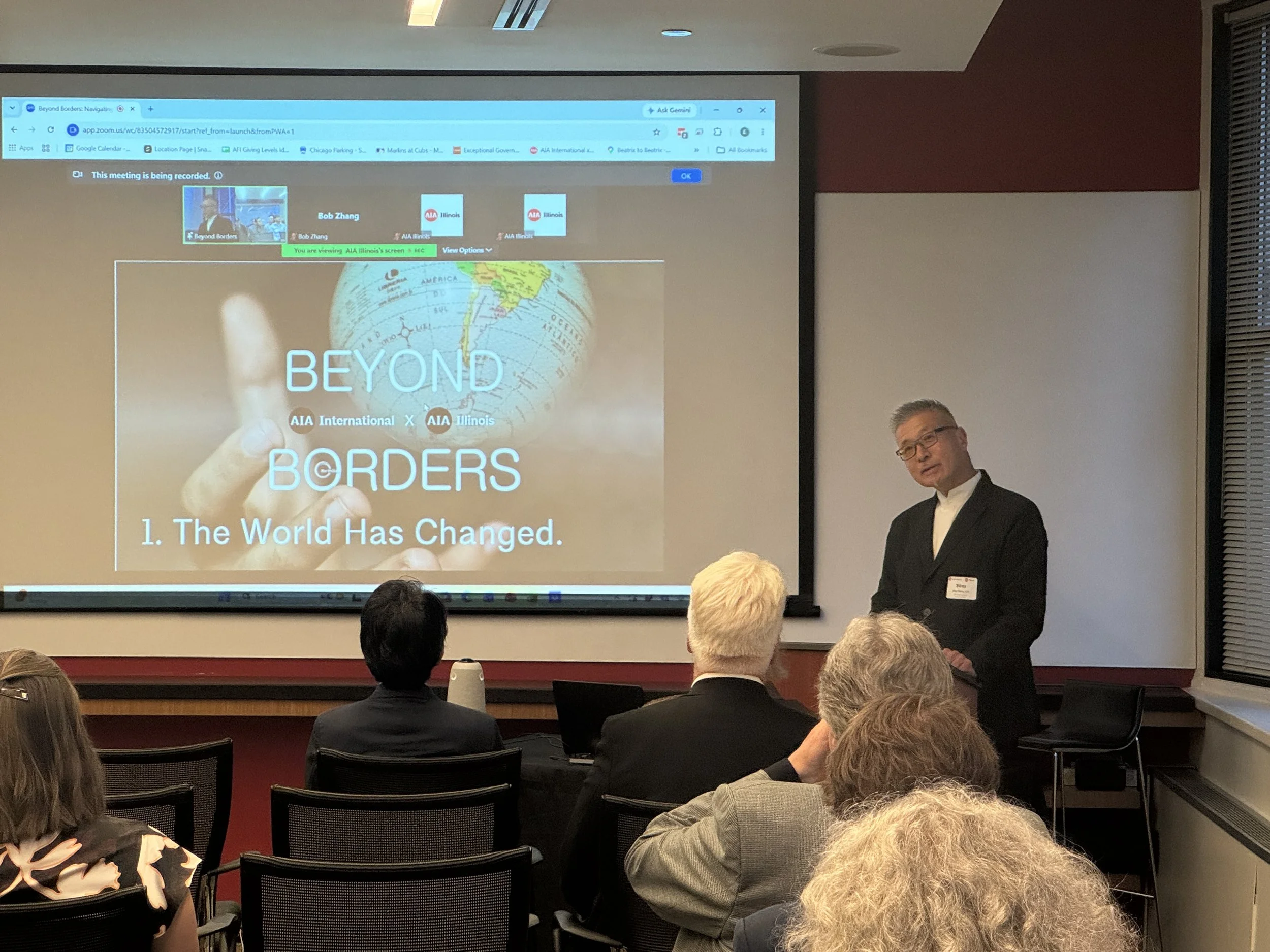
For AIA International, programs such as this are particularly meaningful because they reinforce the idea that our international community is not separate from the broader AIA network. Rather, it is an integral part of it. With more than 18,000 members engaged in international practice and collaboration worldwide, AIA has a unique opportunity to connect architects, knowledge, and expertise across borders. In my opening remarks, I noted that AIA International's global network of chapters, sections, country representatives, and programs now generates more than 20,000 annual participant engagements, reflecting both the scale of our community and the growing demand for international connection, collaboration, and professional exchange. Strengthening these connections benefits members throughout the Institute and helps position AIA as a truly global professional community.
Prior to the program, I had the opportunity to reconnect with colleagues and friends across Chicago's architectural community, including visits to Adrian Smith + Gordon Gill Architecture and HOK Chicago. These visits served as a reminder of the enduring professional relationships that connect our global architectural community and the importance of maintaining those connections across cities, firms, and generations.
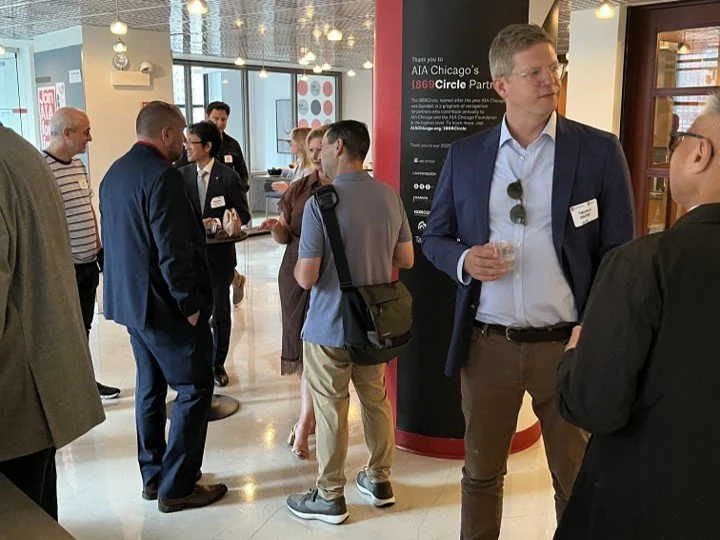
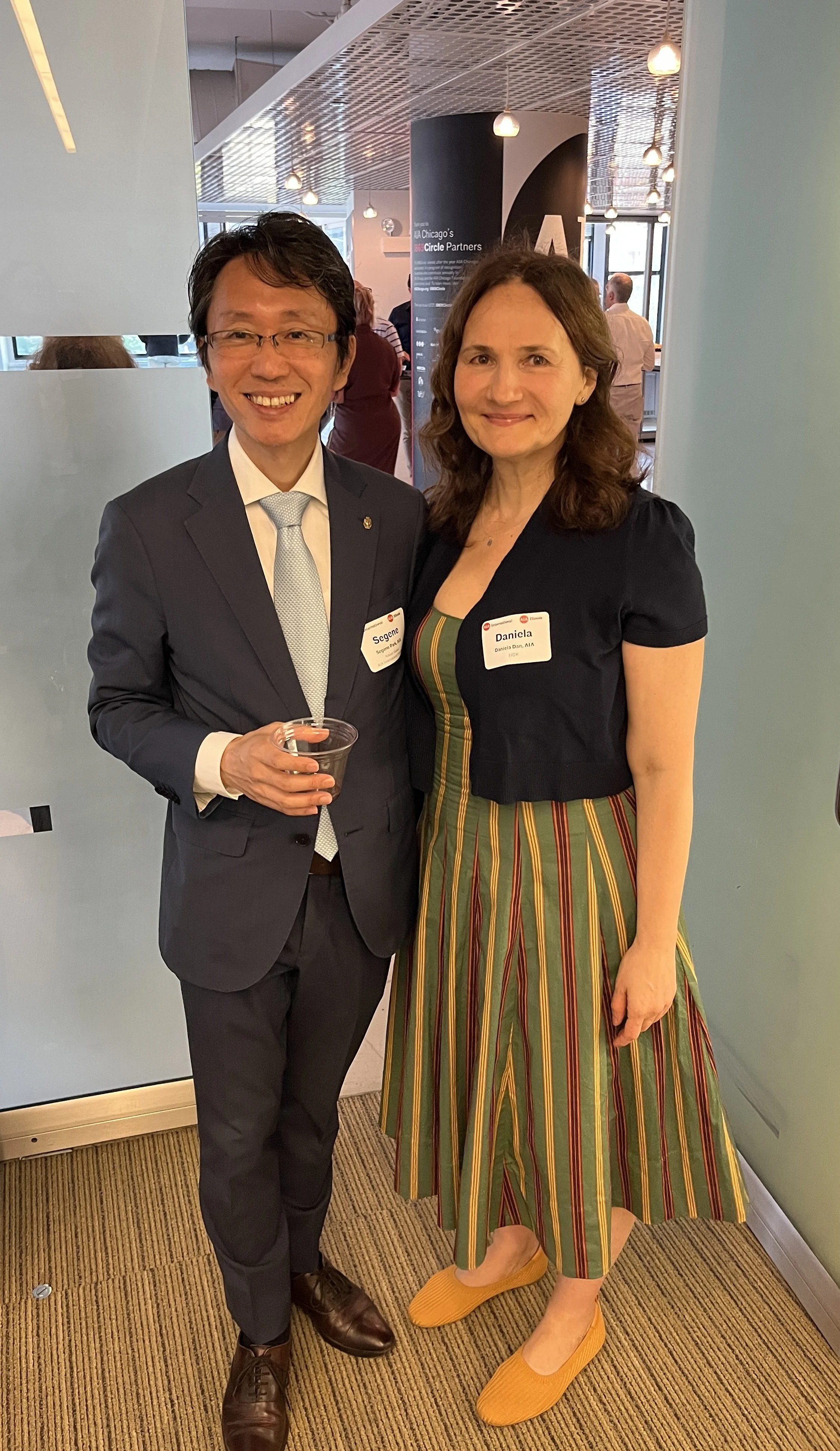
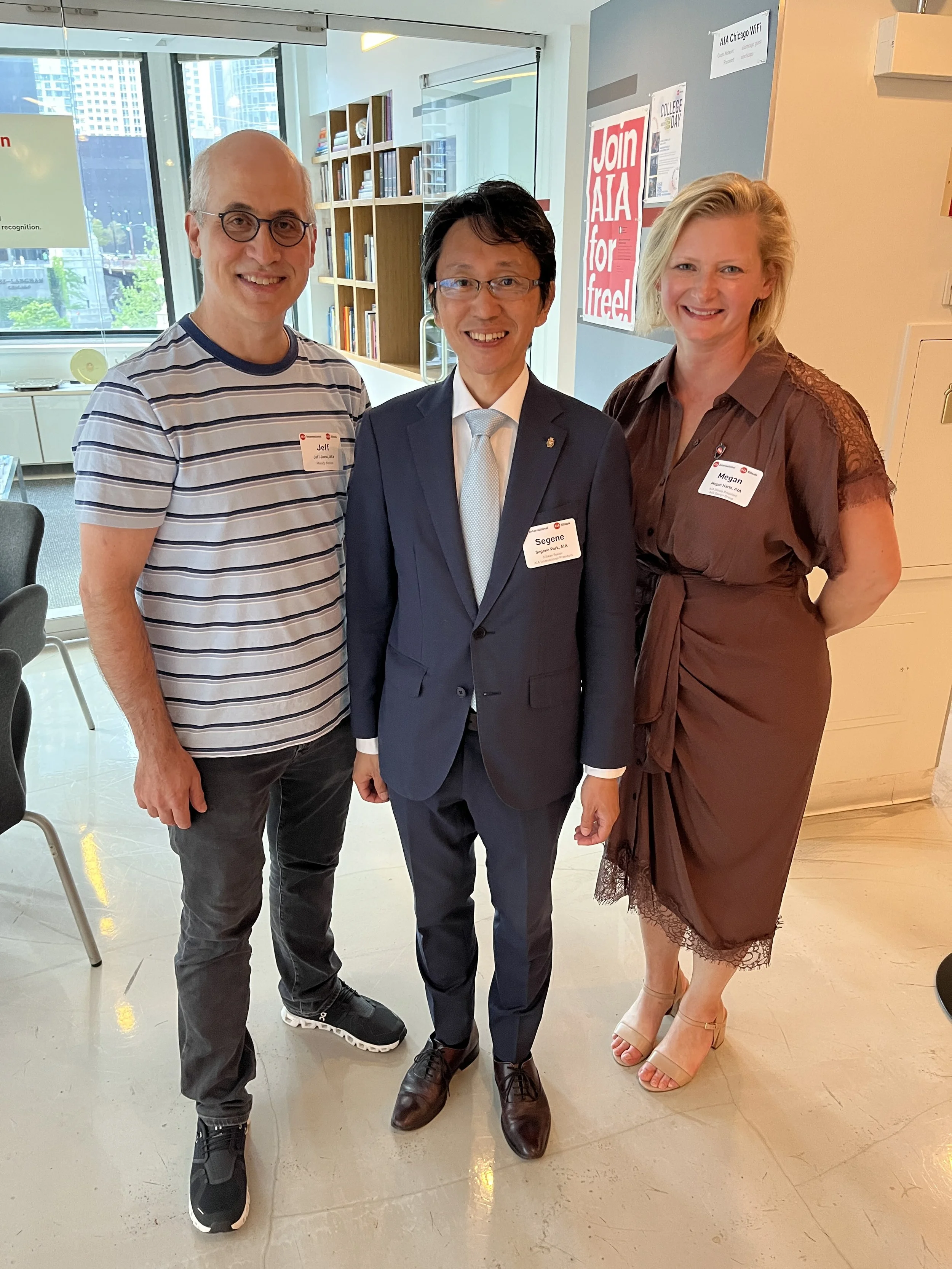
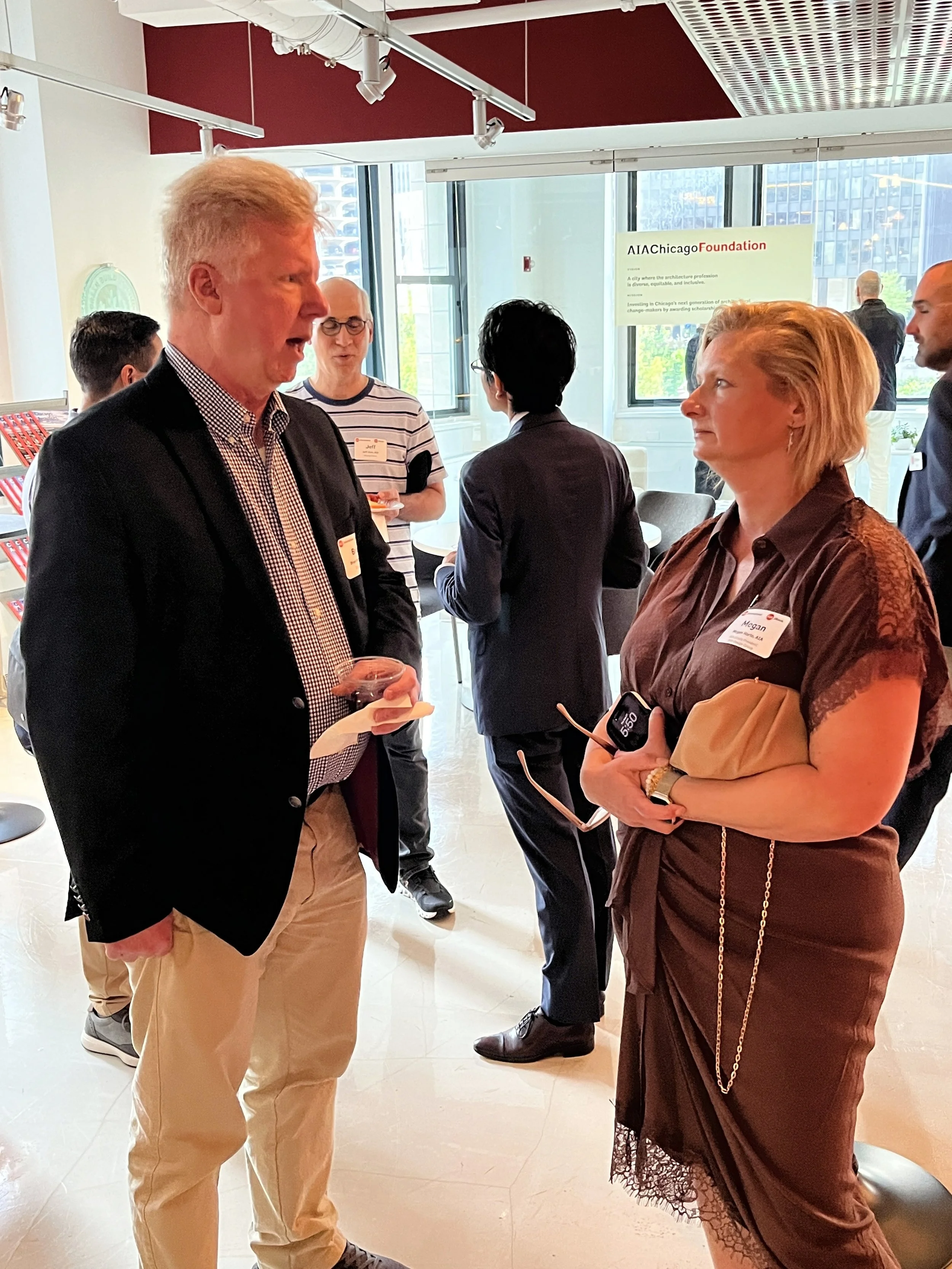
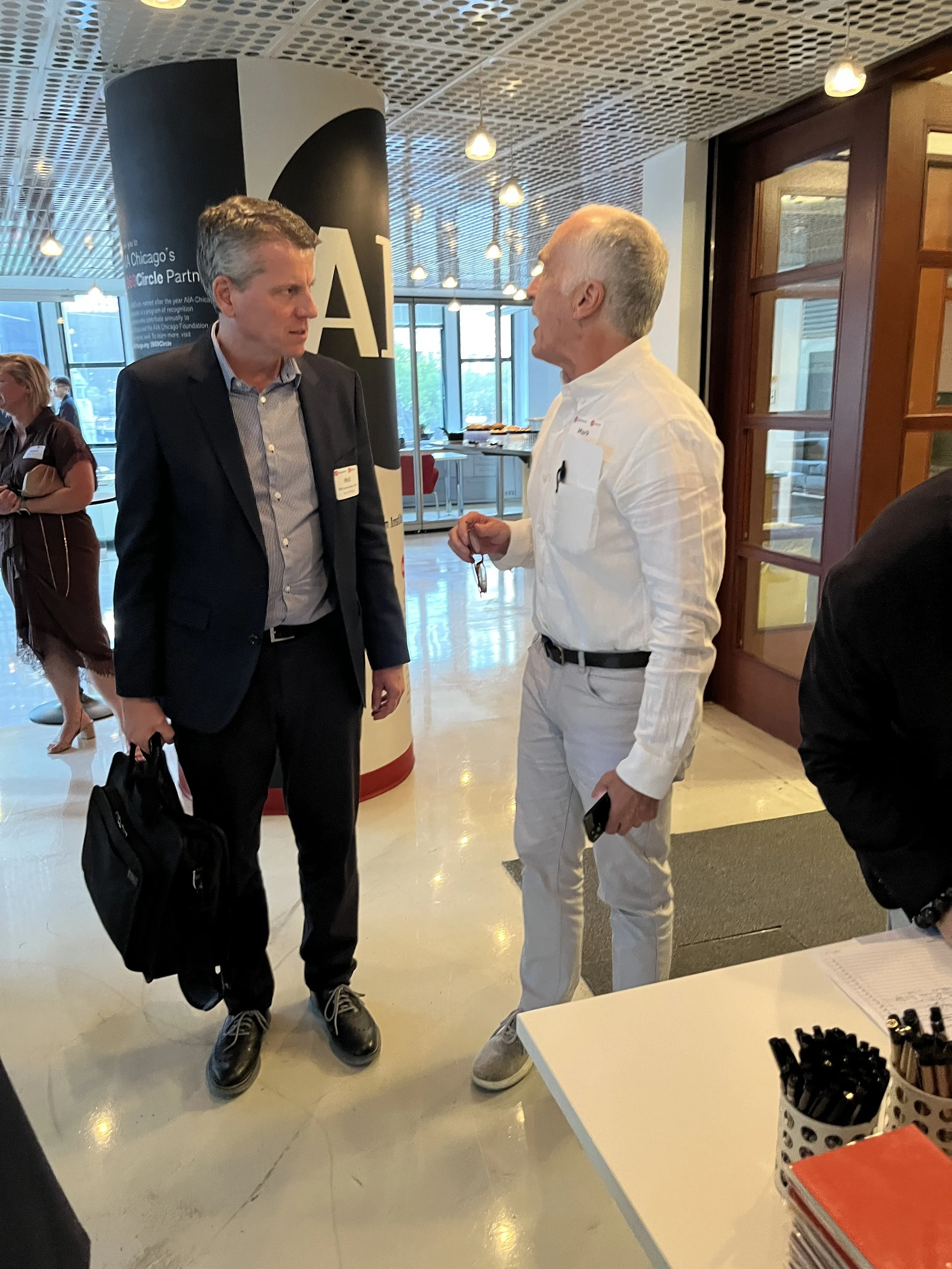
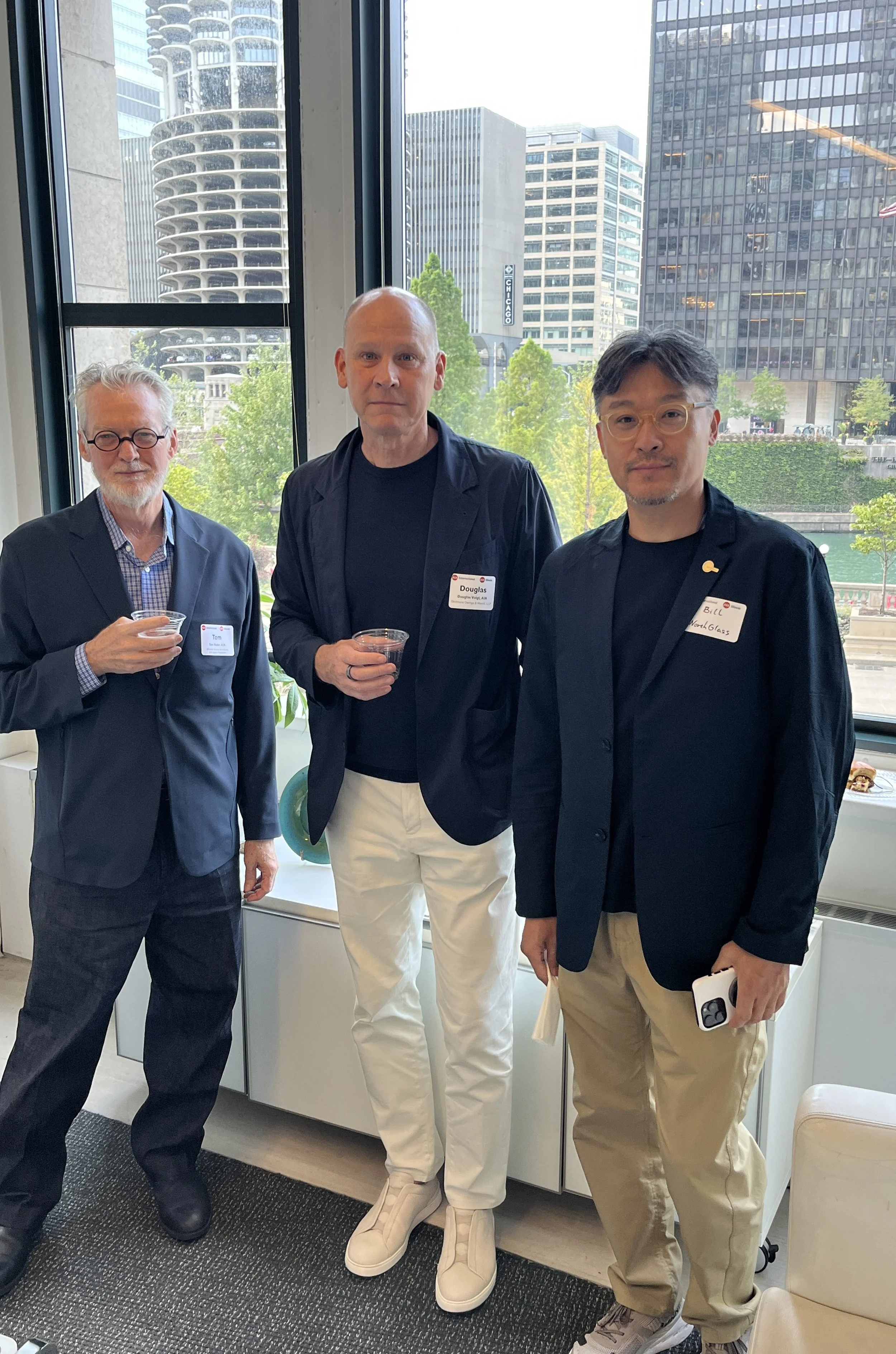
The evening began with remarks from Megan Harte, AIA, NCARB, EDAC, LEED AP, followed by my presentation on AIA International's activities, global reach, and opportunities for engagement. It was especially meaningful to reconnect with colleagues from the University of Illinois Chicago, Epstein, Skidmore, Owings & Merrill (SOM), and the wider AIA community in Chicago, many of whom have been part of my own professional journey.
I also had a valuable discussion with Jeff Jeno, AIA, a leader within the AIA Strategic Council, regarding opportunities to strengthen collaboration between AIA International and AIA components across the United States. Our conversation focused on how AIA International can further contribute to the broader Institute by fostering stronger connections between U.S.-based and internationally engaged members. Strengthening these relationships remains an important priority as AIA International continues to build stronger connections between our global membership and the broader Institute.
Moderated by Silas Chiow, the panel featuring Mark P. Sexton, FAIA, LEED AP, Doug Voigt, and James Zheng explored how global firms balance international expertise with local identity, culture, technology, and community engagement. The discussion reinforced an important principle: successful global practice depends on listening, learning, collaborating, and building meaningful connections across cultures.

AIA Chicago, host venue for Beyond Borders: Navigating the Future of Global Architectural Practice, presented by AIA International and AIA Illinois.
I would like to thank AIA Illinois, AIA Chicago, Megan Harte, Eric Klinner, Jen Masengarb, our panelists, moderator, sponsors, volunteers, and everyone who joined us for their support in making the program possible.
More than a single event, Beyond Borders demonstrated how AIA International can serve as a bridge between architects, communities, and AIA components across the United States and around the world. It reinforced a simple but important idea: AIA's greatest strength lies not only in its programs and initiatives, but in the people and relationships that connect us across borders.
CAA Presidents’ Summit & NZIA in:situ 2026 Conference, Auckland — CAA 60th Anniversary
September 6-10, 2026 | Auckland, New Zealand
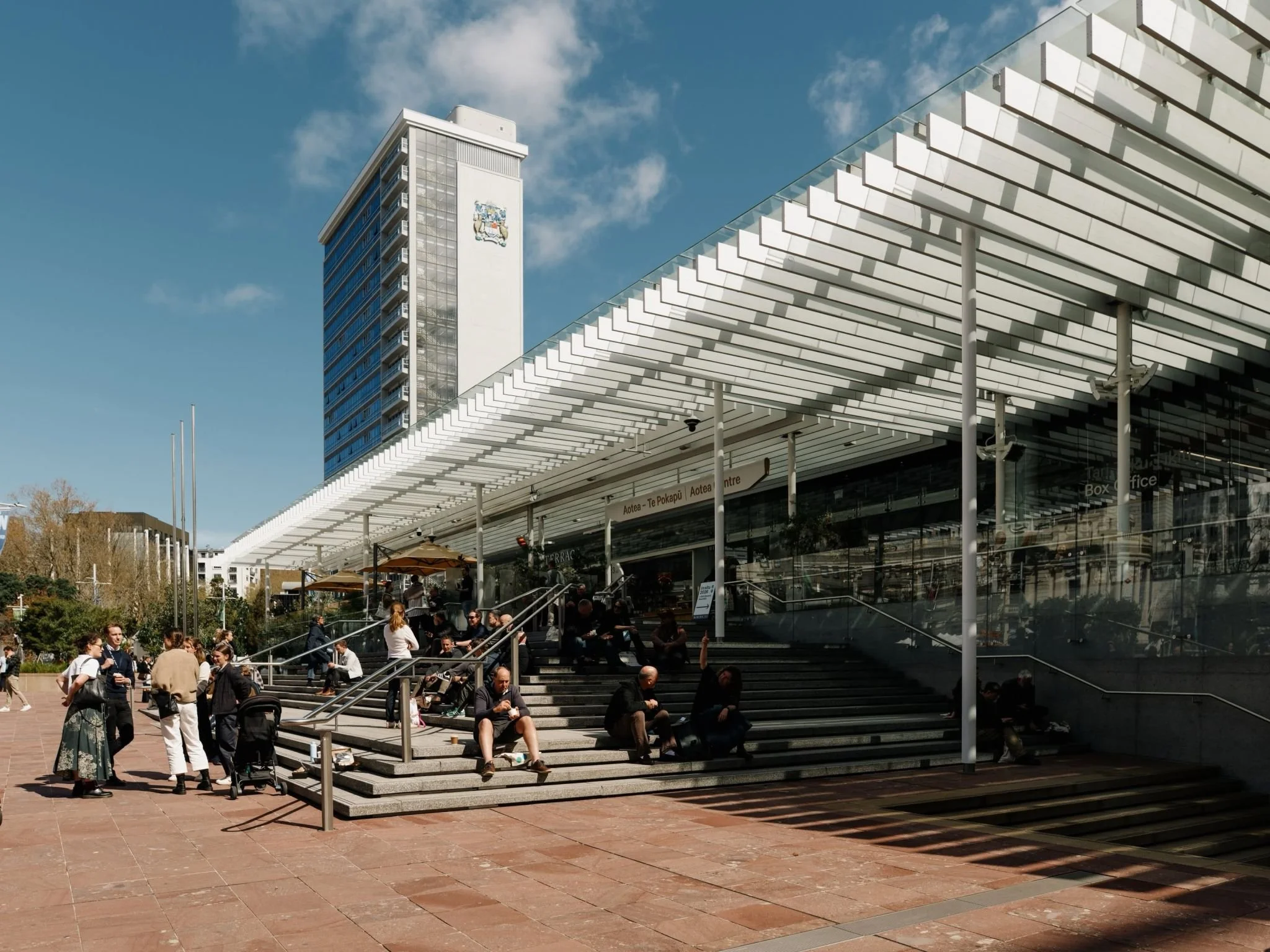
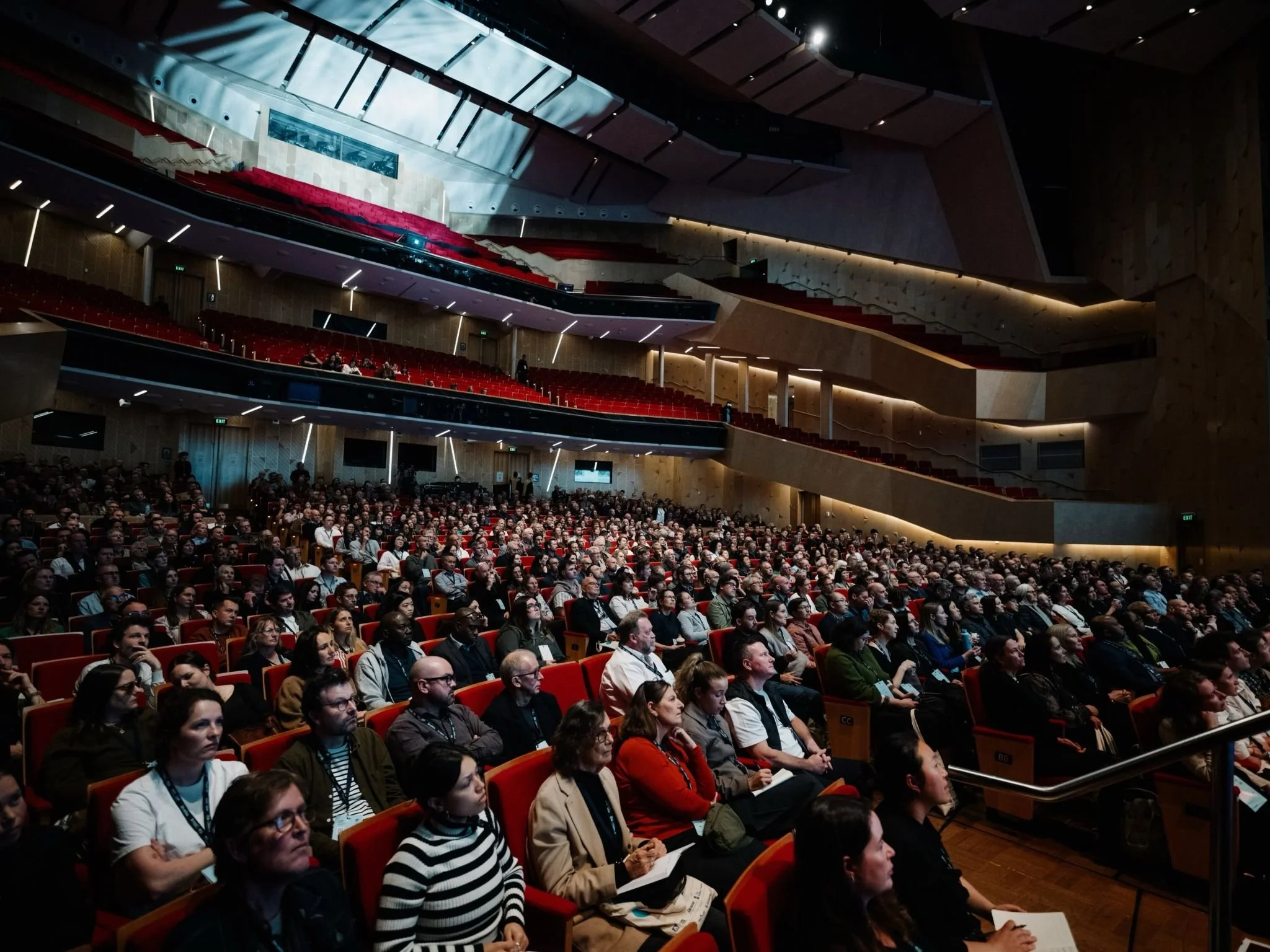
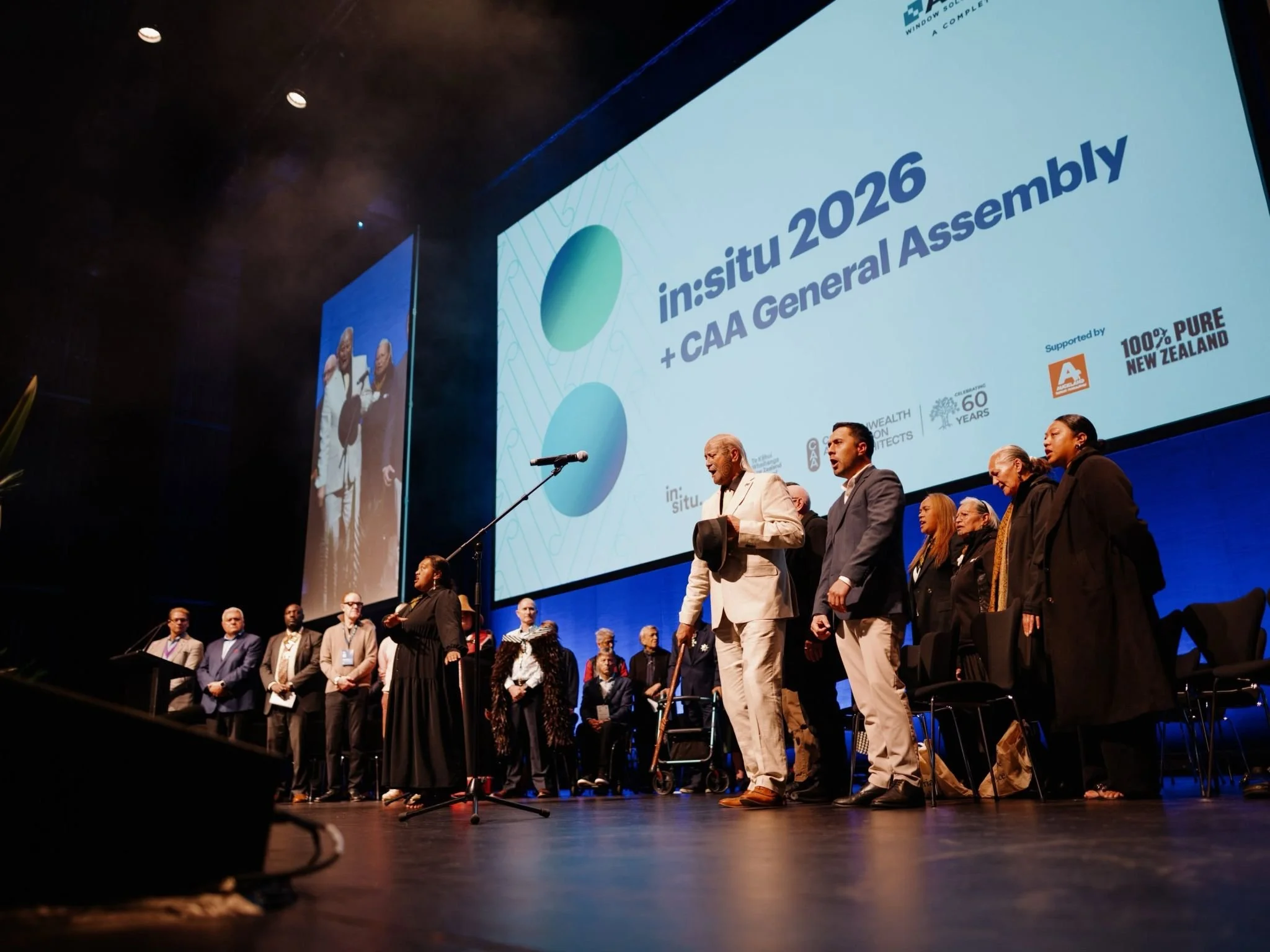
The Commonwealth Association of Architects (CAA) President's Summit and New Zealand Institute of Architects (NZIA) Conference provided a significant opportunity to strengthen AIA International's engagement across Oceania and the wider Commonwealth architectural community.

Auckland, New Zealand, served as a gathering point for architectural leaders from across the Commonwealth to strengthen collaboration, leadership, and professional exchange.
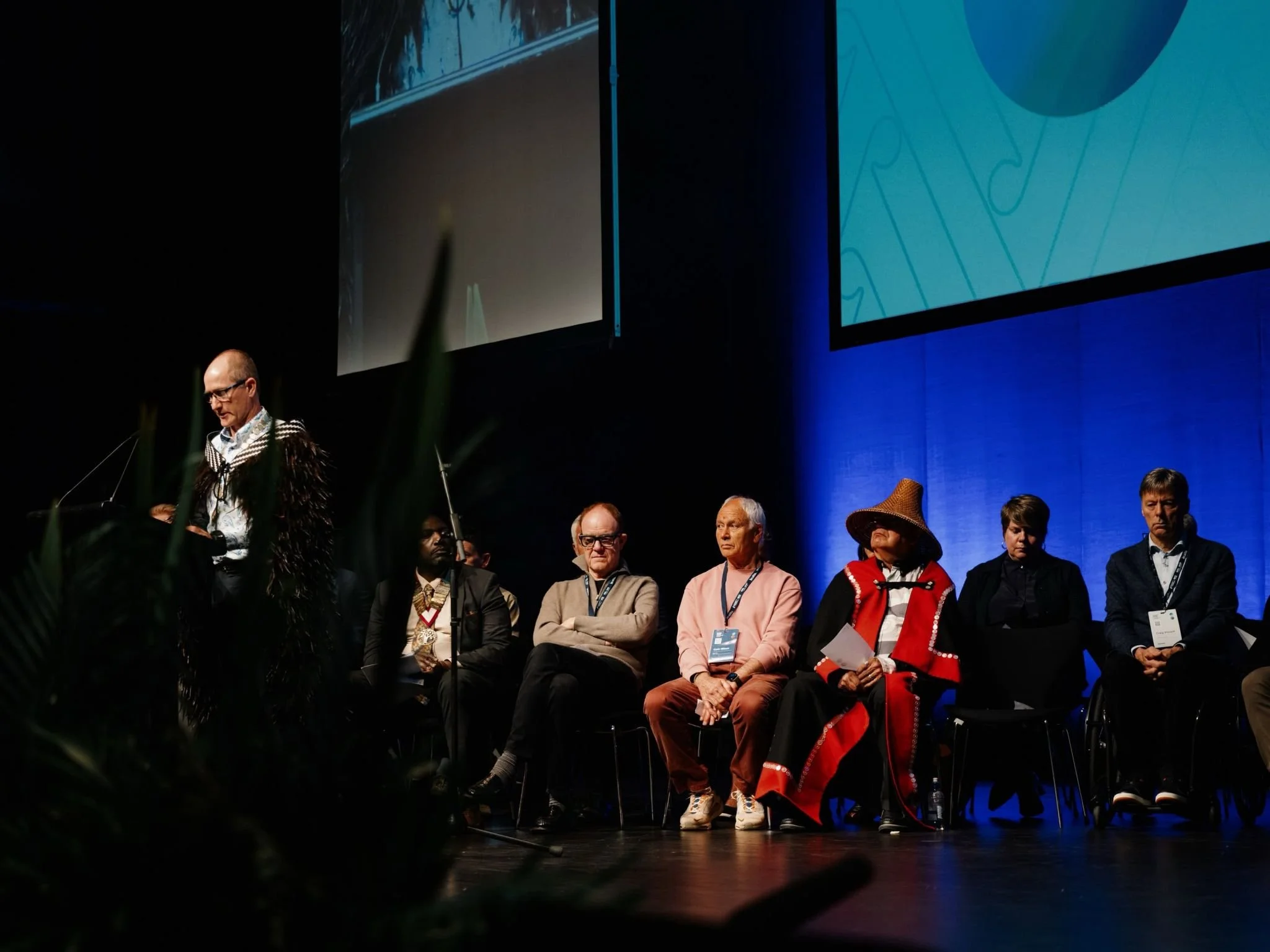
A particular highlight was the inaugural CAA President's Summit, a historic gathering that brought together twenty presidents and senior institutional leaders representing ten Commonwealth architectural institutes across fourteen countries. The Summit focused on professional leadership, international cooperation, and the evolving role of architects in addressing the increasingly complex challenges facing our communities.
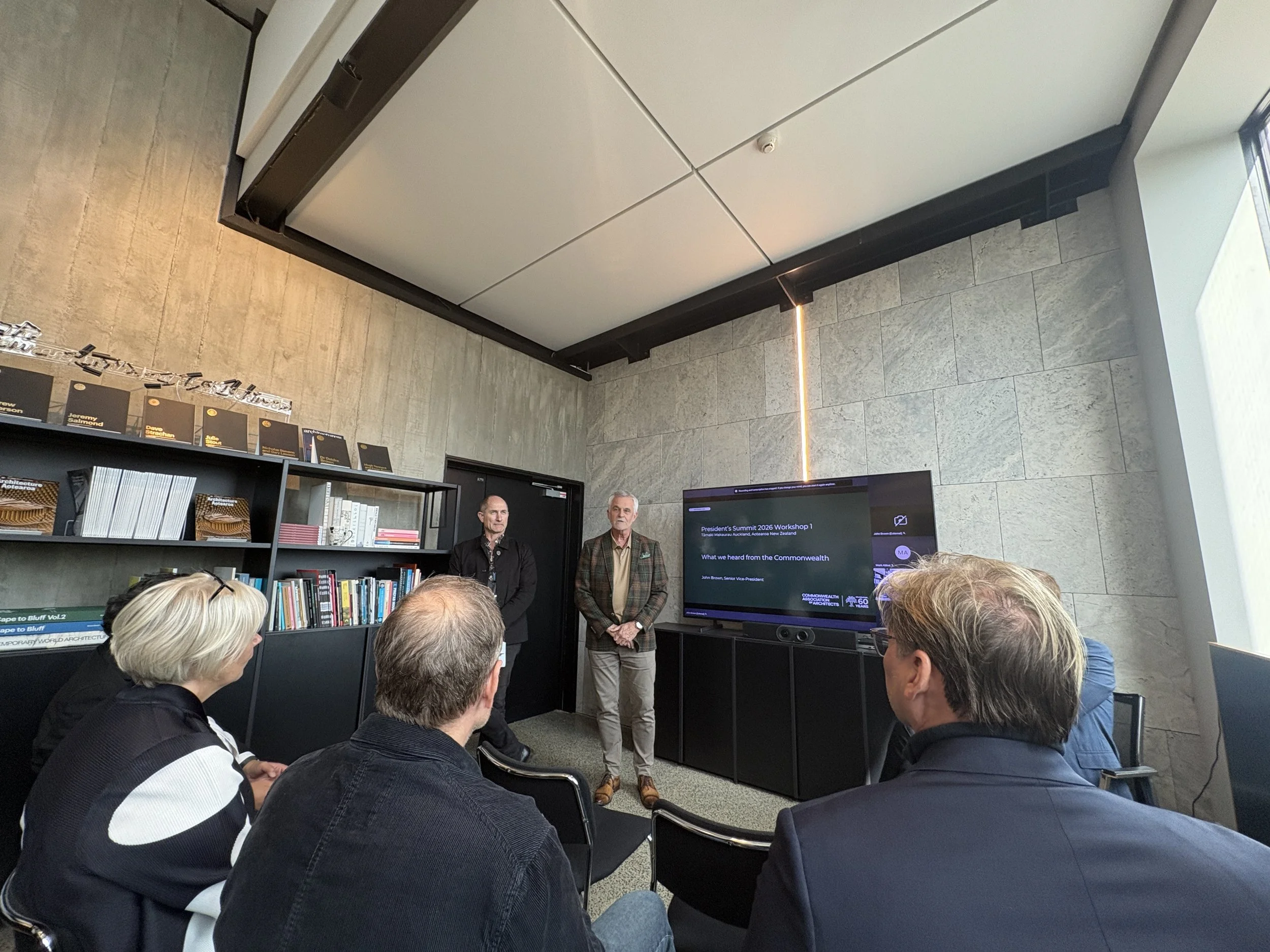
Participants in the inaugural CAA President's Summit gathered in Auckland to strengthen collaboration, leadership, and professional exchange across the Commonwealth architectural community.
One of the most important outcomes of the Summit was the adoption of a Five-Point Framework for Continuing Collaboration, establishing a foundation for greater cooperation among Commonwealth institutes through leadership development, policy alignment, knowledge exchange, and coordinated international advocacy. The discussions reinforced the value of stronger collaboration among professional organizations as we collectively address issues such as climate resilience, sustainability, education, and the future of the profession.
The Summit also coincided with the CAA General Assembly and leadership transition. During the visit, I had the opportunity to engage with outgoing CAA President Steven Oundo, OGW, Senior Vice President John Brown, members of the newly elected CAA leadership team, and the Education Committee Chairs of both CAA and ARCASIA. These conversations provided valuable opportunities to exchange perspectives and explore future collaboration, particularly in architectural education, professional development, and the cultivation of future leaders within the profession.
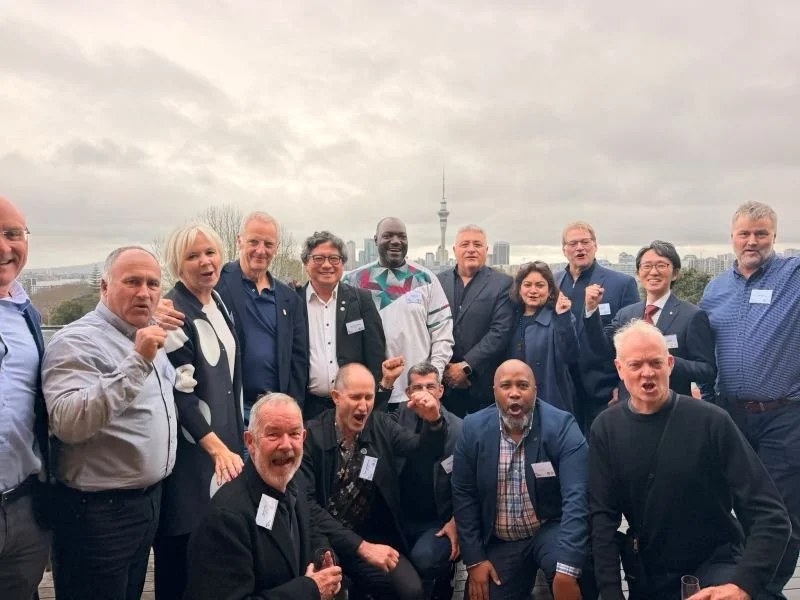
Presidents and senior institutional leaders representing ten Commonwealth architectural institutes gathered in Auckland for the inaugural CAA President's Summit.
I would also like to recognize Vince Pirrello, RAIA, whose leadership as CAA Vice President for the Pacific played a significant role in coordinating and advancing many of these initiatives, including the Presidents' Summit and broader Pacific engagement activities. Following the General Assembly, Vince was elected CAA Secretary/Treasurer/Trustee, ensuring continued leadership and momentum for collaboration across the Commonwealth network.
The visit also included participation in the CAA Commonwealth Pacific Session, which brought together architectural leaders from across the Pacific region to discuss opportunities and challenges facing Commonwealth nations. Presentations and discussions focused on the implications of COP and CHOGM priorities, particularly in relation to climate change, resilience, sustainability, adaptation, and the future development of Pacific communities. These conversations underscored the increasingly important role architects must play in helping societies respond to environmental, social, and economic challenges.
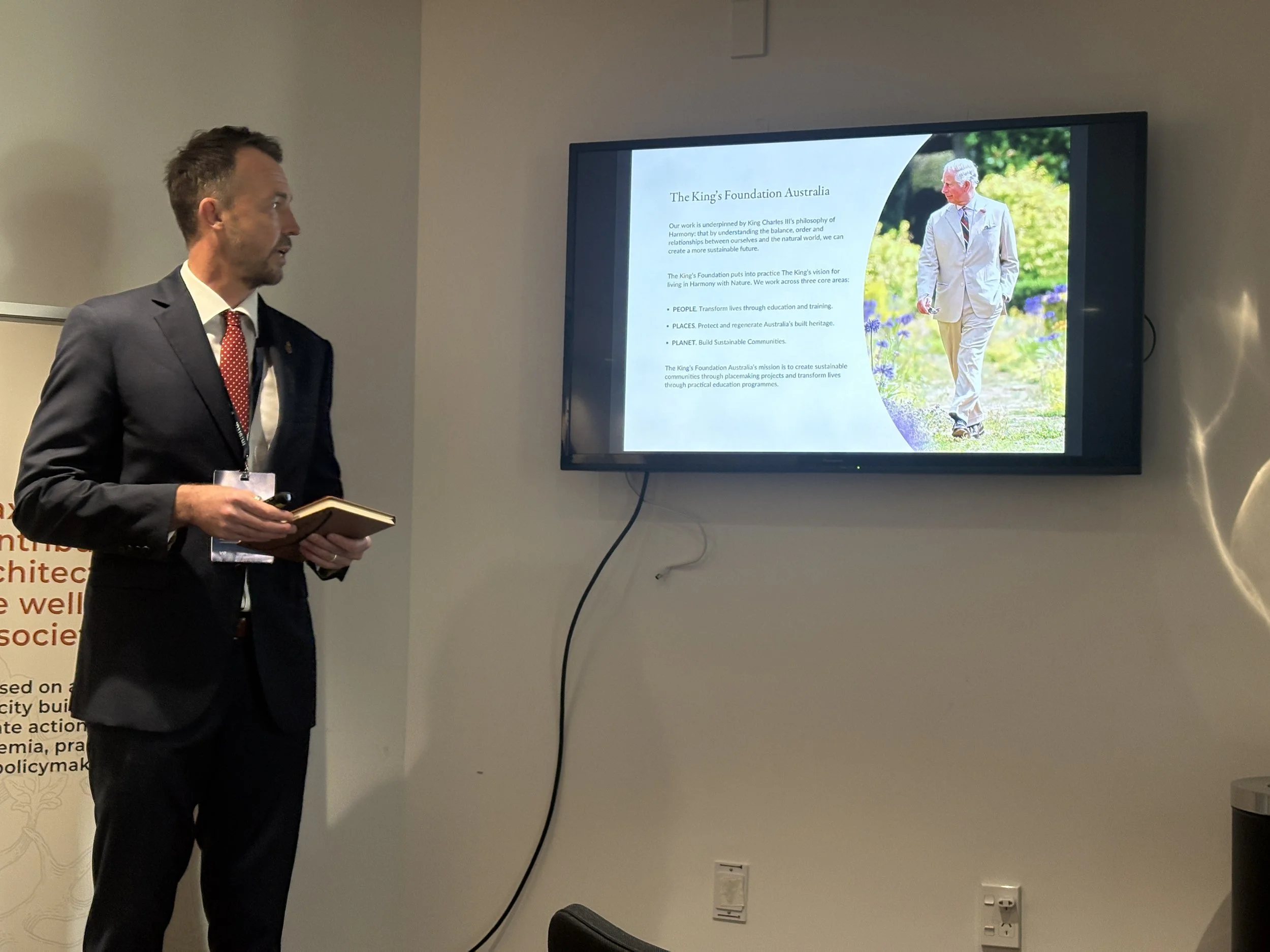
A presentation by The King's Foundation highlighted the importance of sustainability, heritage, and community-centered design in shaping the future of the built environment.
Another important initiative was the CAA Pacific Emerging Architects Forum, which brought together students and recent graduates from Australia, Fiji, Papua New Guinea, and New Zealand. The Forum provided a dedicated platform for emerging professionals to share perspectives on the future of practice, identify barriers facing the next generation of architects, and explore how professional institutes can better support future leaders. A particularly encouraging outcome was the establishment of a CAA-coordinated Emerging Architects Global Group, demonstrating a shared commitment across the Commonwealth to investing in future leadership and strengthening professional networks among emerging practitioners.
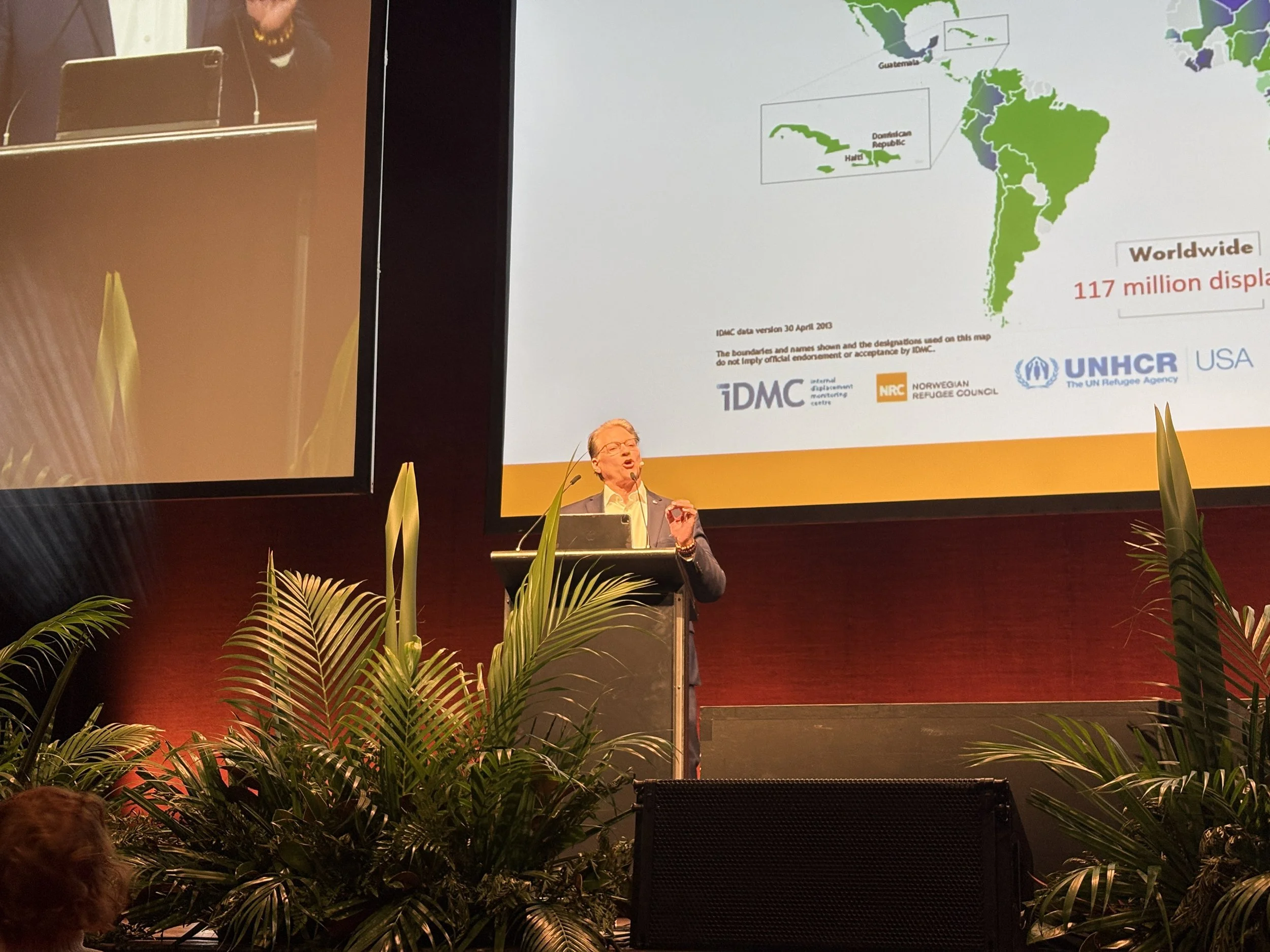
AIA National President Illya Azaroff, FAIA, speaks on regenerative design and architecture's capacity to restore, sustain, and strengthen our environment and communities.
I was also pleased to hear AIA National President Illya Azaroff, FAIA, speak about regenerative design and architecture’s potential to contribute positively to our environment and communities.
A particular highlight for AIA International was the AIA International Dinner hosted by AIA Oceania. The gathering provided an excellent opportunity to introduce AIA International to CAA, RAIA, and NZIA leaders, share our mission and priorities, and highlight the breadth of our global network through our chapters, sections, Country Representatives, and programs.
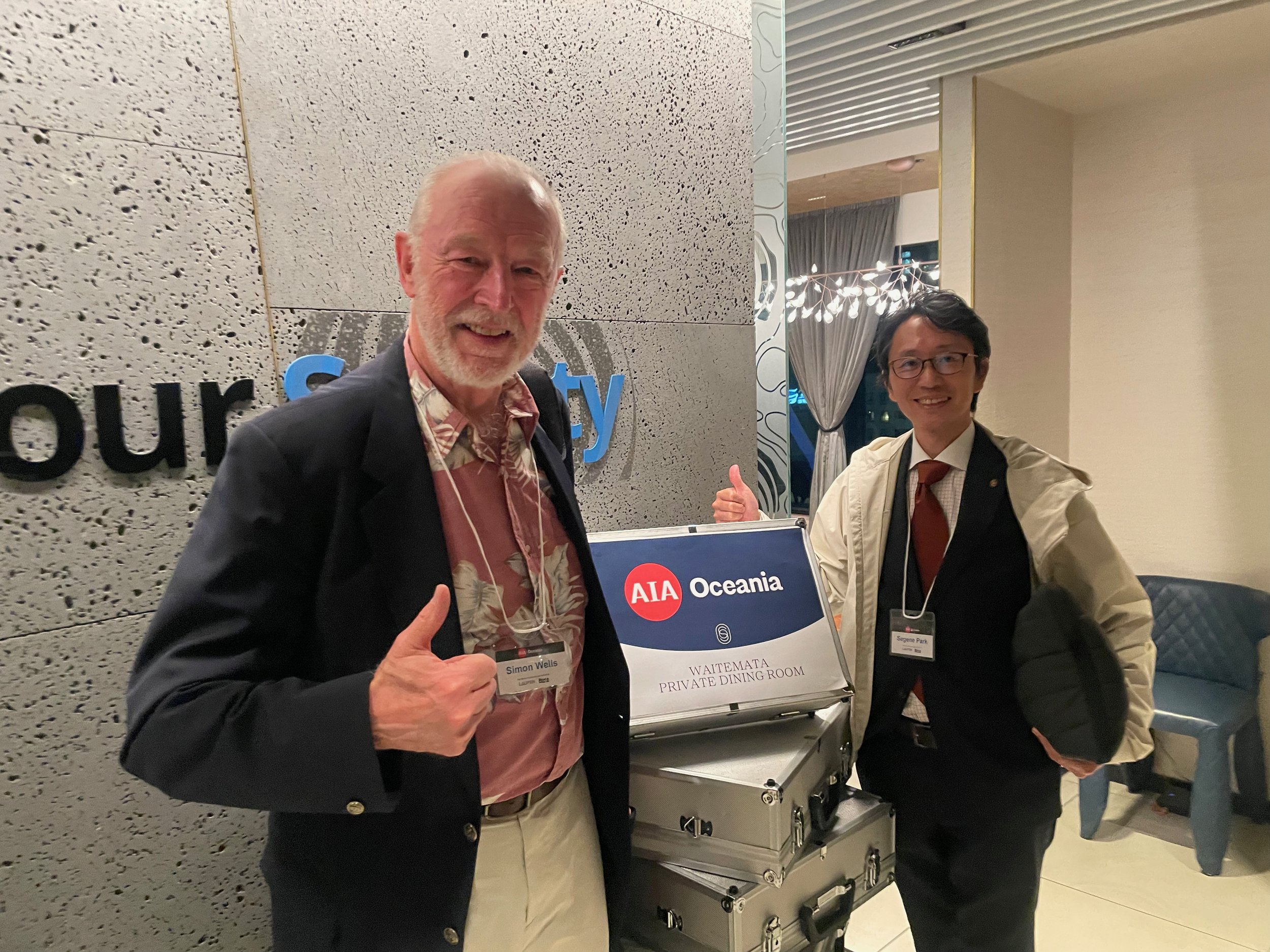
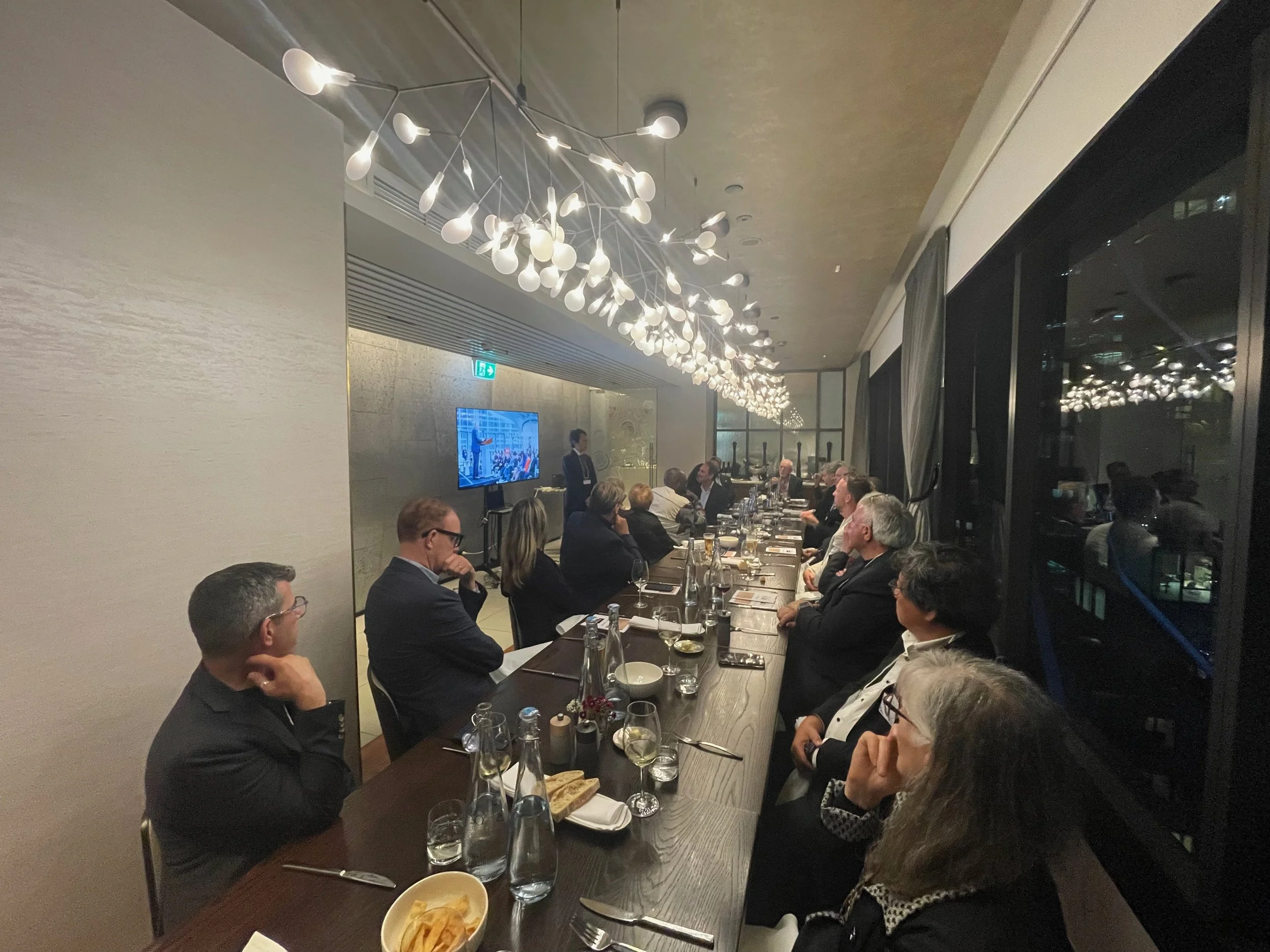
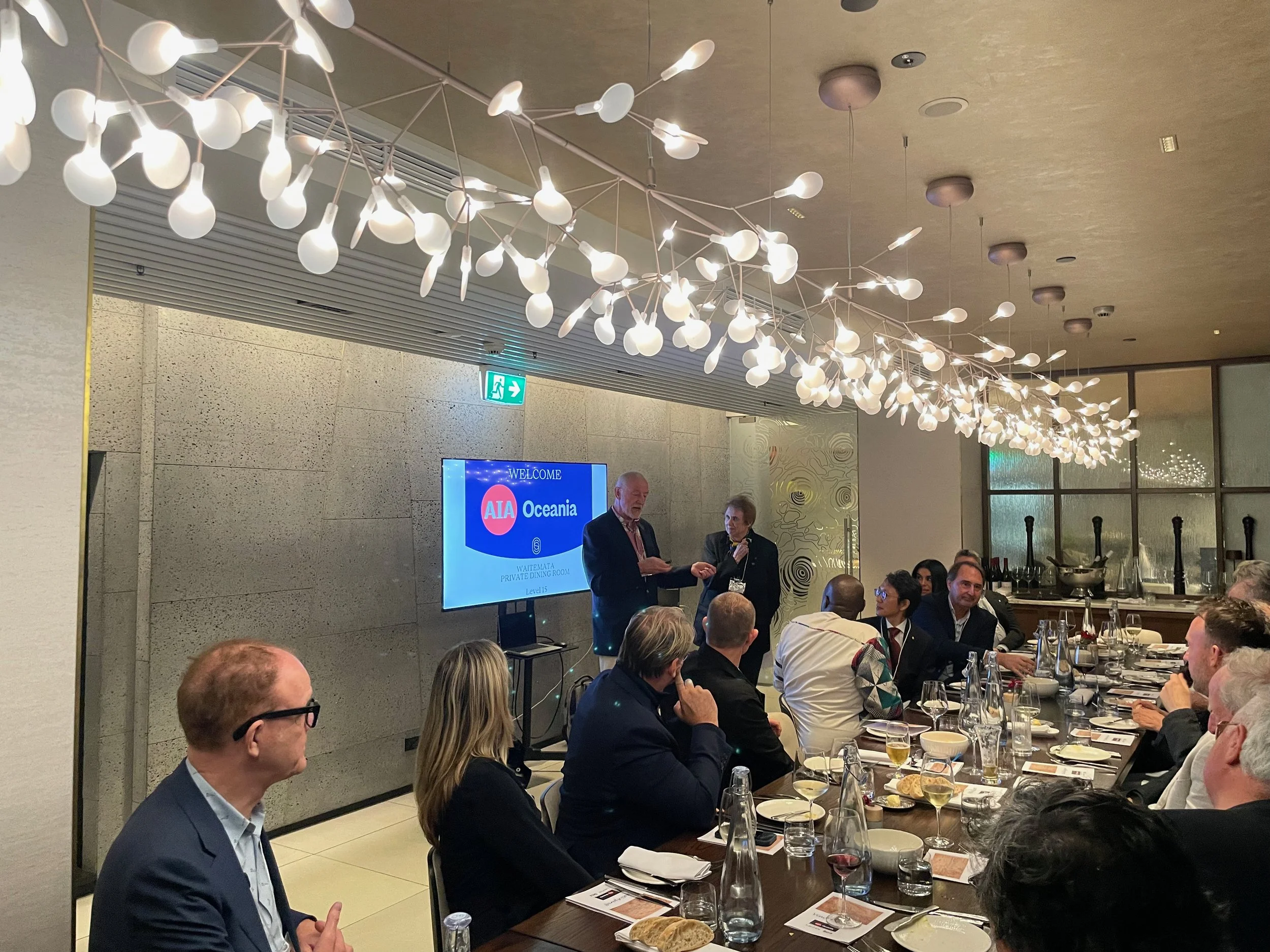
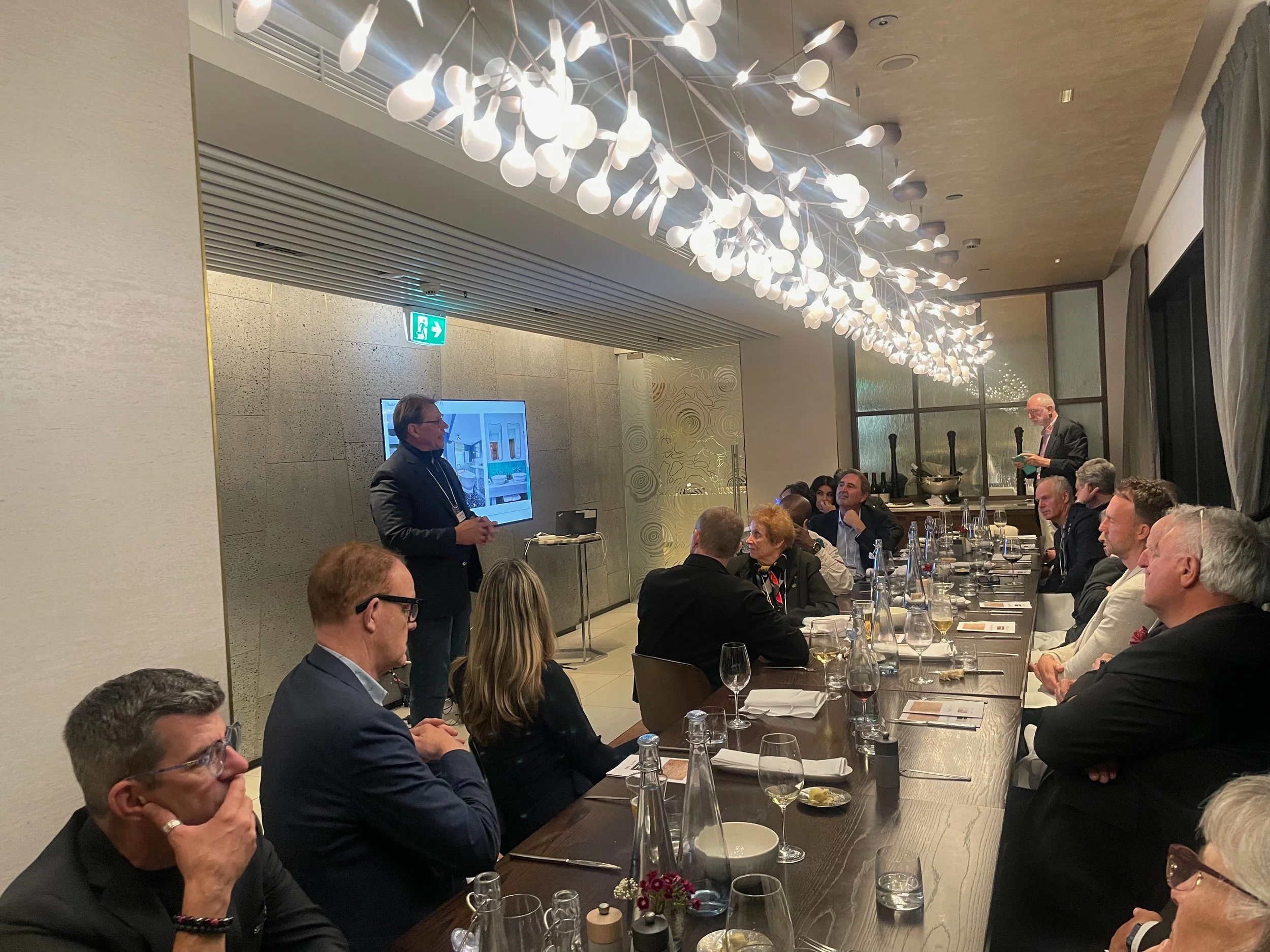
I would like to extend my sincere thanks to Louise Cox, Hon. FAIA, President of AIA Oceania; Janusz Giermanski, Intl. Assoc. AIA, Vice President of AIA Oceania; and Simon Wells, RAIA, Intl. Assoc. AIA, Secretary of AIA Oceania and AIA International Country Representative for Australia, for their support, hospitality, and leadership. In particular, Louise and Simon's generous support of the Emerging Architects Forum helped enable participation by students and young professionals from across the Pacific. Bringing together local leaders, emerging professionals, and AIA International members created a welcoming environment for meaningful conversations and strengthened relationships across the region.
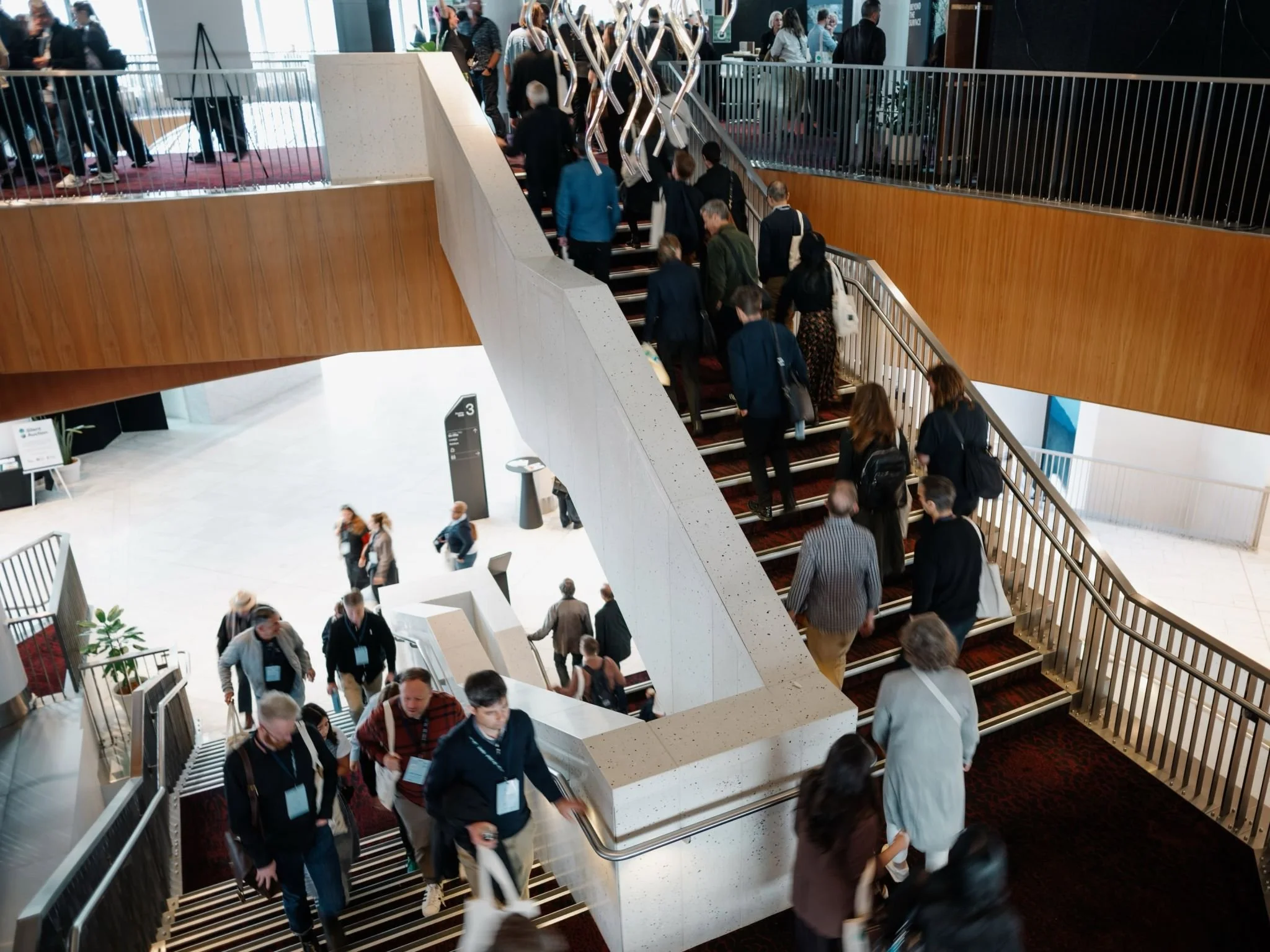
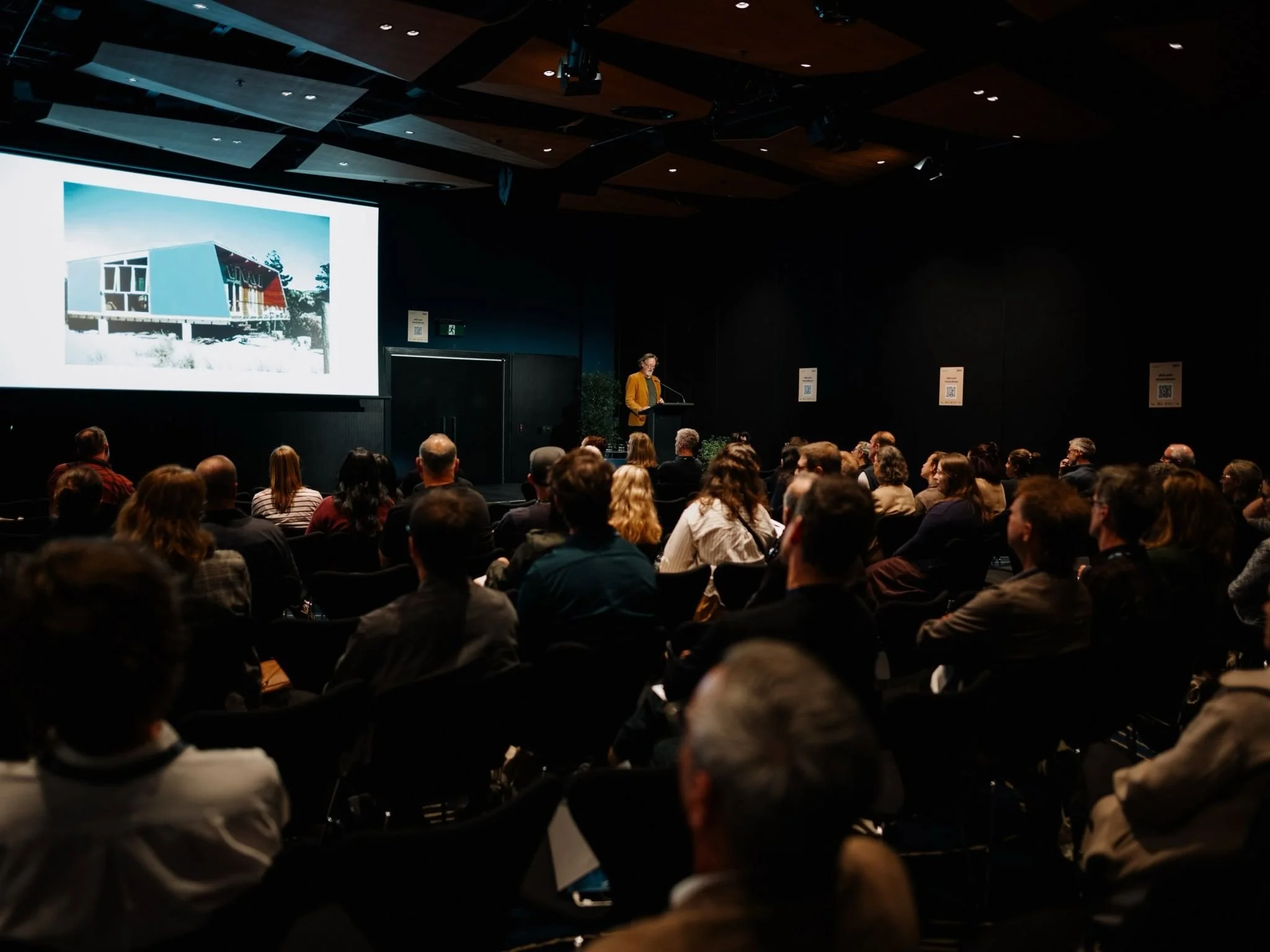
The visit also included engagement with the New Zealand Institute of Architects and members of the wider New Zealand architectural community. These conversations opened opportunities for future collaboration and reinforced the value of building relationships beyond our existing network.
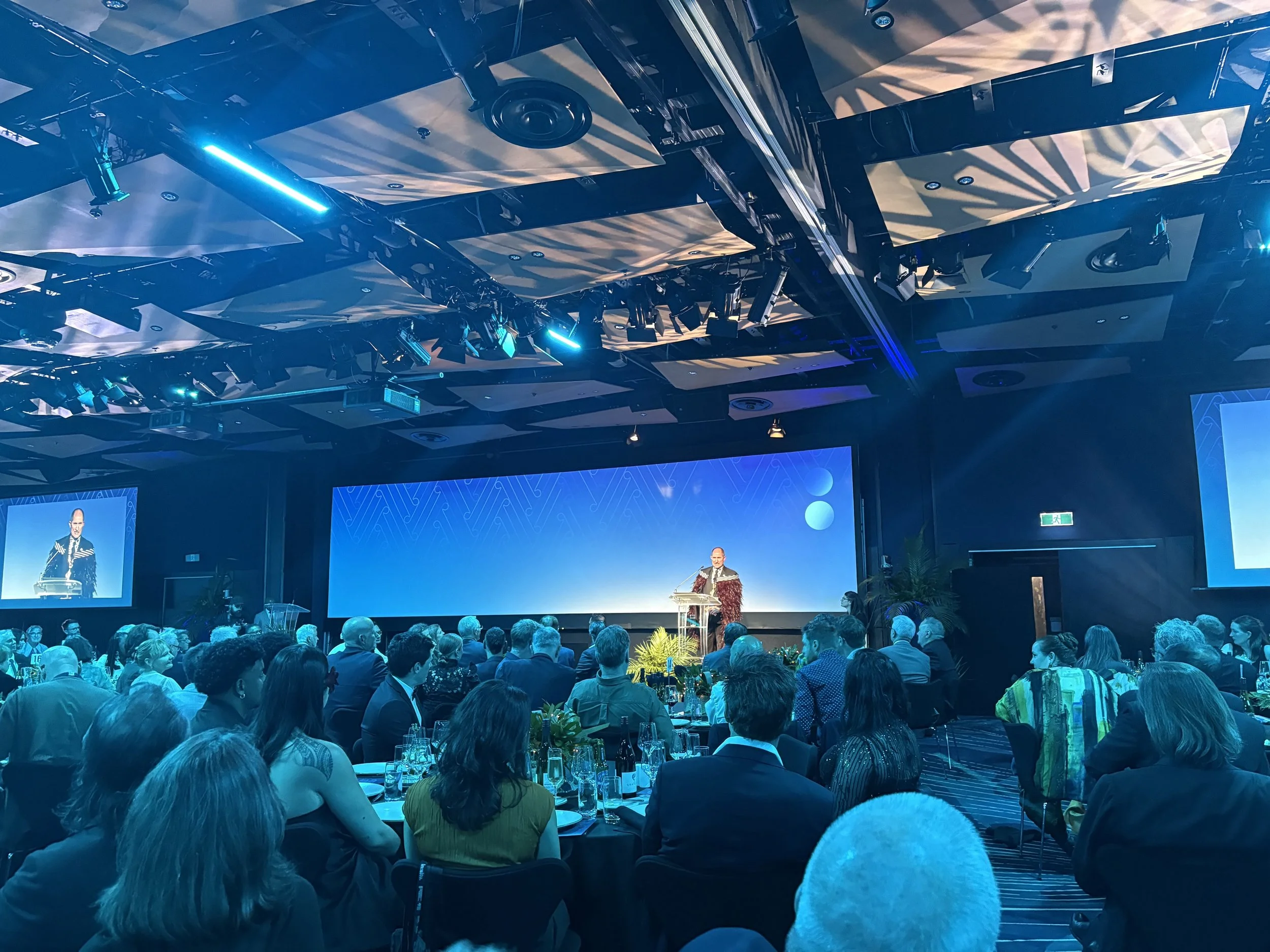
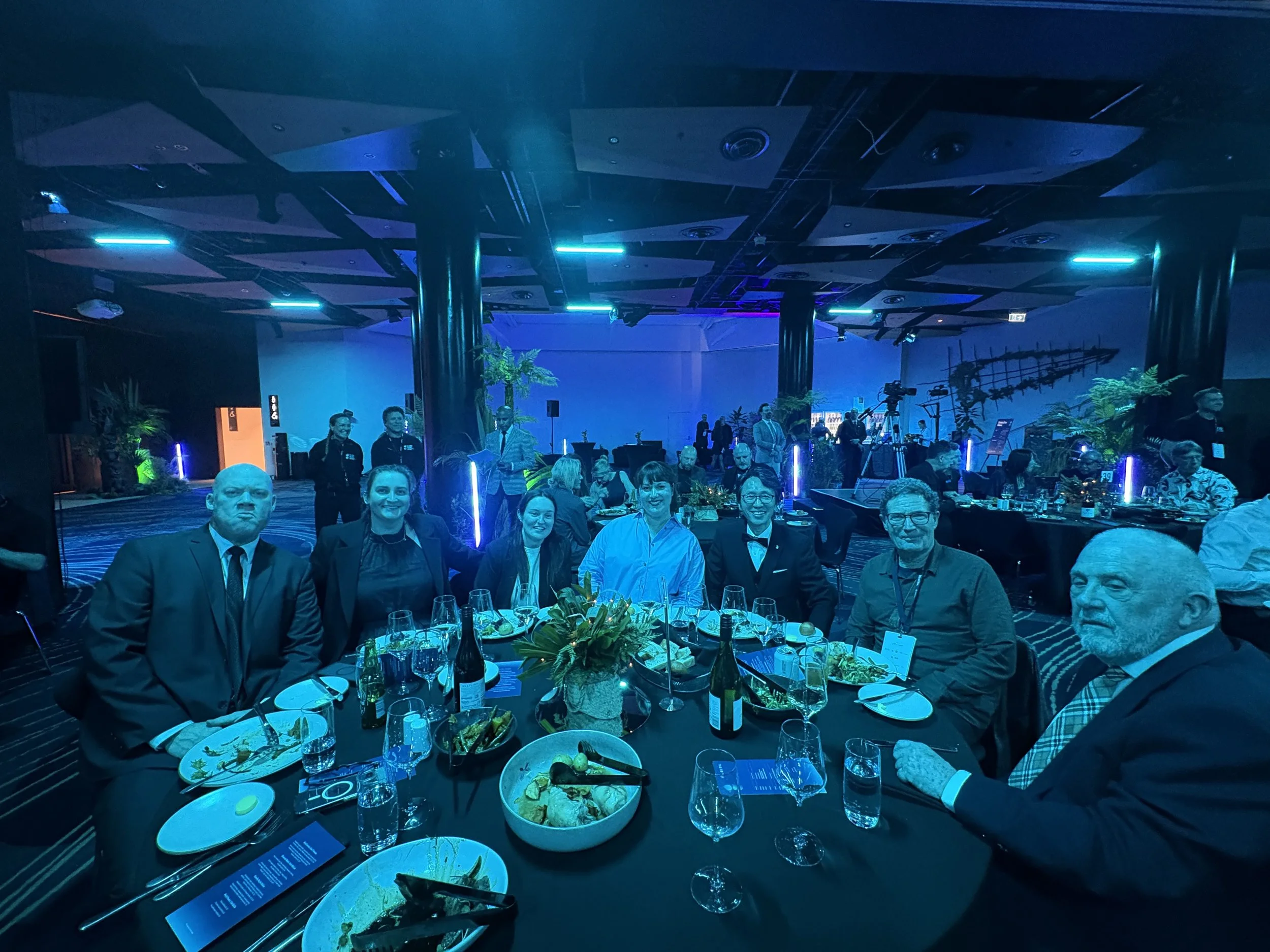
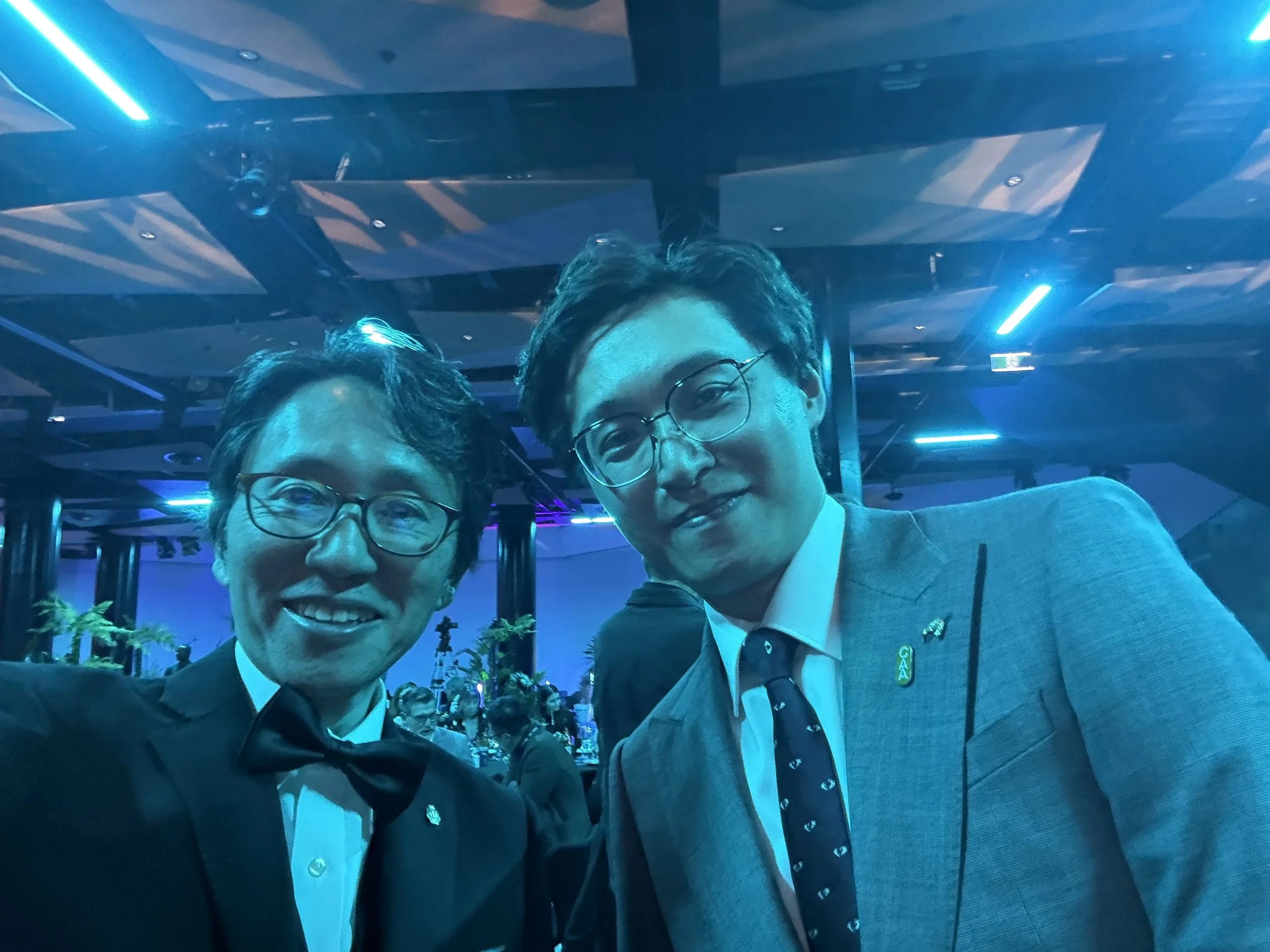
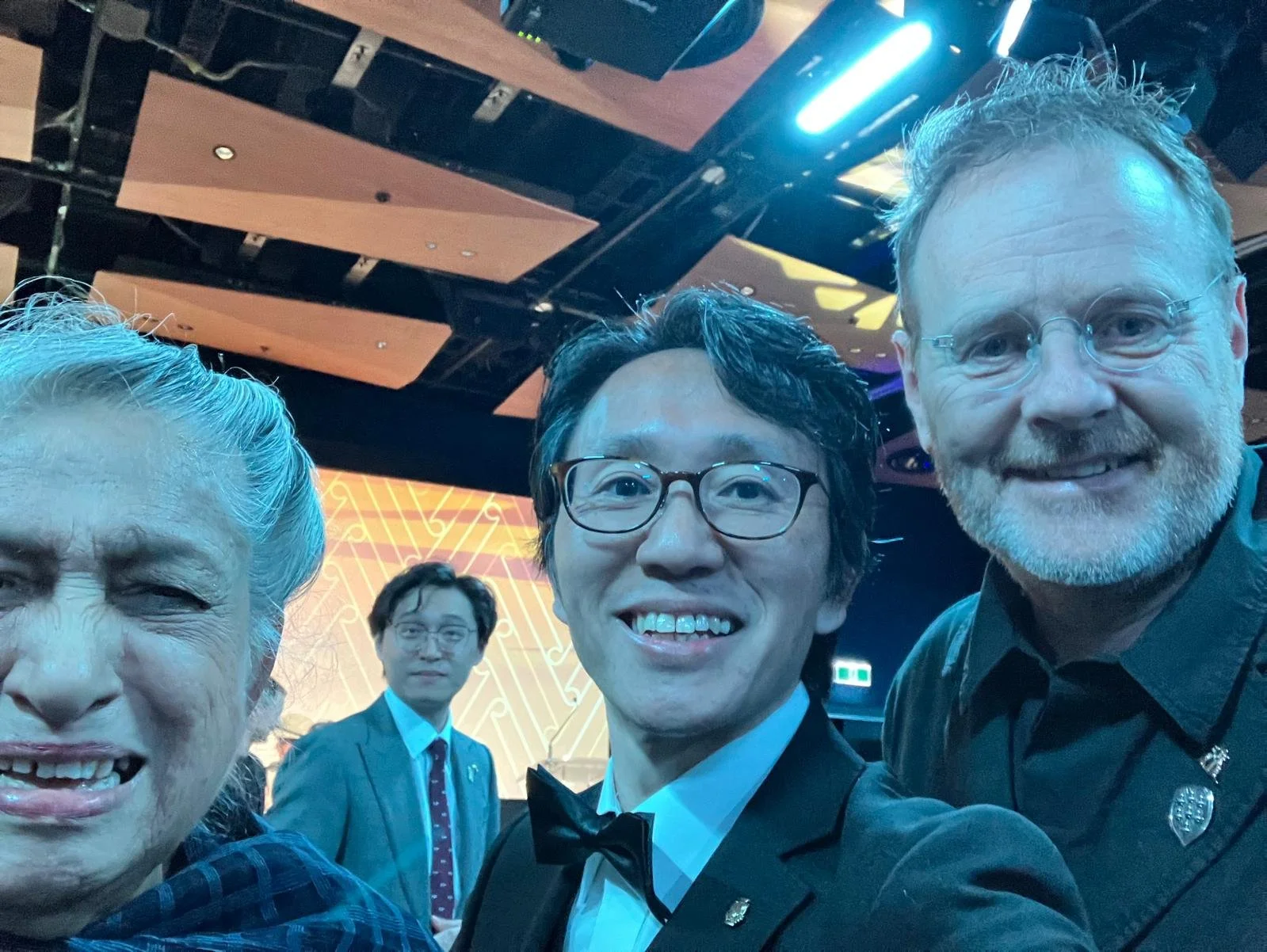
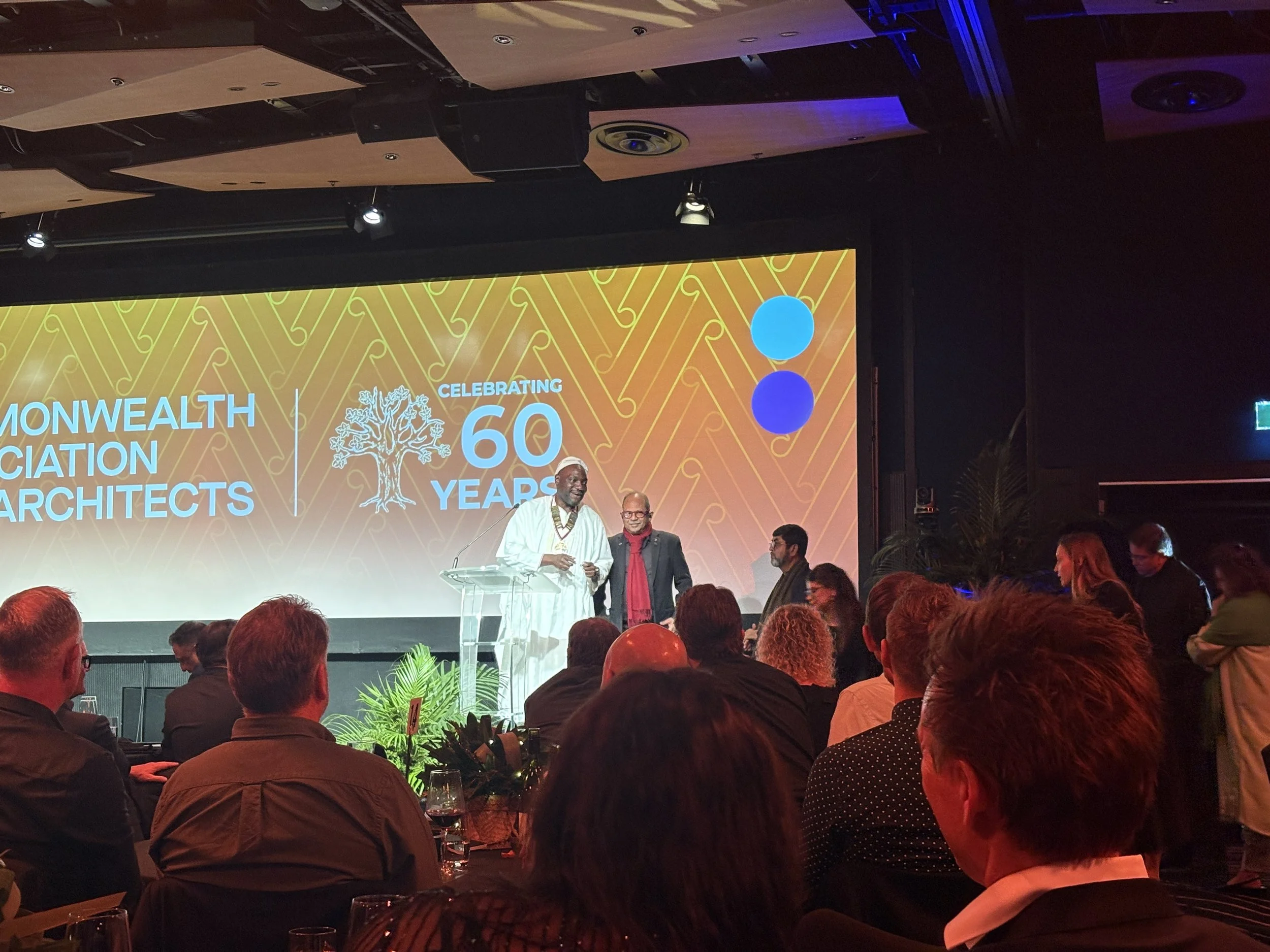
The conference concluded with the joint CAA-NZIA Awards Gala, attended by approximately 400 delegates, celebrating architectural excellence, environmental stewardship, and social responsibility throughout the Commonwealth. The award-winning projects showcased remarkable geographic diversity, highlighting architecture's contribution to addressing climate change, urbanization, and broader societal challenges across the Commonwealth.
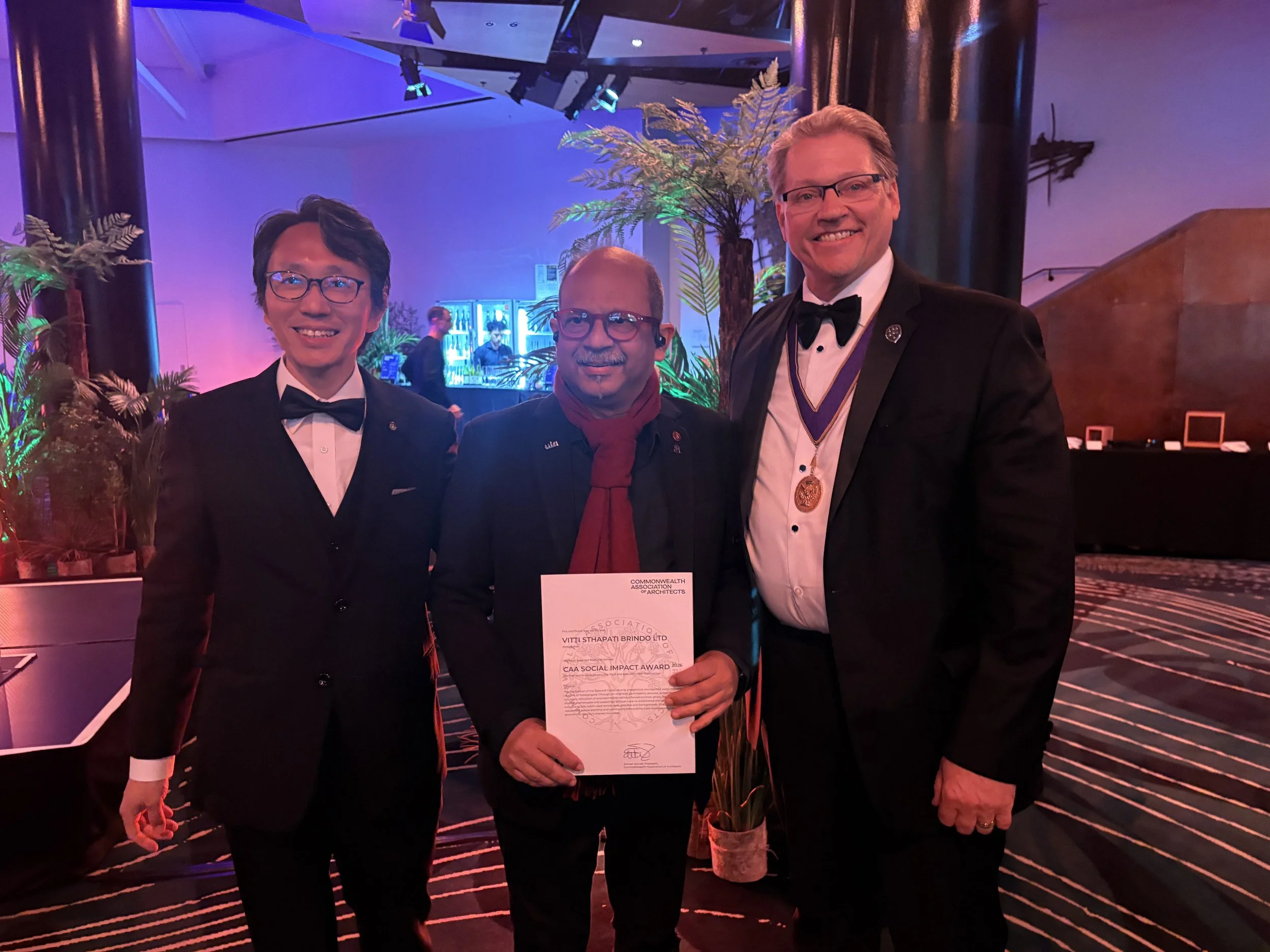
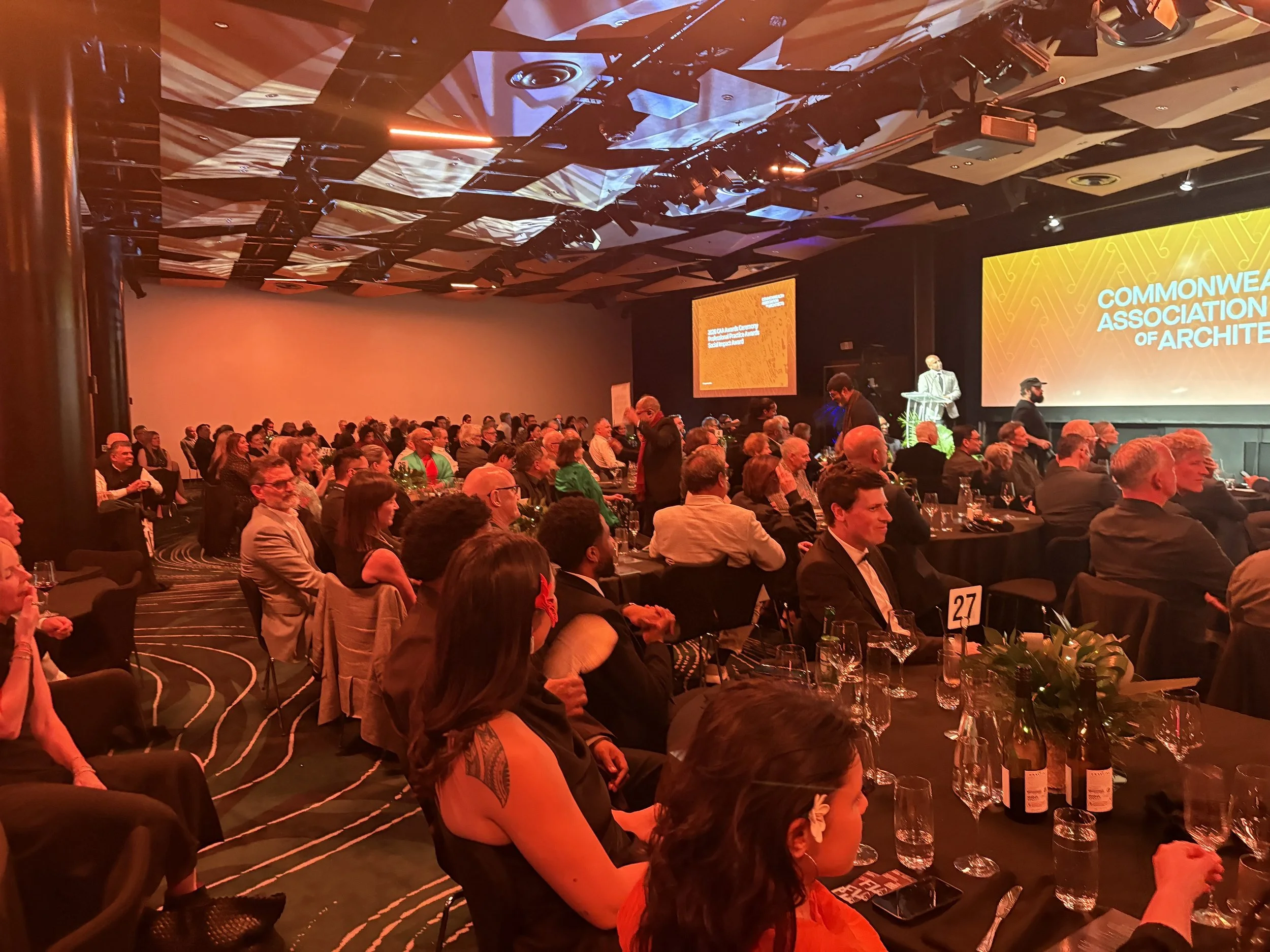
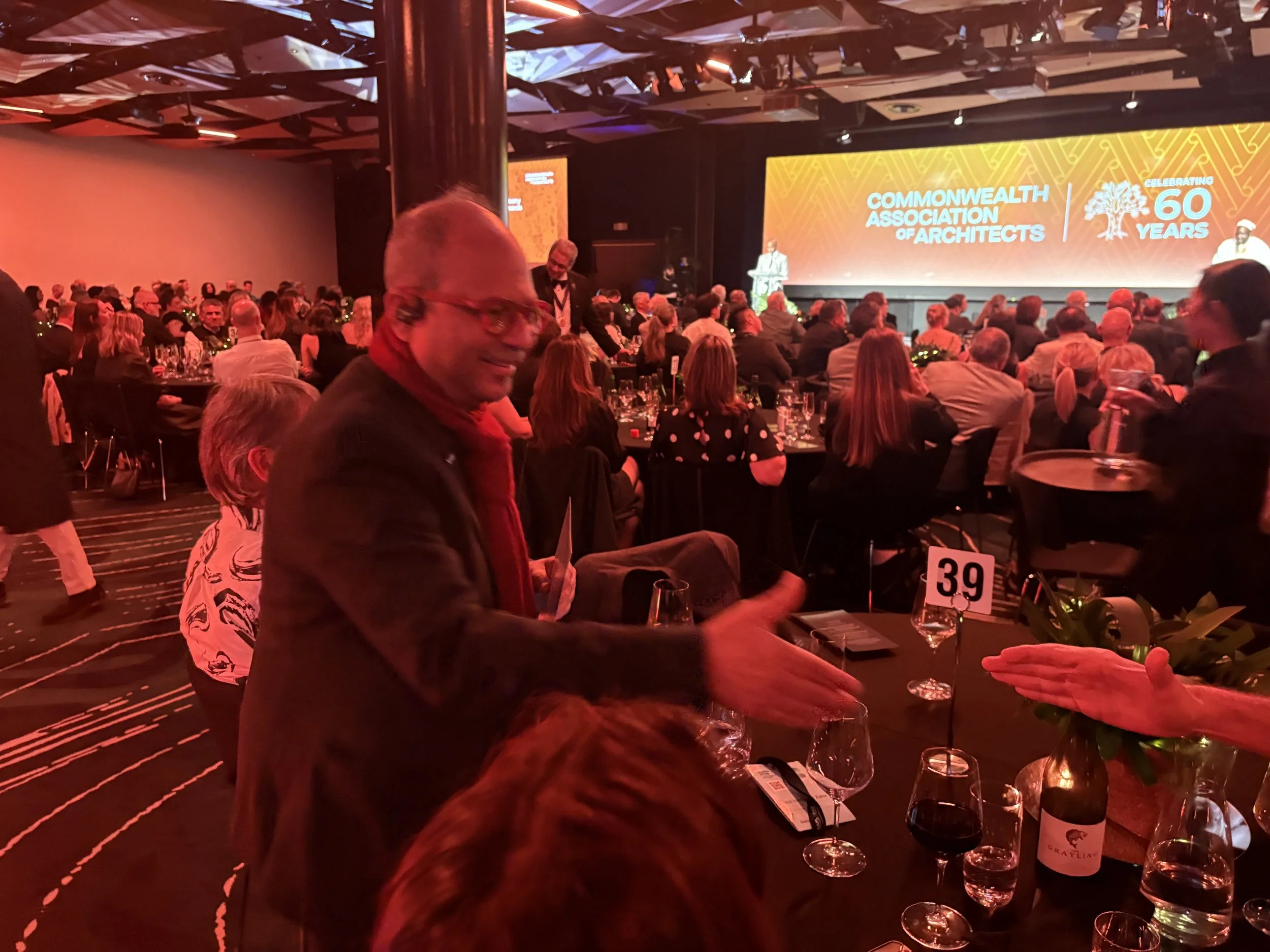
I would also like to recognize Ishtiaque Zahir Titas, AIA International Country Representative for Bangladesh and former UIA Vice President, whose firm's Baburail Canal Restoration and City Park projects received a Regional Award at the 2026 CAA Social Impact Awards. This achievement reflects the growing international impact of AIA International members and the important role they are playing in advancing architecture, urban regeneration, and community development.
For AIA International, these engagements were about more than participating in international events. They provided opportunities to strengthen relationships, increase awareness of AIA International, support the continued growth of AIA Oceania, and expand our connections throughout the Commonwealth network. As we continue building our presence across Oceania, these partnerships will play an important role in fostering future collaboration, member engagement, leadership development, and long-term growth.
ARCASIA Forum
September 10-13, 2026 | Jaipur, India
Following Auckland, I continued to Jaipur, India, to participate in Forum 23 of the Architects Regional Council Asia (ARCASIA), another important opportunity to strengthen AIA International's relationships across Asia and expand our presence within one of the world's most dynamic architectural regions.
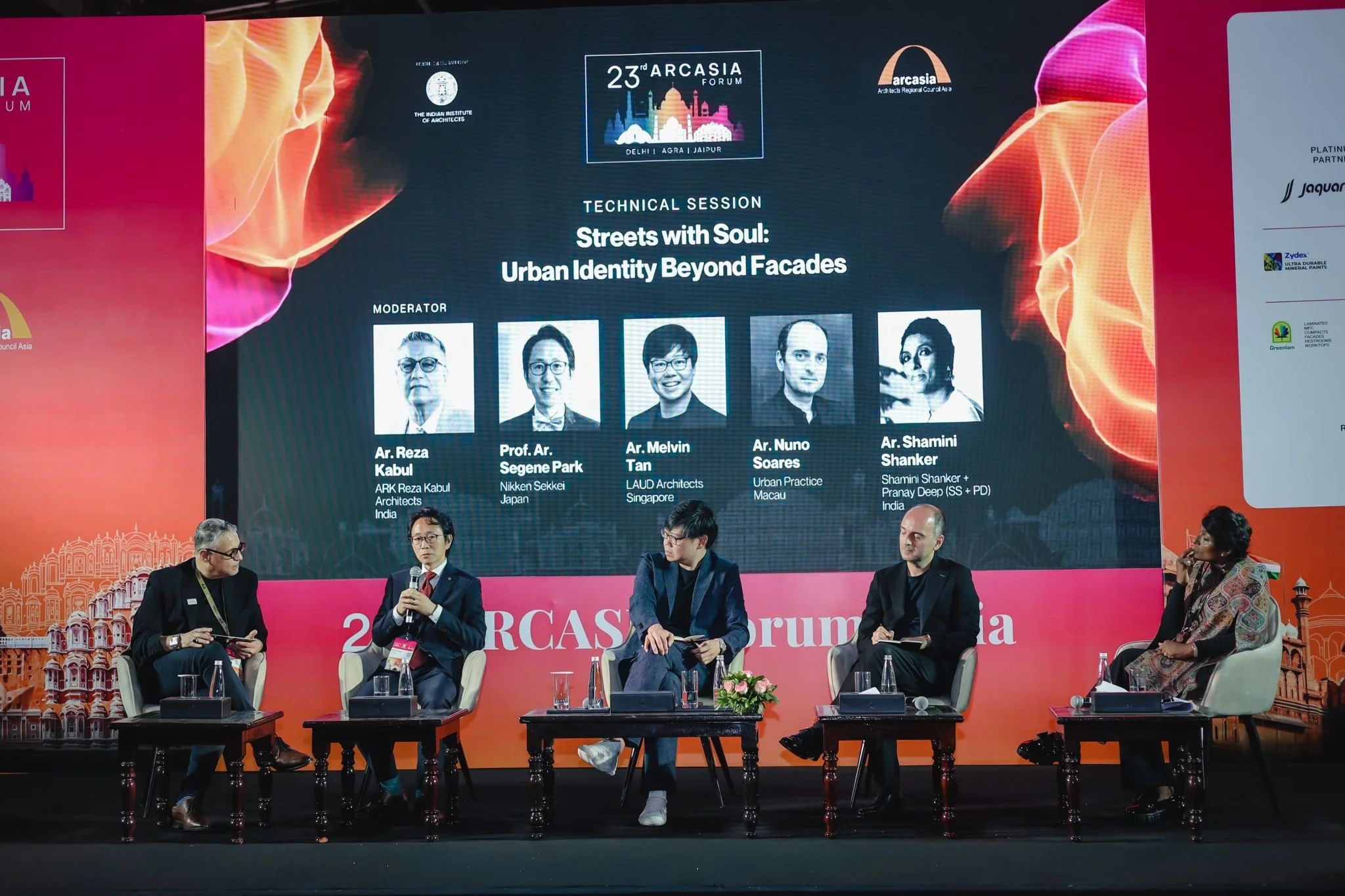
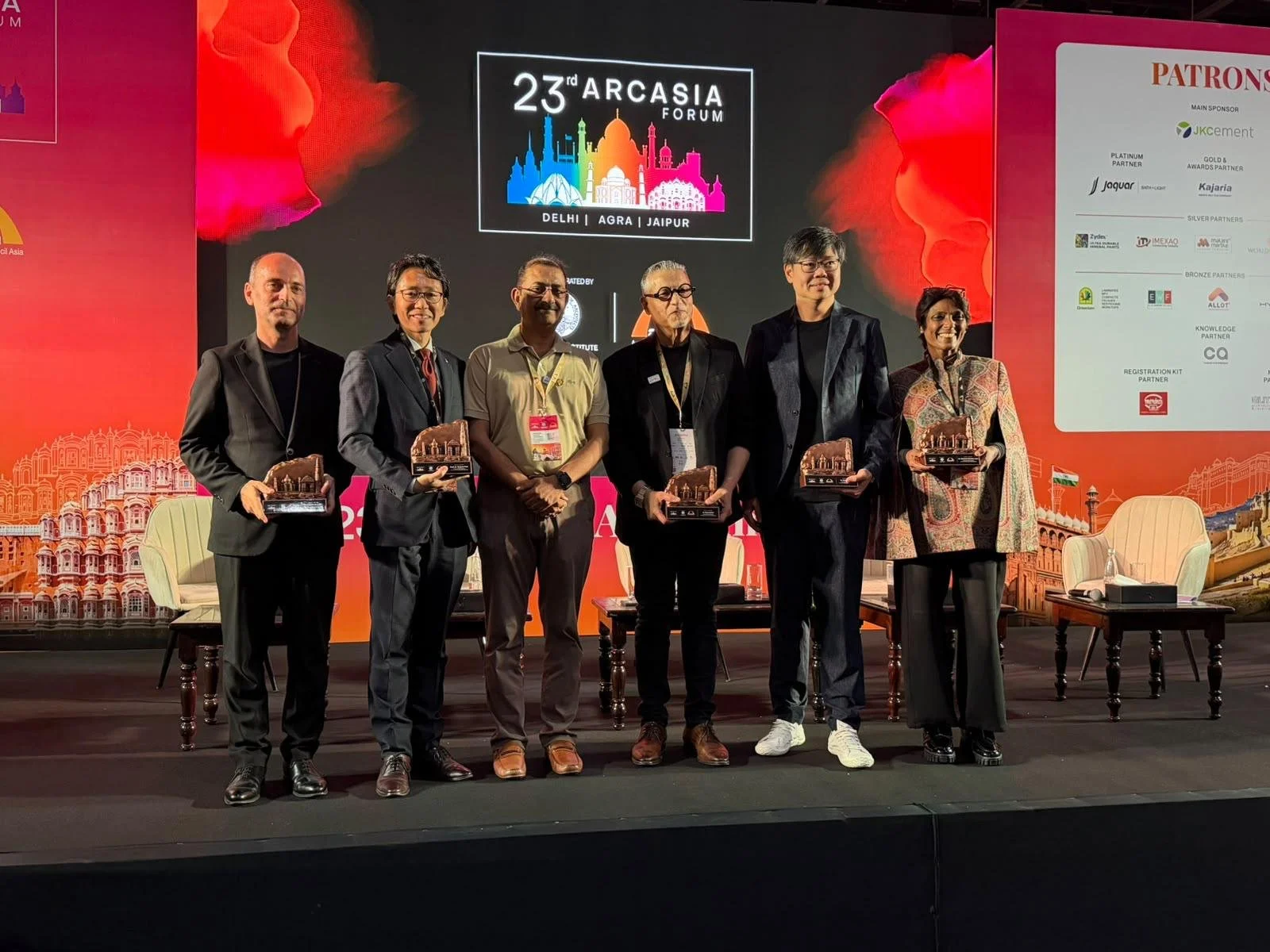
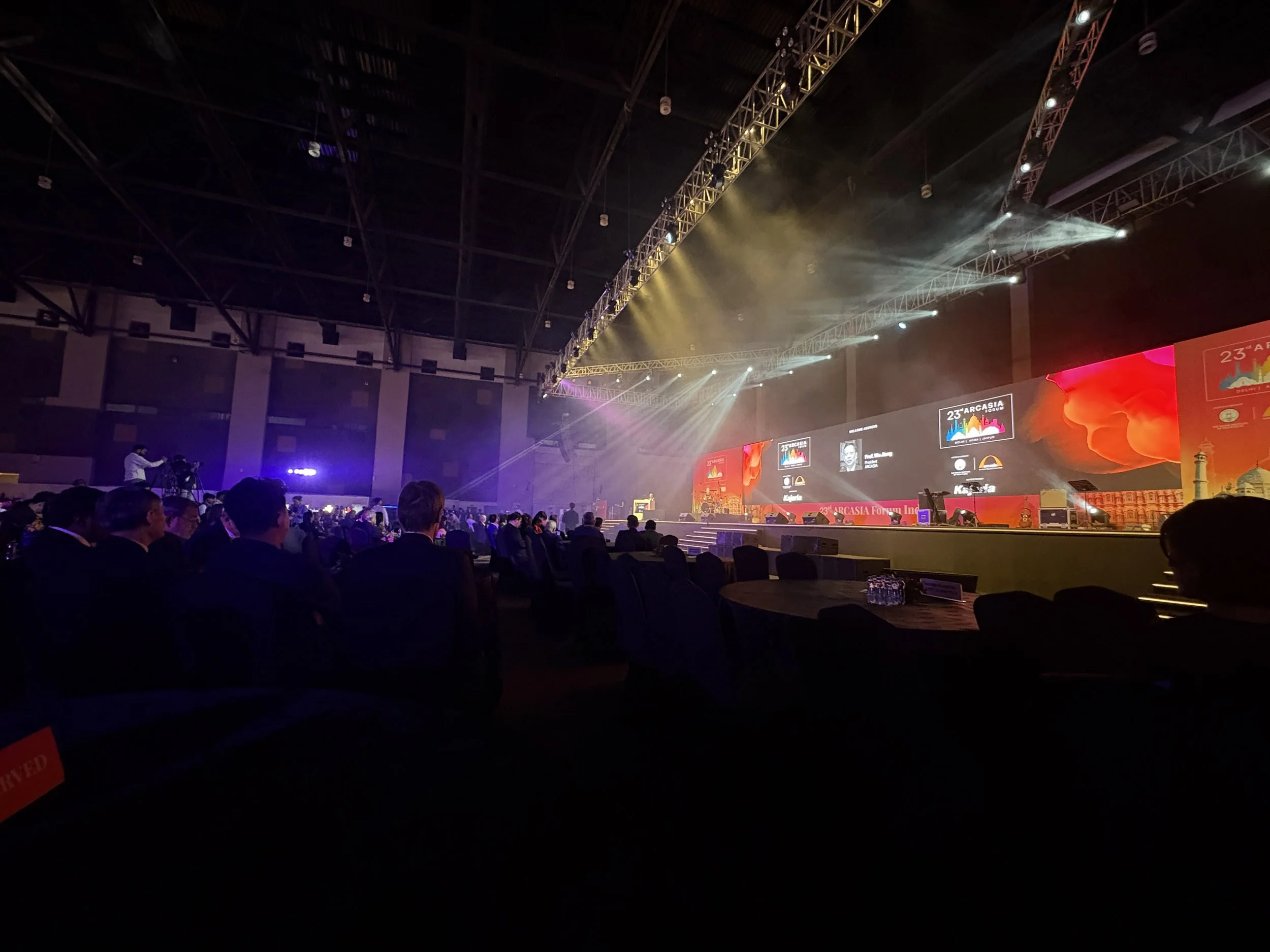
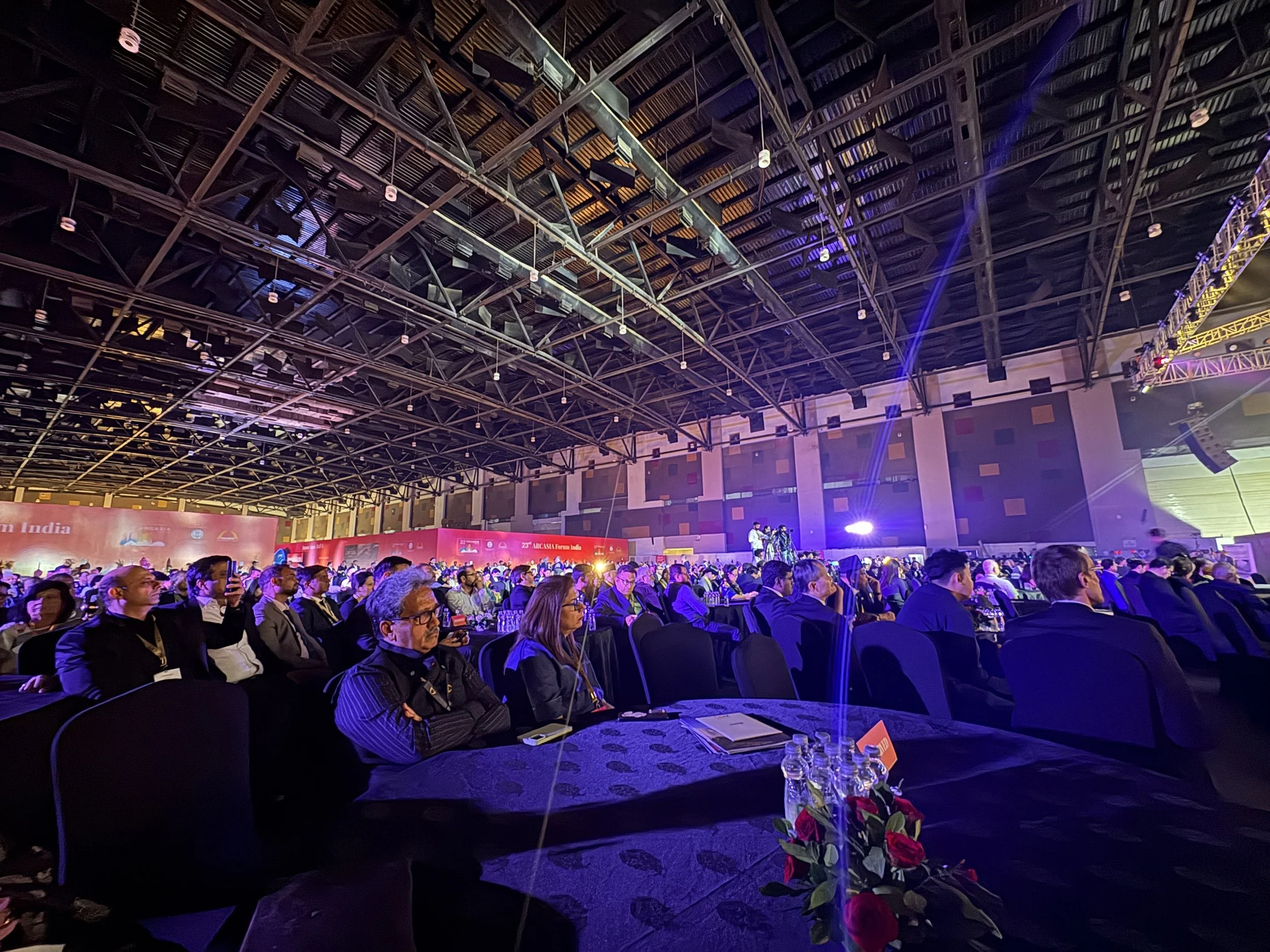
As a speaker and panelist in Streets with Soul, representing AIA International, I shared perspectives on urban design and placemaking while engaging with architects and industry leaders from throughout the region. Drawing on experience across international contexts, I emphasized that successful public spaces emerge from the relationship between people and place, shaped by local culture, memory, climate, and everyday life. I also discussed four principles for creating meaningful urban environments: connect, stay, layer, and belong. Beyond the formal program, the Forum provided an invaluable opportunity to reconnect with professional colleagues and long-standing friends across Asia.
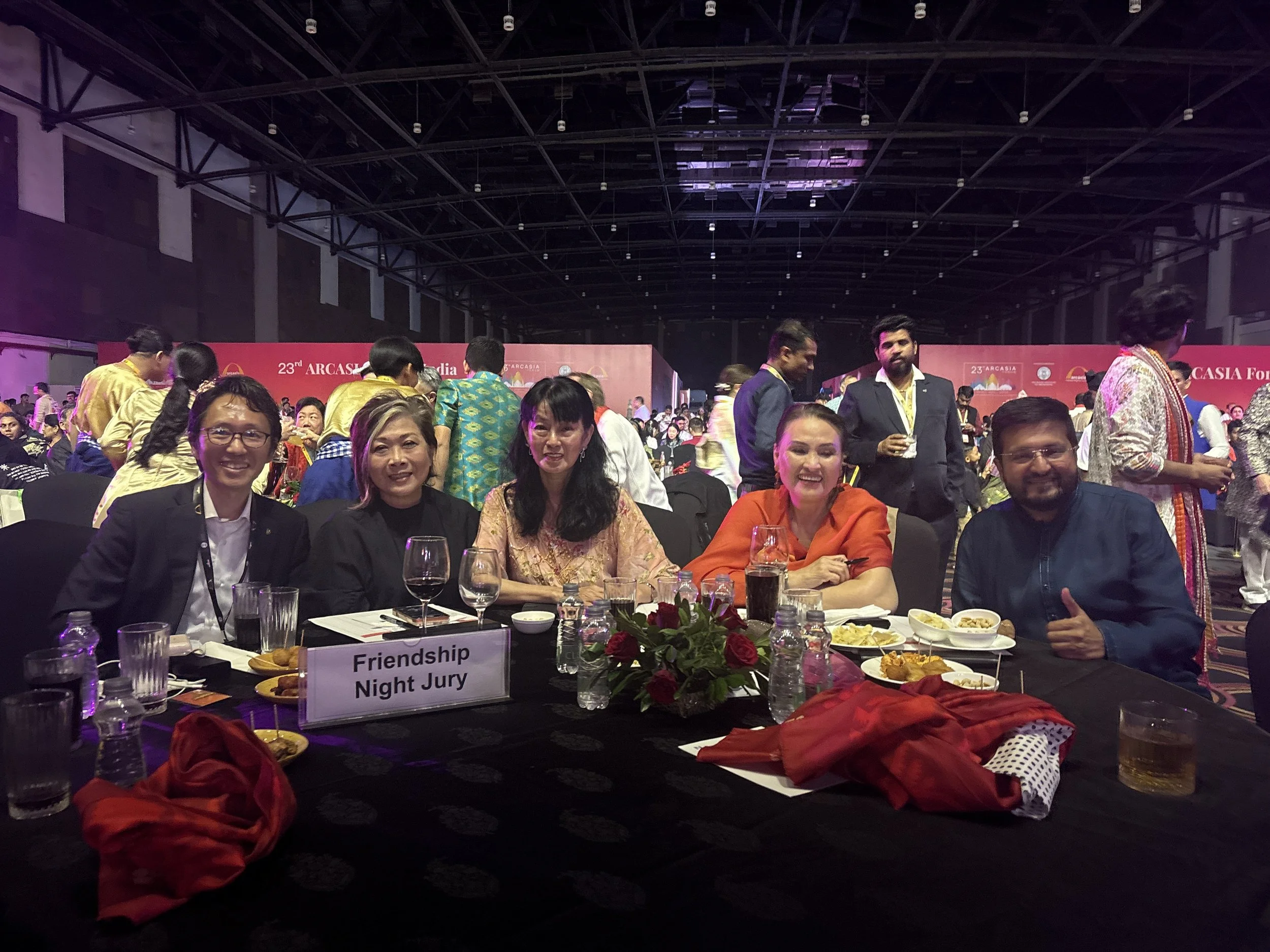
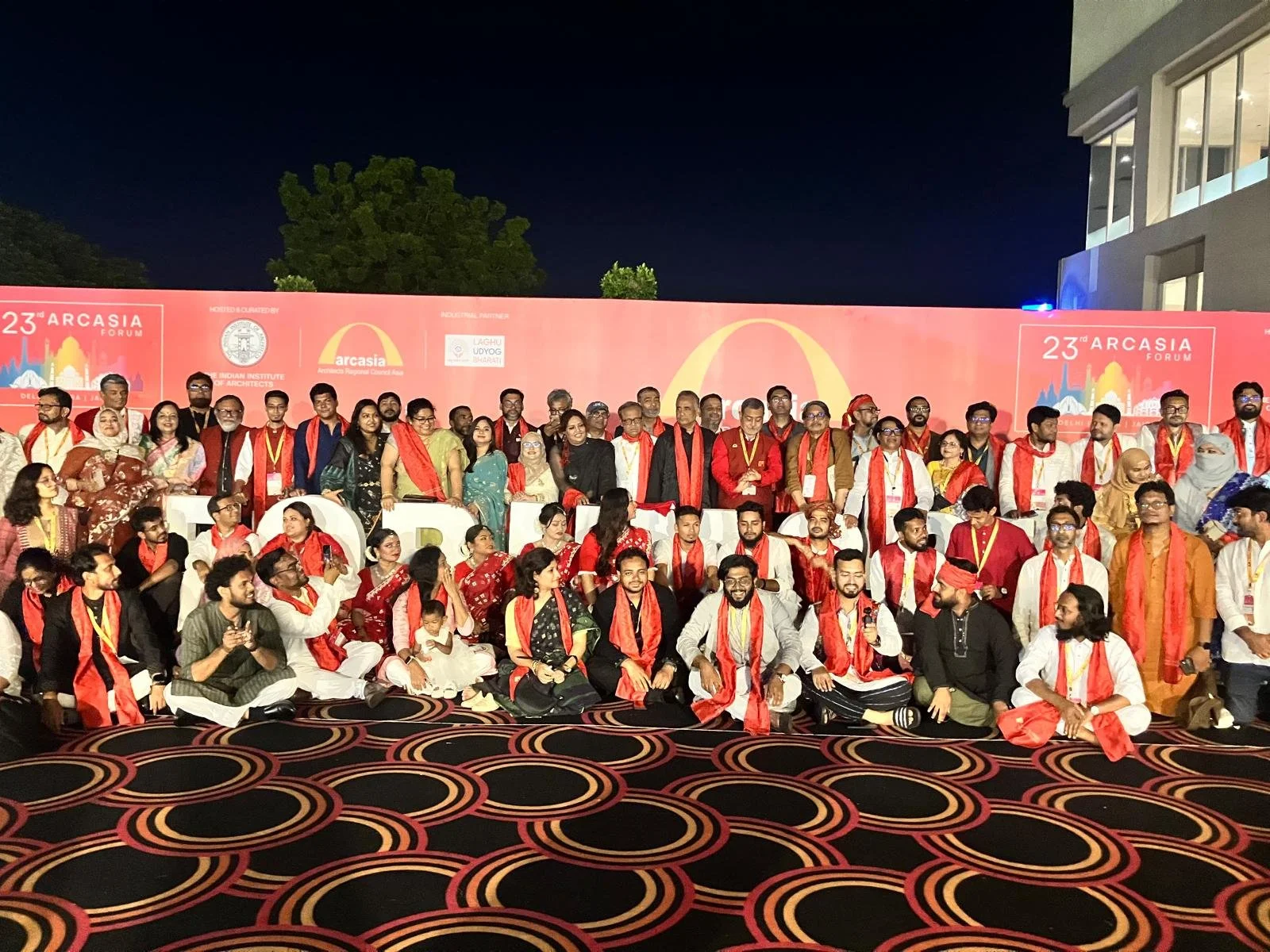
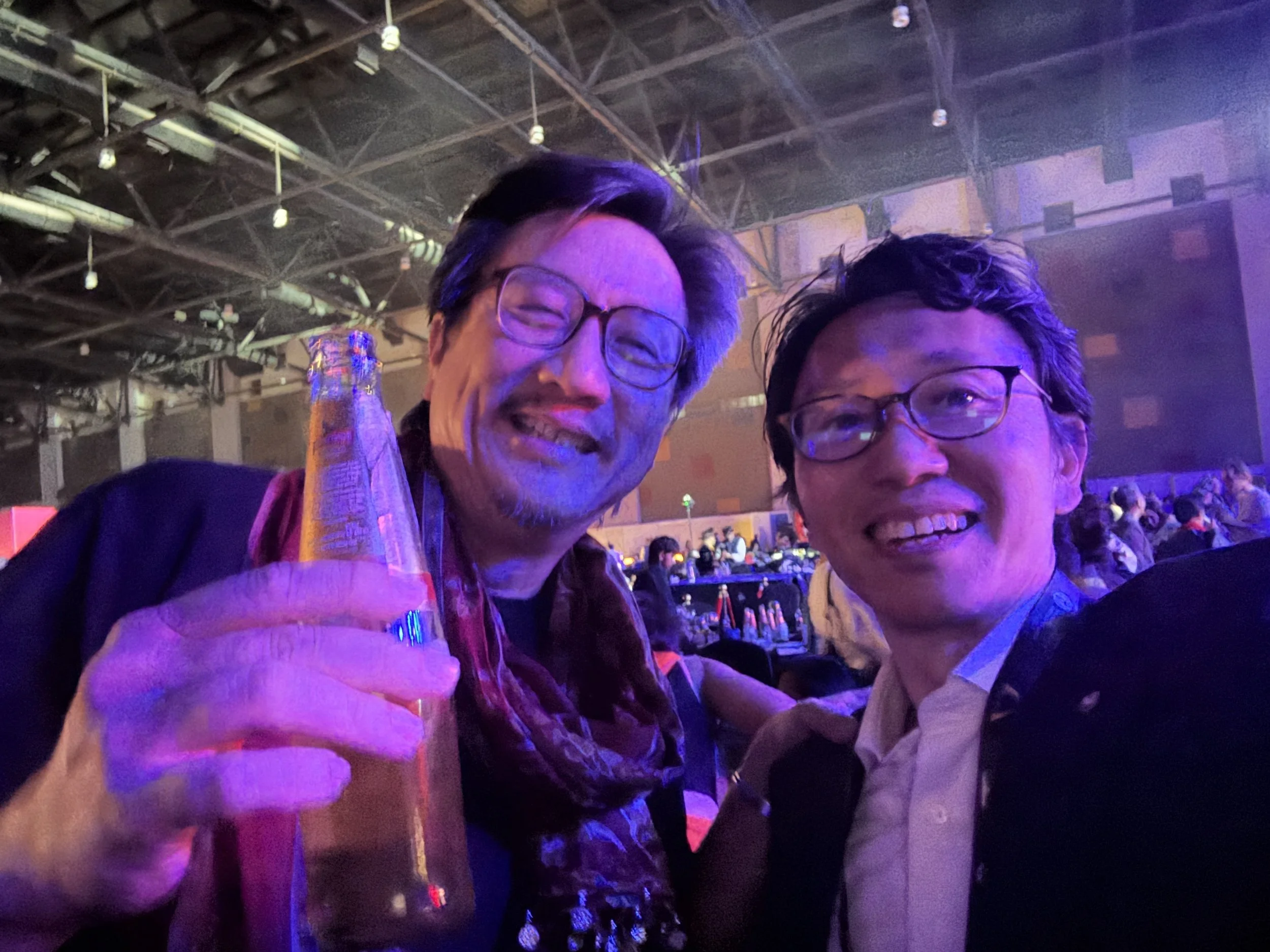
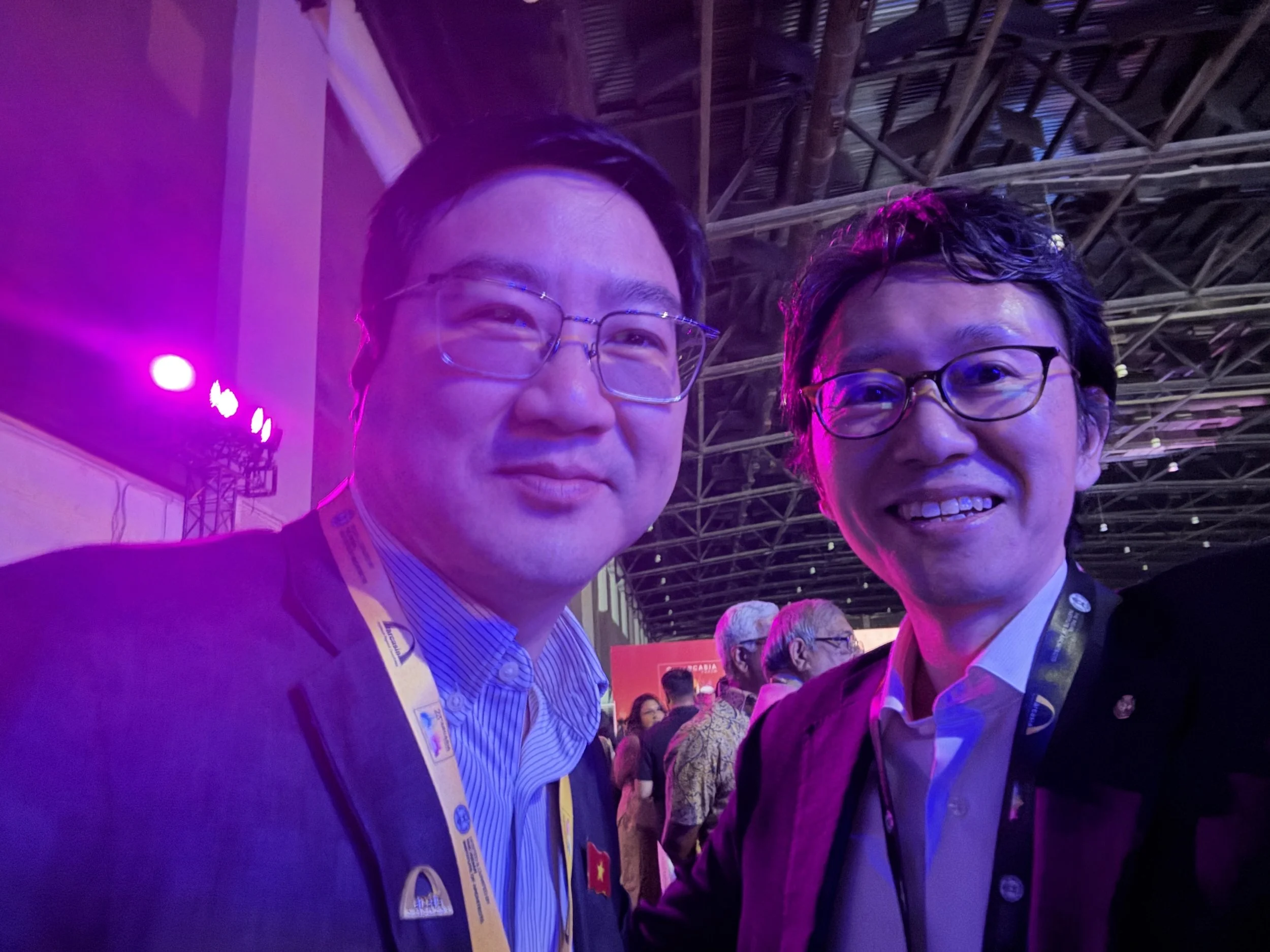
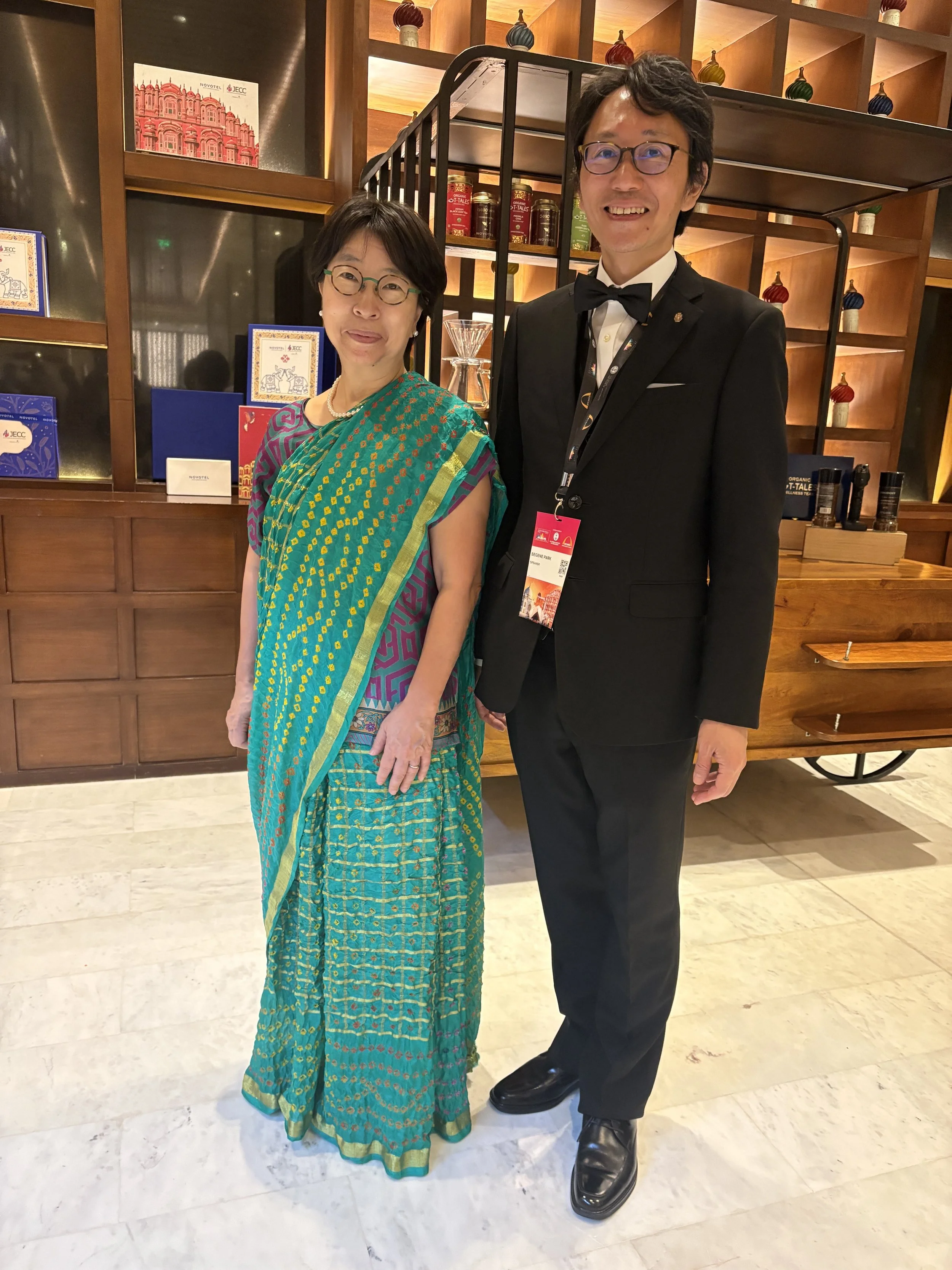
I was especially pleased to reconnect with current and former leaders of allied architectural organizations across East and Southeast Asia, including the Singapore Institute of Architects (SIA), Malaysian Institute of Architects (PAM), Vietnam Association of Architects (VAA), Union of Mongolian Architects (UMA), Architects Association of Macau (AAM), Hong Kong Institute of Architects (HKIA), Japan Institute of Architects (JIA), Korea Institute of Registered Architects (KIRA), Architectural Society of China (ASC), and the United Architects of the Philippines (UAP). Many of these relationships have been developed over years of collaboration, and they continue to create opportunities for knowledge exchange, professional partnerships, and regional cooperation.
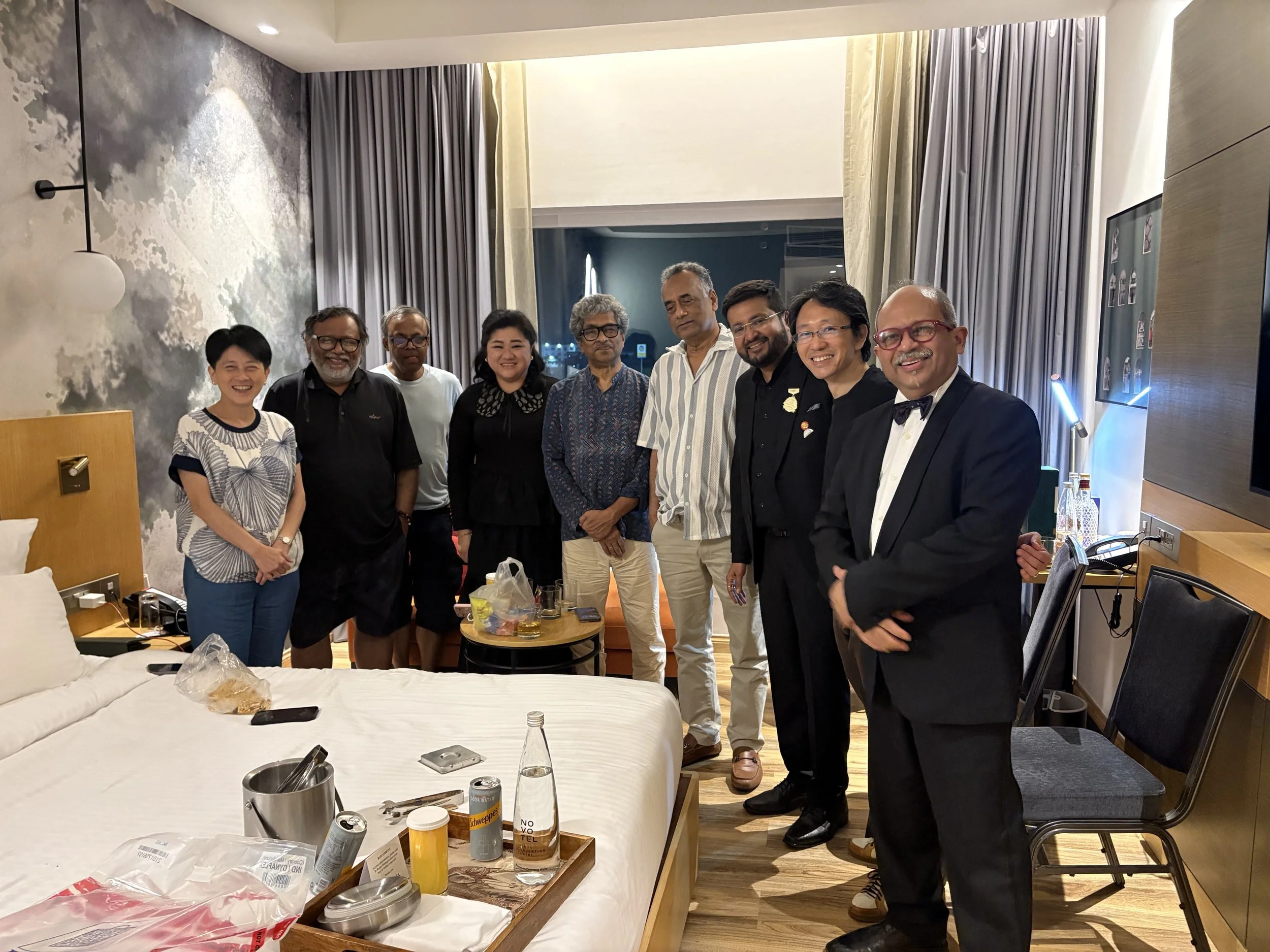
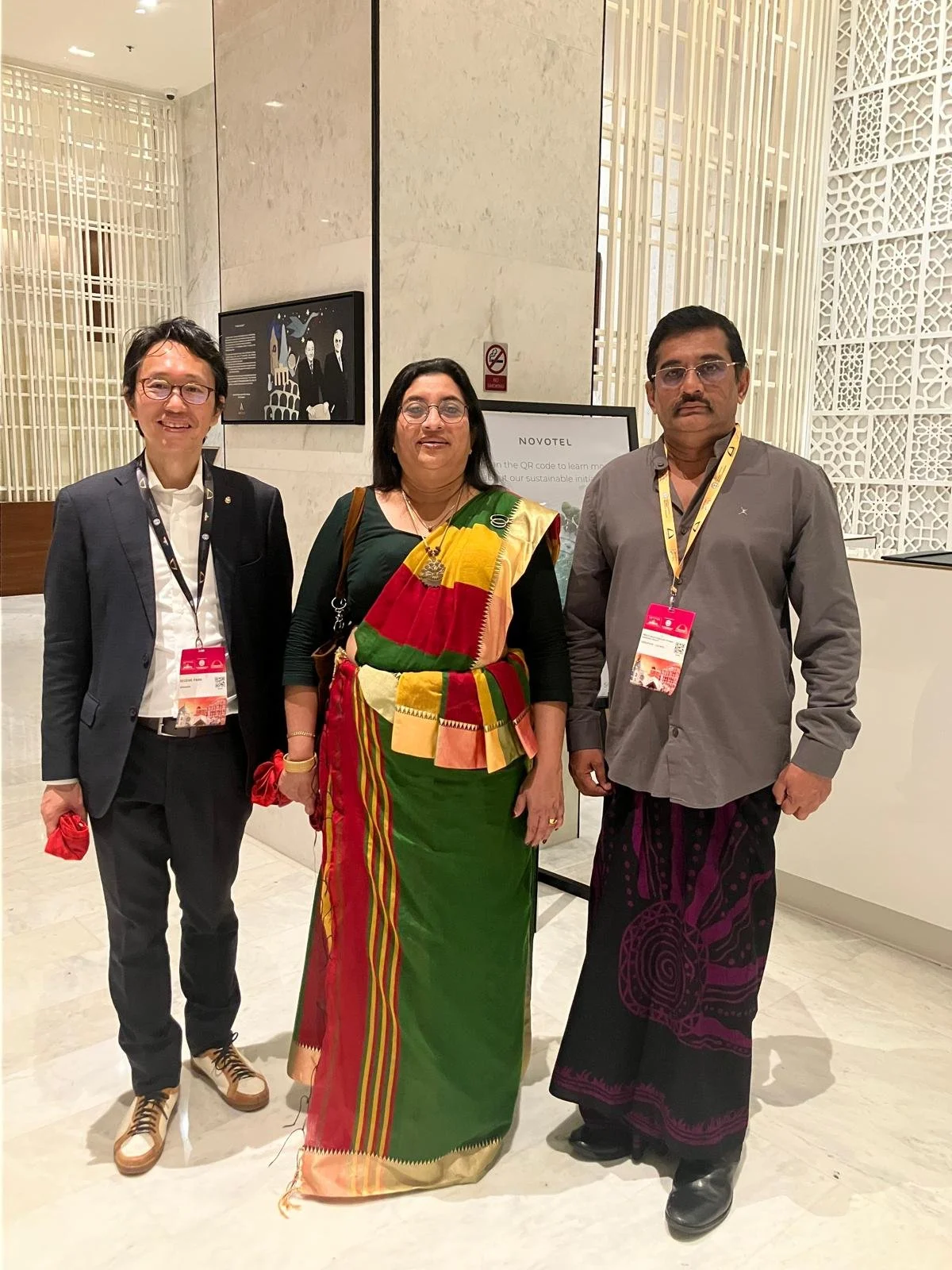
Equally important was the opportunity to spend meaningful time with architectural leaders from South Asia, including the Indian Institute of Architects (IIA), Institute of Architects Bangladesh (IAB), Society of Nepalese Architects (SONA), Sri Lanka Institute of Architects (SLIA), and the Institute of Architects Pakistan (IAP). As AIA International moves forward with the establishment of our new South Asia Section, these conversations reinforced both professional and personal relationships that will be essential to building a strong and sustainable presence throughout the region.
The Forum was also a valuable opportunity to reconnect with current and former ARCASIA Presidents and leaders from across Asia, reinforcing AIA International's relationships with one of the world's most influential regional architectural networks. These personal and professional connections provide an important foundation for future collaboration among our allied organizations and create new opportunities for our members.
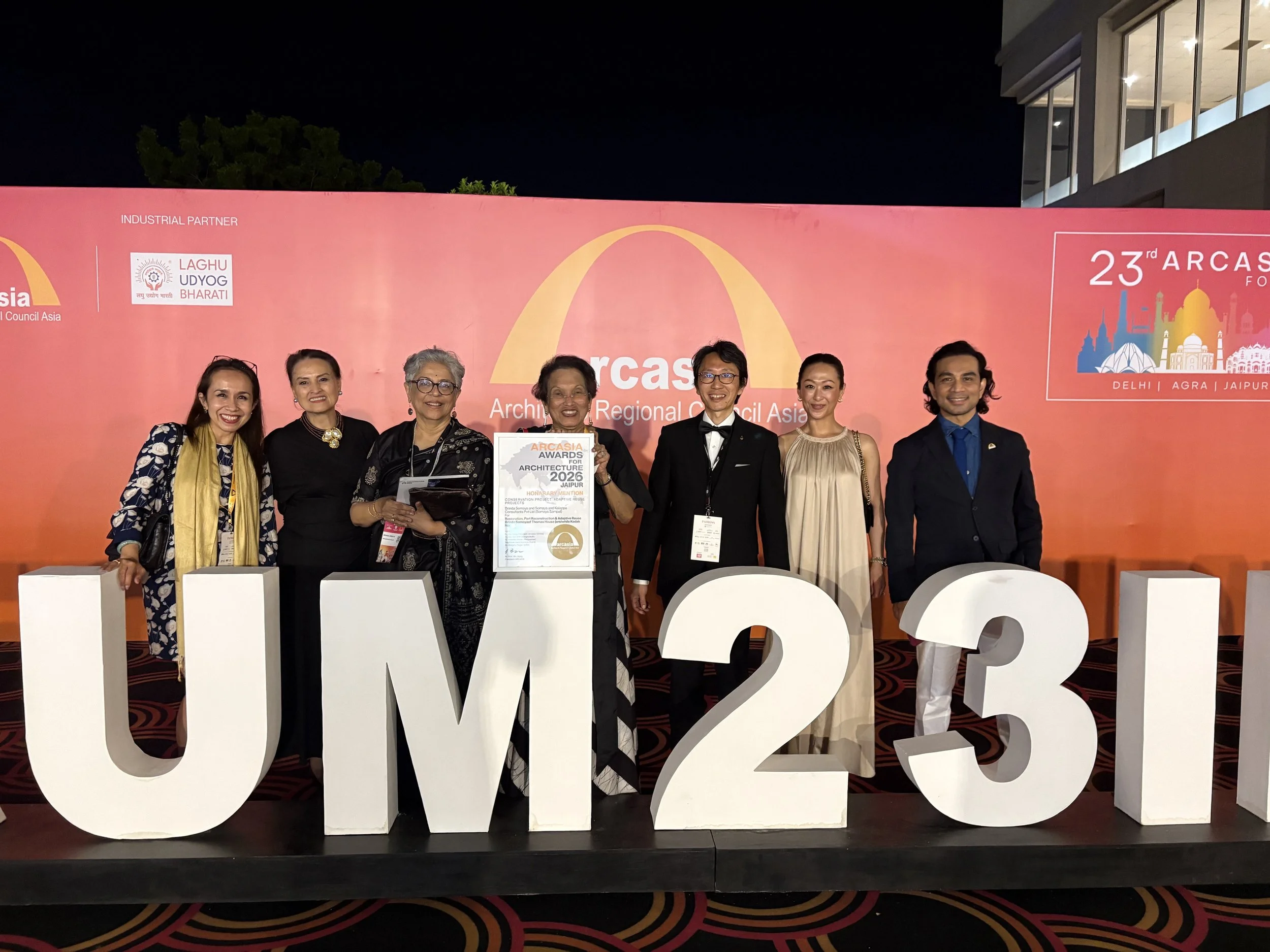
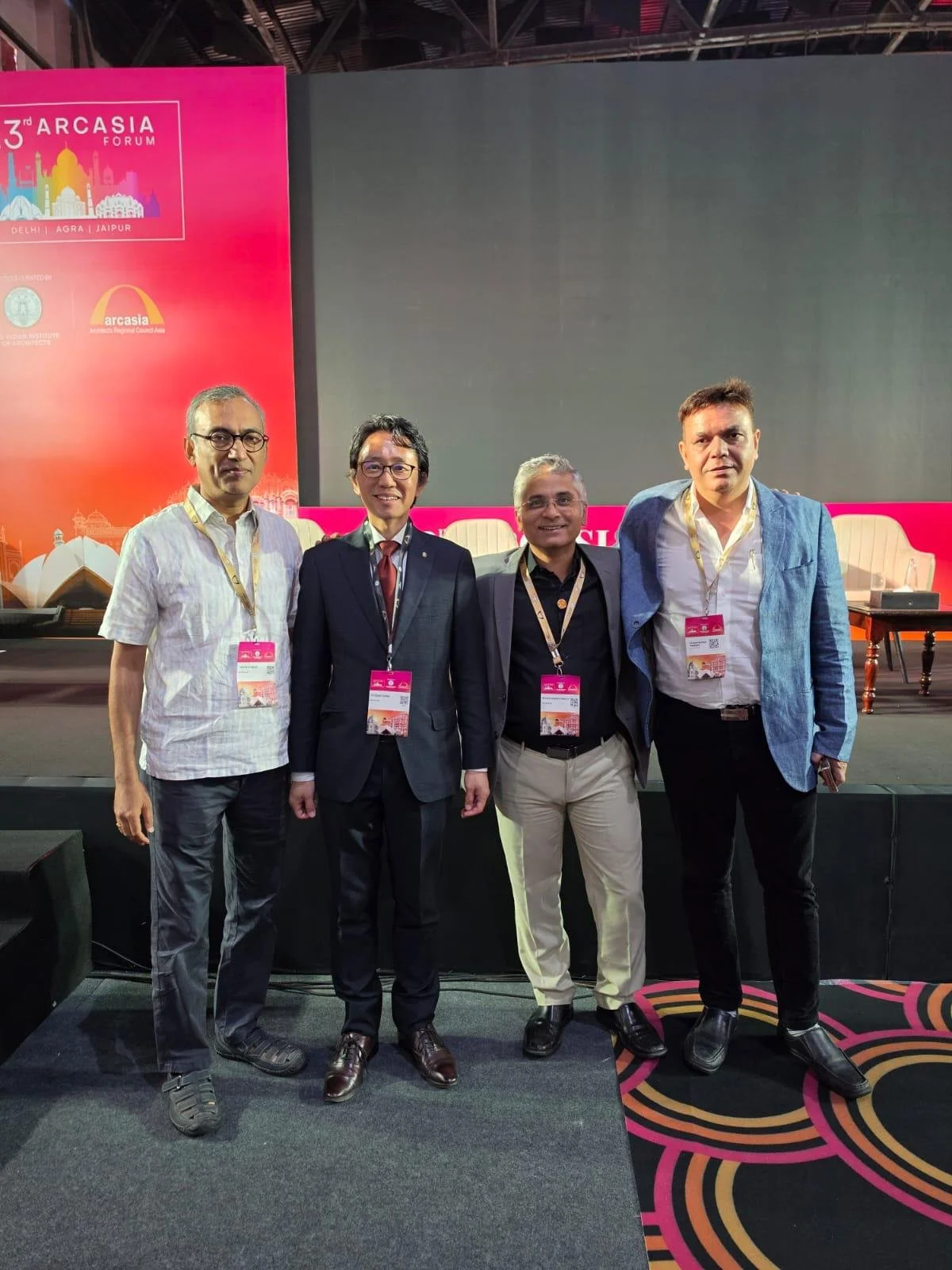
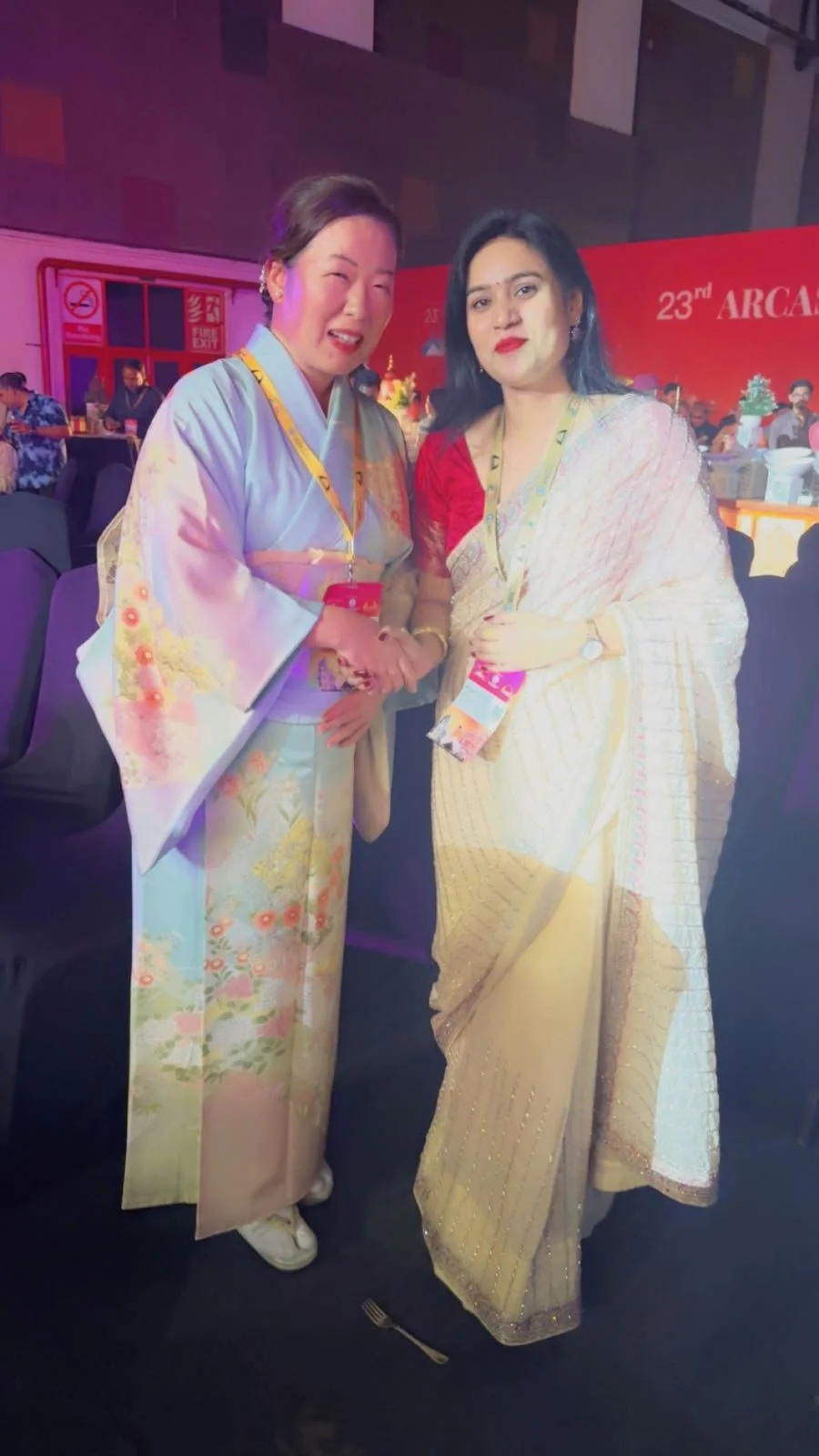
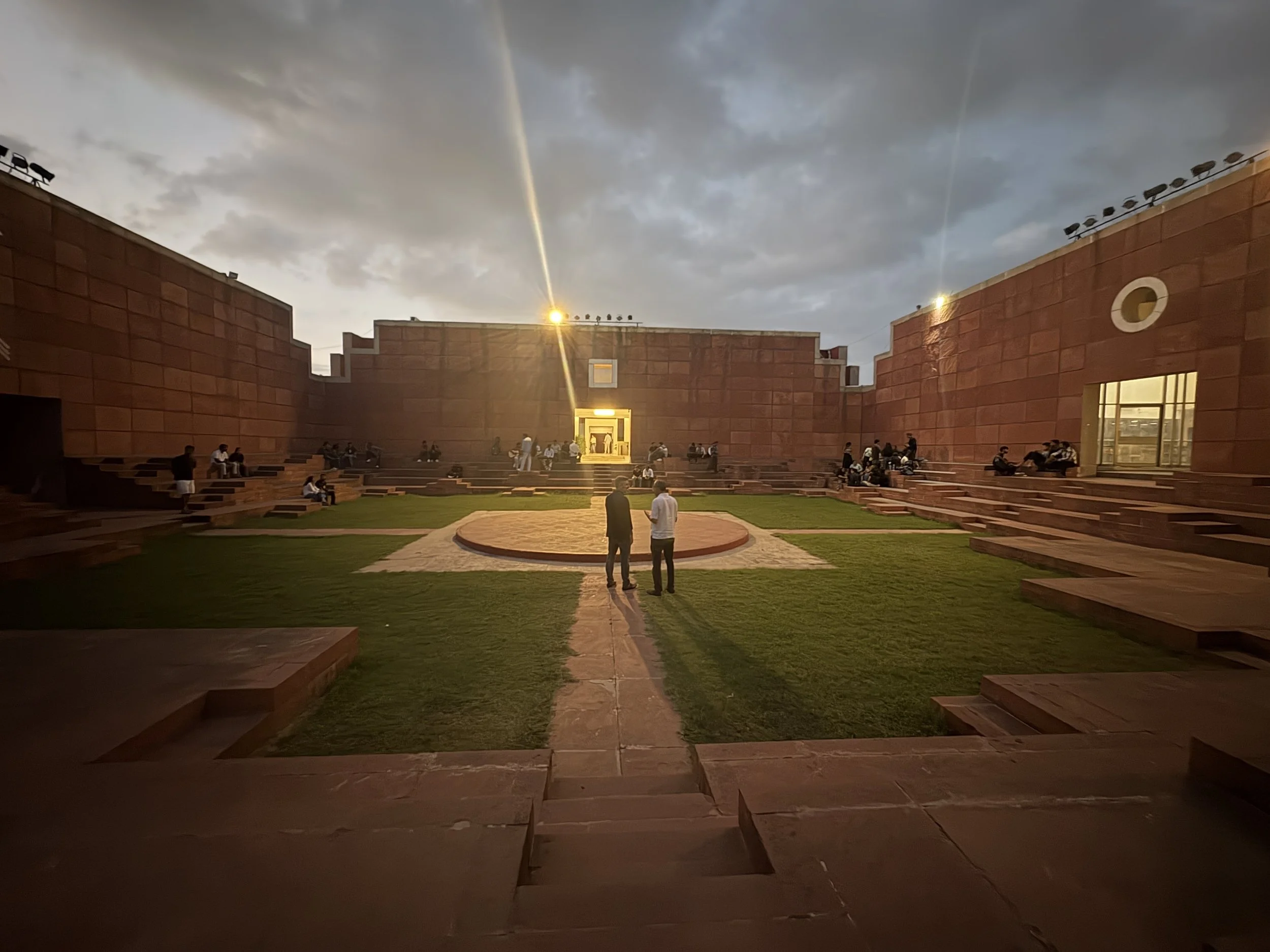
I was especially pleased to meet with AIA South Asia President Nela de Zoysa, whose longstanding commitment to the region has played an important role in fostering professional connections and advancing AIA engagement across South Asia. Our discussions focused on opportunities to strengthen regional collaboration and support the continued growth of AIA International in the region. I also had the opportunity to briefly connect with AIA International members in India and exchange perspectives on the opportunities and challenges facing architects in the region. As our presence in South Asia continues to grow, maintaining closer connections with members on the ground will remain essential. Looking ahead, we plan to launch a series of member engagement initiatives and regional roundtable discussions to strengthen connections, encourage knowledge exchange, and foster greater collaboration across South Asia.
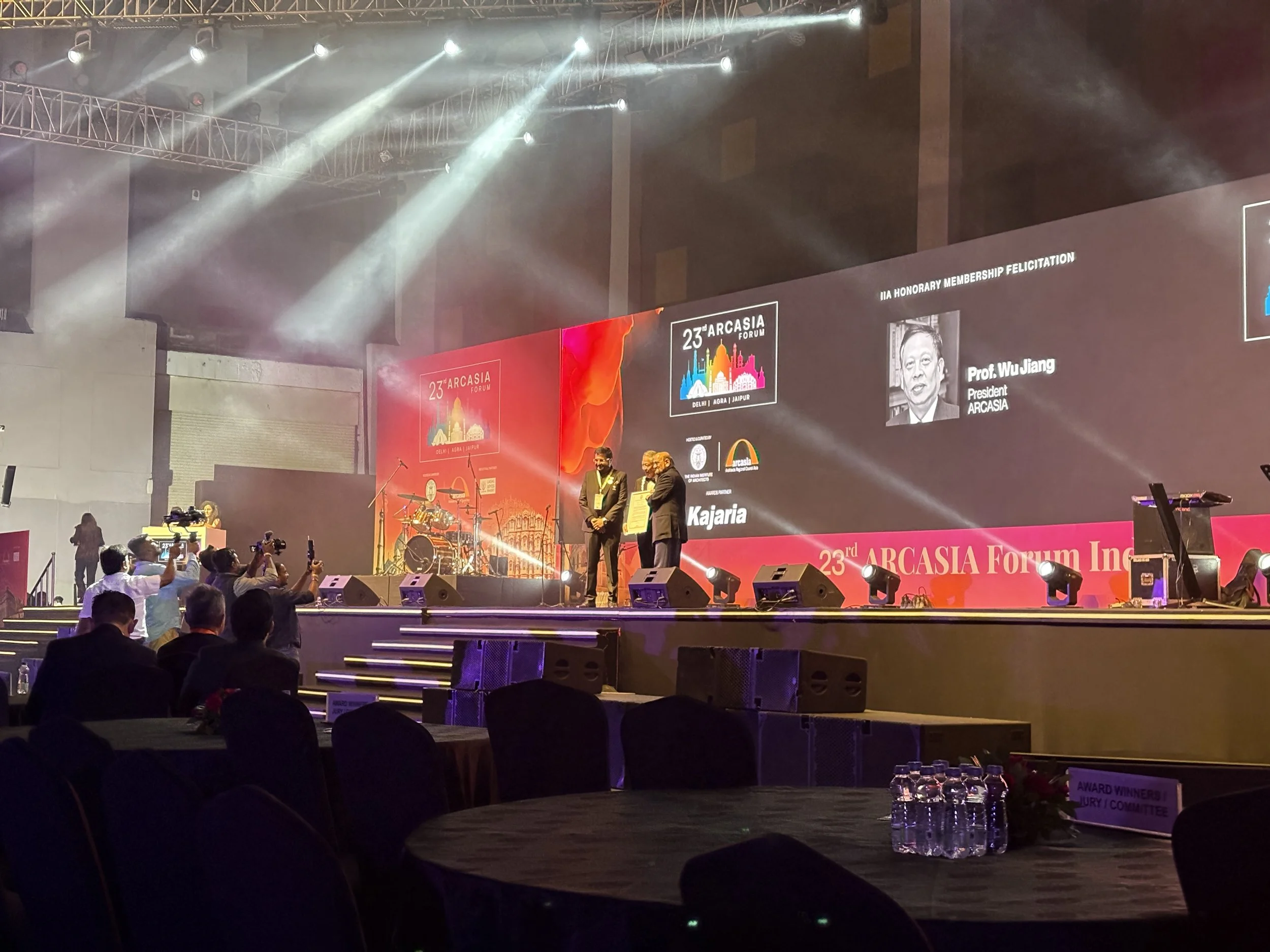
Tushar Sogani's election as the next ARCASIA President highlights the growing leadership influence of AIA International members within the broader Asian architectural community.
The Forum highlighted the growing leadership influence of AIA International members across Asia. I would like to congratulate Tushar Sogani, Vice President of the Indian Institute of Architects (IIA) and AIA International Country Representative for India, on his election as the next ARCASIA President. His achievement reflects both his individual leadership and the growing visibility of AIA International within the wider Asian architectural community.
I would also like to recognize Fawad Suhail Abbasi, FIAP, AIA International Country Representative for Pakistan and President of the Institute of Architects Pakistan (IAP), whose candidacy for the ARCASIA presidency further demonstrates the significant contributions of AIA International members to regional professional leadership.
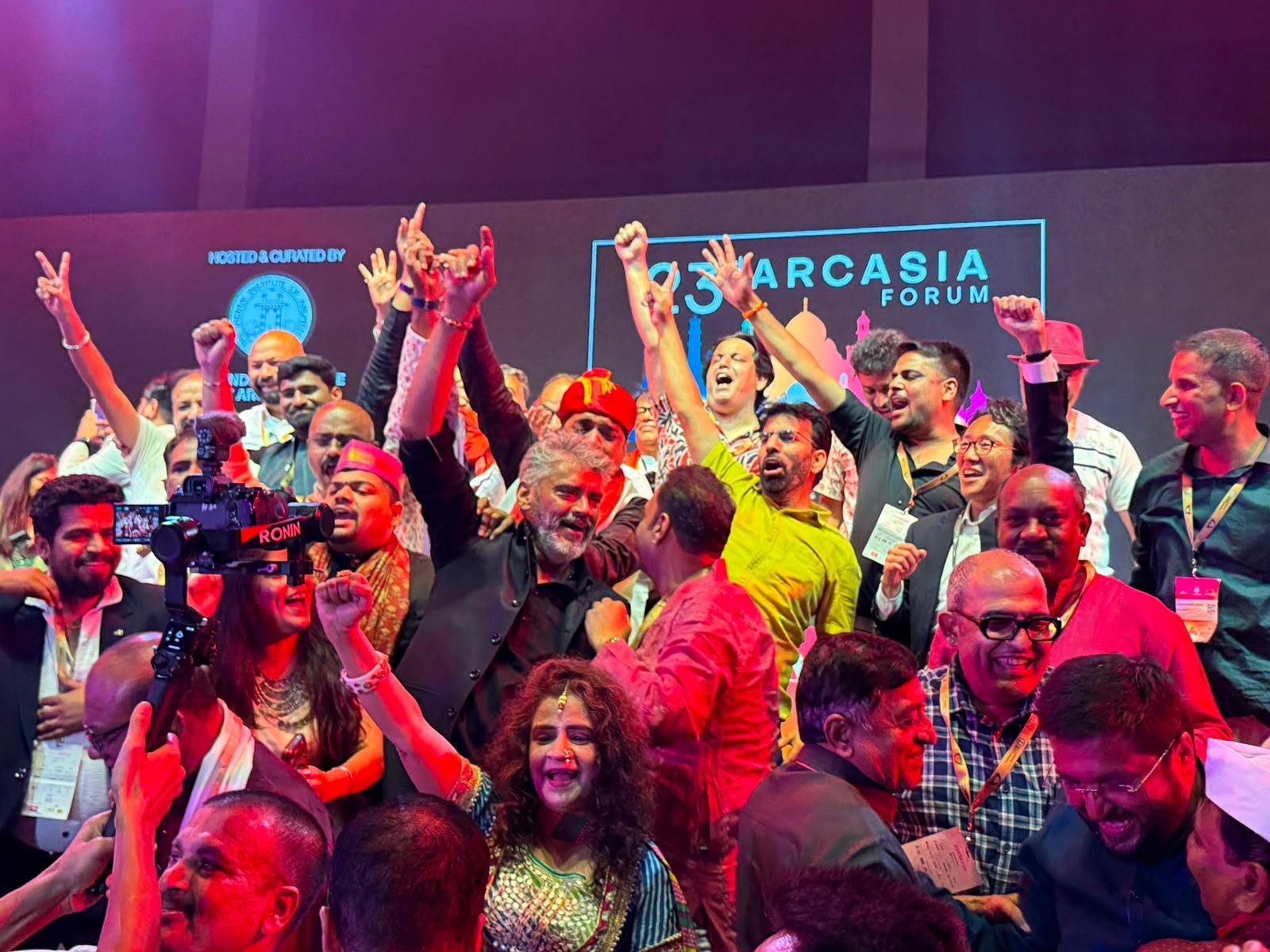
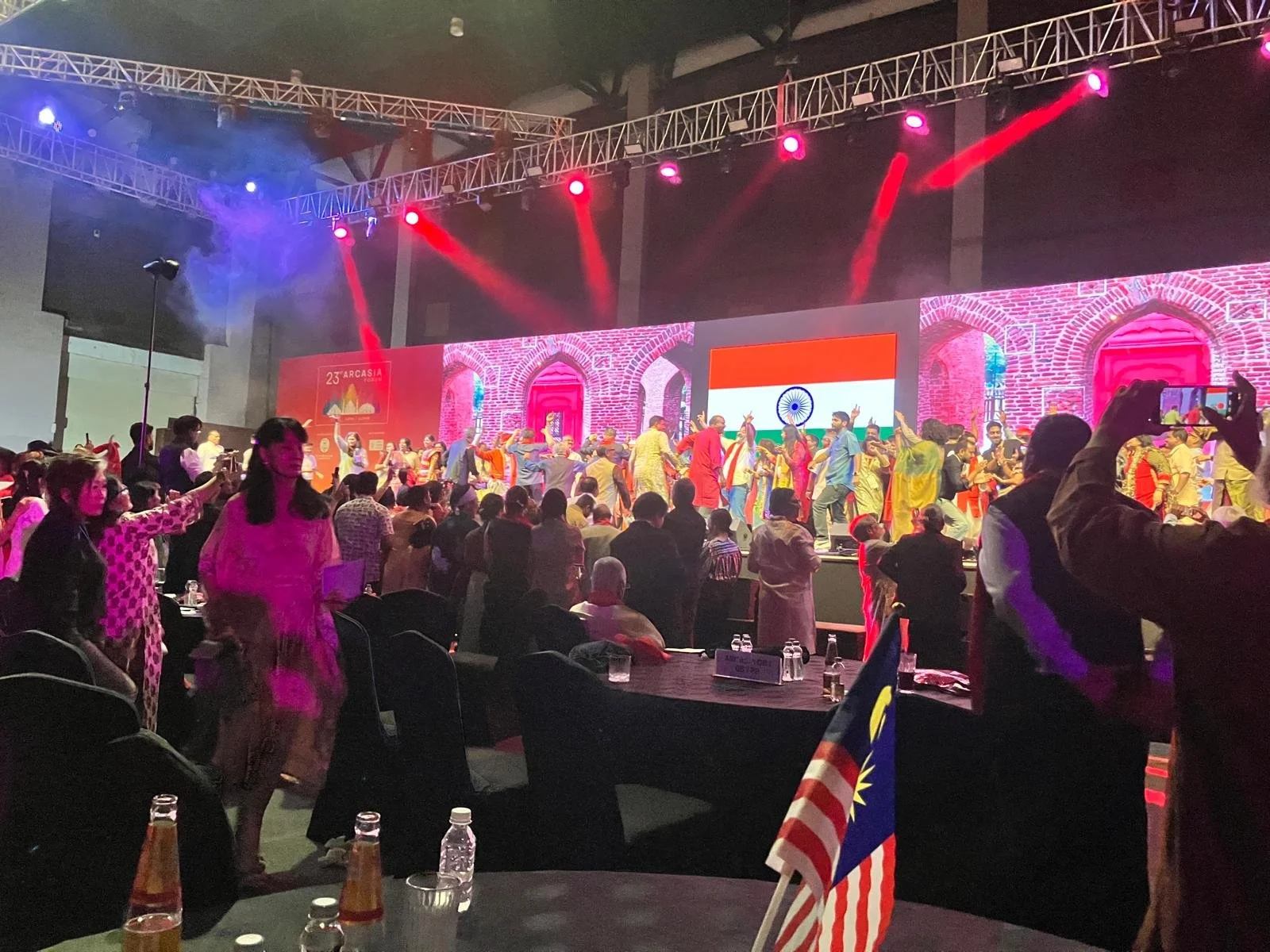
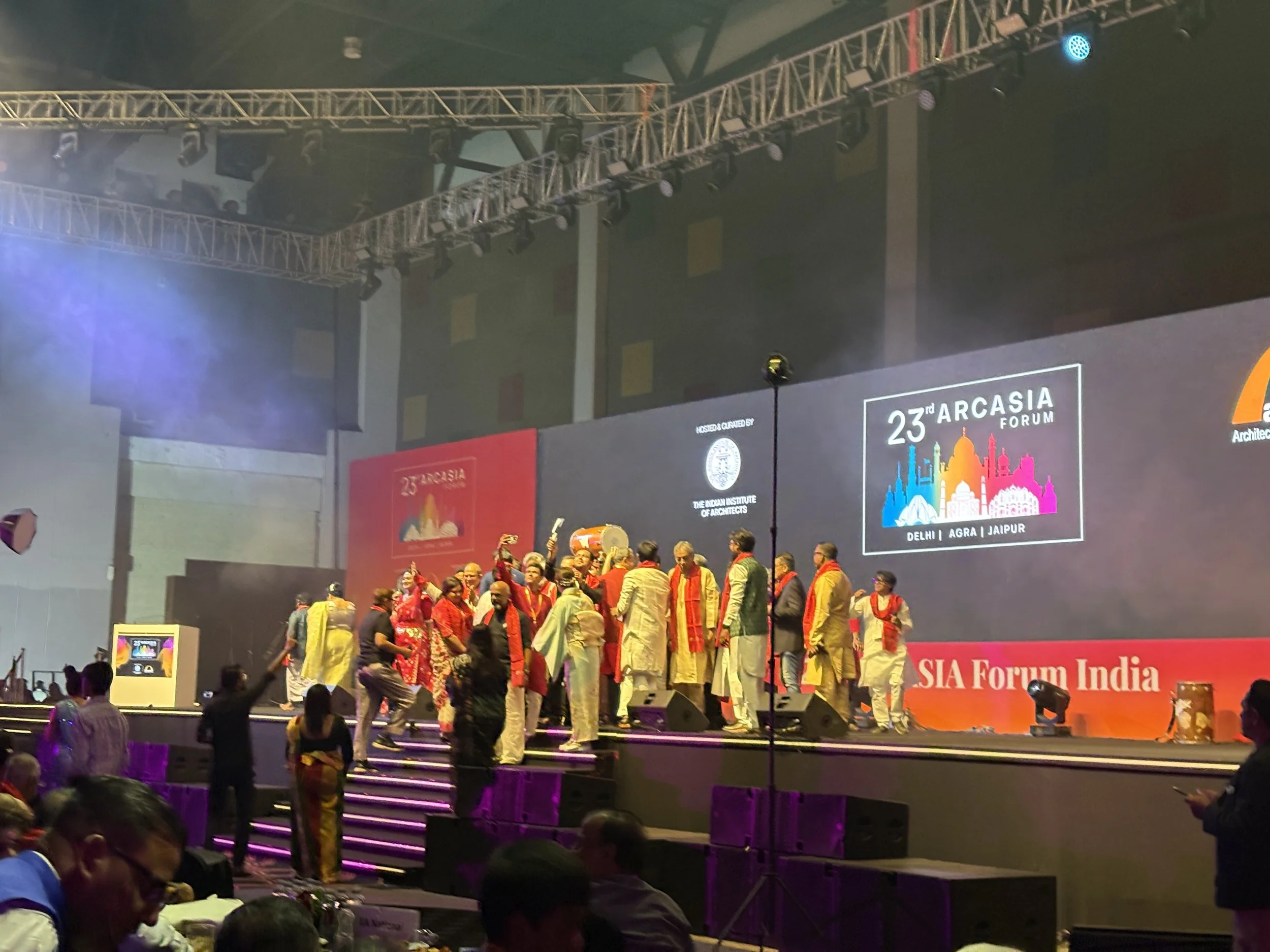
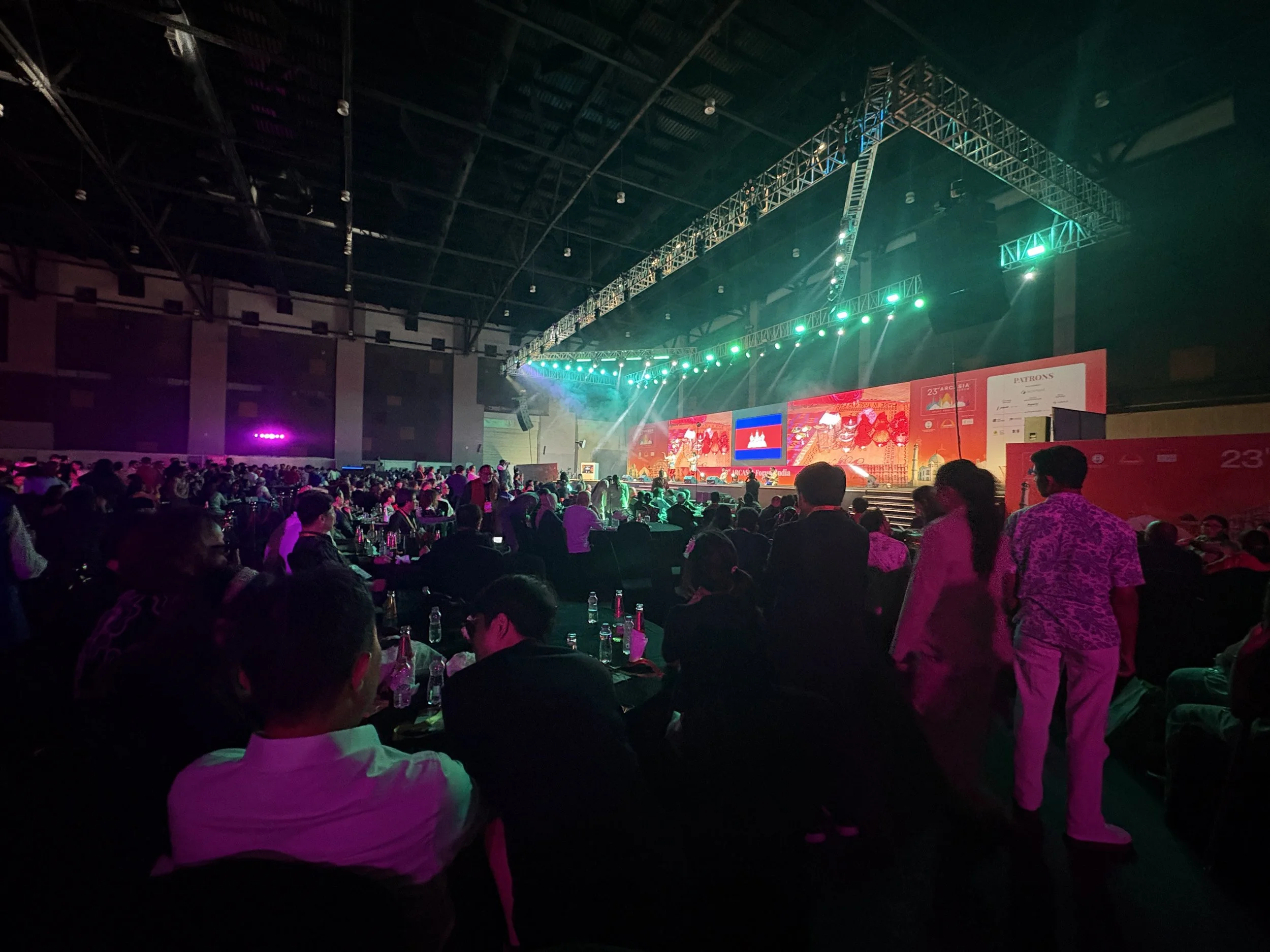
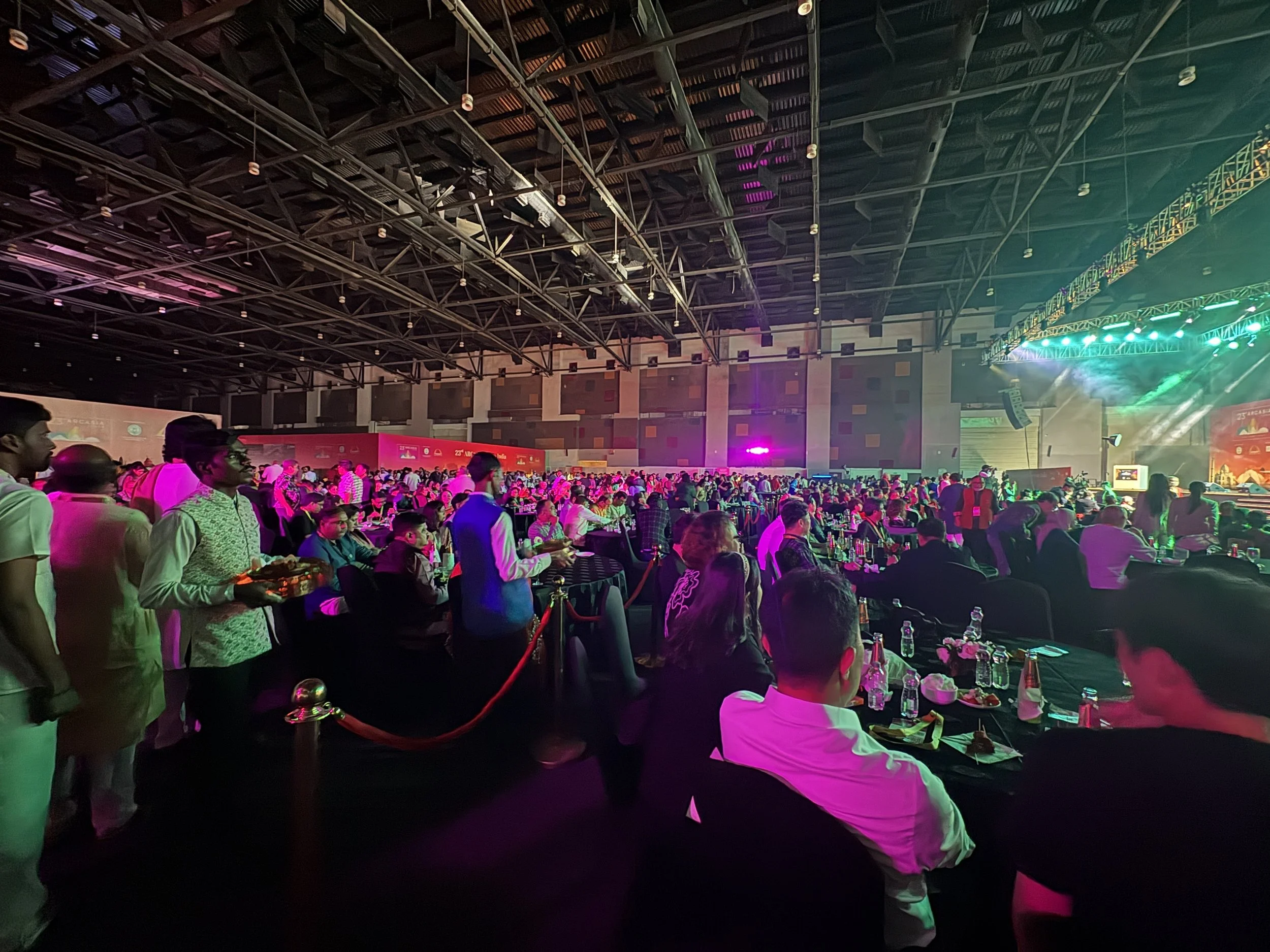
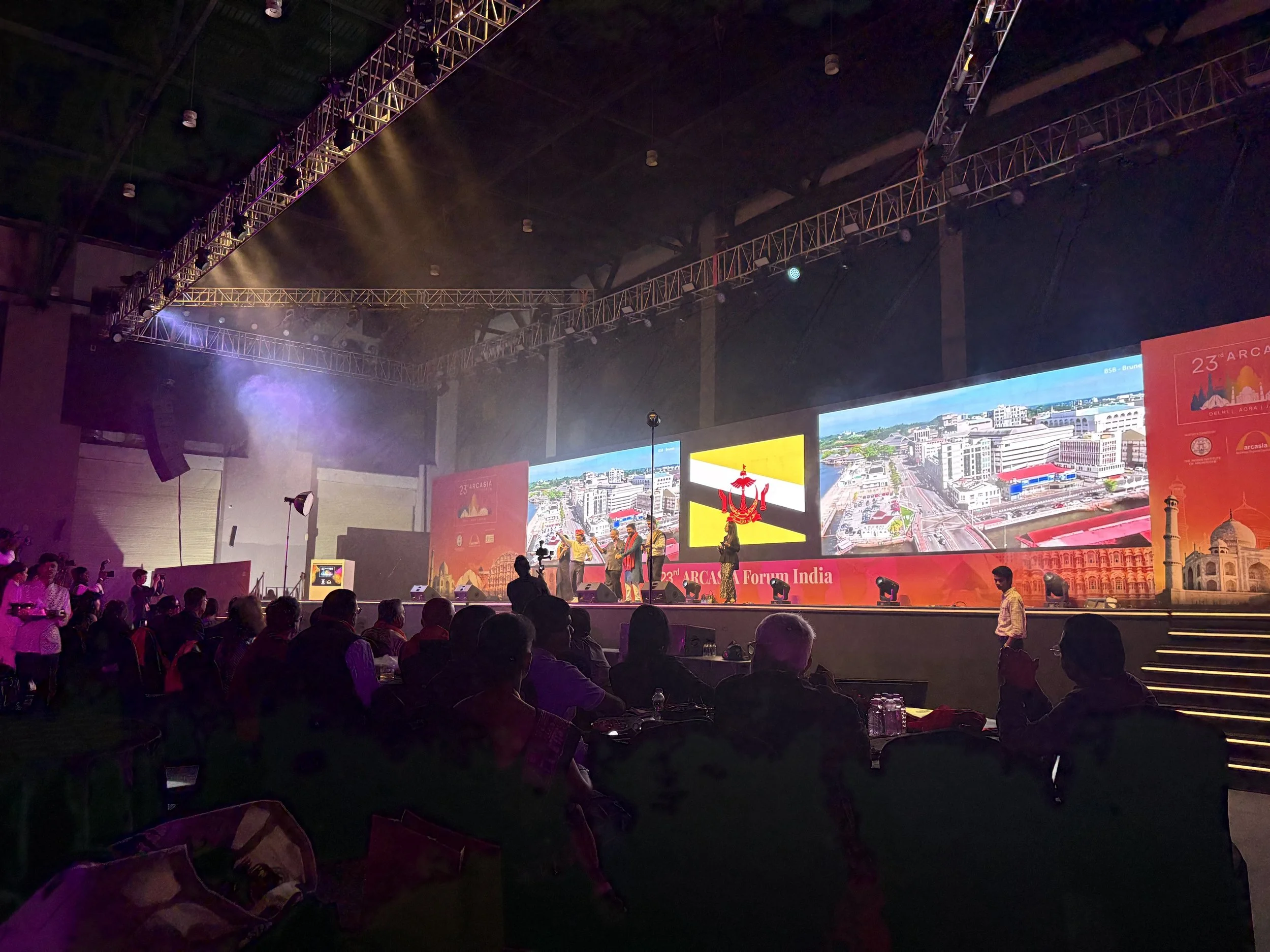
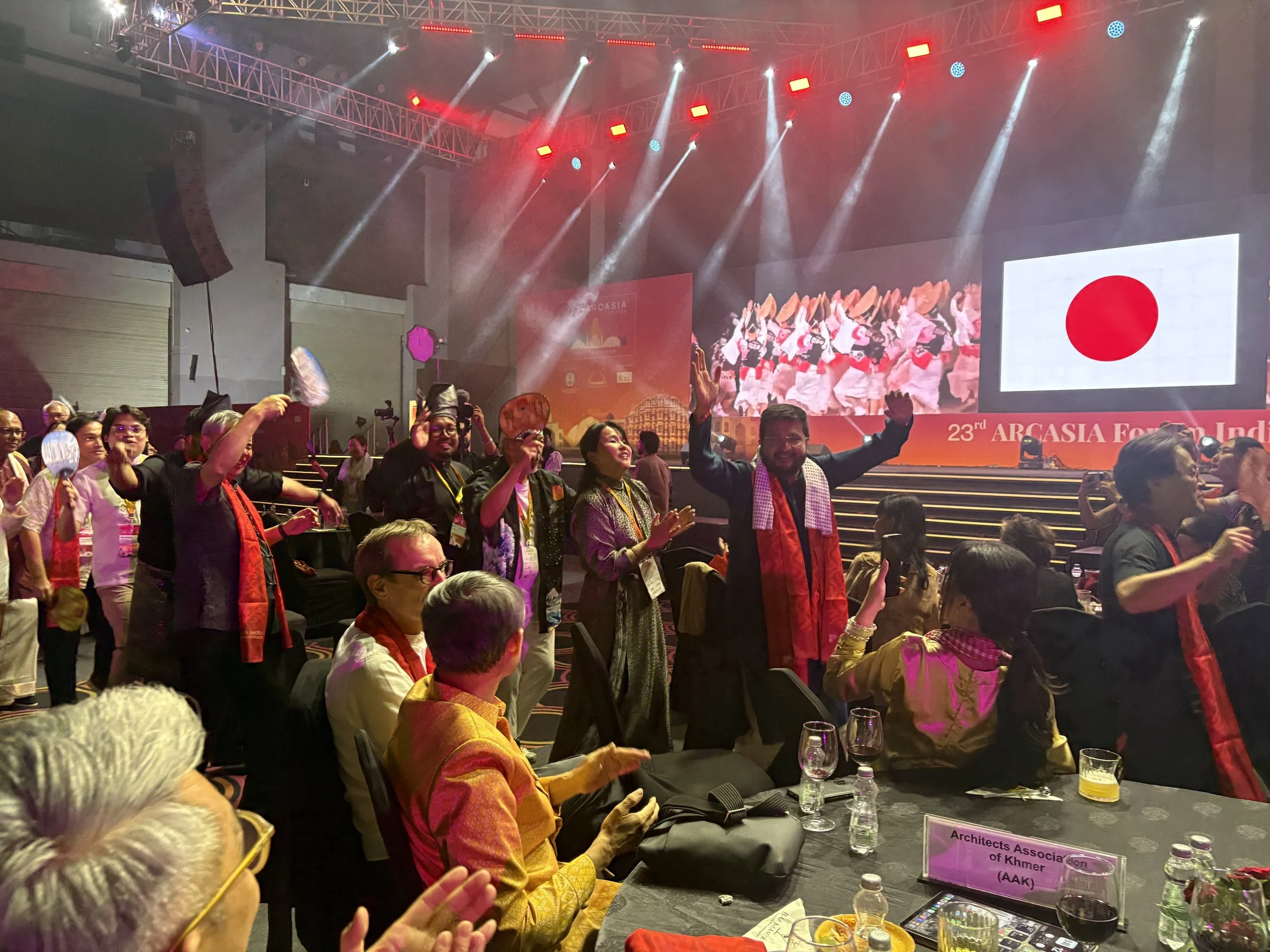
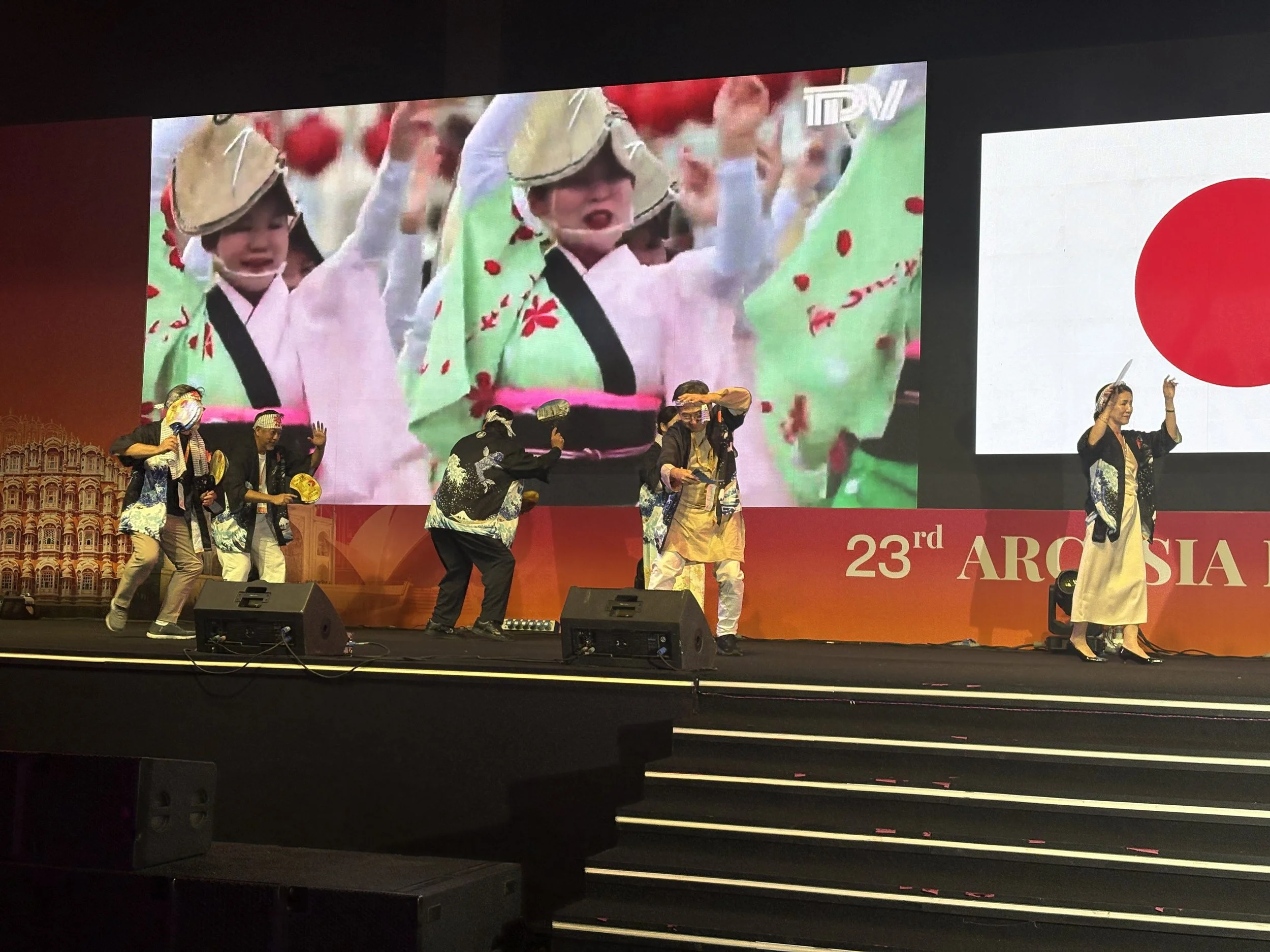
The Forum reinforced an important principle: international networks are not built solely through formal agreements or institutional partnerships. They are built through trust, personal relationships, and the shared experience of culture and friendship.
On the final evening, the ARCASIA Traditional Friendship Night brought this spirit to life. Representatives from 24 countries took the stage one by one, each presenting a performance they had prepared to represent their country and culture. Through music, dance, singing, and celebration, everyone shared something of their own heritage while enjoying the traditions of others. After several days of meetings, discussions, and hard work, it was a chance to put aside professional titles and institutional responsibilities, relax, laugh, and celebrate together.
It was a wonderful reminder that international relationships are built not only around conference tables, but also through the personal connections and shared experiences that bring people closer. As we continue strengthening AIA International’s presence throughout East, Southeast, and South Asia, these relationships will remain one of our greatest strengths and an important foundation for future collaboration, member engagement, and growth.
Looking Ahead
From Barcelona to Singapore, San Francisco, Chicago, Auckland, and Jaipur, these engagements reflect the broader direction of AIA International during this term.
Each engagement served a distinct purpose. Barcelona strengthened our engagement with the global architecture community and international professional organizations. Singapore deepened our relationships across Southeast Asia and strengthened connections with the region’s architectural community. San Francisco strengthened our strategic foundation and long-term membership vision. Chicago reinforced connections across the AIA community in the United States. Auckland expanded our engagement with Oceania and the Commonwealth professional network. Jaipur strengthened our relationships throughout Asia while supporting the development of our new South Asia Section.
Collectively, these efforts are part of a larger goal: to create greater value for our members and strengthen the architecture profession as a whole. Our international network should not simply create more programs or activities. It should help members connect, learn, lead, and find new opportunities; recognize and elevate the contributions of our profession; support emerging professionals; and create stronger pathways for local chapters, sections, and Country Representatives to work together.
We are also continuing to expand and strengthen our global network. New Country Representatives have been established in Barbados, Belize, Jamaica, Saint Kitts and Nevis, and Saint Lucia, further extending AIA International’s connections across the Caribbean. We also celebrate the ratification of AIA Taipei as an official AIA Chapter, an important milestone in the continued growth of AIA’s global community. This achievement reflects the dedication, leadership, and perseverance of the volunteers and AIA staff who worked over time to strengthen AIA’s presence and member engagement in Taiwan.
We also need to work more collectively as one profession. By bringing together AIA International, our chapters and sections, Country Representatives, partner organizations, and local professional communities, we can share resources, reduce duplication, activate existing networks, and create opportunities that would be difficult for any one group to achieve alone. Working together should also make the work more sustainable for our volunteers, reducing unnecessary burdens while increasing the impact of their efforts.
Ultimately, these efforts are about making our members proud to belong to AIA and proud to be part of the architecture profession. A strong international network should give members a sense of connection and recognition, while demonstrating the value of our profession across borders and cultures.
These efforts directly support our vision of “Architecture Beyond Borders: Responsibility, Culture, and the Future of Our Profession.”
As we continue through the 2026–2027 term, I remain committed to strengthening AIA International as a platform that connects people, activates our global network, and creates tangible value for members and the profession. Our success should be measured not simply by the number of events or partnerships we create, but by what we are able to accomplish together, for our members, for emerging professionals, for our local communities, and for the future of architecture.
Segene Park, AIA
AIA International President